why questions
Why does that happen?
Browse clear answers to everyday why questions, from mosquito bites and red sunsets to memory slips, sleep, seasons, and space.
All why articles
206 questions
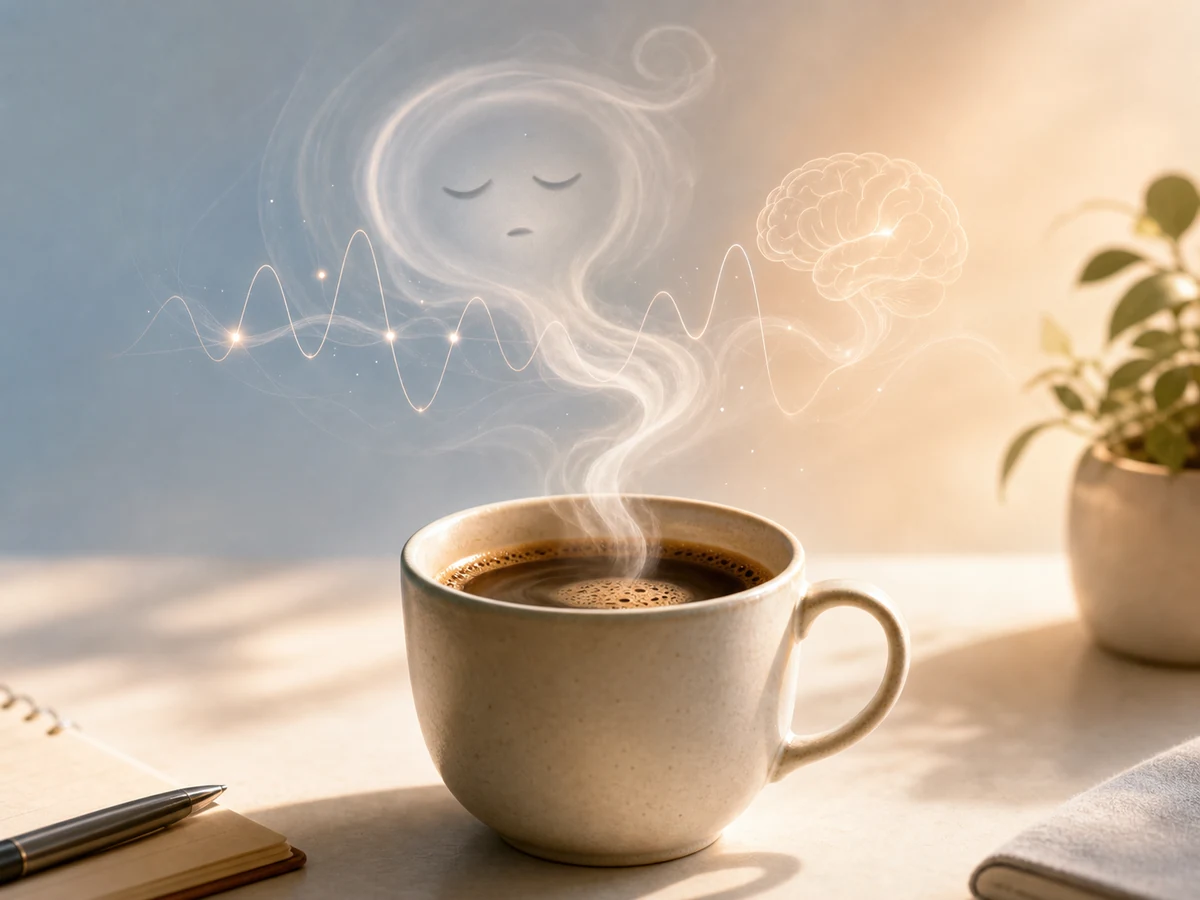
EVERYDAY SCIENCE
Why Does Coffee Make Me Sleepy?
Open article ->
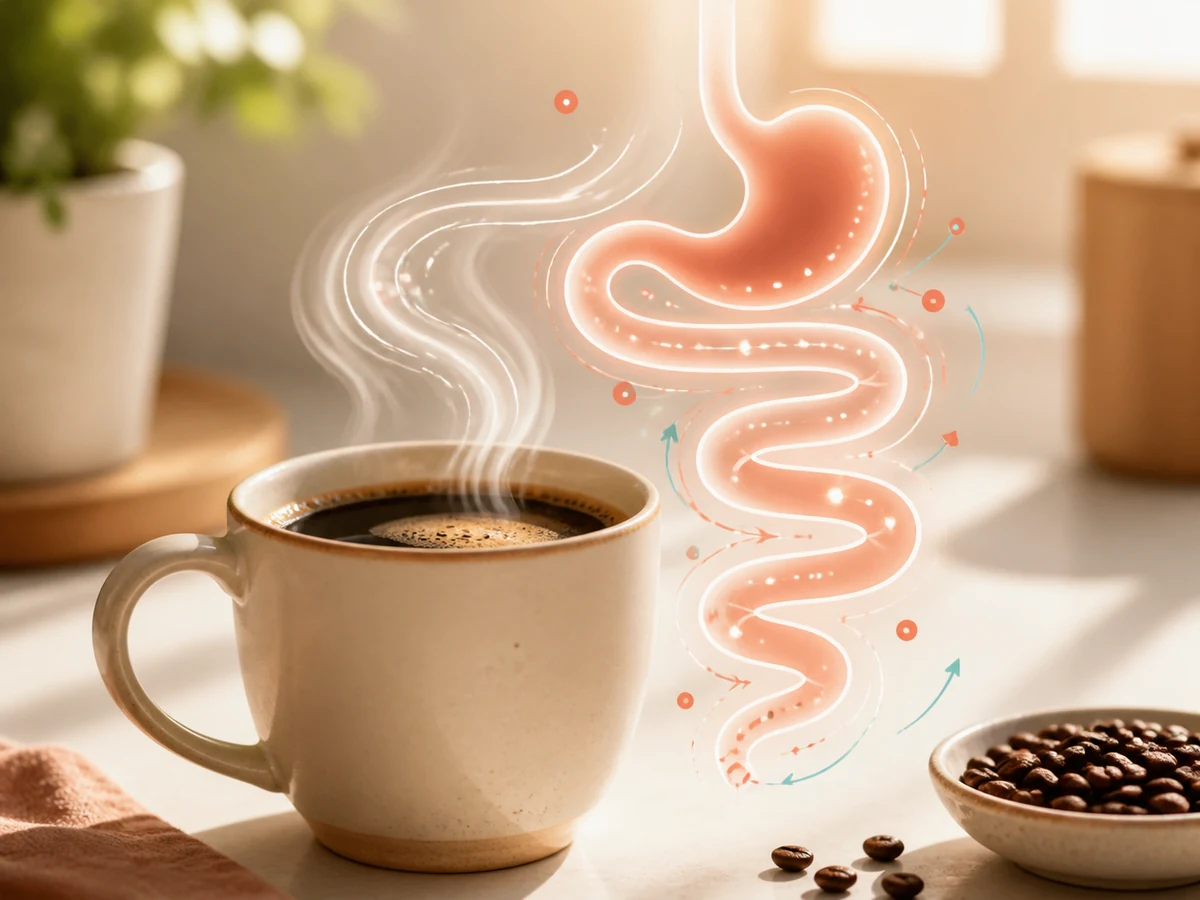
EVERYDAY SCIENCE
Why Does Coffee Make You Poop?
Open article ->
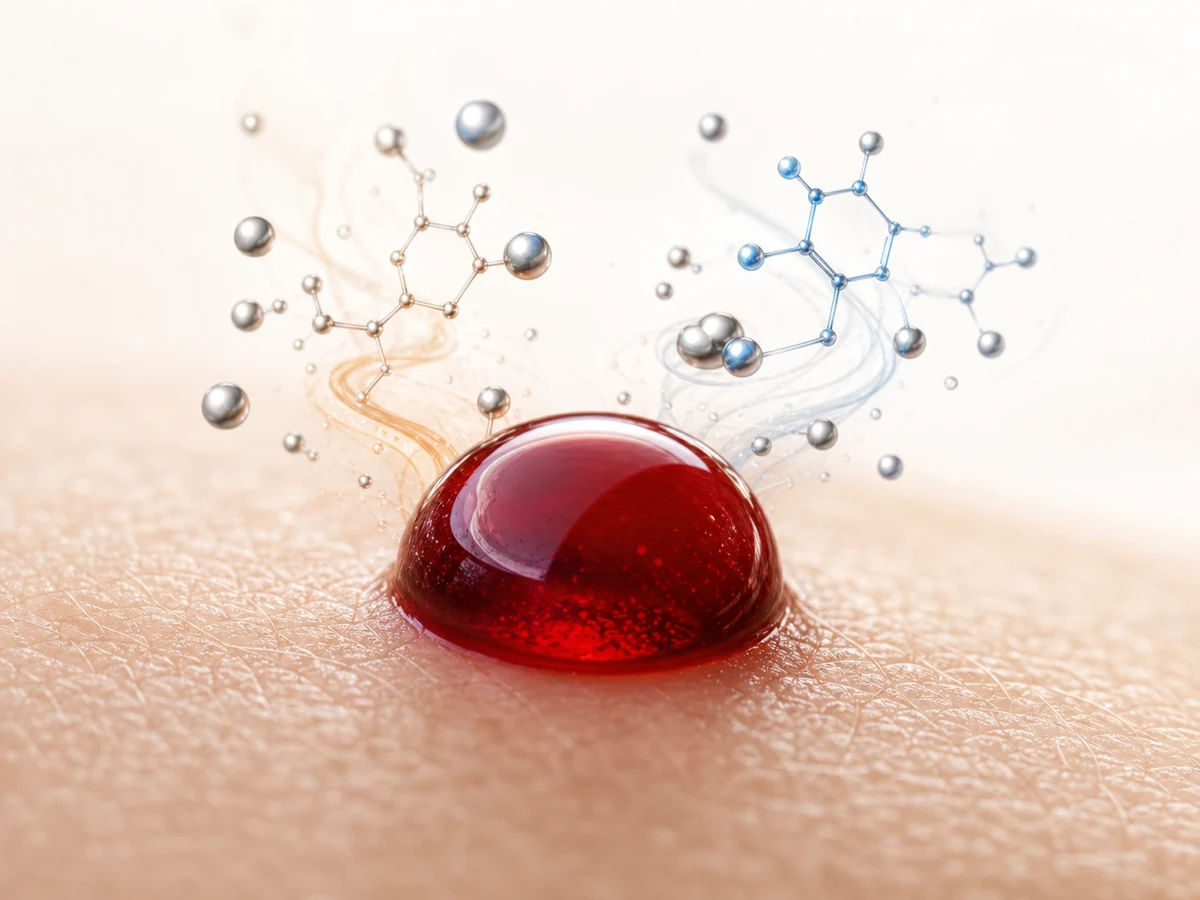
EVERYDAY SCIENCE
Why Does Blood Smell Like Metal?
Open article ->
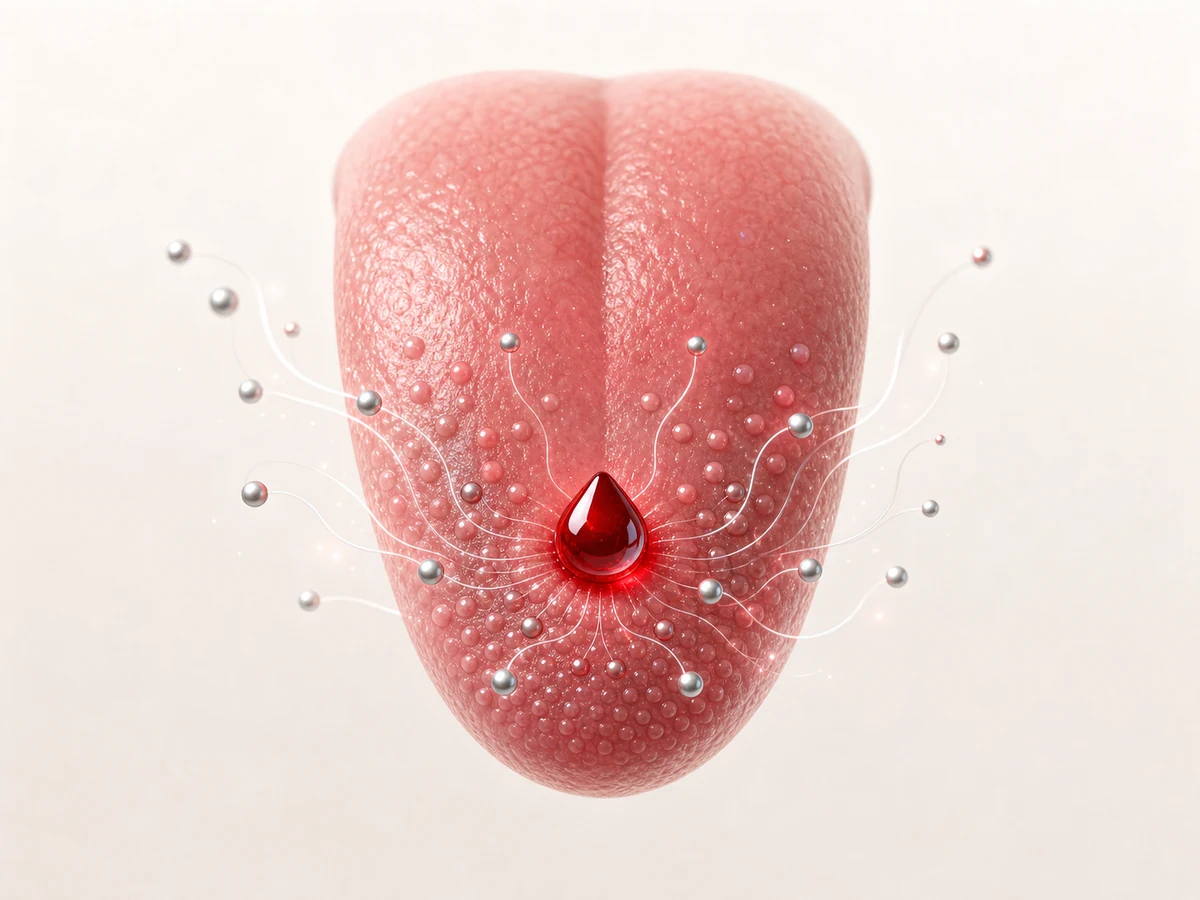
EVERYDAY SCIENCE
Why Does Blood Taste Like Metal?
Open article ->
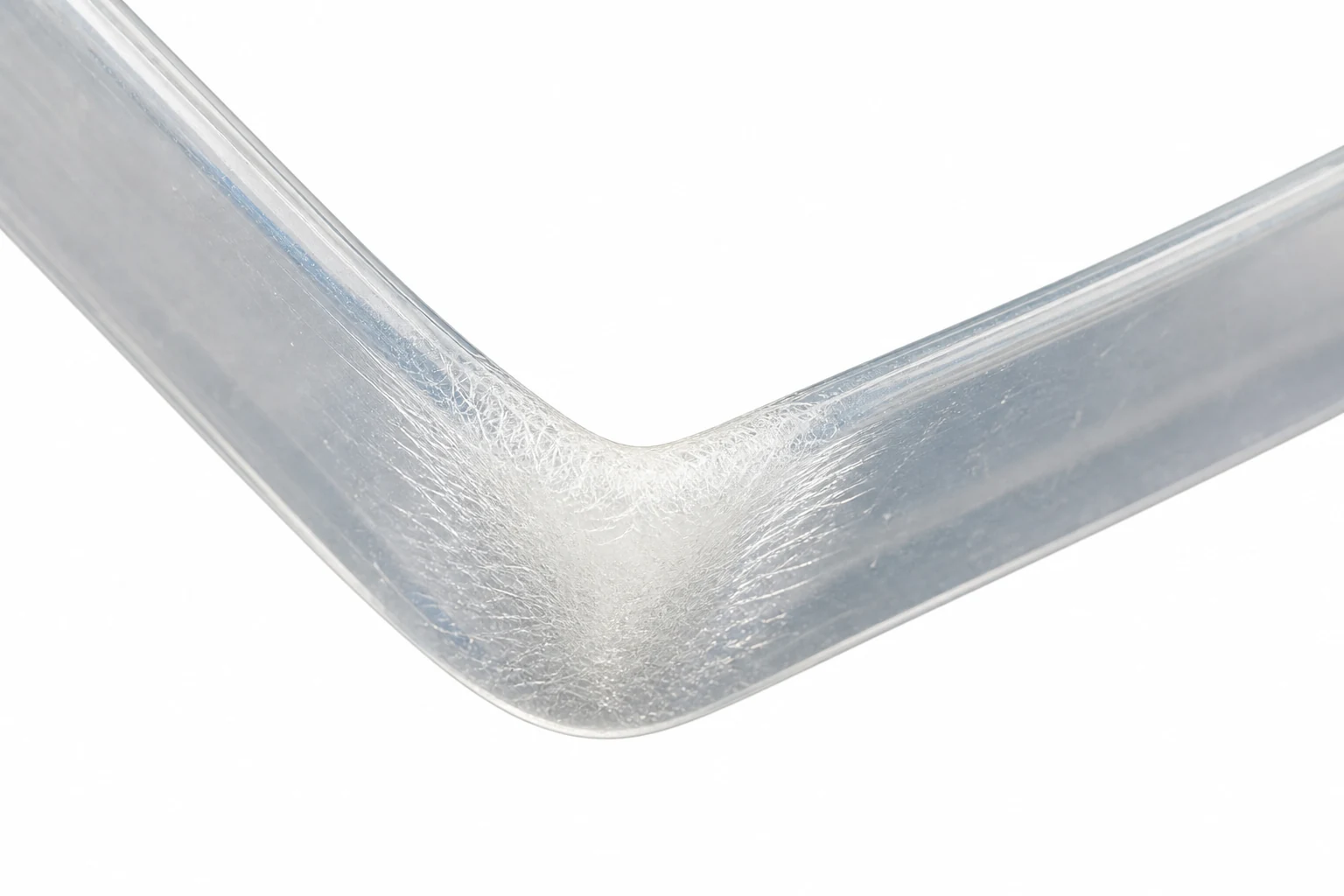
MATERIALS SCIENCE & PHYSICS
Why Bent Plastic Turns White: Crazing, Micro-Voids, and Polymer Stress
Open article ->
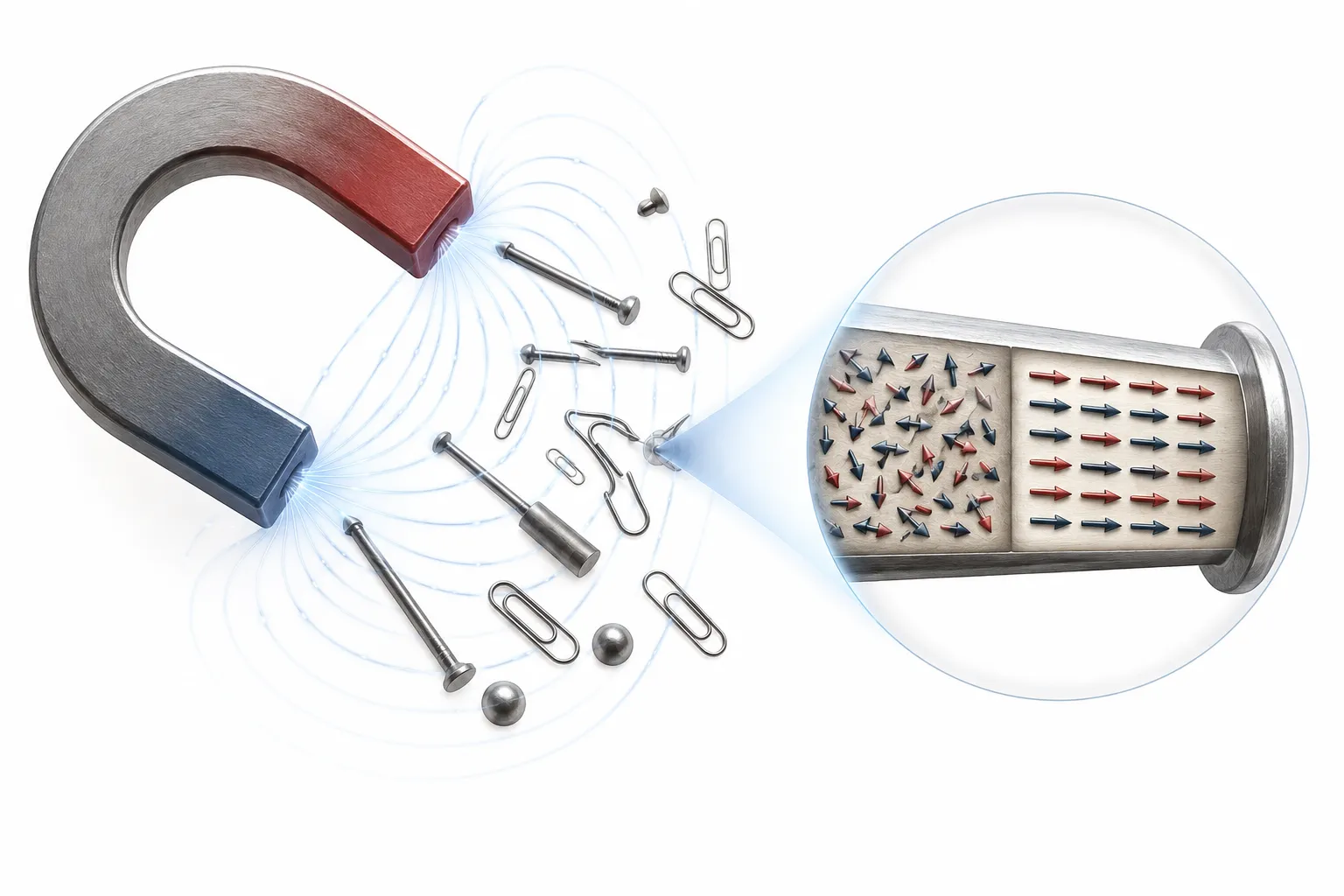
EVERYDAY PHYSICS
Why Do Magnets Attract Metal?
Open article ->
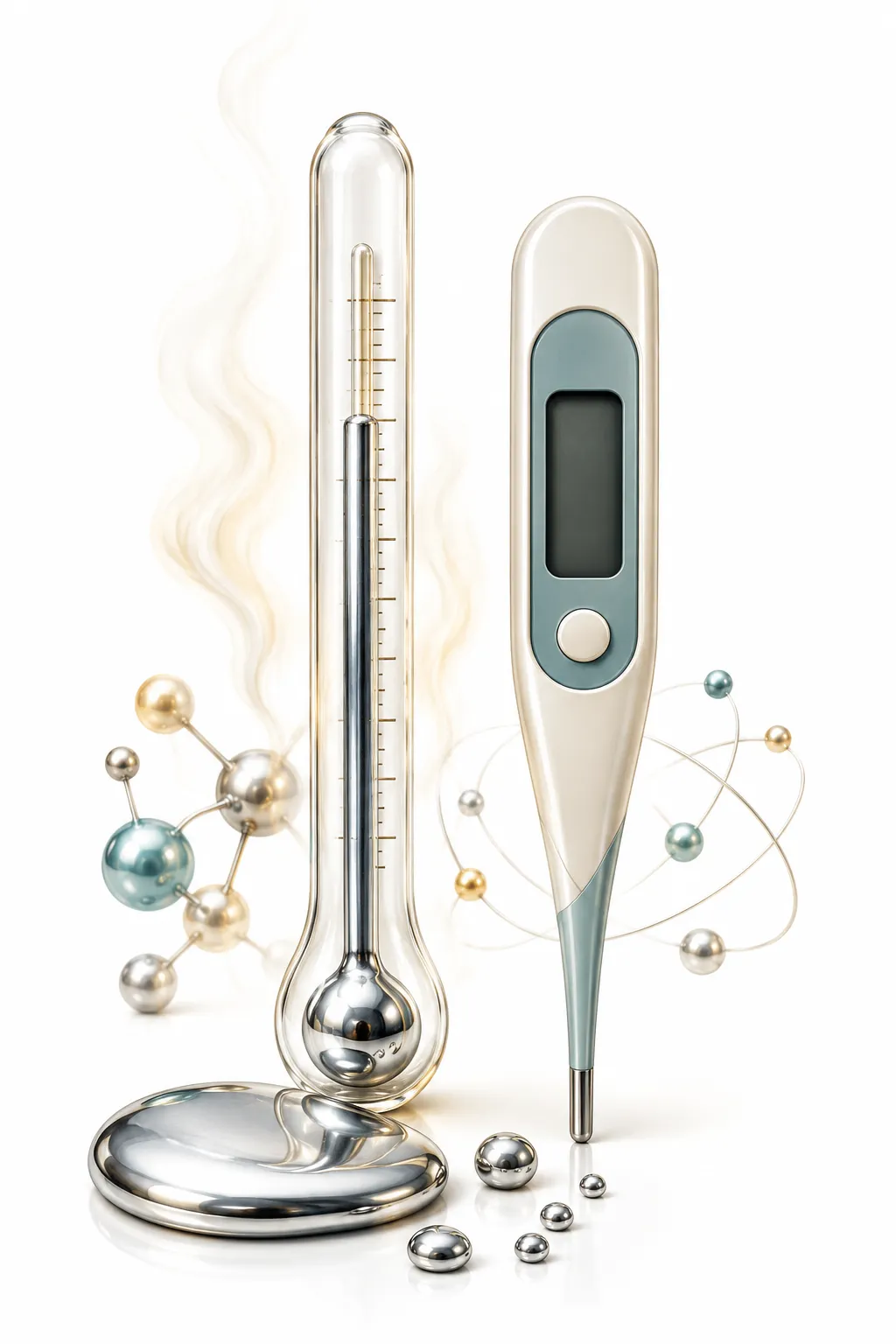
EVERYDAY SCIENCE
Why Do Thermometers Have Mercury?
Open article ->
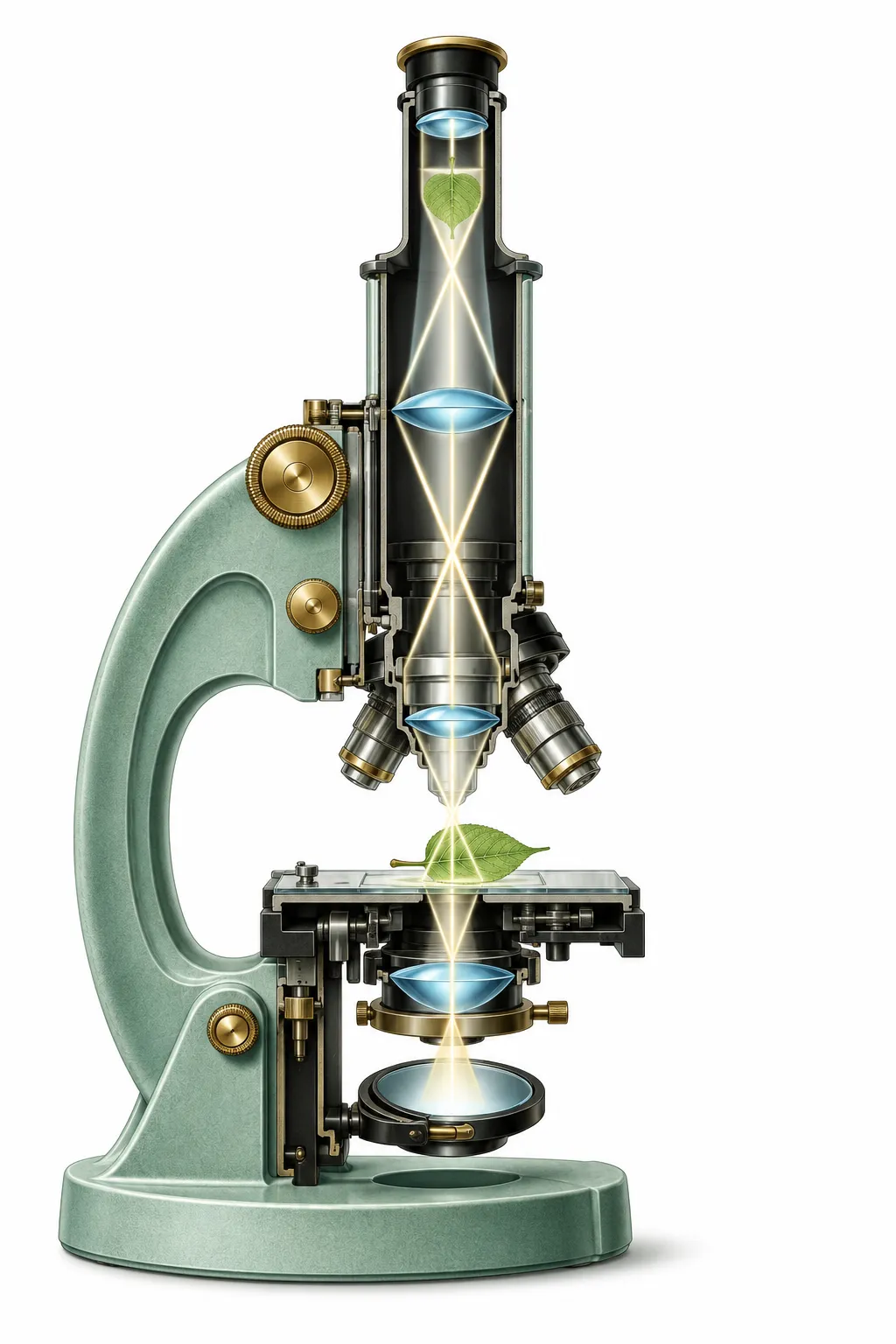
OPTICS
Why Are Microscope Images Inverted?
Open article ->
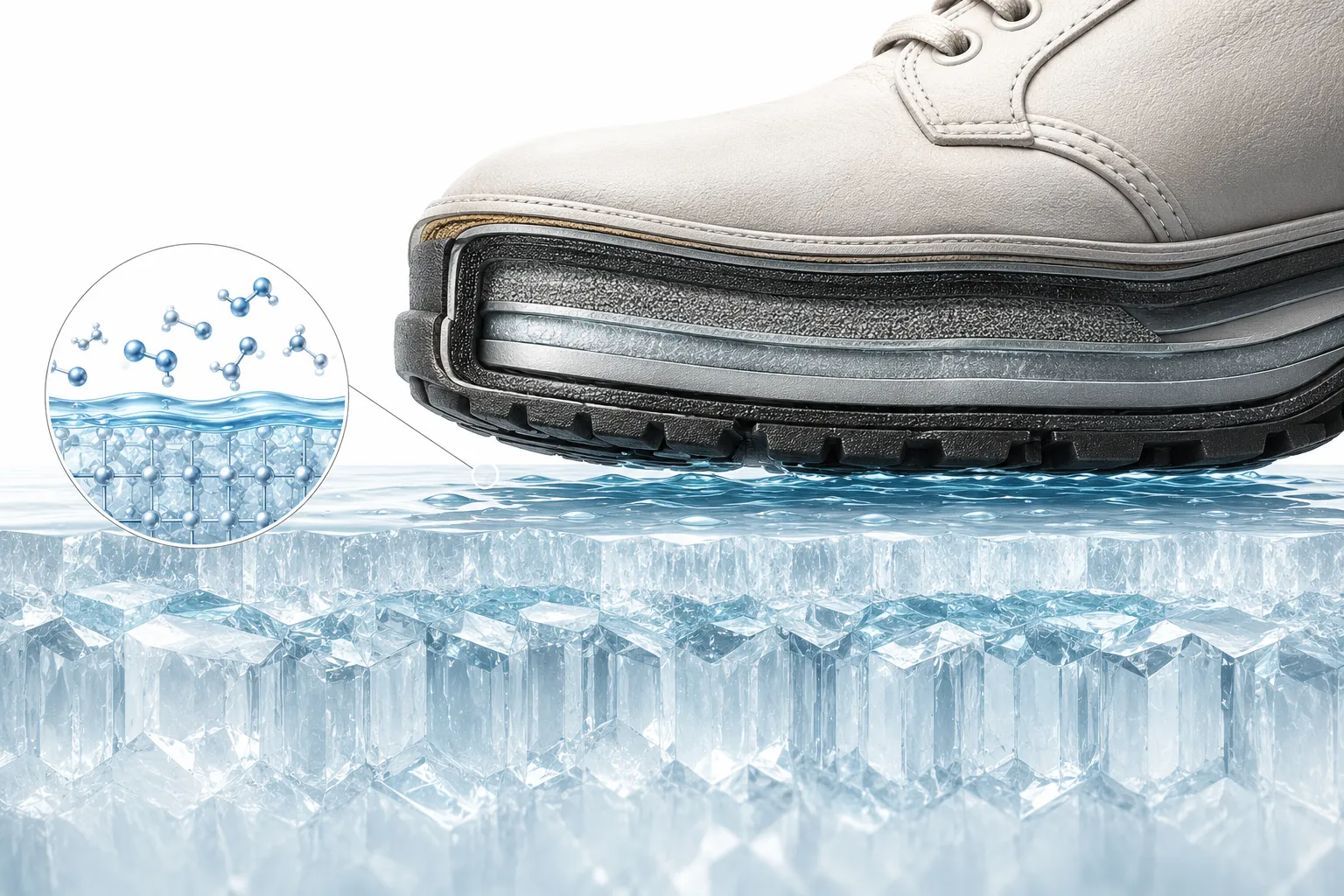
EVERYDAY PHYSICS
Why Is Ice Slippery?
Open article ->
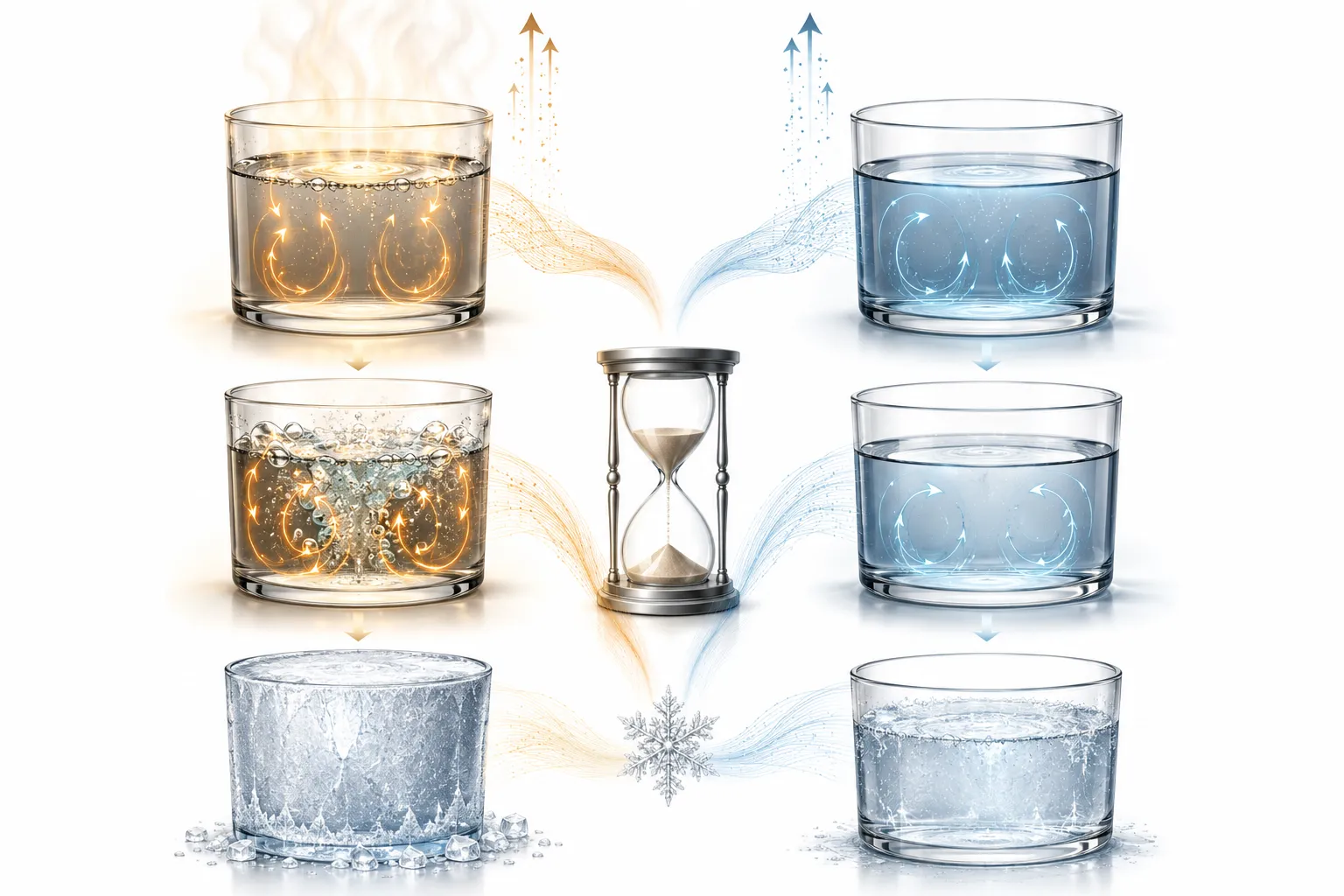
PHYSICS PARADOX
Why Does Hot Water Freeze Faster Than Cold Water?
Open article ->
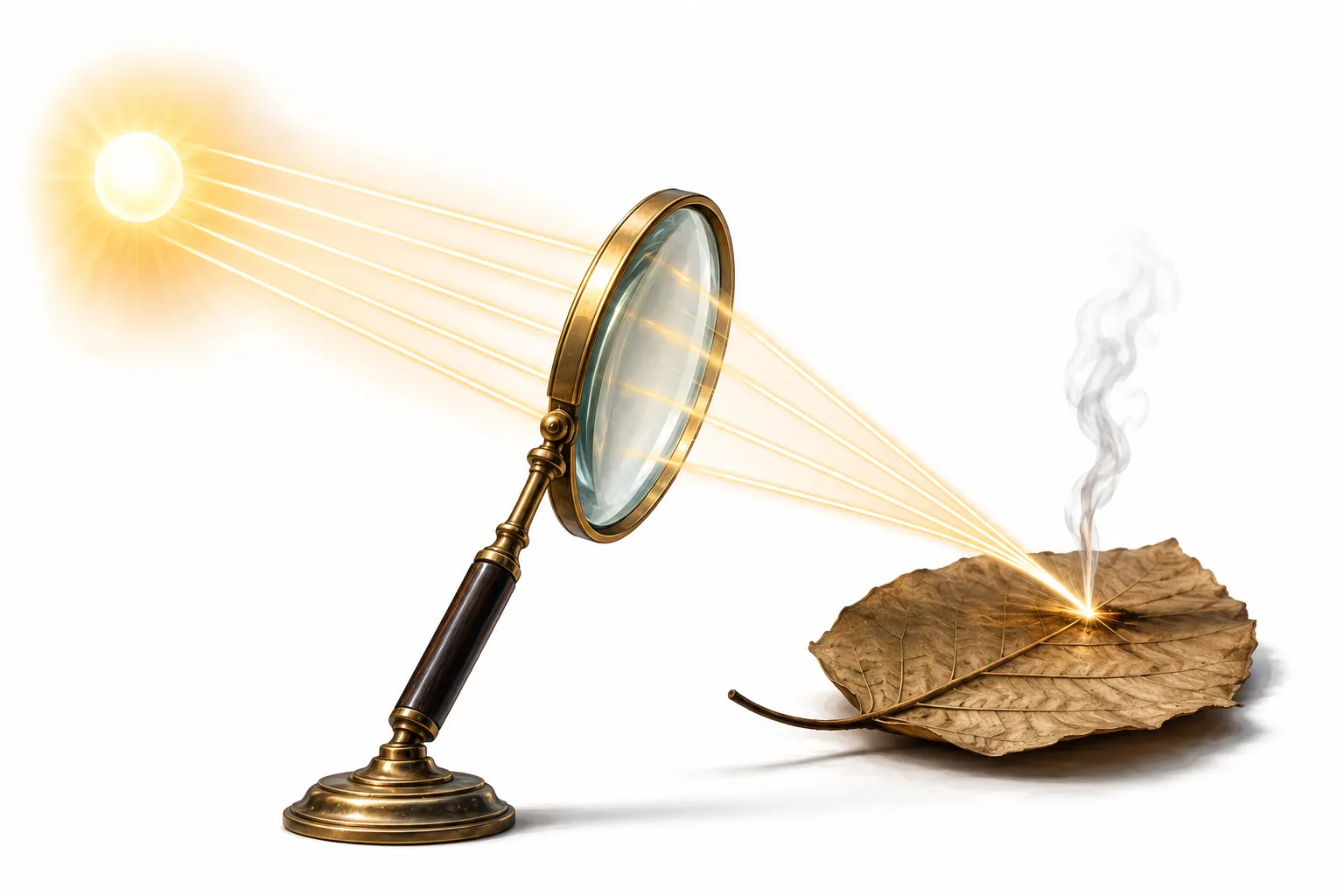
LIGHT & HEAT
Why Does a Magnifying Glass Burn Things?
Open article ->
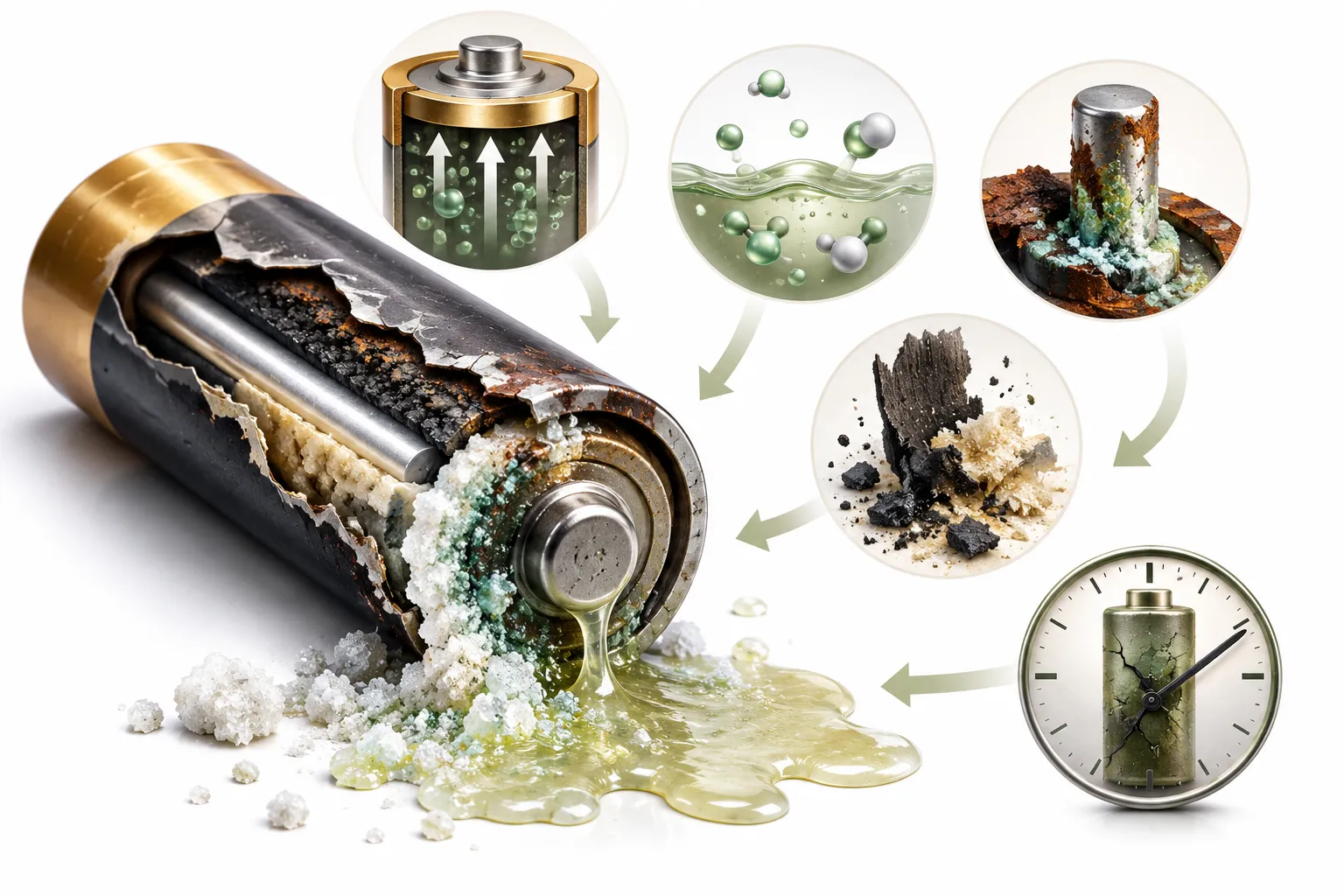
Electrochemistry
Why Do Batteries Leak?
Open article ->
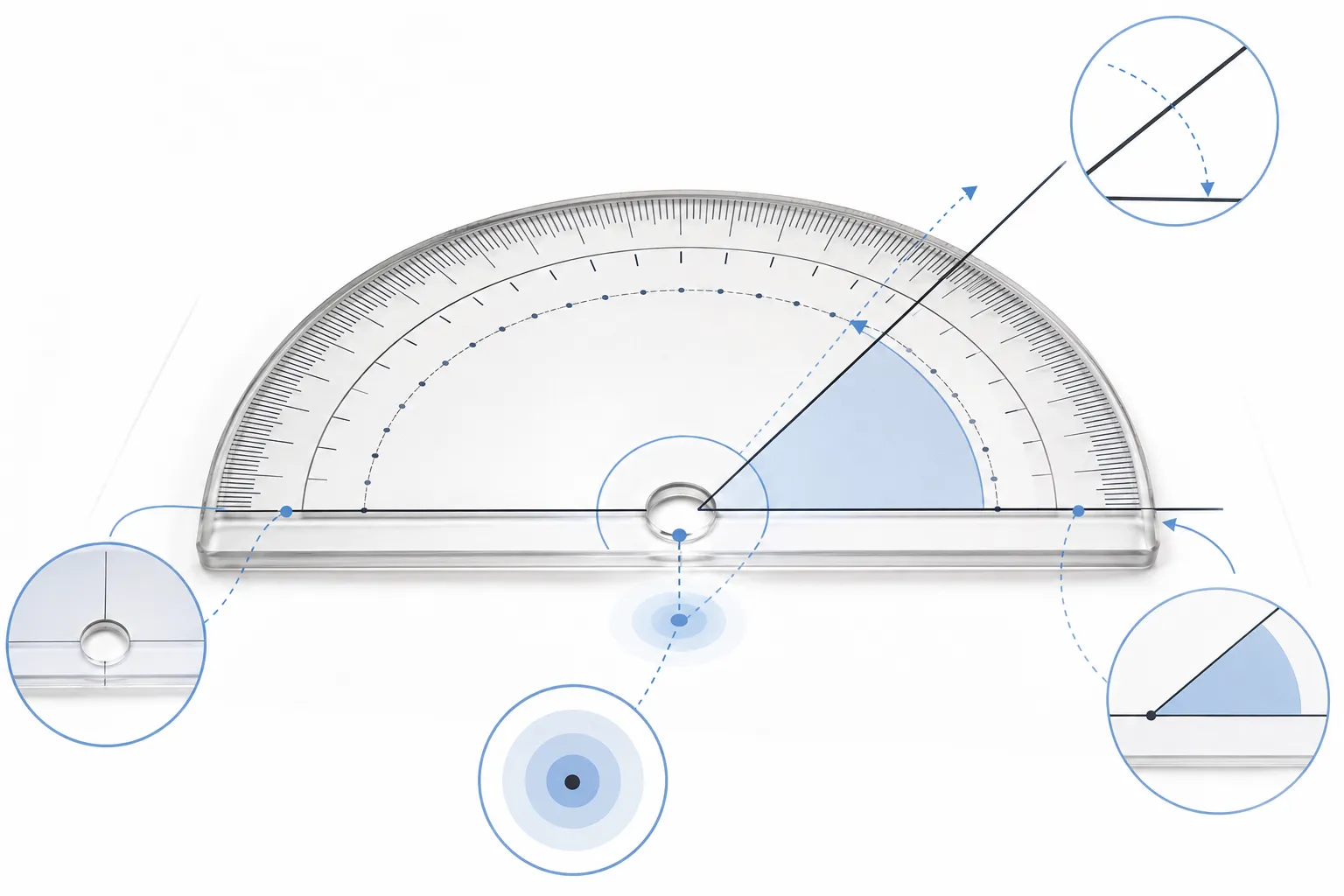
Geometric Design
Why Do Protractors Have a Hole in the Middle?
Open article ->
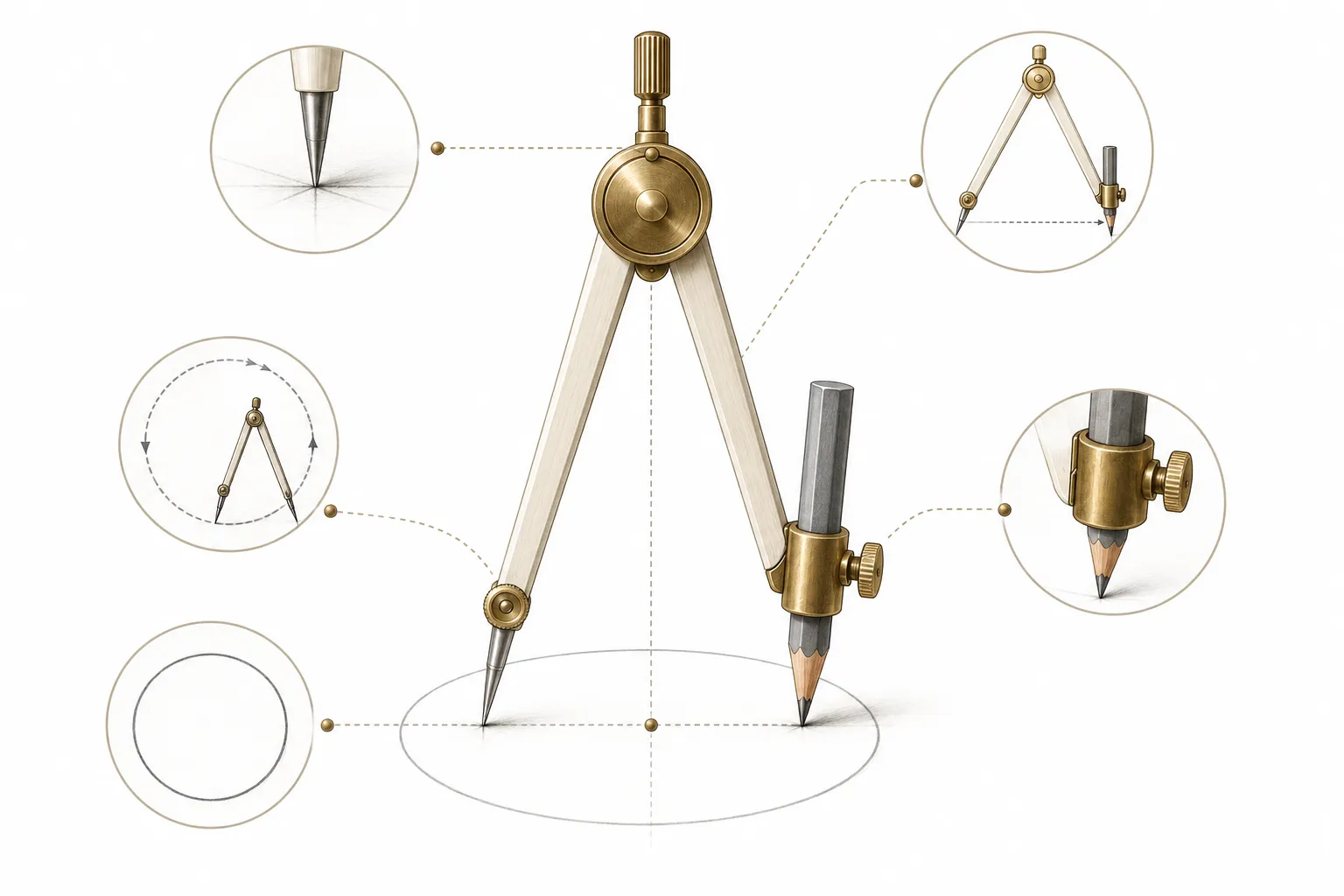
Geometric Mechanics
Why Do Compasses Have a Pencil Holder?
Open article ->
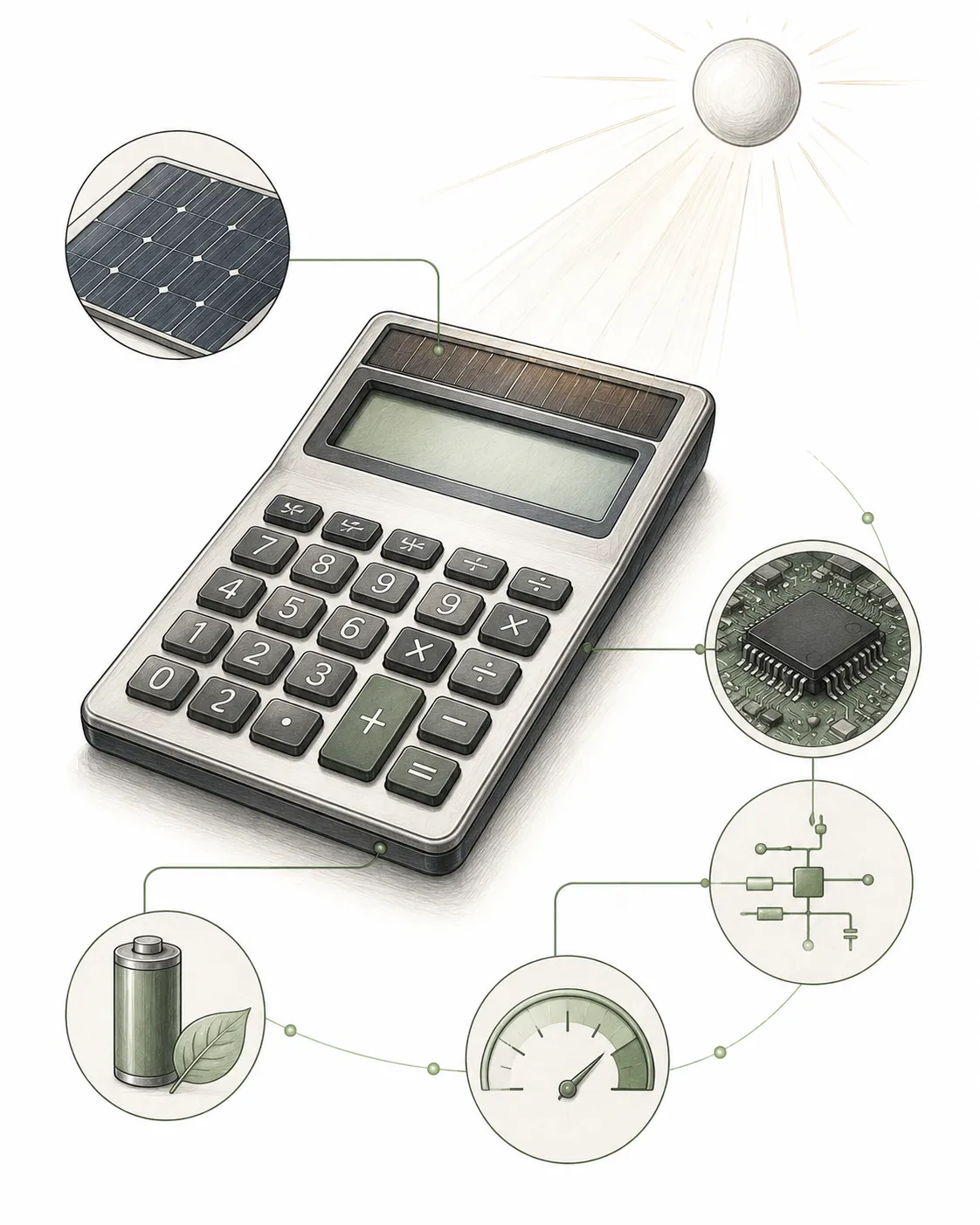
Consumer Electronics
Why Do Calculators Have Solar Panels?
Open article ->
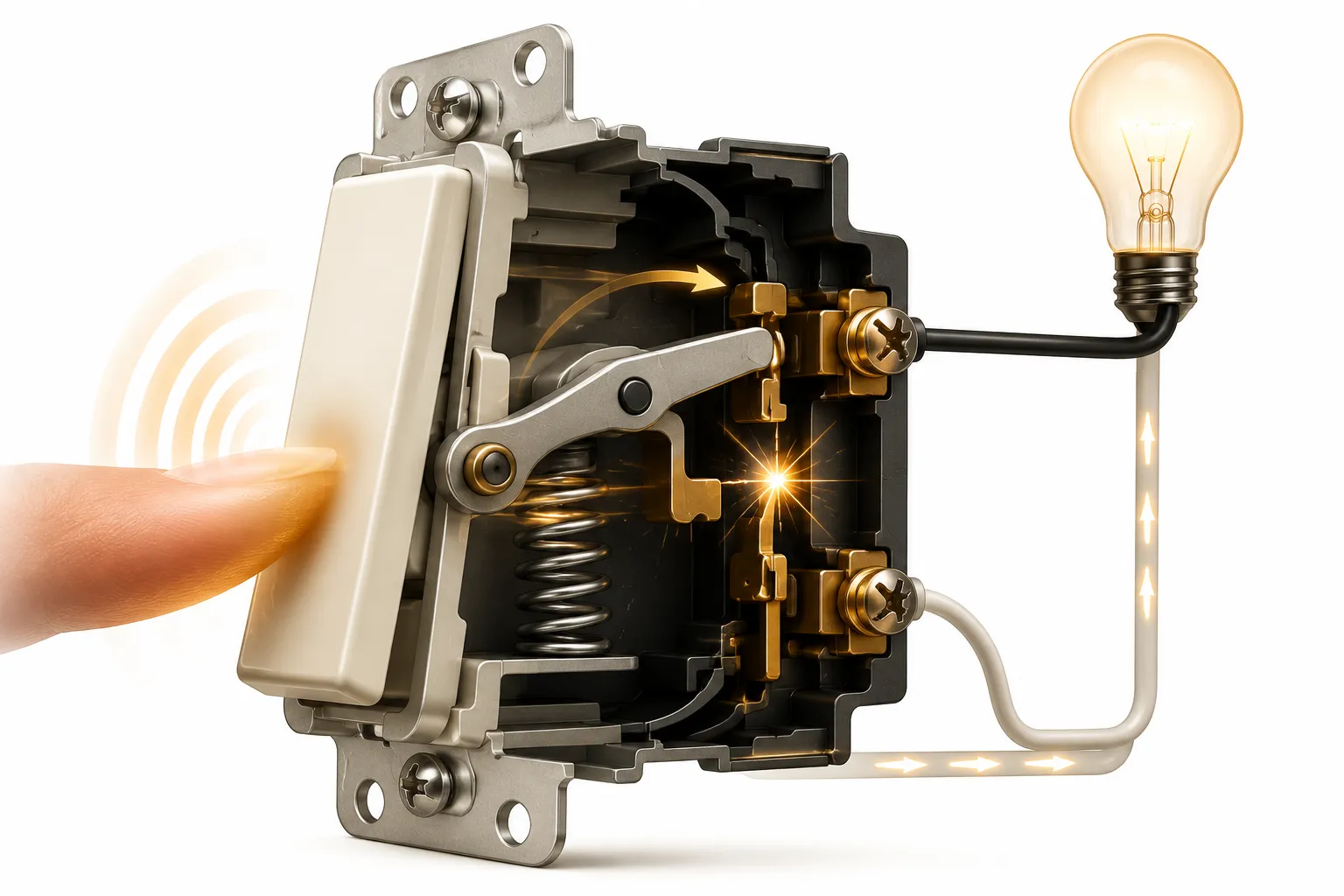
Electrical Mechanics
Why Do Switches Click?
Open article ->
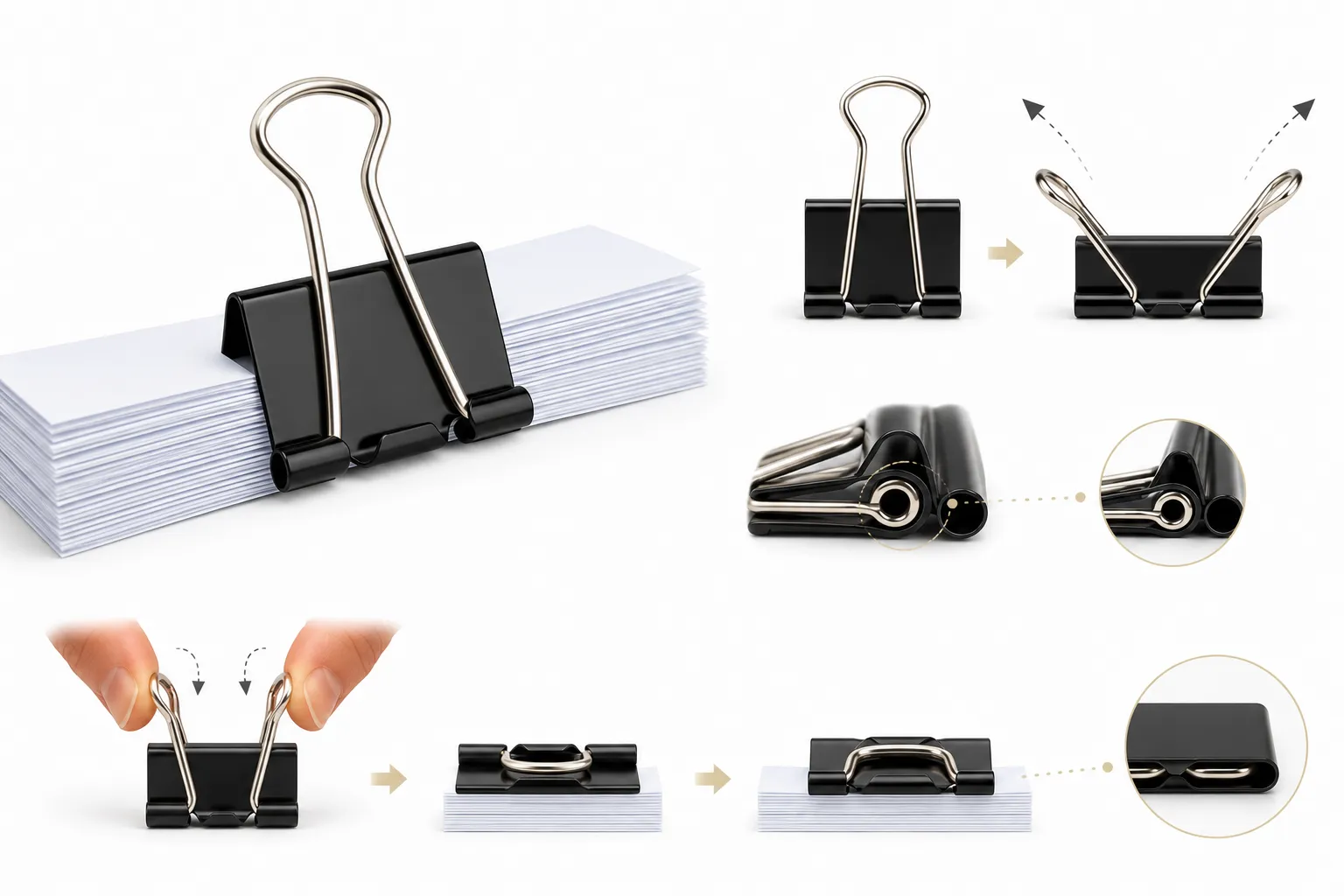
Mechanical Design
Why Do Binder Clips Have Handles?
Open article ->
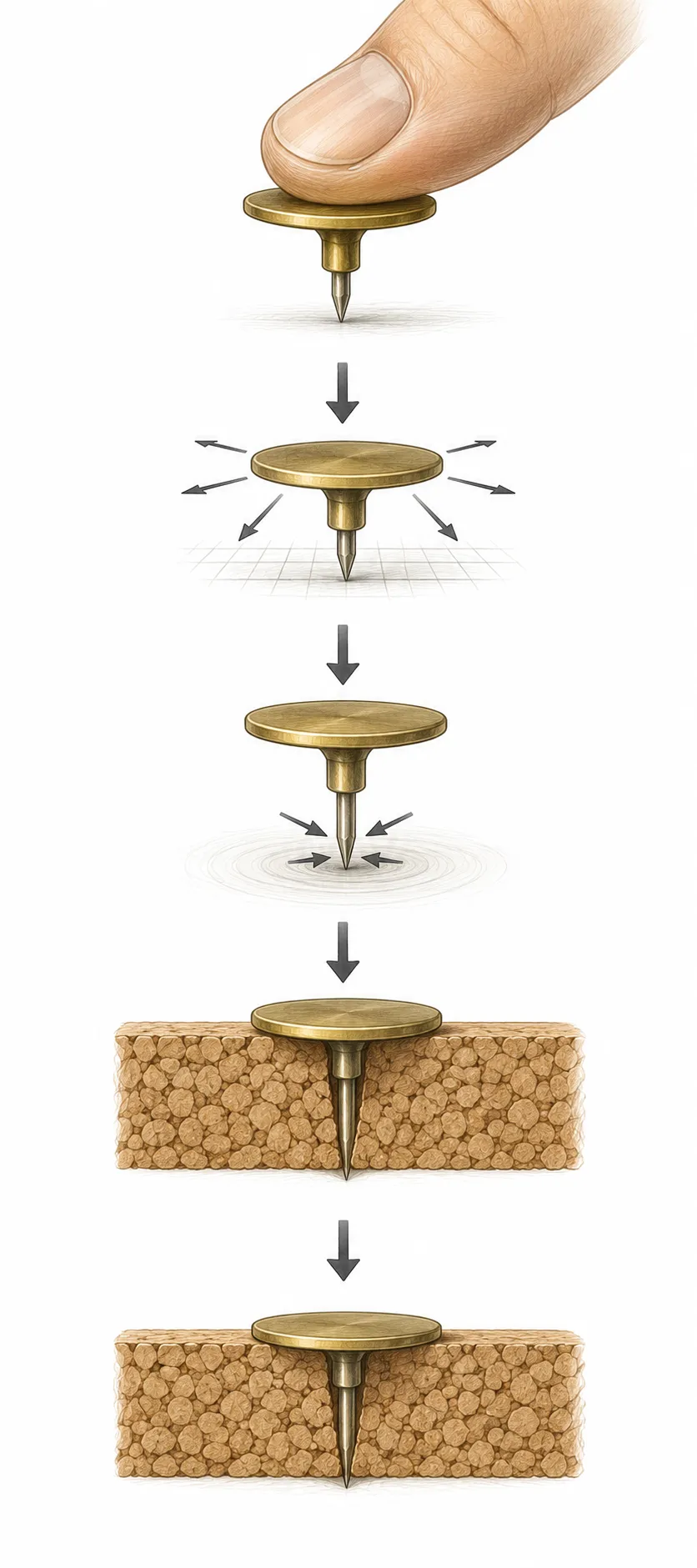
Biomechanics
Why Do Thumbtacks Have Flat Heads?
Open article ->
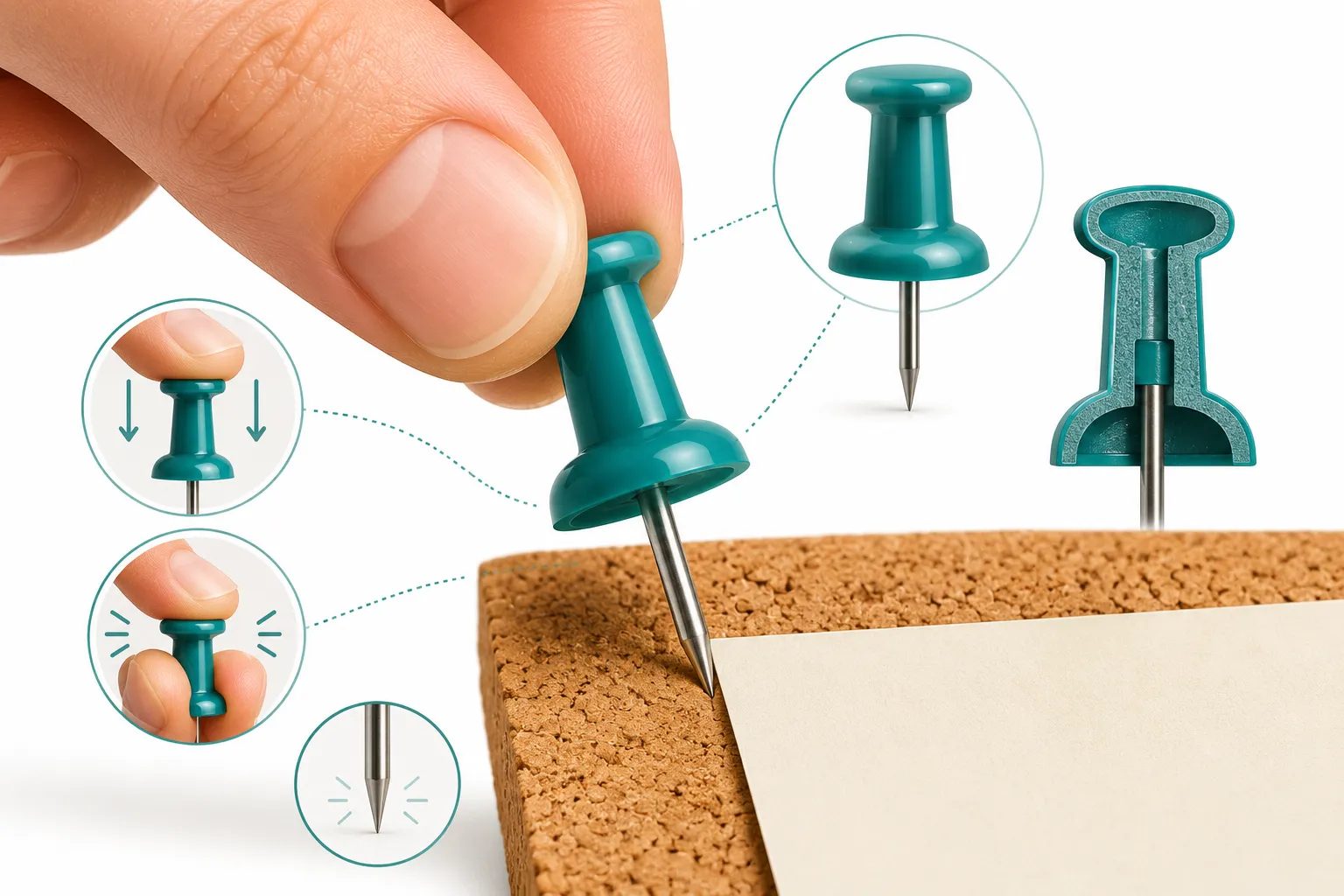
Ergonomics & Polymers
Why Do Push Pins Have Plastic Handles?
Open article ->
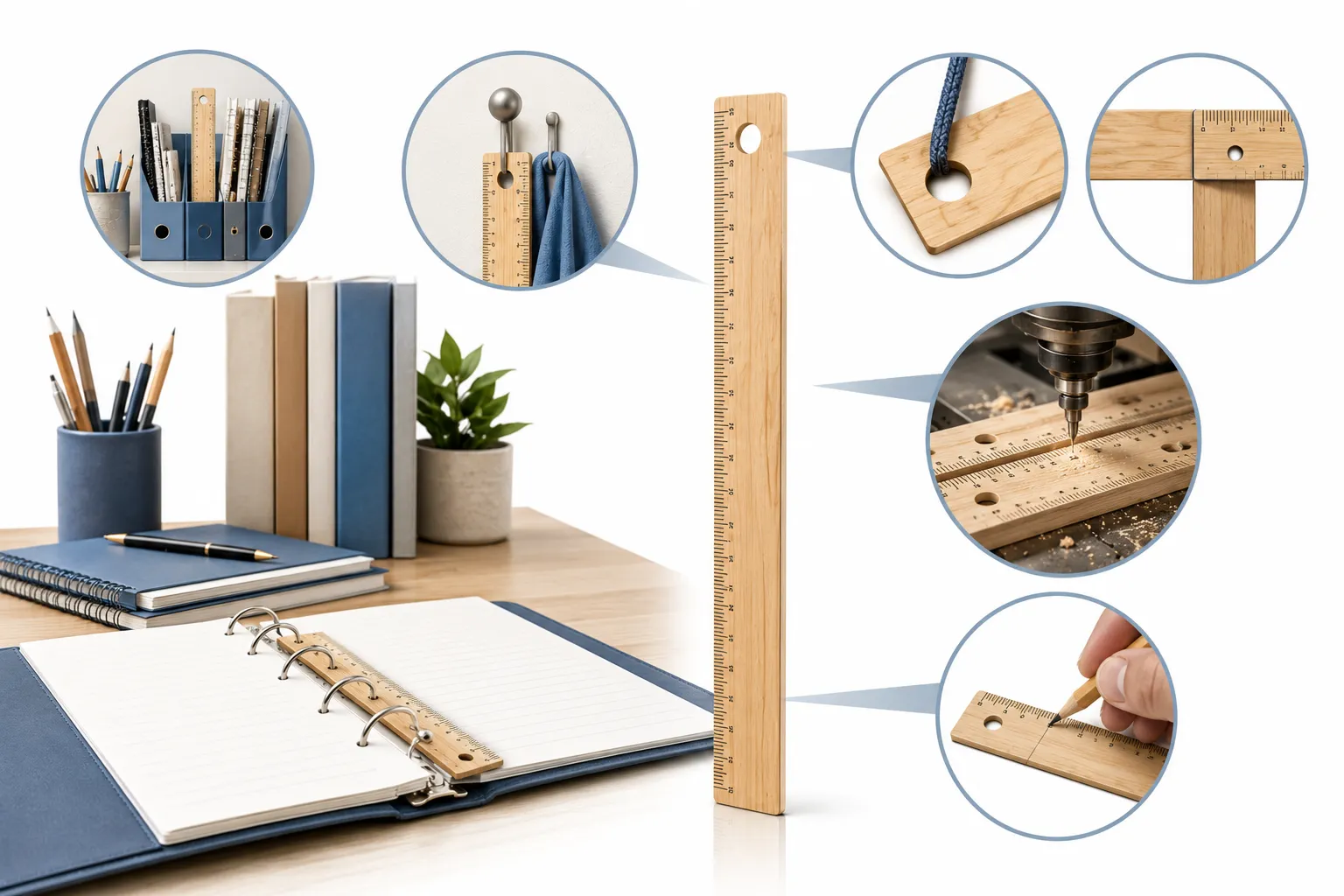
Design History
Why Do Rulers Have Holes in Them?
Open article ->
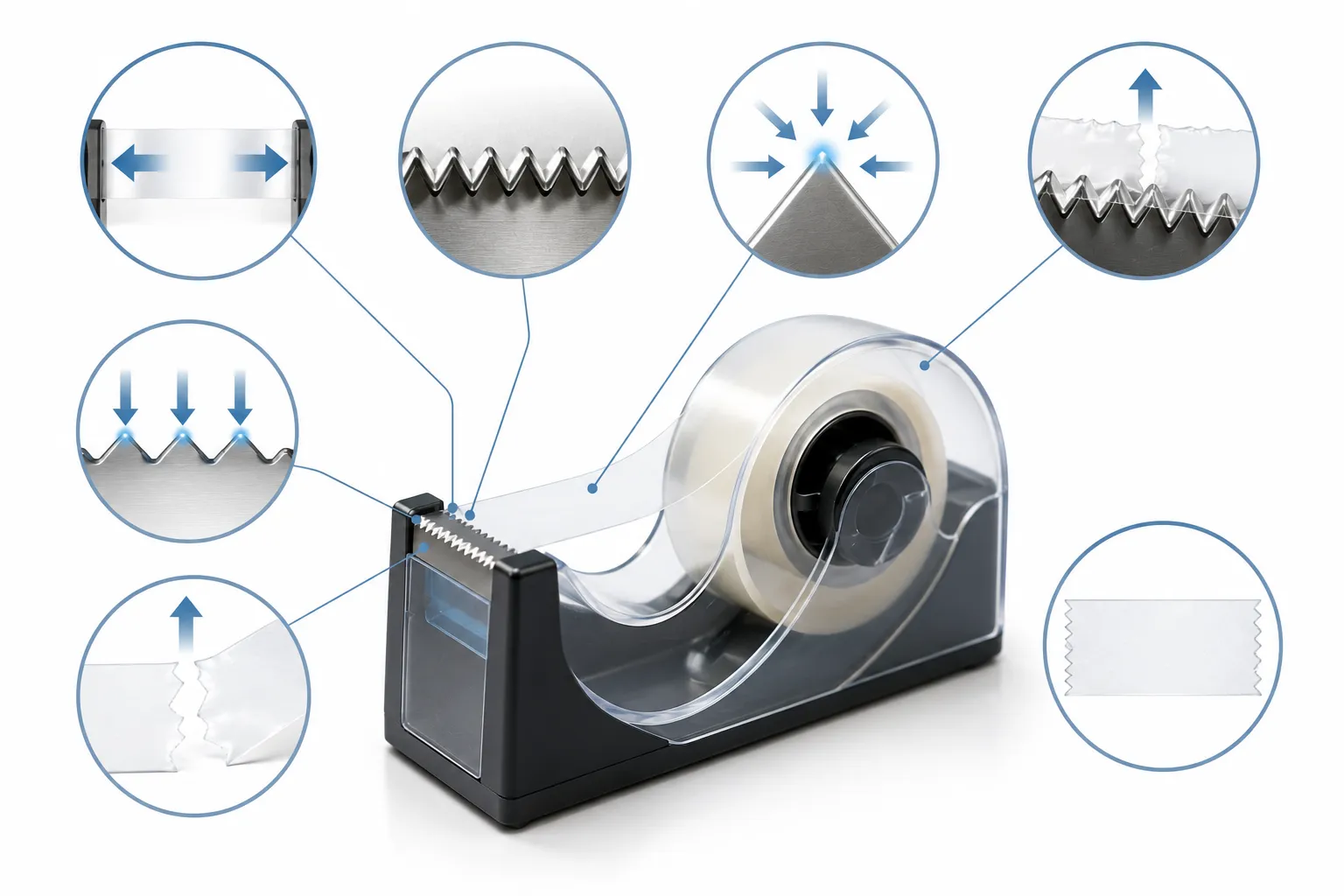
Applied Mechanics
Why Do Tape Dispensers Have a Jagged Edge?
Open article ->
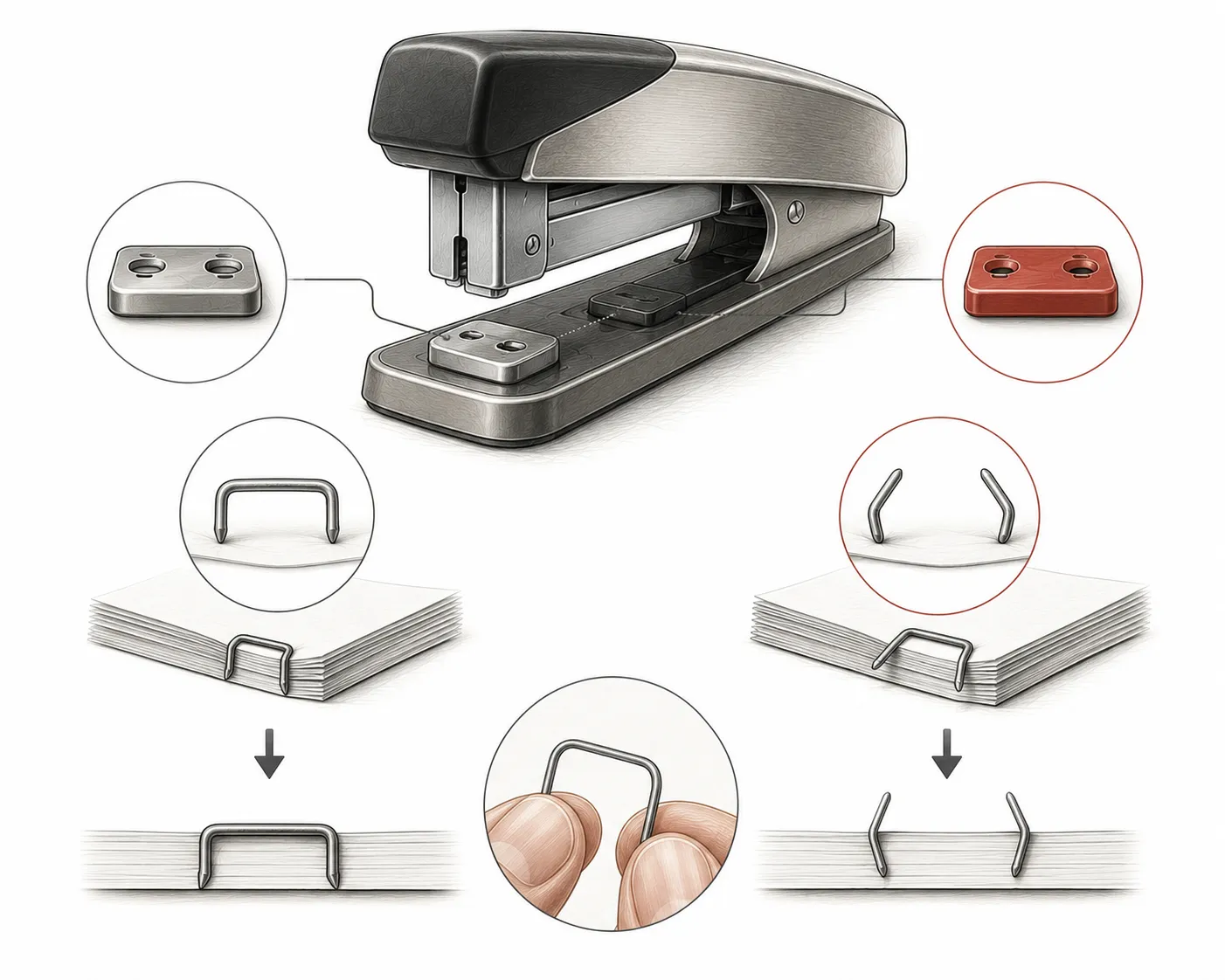
Hidden Mechanics
Why Do Staplers Have a Reverse Setting?
Open article ->
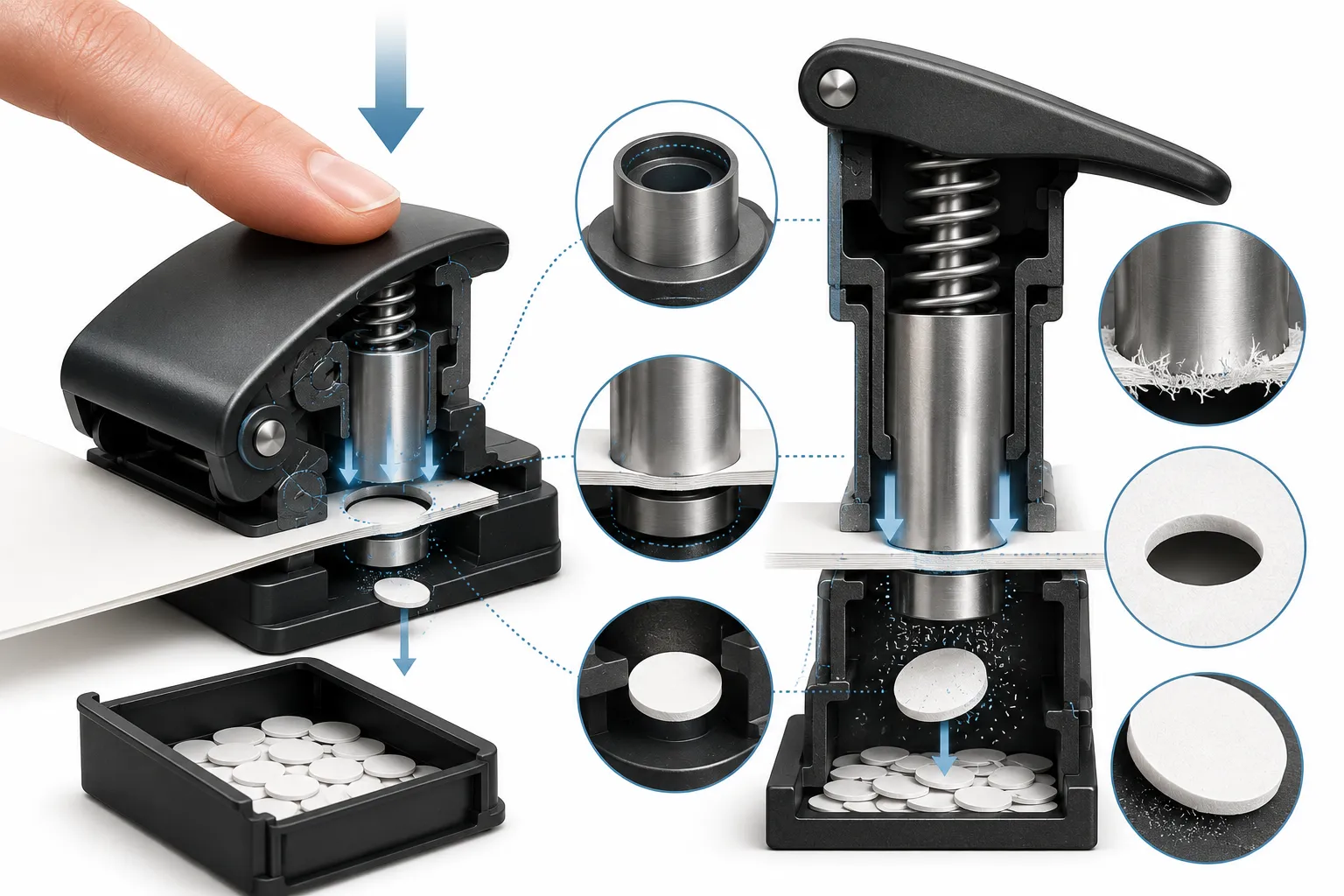
Manufacturing Mechanics
Why Do Hole Punchers Make Confetti?
Open article ->
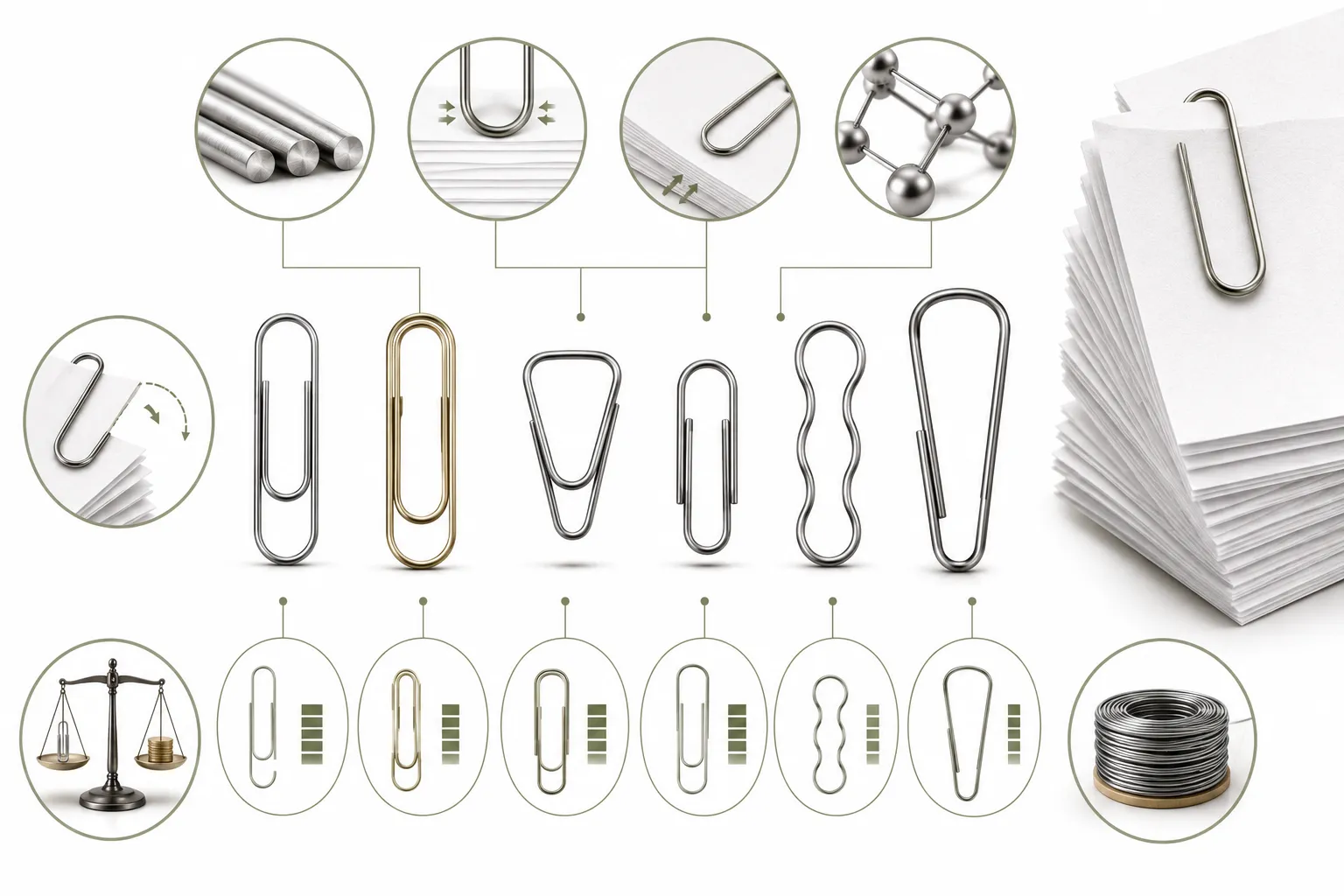
Minimalist Engineering
Why Do Paperclips Have Different Shapes?
Open article ->
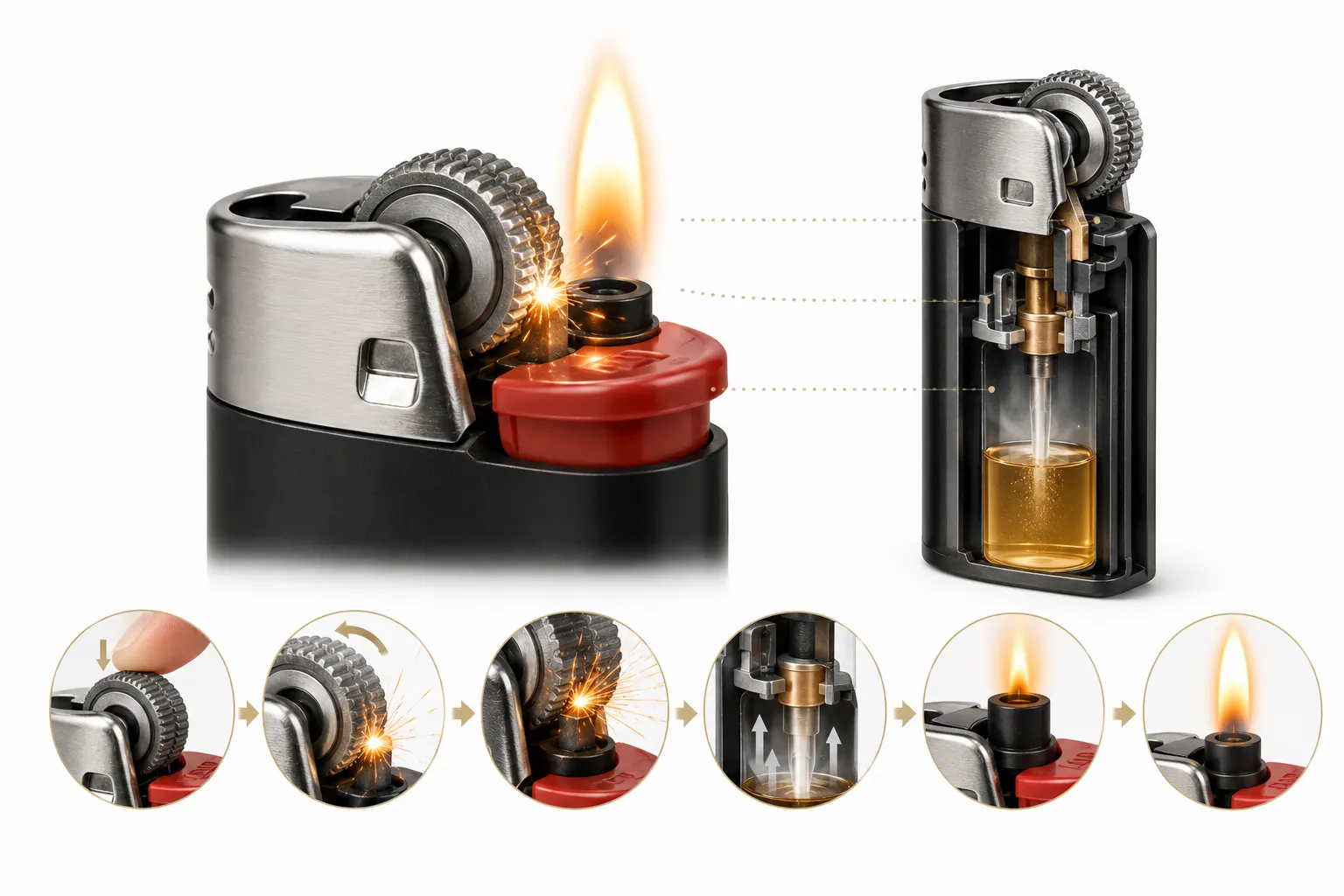
Engineering Everyday
Why Do Lighters Have a Wheel?
Open article ->
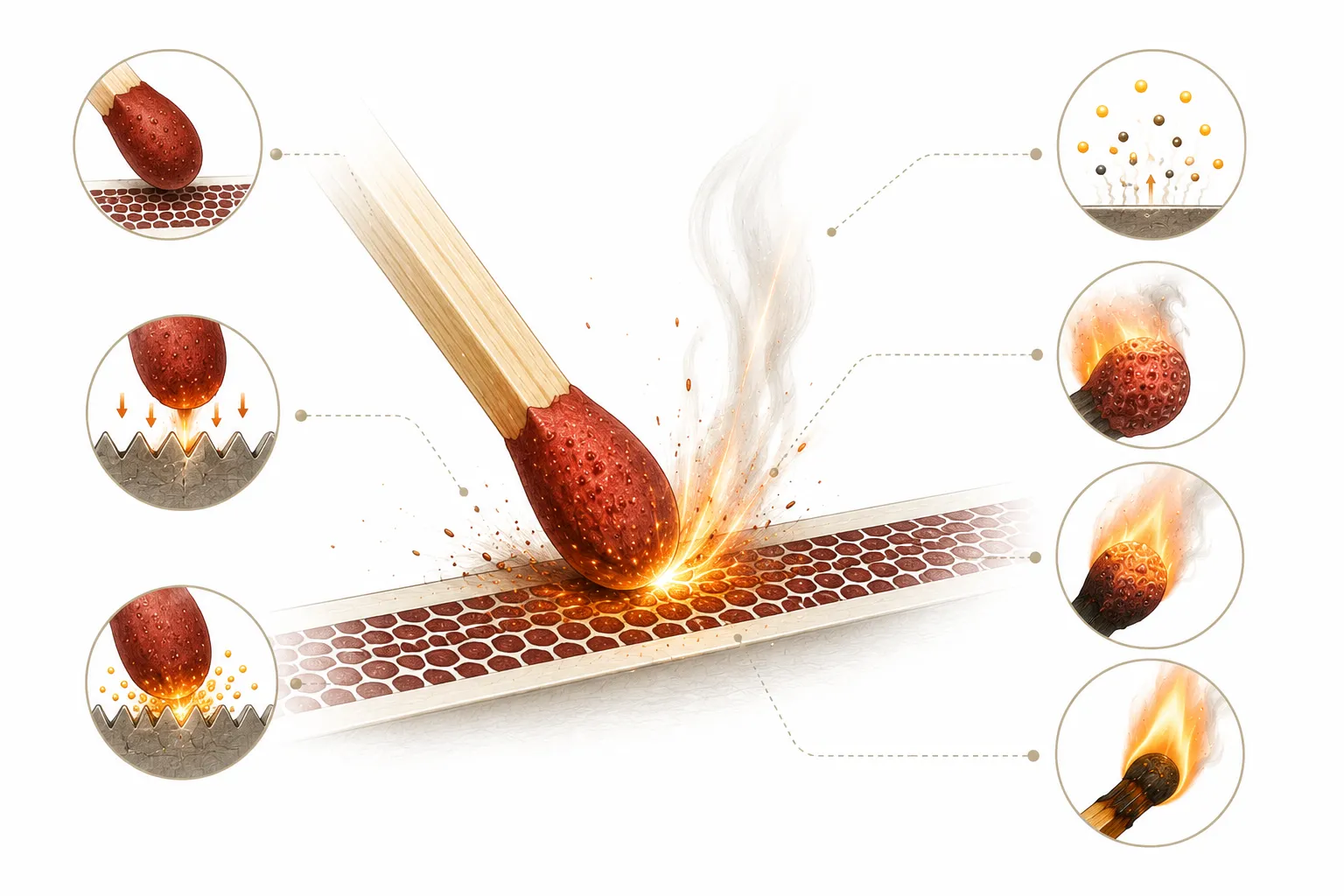
Chemistry of Fire
Why Do Matches Ignite When Struck?
Open article ->
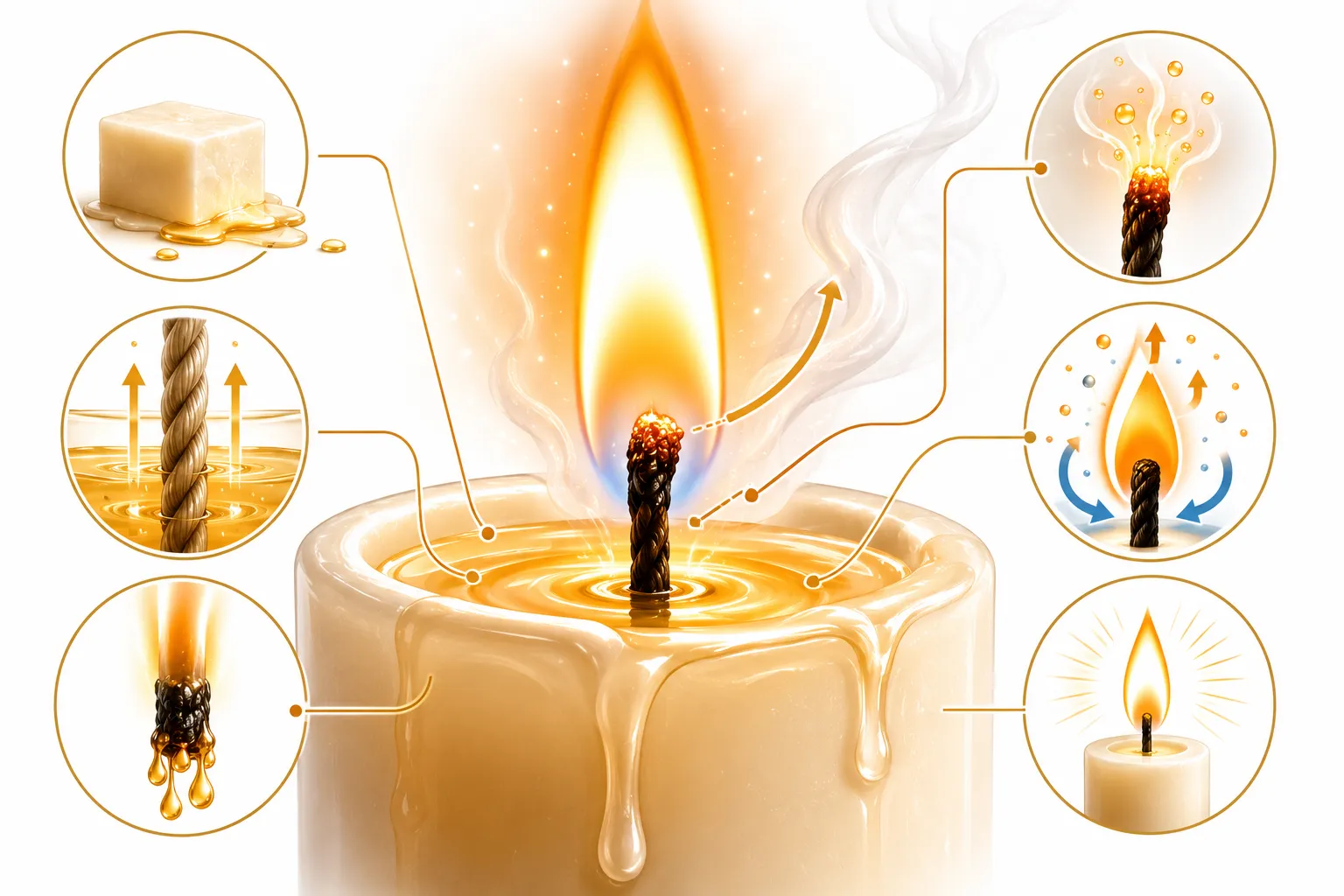
Physics of Flame
Why Do Candles Have a Wick?
Open article ->
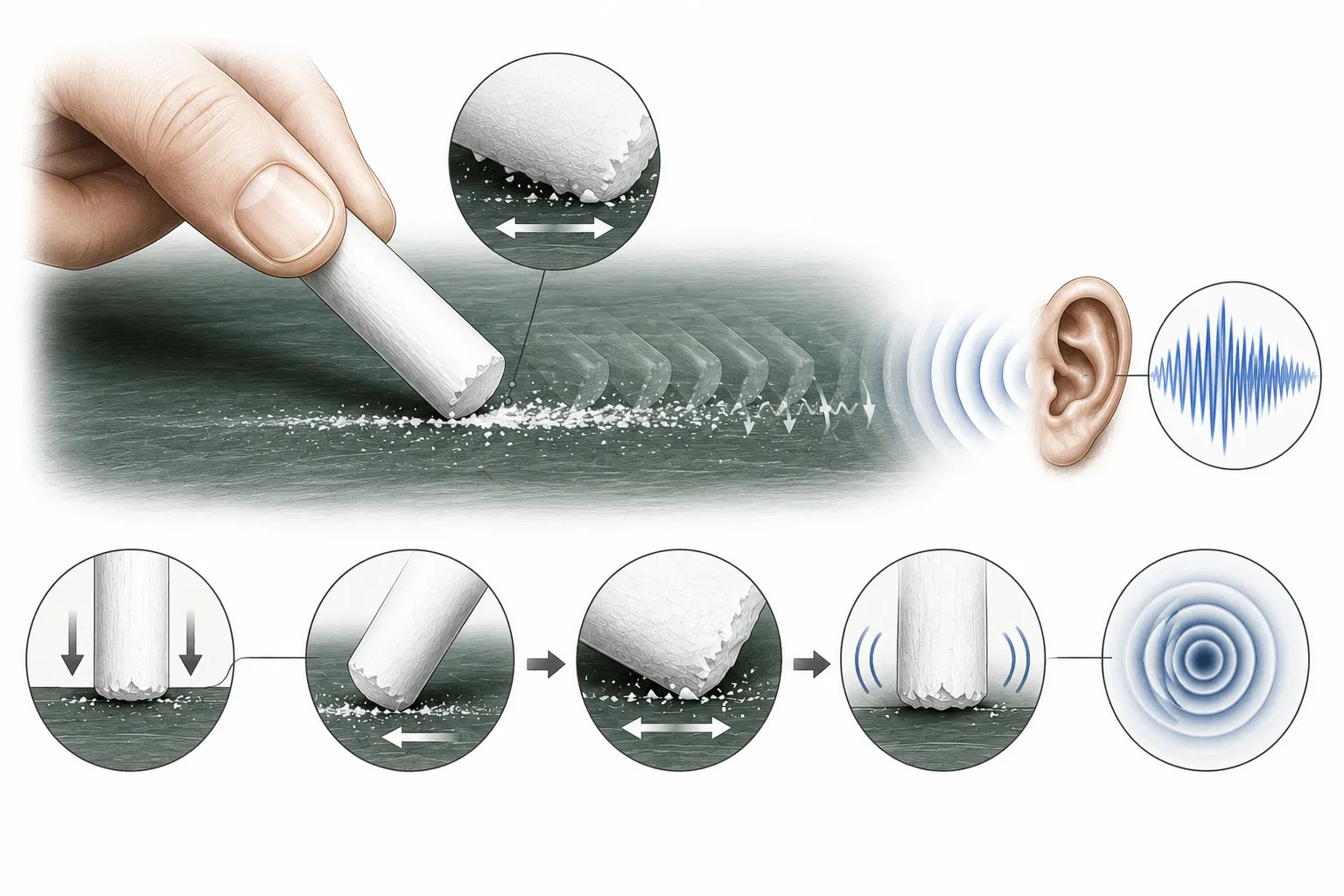
Acoustics & Friction
Why Does Chalk Squeak on a Board?
Open article ->
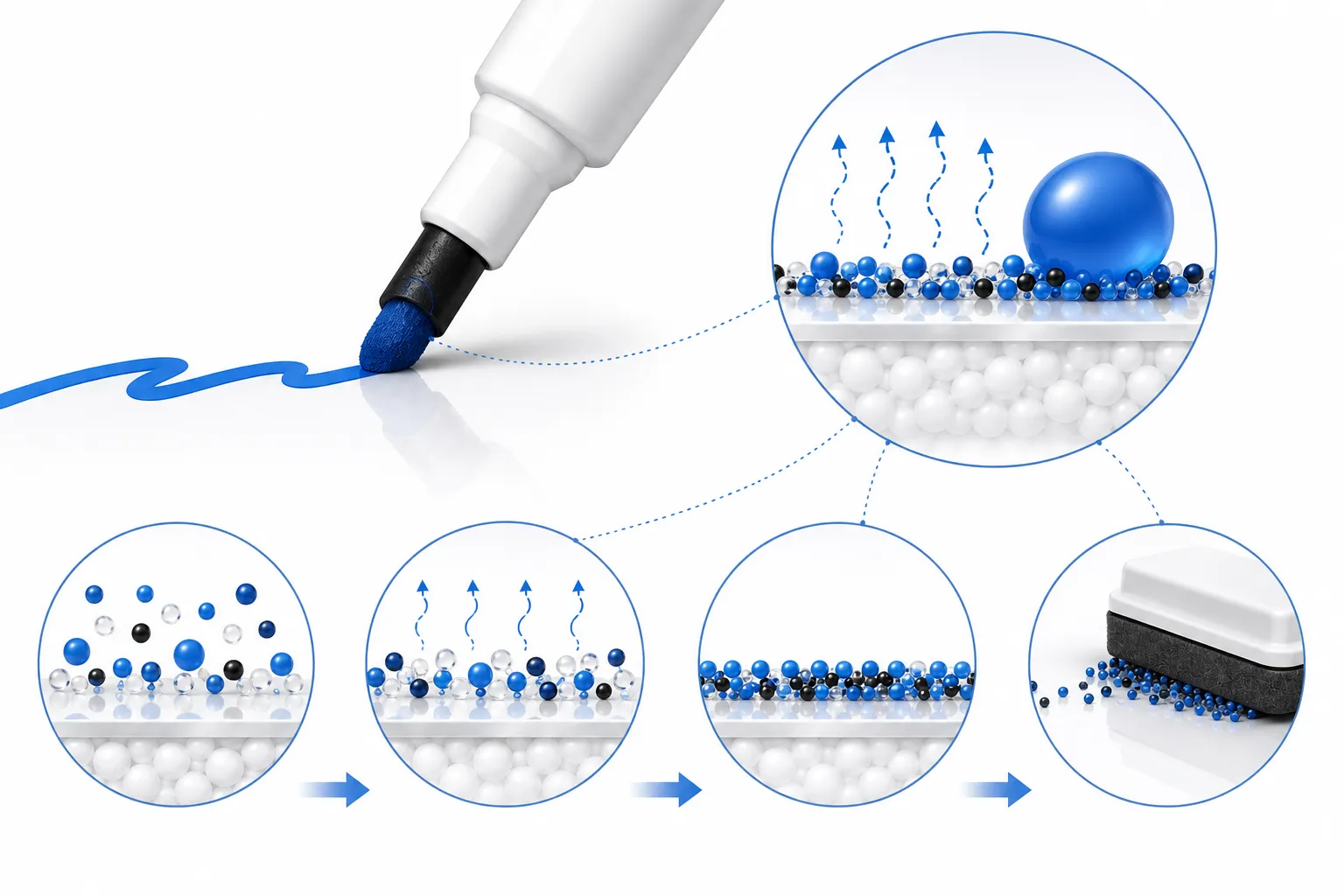
Polymer Chemistry
Why Do Dry Erase Markers Wipe Off?
Open article ->
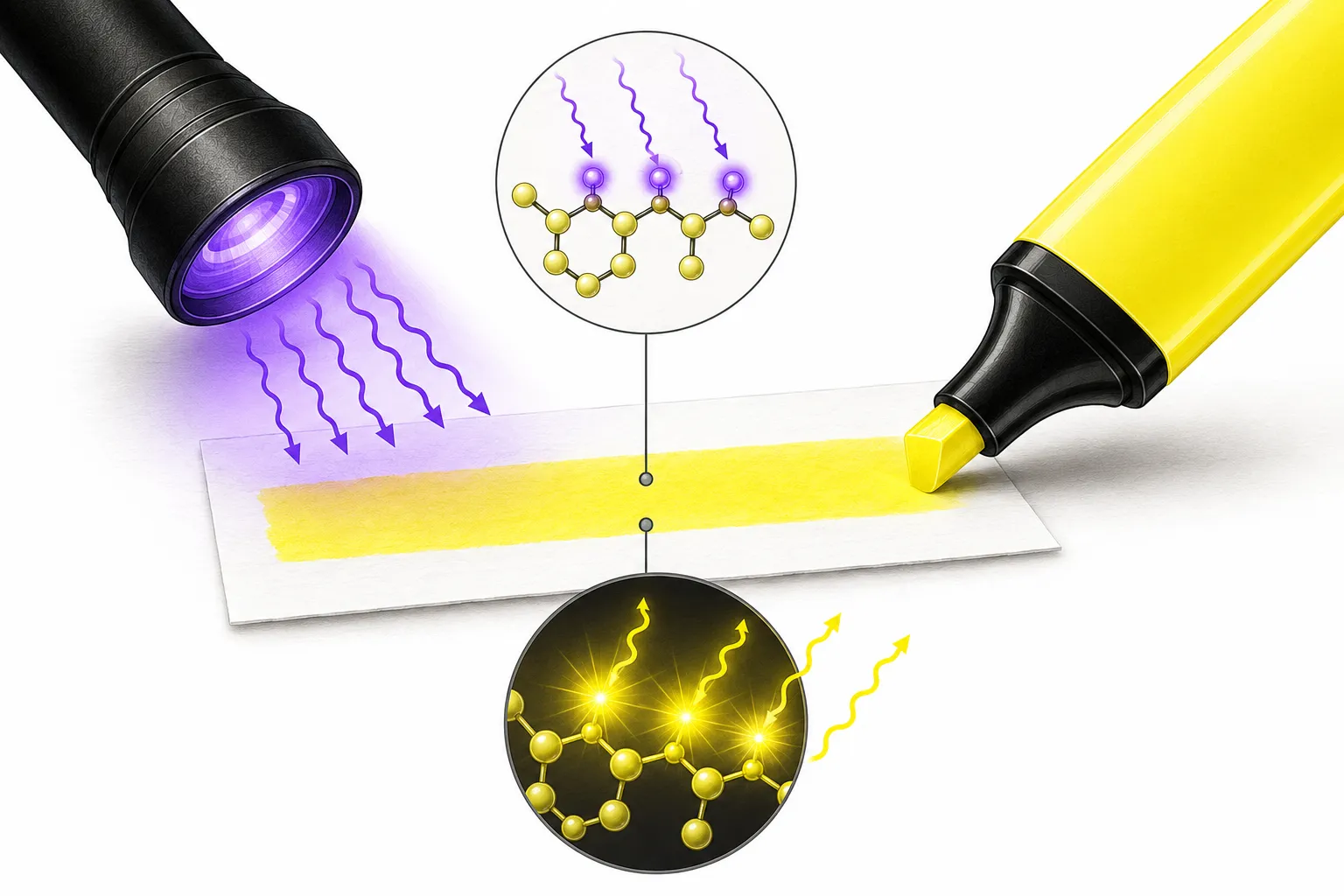
Quantum Optics
Why Do Highlighters Glow Under Blacklight?
Open article ->
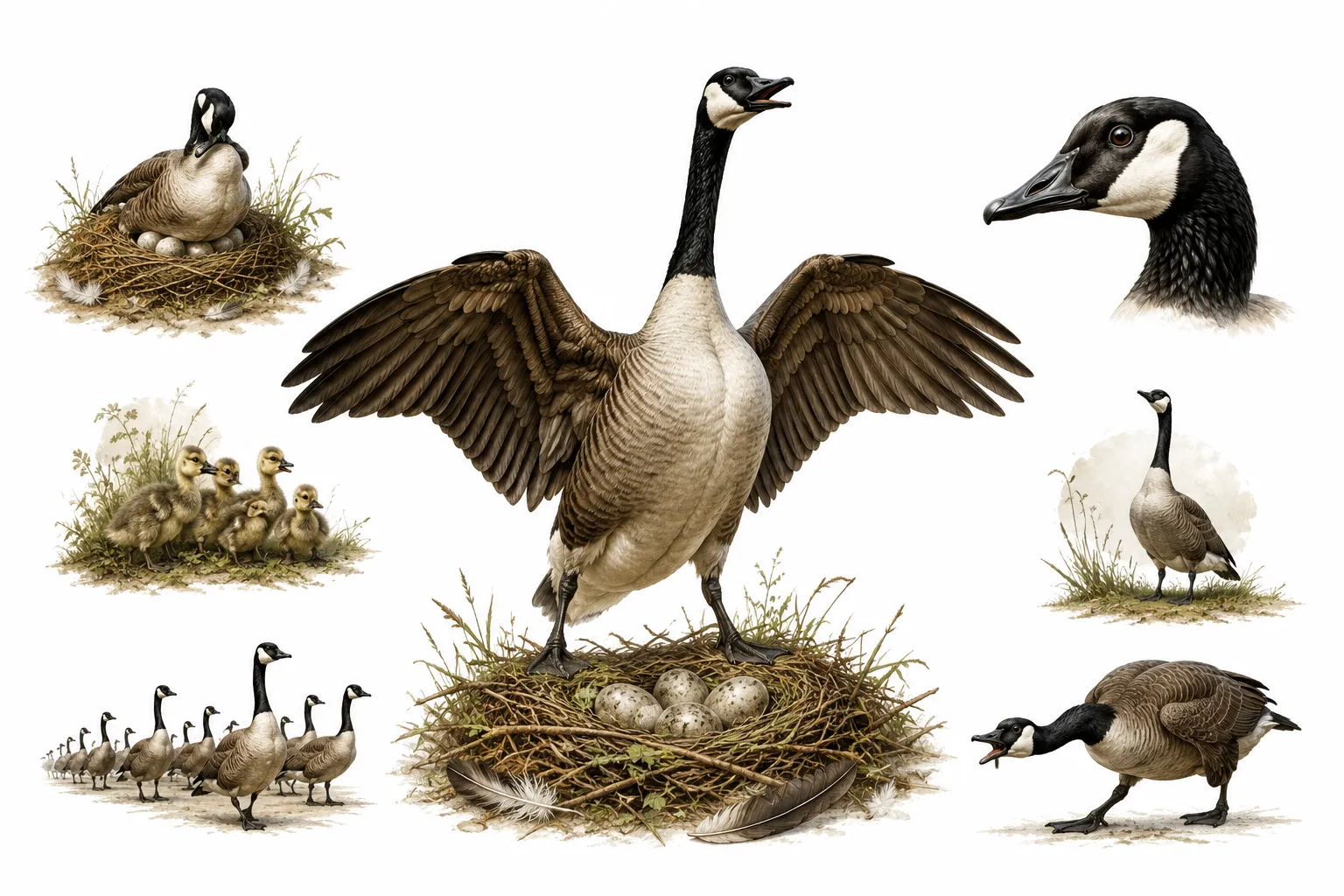
ANIMAL BEHAVIOR
Why Are Canada Geese Aggressive?
Open article ->
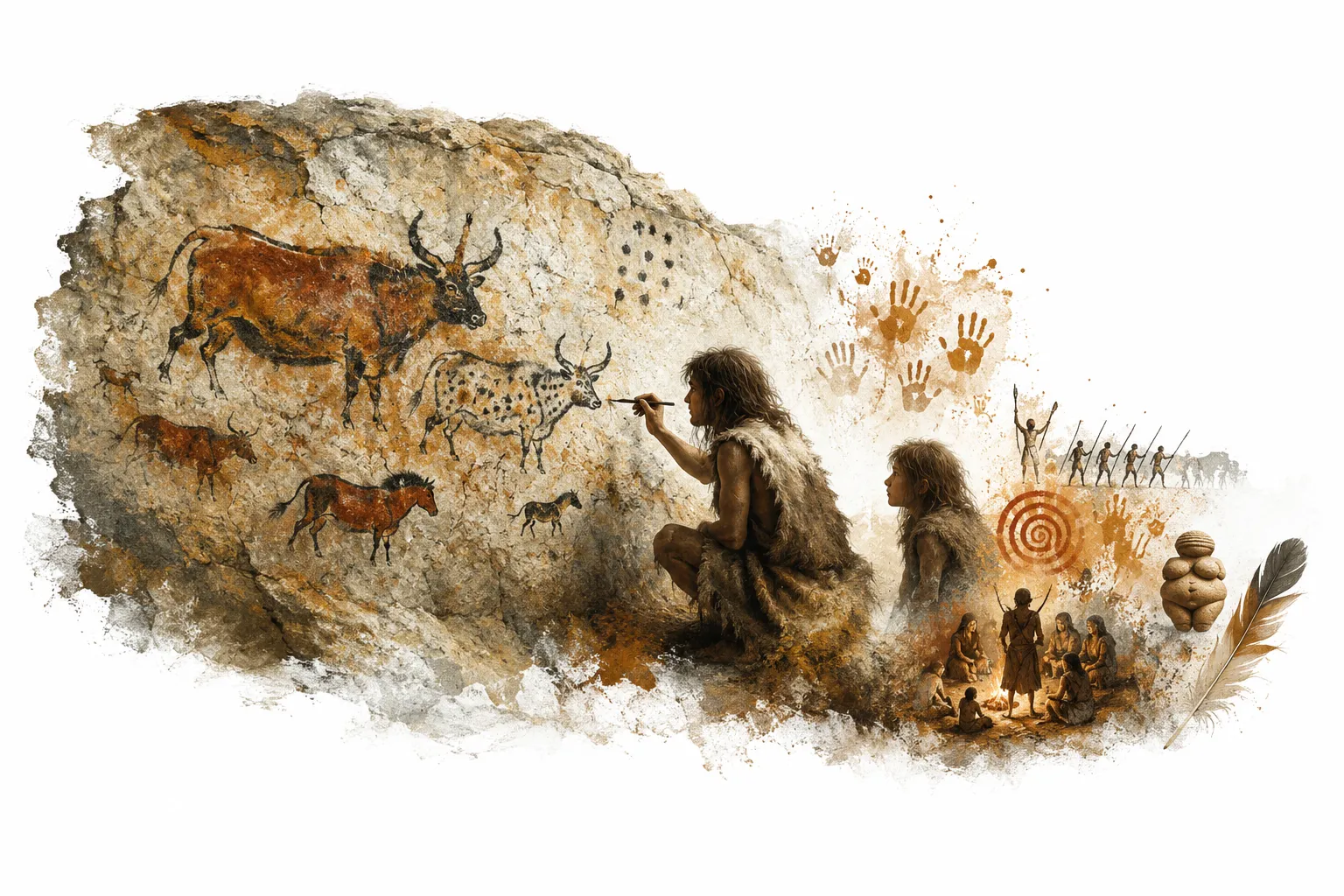
ANCIENT ART
Why Are the Lascaux Cave Paintings Important?
Open article ->
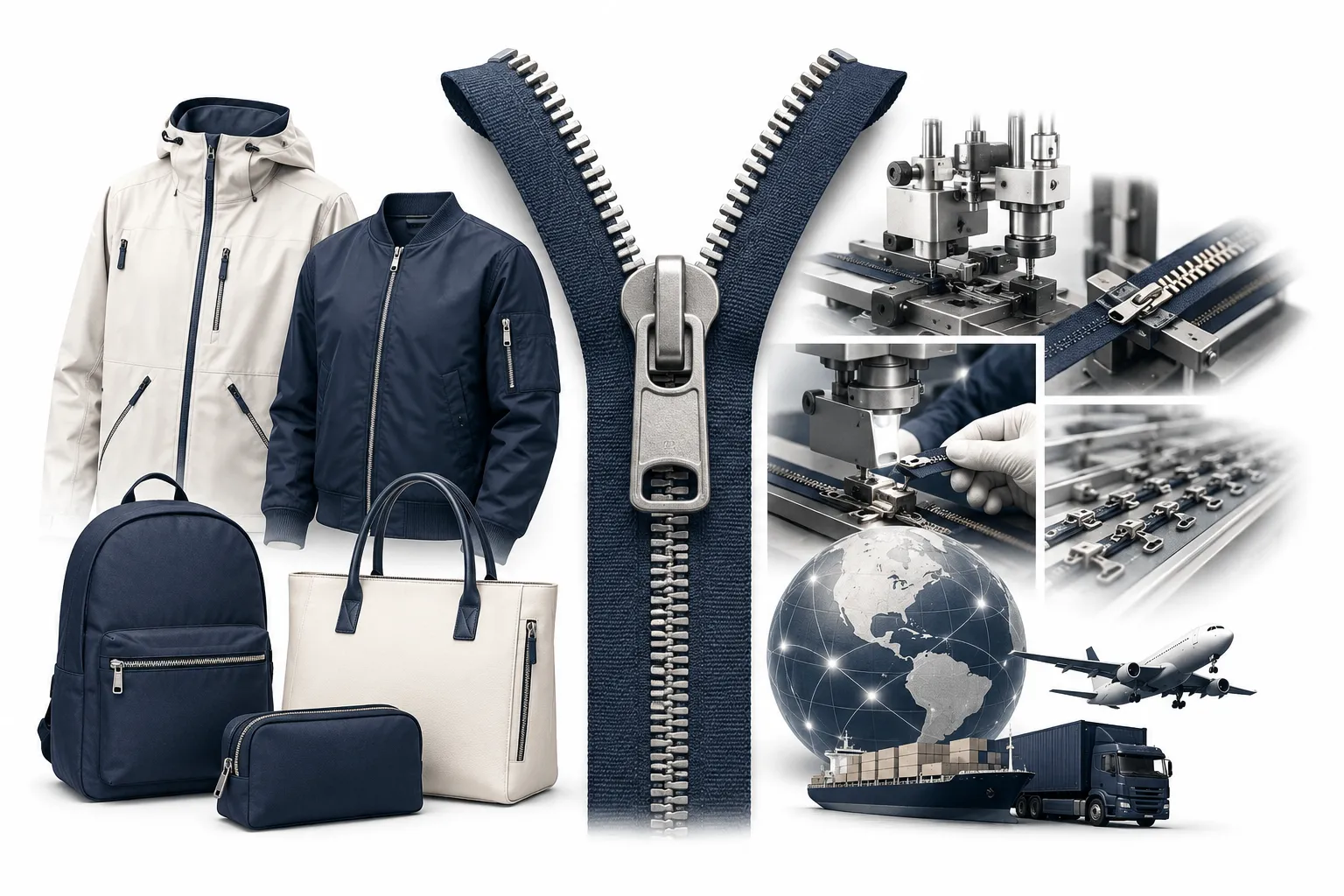
EVERYDAY OBJECTS
Why Are YKK Zippers on Everything?
Open article ->
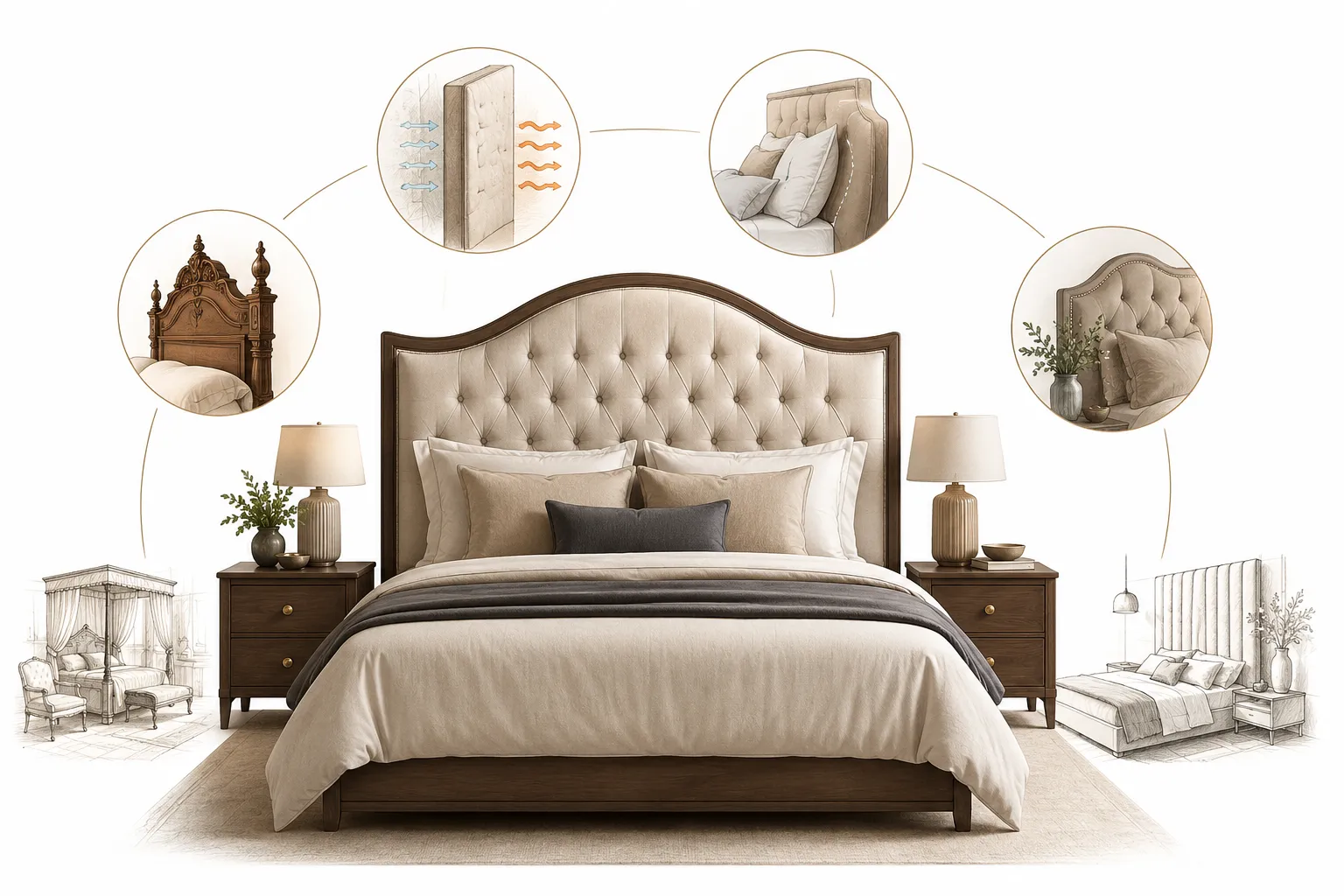
EVERYDAY OBJECTS
Why Do Beds Have Headboards?
Open article ->
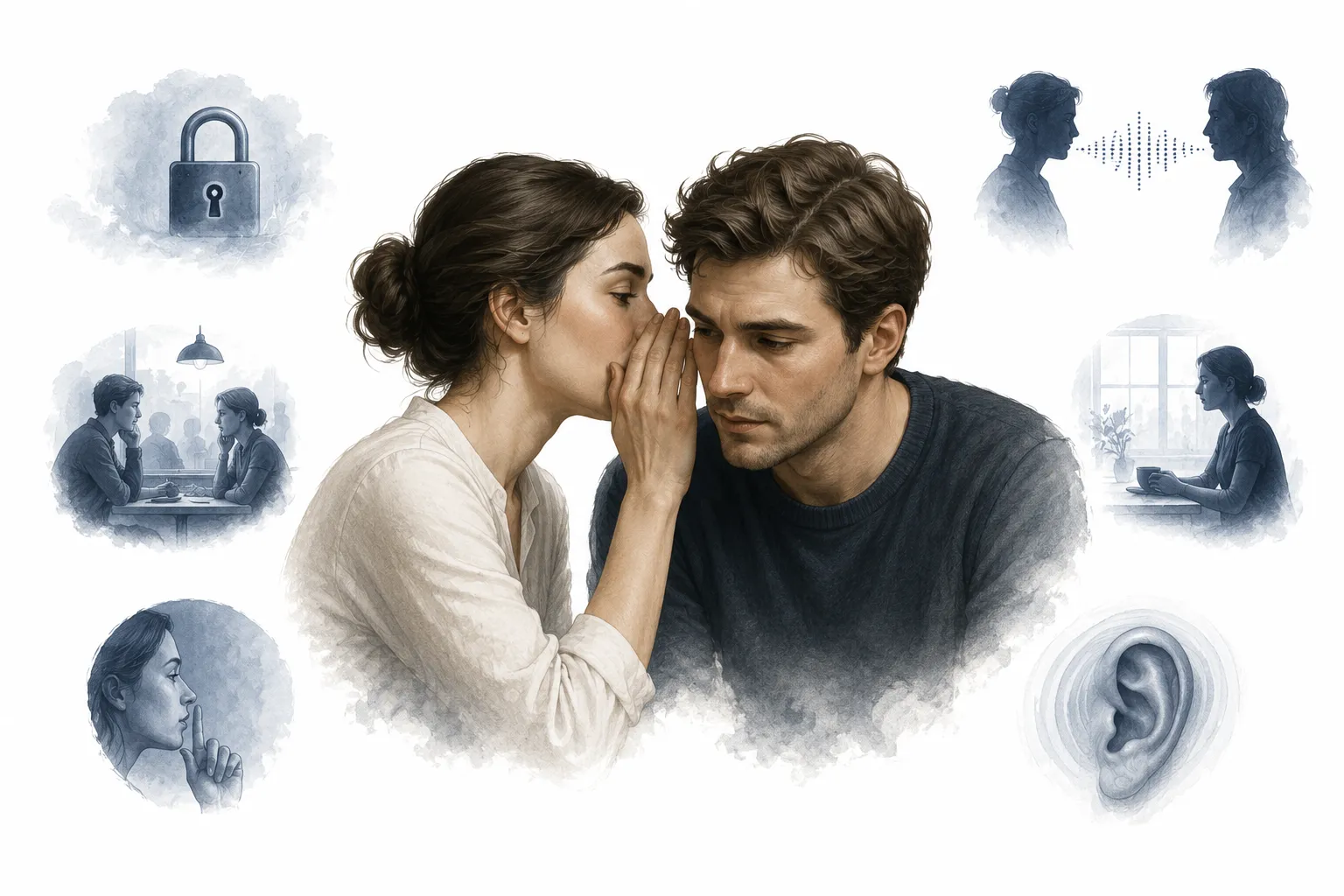
HUMAN BODY
Why Do People Whisper?
Open article ->
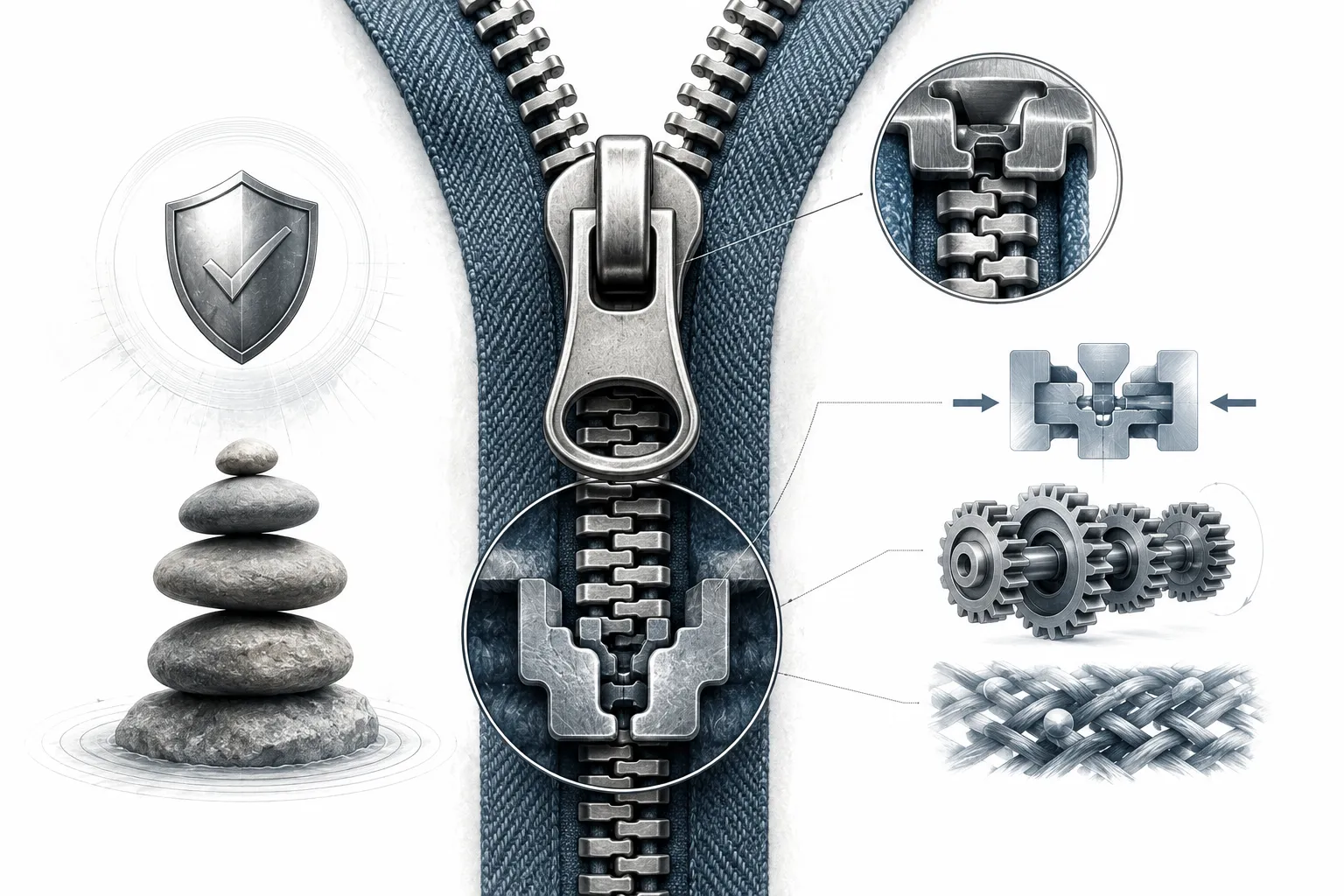
EVERYDAY OBJECTS
Why Does a Zipper Stay Closed?
Open article ->
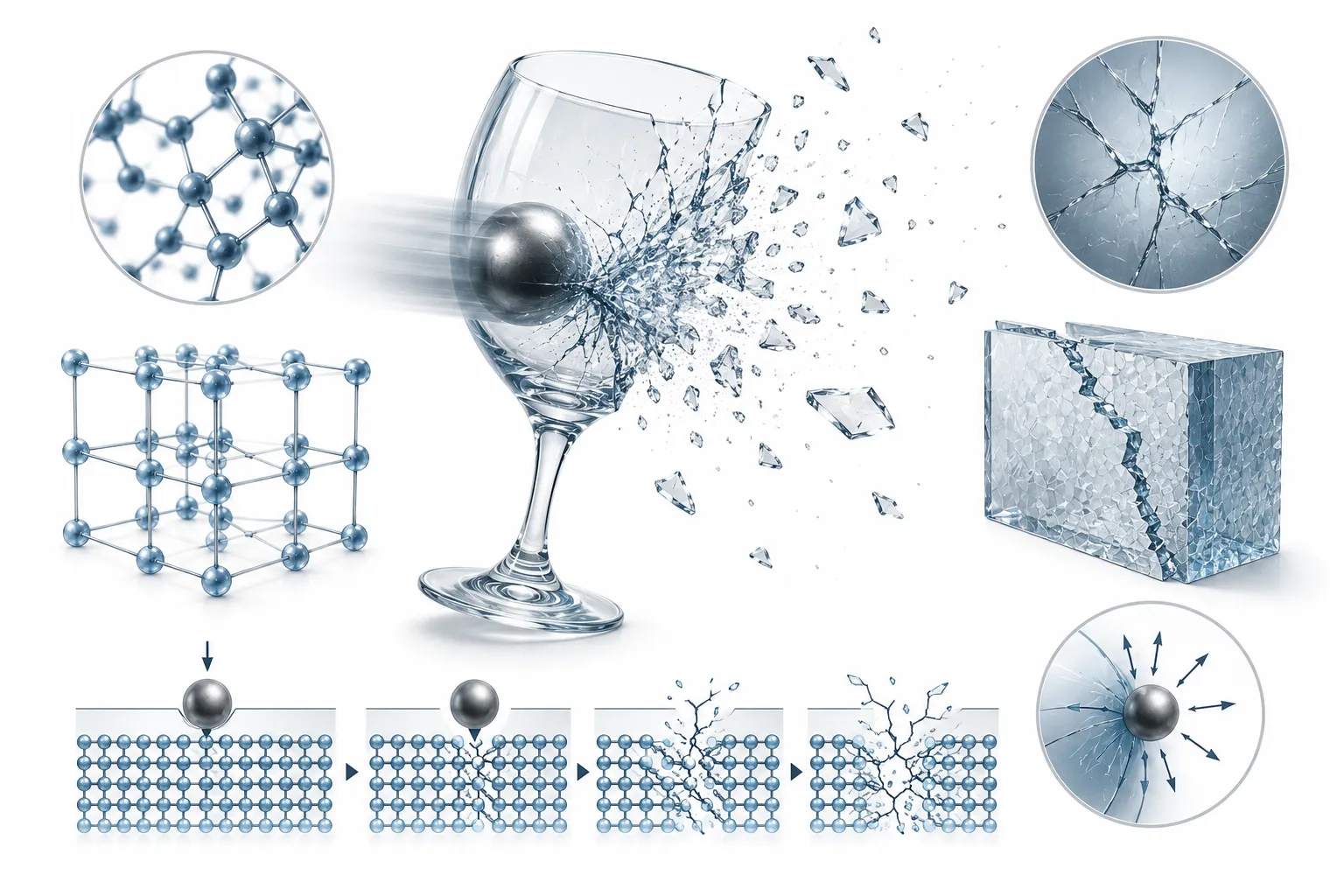
MATERIAL SCIENCE
Why Does Glass Shatter But Not Bounce?
Open article ->
ASTRONOMY
Why Is Halley's Comet Famous?
Open article ->
EVERYDAY OBJECTS
Why Is Salt Sold in Cylindrical Boxes?
Open article ->
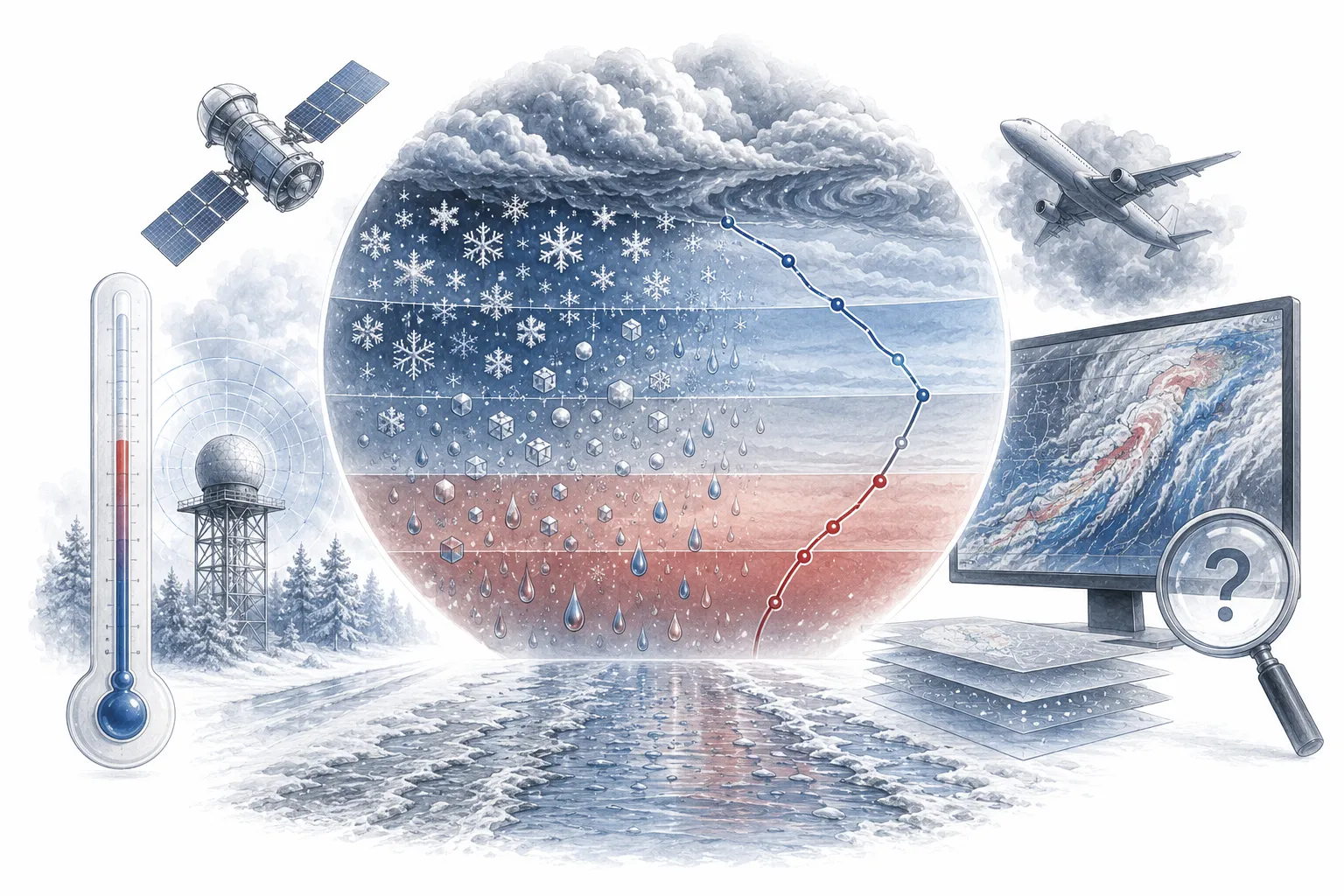
WEATHER SCIENCE
Why Is Wintry Mix Hard to Predict?
Open article ->
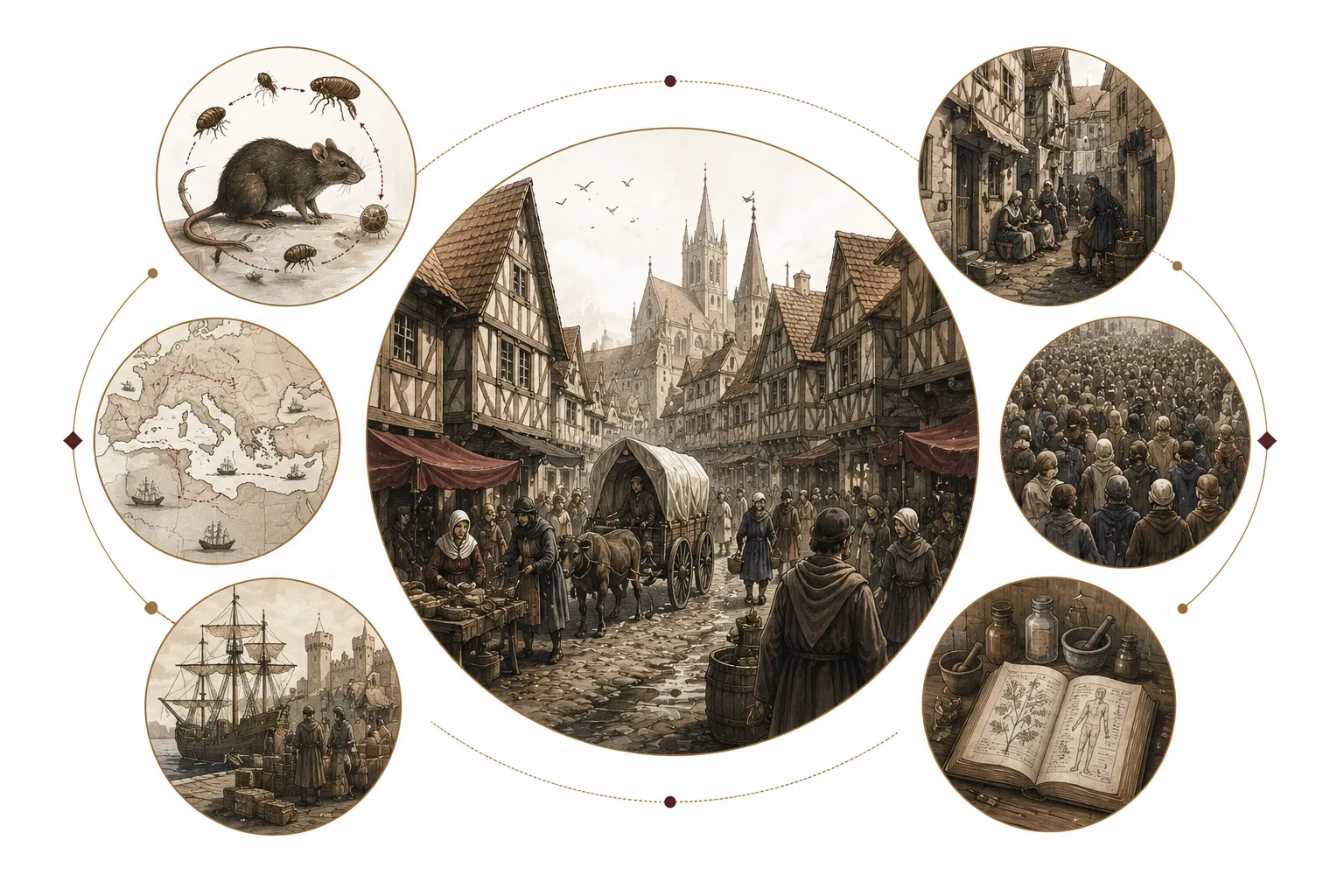
MEDICAL HISTORY
Why Was the Plague So Deadly?
Open article ->
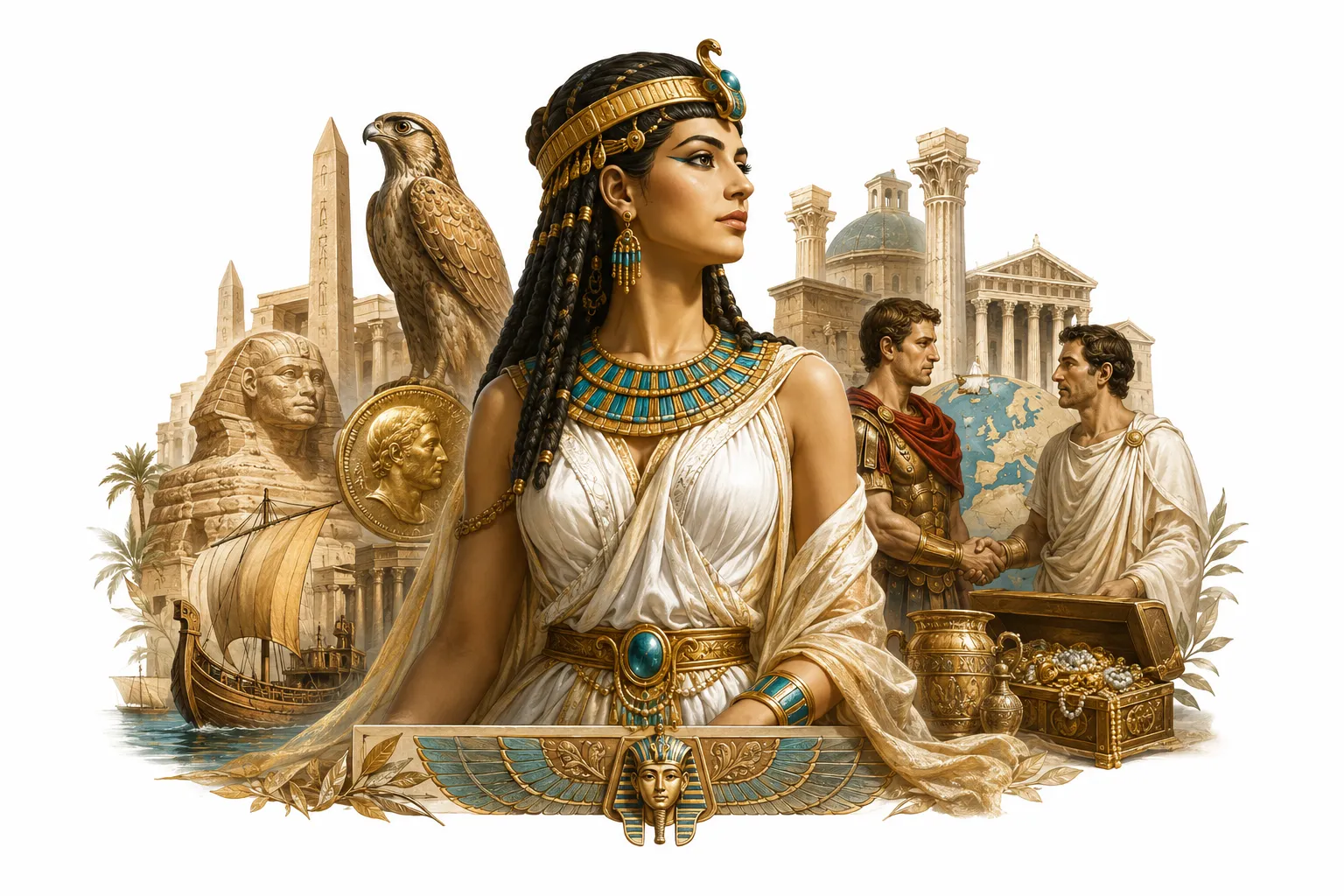
ANCIENT HISTORY
Why Was Cleopatra So Famous?
Open article ->
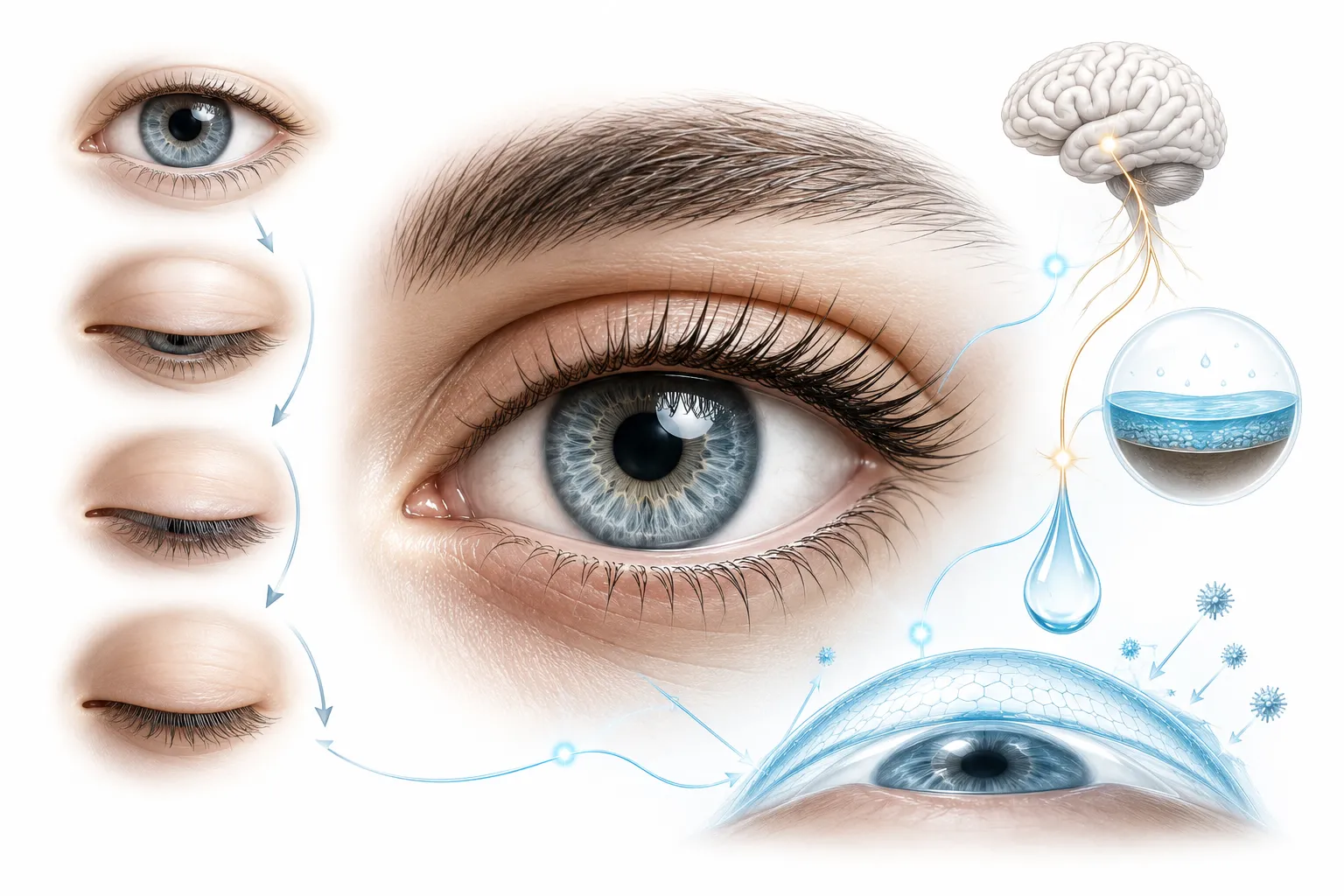
HUMAN BODY
Why Does the Eye Blink?
Open article ->
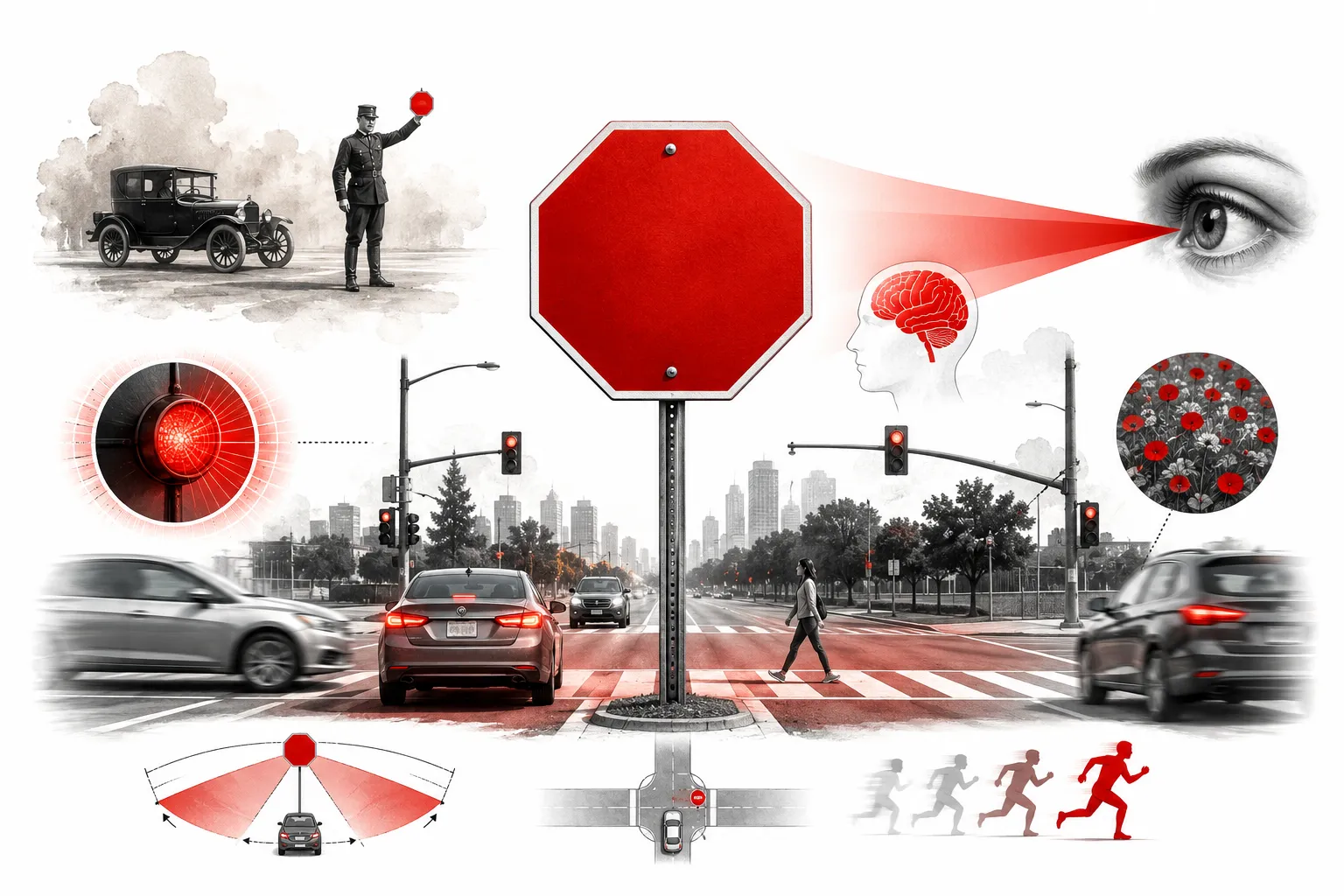
Everyday Life
Why Are Stop Signs Red?
Open article ->
Everyday Life
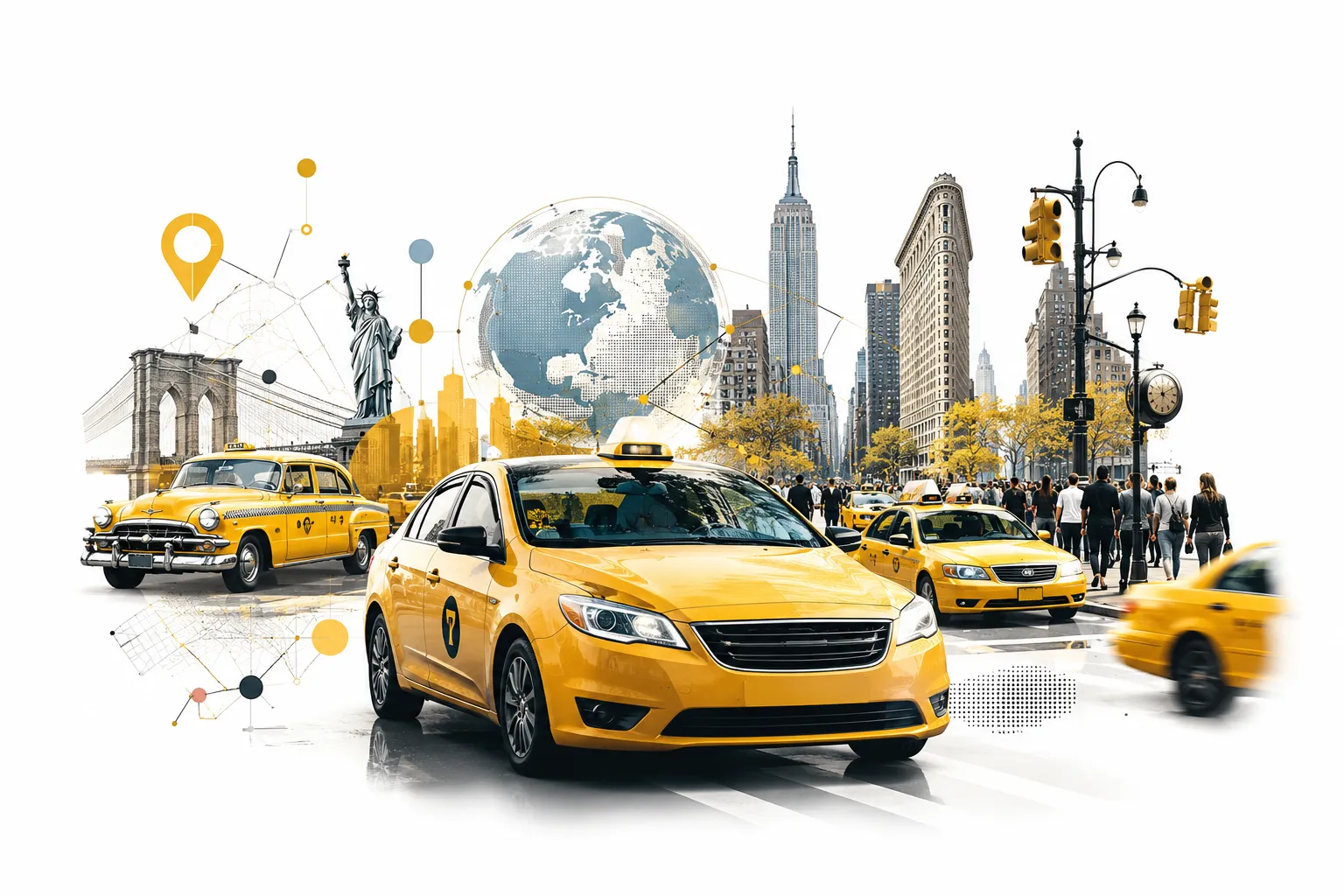
Why Are Taxis Often Yellow?
Open article ->
Everyday Life
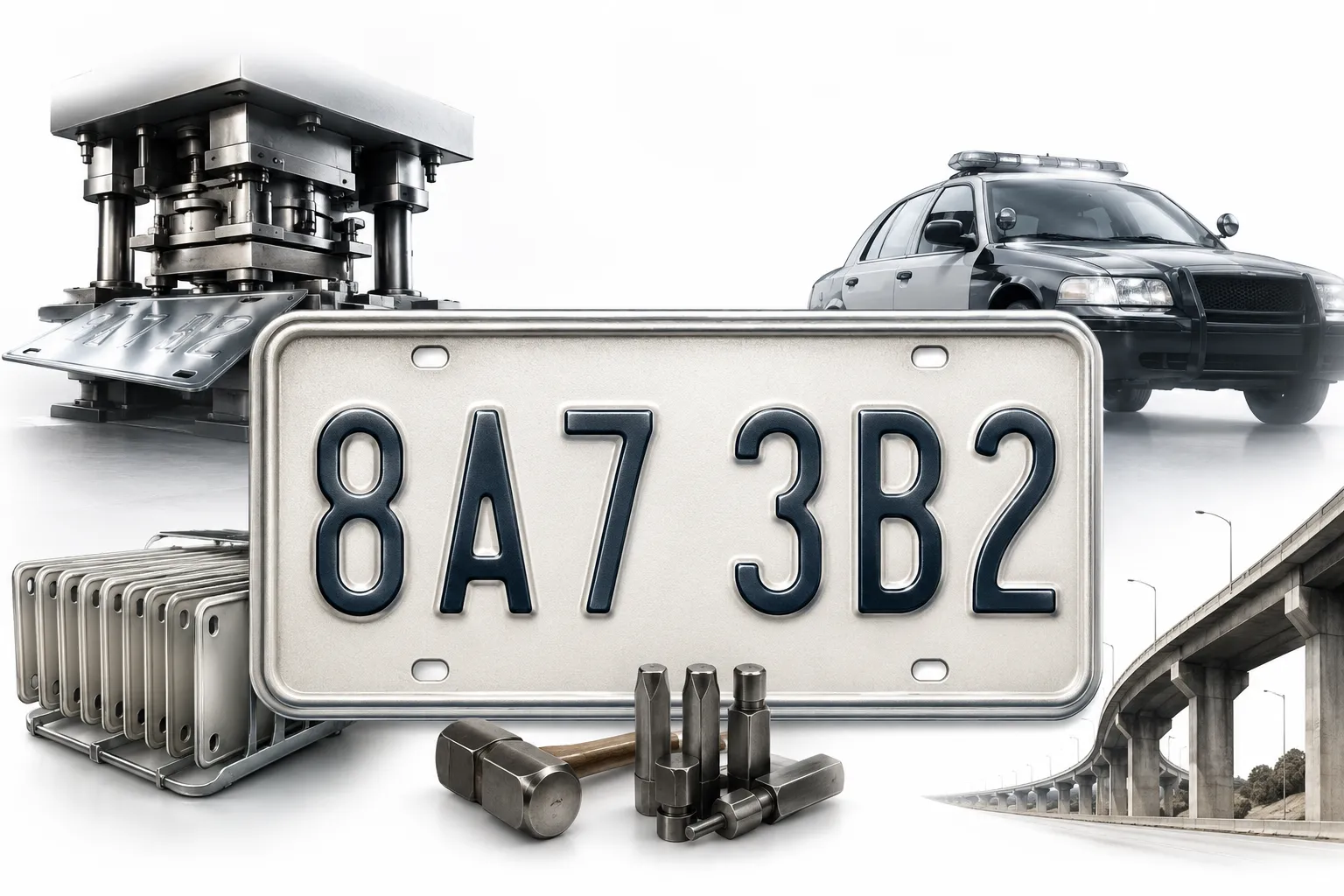
Why Do License Plates Have Raised Letters?
Open article ->
Engineering
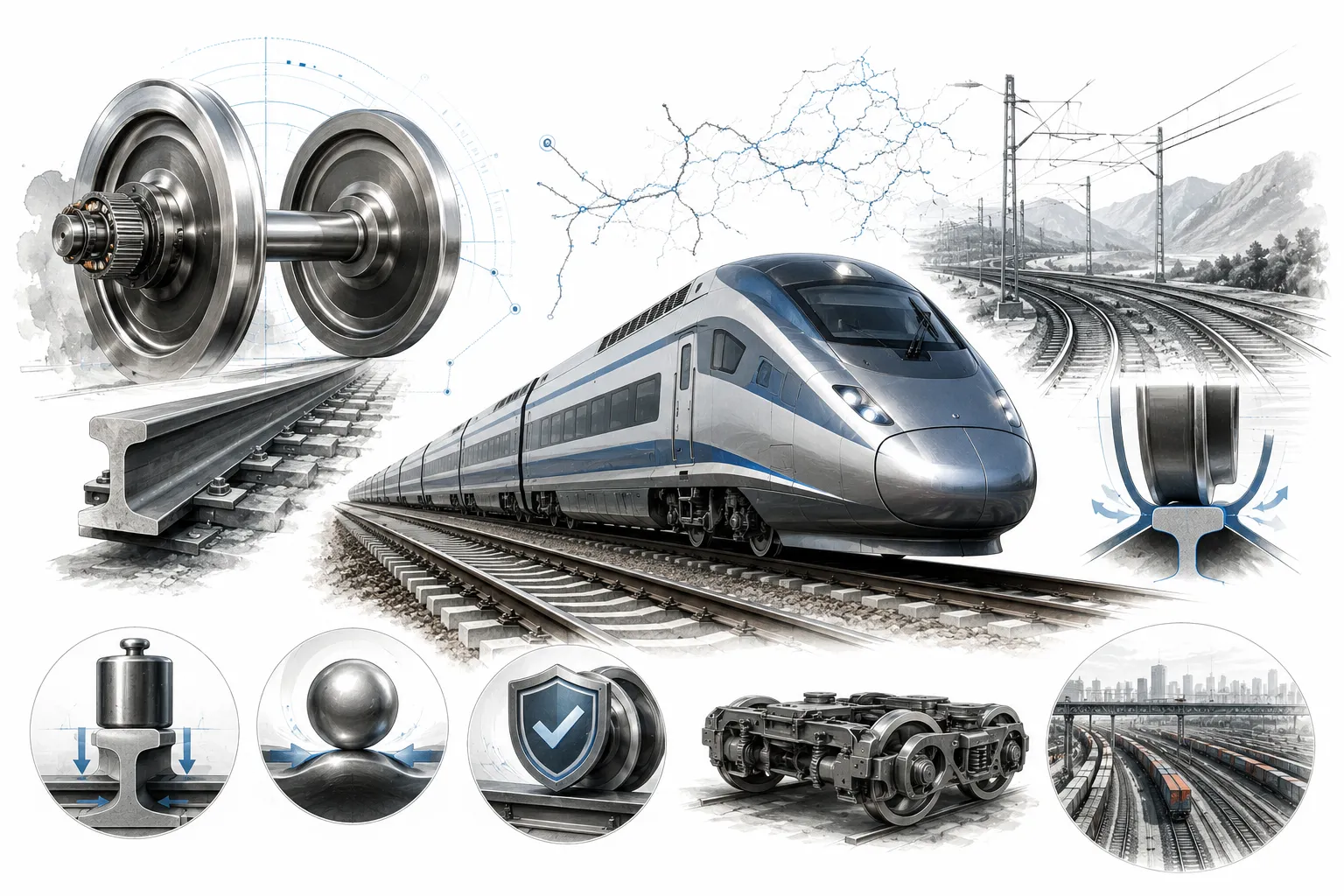
Why Do Trains Use Metal Wheels?
Open article ->
Everyday Life
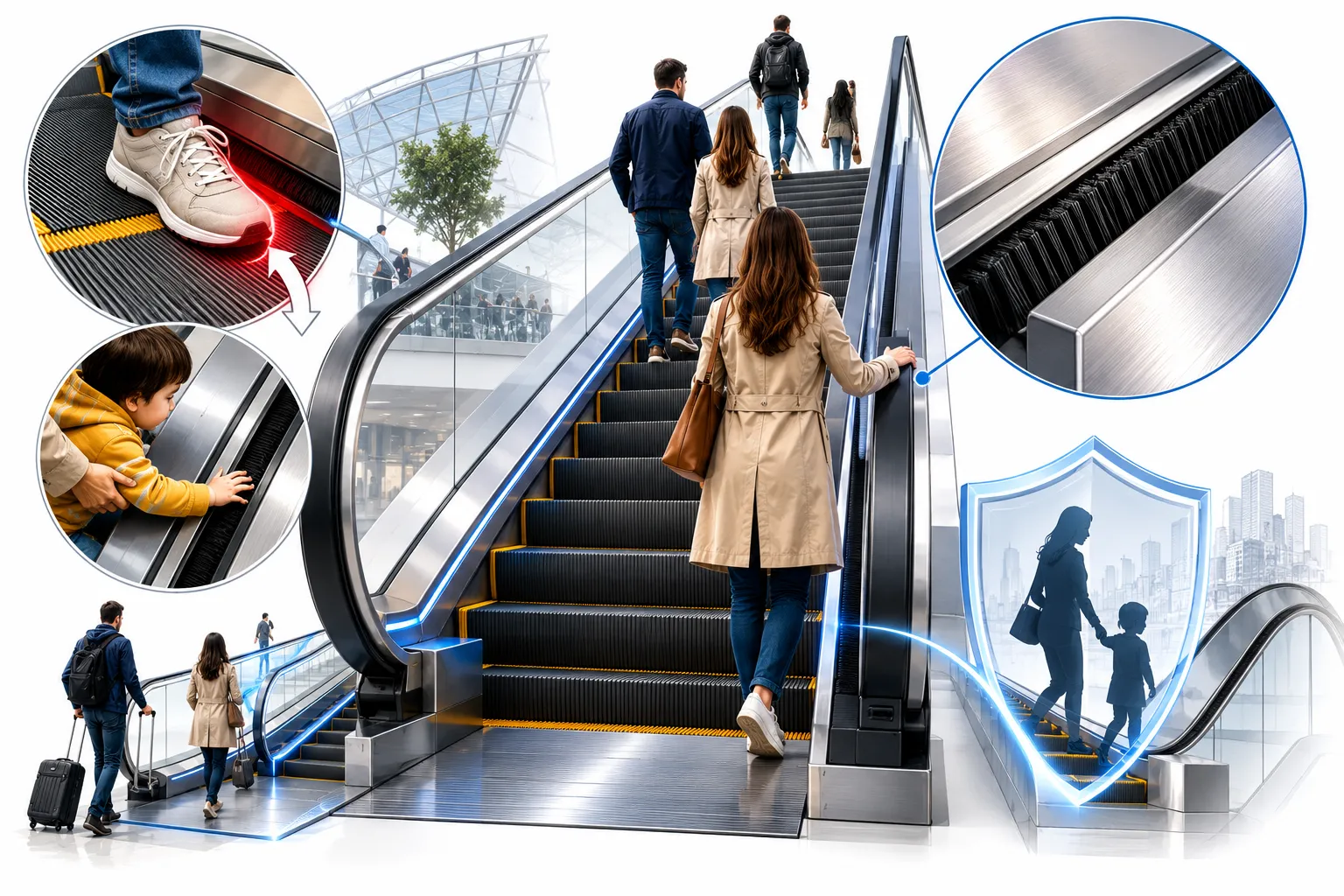
Why Do Escalators Have Brushes on the Sides?
Open article ->

Everyday Life
Why Do Elevators Have Mirrors?
Open article ->

Everyday Life
Why Do Elevator Doors Close Slowly?
Open article ->
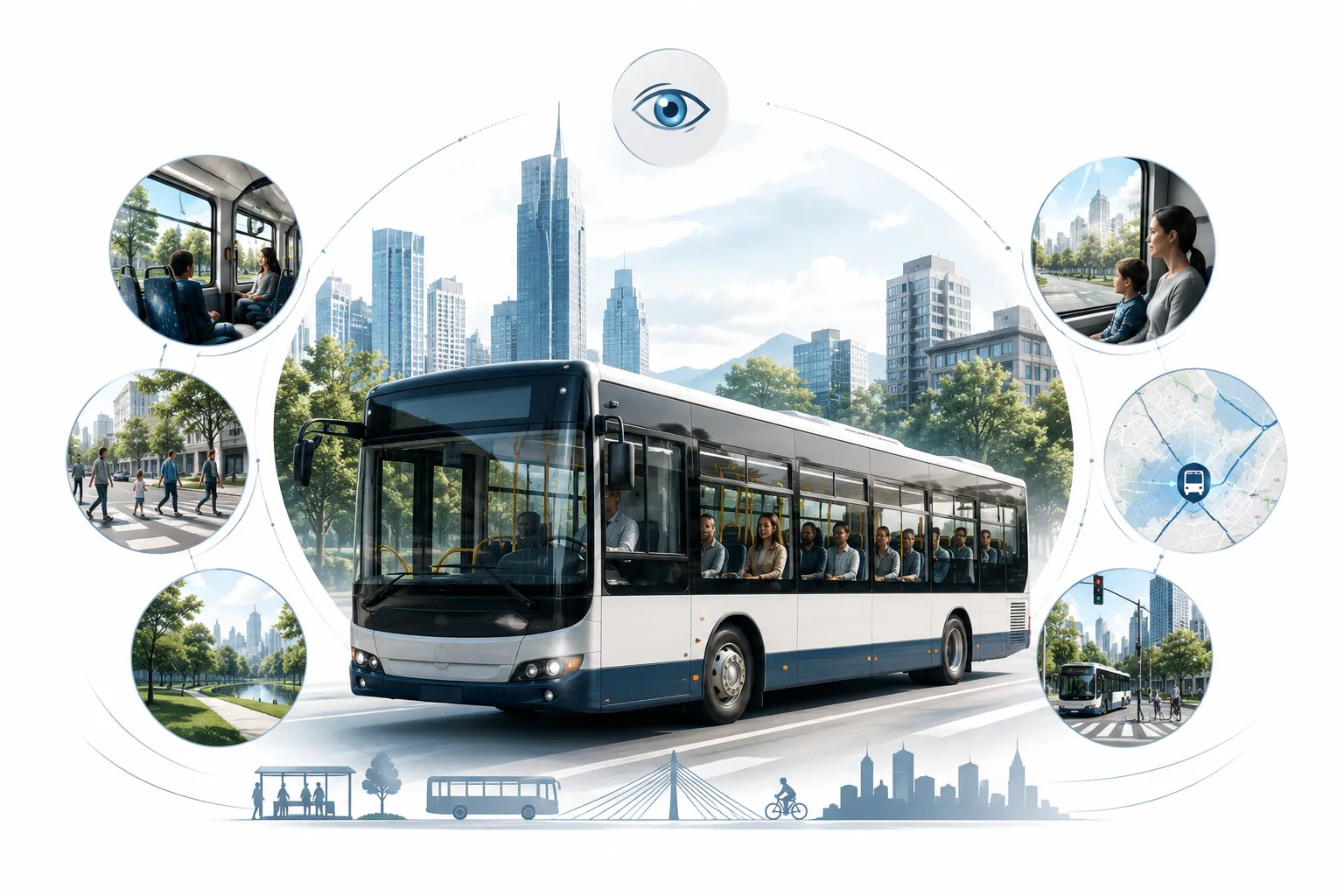
Everyday Life
Why Do Buses Have Large Windows?
Open article ->
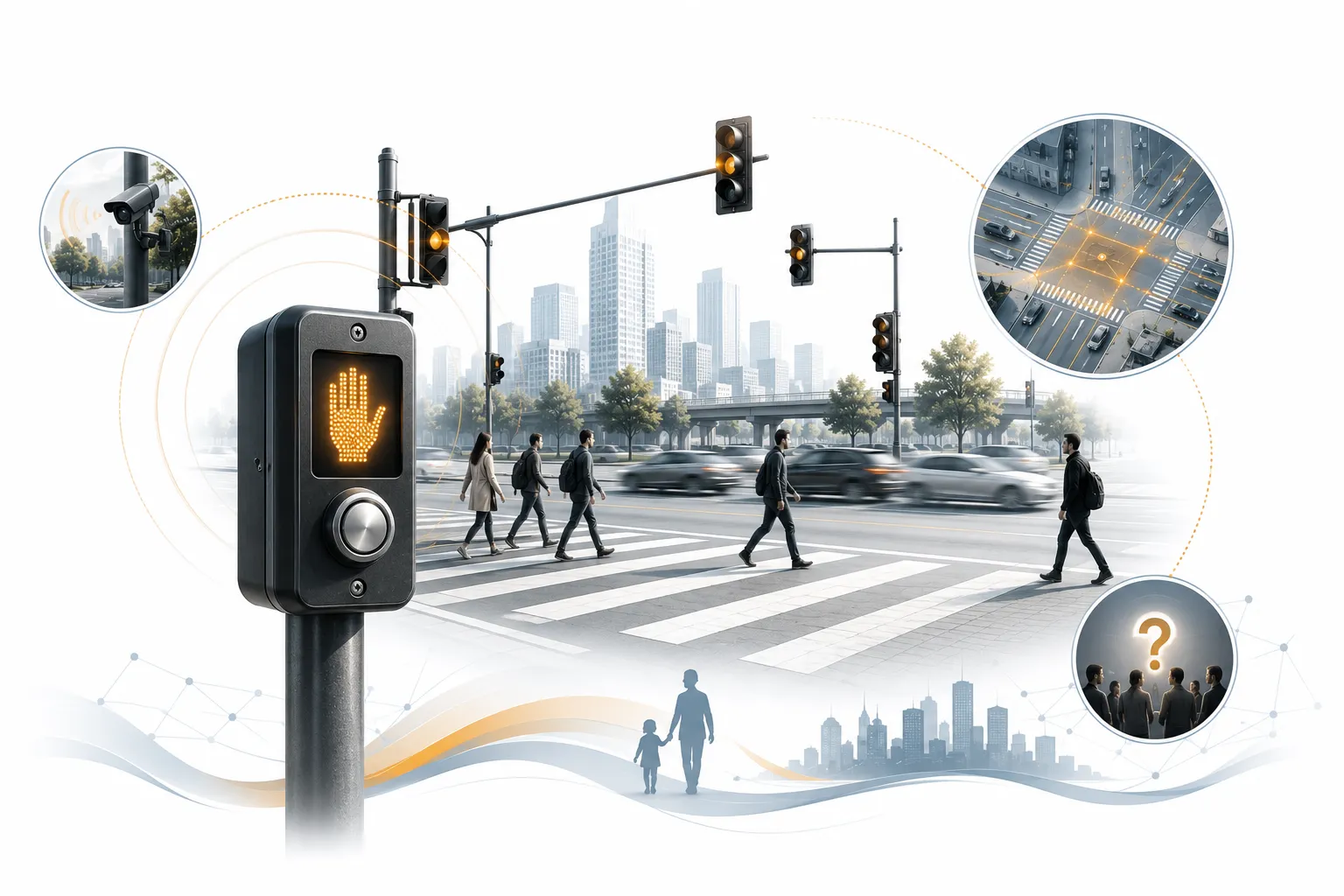
Everyday Life
Why Do Pedestrian Buttons Feel Useless?
Open article ->
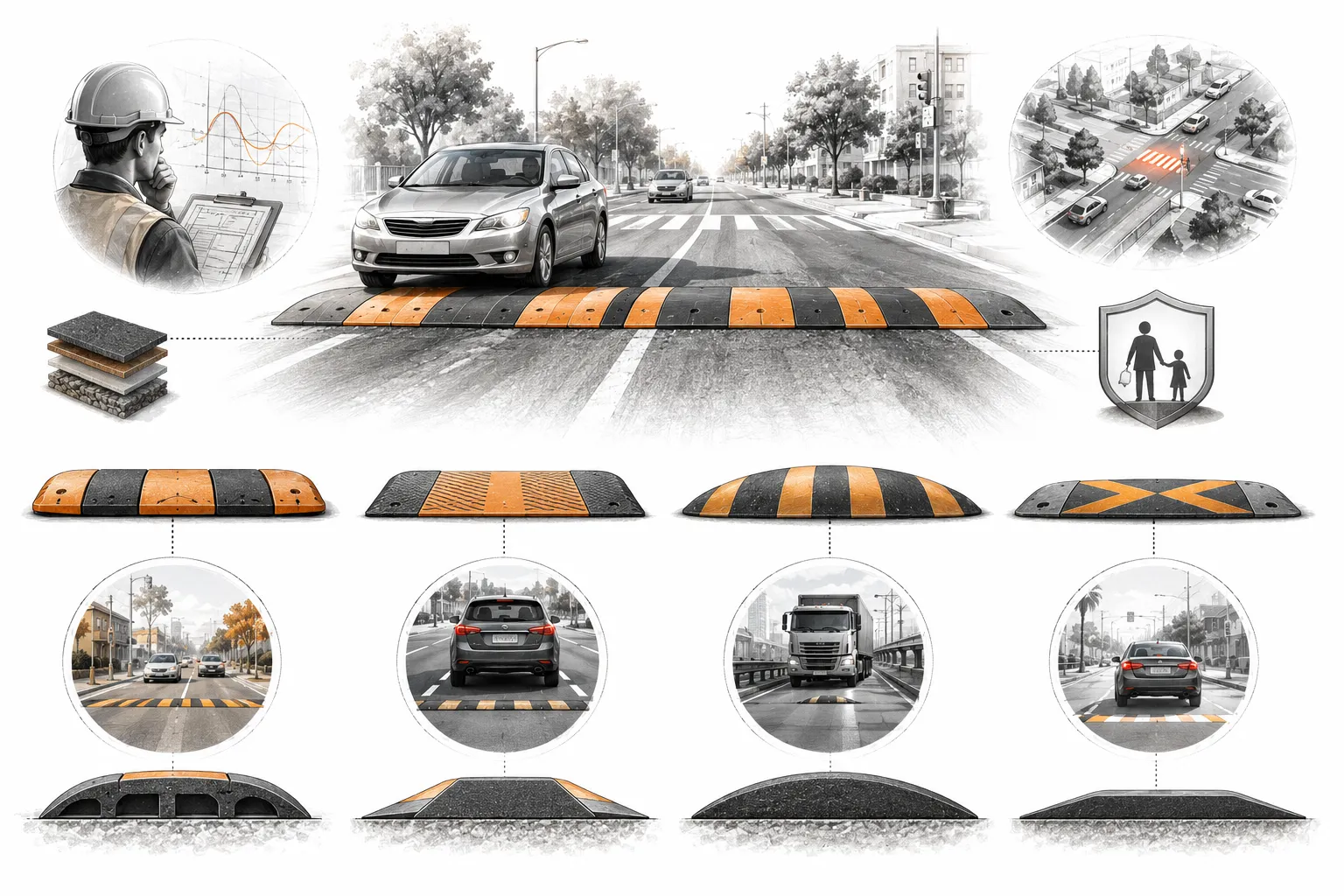
Everyday Life
Why Are Speed Bumps Shaped Differently?
Open article ->
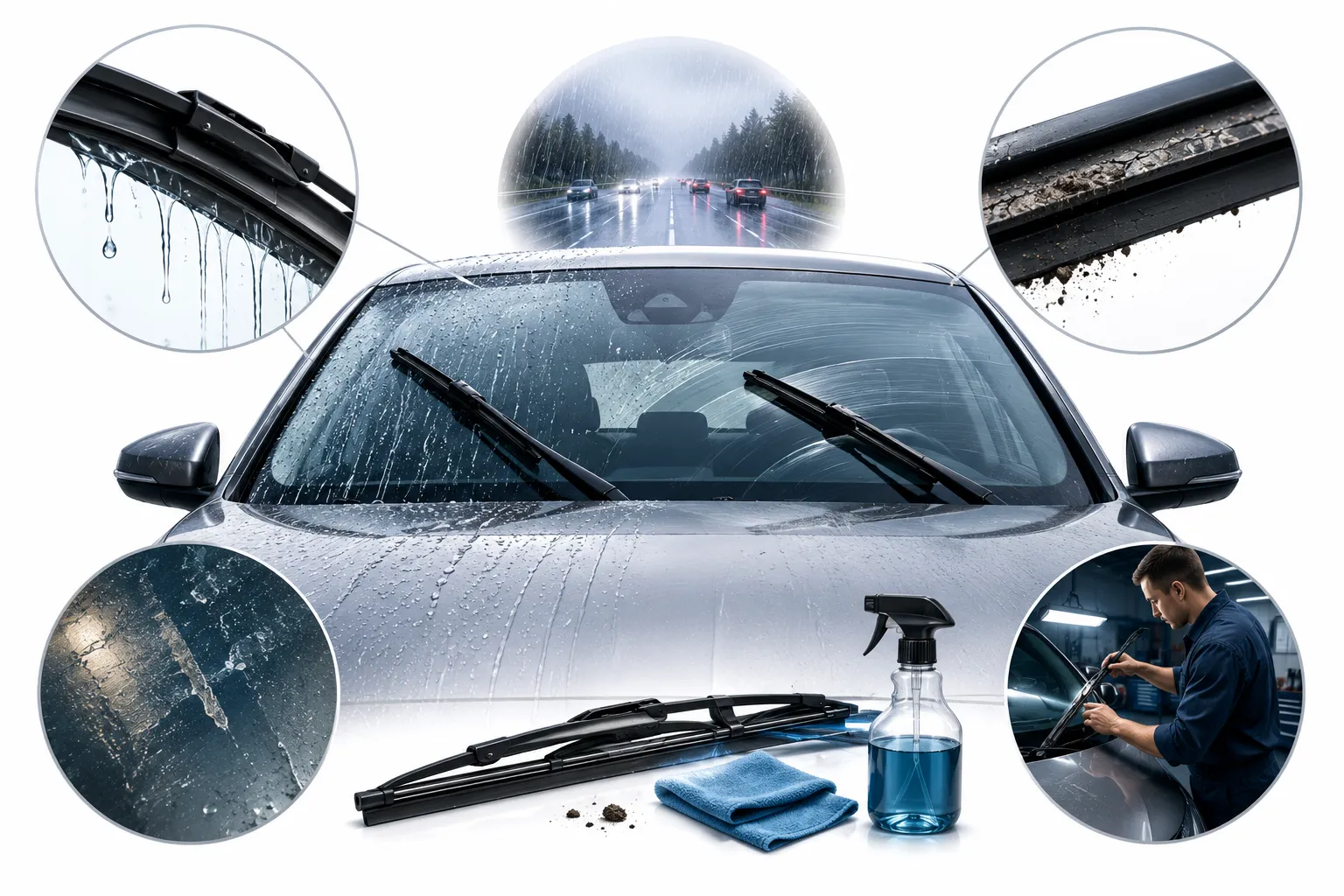
Everyday Life
Why Do Windshield Wipers Leave Streaks?
Open article ->
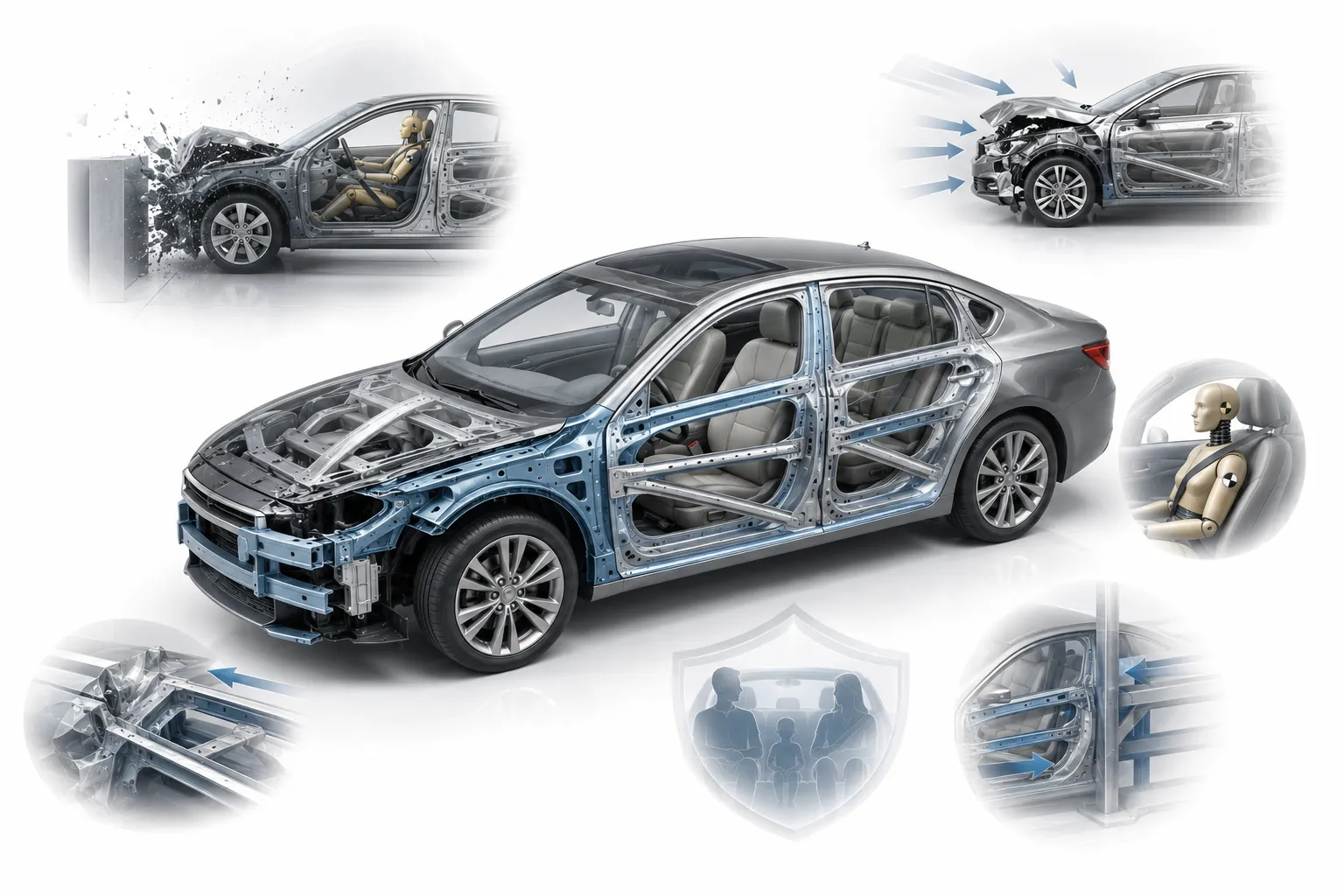
Engineering
Why Do Cars Have Crumple Zones?
Open article ->
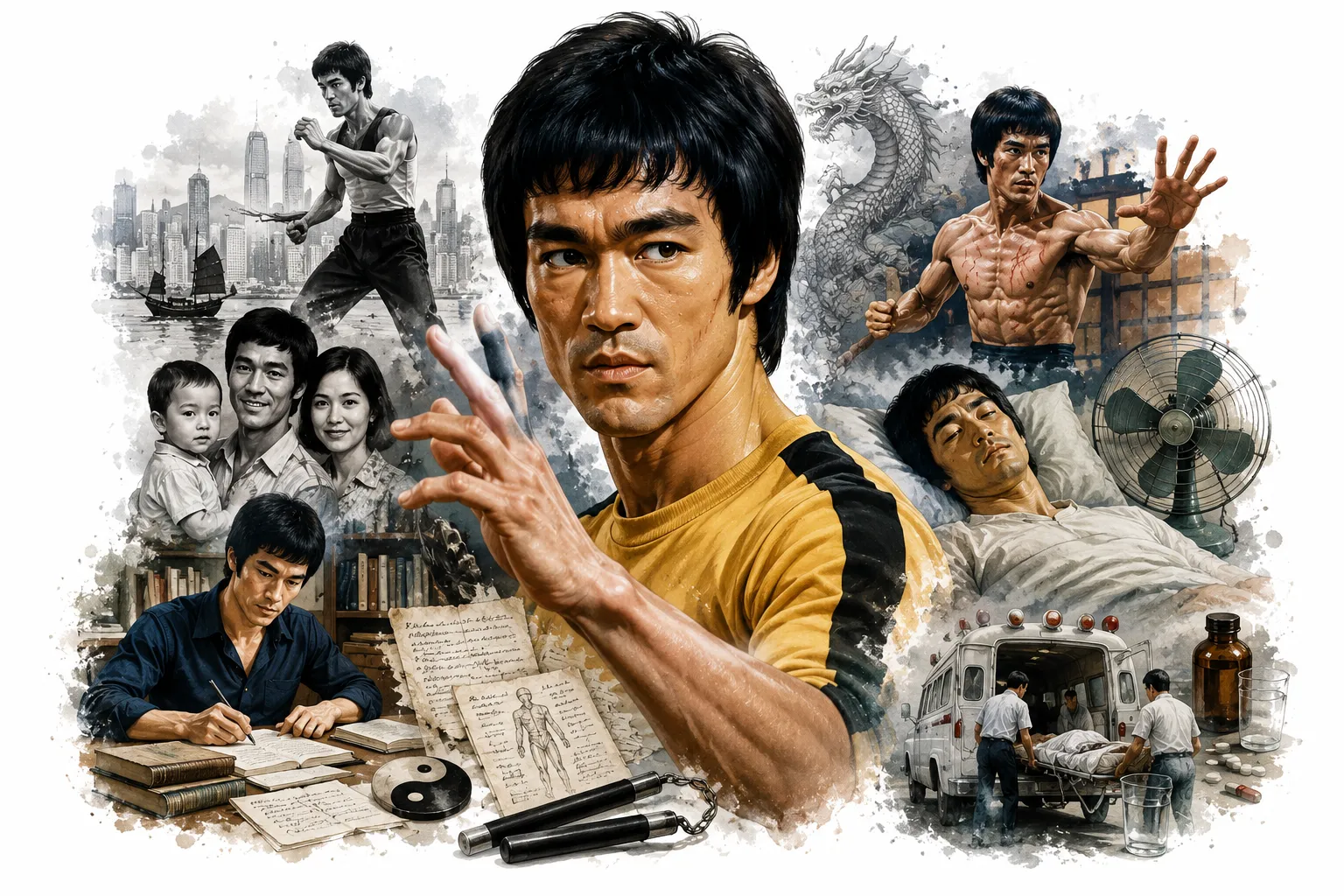
MARTIAL ARTS HISTORY
Why Did Bruce Lee Die So Young?
Open article ->
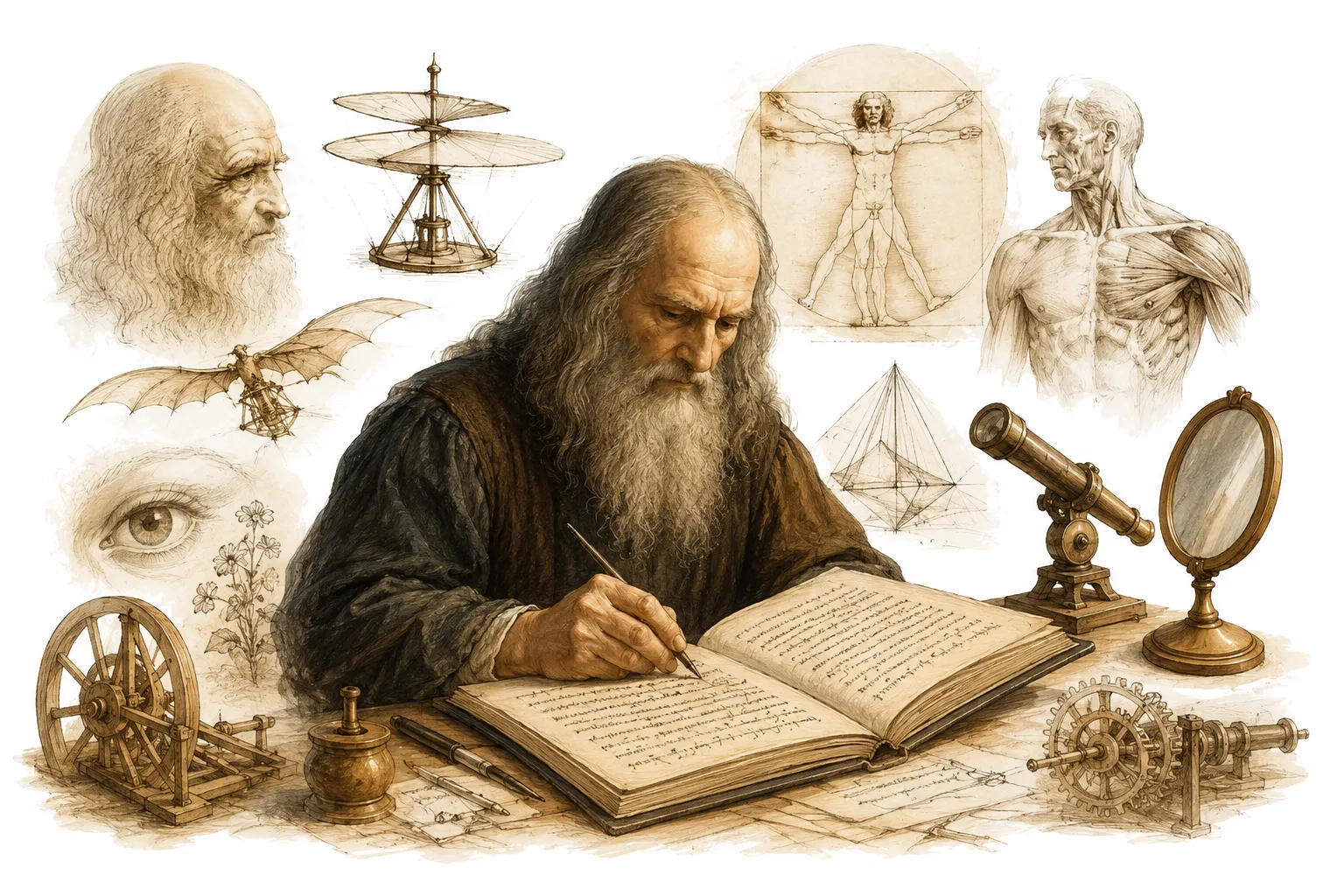
ART HISTORY
Why Did Da Vinci Write Backwards?
Open article ->
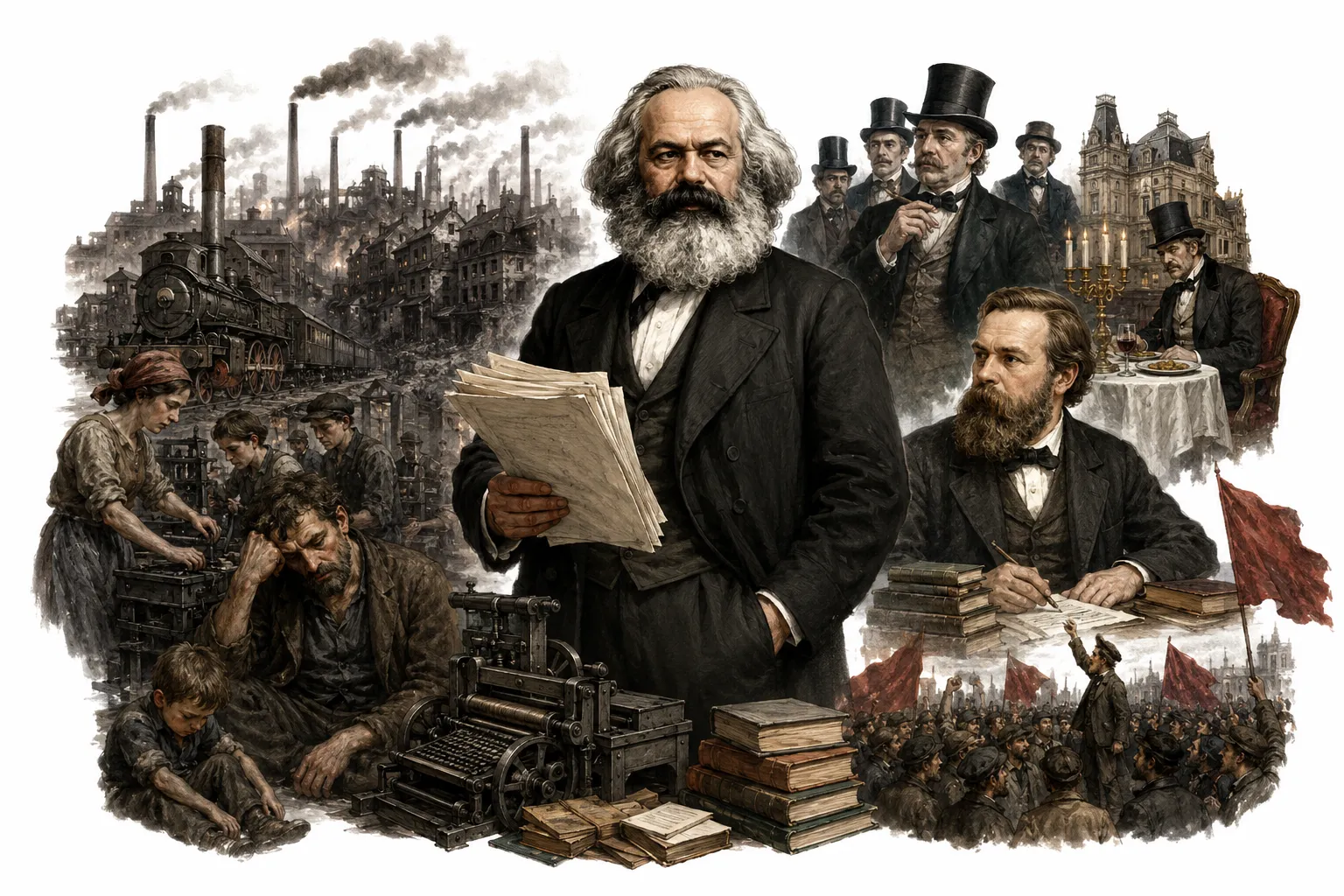
POLITICAL PHILOSOPHY
Why Did Karl Marx Create Communism?
Open article ->
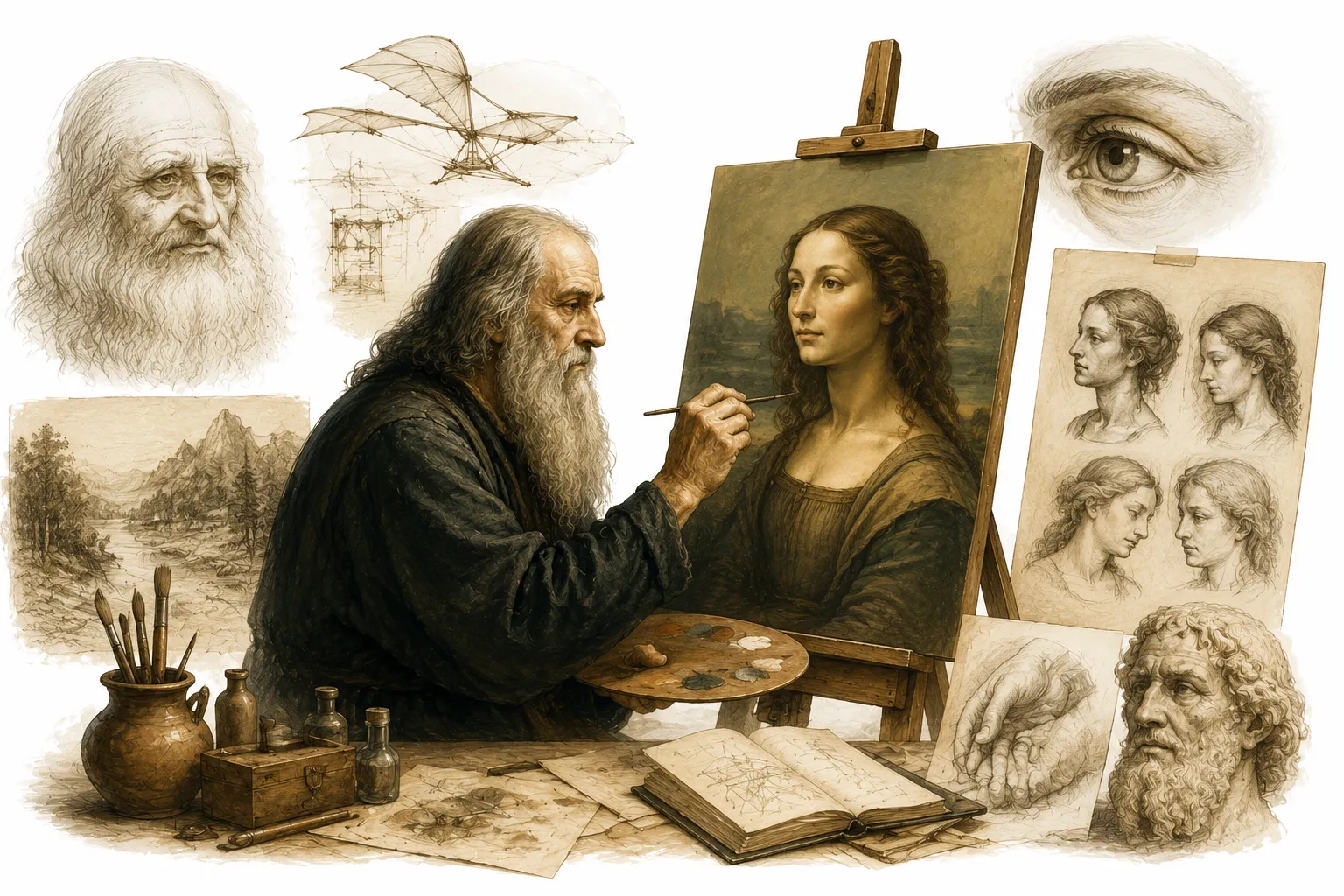
ART HISTORY
Why Did Leonardo da Vinci Paint the Mona Lisa?
Open article ->
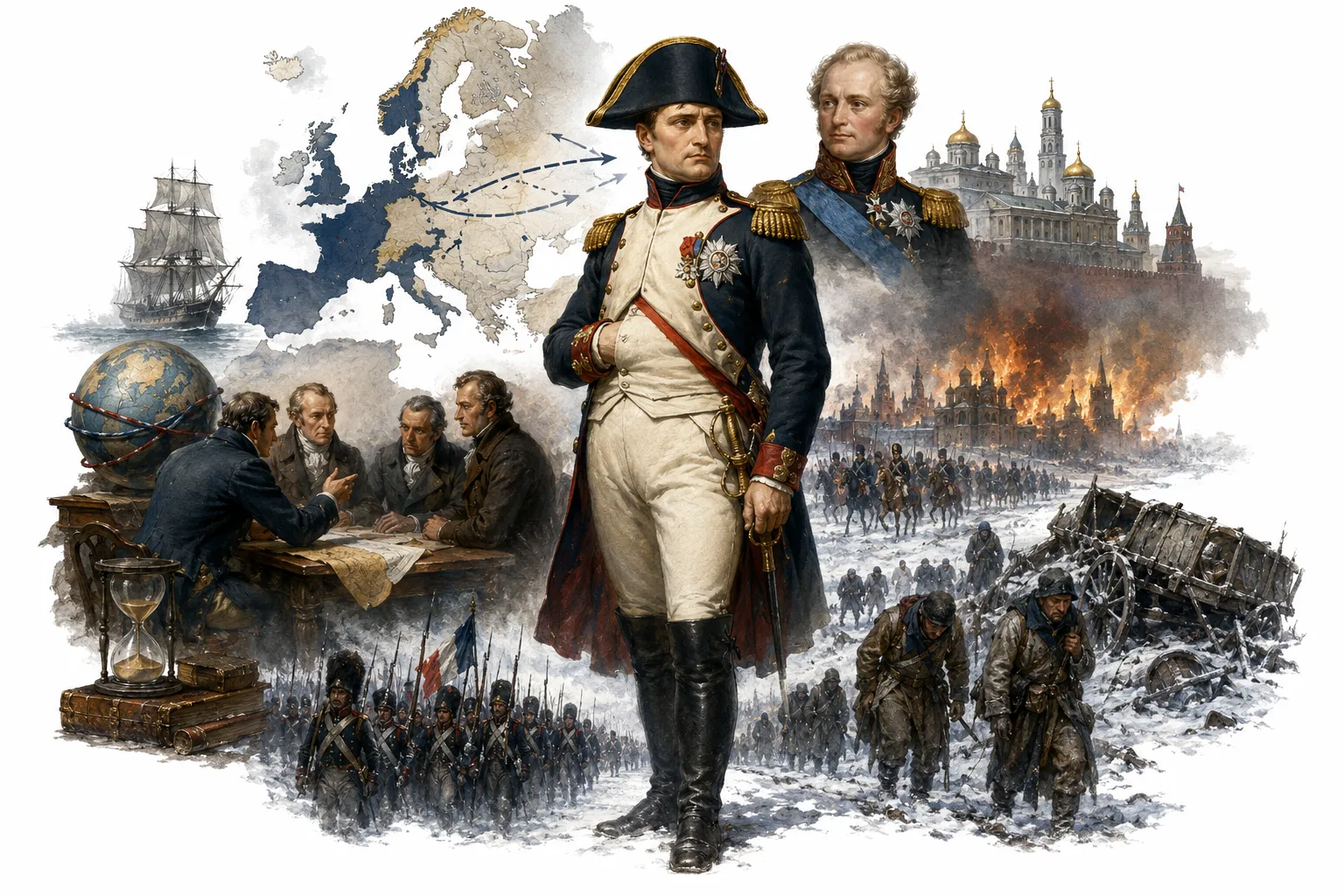
MILITARY HISTORY
Why Did Napoleon Invade Russia?
Open article ->
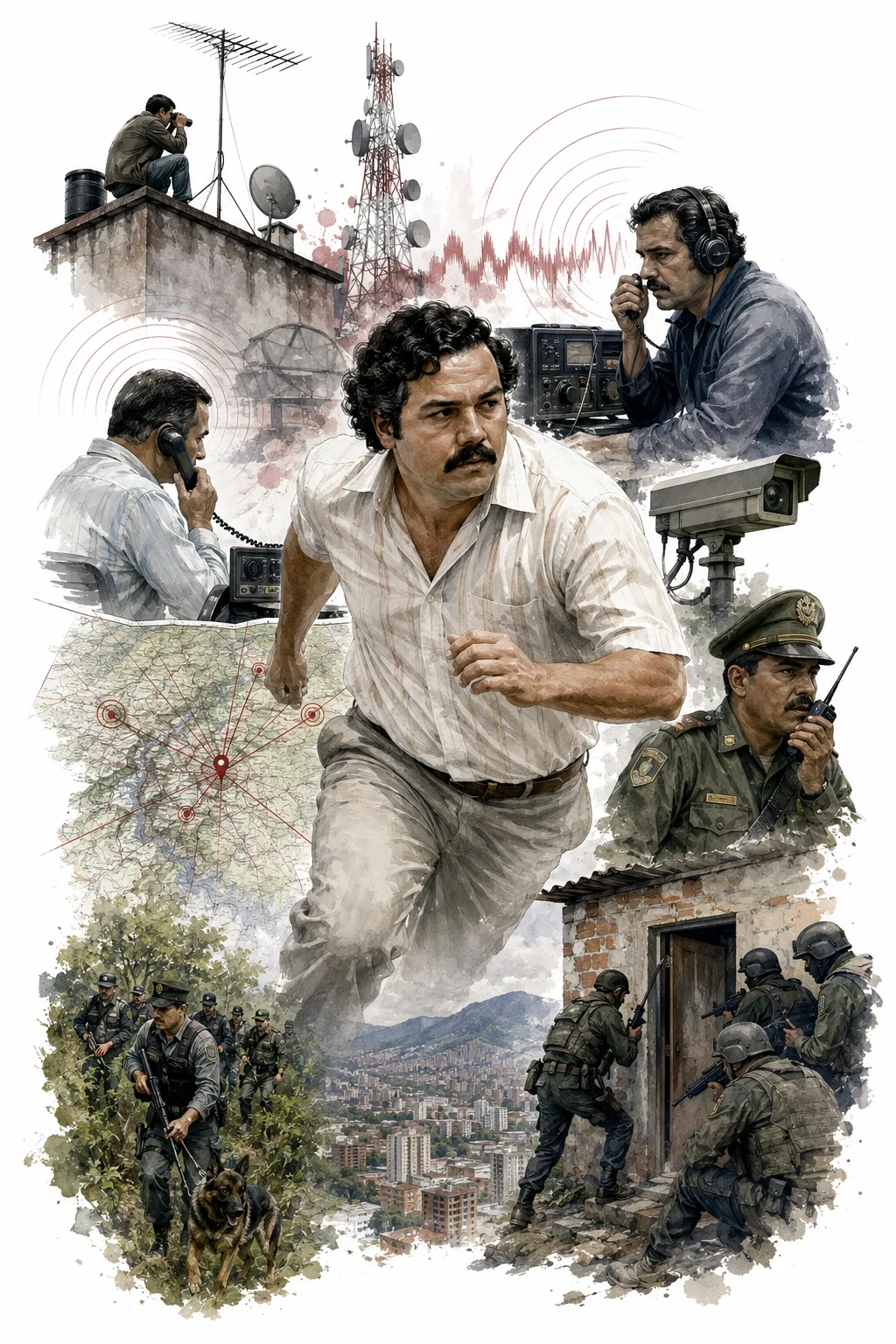
CRIME HISTORY
Why Did Pablo Escobar Get Caught?
Open article ->
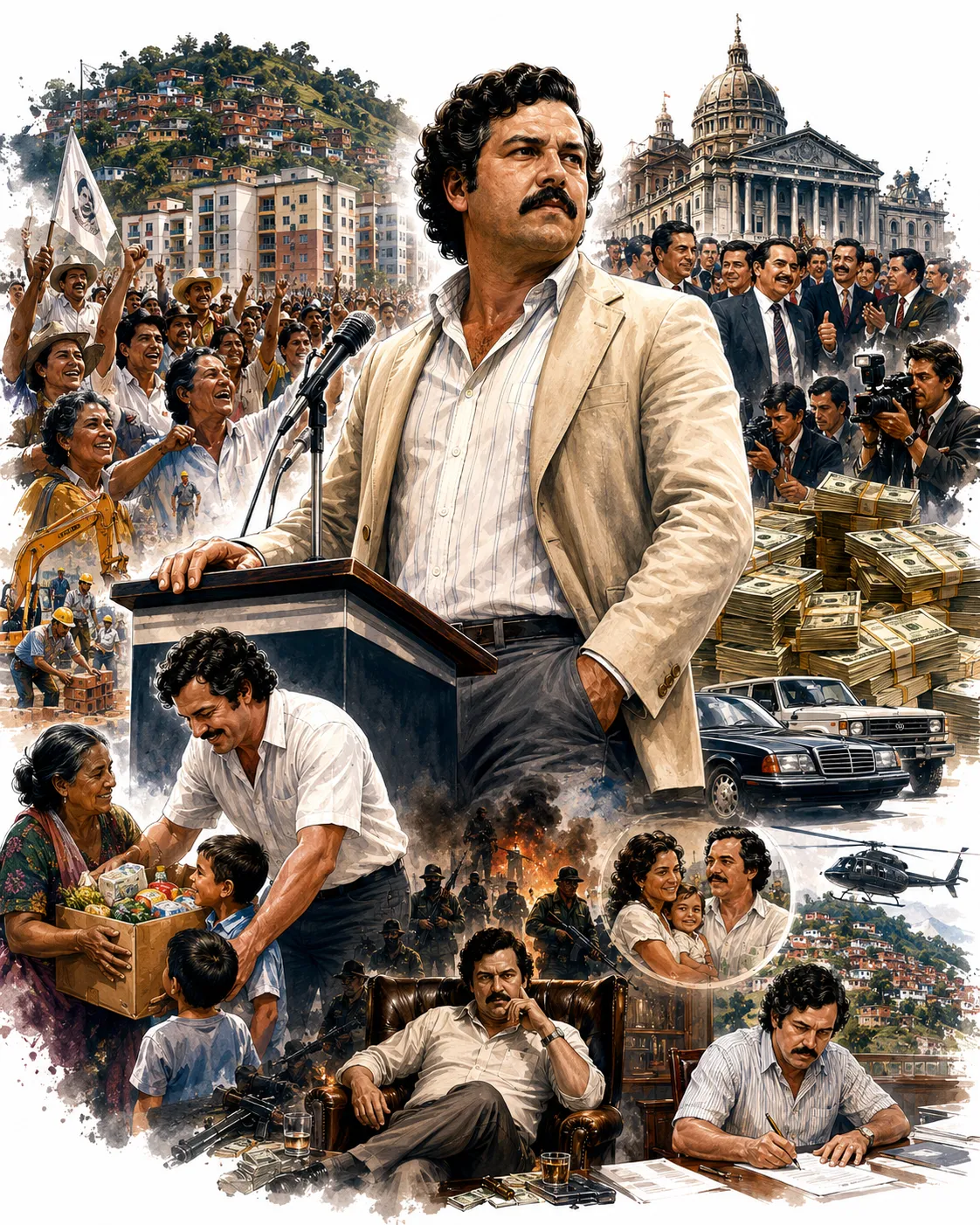
CRIME HISTORY
Why Did Pablo Escobar Run for President?
Open article ->
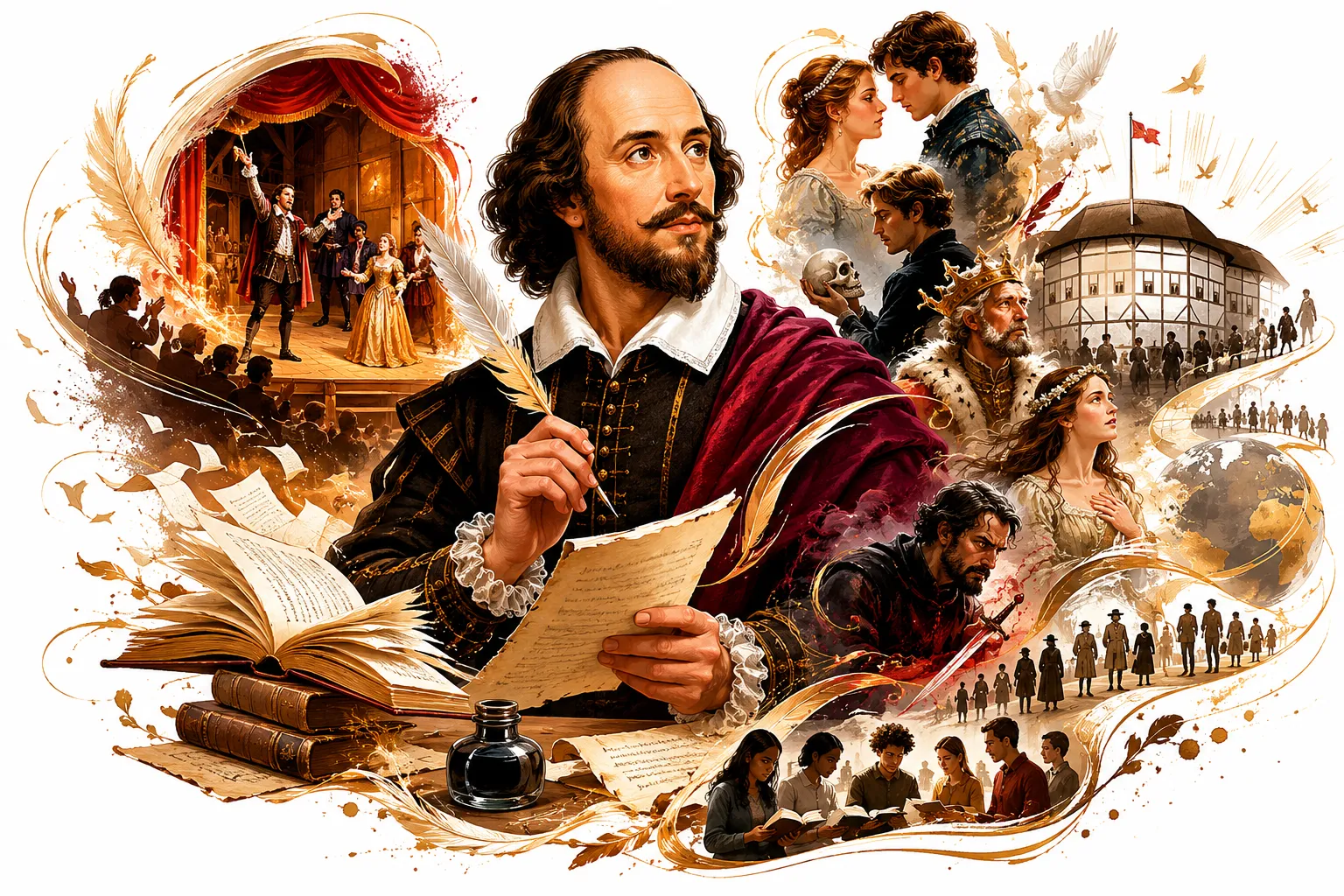
LITERARY HISTORY
Why Did Shakespeare Become So Famous?
Open article ->
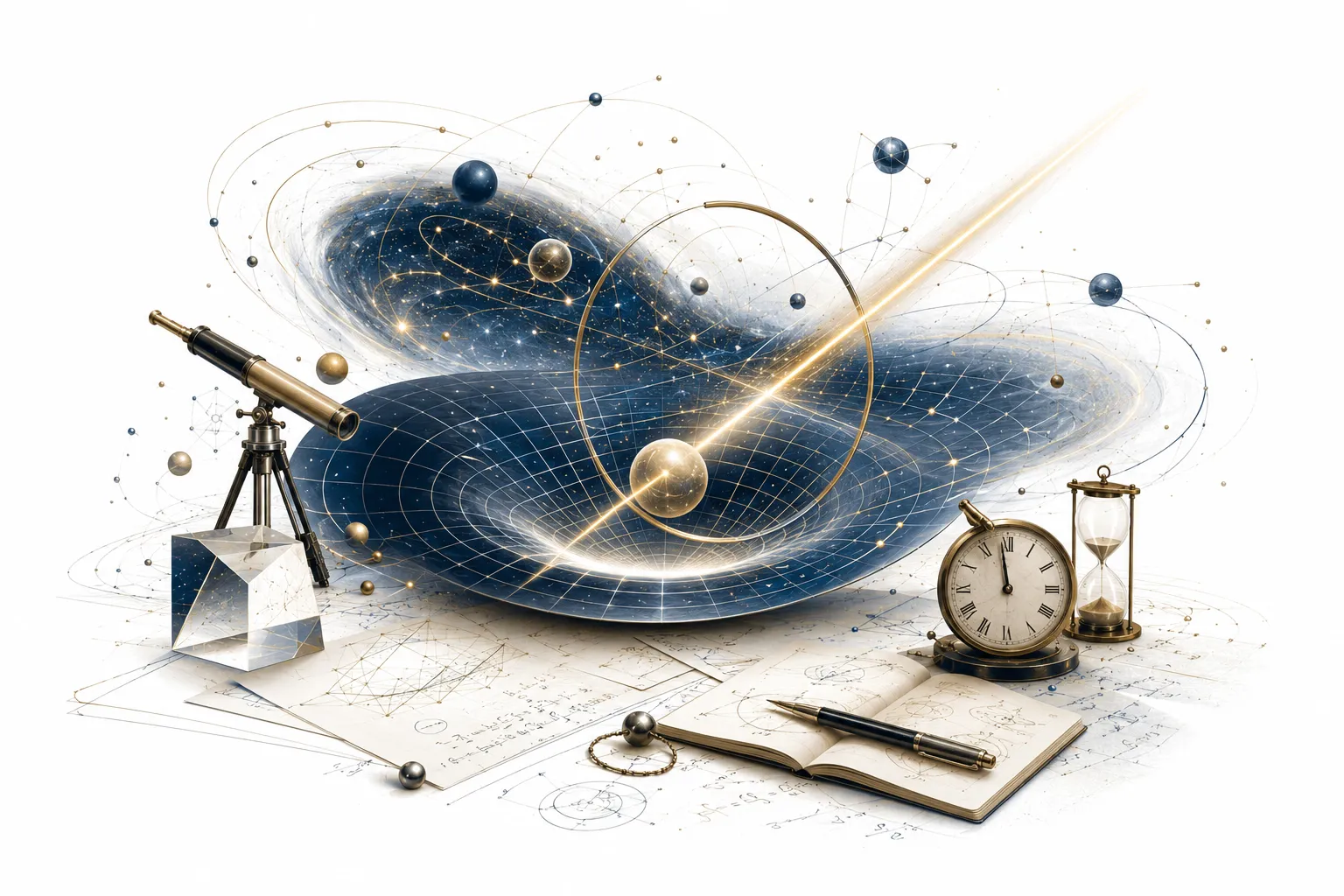
SCIENCE HISTORY
Why Is Albert Einstein Famous?
Open article ->
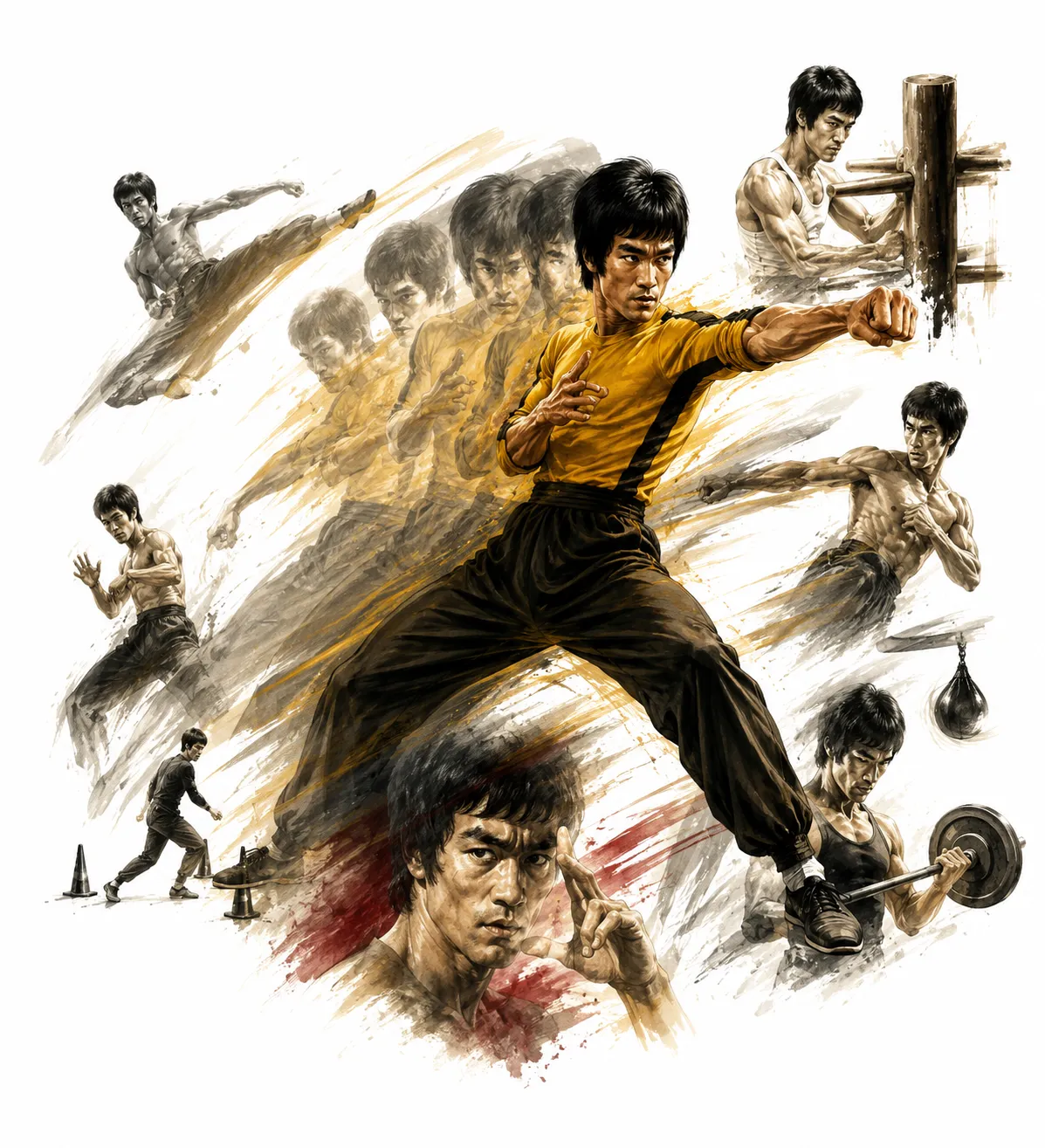
MARTIAL ARTS HISTORY
Why Is Bruce Lee So Fast?
Open article ->
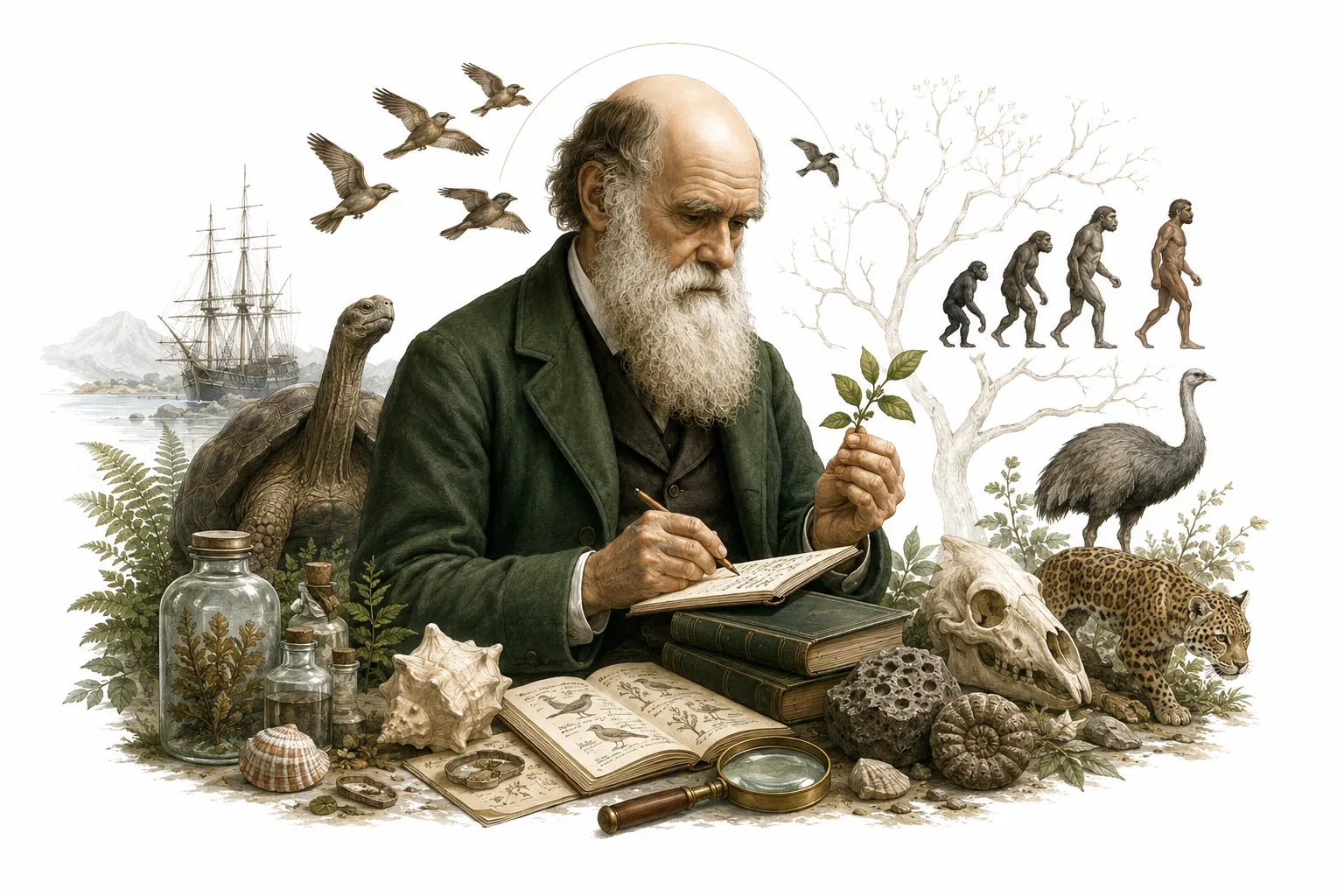
SCIENCE HISTORY
Why Is Charles Darwin Famous?
Open article ->
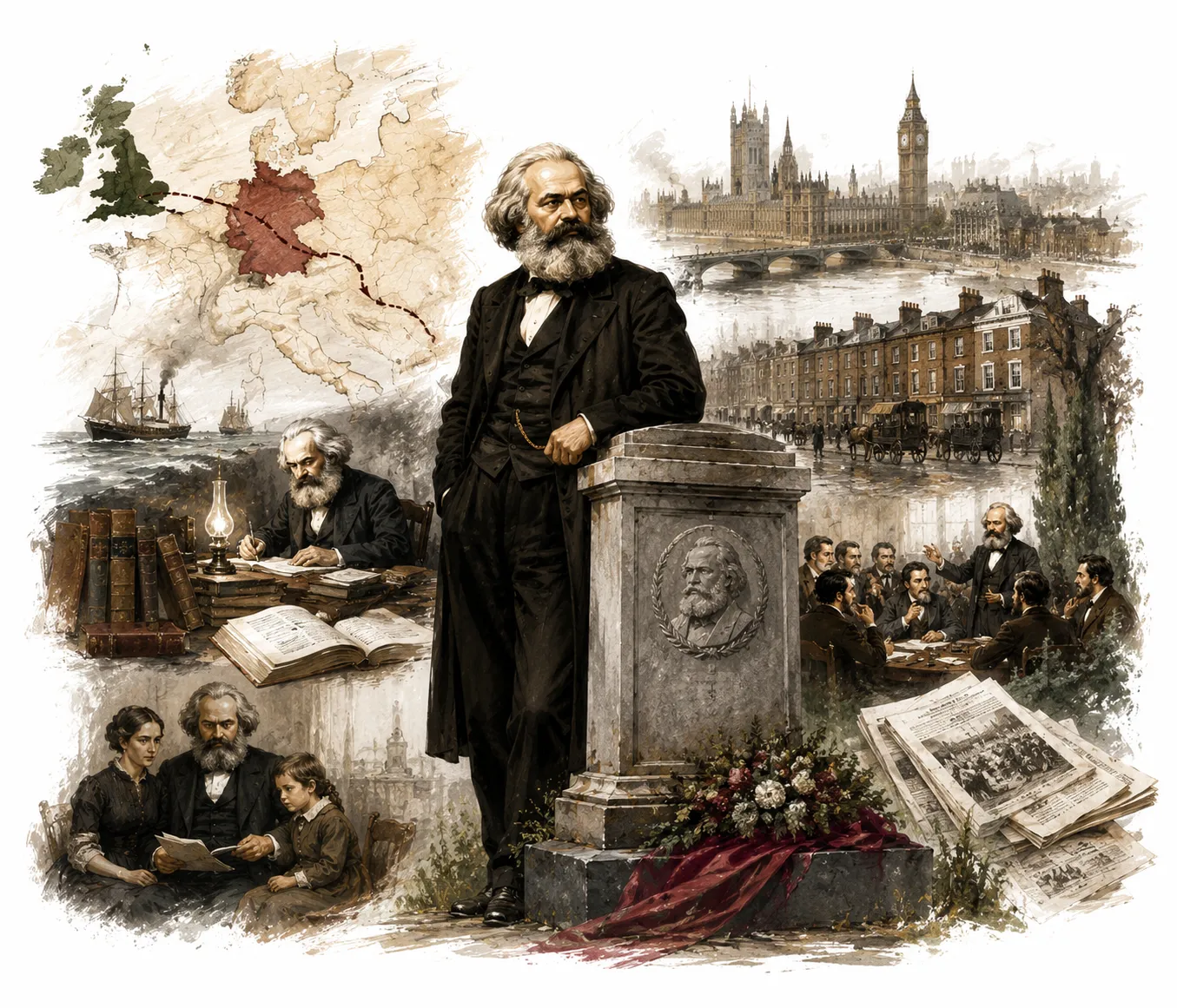
BIOGRAPHY
Why Is Karl Marx Buried in London?
Open article ->
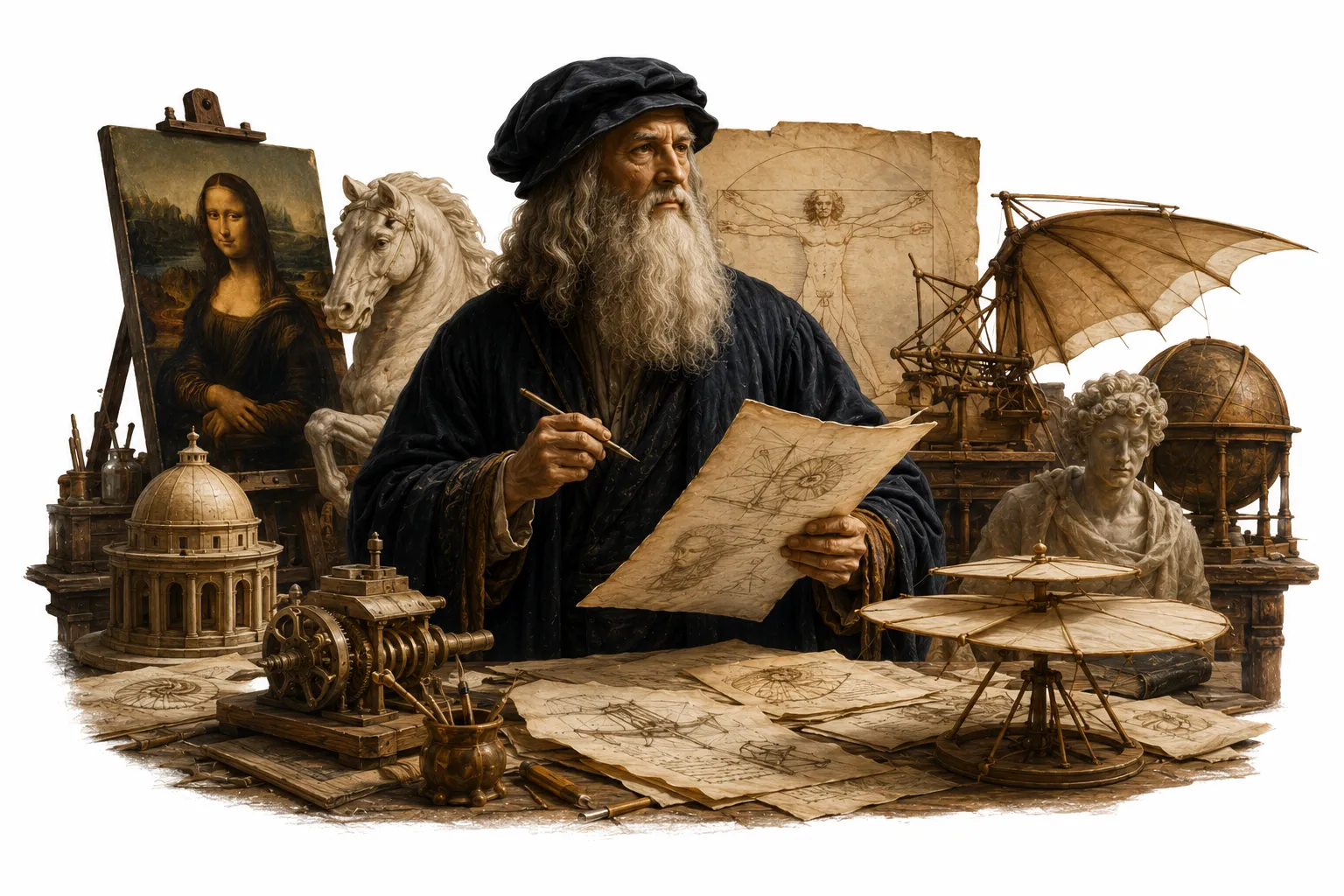
RENAISSANCE HISTORY
Why Is Leonardo da Vinci Famous?
Open article ->
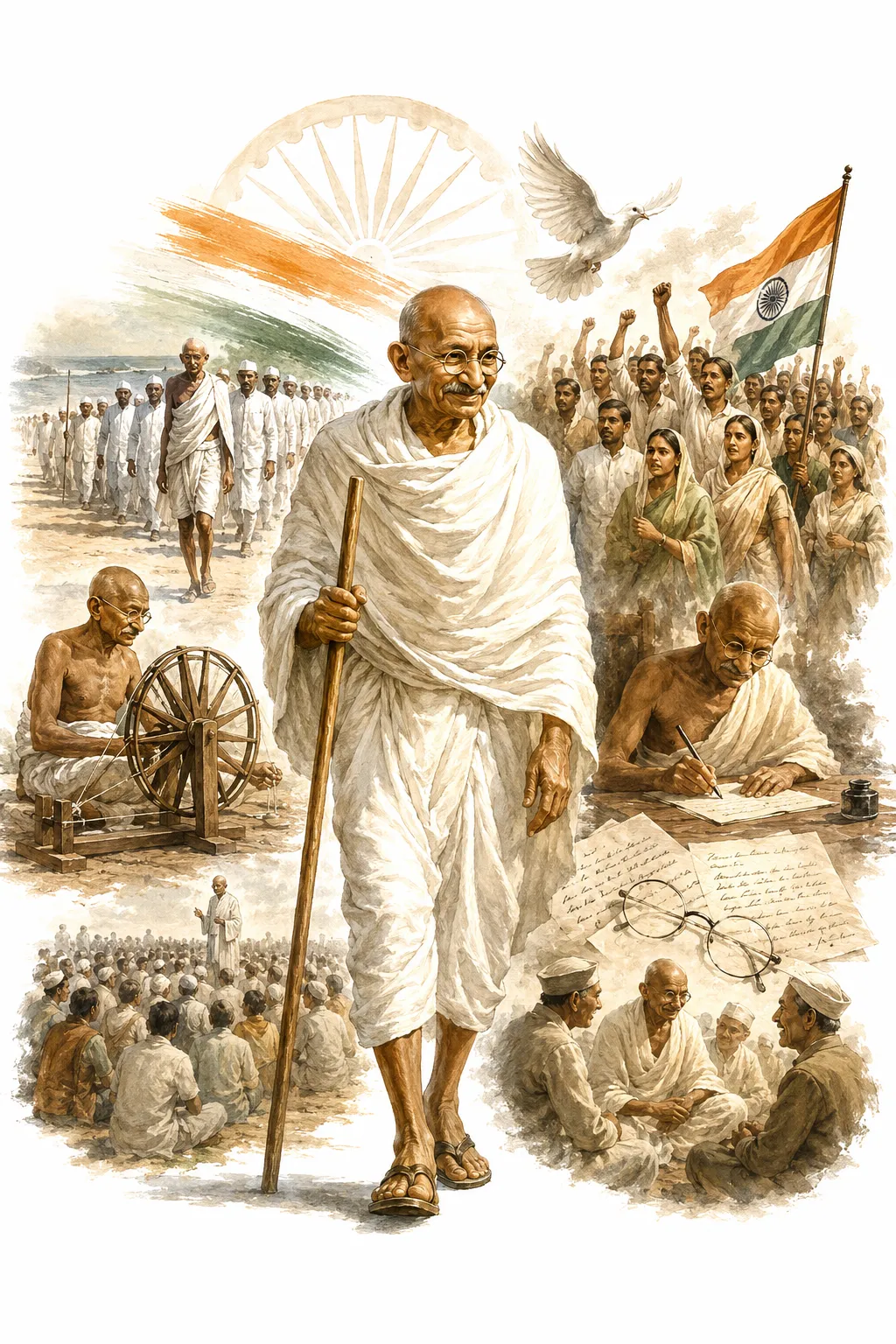
MODERN HISTORY
Why Is Mahatma Gandhi Famous?
Open article ->
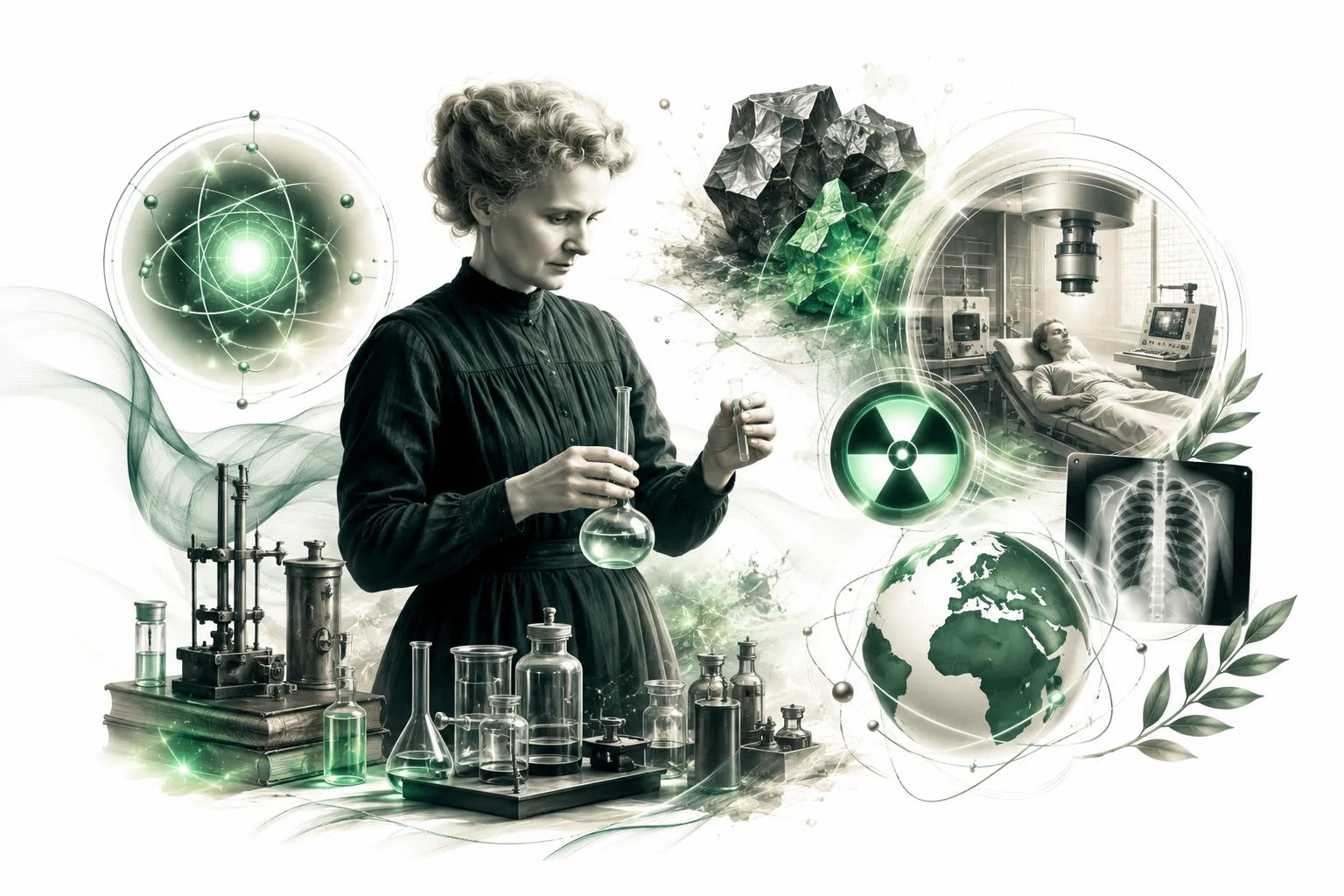
SCIENCE HISTORY
Why Is Marie Curie Famous?
Open article ->
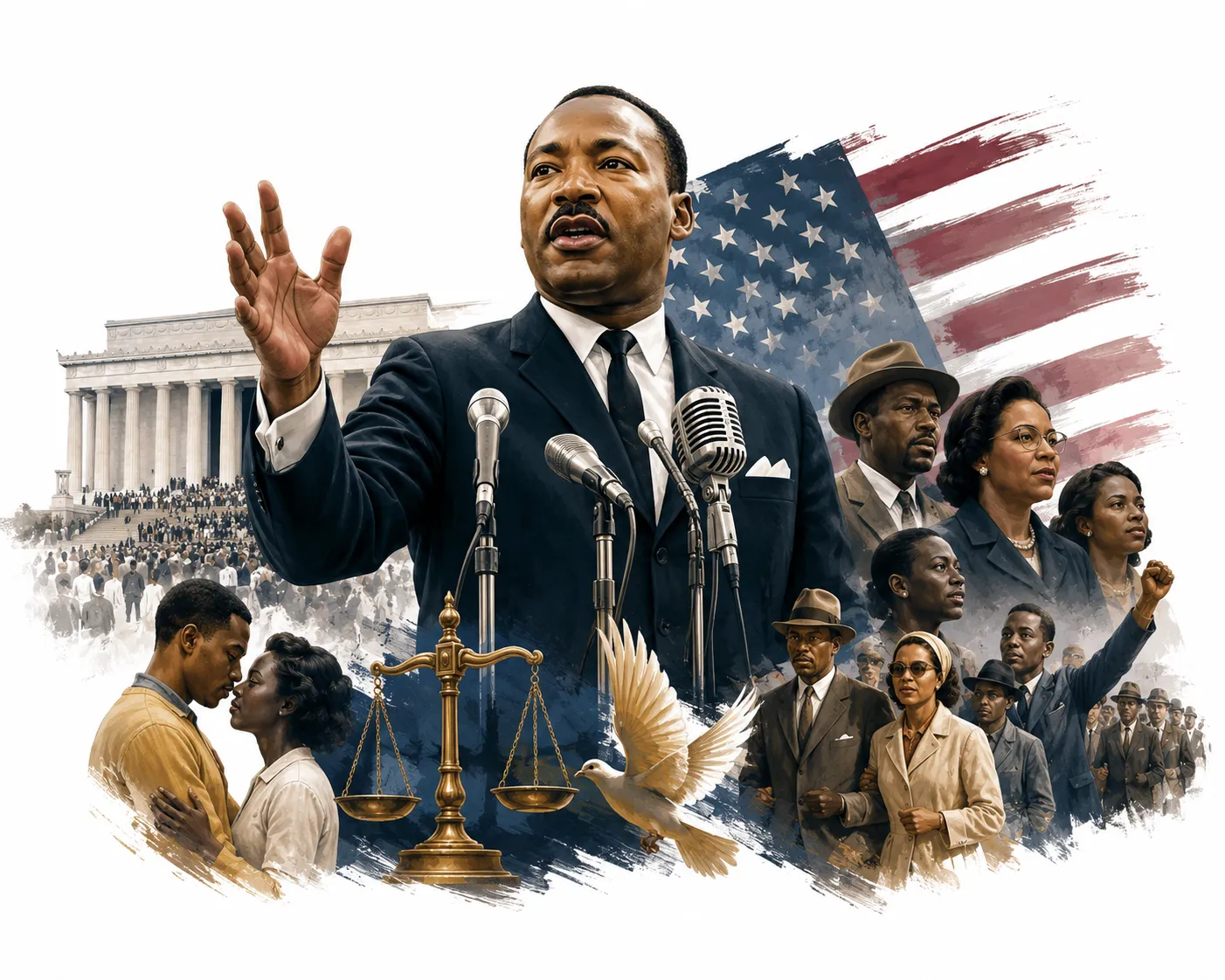
CIVIL RIGHTS HISTORY
Why Is Martin Luther King Jr Famous?
Open article ->
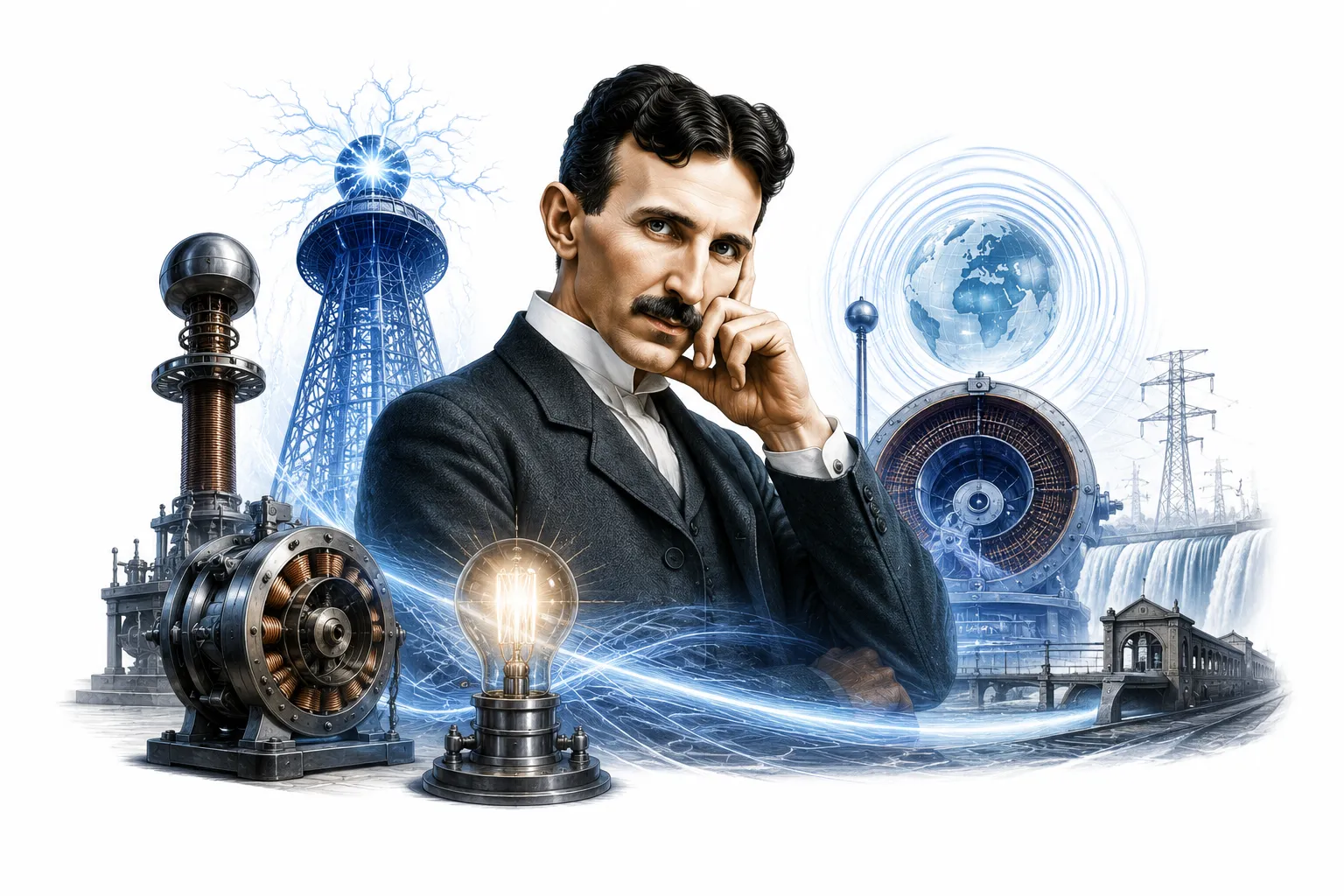
INVENTION HISTORY
Why Is Nikola Tesla Famous?
Open article ->
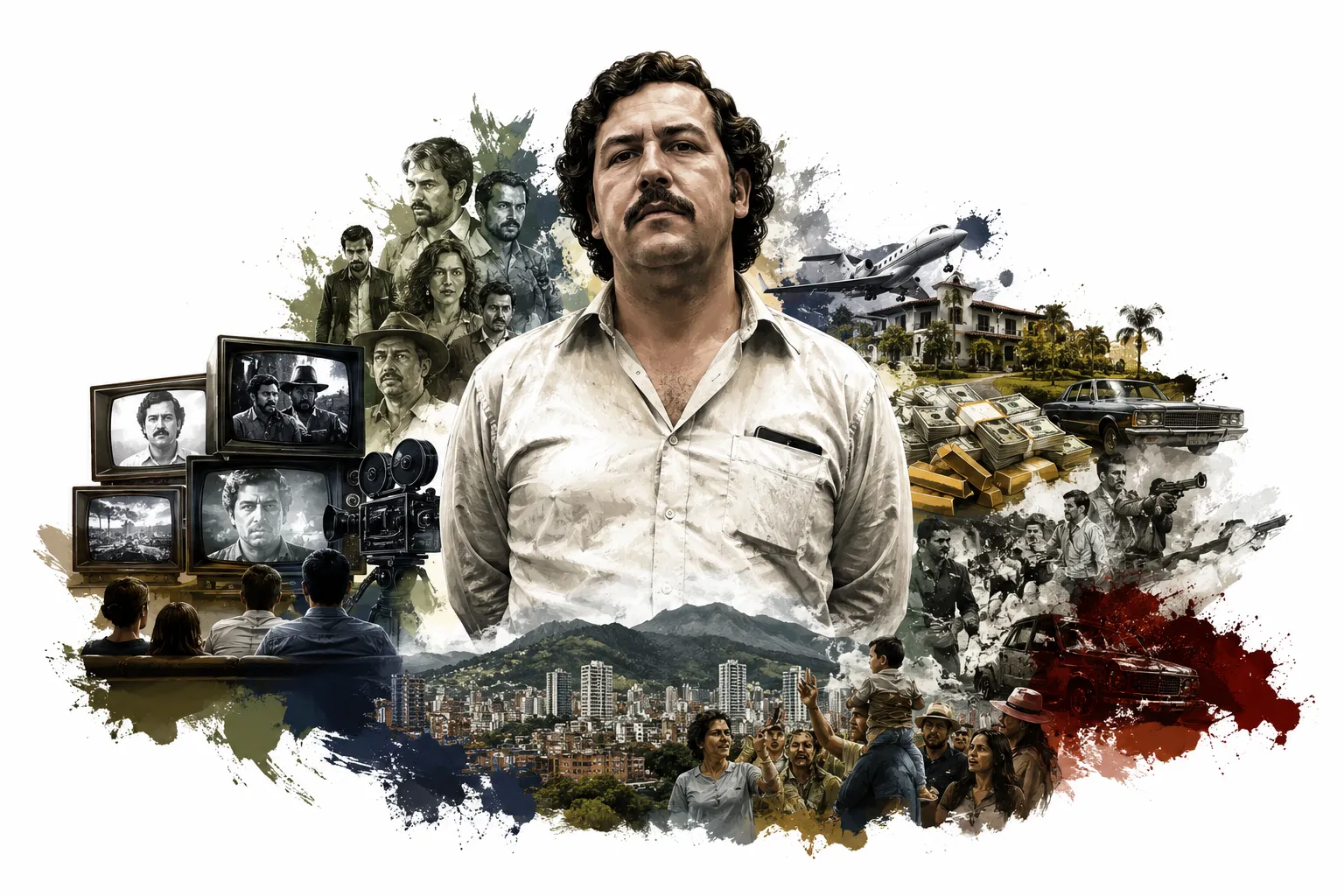
CRIME HISTORY
Why Is Pablo Escobar So Popular?
Open article ->
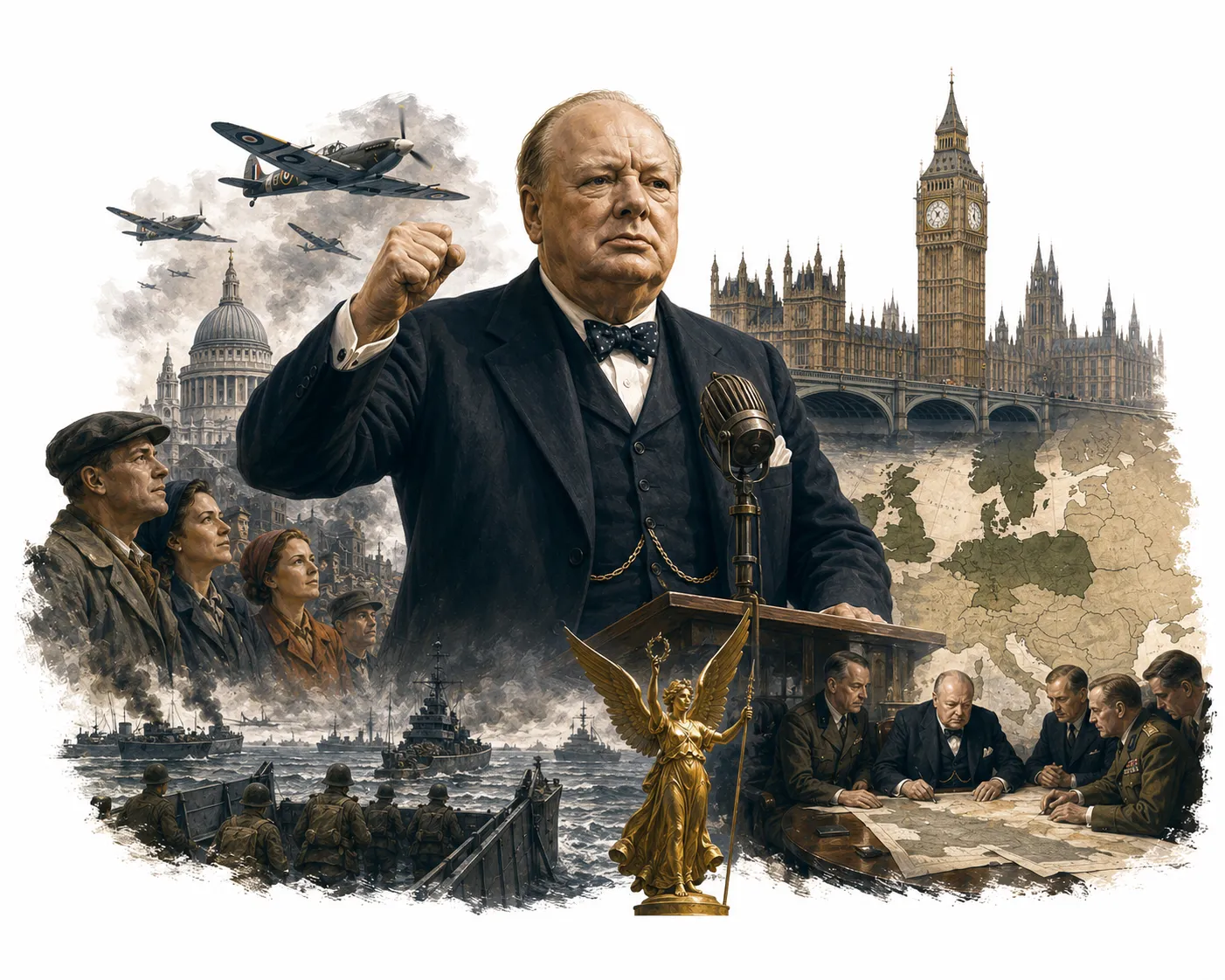
MODERN HISTORY
Why Is Winston Churchill Famous?
Open article ->

MARTIAL ARTS HISTORY
Why Was Bruce Lee So Famous?
Open article ->
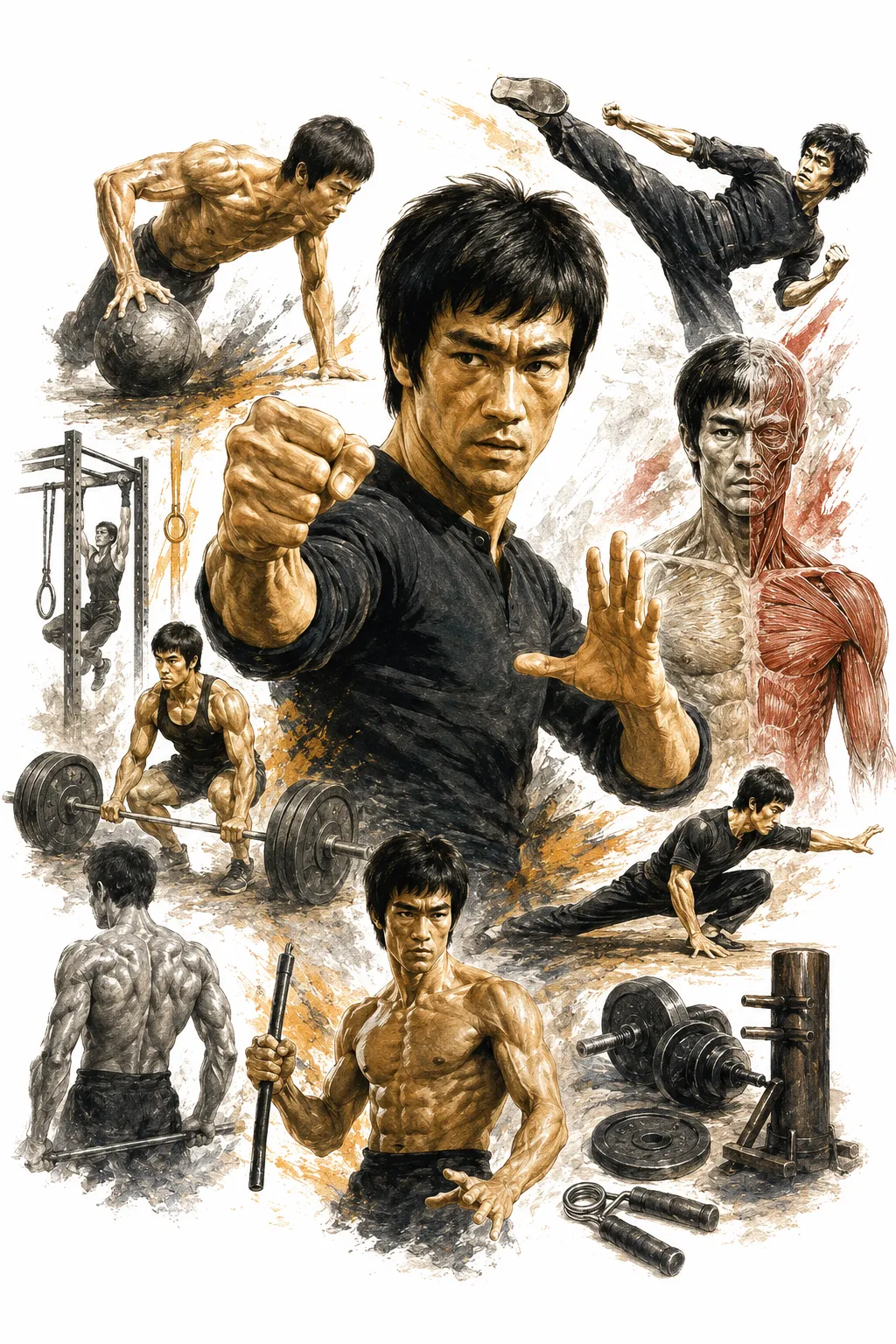
MARTIAL ARTS HISTORY
Why Was Bruce Lee So Strong?
Open article ->
ANCIENT HISTORY
Why Was Cleopatra So Famous?
Open article ->
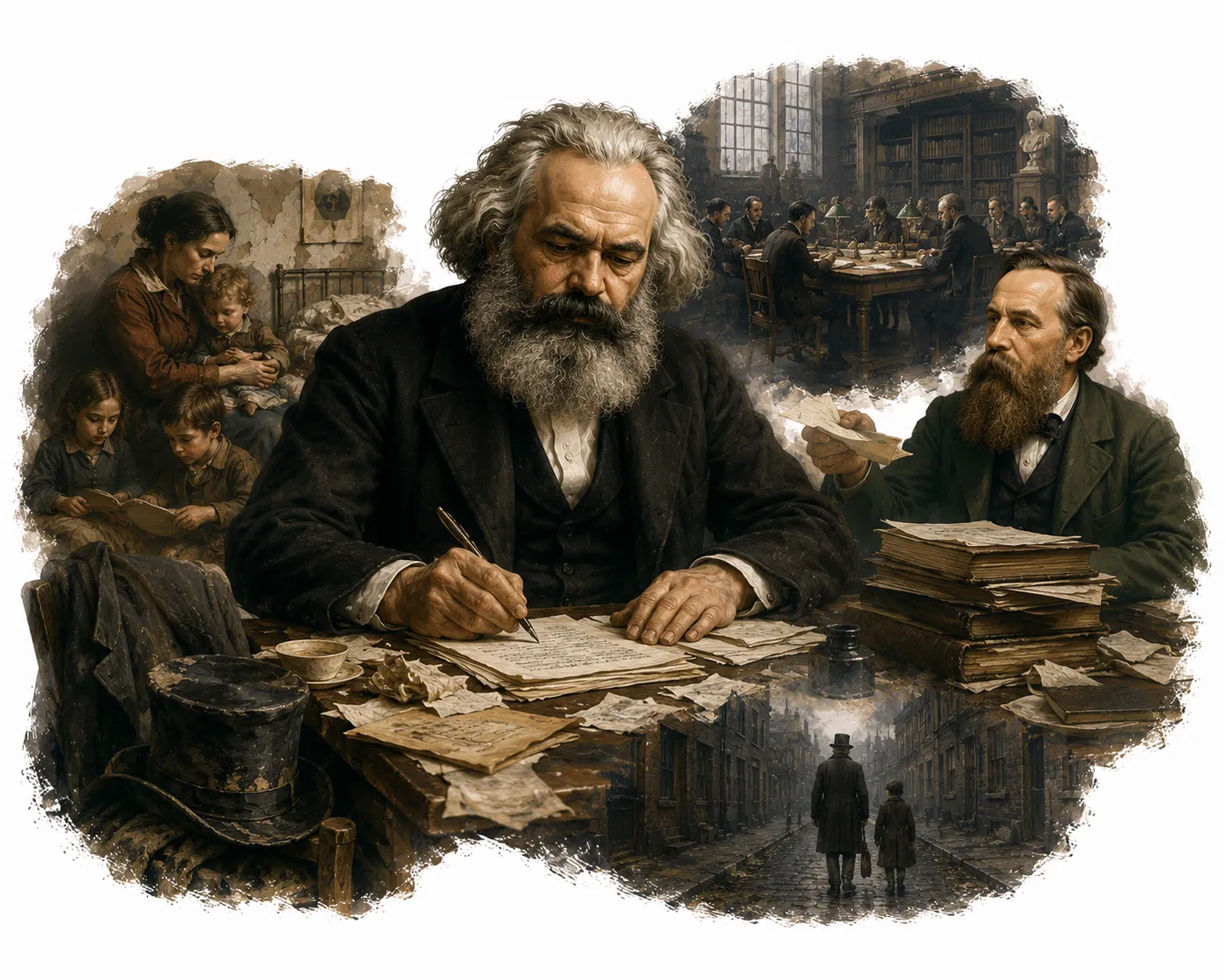
BIOGRAPHY
Why Was Karl Marx Poor?
Open article ->
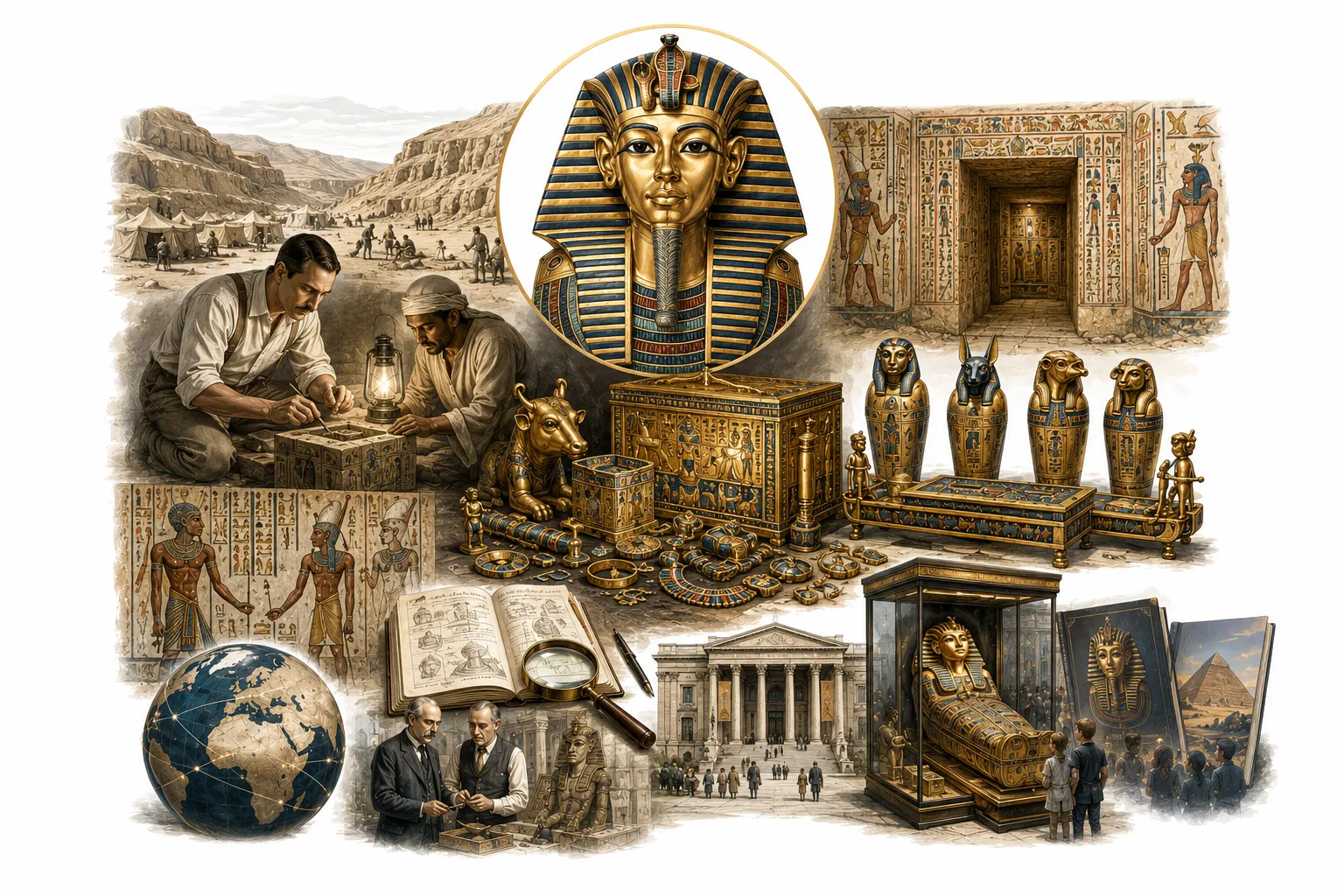
ARCHAEOLOGY HISTORY
Why Was King Tut's Tomb Important?
Open article ->

CRIME HISTORY
Why Was Pablo Escobar Killed?
Open article ->
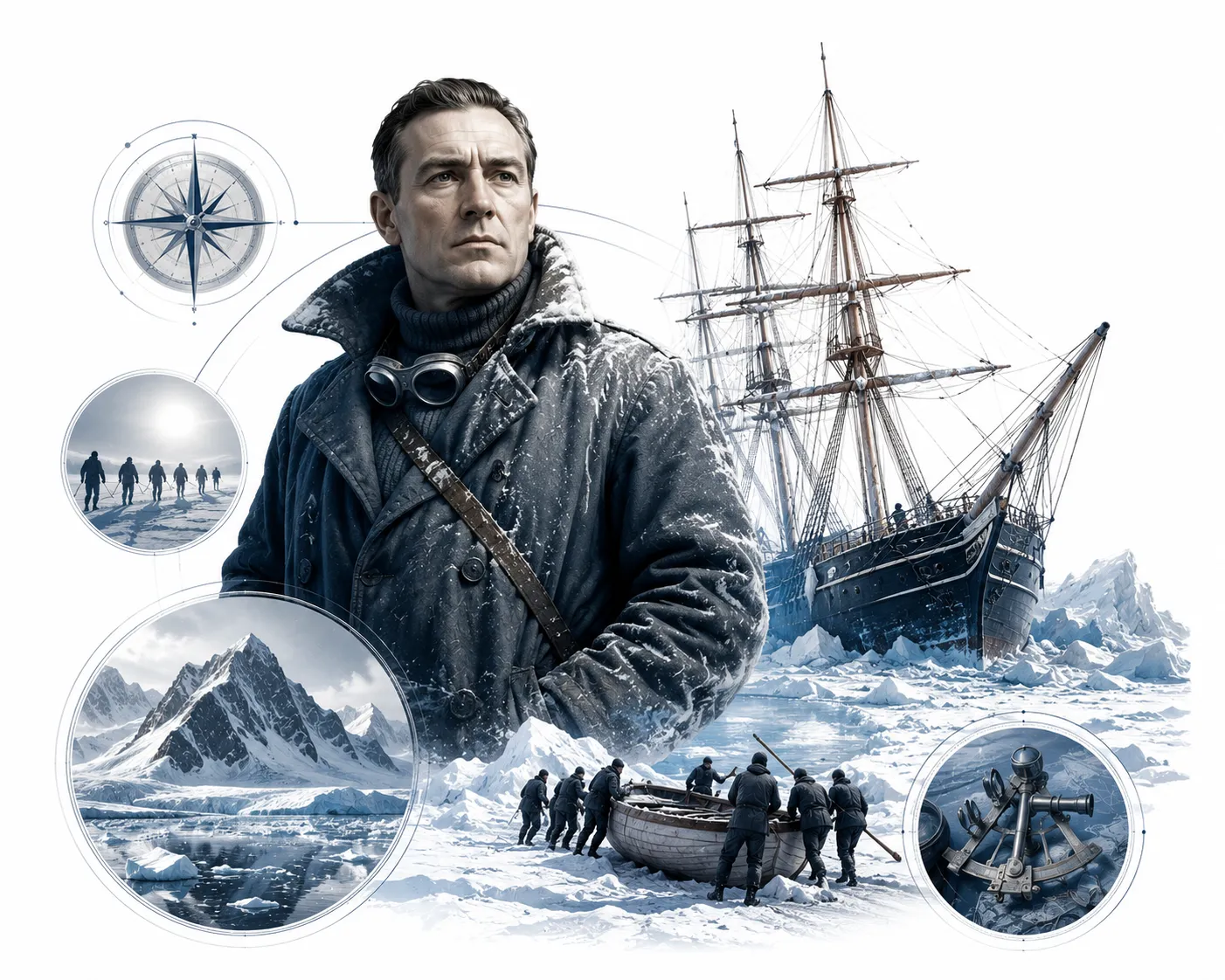
EXPLORATION HISTORY
Why Did Ernest Shackleton Become Famous?
Open article ->
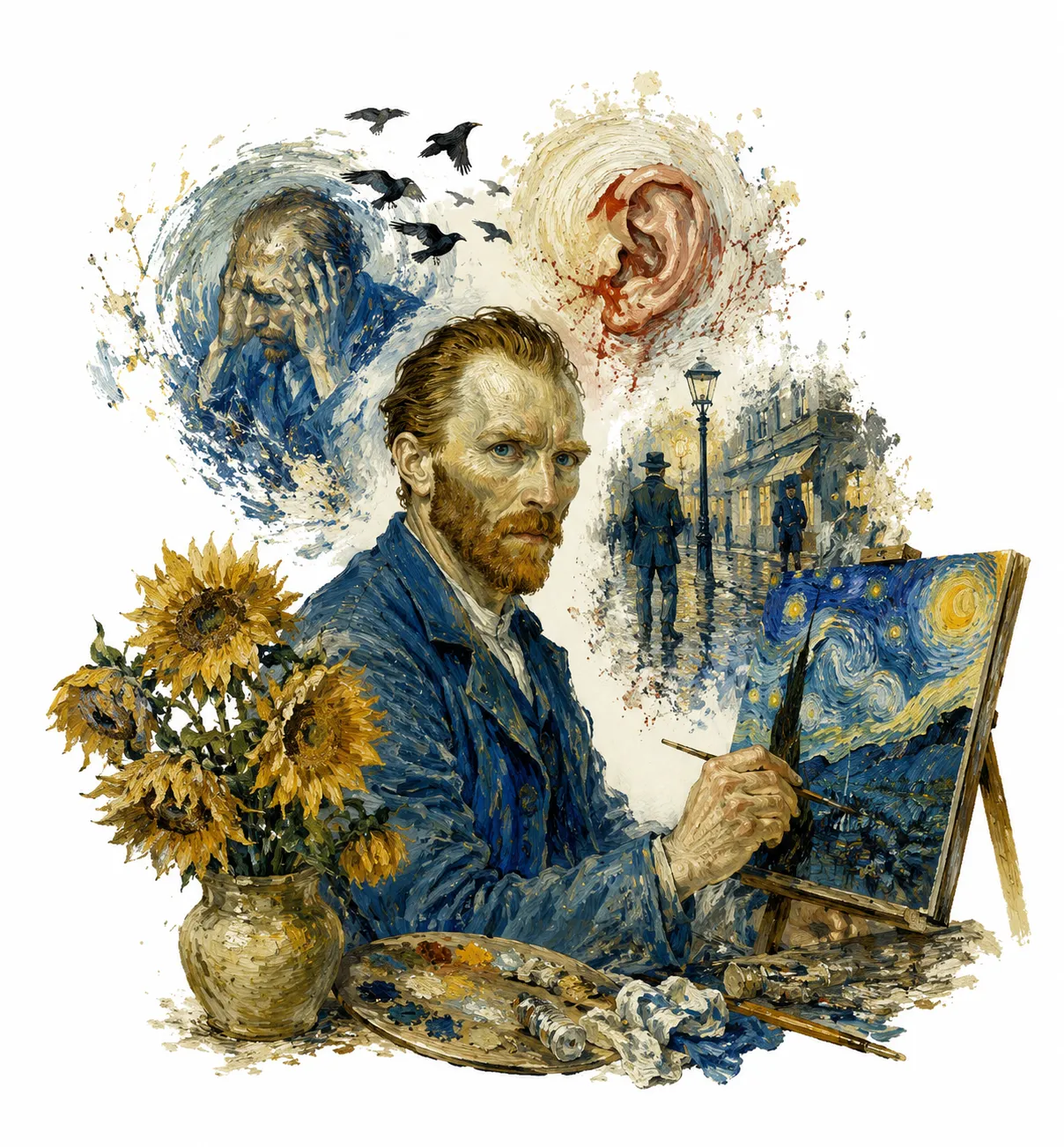
ART HISTORY
Why Did Vincent van Gogh Cut Off His Ear?
Open article ->
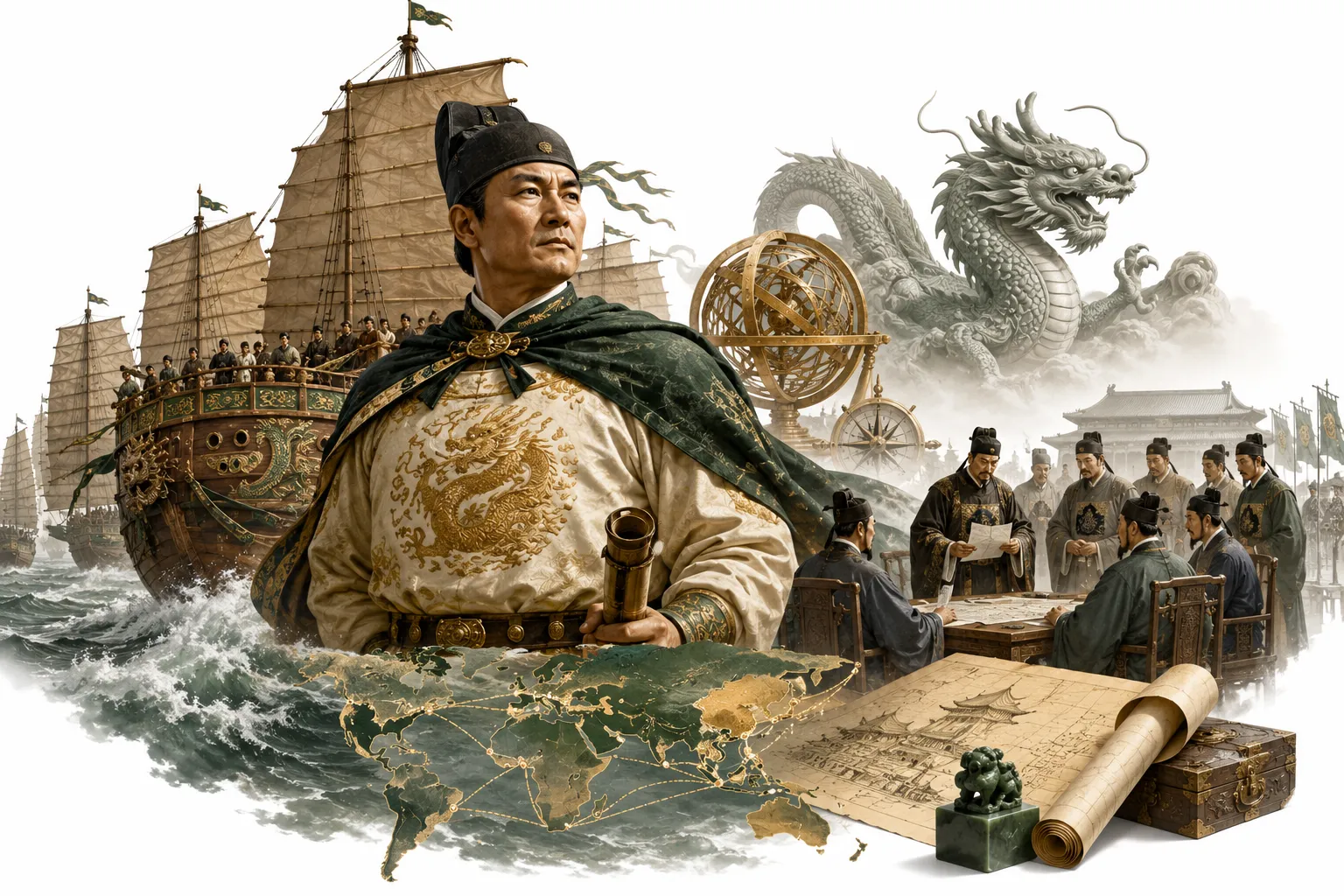
MARITIME HISTORY
Why Did Zheng He Stop Sailing?
Open article ->
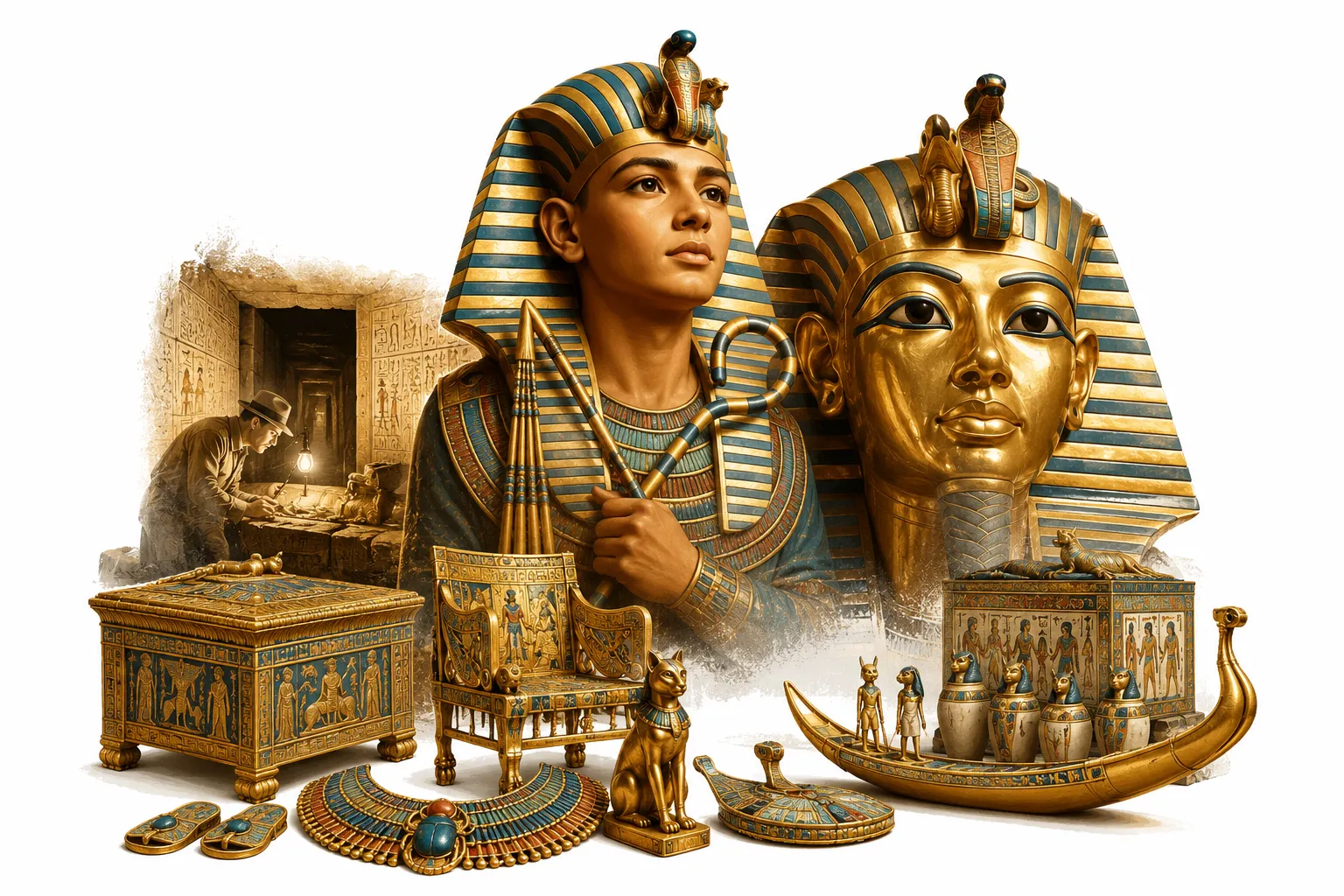
ARCHAEOLOGY
Why Is King Tut So Famous?
Open article ->
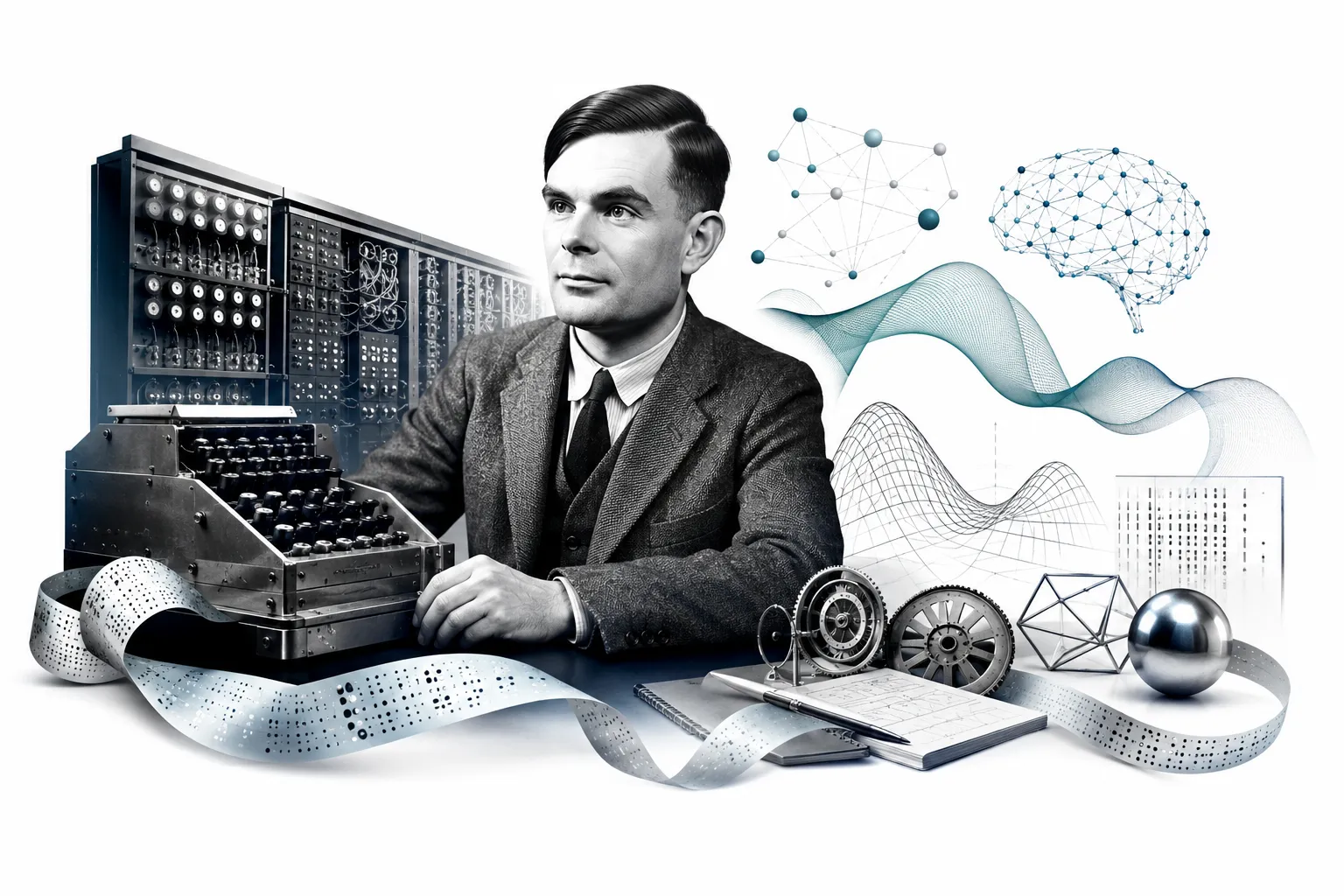
COMPUTING HISTORY
Why Was Alan Turing Important?
Open article ->

AVIATION HISTORY
Why Did Amelia Earhart Disappear?
Open article ->
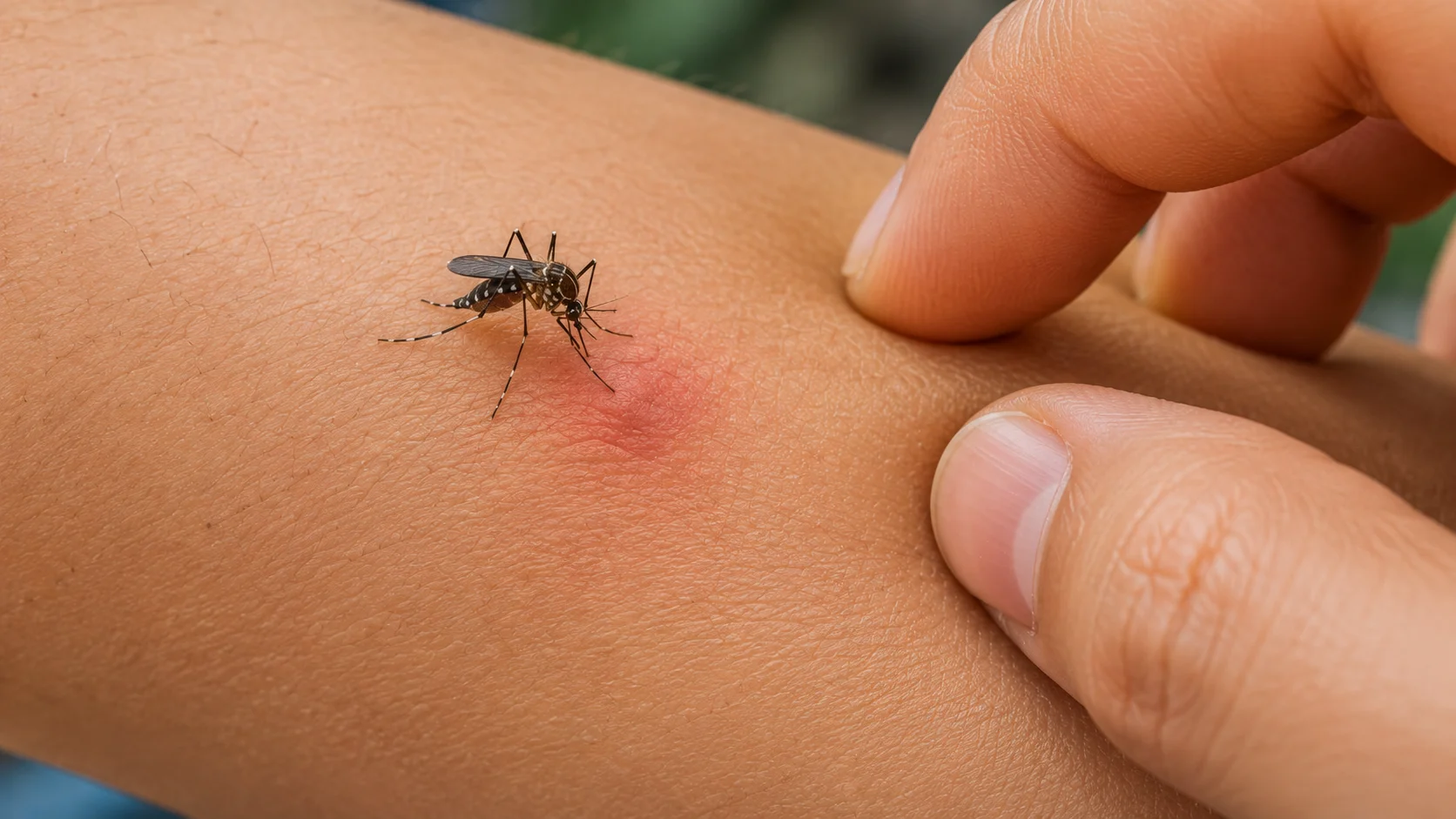
Body & Immune System
Why Do Mosquito Bites Itch?
The itch is not from the bite itself. It comes from your own immune system reacting to mosquito saliva. Here is what is actually happening under your skin.
Open article ->
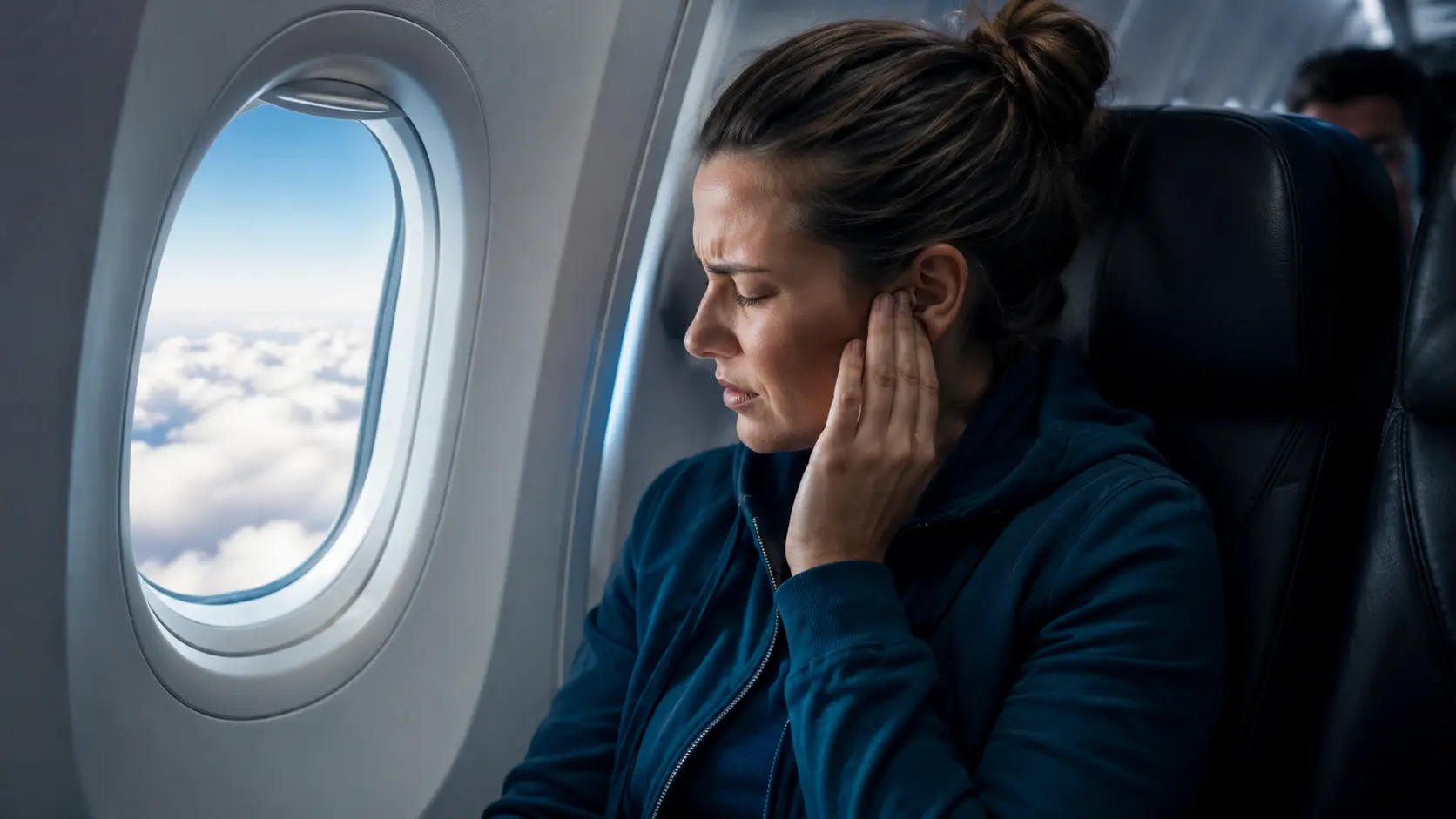
Body & Senses
Why Do Ears Pop on Airplanes?
Your ears pop because the air pressure outside changes faster than the pressure inside your middle ear can equalize. Here is what is happening and how to fix it.
Open article ->
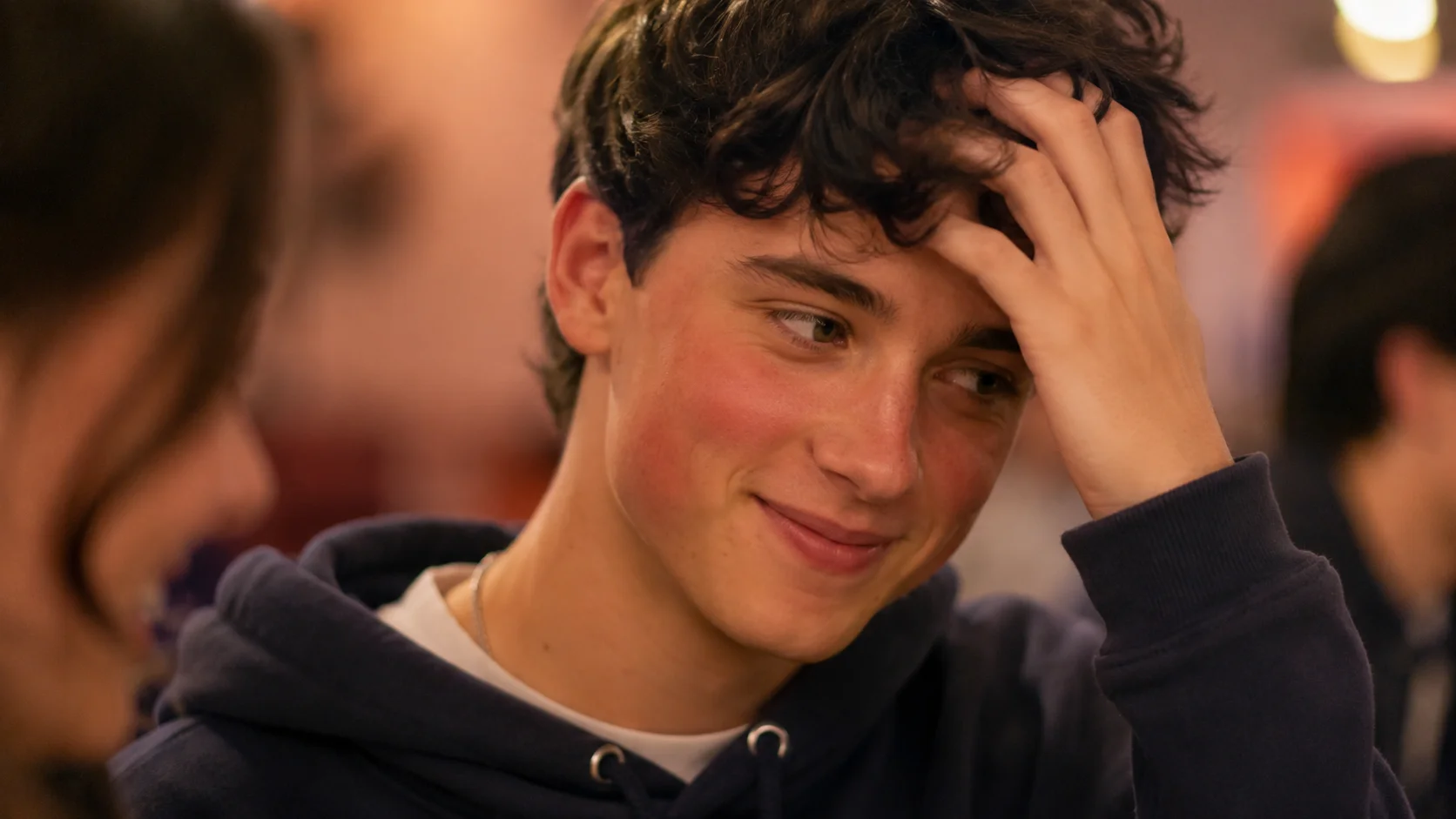
Body & Nervous System
Why Do We Blush?
Blushing is an involuntary nervous system response that floods your face with blood. You cannot stop it on command, and that is by design.
Open article ->
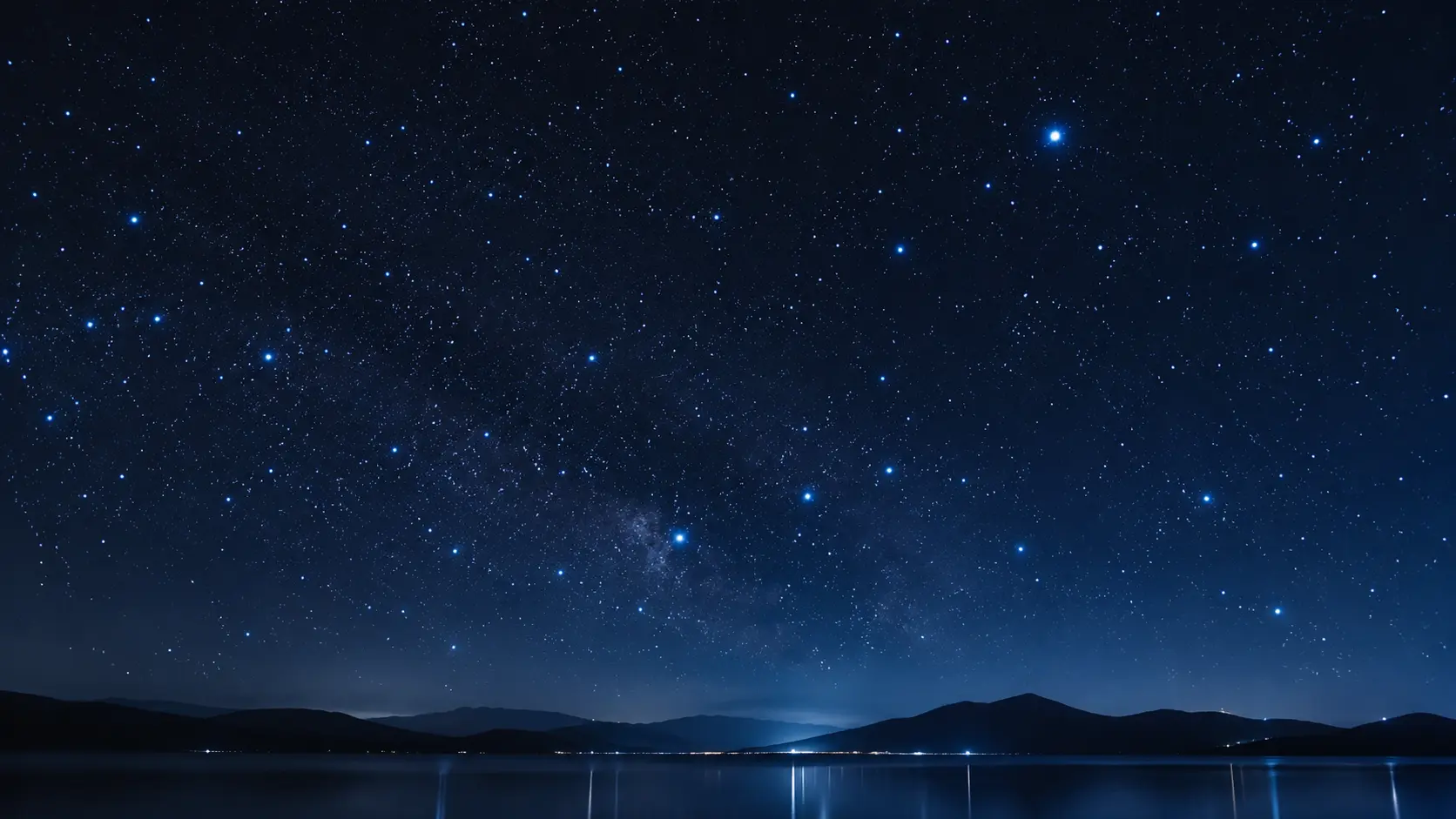
Space & Atmosphere
Why Do Stars Twinkle?
Stars do not actually flicker. Earth's atmosphere bends their light in constantly shifting ways, creating the twinkling effect. Planets do not twinkle for a specific reason.
Open article ->
Space & Atmosphere
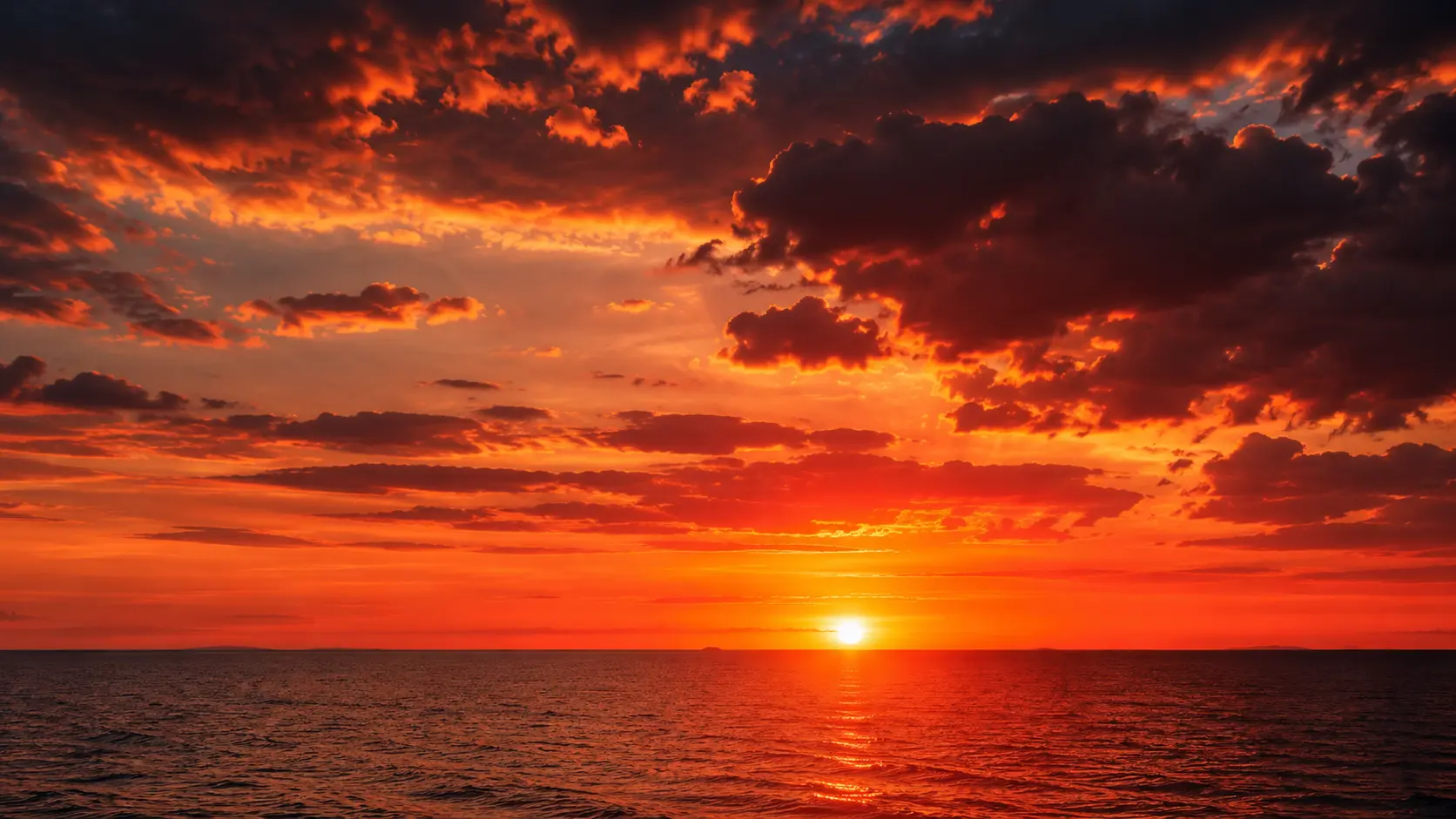
Why Are Sunsets Red?
Sunsets are red because sunlight travels through far more atmosphere at a low angle, scattering away blue light and leaving only red and orange to reach your eyes.
Open article ->

Body & Nervous System
Why Do We Get Pins and Needles?
Pins and needles happen when a nerve is compressed and then released. The prickling is your nerve restarting its signal, not blood rushing back.
Open article ->
Brain & Memory
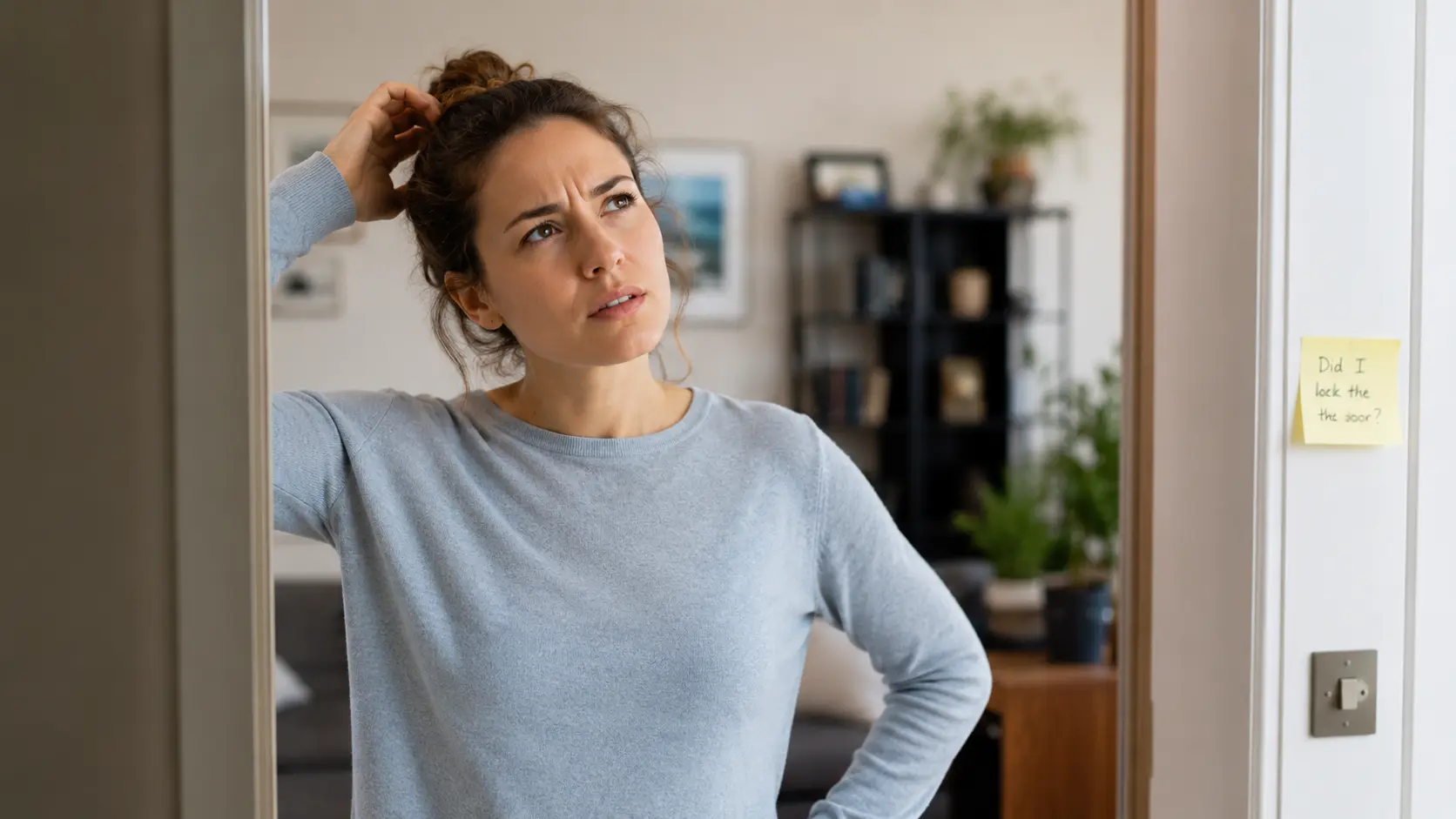
Why Do We Forget Why We Entered a Room?
Walking through a doorway triggers your brain to file away the previous context. It is called the doorway effect, and it is a feature of how memory is organized, not a flaw.
Open article ->

Food & Chemistry
Why Do We Cry When Cutting Onions?
Cutting an onion releases a chemical gas that reacts with the moisture in your eyes to form a mild acid. Your eyes water to flush it out.
Open article ->
Space & Cosmology
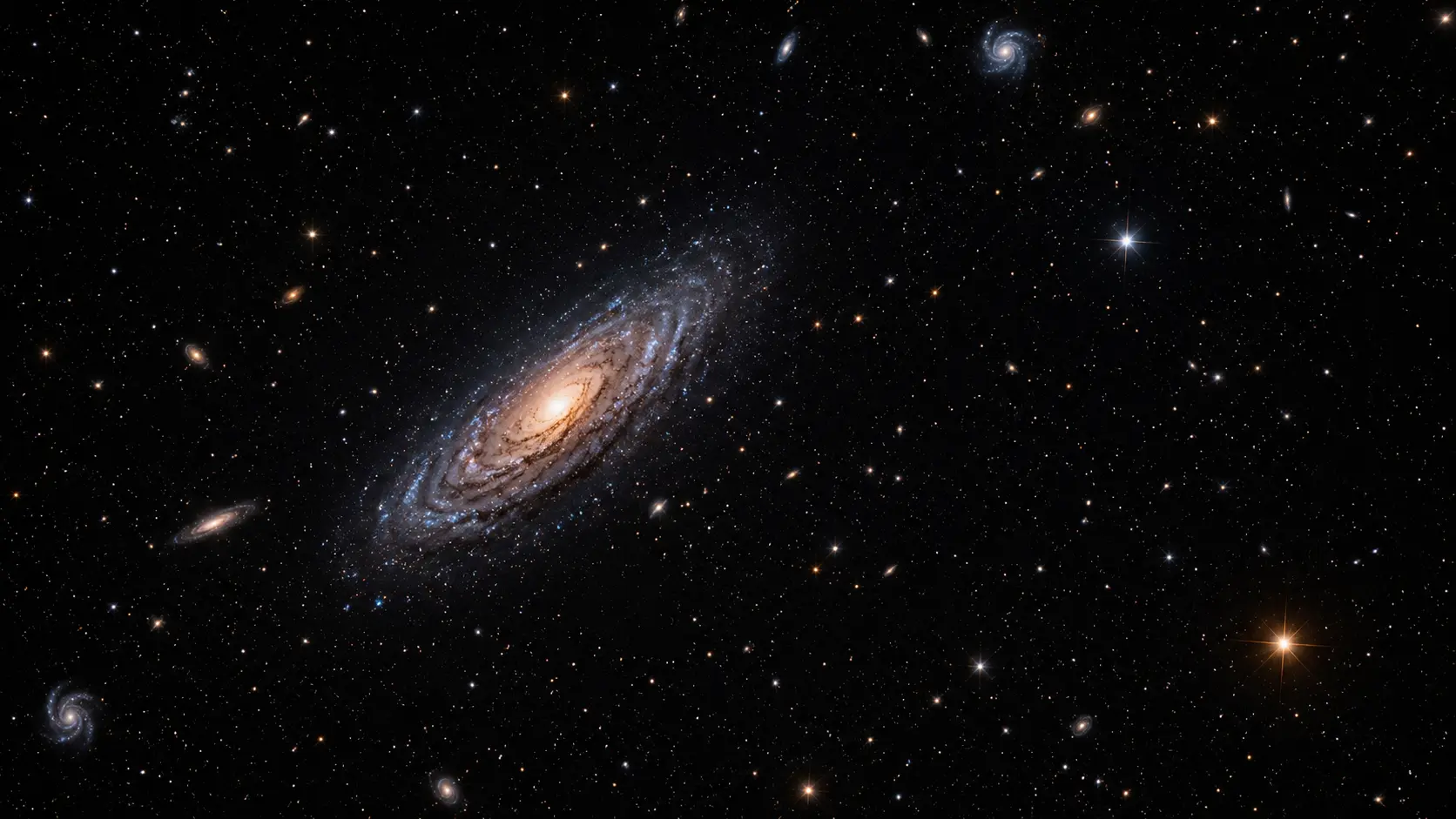
Why Is Space Black?
If the universe is full of stars, the sky should be blindingly bright. The reason it is dark has to do with the age and expansion of the universe itself.
Open article ->
Space & Earth Science
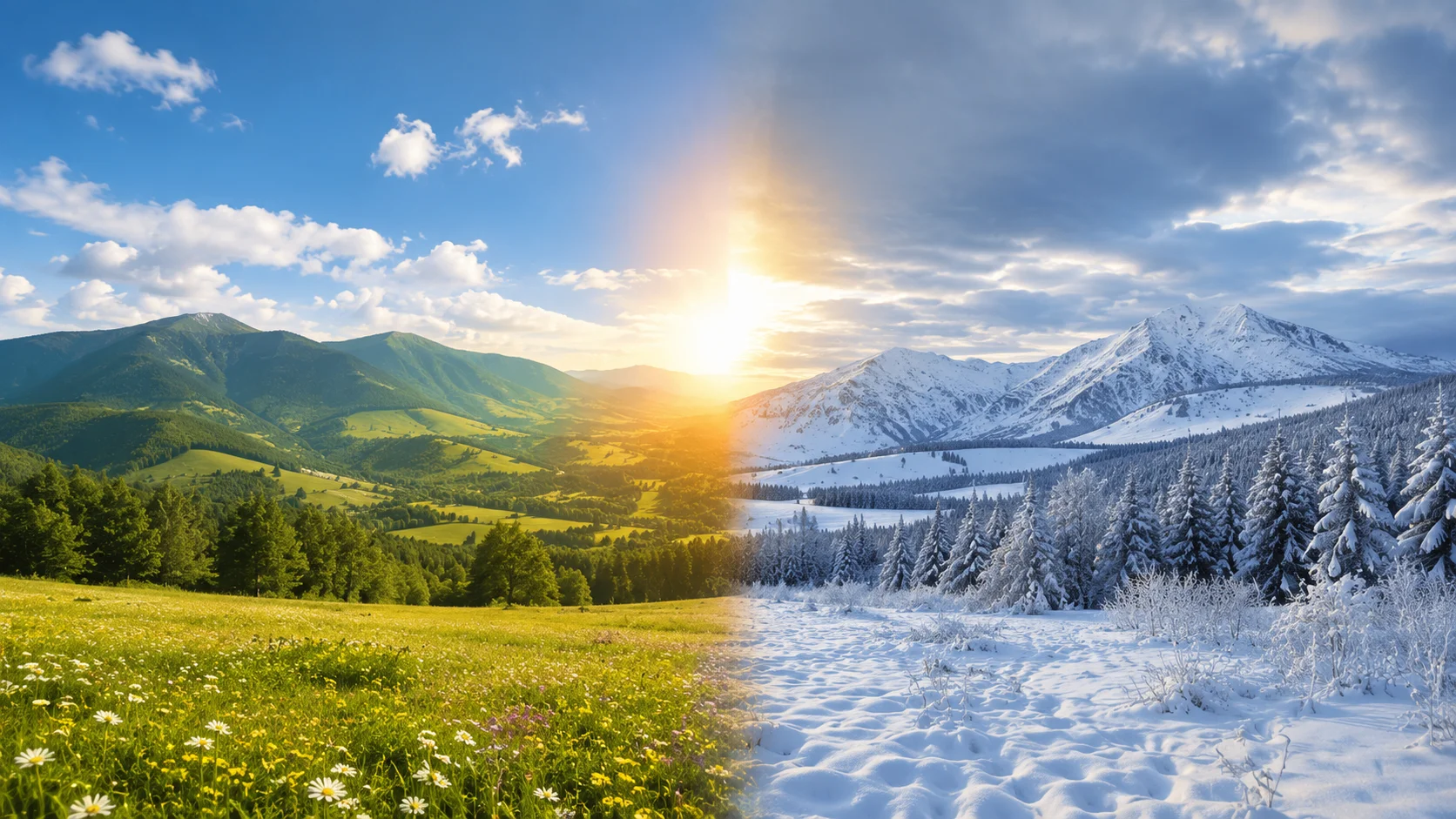
Why Do We Have Seasons?
Seasons are not caused by Earth getting closer to or further from the sun. They are caused by Earth's axial tilt, which changes the angle and duration of sunlight at different times of year.
Open article ->
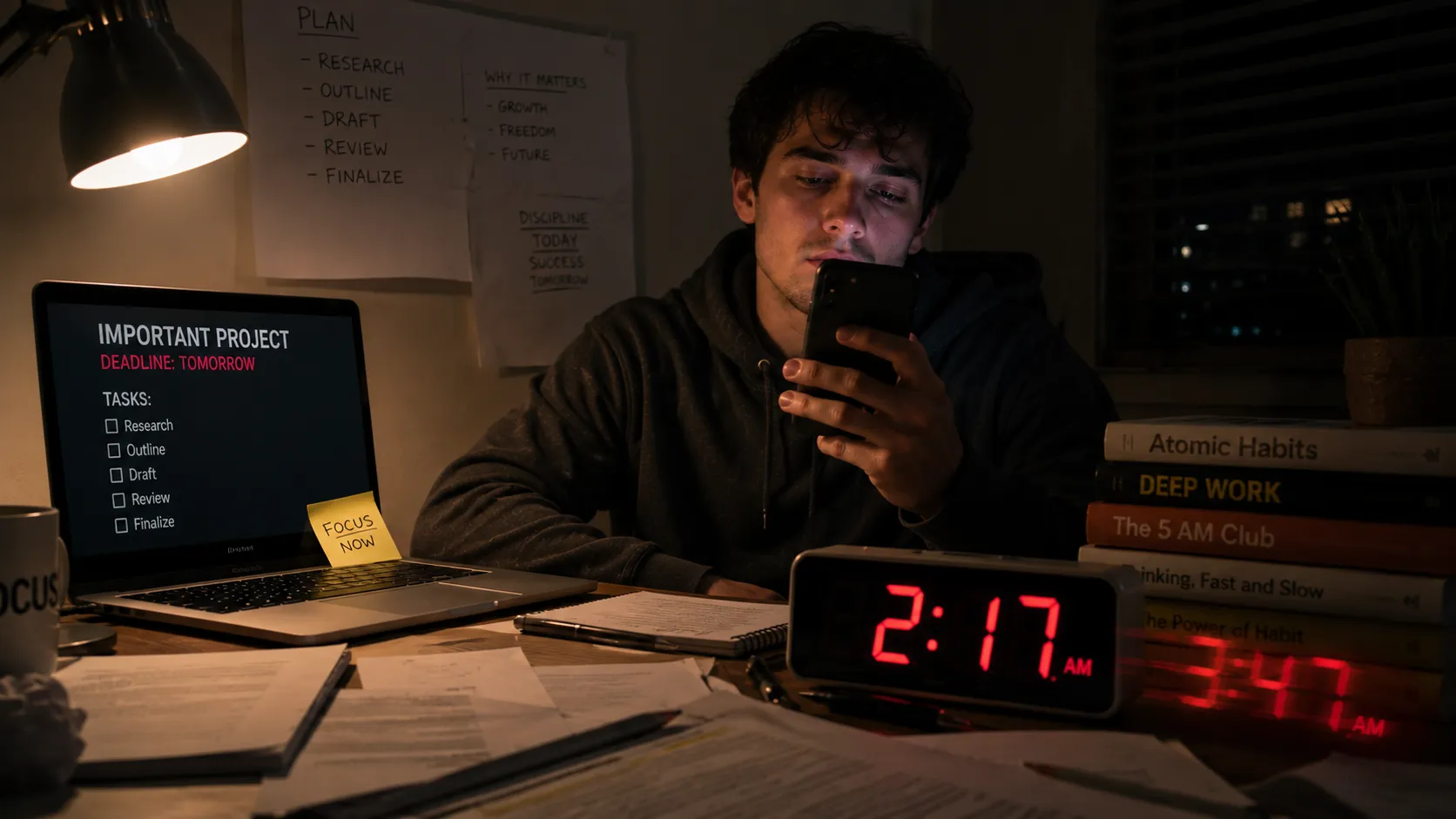
It is not about being lazy
Why Do We Procrastinate?
Procrastination is not laziness. It is your brain choosing short-term comfort over long-term reward. Here is why that happens and what is going on inside your head.
Open article ->
Your brain hates unfinished things
Why Do Songs Get Stuck in Your Head?
Songs get stuck in your head because your brain treats incomplete melodies like unfinished business. Here is the science behind earworms.
Open article ->
It is not weird. It is smart.
Why Do We Talk to Ourselves?
Talking to yourself is not a sign of anything wrong. It is a cognitive tool your brain uses to think, plan, and regulate emotions.
Open article ->
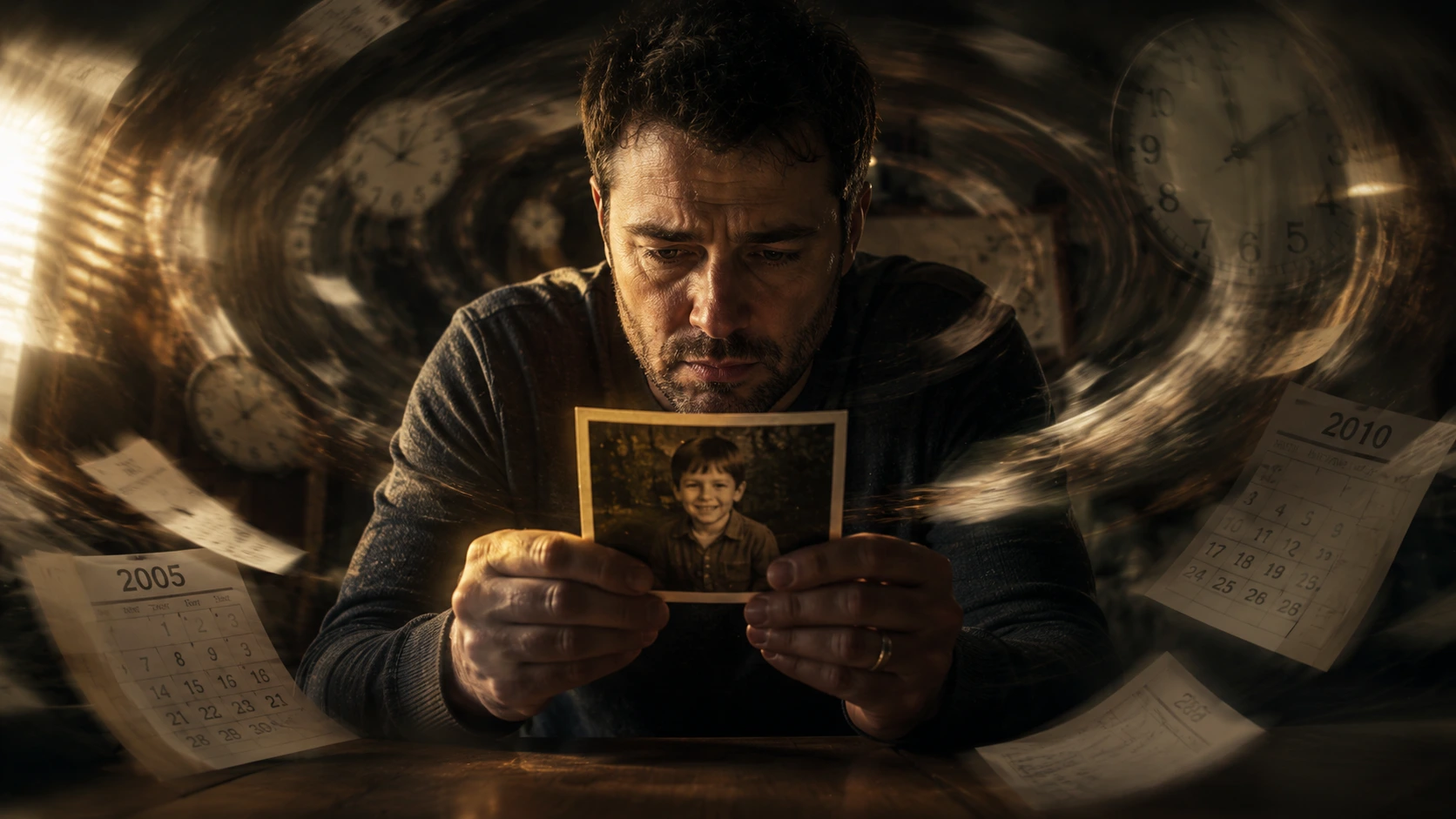
It is not just you
Why Does Time Feel Faster as We Age?
As you age, each year becomes a smaller fraction of your total life, and you encounter fewer new experiences. Both make time feel like it is accelerating.
Open article ->
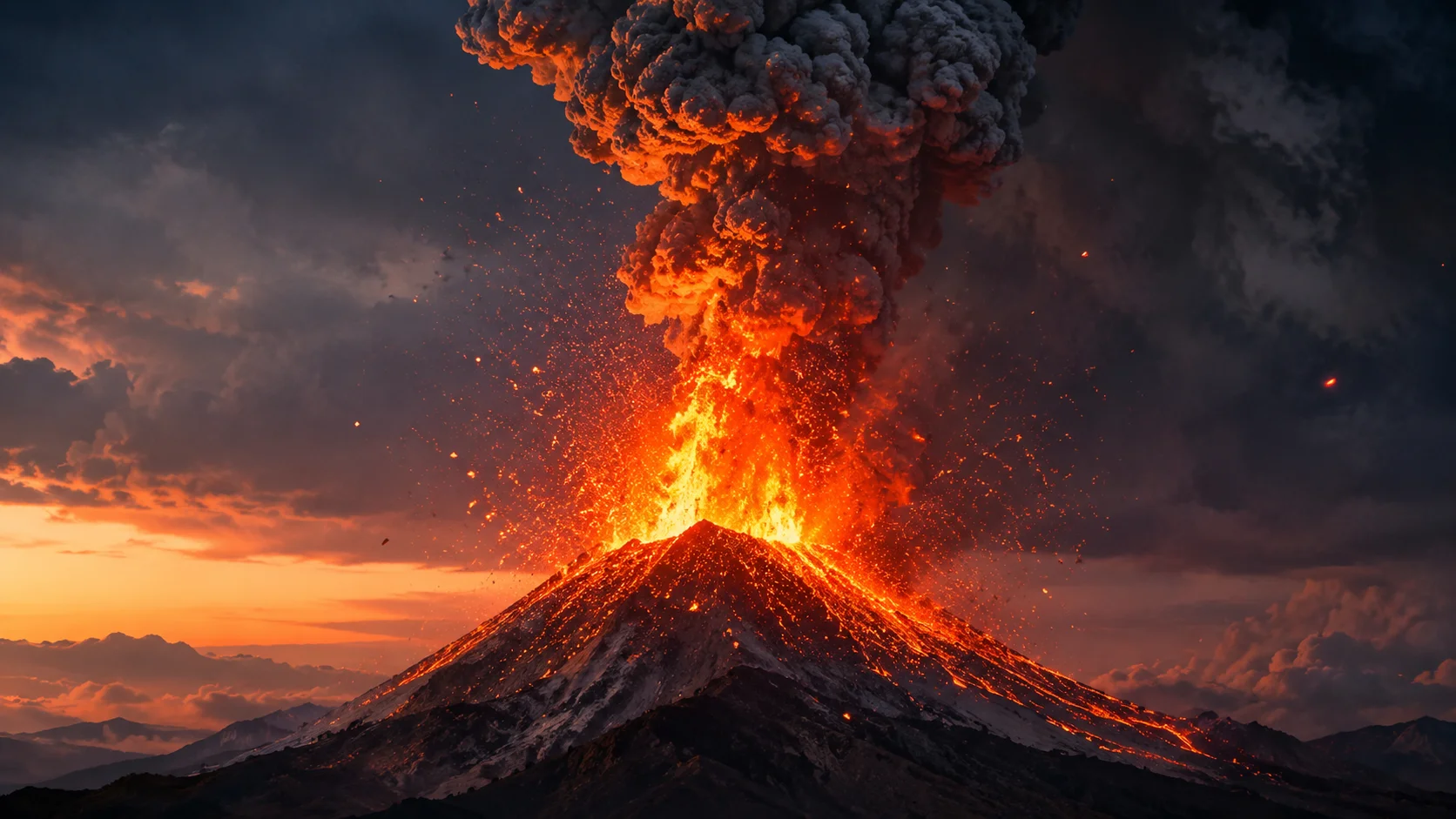
Earth & Geology
Why Do Volcanoes Erupt?
Volcanoes erupt because molten rock from inside Earth finds a path to the surface, driven by buoyancy, pressure, and expanding gases.
Open article ->

Your body planned this
Why Do We Get Sleepy in the Afternoon?
The afternoon energy dip is built into your biology. Your circadian rhythm includes a programmed low point in the early afternoon, whether or not you ate lunch.
Open article ->
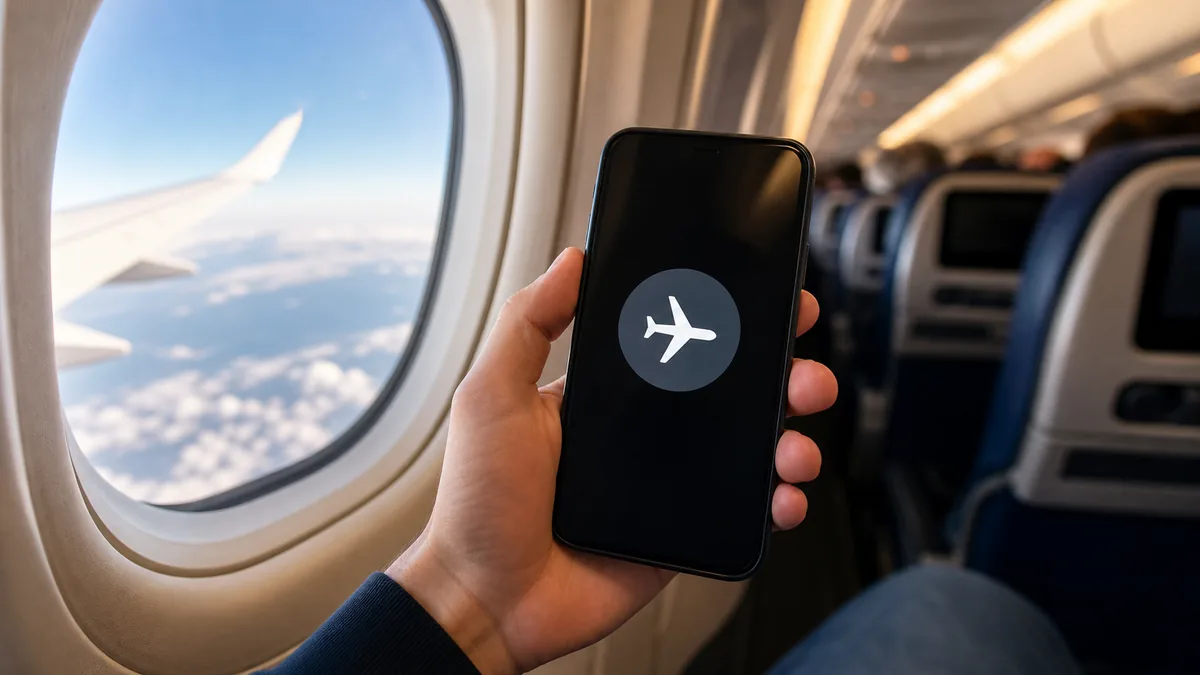
Technology
Why Does Airplane Mode Exist?
Airplane mode exists because mobile phones transmitting signals can potentially interfere with an aircraft's navigation and communication systems, and turning off those transmissions eliminates the risk.
Open article ->
Your brain filed it under 'do not repeat'
Why Do We Remember Embarrassing Moments?
Embarrassing memories feel permanent because emotional intensity drives stronger memory encoding. Your brain treats social failure like a threat worth remembering.
Open article ->
Psychology & Biology
Why Do People Hate Hearing Their Own Voice?
Your recorded voice sounds strange because you've always heard yourself through bone vibration, not air. Recordings reveal what everyone else actually hears.
Open article ->

Biology & Psychology
Why Do We Feel More Tired After Doing Nothing?
Doing nothing disrupts your body's rhythms, lowers stimulating brain chemicals, and produces a specific kind of fatigue that rest does not fix. Here is exactly why.
Open article ->
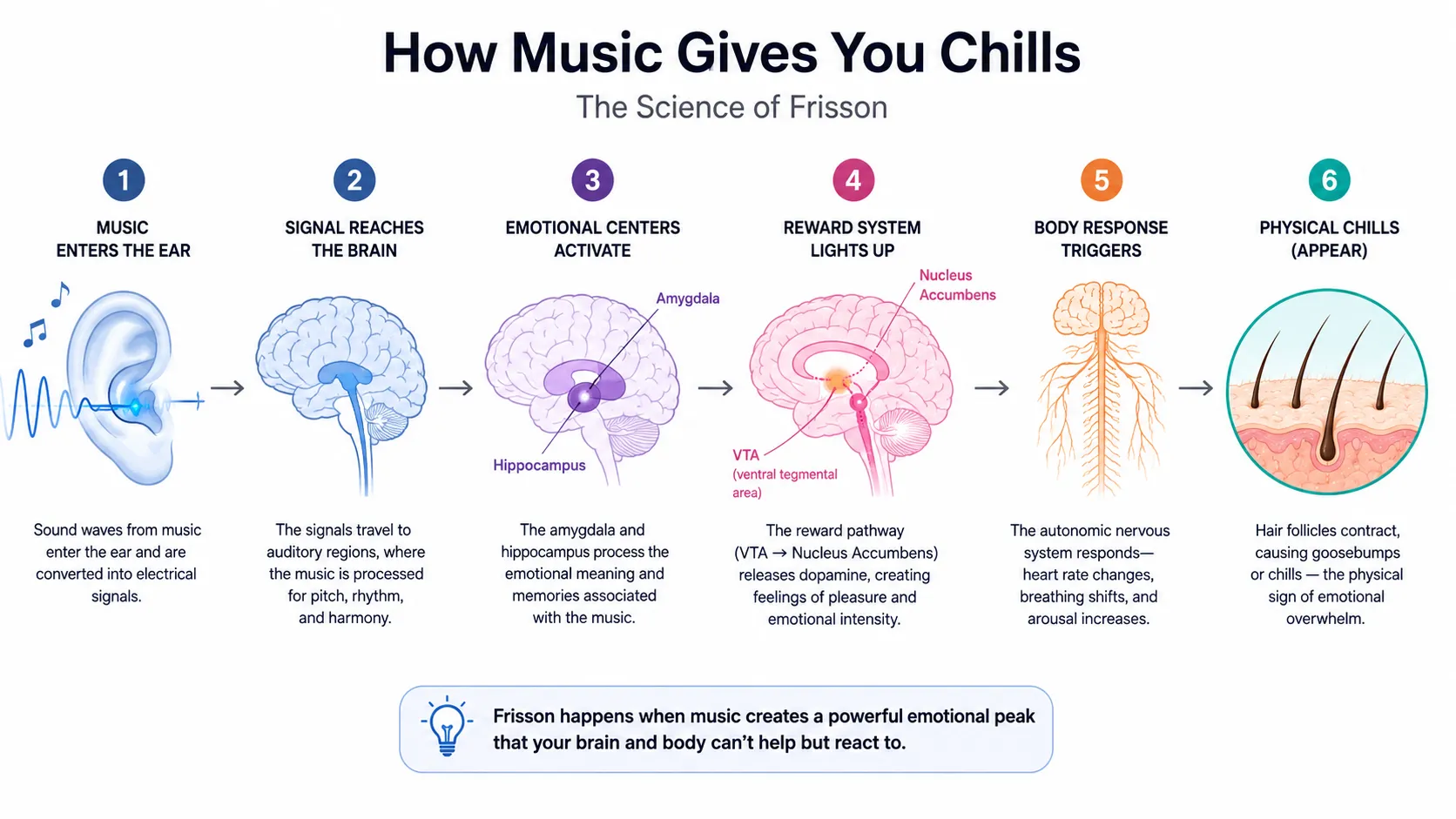
Neuroscience & Music
Why Do We Get Chills From Music?
Music chills, called frisson, happen when the brain's reward system fires dopamine in response to musical surprise and emotional peaks. Not everyone experiences them.
Open article ->
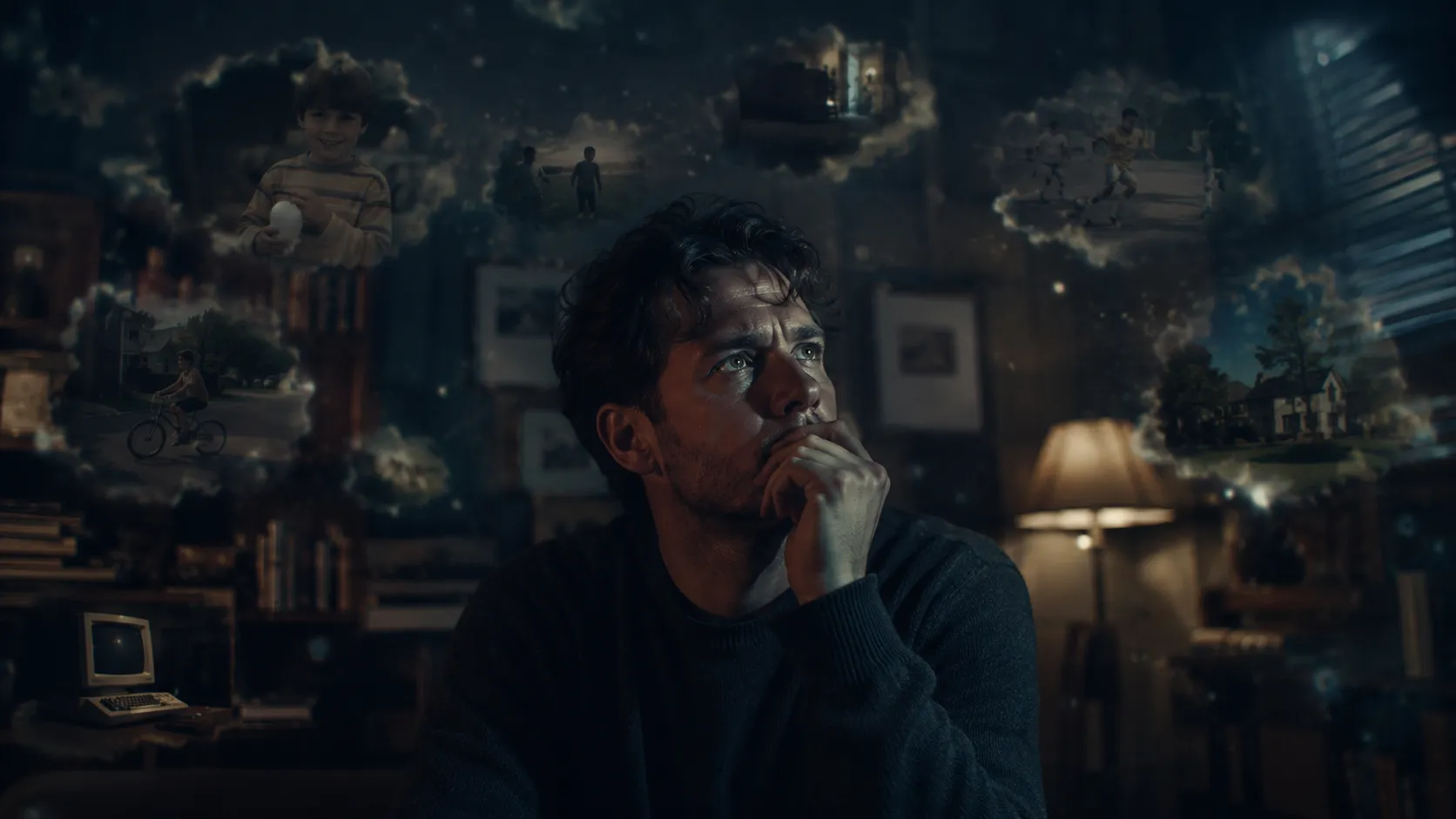
Neuroscience & Memory
Why Do We Remember Random Moments But Forget Important Ones?
Memory does not record what matters to you. It records what your nervous system found surprising, emotional, or novel. Important events often fail those tests.
Open article ->

Memory & Psychology
Why Do We Forget Simple Passwords We Use Daily?
Daily passwords often shift from conscious memory to muscle memory. When you try to recall them deliberately, you can trigger a retrieval failure called blocking.
Open article ->

Biology & Physiology
Why Do We Shiver?
Shivering is your muscles generating heat by contracting rapidly. The hypothalamus orders it when core body temperature drops. Here is how it works.
Open article ->

Biology & Physiology
Why Do We Sweat?
Sweat cools you down through evaporation. But not all sweating is about heat. Stress sweat comes from different glands and serves an entirely different purpose.
Open article ->

Biology & Digestion
Why Does Your Stomach Growl?
Stomach growling is your intestines moving air and fluid through an empty or active gut. The medical name is borborygmi, and it happens even when you are not hungry.
Open article ->

Biology & Psychology
Why Do We Sigh?
Sighing resets collapsed lung sacs and also functions as an emotional pressure valve. It happens automatically about 12 times an hour even when you feel nothing.
Open article ->
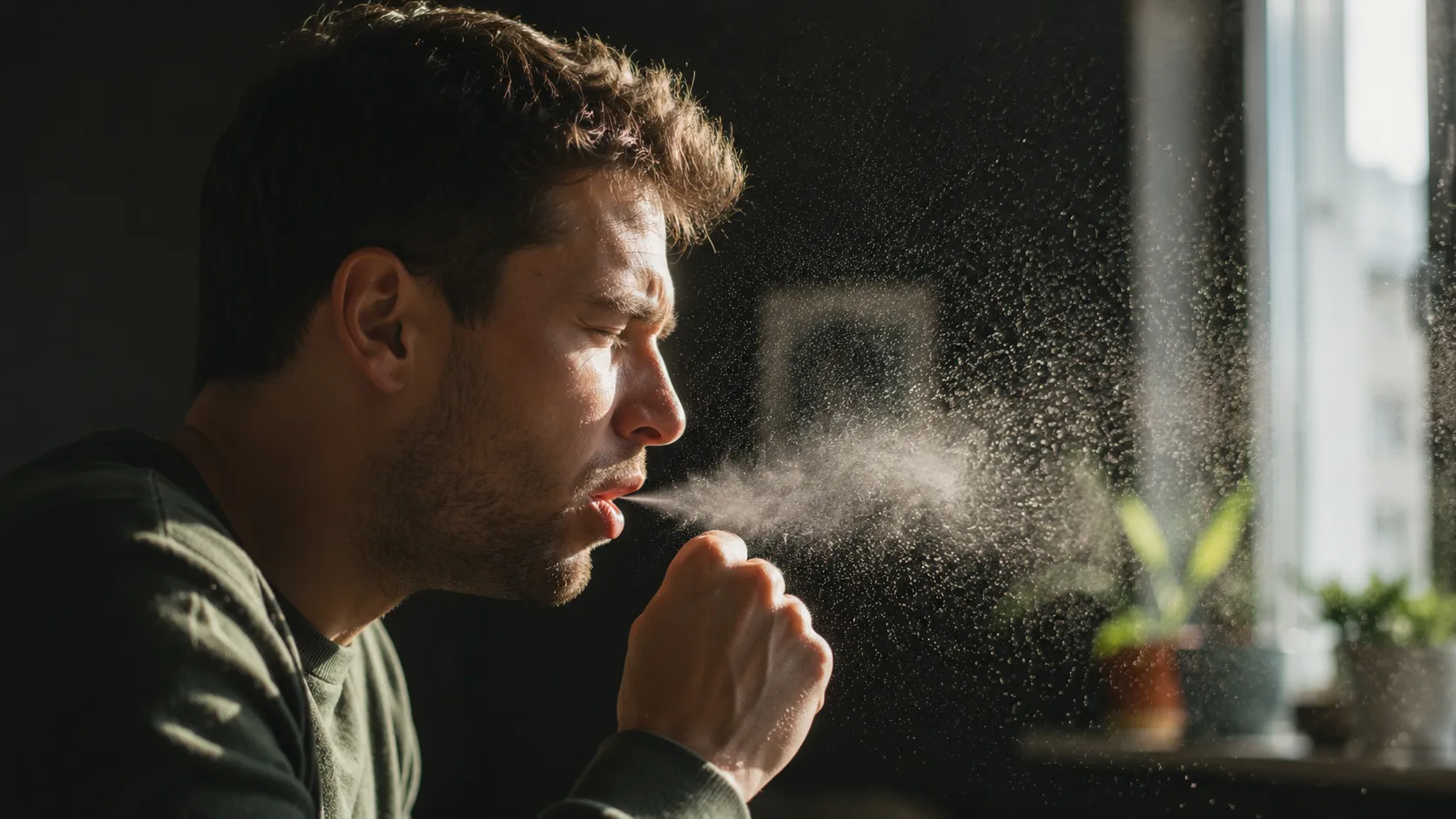
Biology & Physiology
Why Do We Cough?
Coughing is a high-speed airway clearance reflex that can expel air at over 500 miles per hour. It protects your lungs from particles, irritants, and infection.
Open article ->
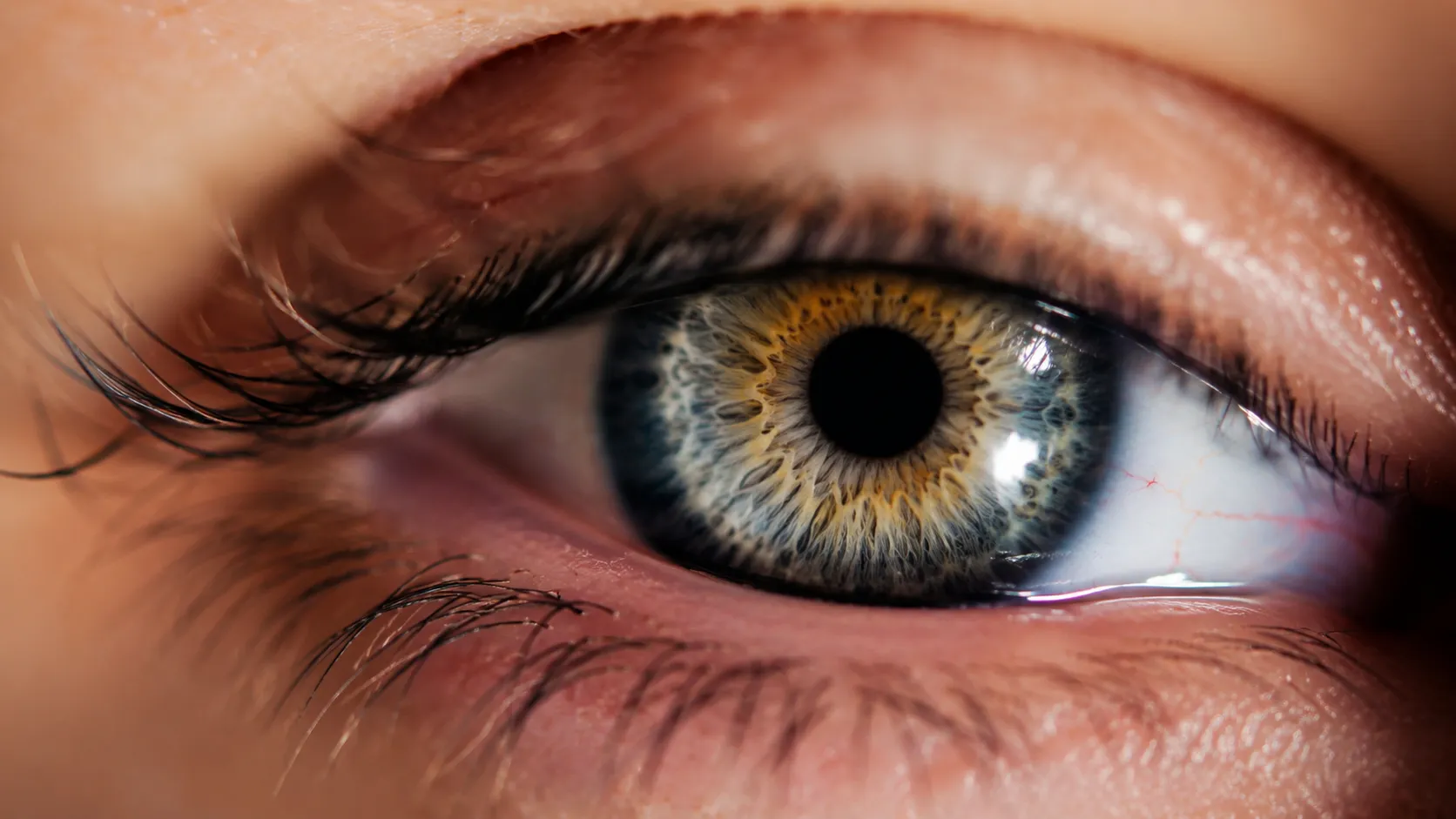
Biology & Neuroscience
Why Do We Blink?
Blinking lubricates your eyes, clears debris, and may give your brain a brief processing reset. We do it 15 to 20 times per minute without noticing.
Open article ->

Biology & Physiology
Why Do We Stretch After Waking Up?
The urge to stretch after sleep is called pandiculation. It reactivates muscles, restores circulation, and recalibrates the nervous system after hours of immobility.
Open article ->
Biology & Neuroscience
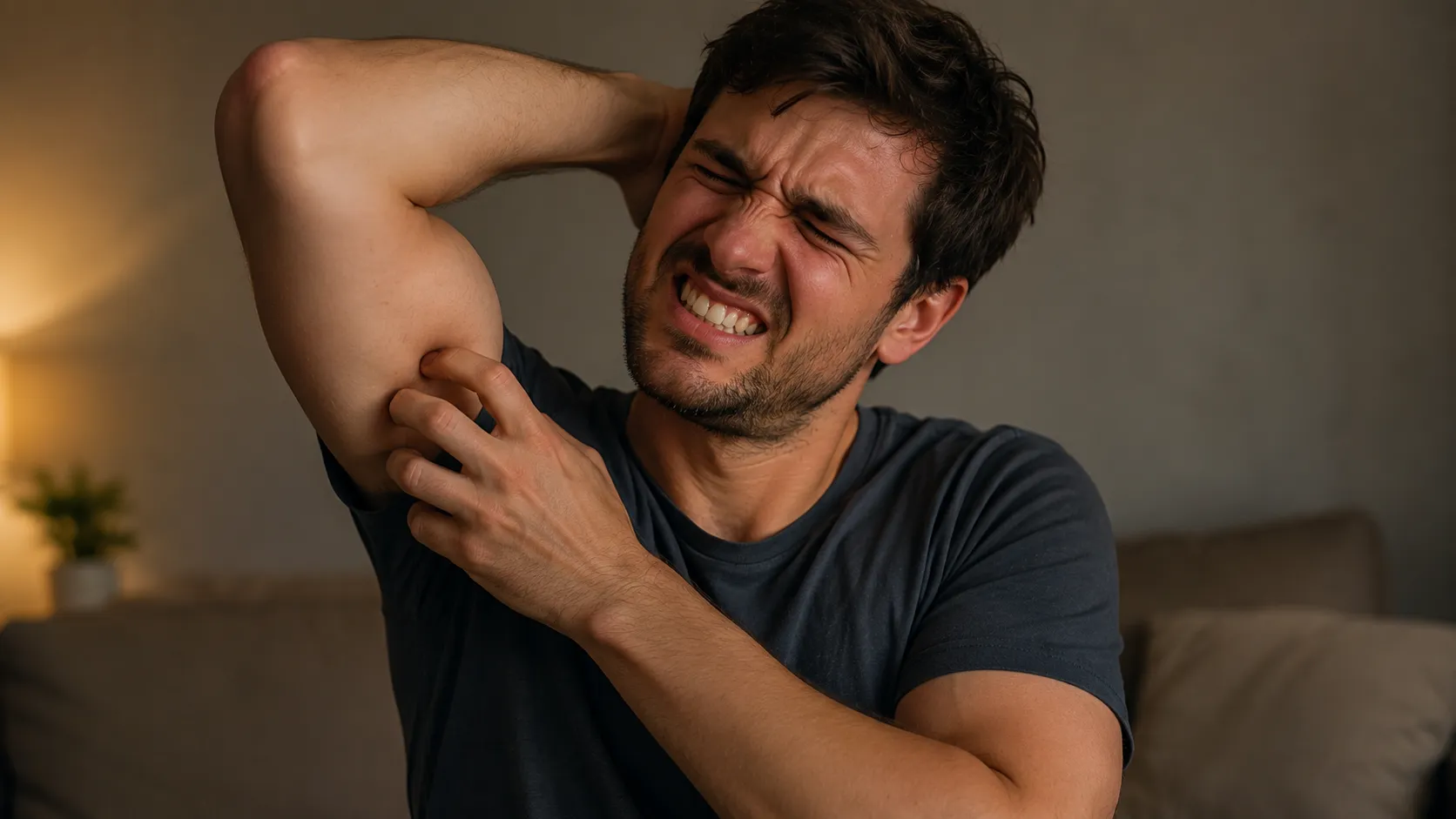
Why Do We Scratch an Itch?
Scratching interrupts itch signals with pain signals and briefly feels satisfying. But it also triggers serotonin release that makes itching worse. Here is the full cycle.
Open article ->
Biology & Skin
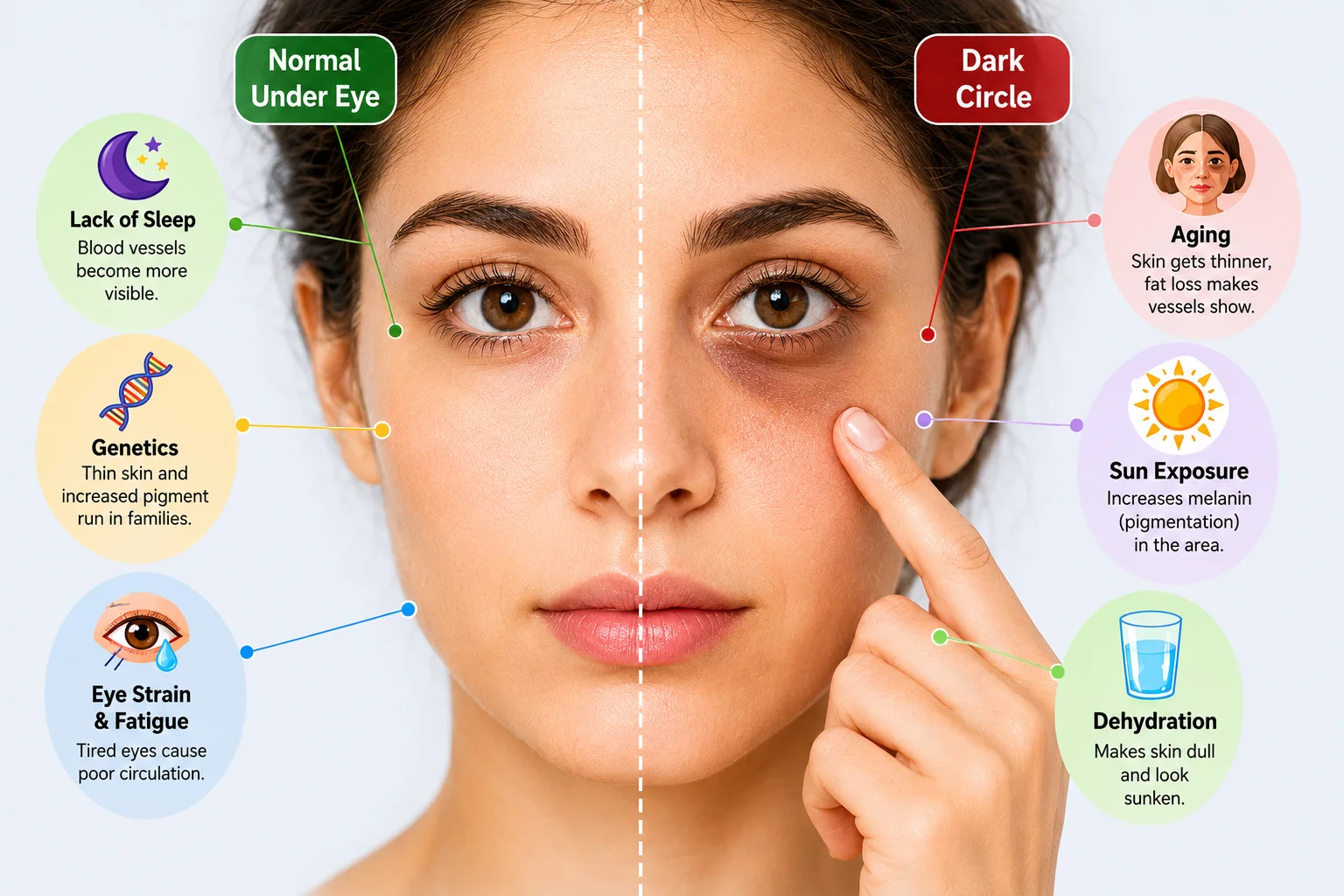
Why Do We Get Dark Circles Under Our Eyes?
Dark circles have three different causes, and treating the wrong one does nothing. Here is how to tell which type you have and what actually causes each one.
Open article ->
Biology & Digestion
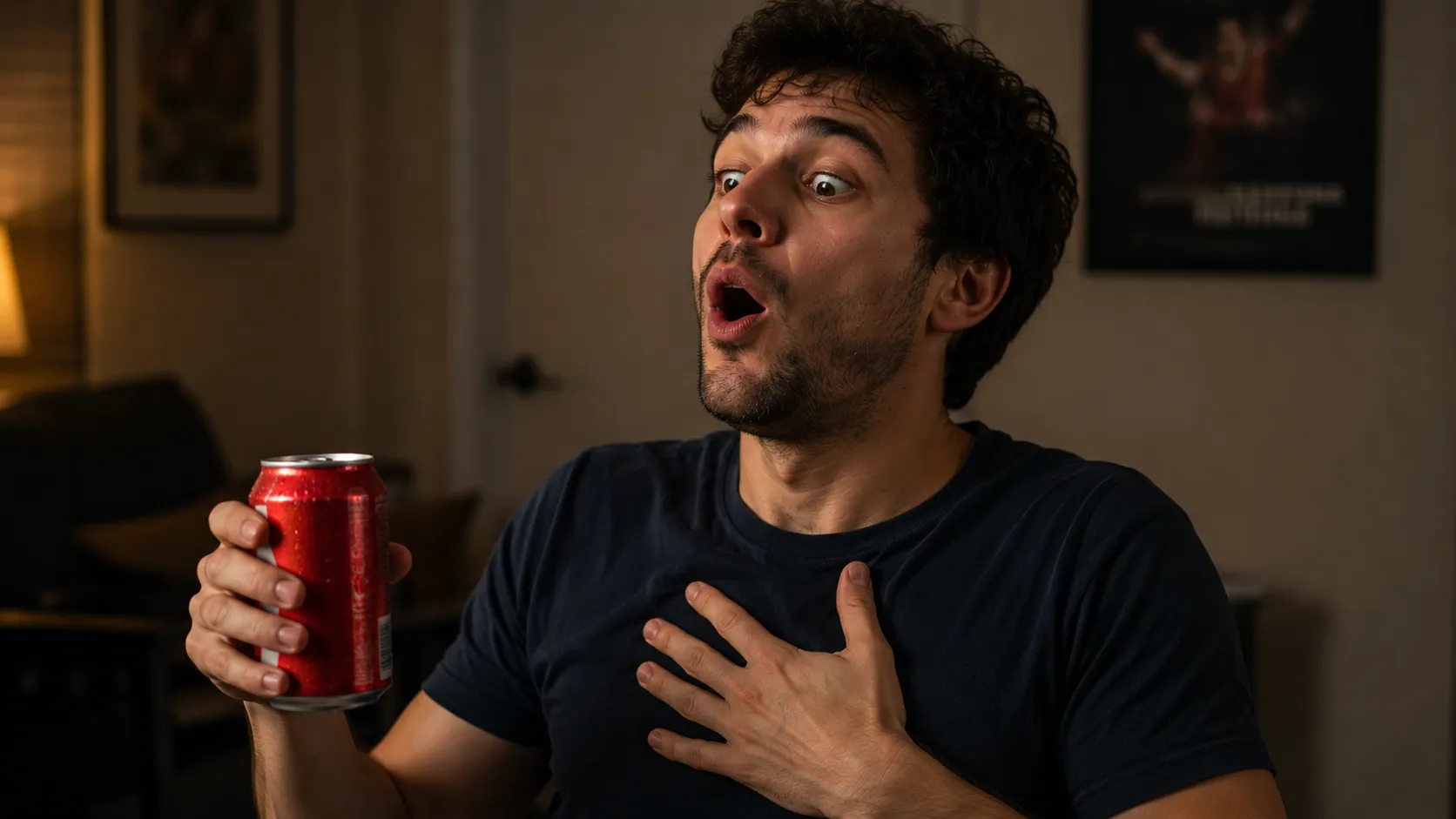
Why Do We Burp?
Burping releases swallowed air and fermentation gas from the stomach. The sound comes from the vibration of your upper esophageal sphincter as air rushes past it.
Open article ->

Biology & Digestion
Why Do We Fart?
Farting is the colon releasing gas produced by bacteria fermenting undigested food. Most of the gas is odorless. The smell comes from a tiny fraction of sulfur compounds.
Open article ->
Neuroscience & Nutrition
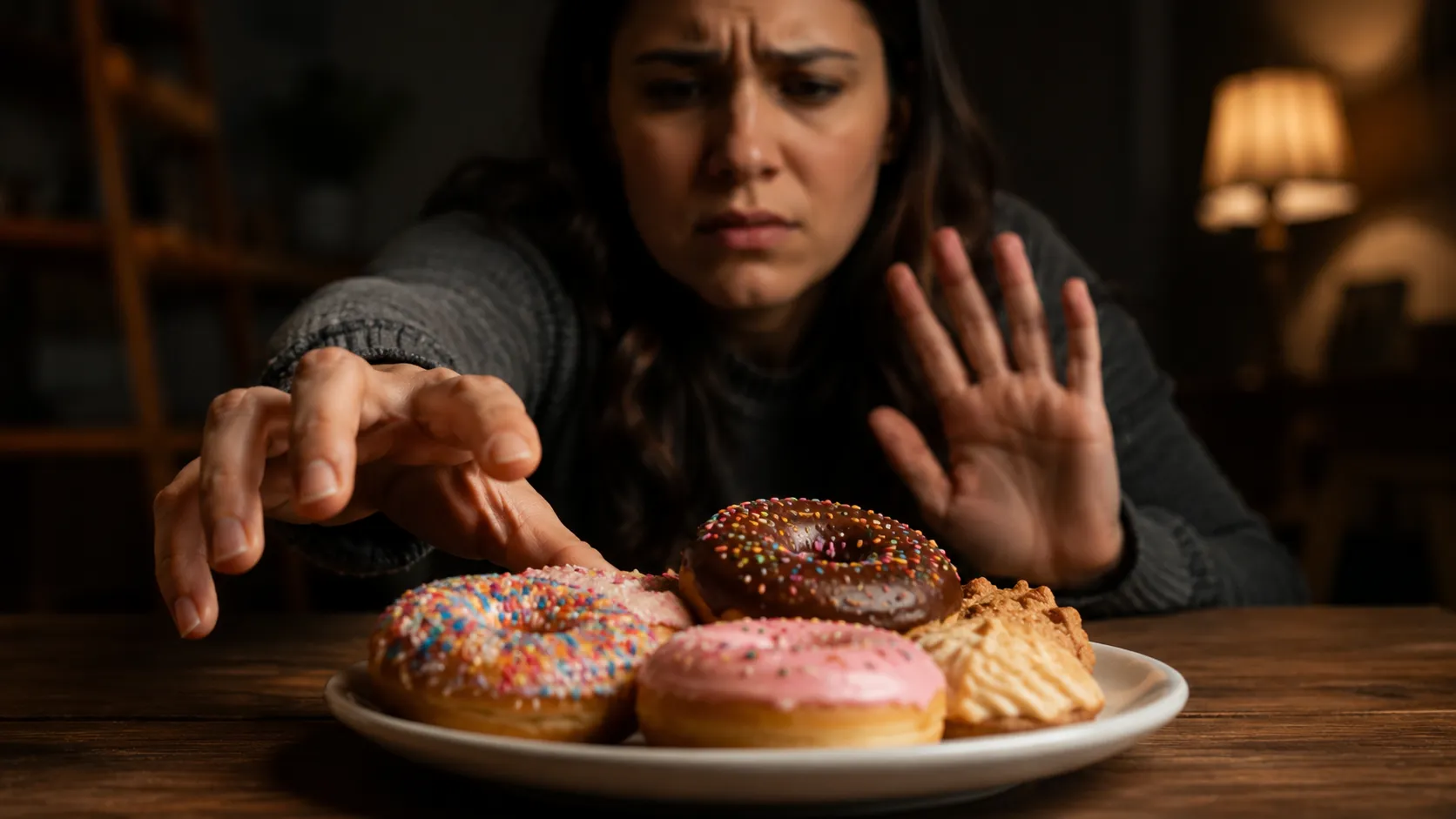
Why Do We Crave Sugar?
Sugar cravings are driven by dopamine, evolutionary caloric programming, and blood sugar swings. The brain treats sugar as a reward signal, not just nutrition.
Open article ->
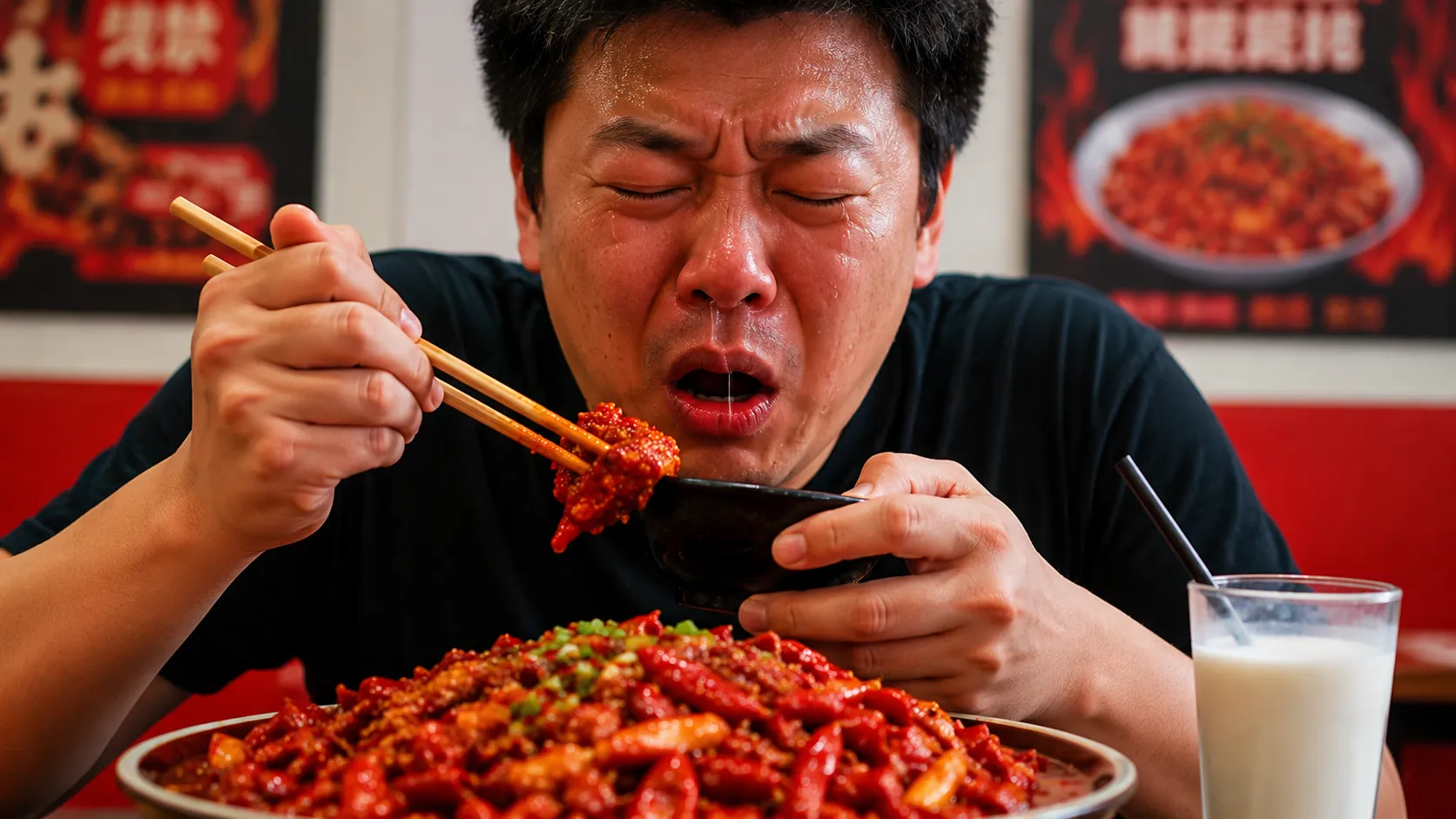
Biology & Sensory Science
Why Does Spicy Food Make Your Nose Run?
Capsaicin in spicy food activates heat receptors in your nose and sinuses, triggering the same mucus response as an actual threat. Your body thinks you are breathing something hot.
Open article ->
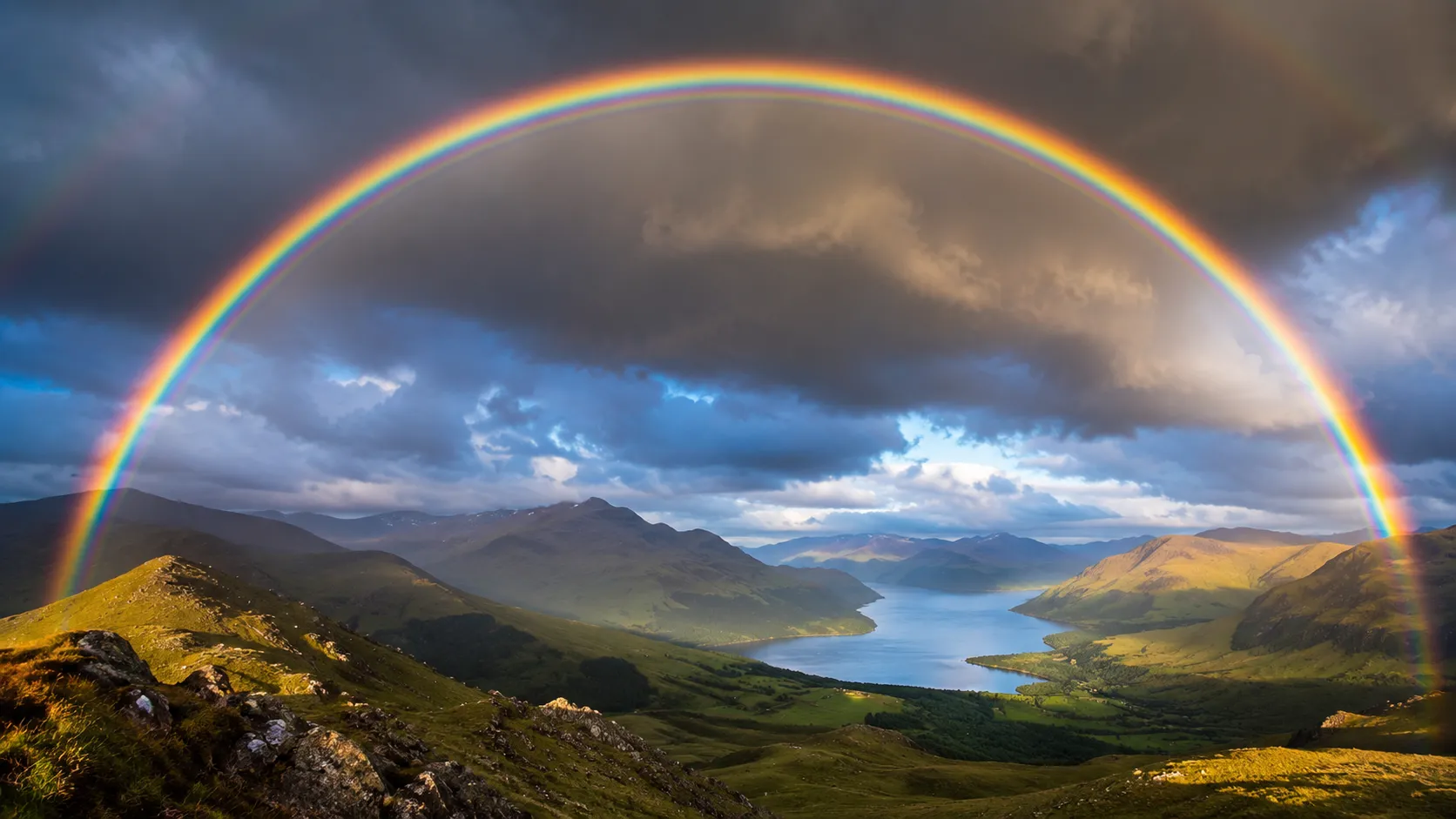
Optics & Atmosphere
Why Do Rainbows Curve?
Rainbows are circles. You see an arc because the ground gets in the way. The curve comes from the precise angle at which each raindrop returns light toward your eyes.
Open article ->
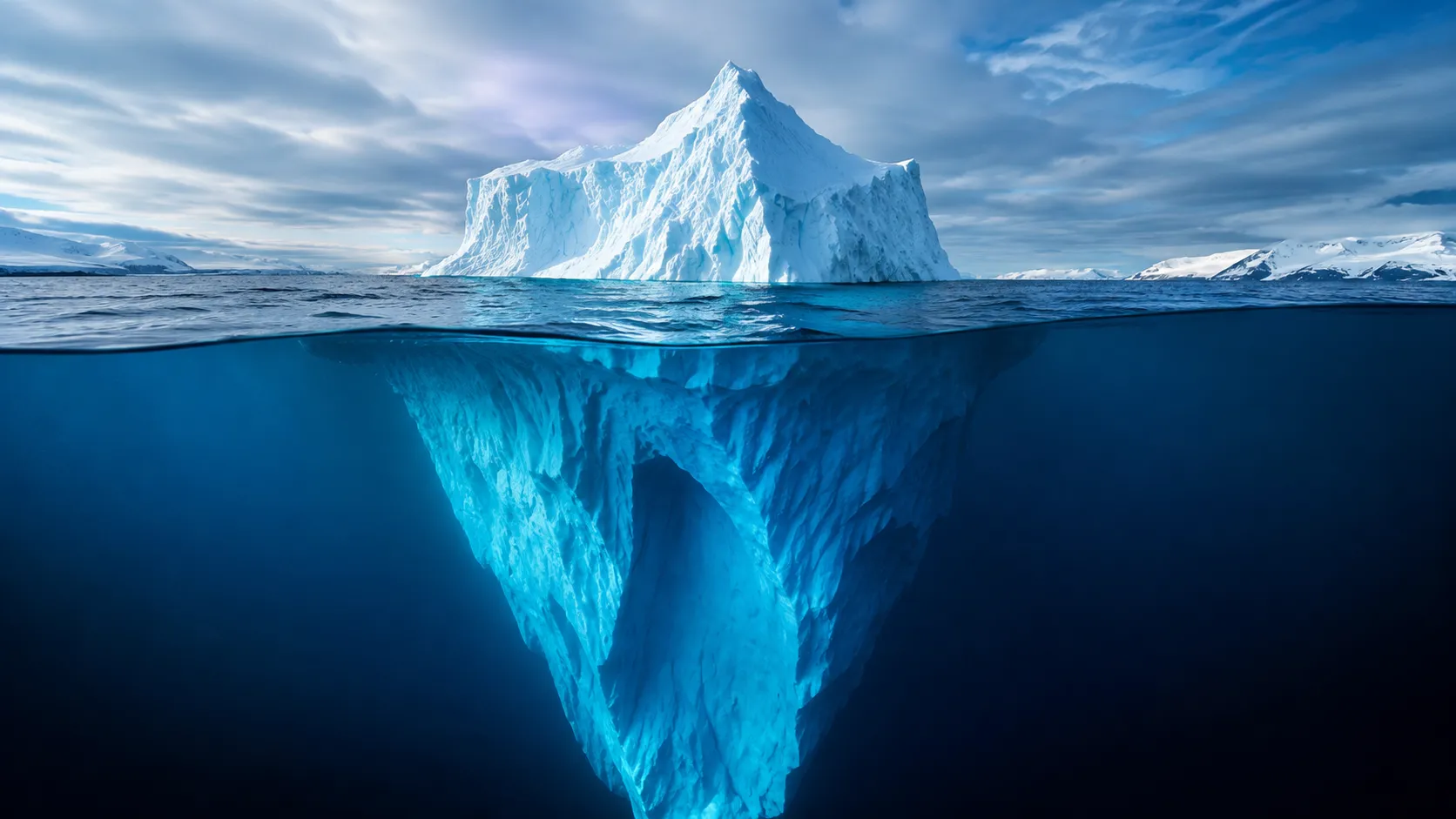
Optics & Ocean Science
Why Is the Ocean Blue?
Water is not actually clear. It absorbs red and yellow light and scatters blue. In a glass this is undetectable, but across miles of ocean depth it becomes vivid blue.
Open article ->
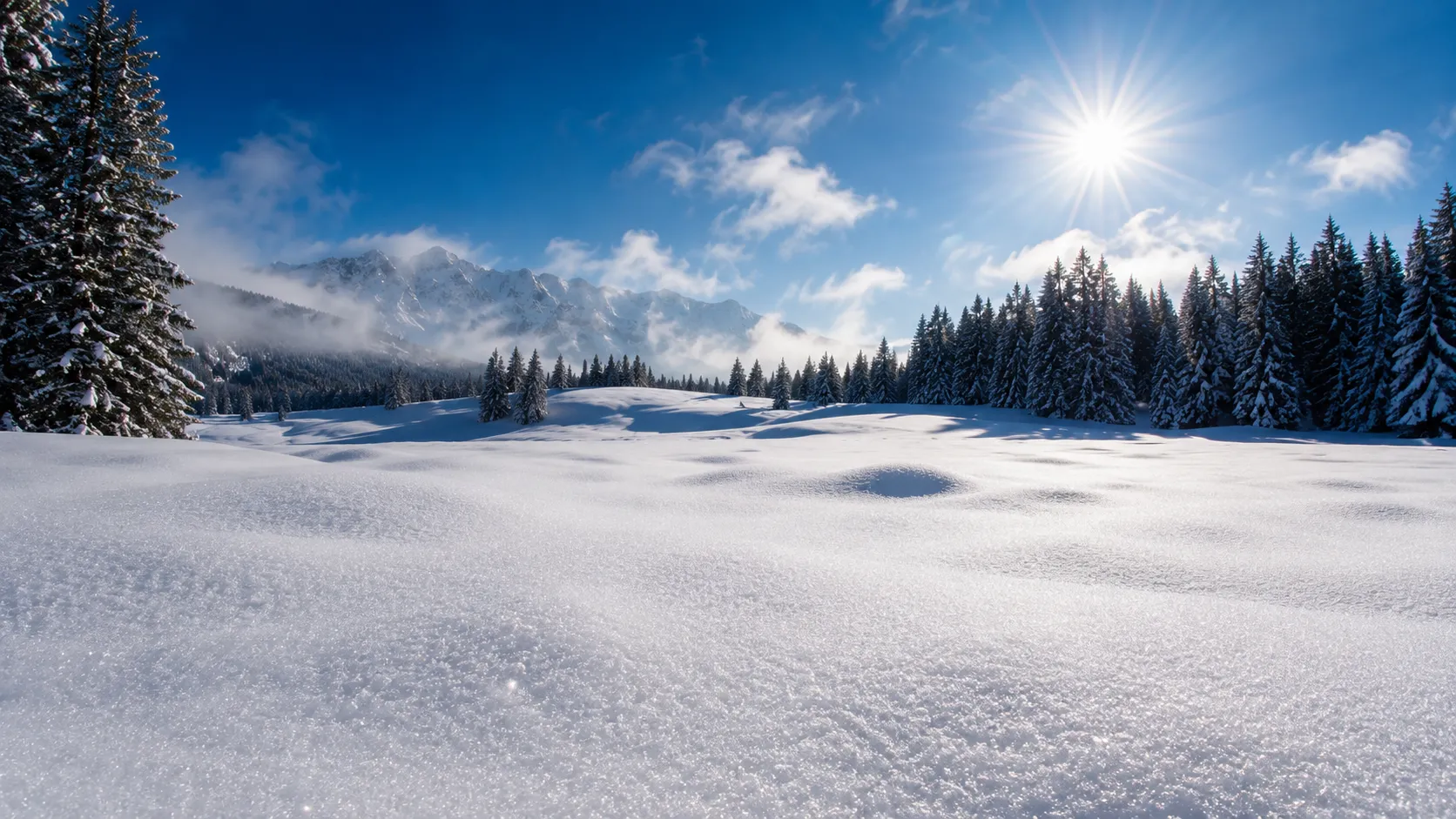
Nature & Physics
Why Is Snow White?
Snow is white because millions of tiny ice crystals scatter all wavelengths of light equally in every direction. Your eyes receive the full spectrum at once, which looks white.
Open article ->
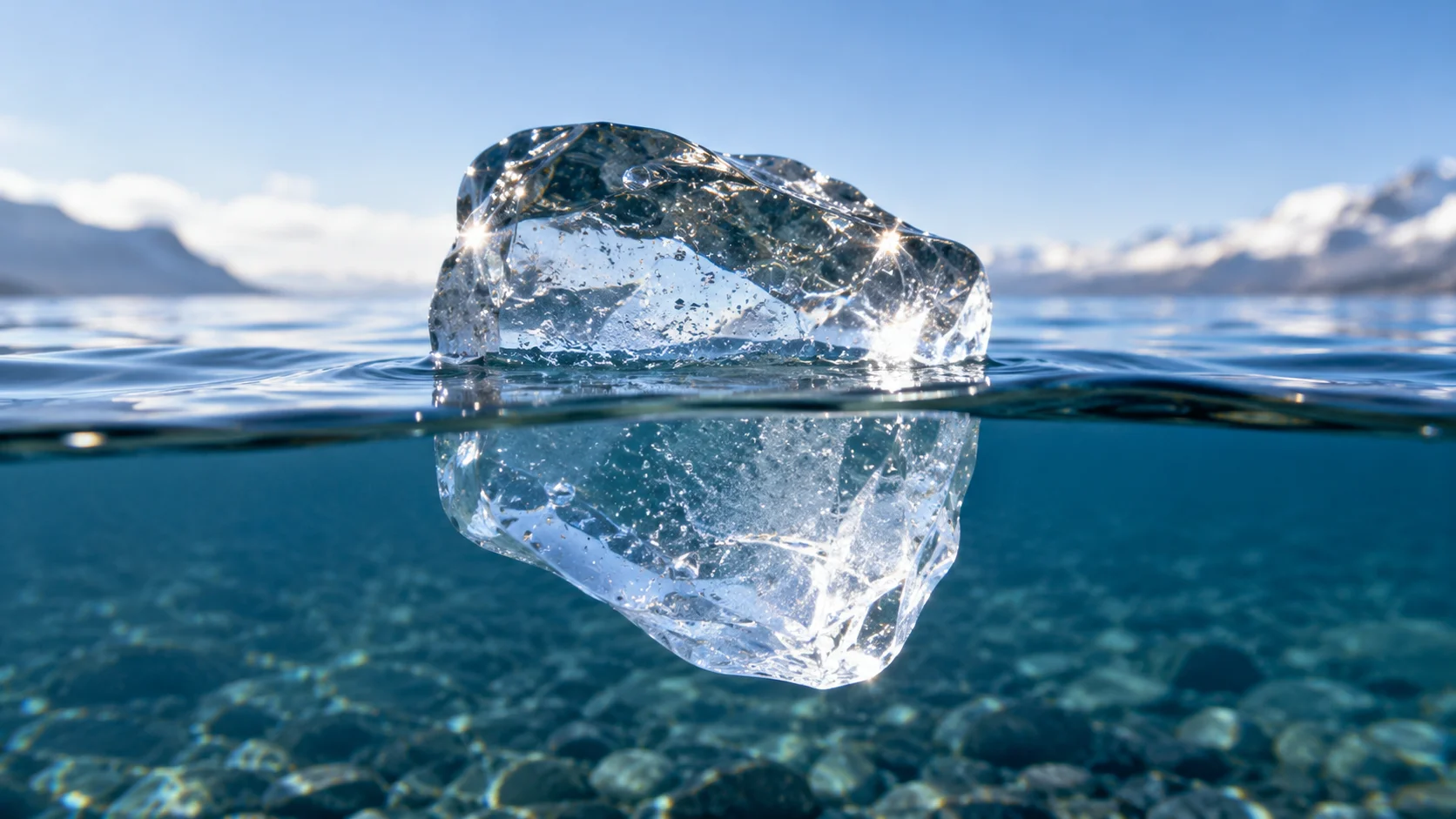
Chemistry & Nature
Why Does Ice Float?
Ice floats because it is less dense than liquid water. Water molecules form a rigid hexagonal lattice when frozen, taking up more space than in liquid form.
Open article ->
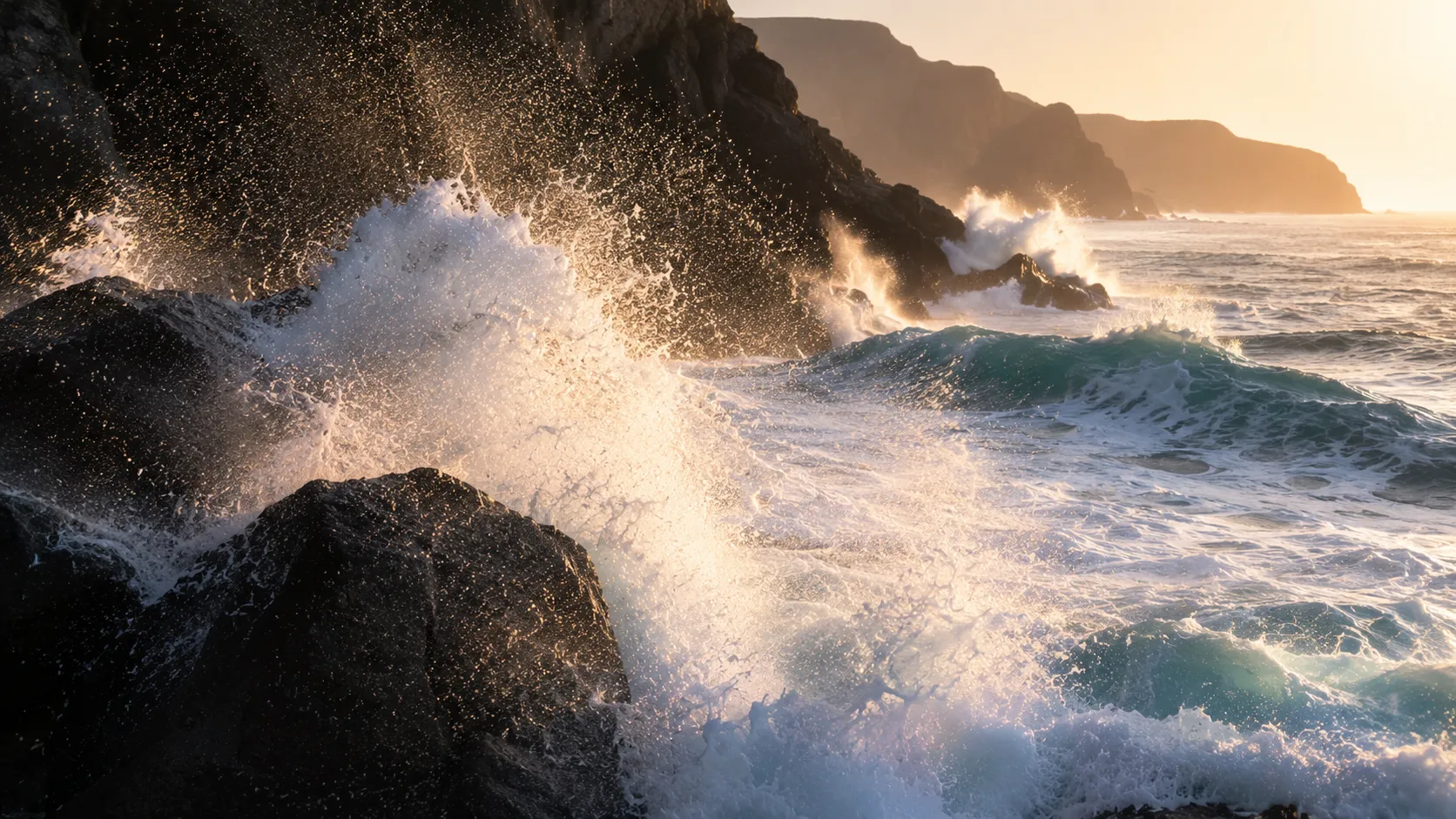
Earth & Oceans
Why Is Sea Water Salty?
The ocean is salty because rivers continuously wash dissolved minerals from rocks into the sea, while evaporation removes water but leaves the salt behind.
Open article ->
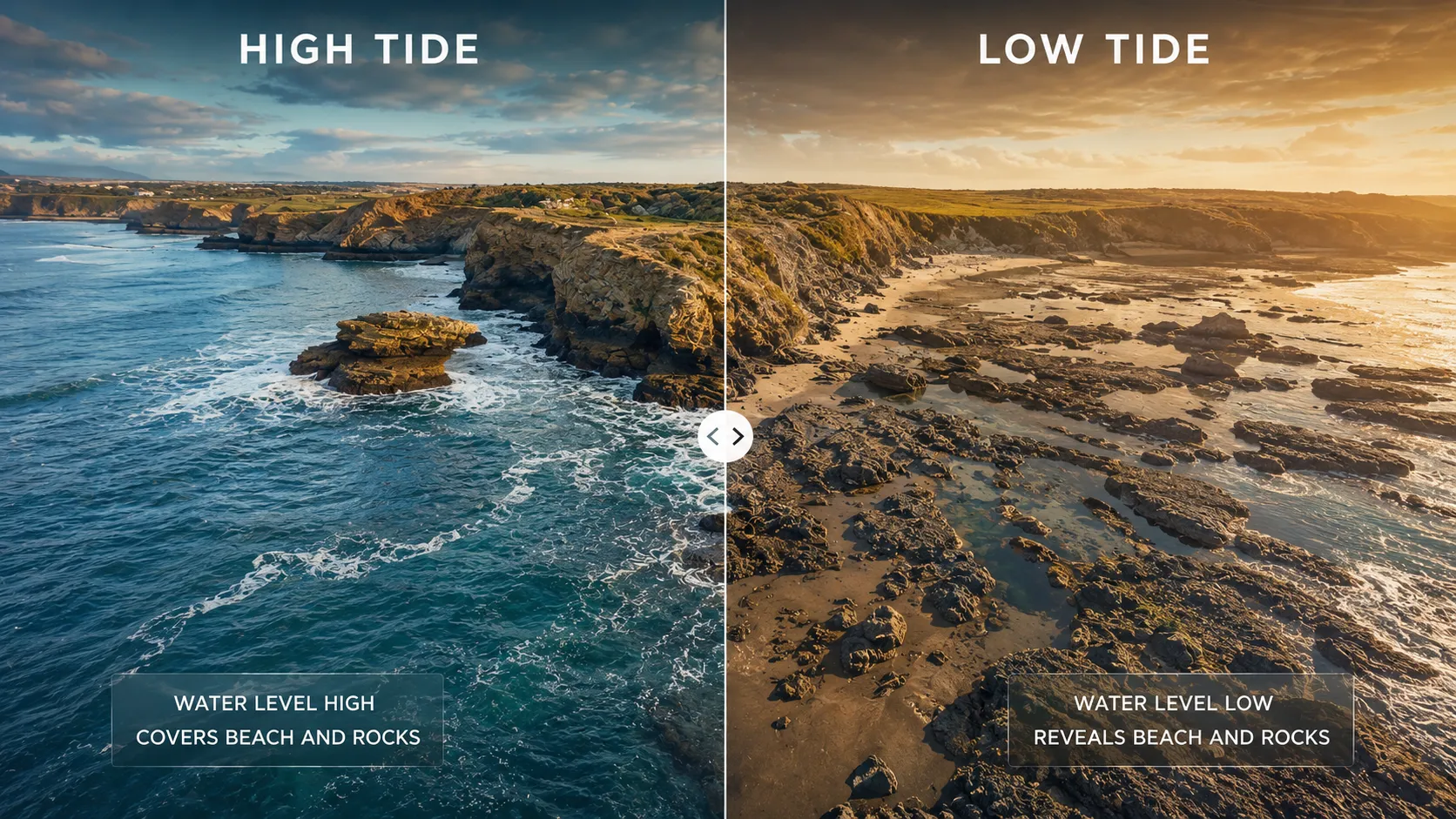
Earth & Space
Why Do Tides Happen?
Tides happen because the moon's gravity pulls on Earth's oceans unevenly, creating two tidal bulges that coastlines rotate through each day.
Open article ->
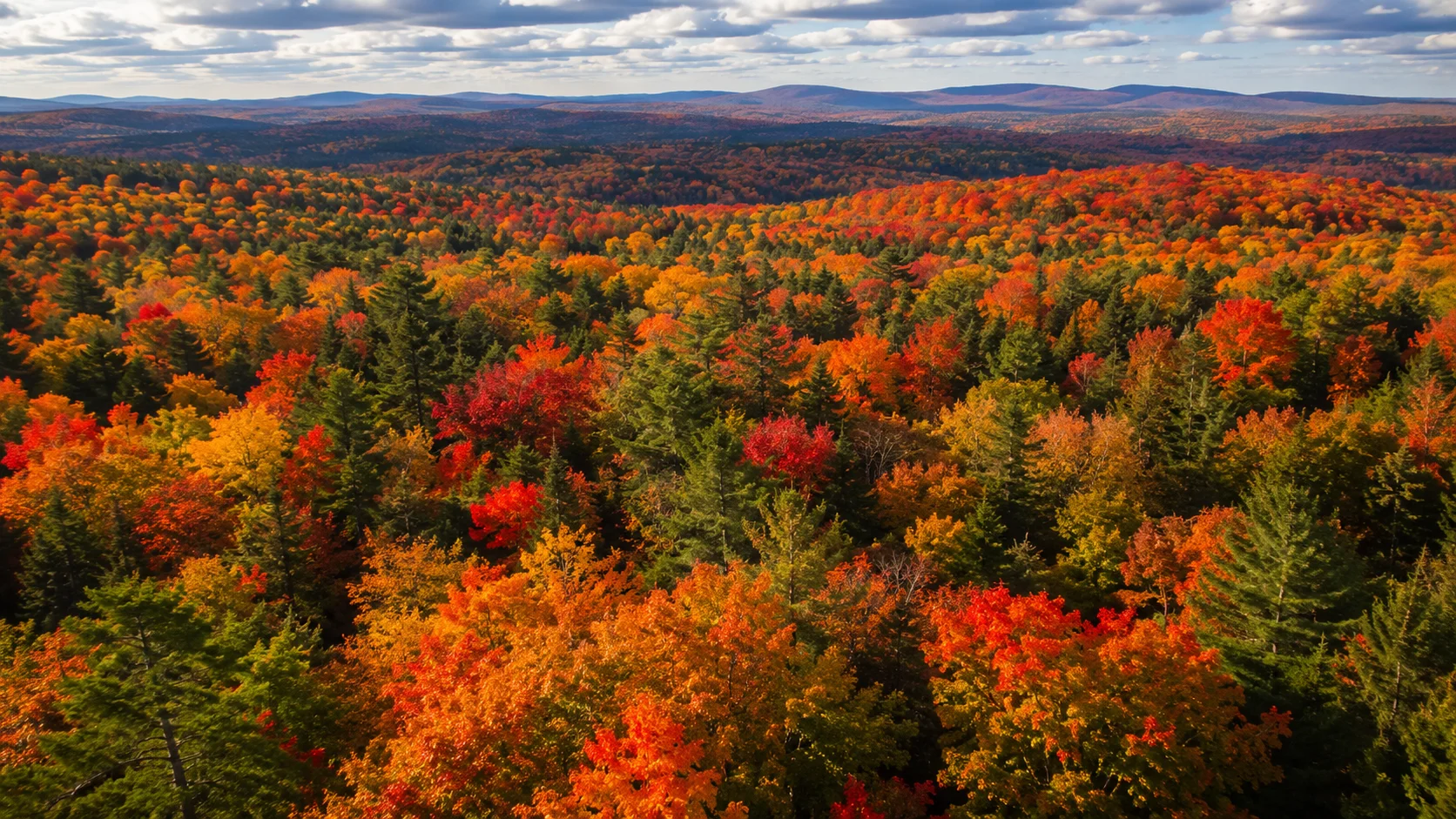
Nature & Biology
Why Do Leaves Change Color in Autumn?
Leaves change color because trees break down green chlorophyll in autumn, revealing yellow and orange pigments and sometimes producing red pigments.
Open article ->
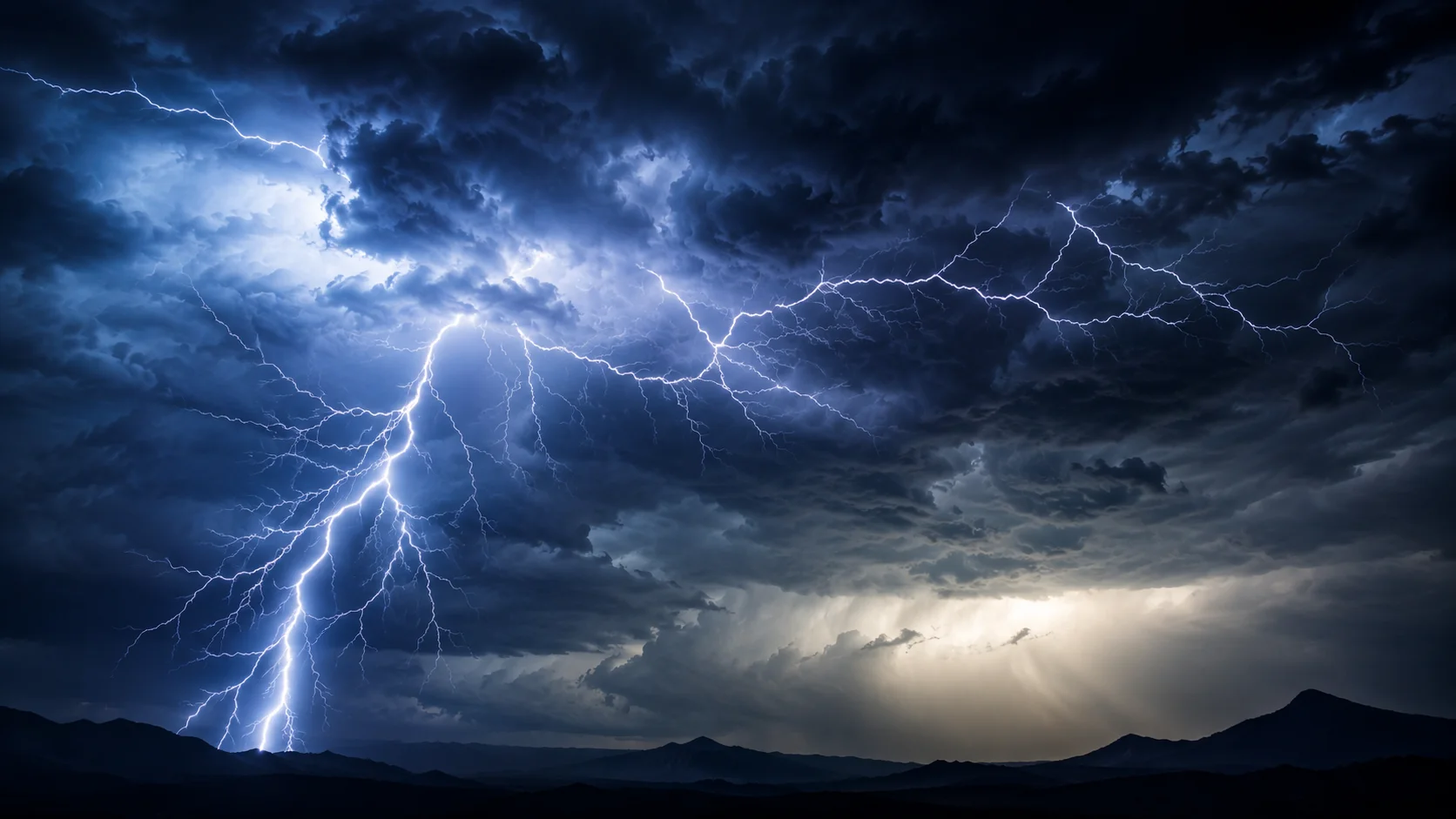
Weather & Physics
Why Does Lightning Happen?
Lightning happens when electrical charges separate inside storm clouds and the voltage difference becomes large enough to discharge as a massive spark.
Open article ->
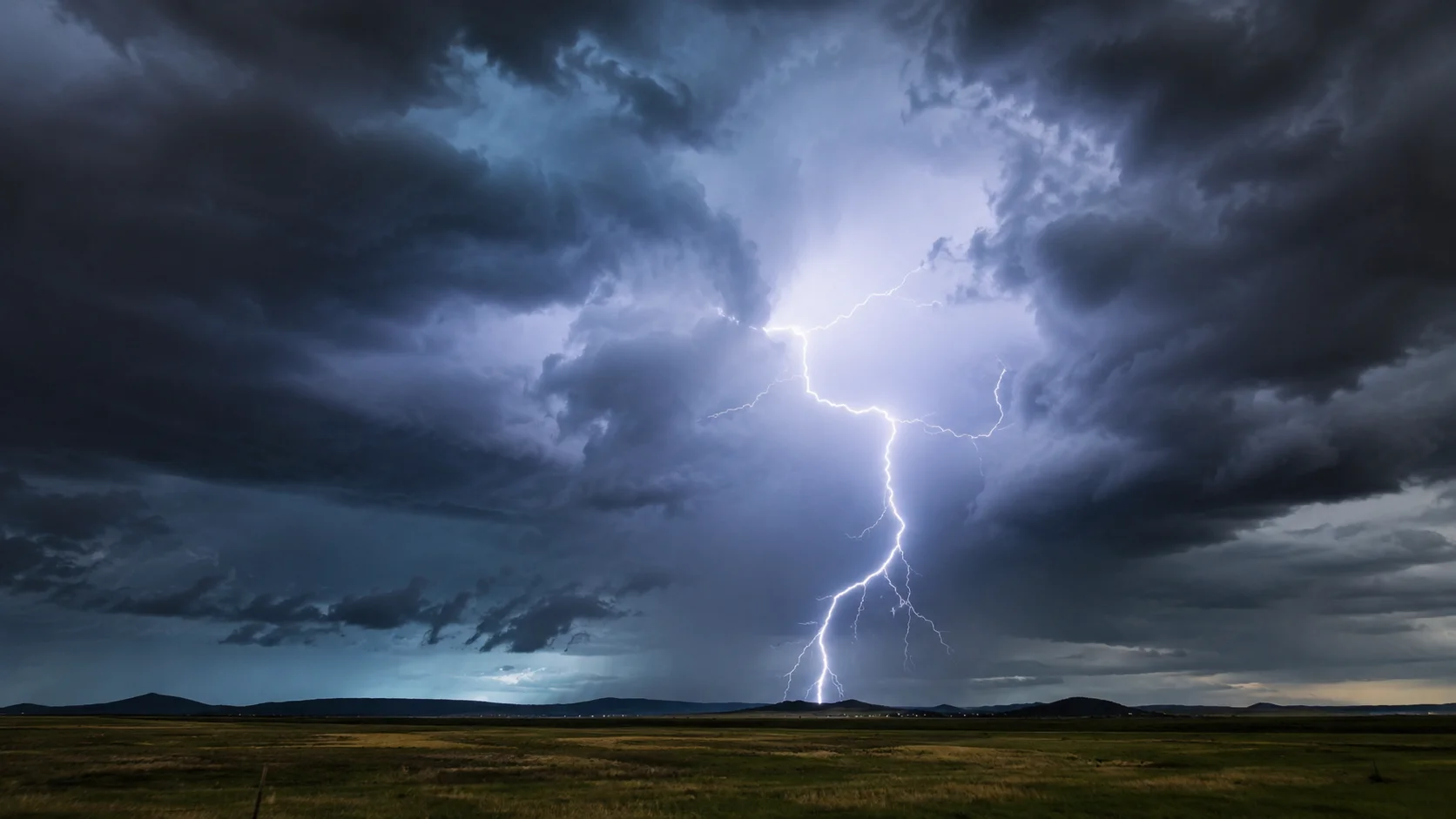
Weather & Physics
Why Does Thunder Come After Lightning?
Thunder and lightning happen at the same moment, but light reaches you almost instantly while sound takes about 3 seconds per kilometer.
Open article ->
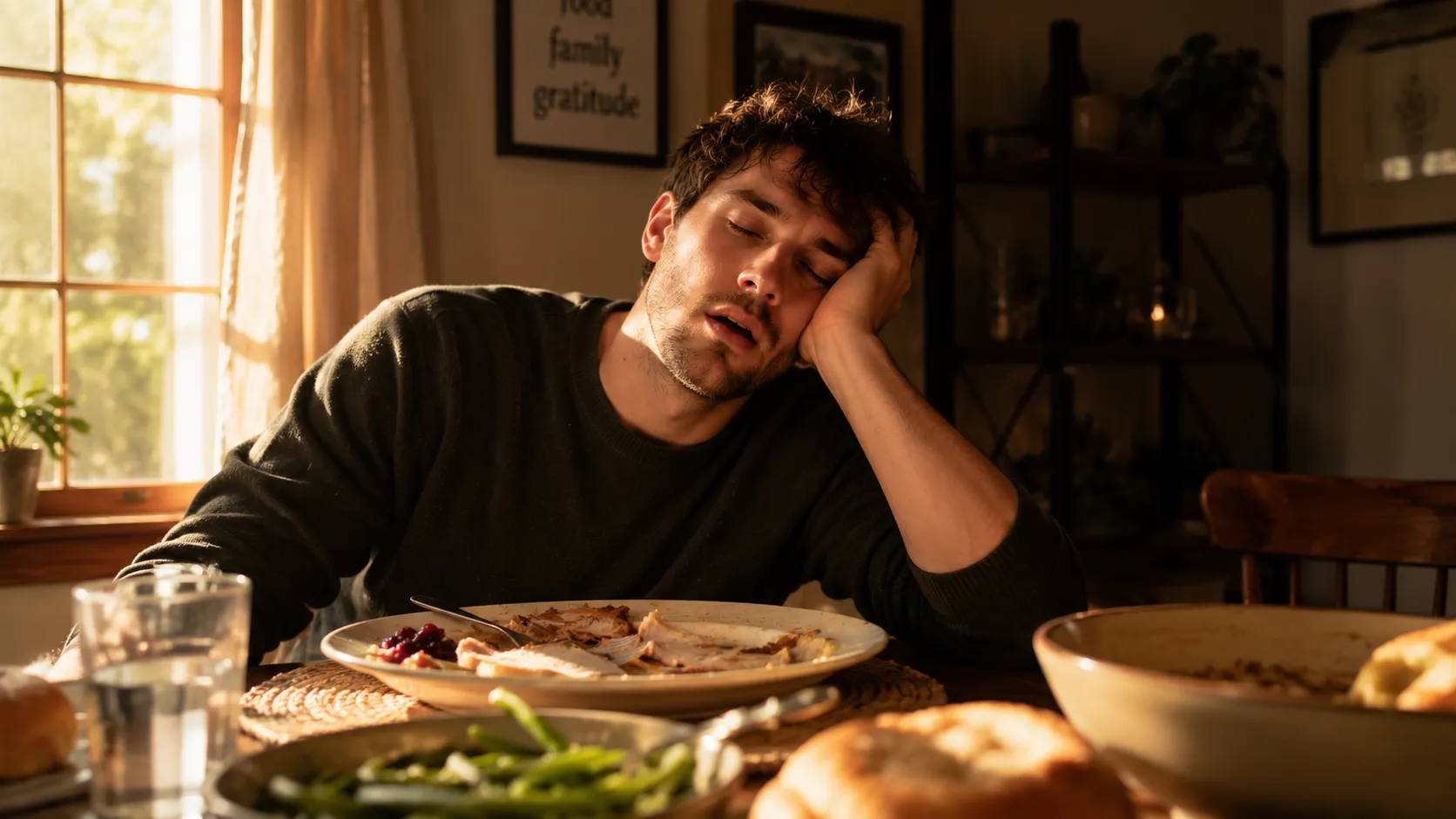
The food coma is real
Why Do We Feel Sleepy After Eating?
Feeling sleepy after eating is caused by blood flow shifts, hormone changes, and certain foods. Here is what is actually happening in your body.
Open article ->
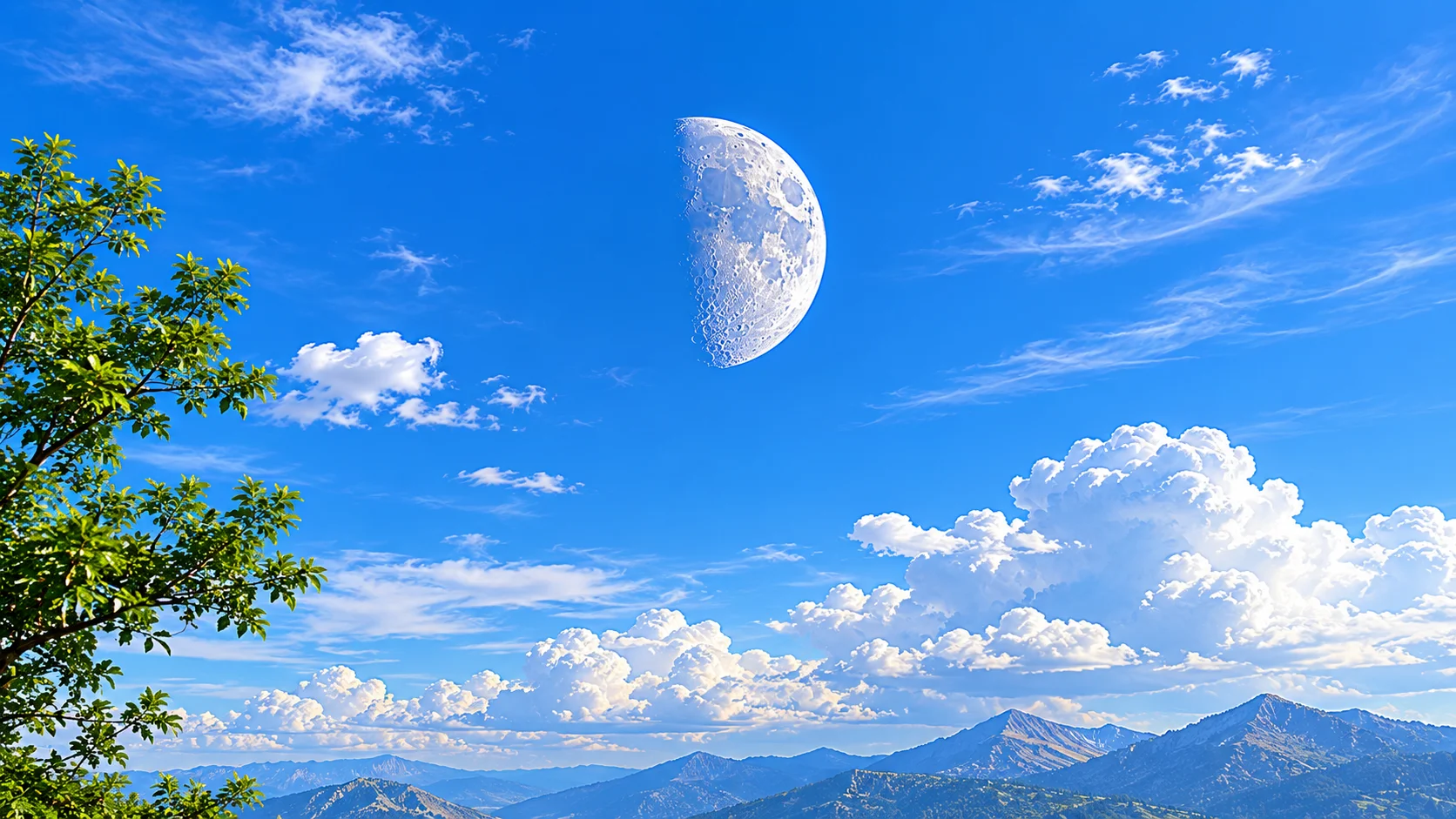
Space & Astronomy
Why Can We See the Moon During the Day?
The moon is visible during the day because it reflects enough sunlight to stand out against the blue sky, depending on its phase and position.
Open article ->
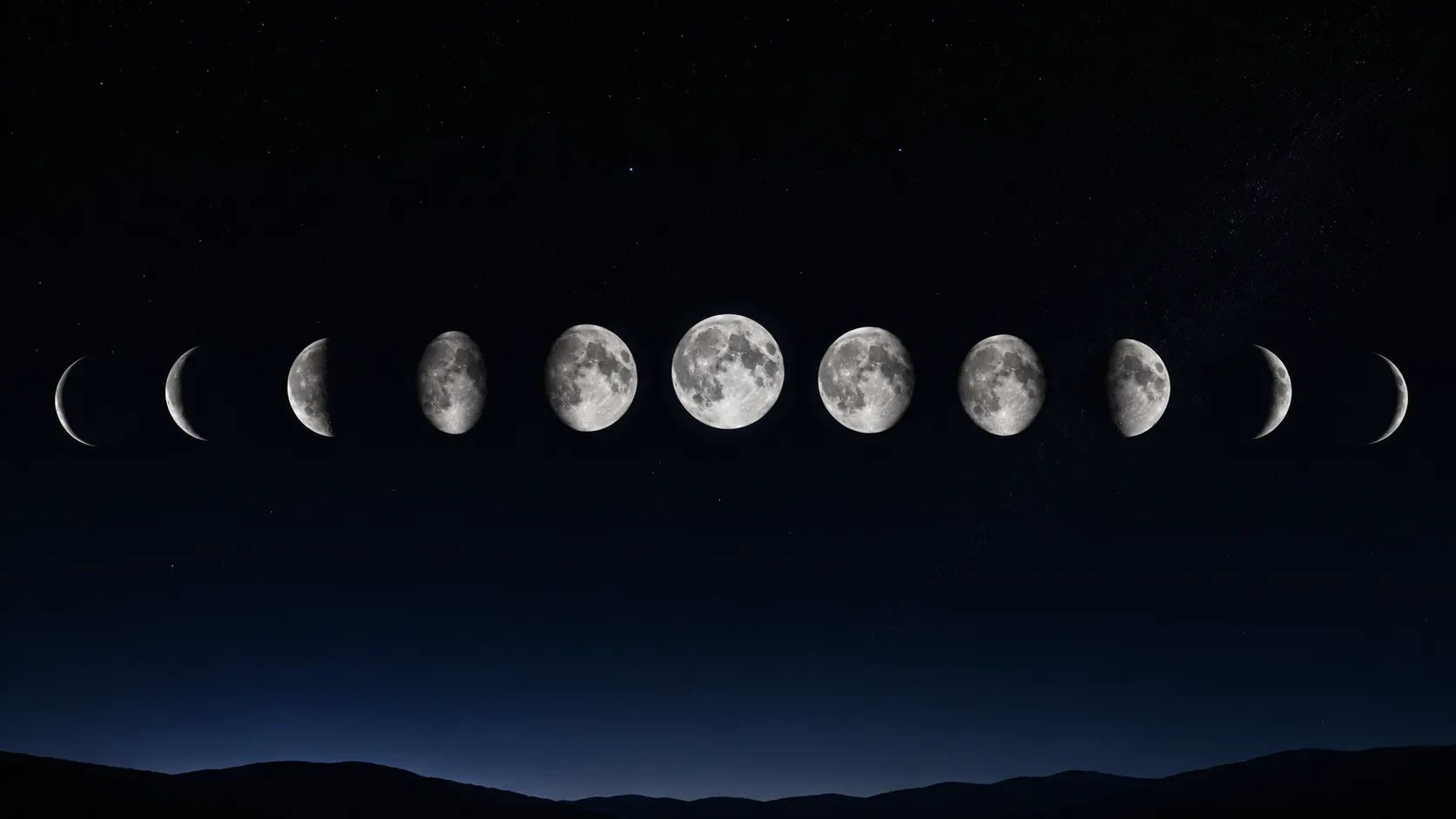
Space & Astronomy
Why Does the Moon Change Shape?
The moon does not actually change shape. Its phases are caused by the changing angle at which we see its sunlit half as it orbits Earth.
Open article ->
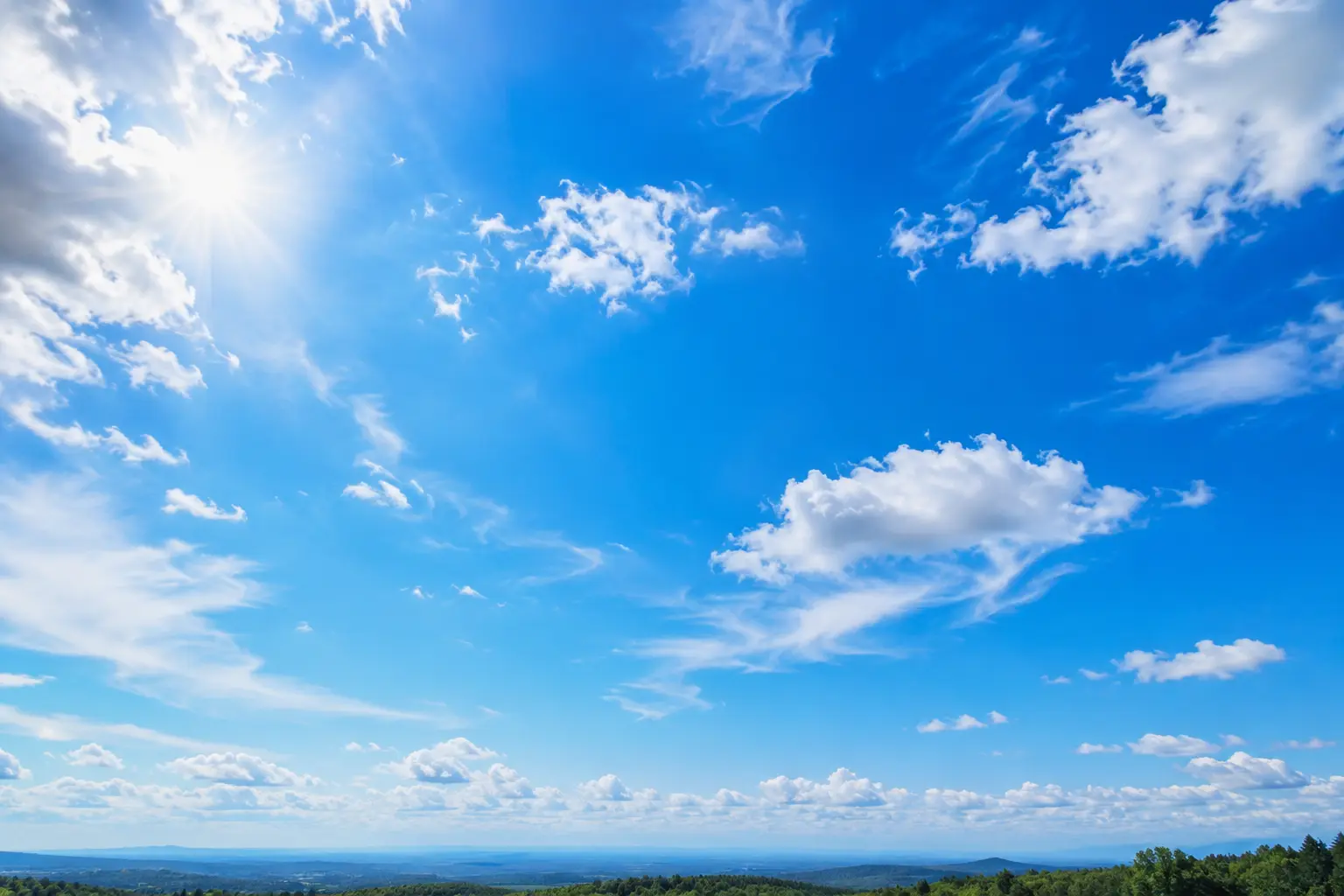
Light & Atmosphere
Why Is the Sky Blue?
The sky is blue because blue light scatters off air molecules more strongly than red light, filling the daytime sky with scattered blue wavelengths.
Open article ->
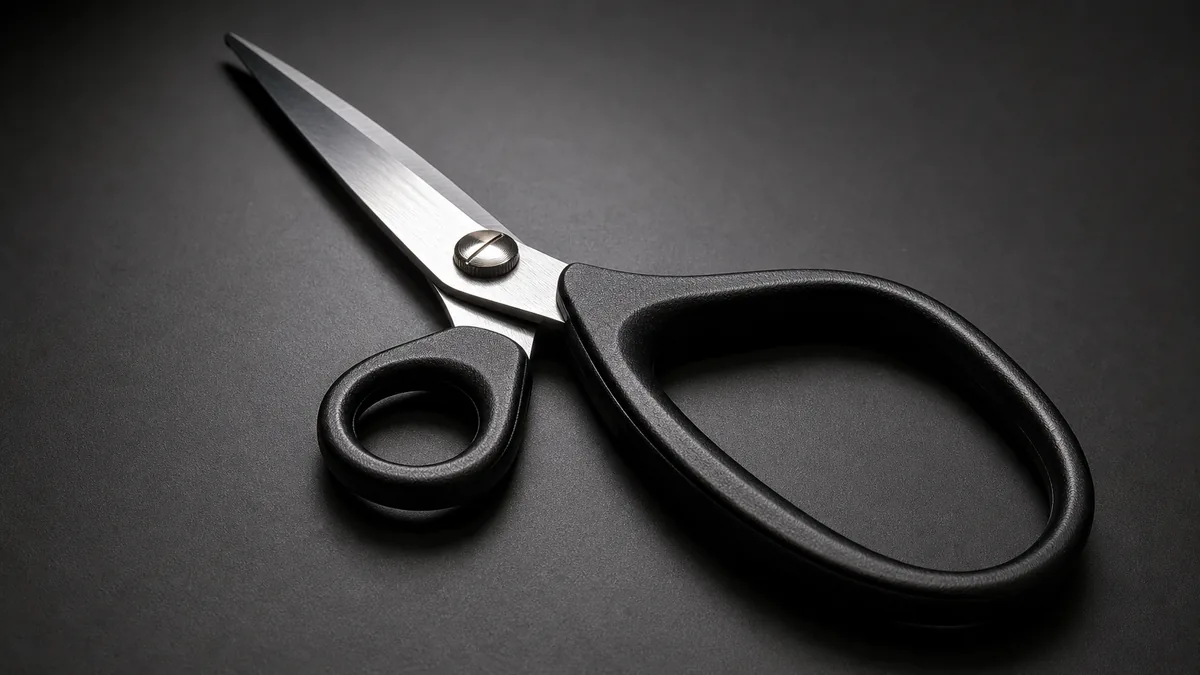
Everyday Ergonomics & Mechanics
Why Scissors Have Different-Sized Handles: Loops, Leverage, and Left-Handed Designs
Understand why scissors feature asymmetrical handles: how the thumb drives motion, multi-finger loops boost mechanical advantage, and left-handed shears reverse blade overlap.
Open article ->
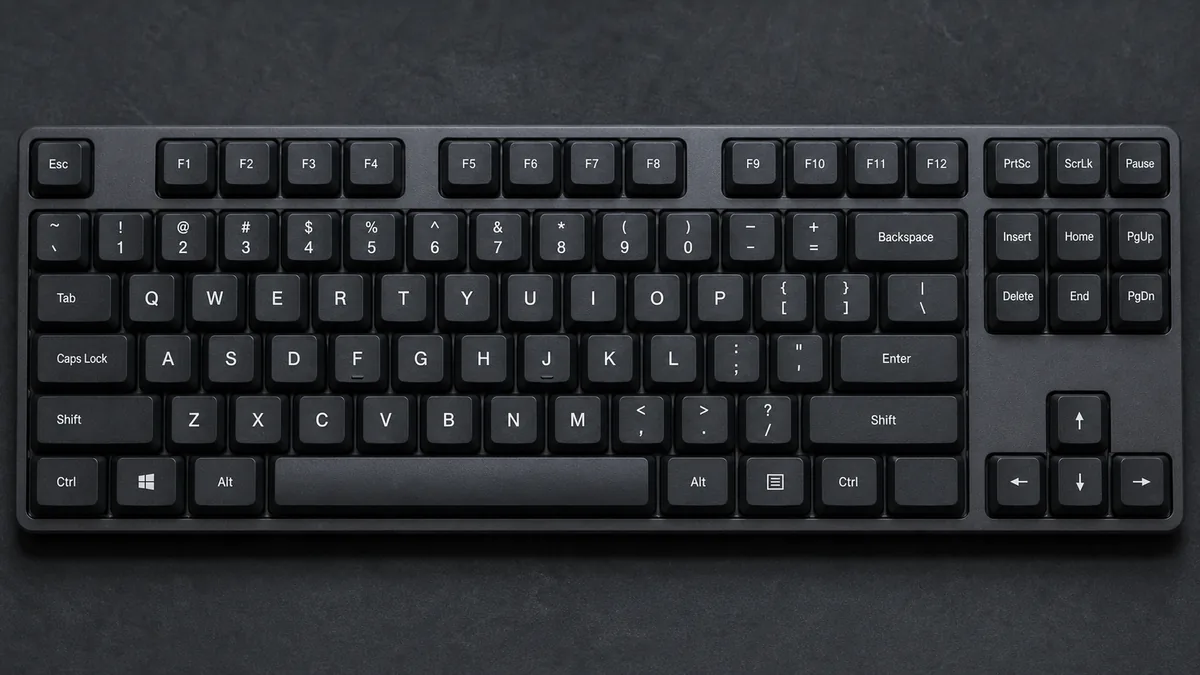
Invention Stories & Technology
Why Keyboards Aren't in ABC Order: Sholes, Telegraphy, and QWERTY's Real Origin
Investigate the history of the QWERTY keyboard layout: Sholes' 1878 patent, telegraph operator feedback, mechanical typebar jams, and path dependence.
Open article ->
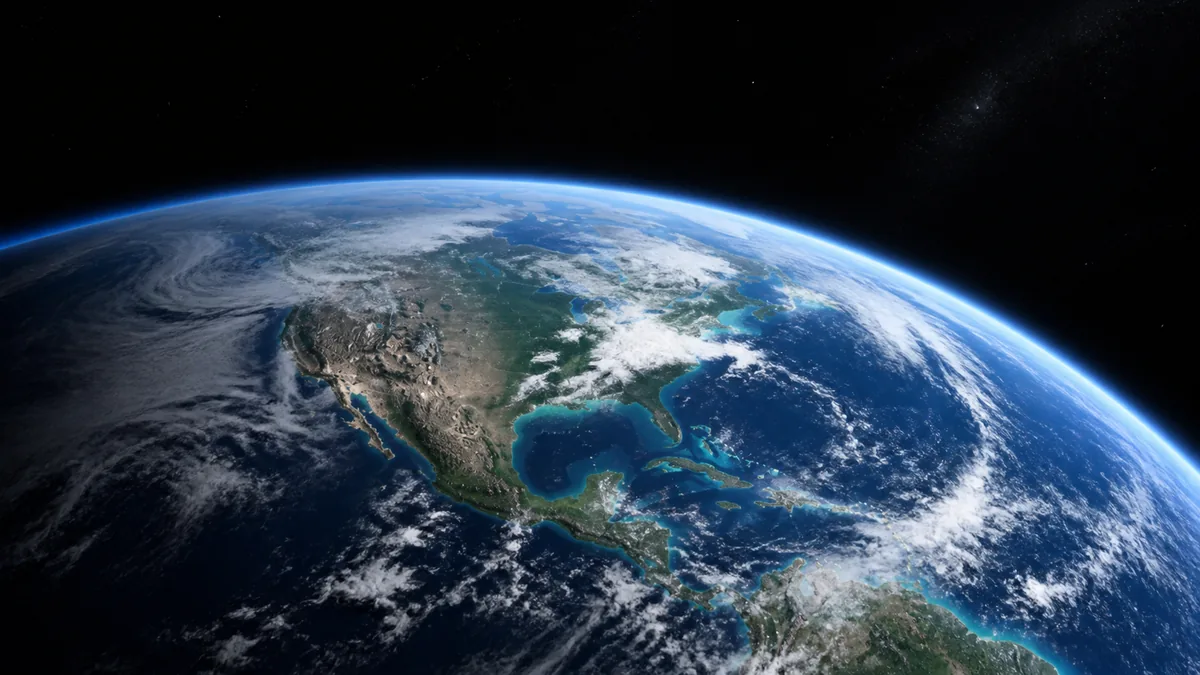
Space
Why Is Earth Round?
Earth is round because gravity pulls matter equally from all directions toward the center, shaping large objects into a sphere over millions of years.
Open article ->
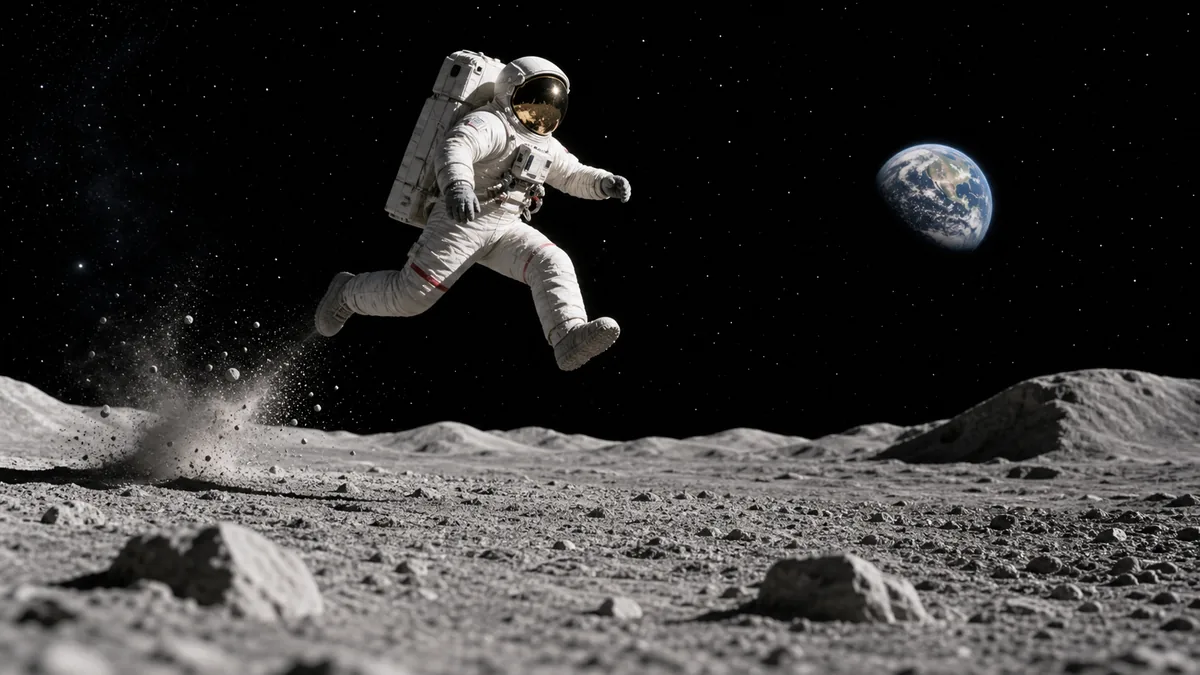
Space
Why Is Gravity Weaker on the Moon?
Gravity is weaker on the moon because the moon has much less mass than Earth. Less mass means less gravitational pull, so objects weigh about one-sixth of what they do on Earth.
Open article ->

Psychology
Why Do People Check Their Phone Repeatedly?
People check their phones repeatedly because unpredictable rewards like notifications trigger the brain's dopamine system, creating a habit loop similar to other reward-seeking behaviours.
Open article ->

Psychology
Why Do People Enjoy Scary Movies?
People enjoy scary movies because fear triggers adrenaline and dopamine in a safe context, turning a stress response into something that feels exciting rather than threatening.
Open article ->

Psychology
Why Do People Like Gossip?
People like gossip because it helps them gather social information, navigate group dynamics, and bond with others. It serves real social functions, even if it sometimes causes harm.
Open article ->
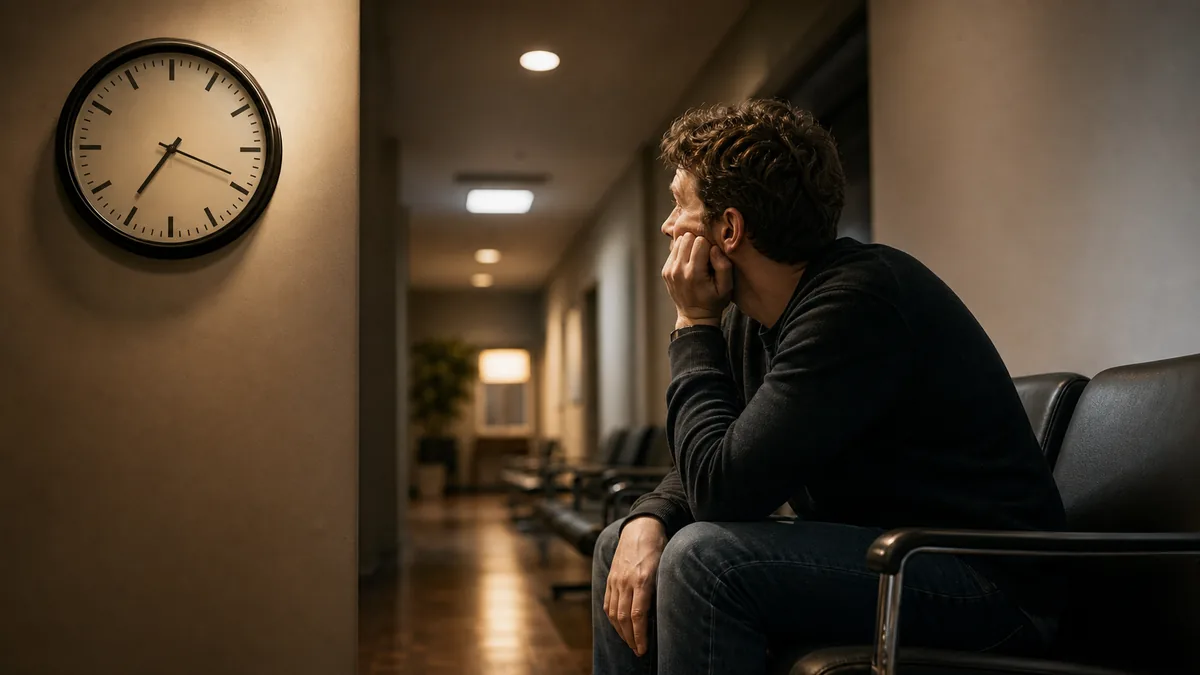
Psychology
Why Does Waiting Feel Longer Than Doing?
Waiting feels longer than doing because an idle, attentive mind notices each passing moment more closely, while an occupied mind loses track of time altogether.
Open article ->

Psychology
Why Do We Feel Awkward in Silence?
Awkward silence feels uncomfortable because we interpret gaps in conversation as social signals, often assuming something has gone wrong or that the other person is unhappy.
Open article ->

Psychology
Why Do People Copy Each Other's Behavior?
People copy each other because mirroring behaviour is a deeply automatic social process that builds rapport, signals belonging, and helps us learn from one another.
Open article ->

Psychology
Why Do We Laugh When Others Laugh?
Laughter is contagious because the brain has automatic pathways for matching the emotional expressions of others, a reflex that helps reinforce social bonds.
Open article ->
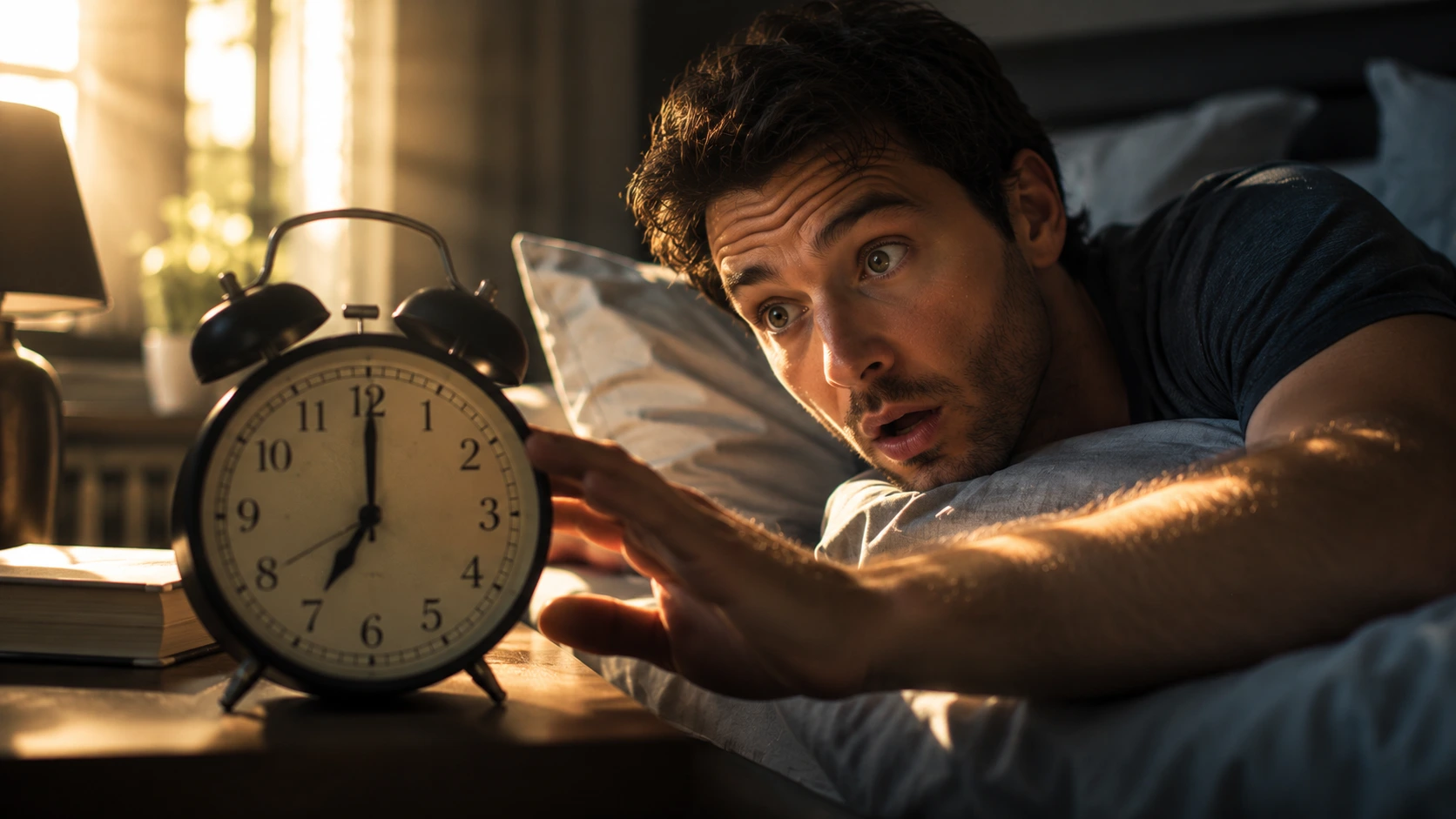
Your brain set its own alarm
Why Do We Wake Up Before the Alarm?
Waking up just before your alarm is your circadian rhythm doing its job. Your brain anticipates the wake time and starts preparing your body to rouse.
Open article ->
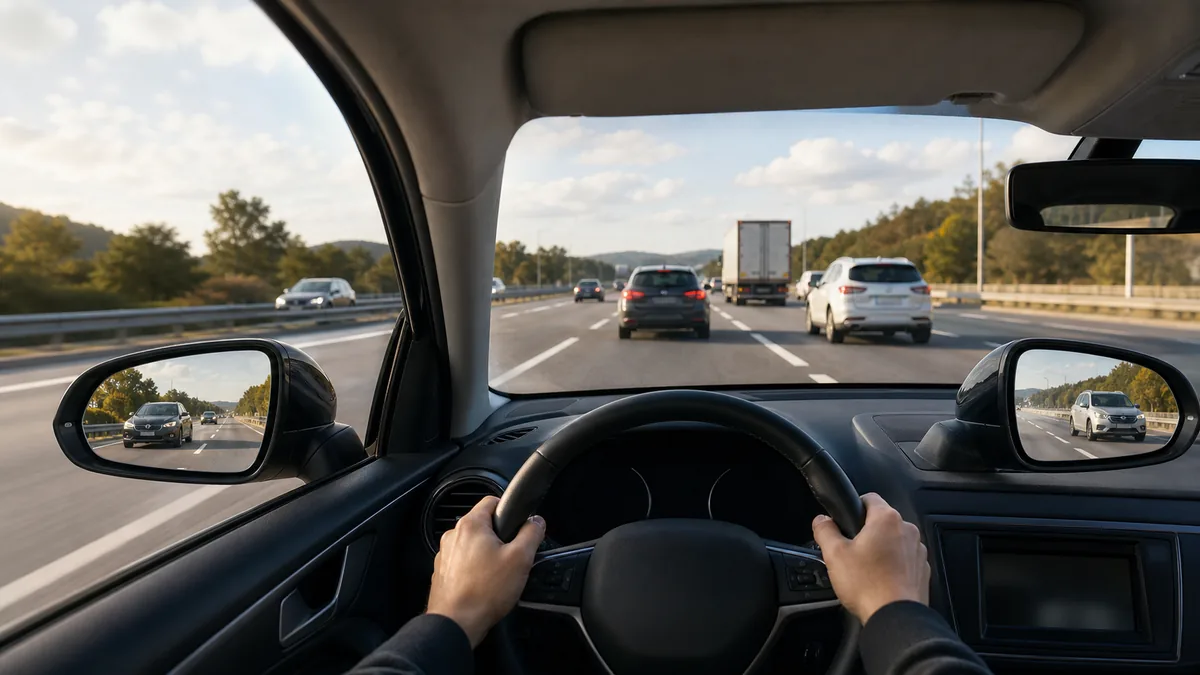
Vehicles
Why Do Cars Have Mirrors on Both Sides?
Cars have mirrors on both sides to eliminate blind spots on each side of the vehicle, giving the driver a view of traffic that cannot be seen through the rear window alone.
Open article ->
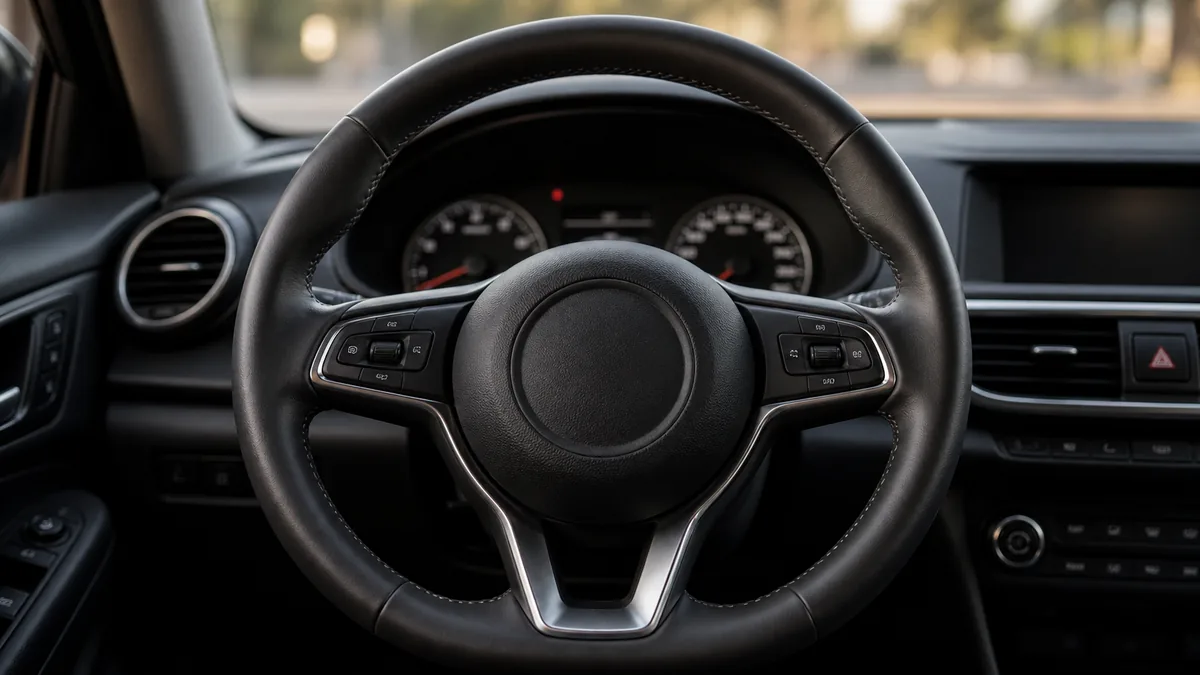
Vehicles
Why Are Steering Wheels Round?
Steering wheels are round because a circular shape lets the driver rotate them continuously in either direction without repositioning their hands, which is the most practical design for controlling a vehicle.
Open article ->
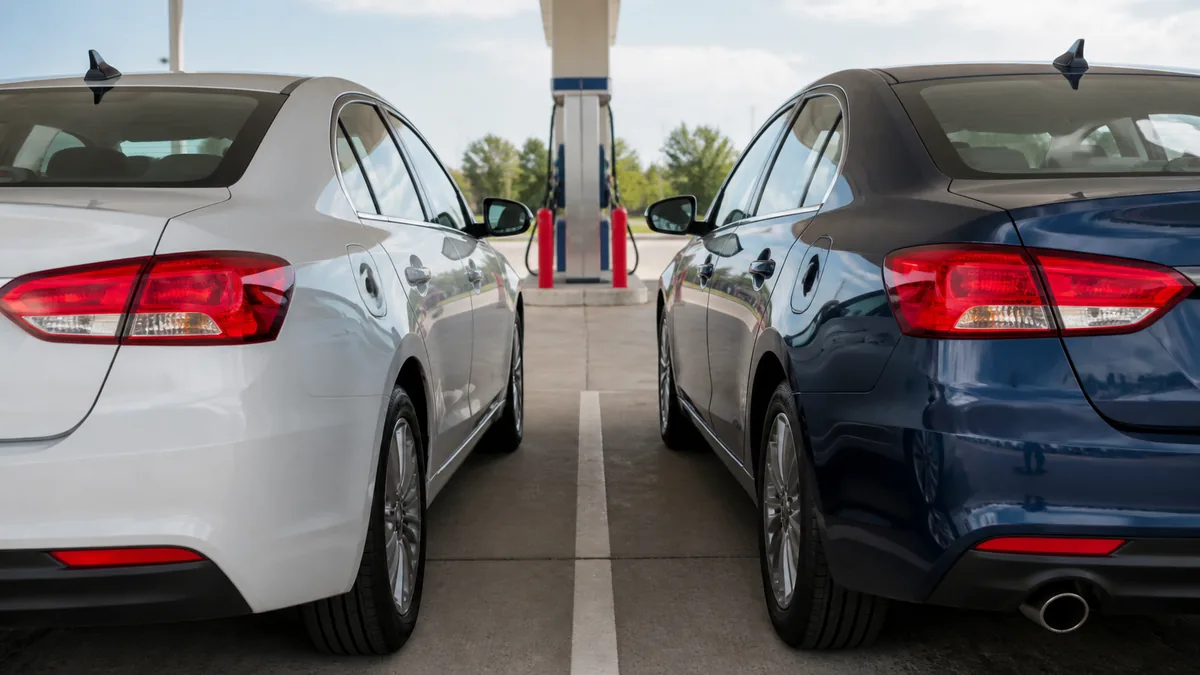
Vehicles
Why Is the Fuel Door on Different Sides?
Fuel doors appear on different sides because manufacturers make their own design choices about tank placement, and there is no universal rule requiring a standard side.
Open article ->
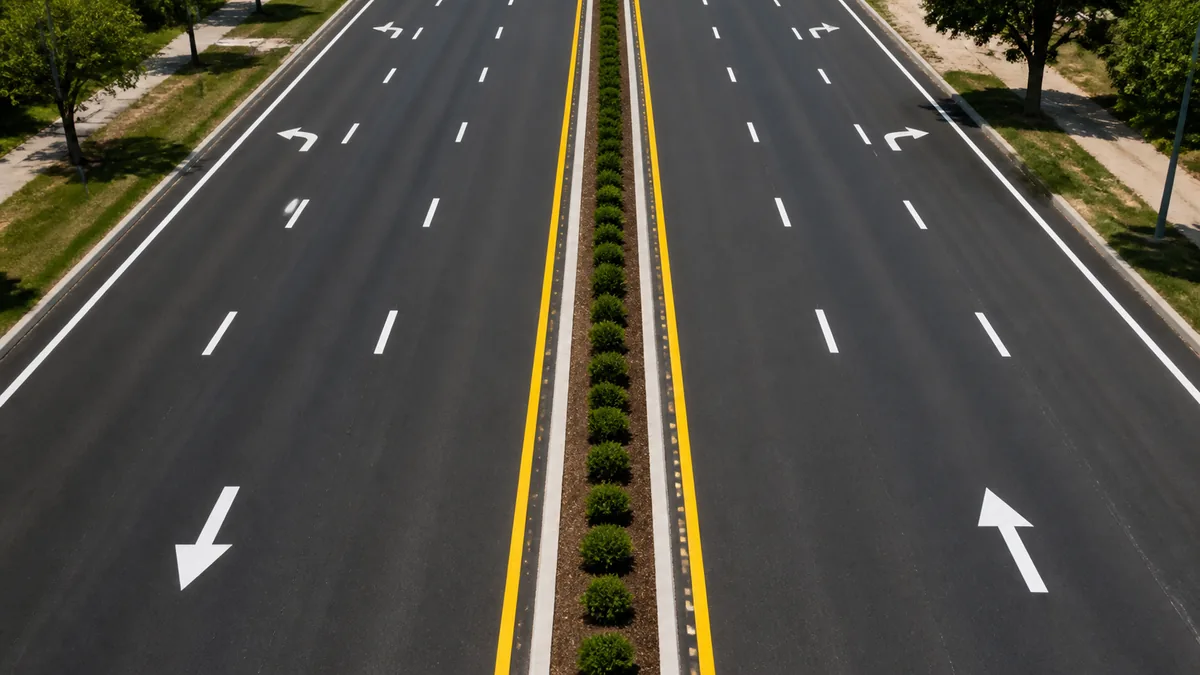
Roads
Why Do Roads Have White and Yellow Lines?
White lines separate traffic moving in the same direction, while yellow lines separate traffic moving in opposite directions. The colour difference tells drivers at a glance how to behave on the road.
Open article ->
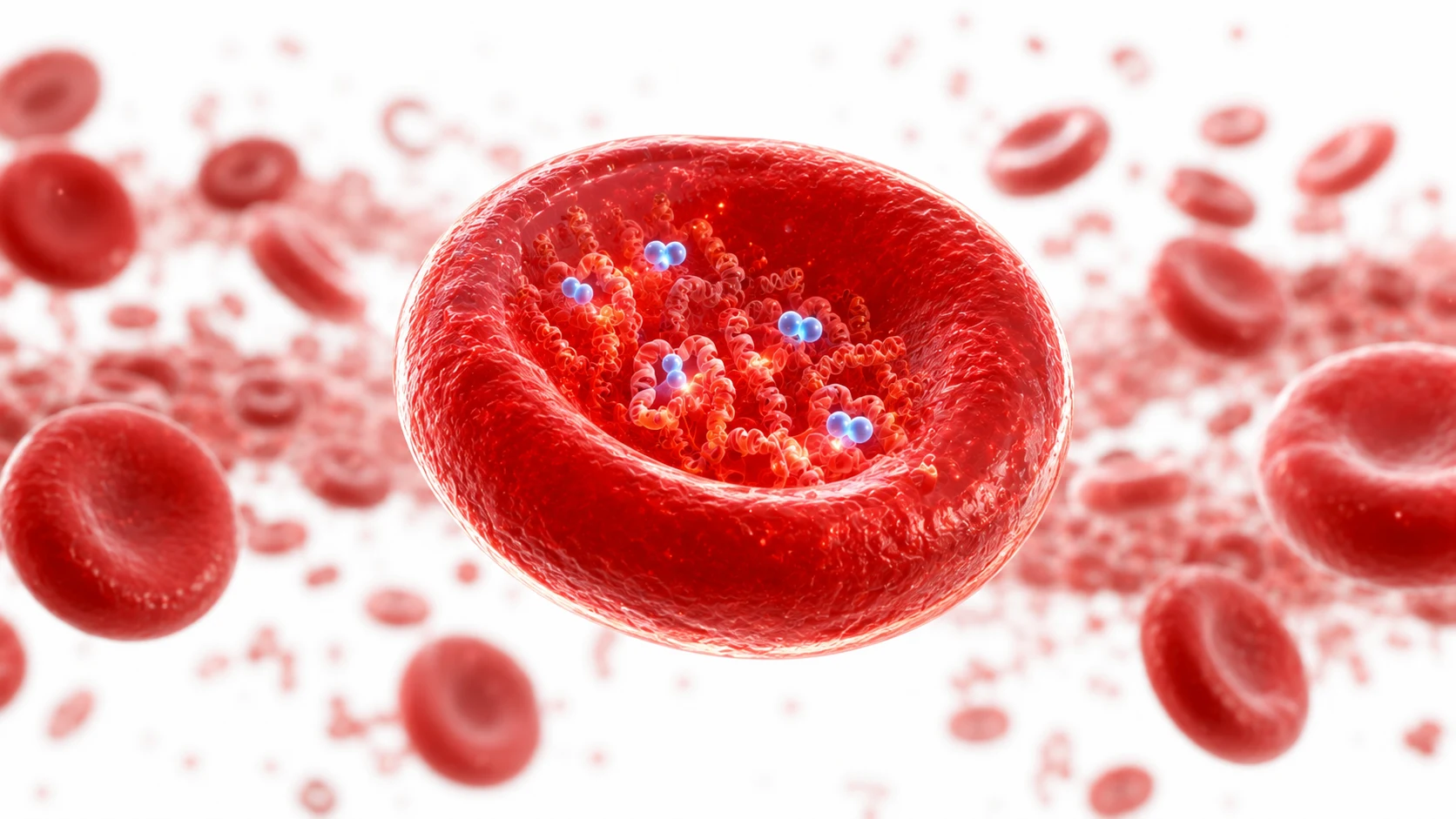
Blood
Why Is Blood Red?
Blood is red because of iron. But the full story, involving protein folding, oxygen chemistry, and why veins look blue, is far stranger and more beautiful.
Open article ->
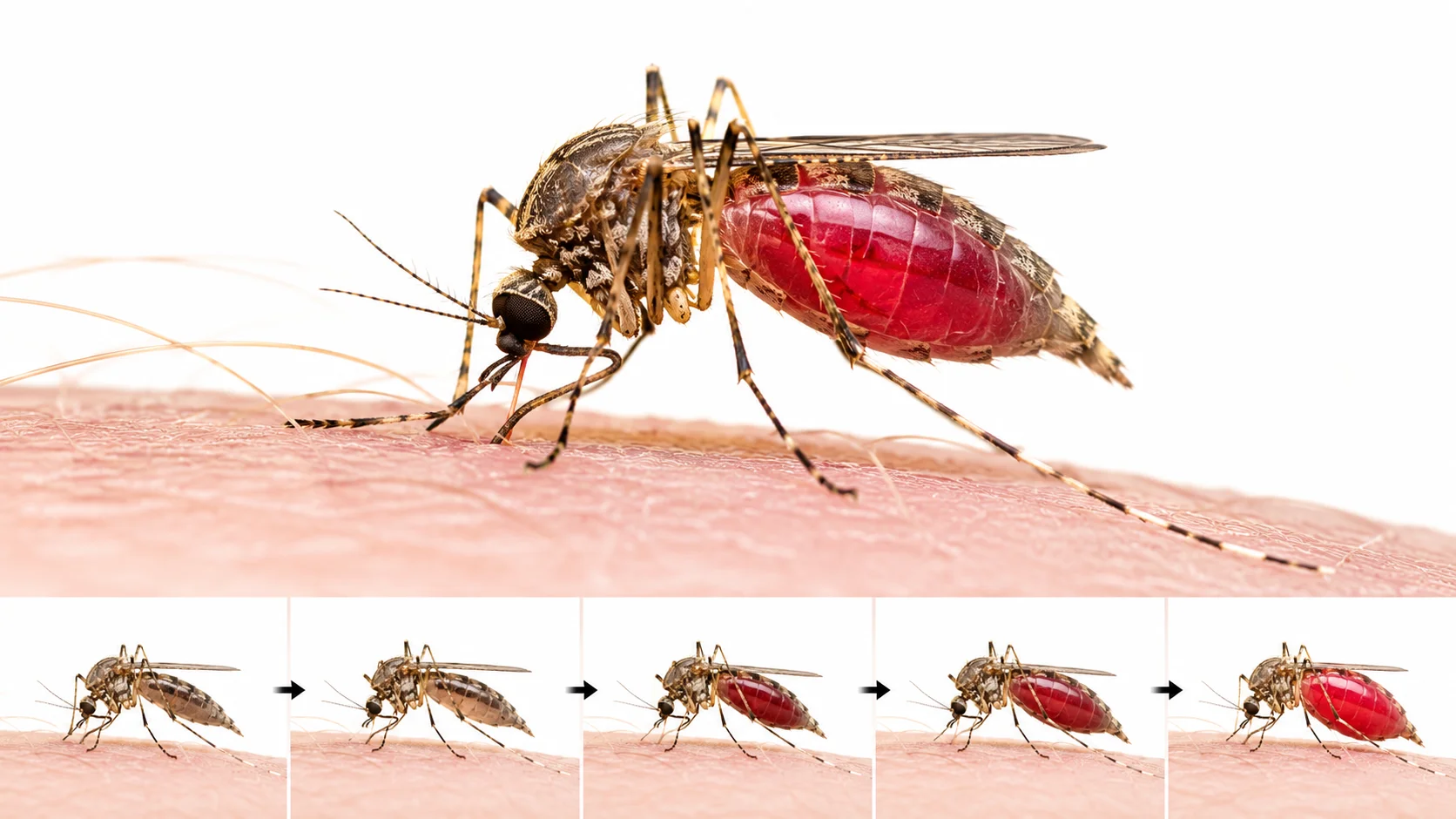
Blood
Why Do Mosquitoes Need Blood?
Only female mosquitoes bite, and they are not hungry. They need blood to make eggs.
Open article ->
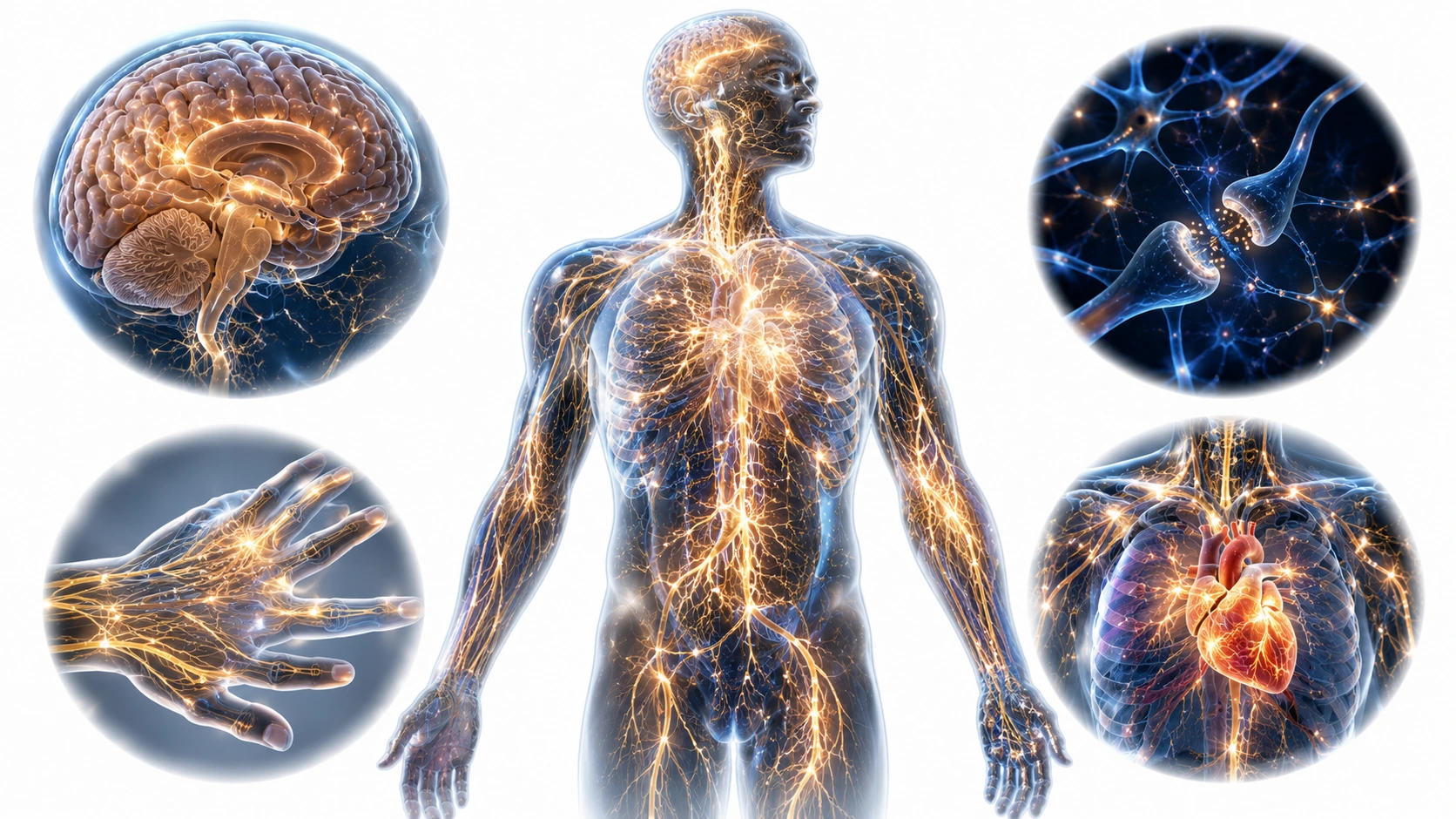
Human Body
Why Does the Human Body Produce Electricity?
Your body is running on electricity right now. Every thought, heartbeat, and muscle twitch is powered by tiny electrical signals your cells fire constantly.
Open article ->
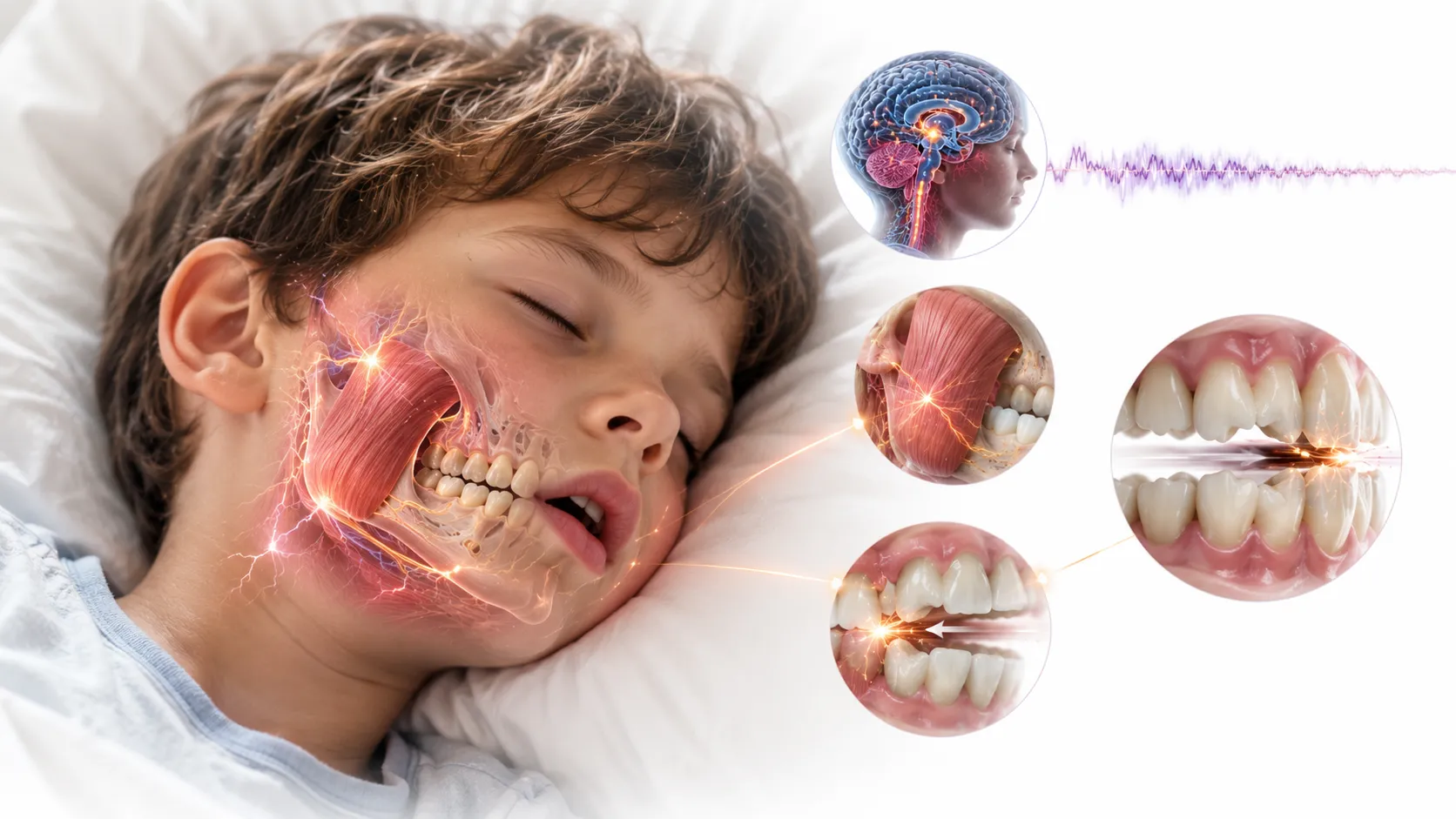
Children
Why Do Children Grind Their Teeth?
Many children grind their teeth during sleep. The behavior is surprisingly common and often disappears as they grow older.
Open article ->
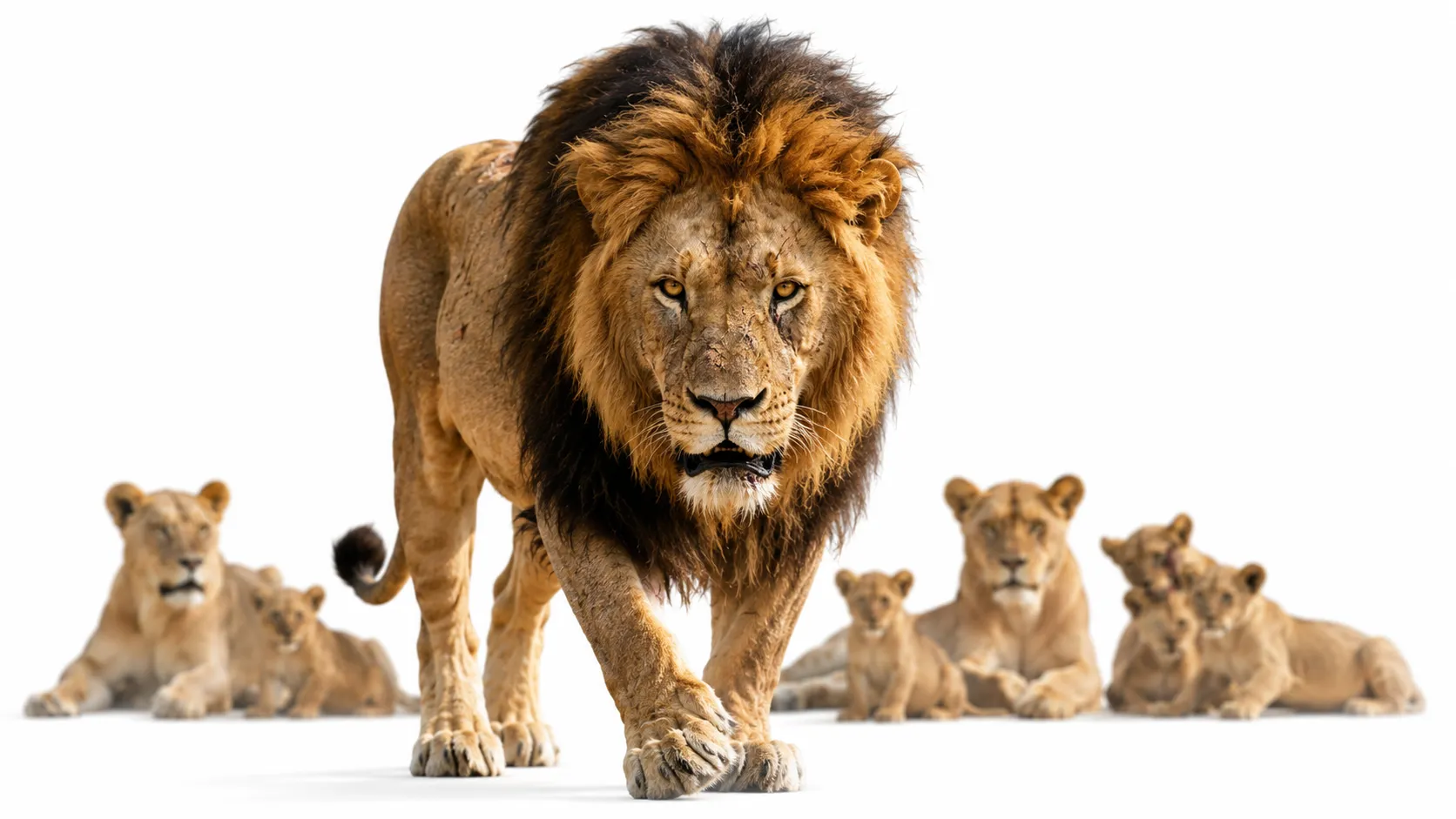
Animal Behavior
Why Do Lions Kill Cubs?
Male lions killing cubs looks like cruelty, but it follows a brutal evolutionary logic tied to reproduction, pride takeovers, and limited time.
Open article ->
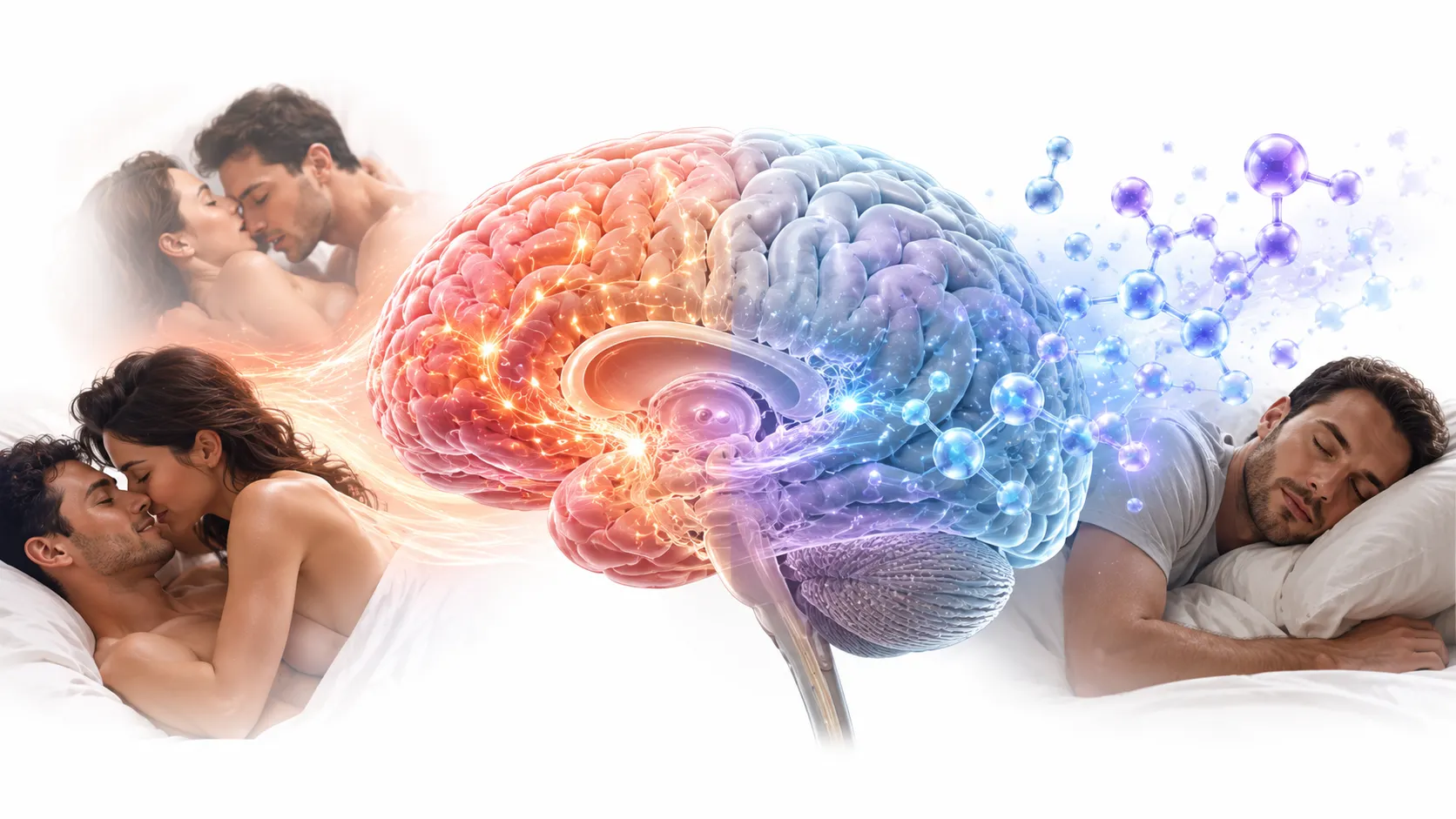
Human Body
Why Does Sex Make You Sleepy?
Falling asleep right after sex is not laziness, it is a cocktail of neurochemicals, physical exertion, and ancient biology. And it is not just men.
Open article ->
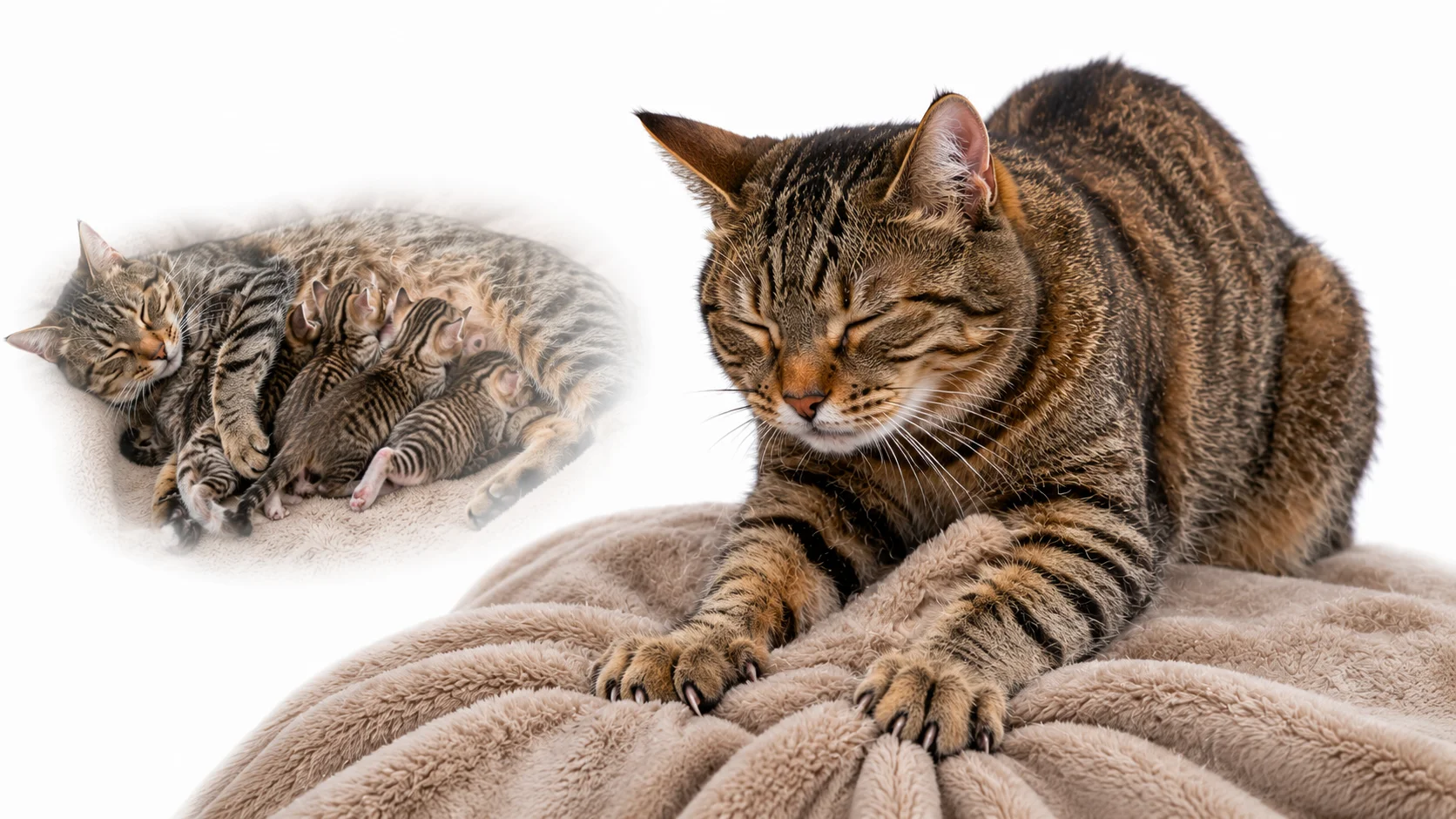
Animal Behavior
Why Do Cats Make Biscuits?
Cats knead because of an instinct that begins in kittenhood. It is part comfort, part memory, and part scent marking.
Open article ->
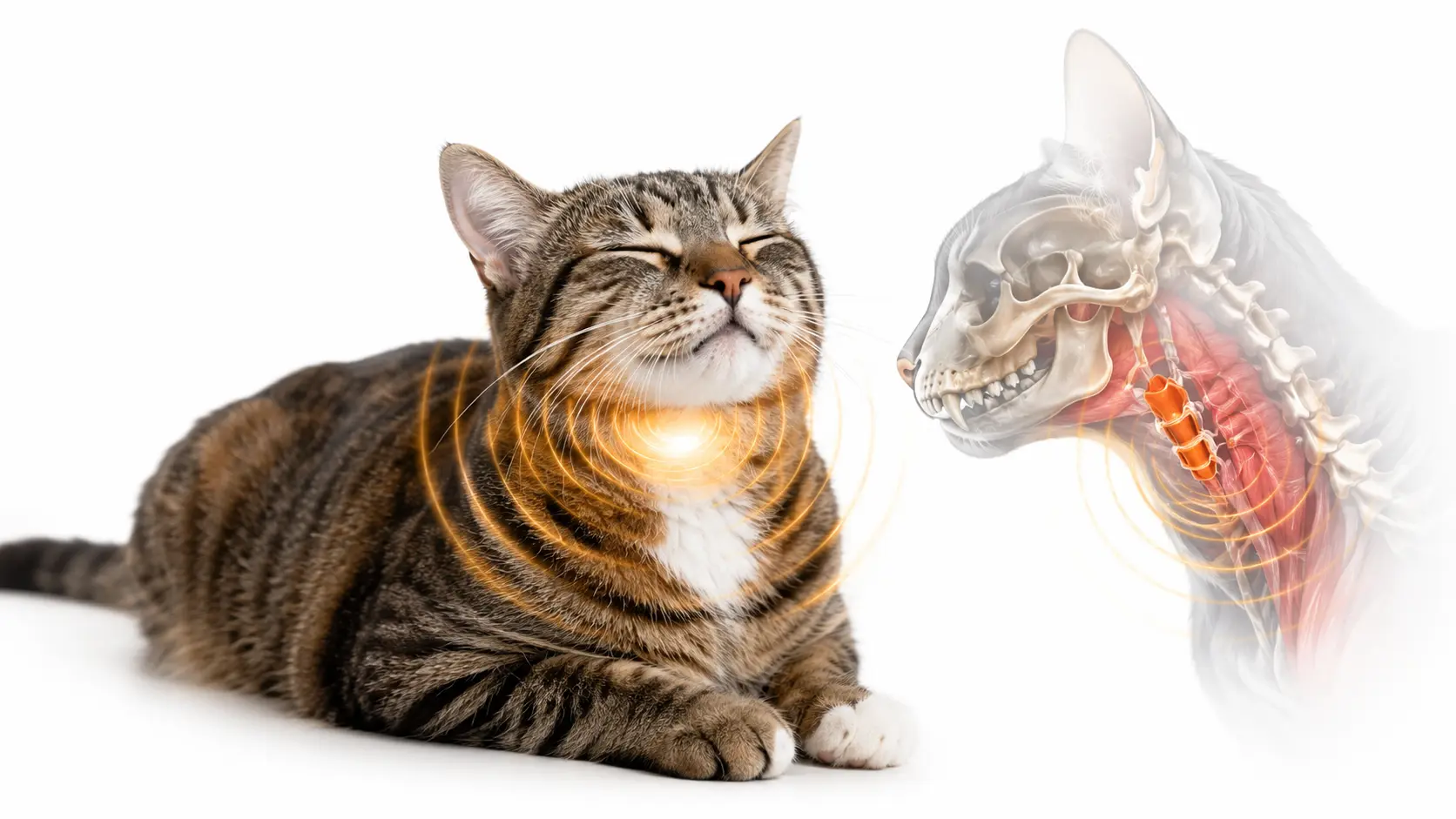
Animal Behavior
Why Do Cats Purr?
Cats purr when they are happy, but also when they are stressed, injured, or recovering. The purr is more than a sound of contentment.
Open article ->
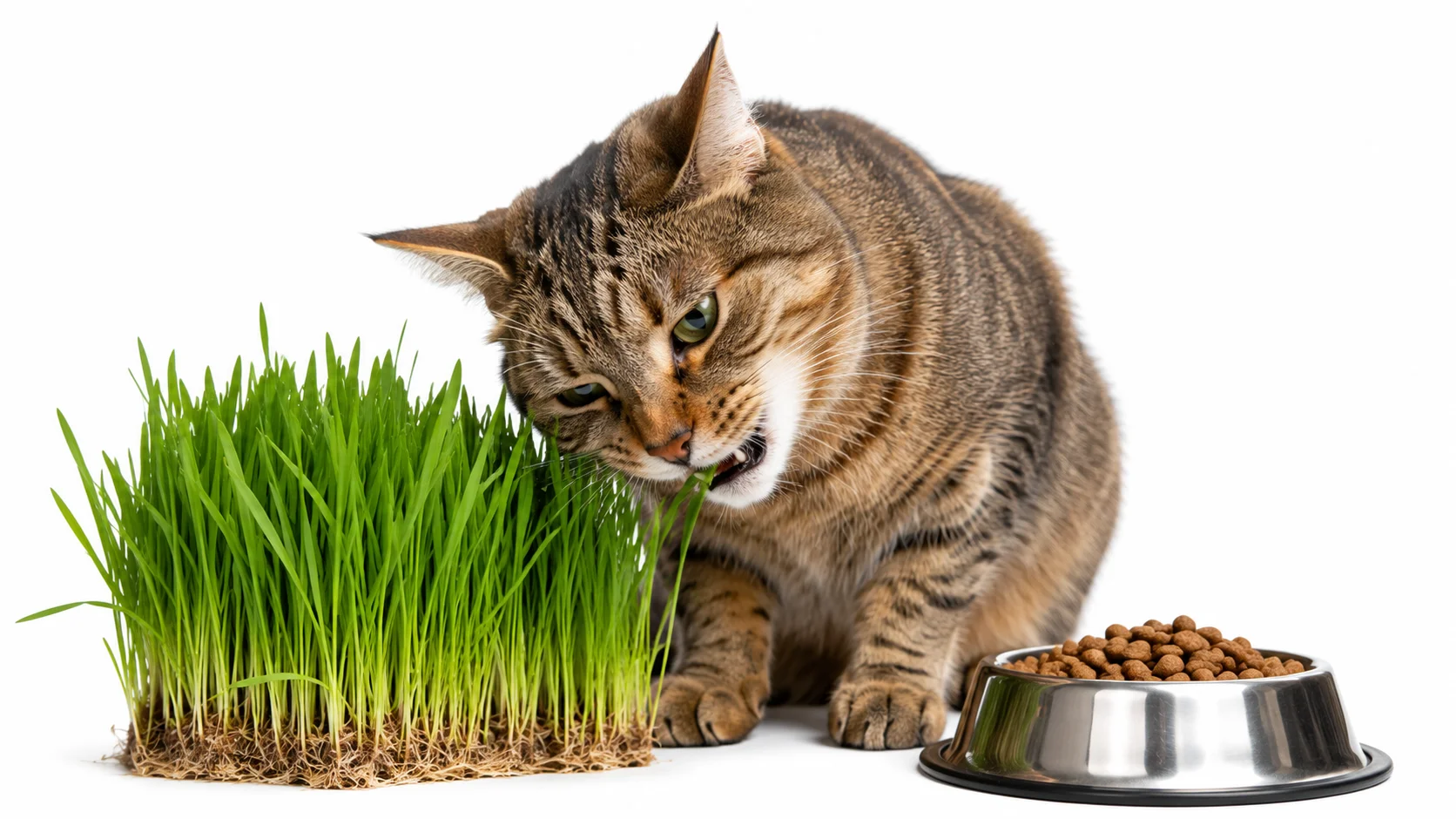
Animal Behavior
Why Do Cats Eat Grass?
Cats are meat eaters, yet many still chew grass. The habit may help with hairballs, digestion, and an old instinct that never disappeared.
Open article ->
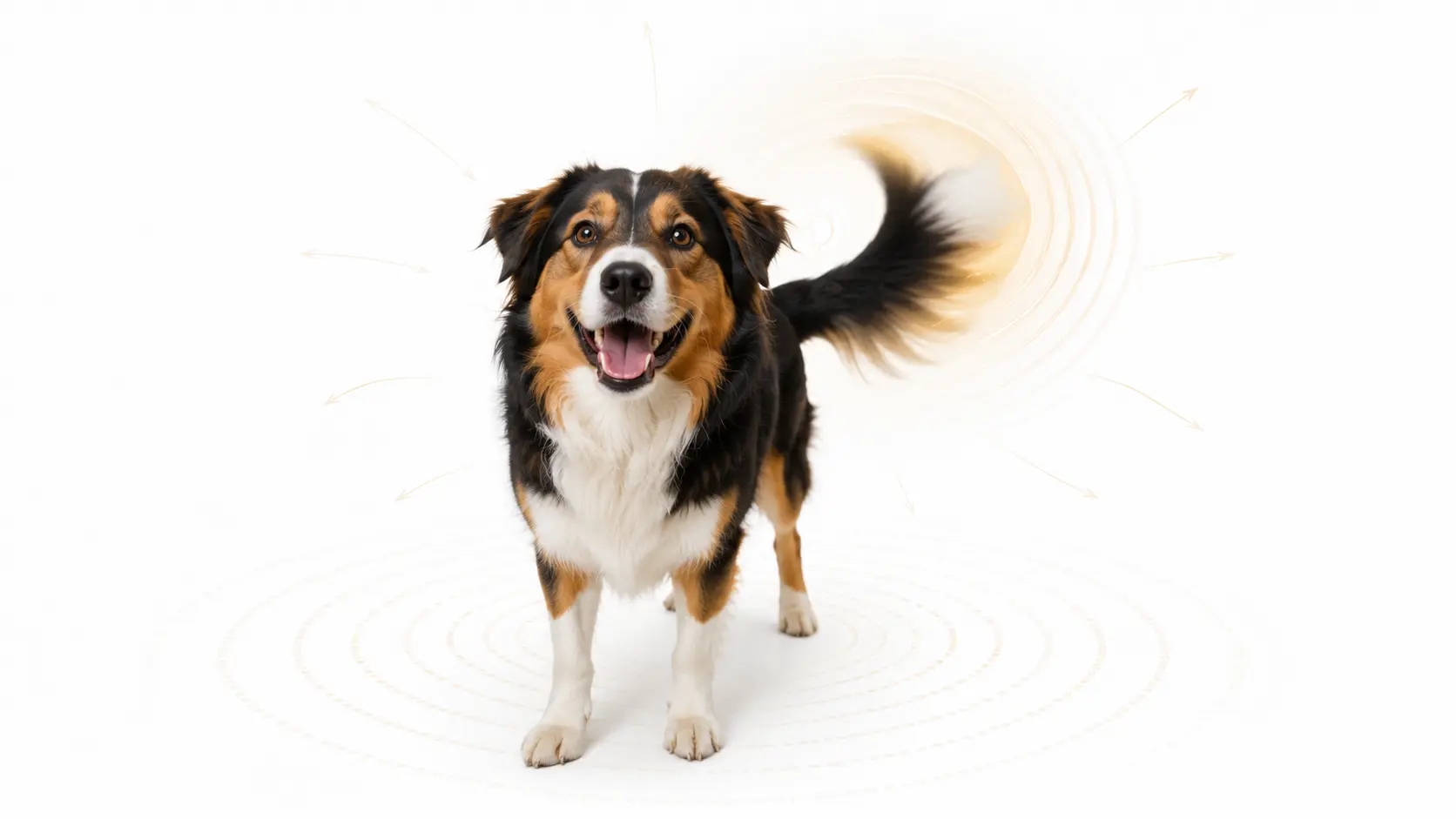
Animal Behavior
Why Do Dogs Wag Their Tails?
Dogs wag their tails to communicate emotions and intentions, but a wag does not always mean happiness.
Open article ->
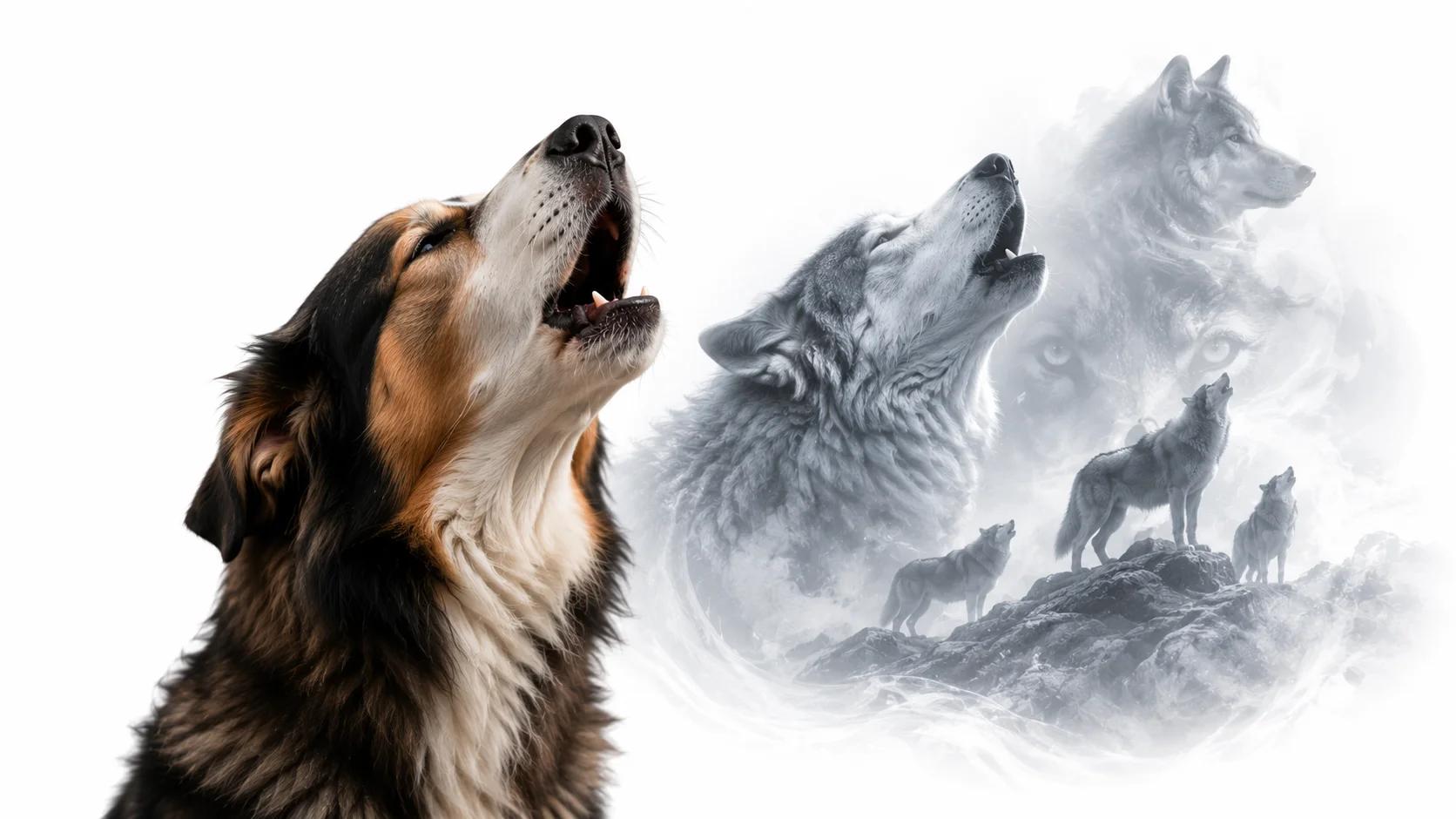
Animal Behavior
Why Do Dogs Howl?
Dogs howl for many reasons, including communication, attention, anxiety, territorial signaling, and responses to certain sounds.
Open article ->
Children
Why Do Children Have Imaginary Friends?
Imaginary friends are not a sign of loneliness or confusion. They are one of the most sophisticated things a young brain can create.
Open article ->
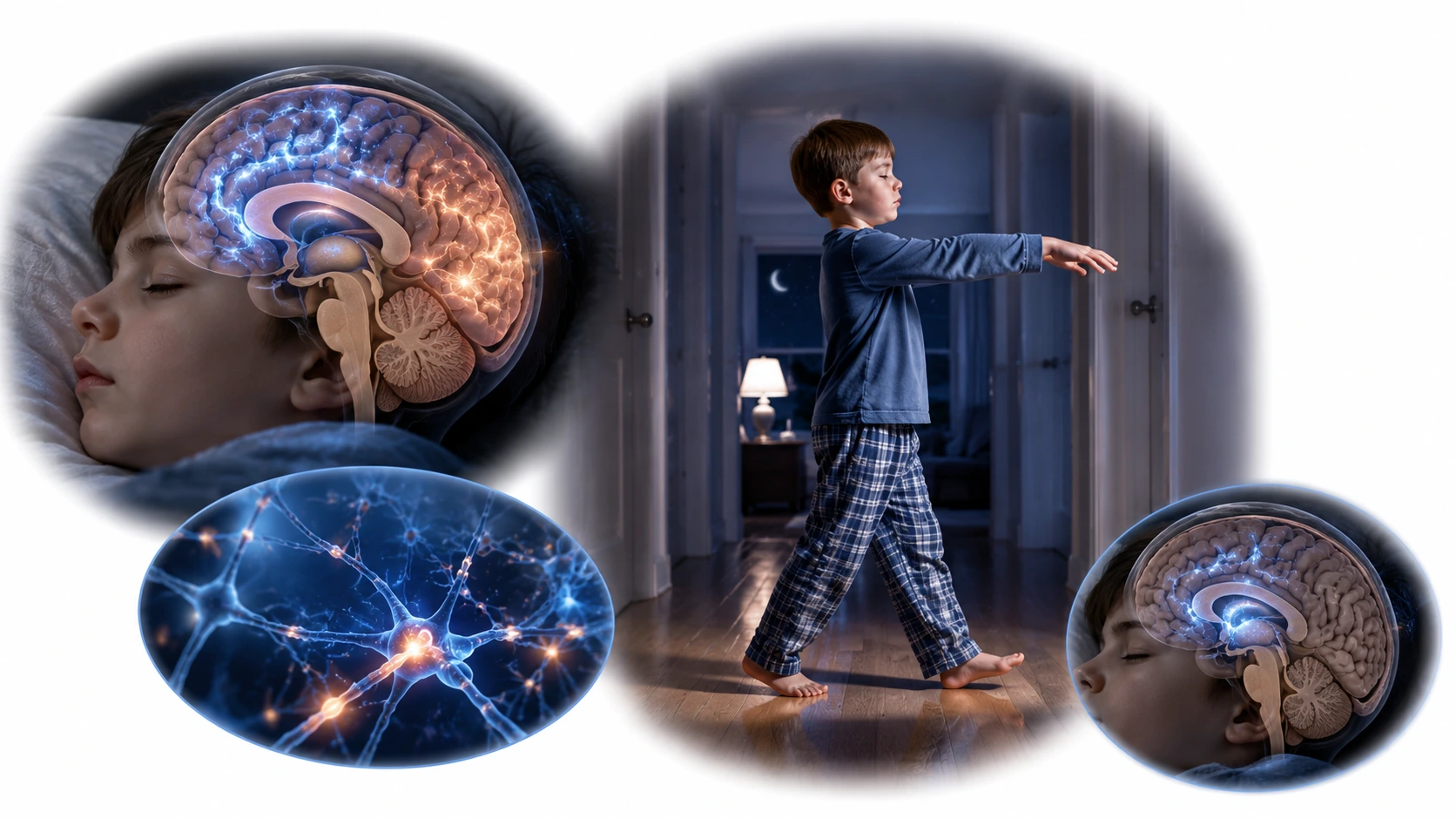
Children
Why Do Children Sleepwalk?
Sleepwalking happens when a child's brain is awake enough to move but asleep enough to remember nothing.
Open article ->
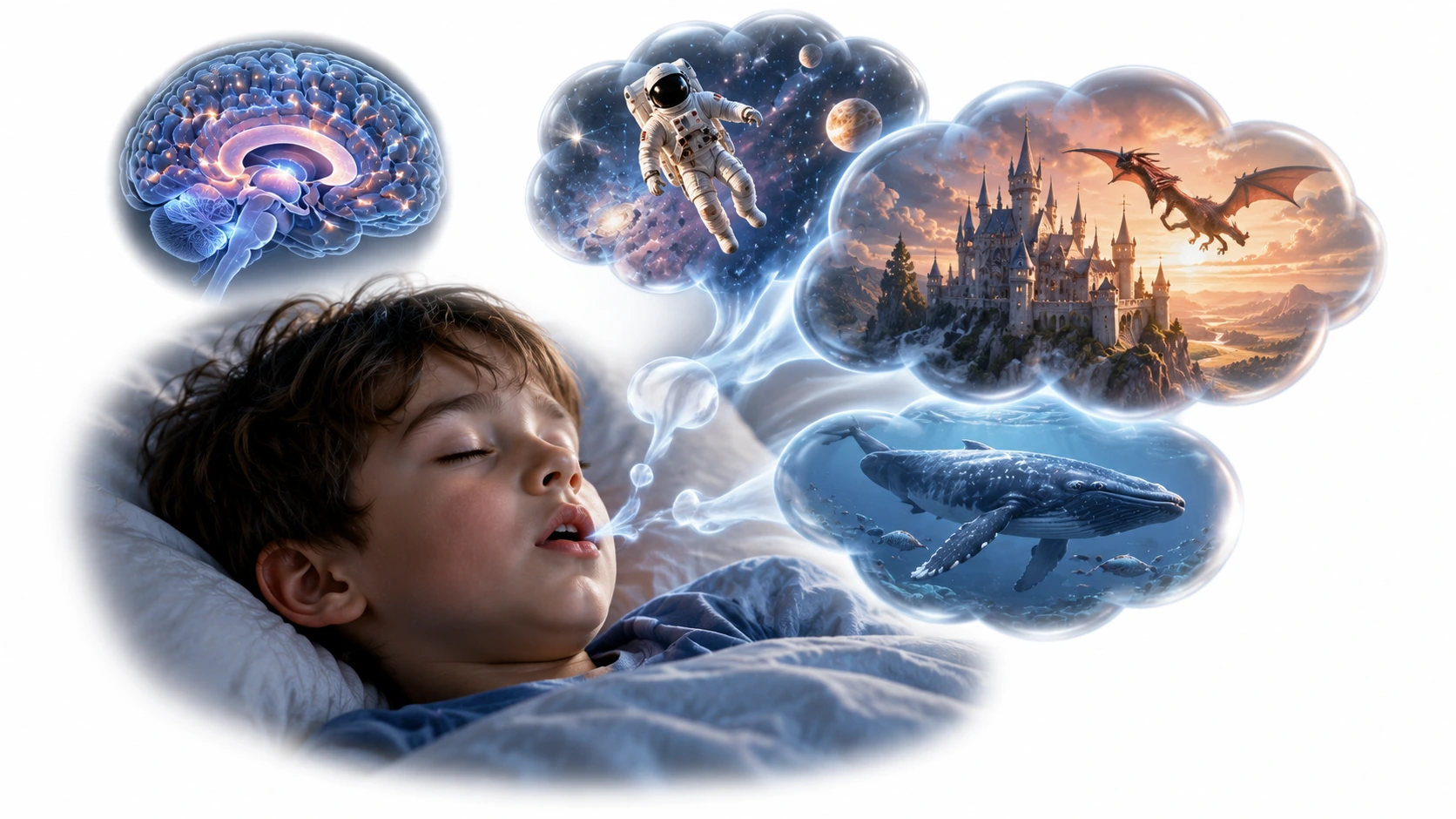
Children
Why Do Children Talk in Their Sleep?
Sleep talking happens when the brain produces speech while the child remains asleep. The words are real, but the speaker is not fully awake.
Open article ->
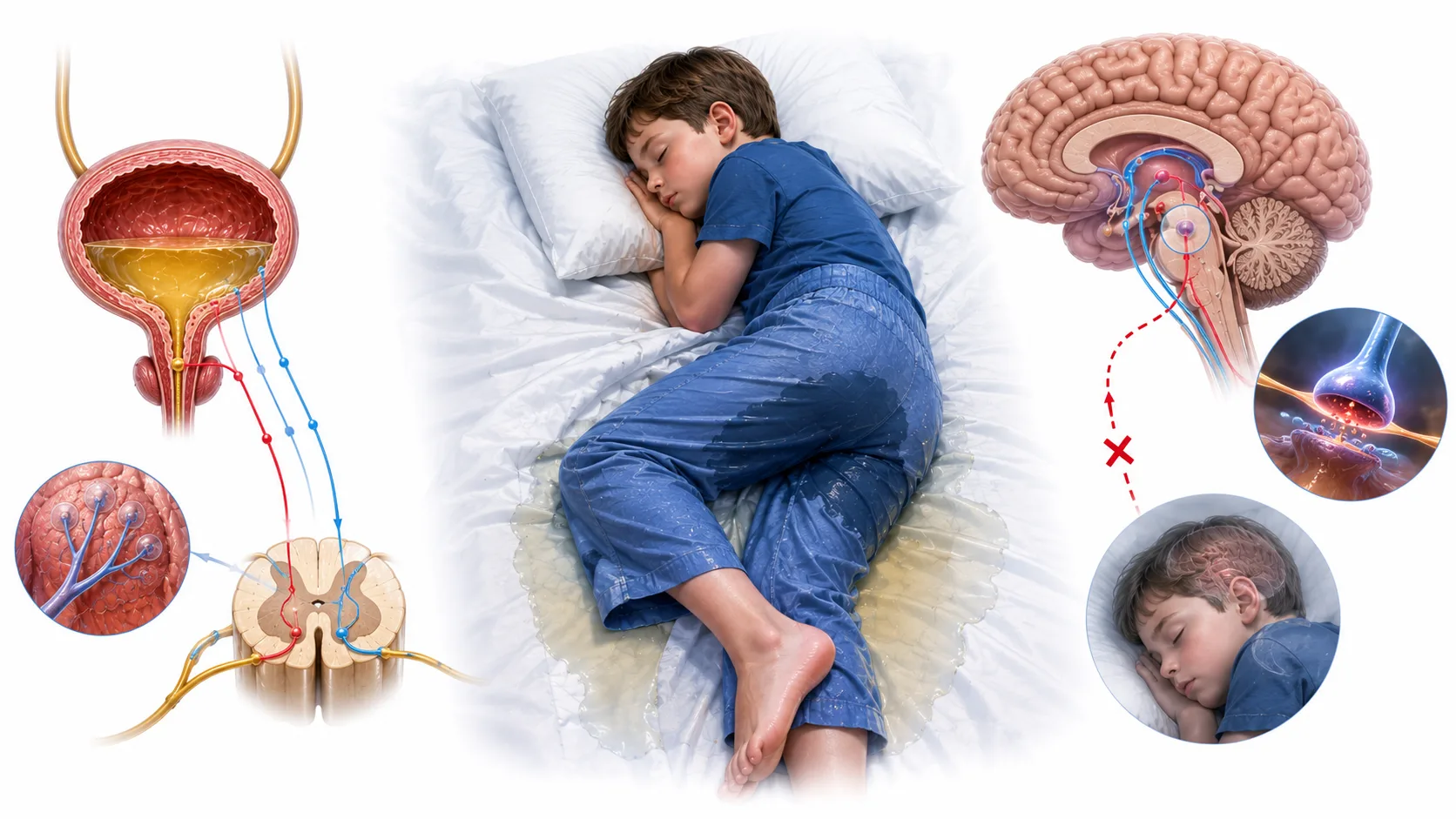
Children
Why Do Children Wet the Bed?
Bedwetting usually happens because the brain, bladder, and sleep systems mature at different speeds. It is far more common than many people realize.
Open article ->
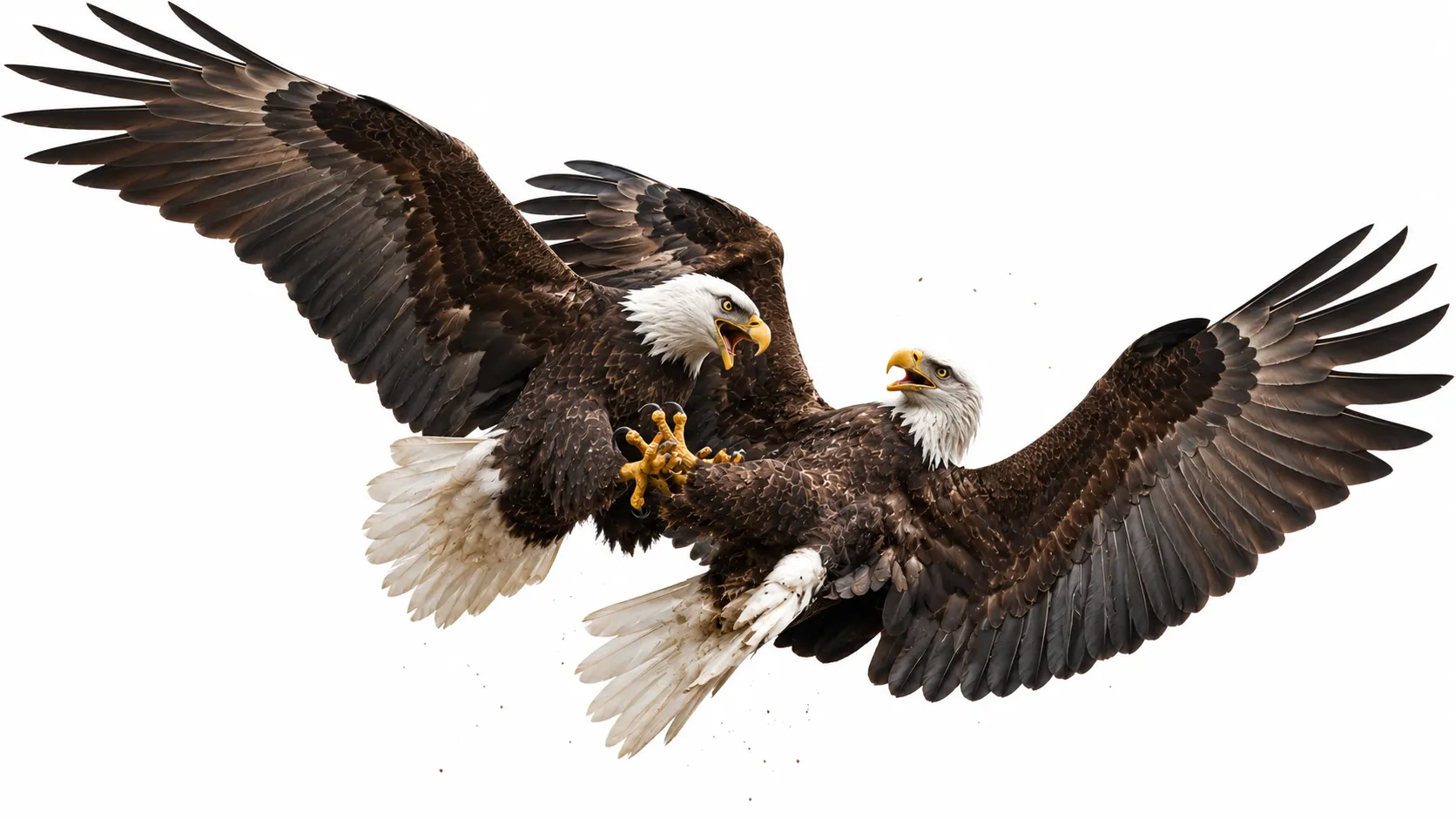
Animal Behavior
Why Do Eagles Lock Talons?
Two eagles locking talons and spiraling toward the ground looks reckless, but the behavior can be either a courtship ritual or a territorial battle.
Open article ->
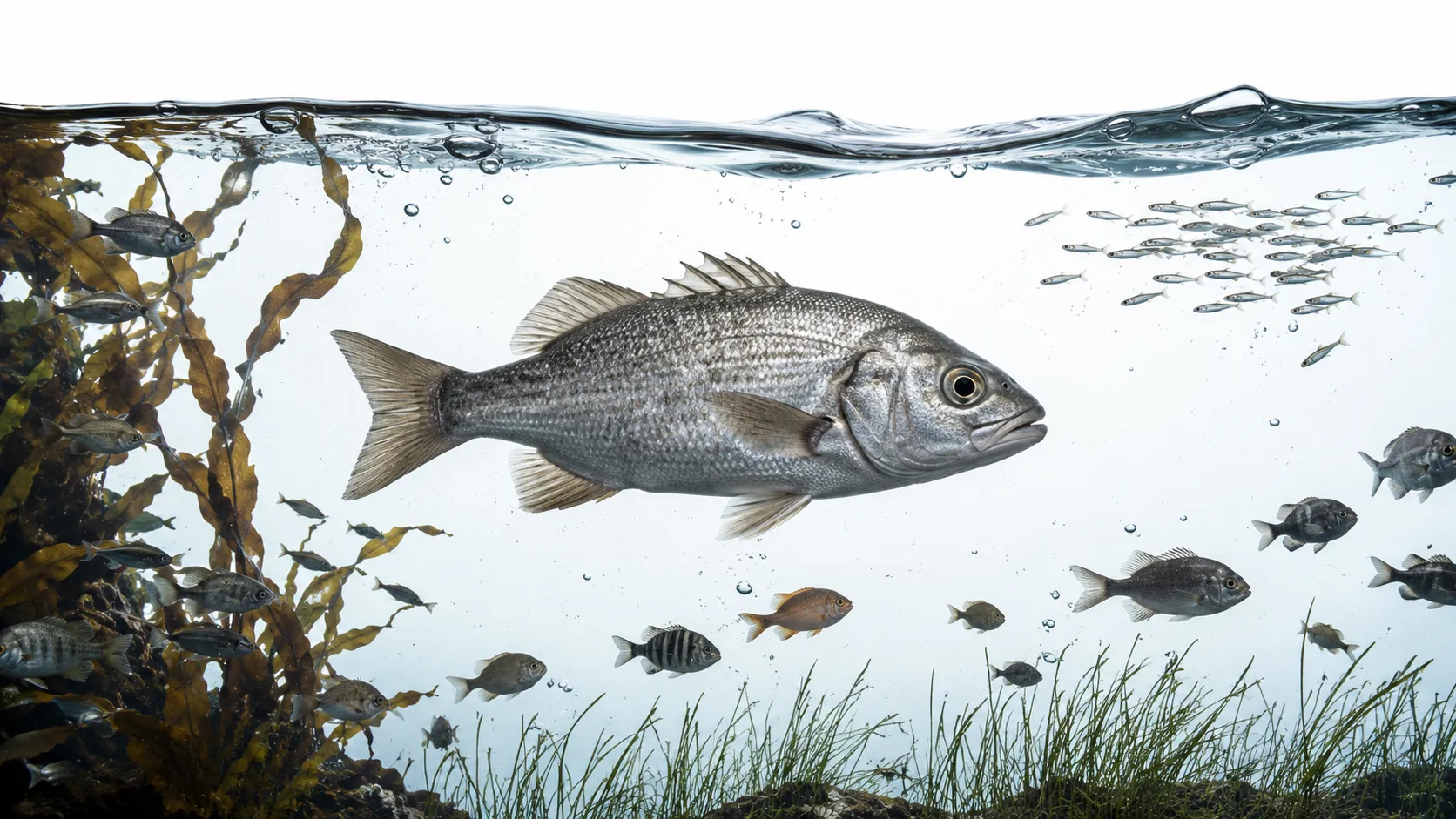
Animal Behavior
Why Do Fish Sleep?
Fish do sleep, but not the way you'd expect. Learn how fish rest without eyelids, what sleep looks like underwater, and what this reveals about the origins of sleep itself.
Open article ->
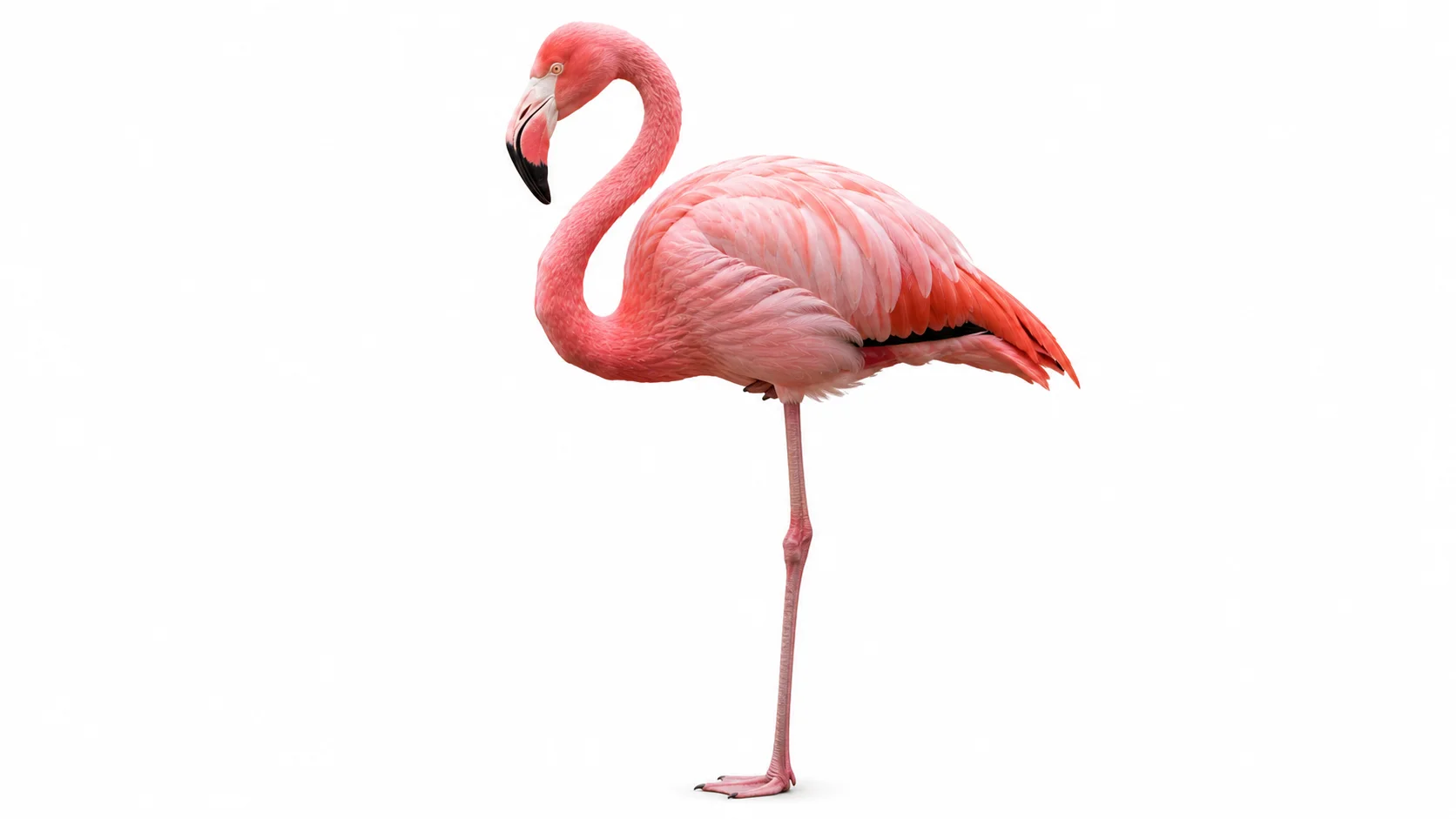
Animal Behavior
Why Do Flamingos Stand on One Leg?
Flamingos spend hours balanced on one leg. What looks uncomfortable may actually help them save energy and reduce heat loss.
Open article ->
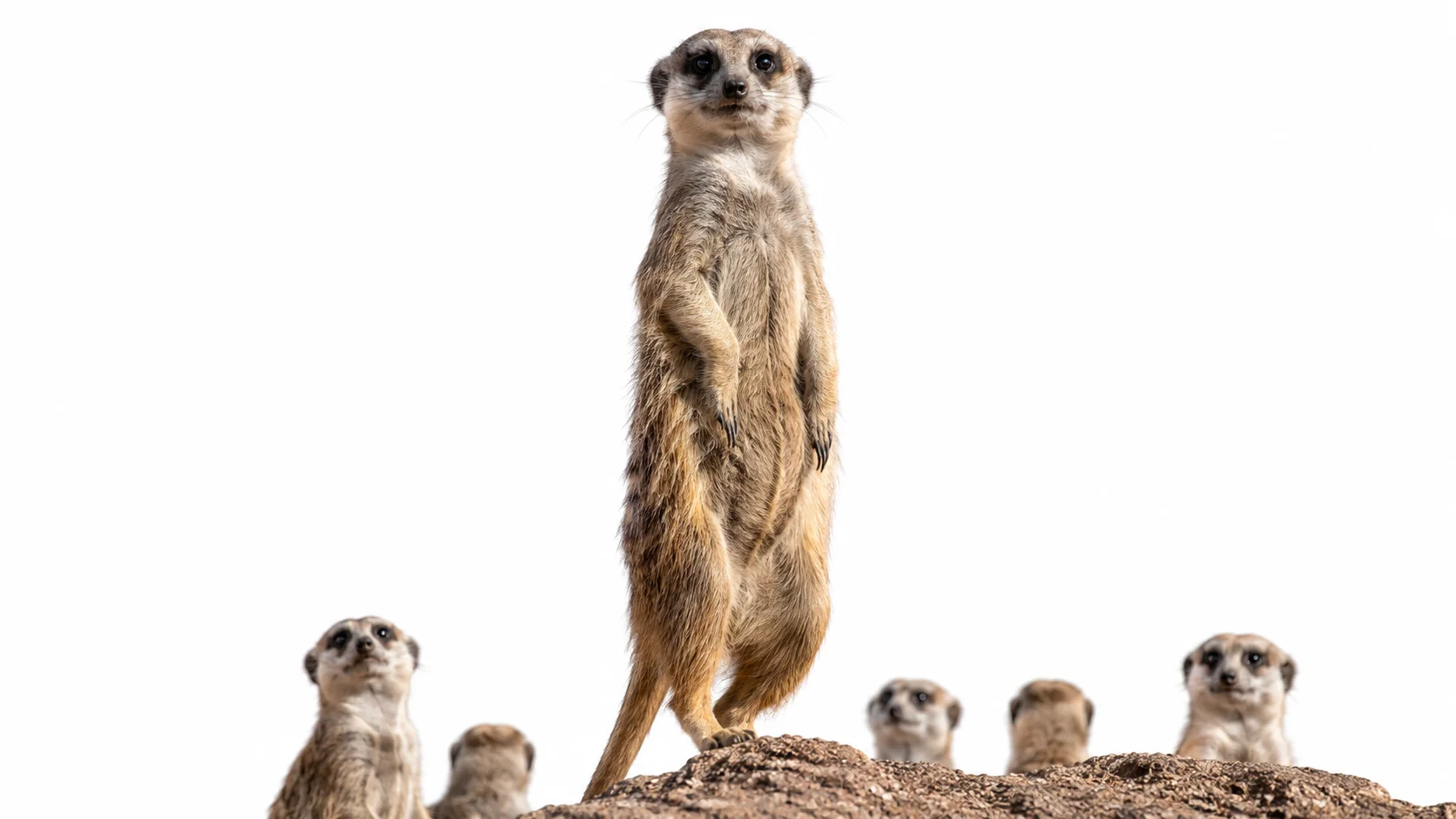
Animal Behavior
Why Do Meerkats Stand Up?
Meerkats often stand upright like tiny people. The posture helps them watch for danger in one of the most predator-filled environments on Earth.
Open article ->
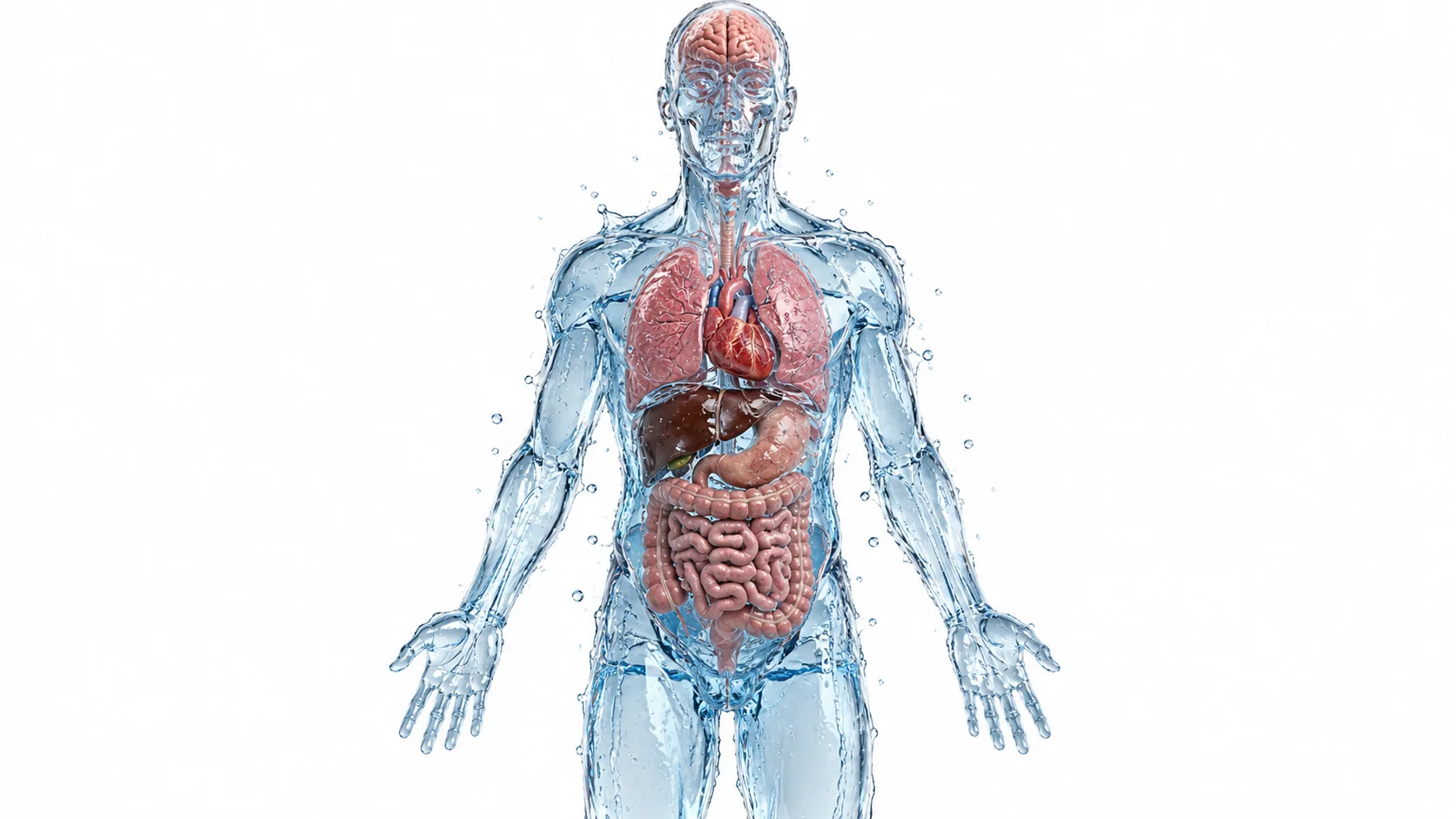
Human Body
Why Is the Human Body Made of Water?
About 60% of your body is water. That number is not a coincidence, it is the chemical foundation that makes life possible at all.
Open article ->
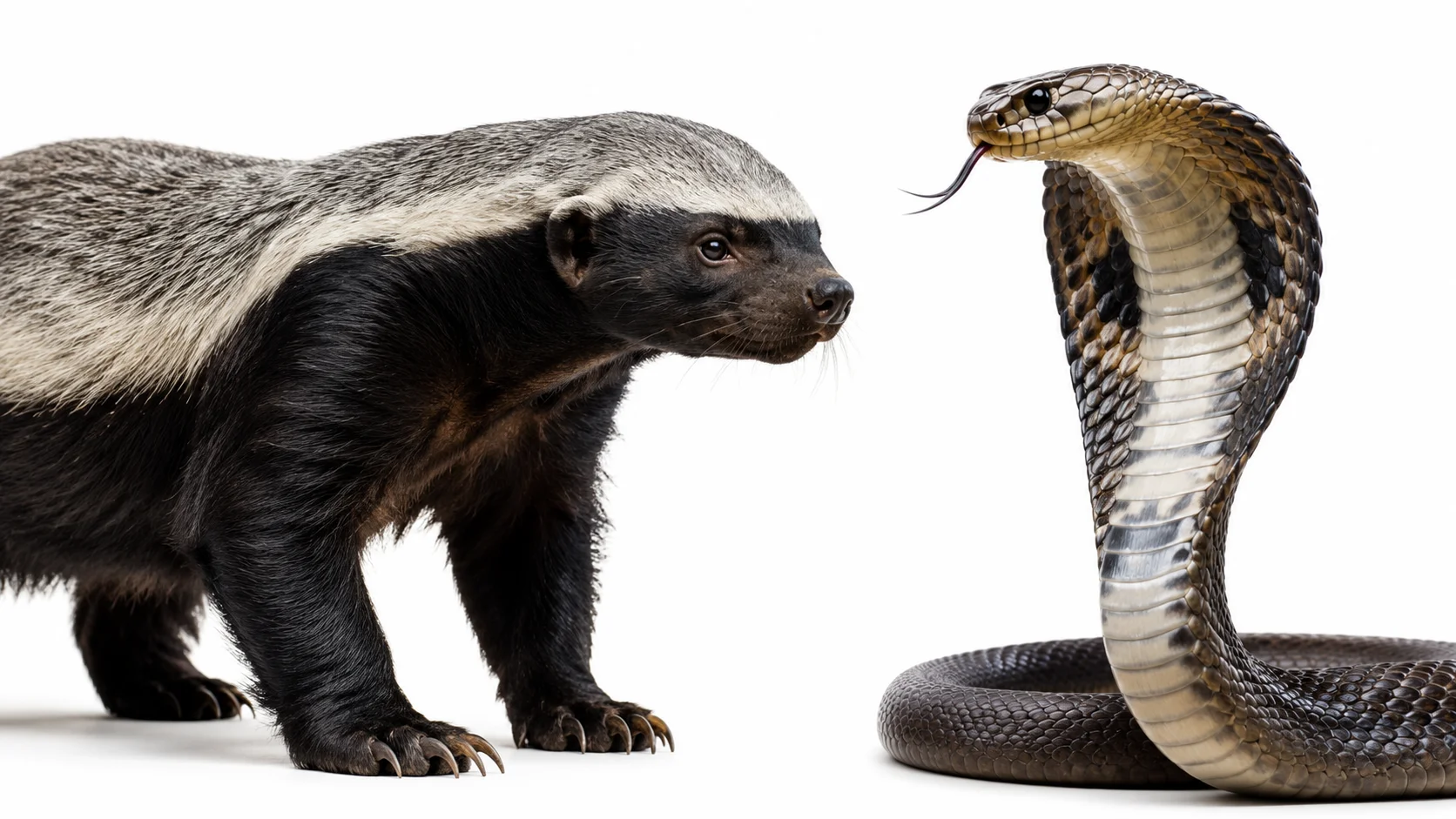
Animal Biology & Behavior
Why Are Honey Badgers So Fearless? The Science Behind Nature's Toughest Animal
Honey badgers fight lions, survive cobra bites, and raid beehives without hesitation. Here is the real biology behind why they act like nothing can stop them.
Open article ->
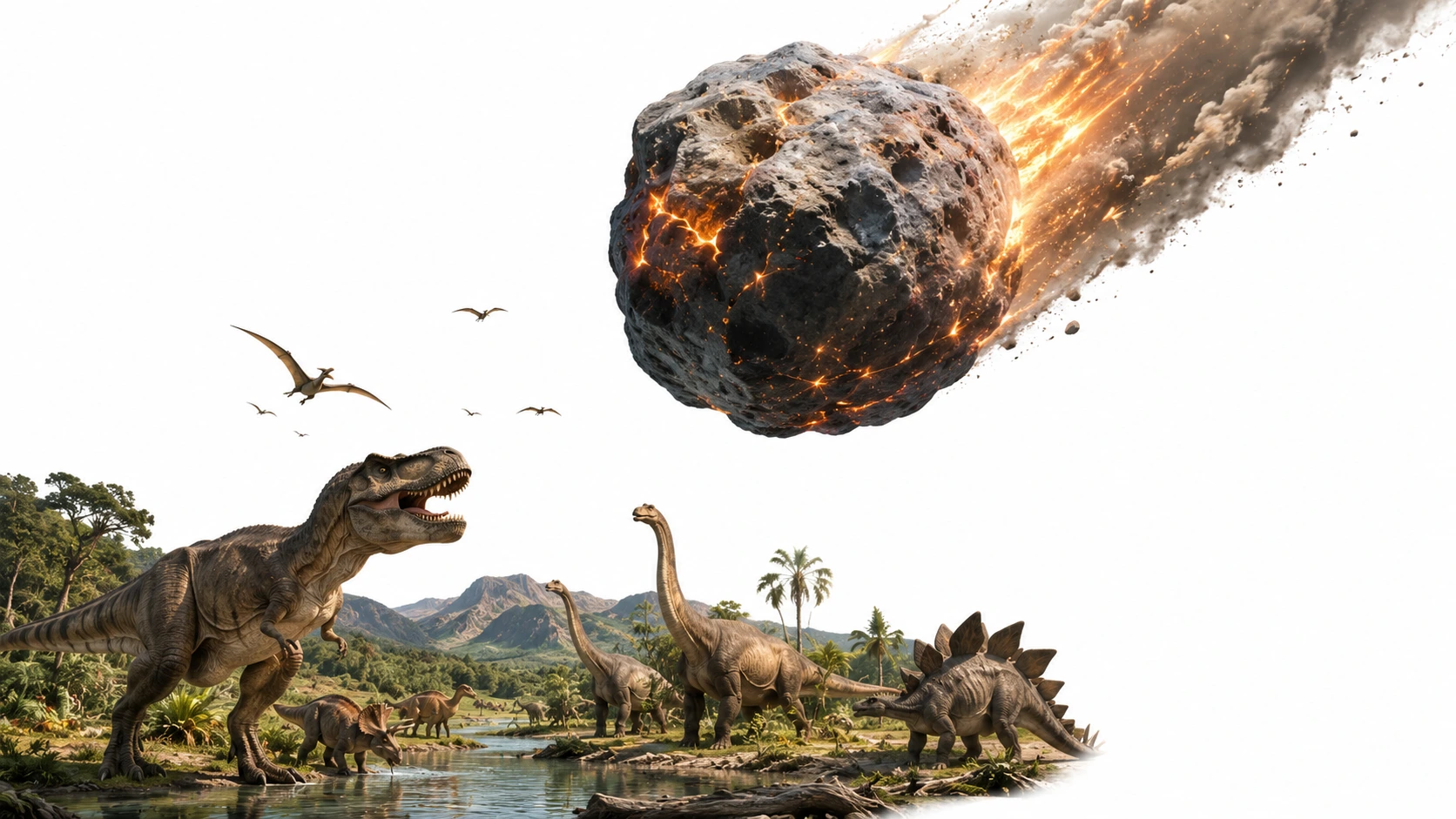
Paleontology
Why Did Dinosaurs Go Extinct?
An asteroid six miles wide hit Earth 66 million years ago. But the impact was just the beginning. Here is the full chain of events that ended the age of dinosaurs.
Open article ->
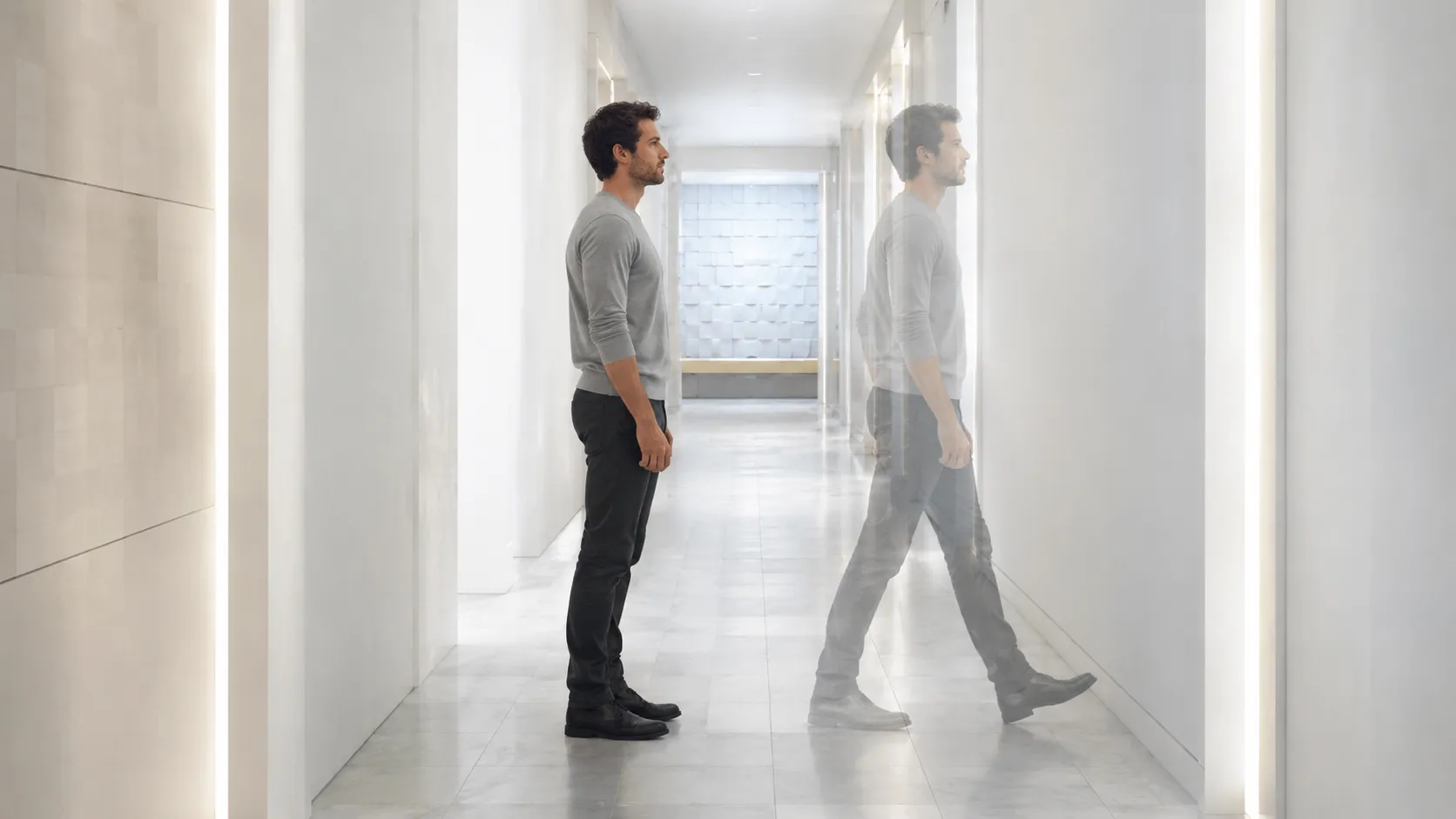
Brain Science Explained
Why Do We Get Déjà Vu?
Déjà vu happens when your brain's familiarity system fires without a matching memory to back it up, creating a convincing sense that a brand-new moment has happened before. Scientists still debate the exact mechanism, but the leading explanation involves a brief mismatch between two separate memory systems.
Open article ->
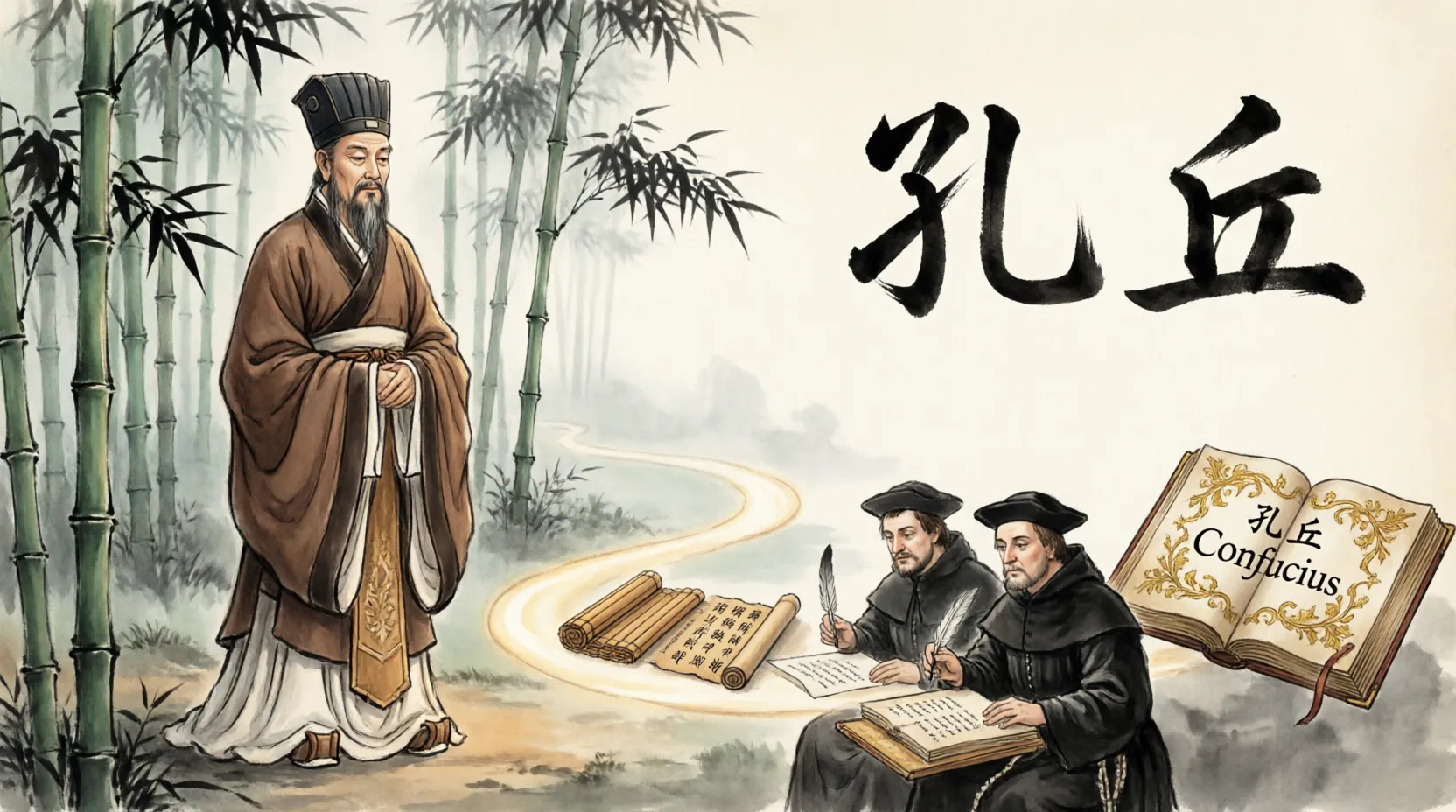
Name Origins
Why Is Confucius Called Confucius?
Confucius was not his real name. His actual name was Kong Qiu, and his honorific title was Kong Fuzi. Find out how a Chinese philosopher ended up with a Latin name.
Open article ->
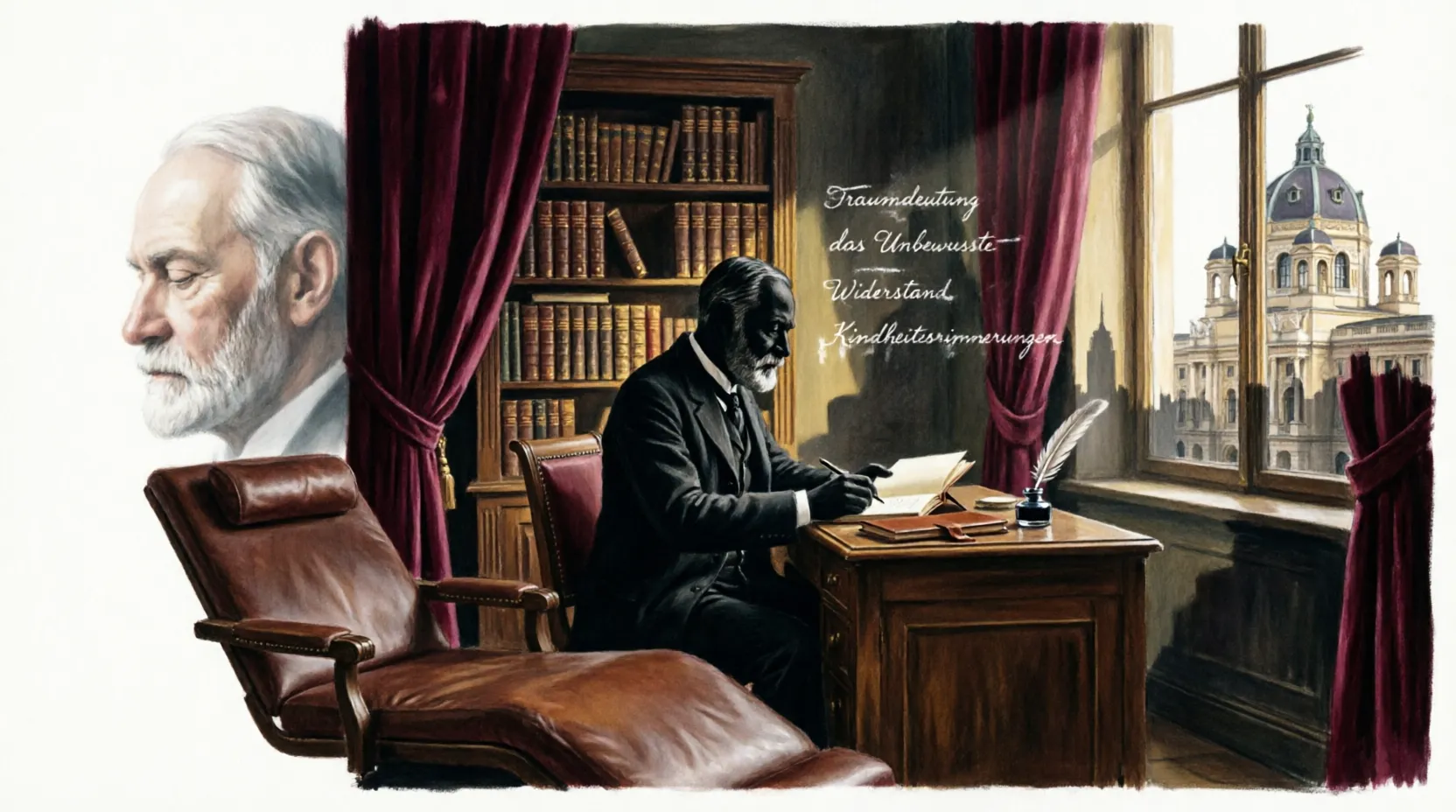
Psychology
Why Was Sigmund Freud So Sexual?
Freud didn't think about sex for its own sake. He thought repressed sexuality explained almost everything about the human mind. Here's why - and how much modern psychology agrees.
Open article ->
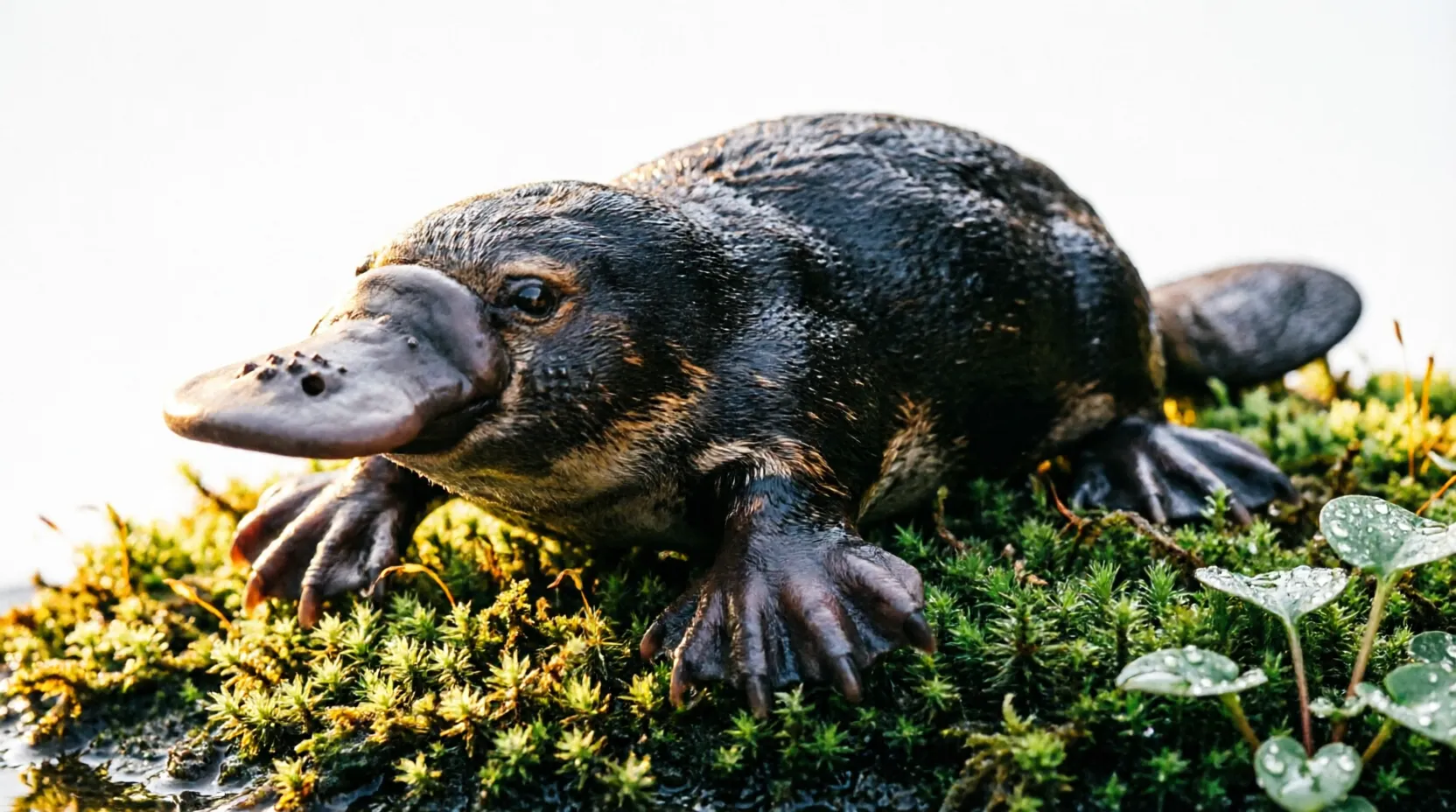
Biology · Evolution · Australia
Why Is the Platypus a Mammal If It Lays Eggs?
Open article ->
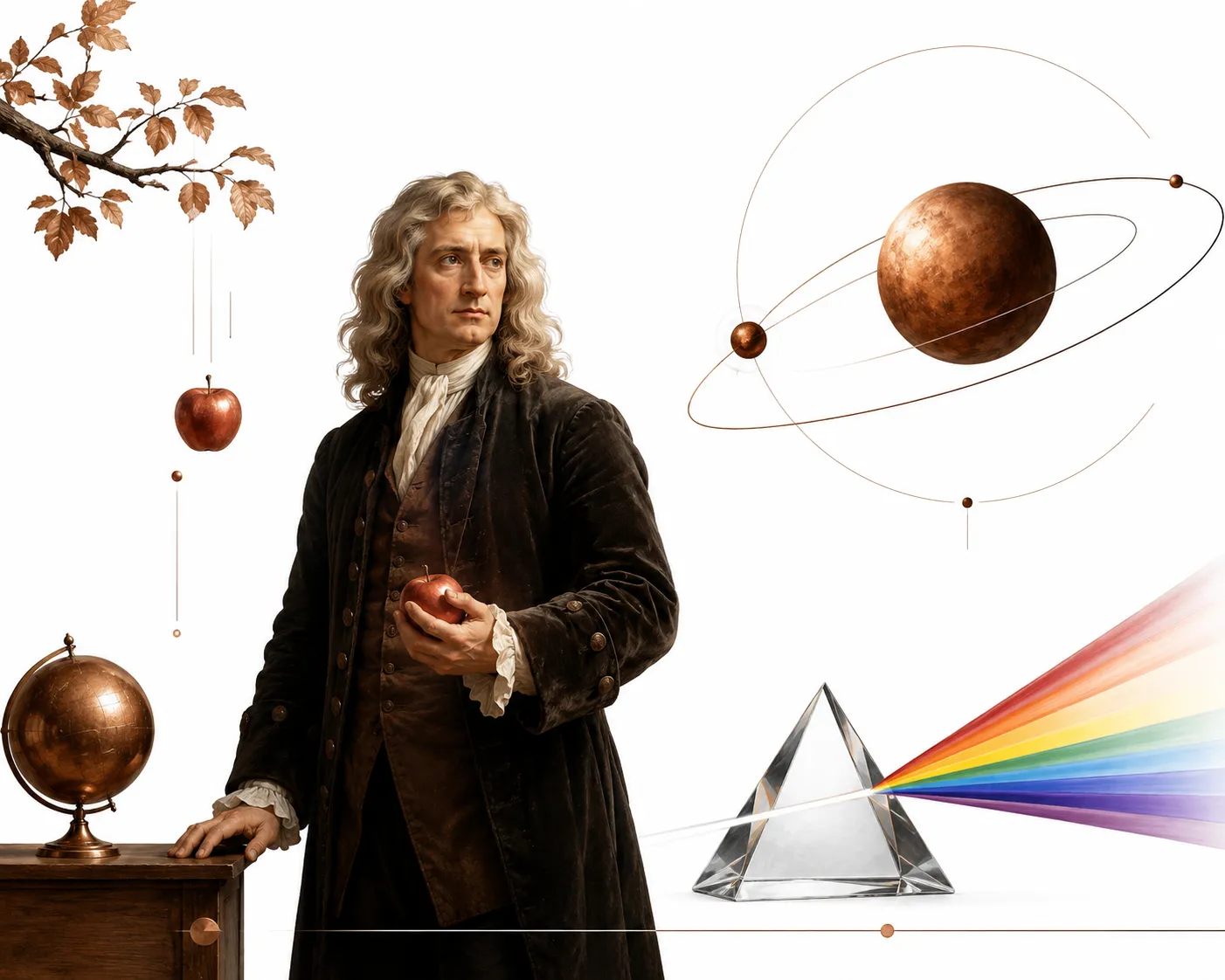
History of Science
Why Is Isaac Newton Famous?
Open article ->
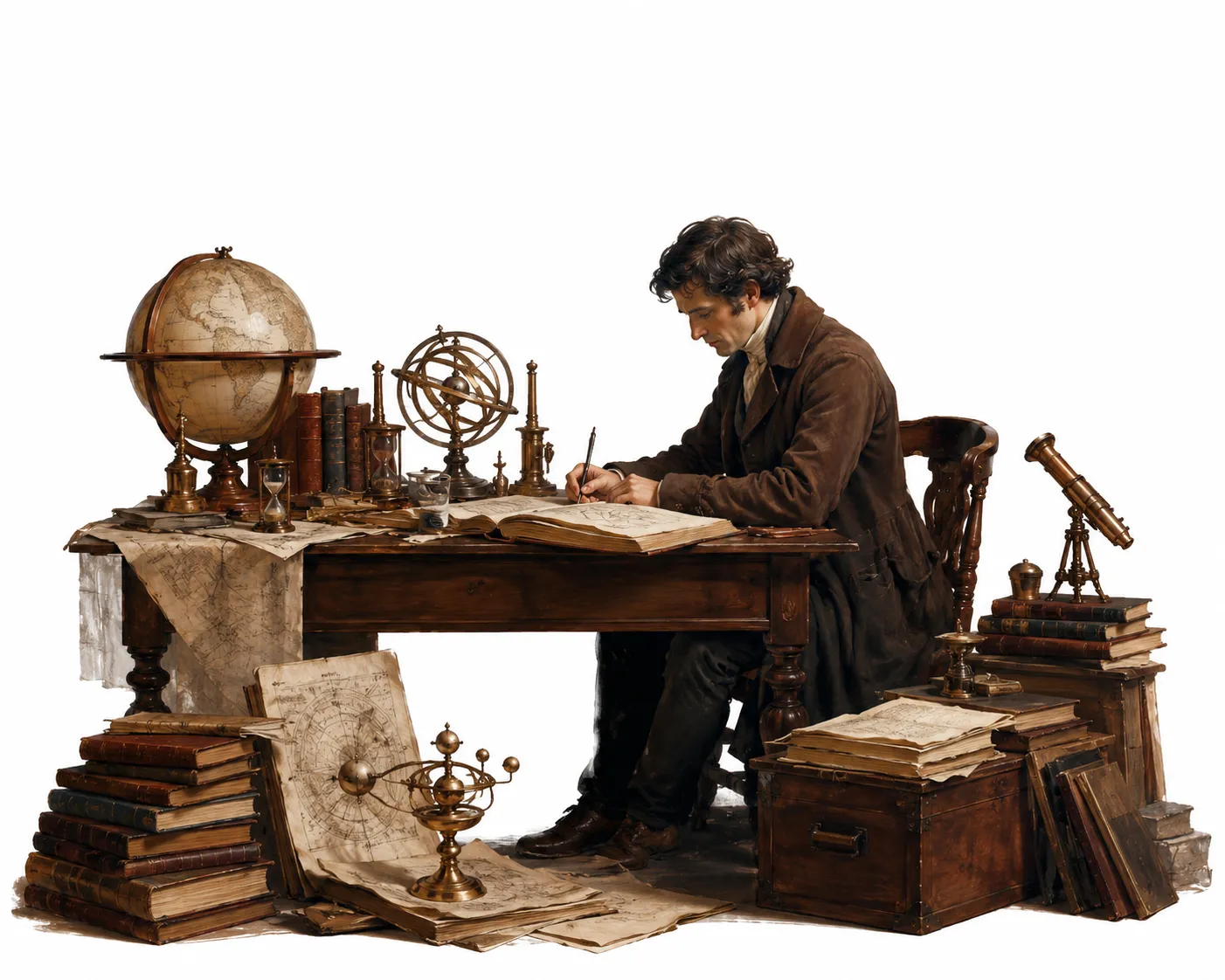
Historical Biography
Why Did Isaac Newton Never Marry?
Open article ->
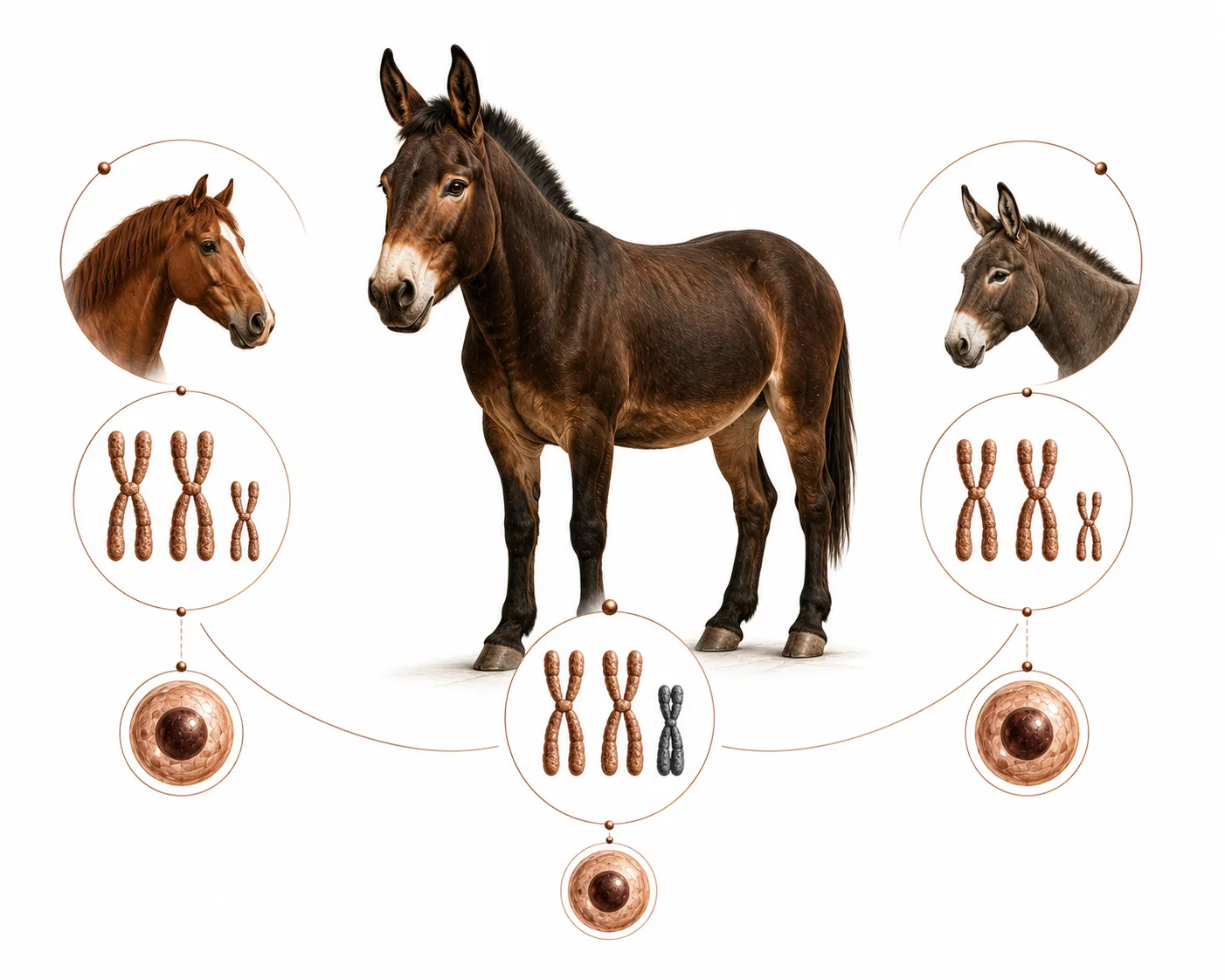
Evolutionary Biology
Why Are Mules Sterile?
Open article ->
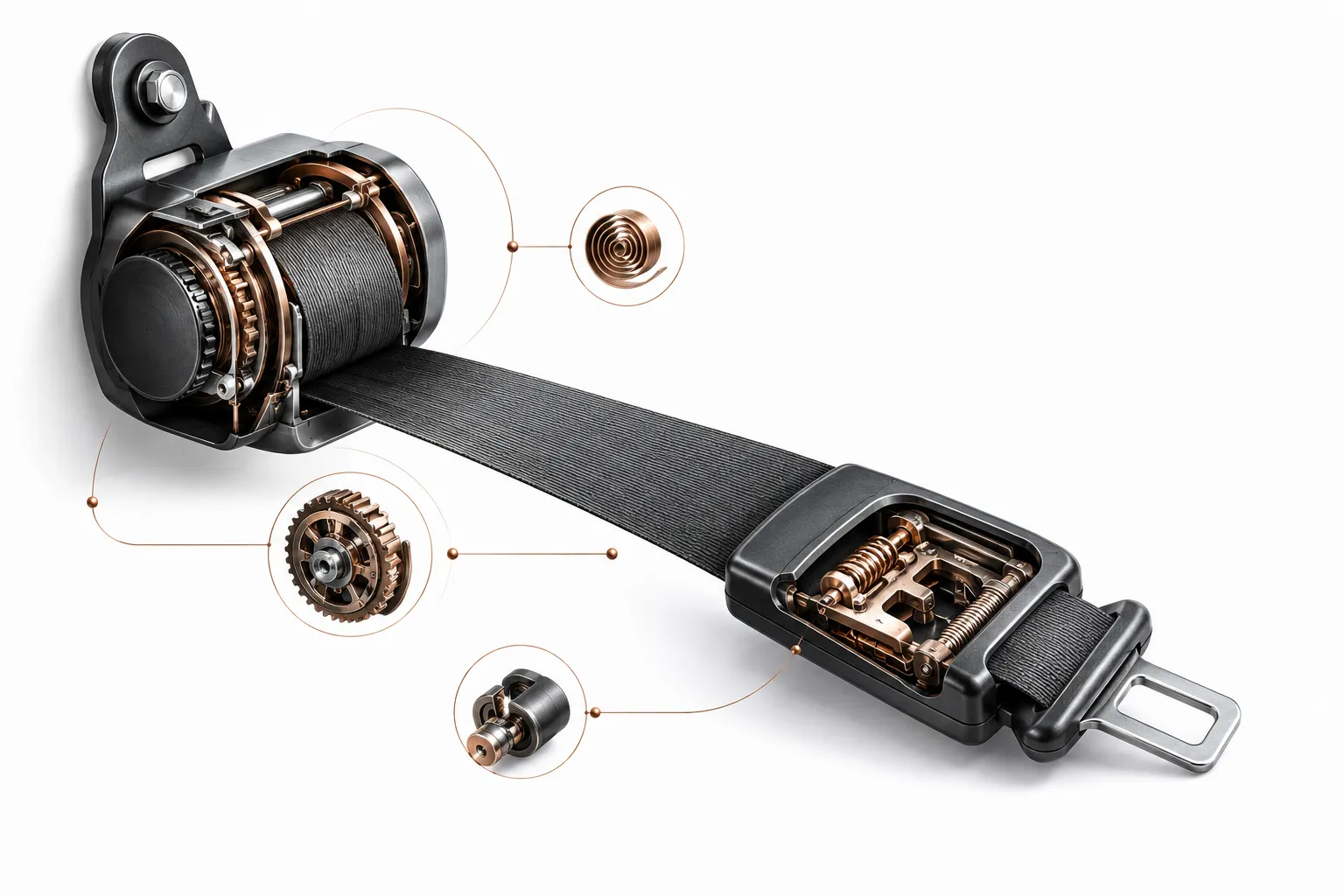
Everyday Life
Why Do Seatbelts Lock Suddenly?
Open article ->

SCIENCE HISTORY
Why Was Galileo Put on Trial?
Open article ->
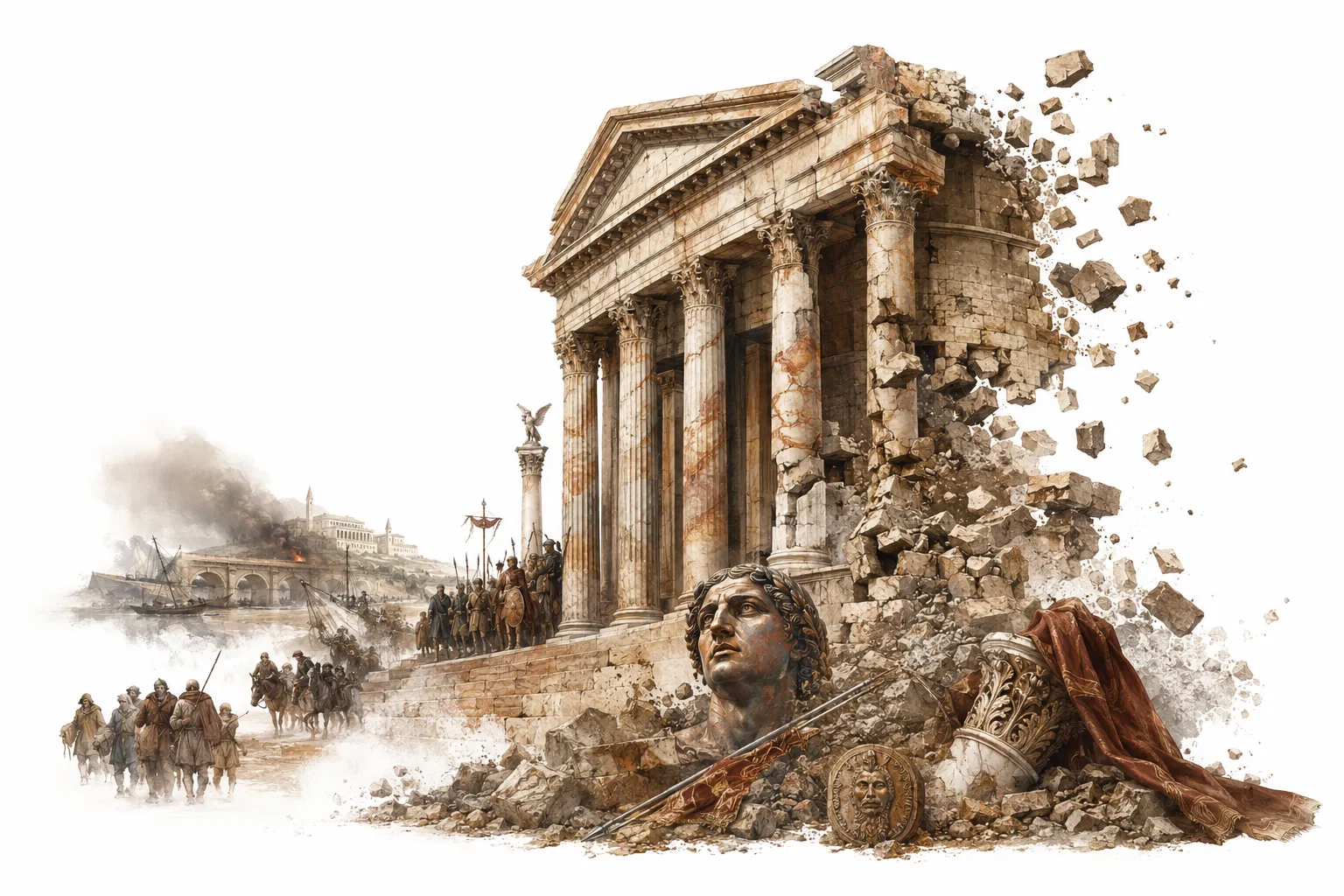
ANCIENT HISTORY
Why Did the Roman Empire Fall?
Open article ->
ANCIENT ROME
Why Was Julius Caesar Assassinated?
Open article ->
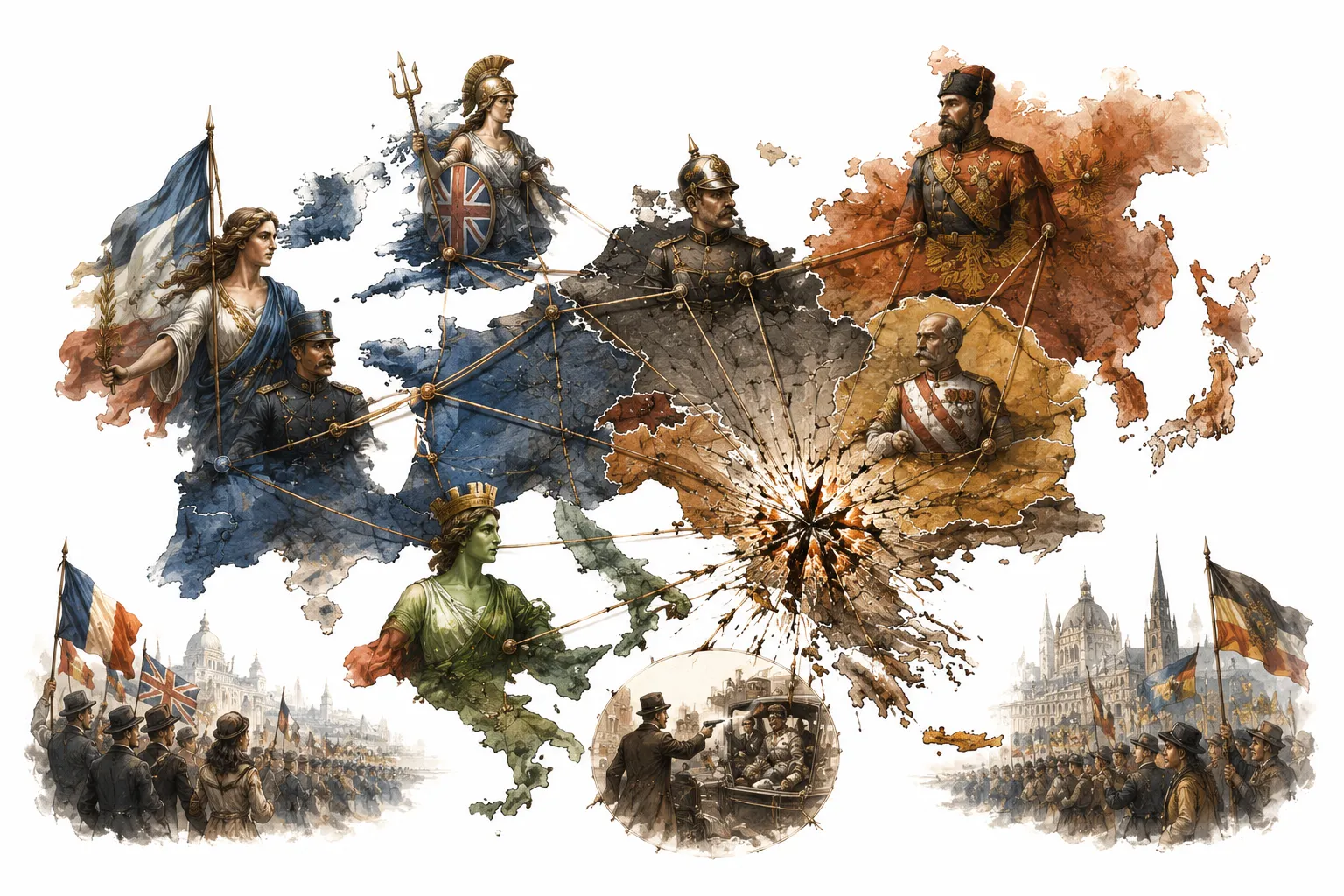
MODERN HISTORY
Why Did World War I Start?
Open article ->

MODERN HISTORY
Why Did World War II Start?
Open article ->
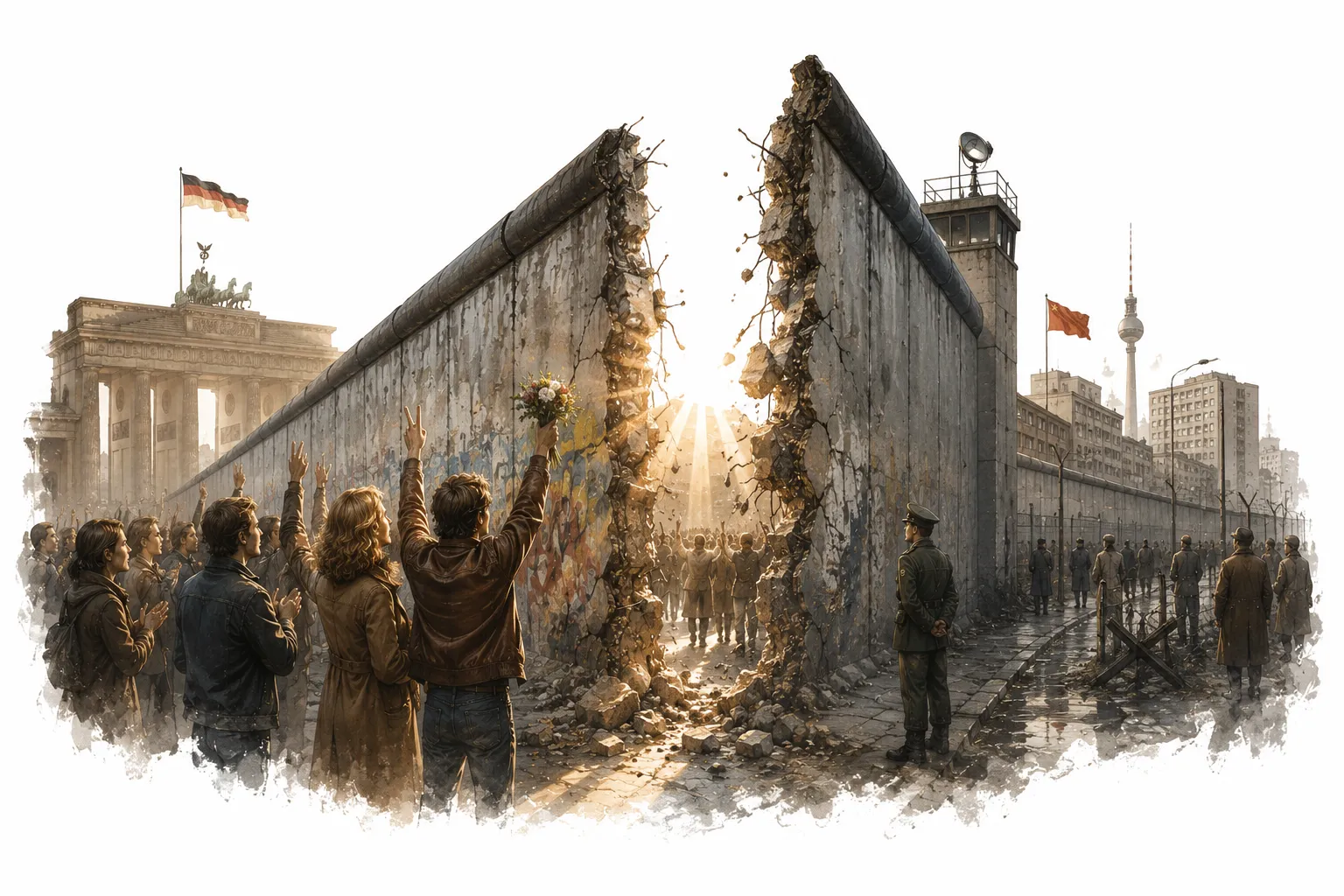
COLD WAR
Why Did the Berlin Wall Fall?
Open article ->
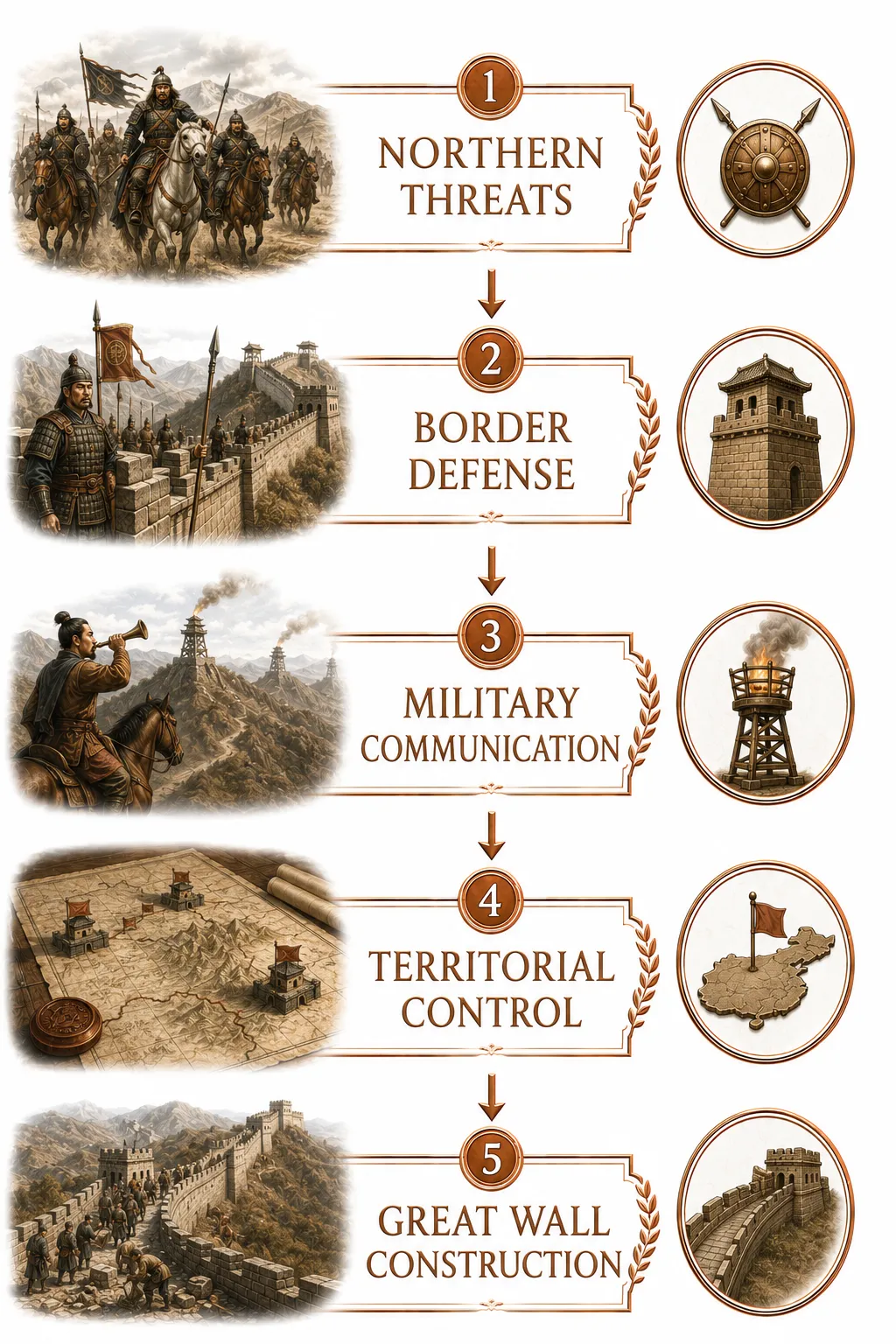
ANCIENT CHINA
Why Was the Great Wall of China Built?
Open article ->

AMERICAN HISTORY
Why Did the American Civil War Start?
Open article ->
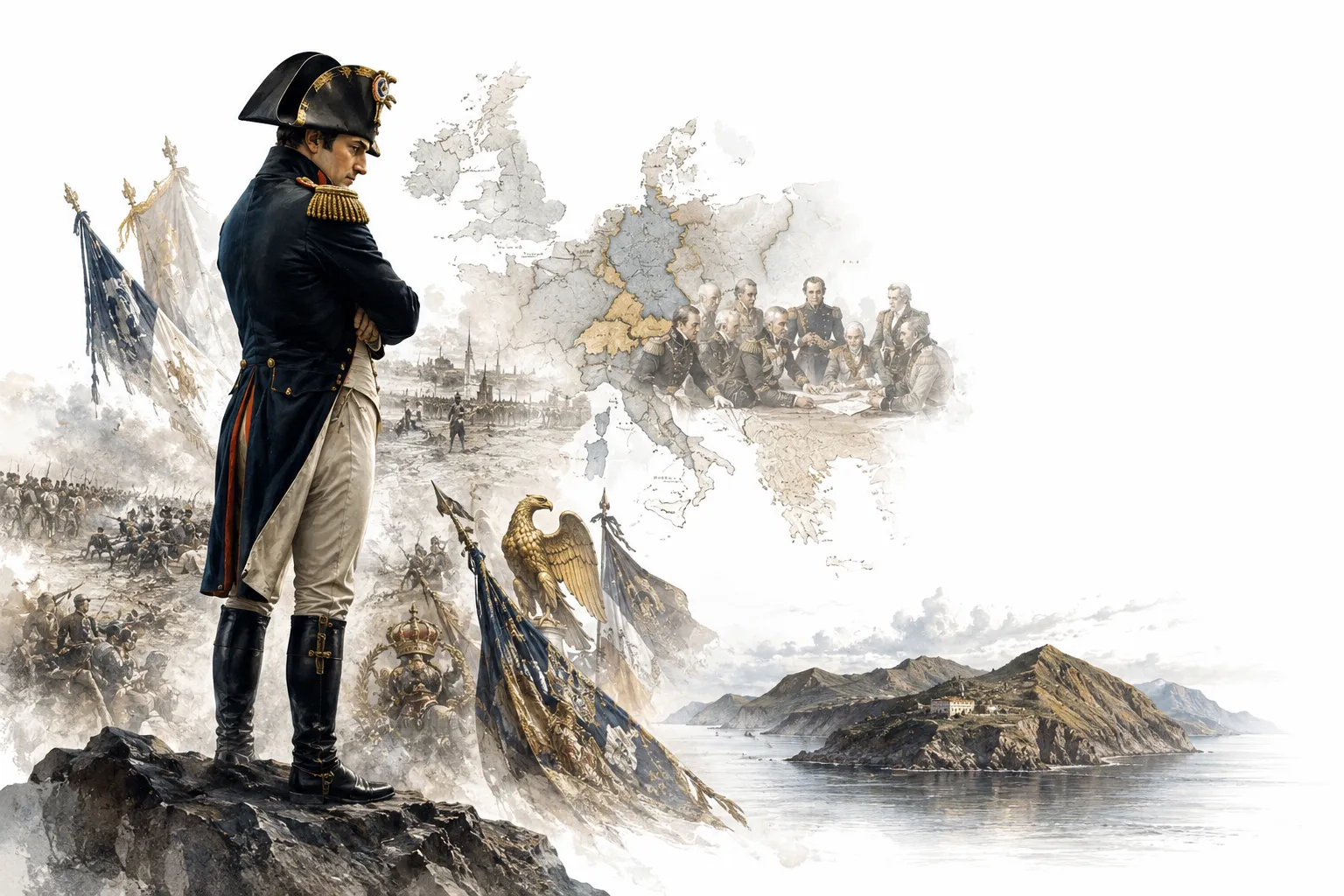
NAPOLEONIC WARS
Why Was Napoleon Exiled?
Open article ->

COLD WAR
Why Did the Soviet Union Collapse?
Open article ->
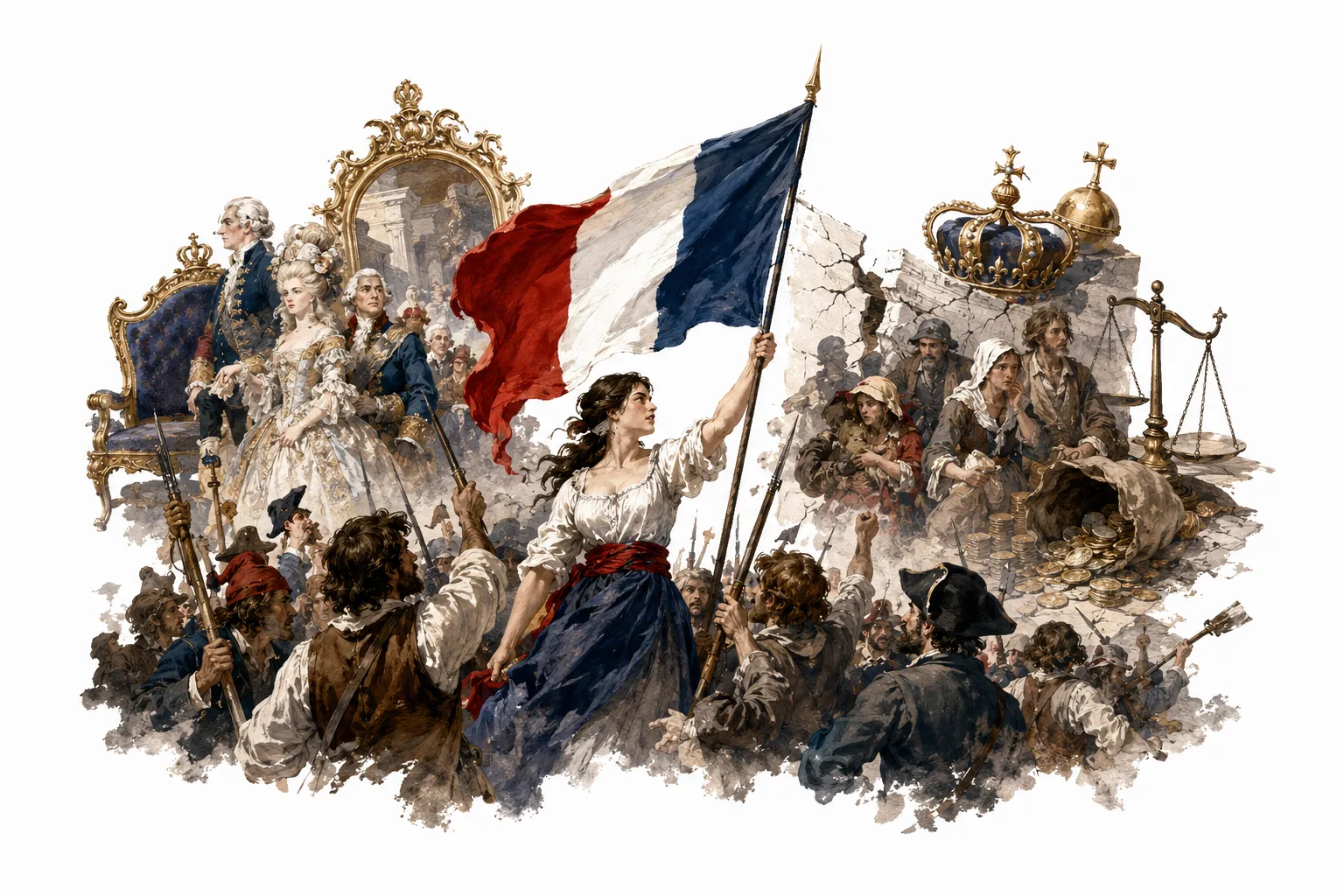
FRENCH HISTORY
Why Did the French Revolution Happen?
Open article ->

AMERICAN HISTORY
Why Was Abraham Lincoln Assassinated?
Open article ->

MEDIEVAL HISTORY
Why Was Joan of Arc Burned at the Stake?
Open article ->
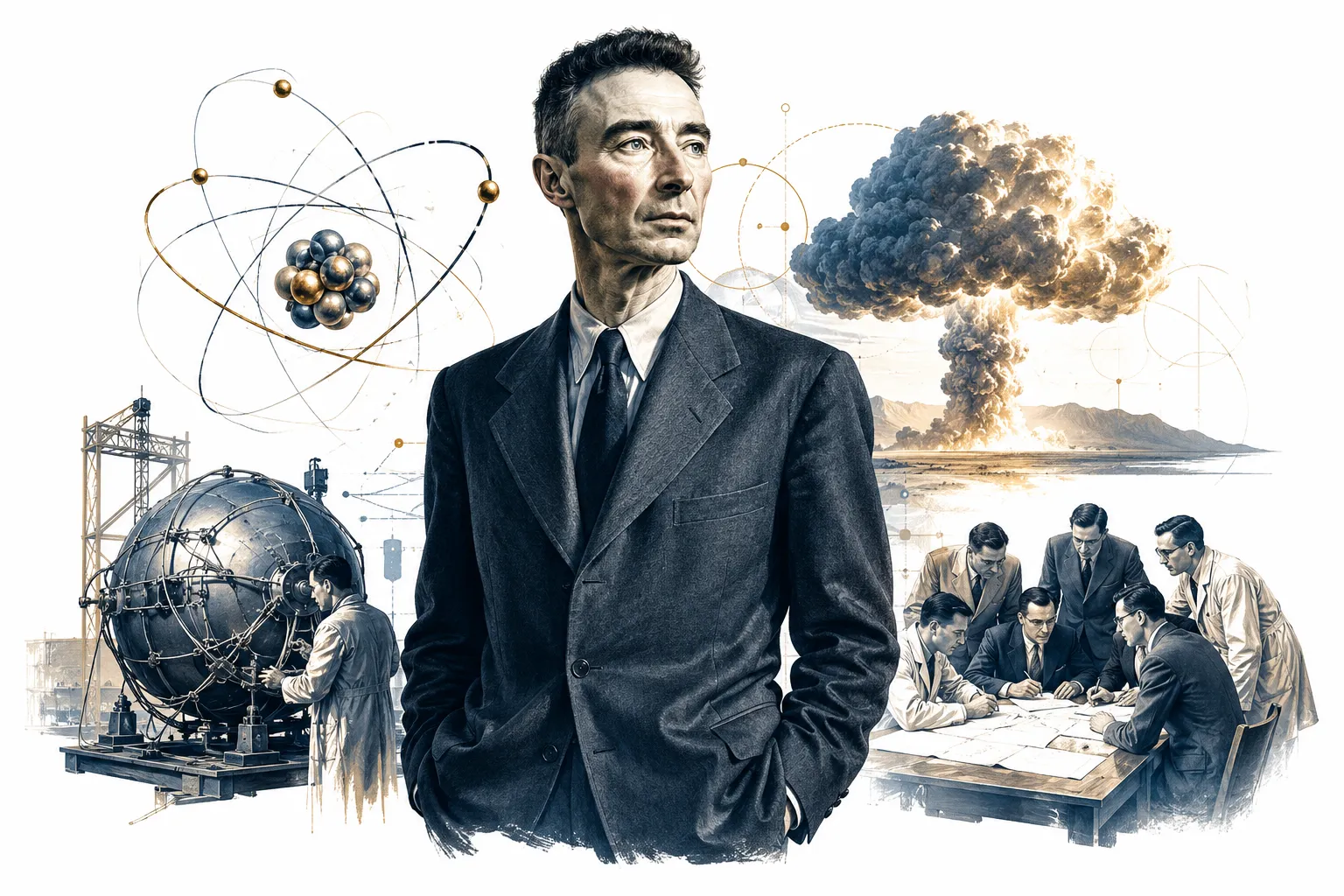
SCIENCE HISTORY
Why Was Robert Oppenheimer Called the Father of the Atomic Bomb?
Open article ->
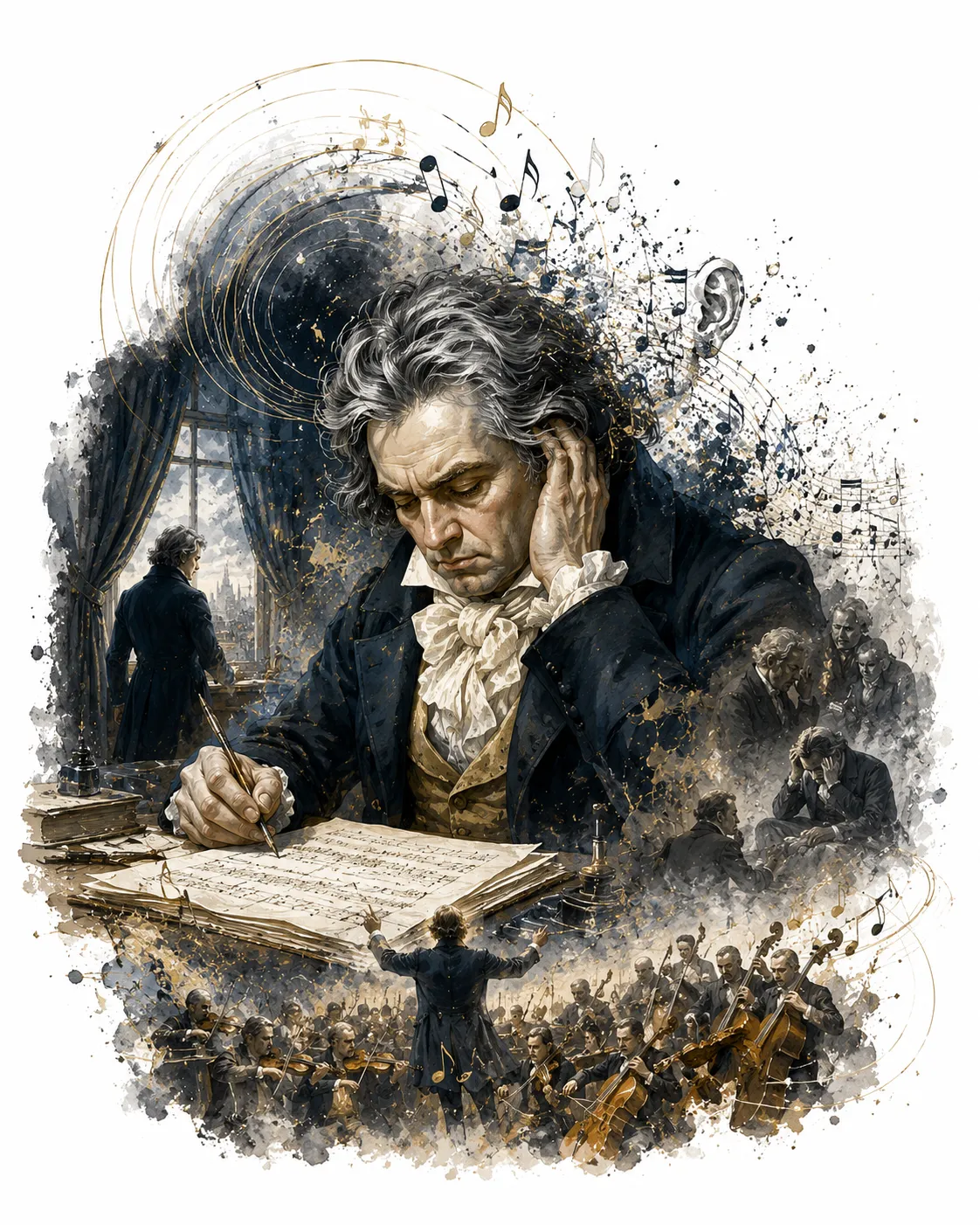
MUSIC HISTORY
Why Was Beethoven Deaf?
Open article ->
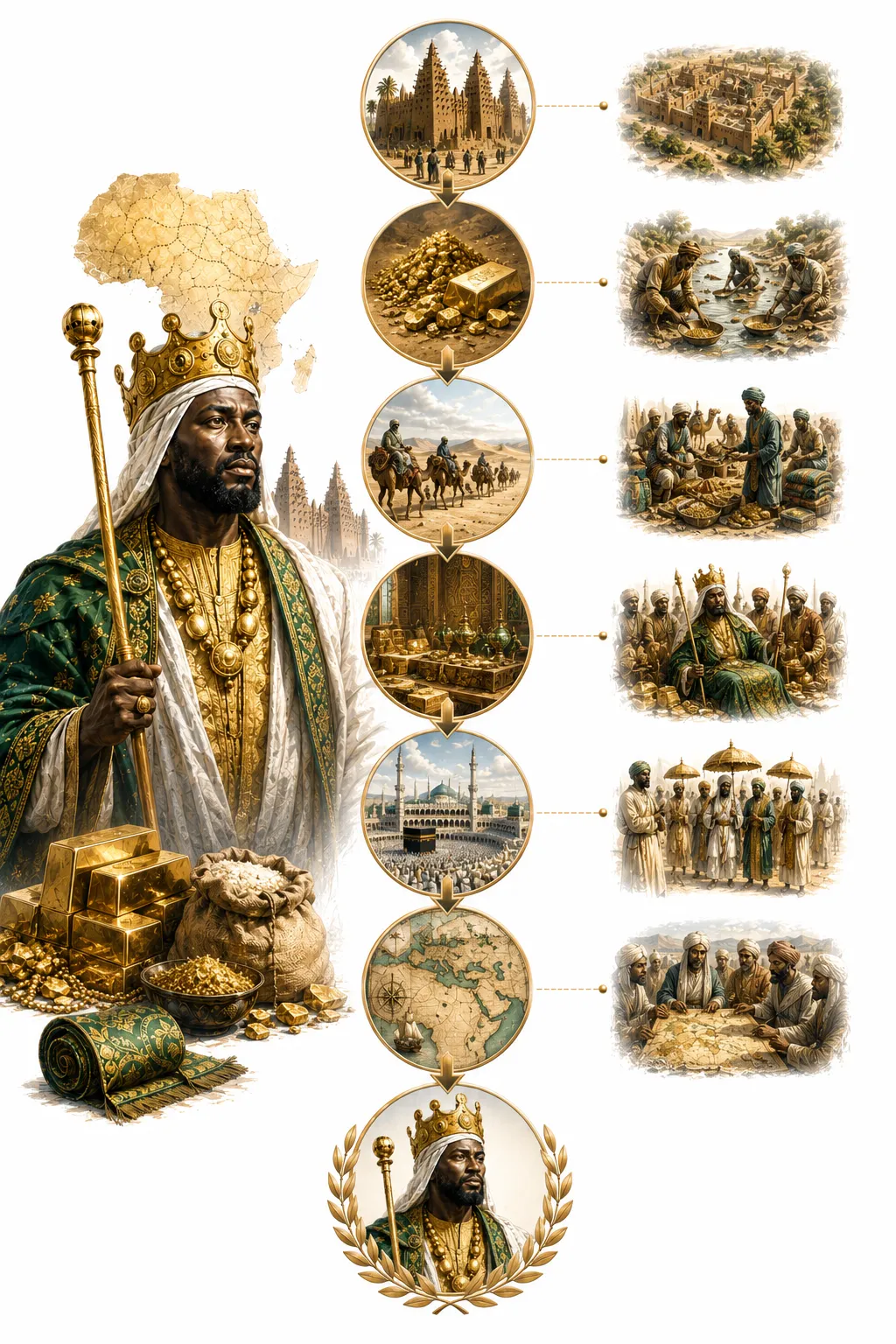
AFRICAN HISTORY
Why Is Mansa Musa Called the Richest Man Ever?
Open article ->
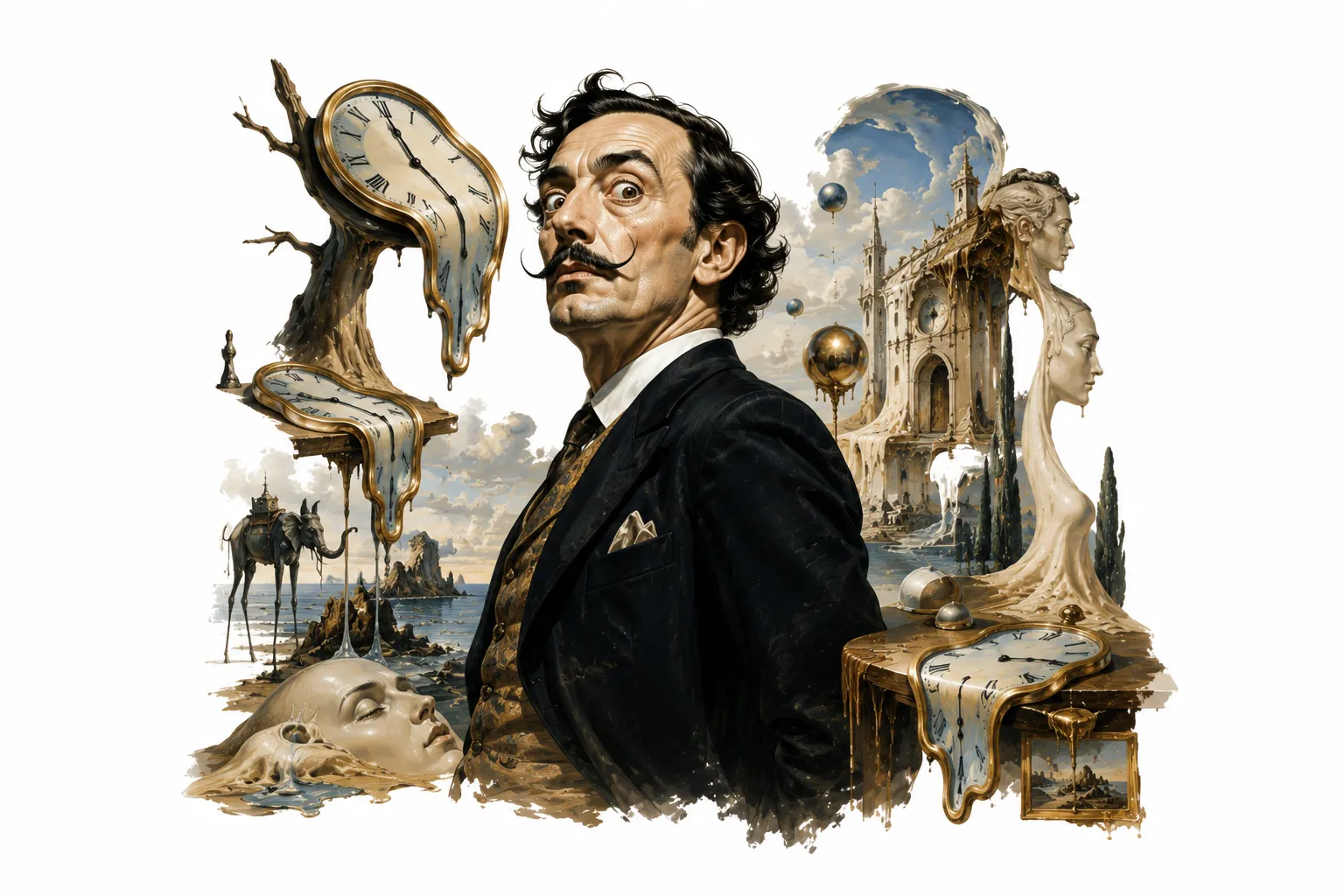
ART HISTORY
Why Did Salvador Dali Paint Melting Clocks?
Open article ->
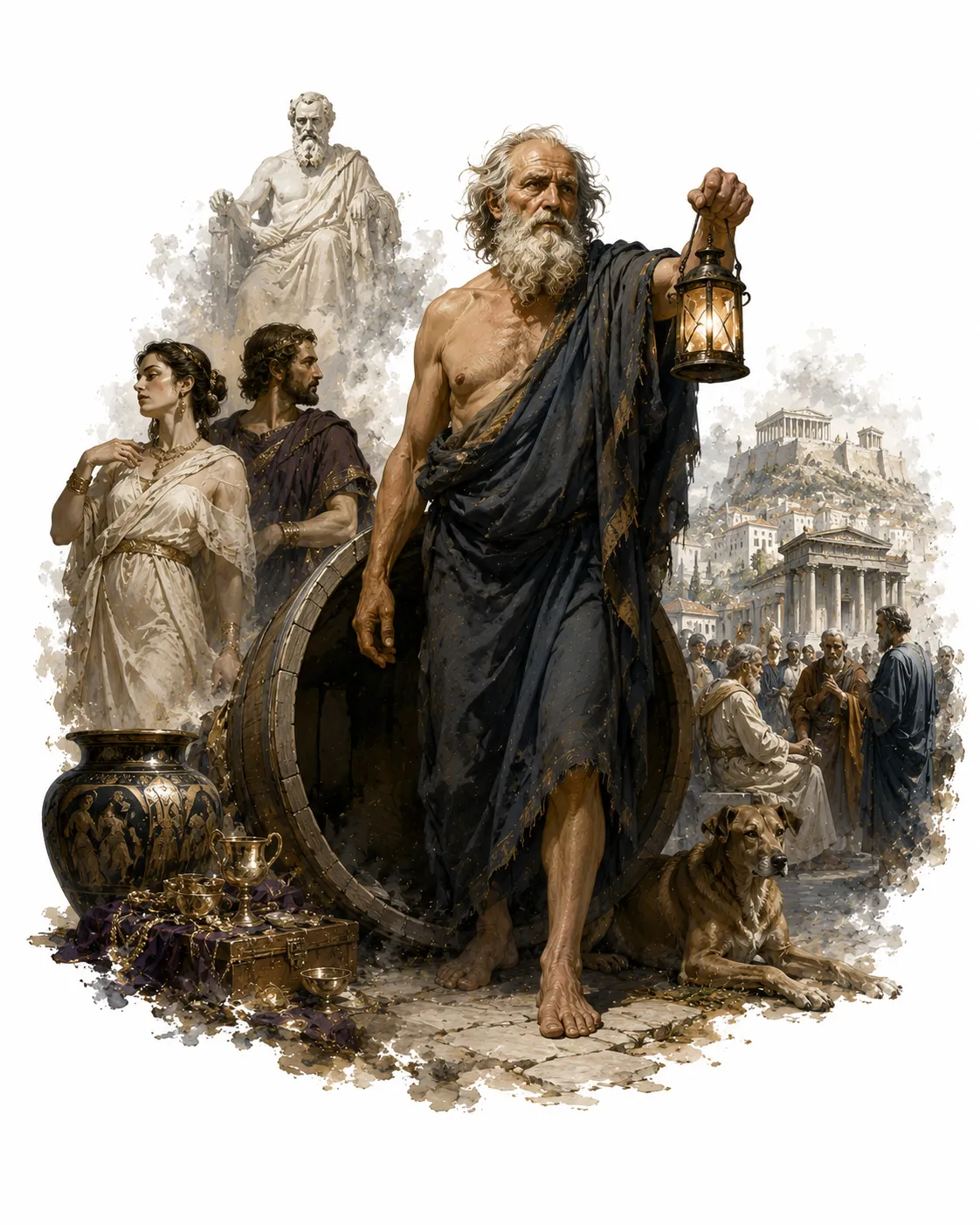
PHILOSOPHY HISTORY
Why Is Diogenes Famous?
Open article ->
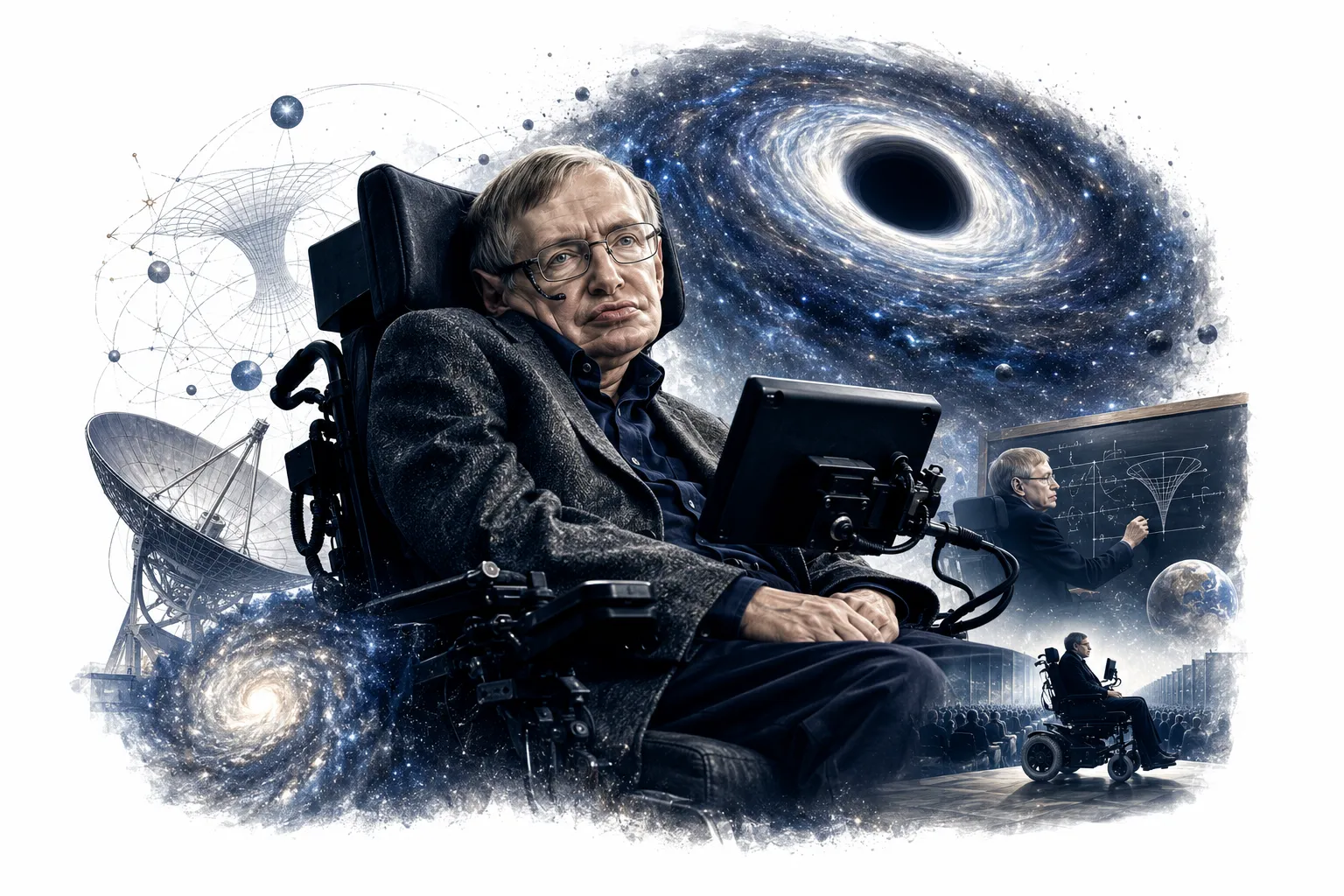
SCIENCE HISTORY
Why Was Stephen Hawking Famous?
Open article ->
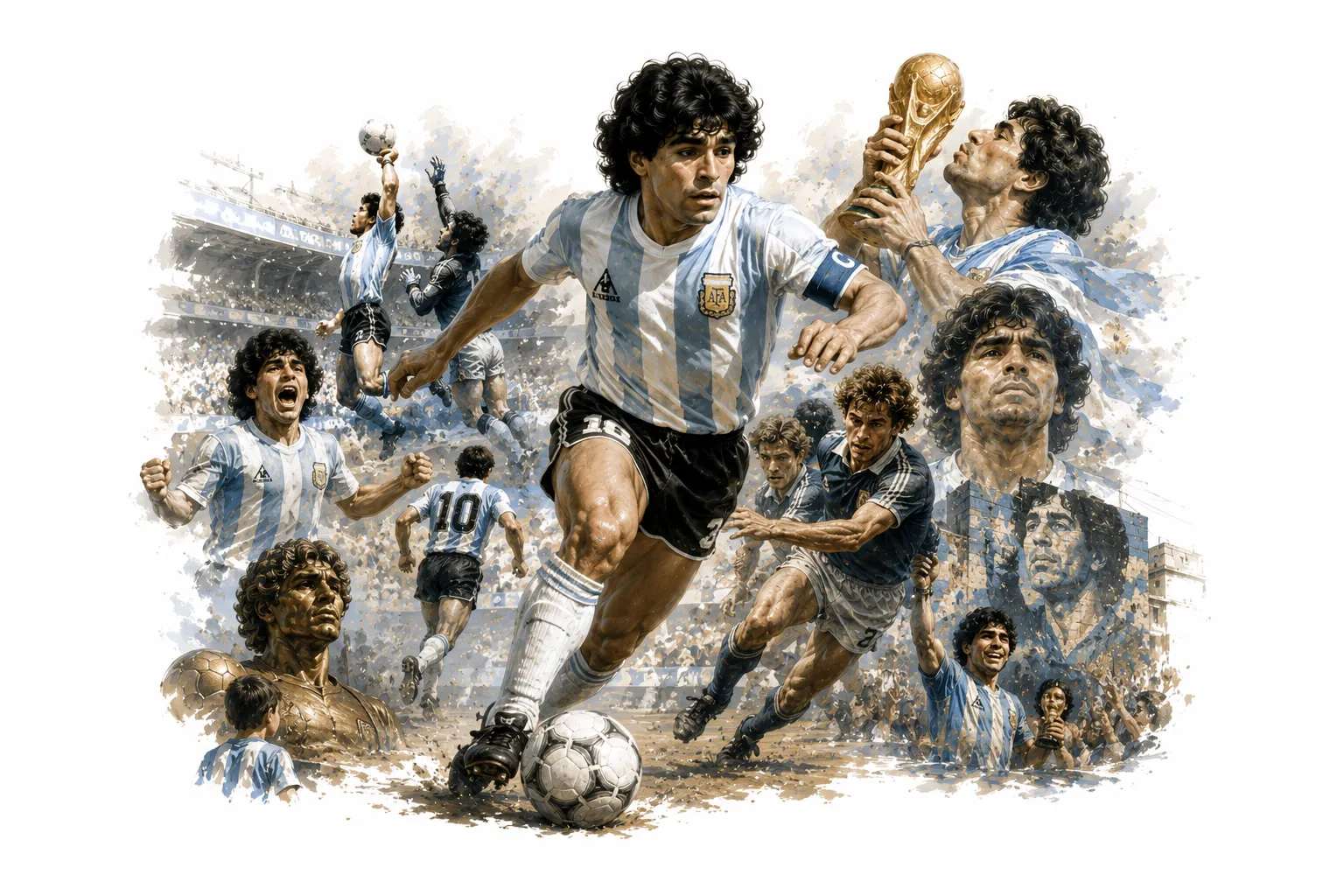
SPORTS HISTORY
Why Is Diego Maradona Famous?
Open article ->
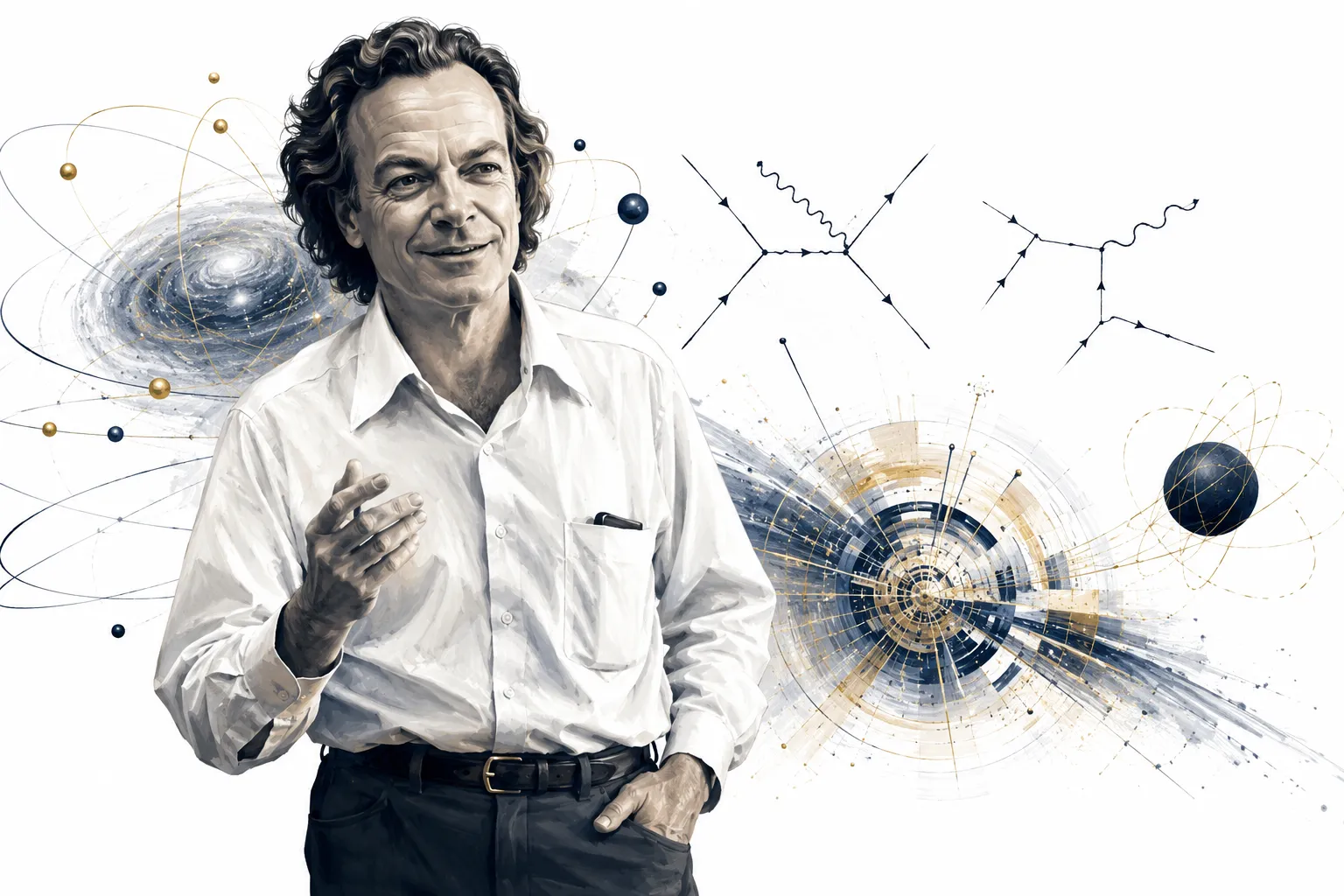
SCIENCE HISTORY
Why Is Richard Feynman Famous?
Open article ->
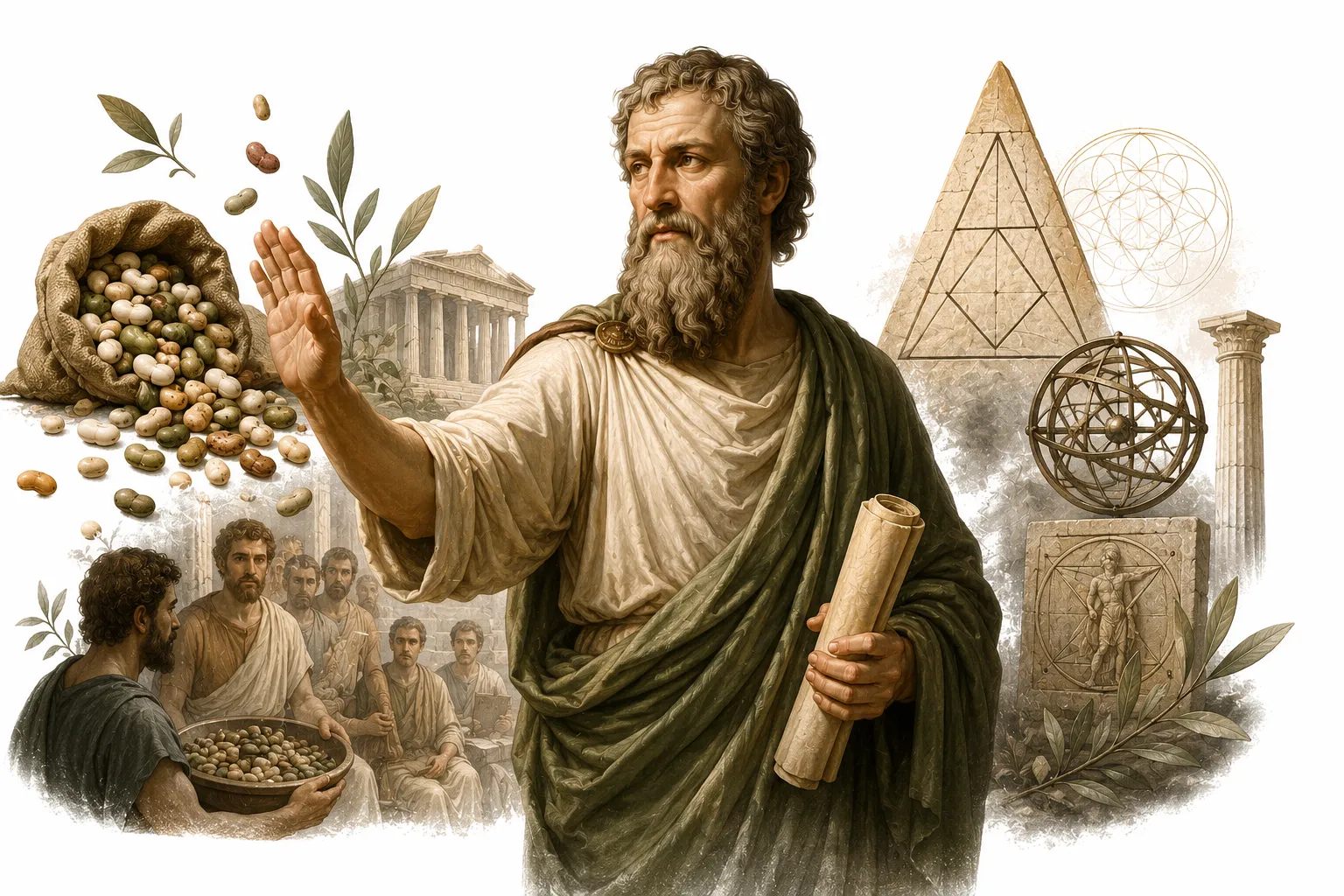
ANCIENT PHILOSOPHY
Why Did Pythagoras Hate Beans?
Open article ->
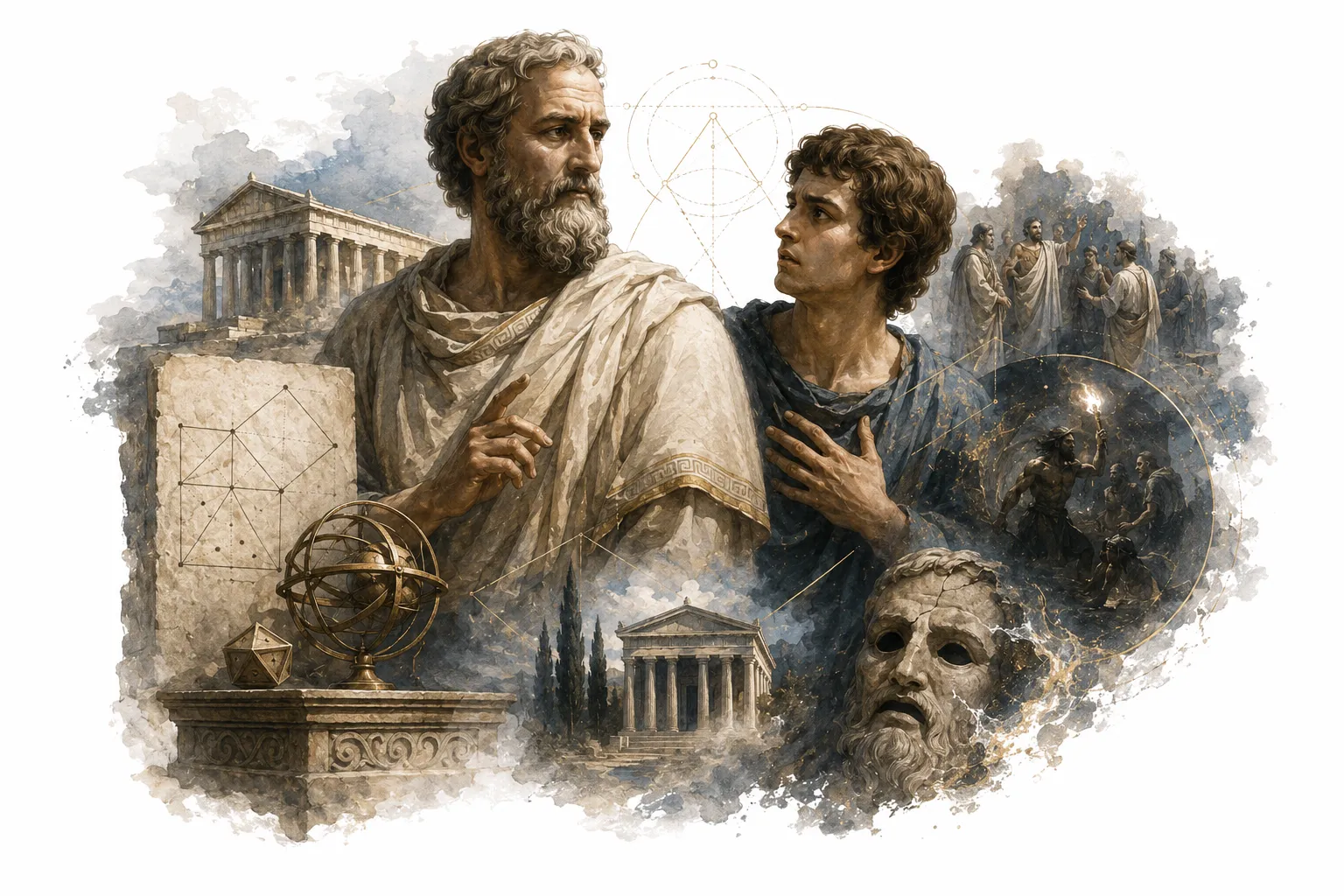
ANCIENT PHILOSOPHY
Why Did Pythagoras Kill His Student?
Open article ->
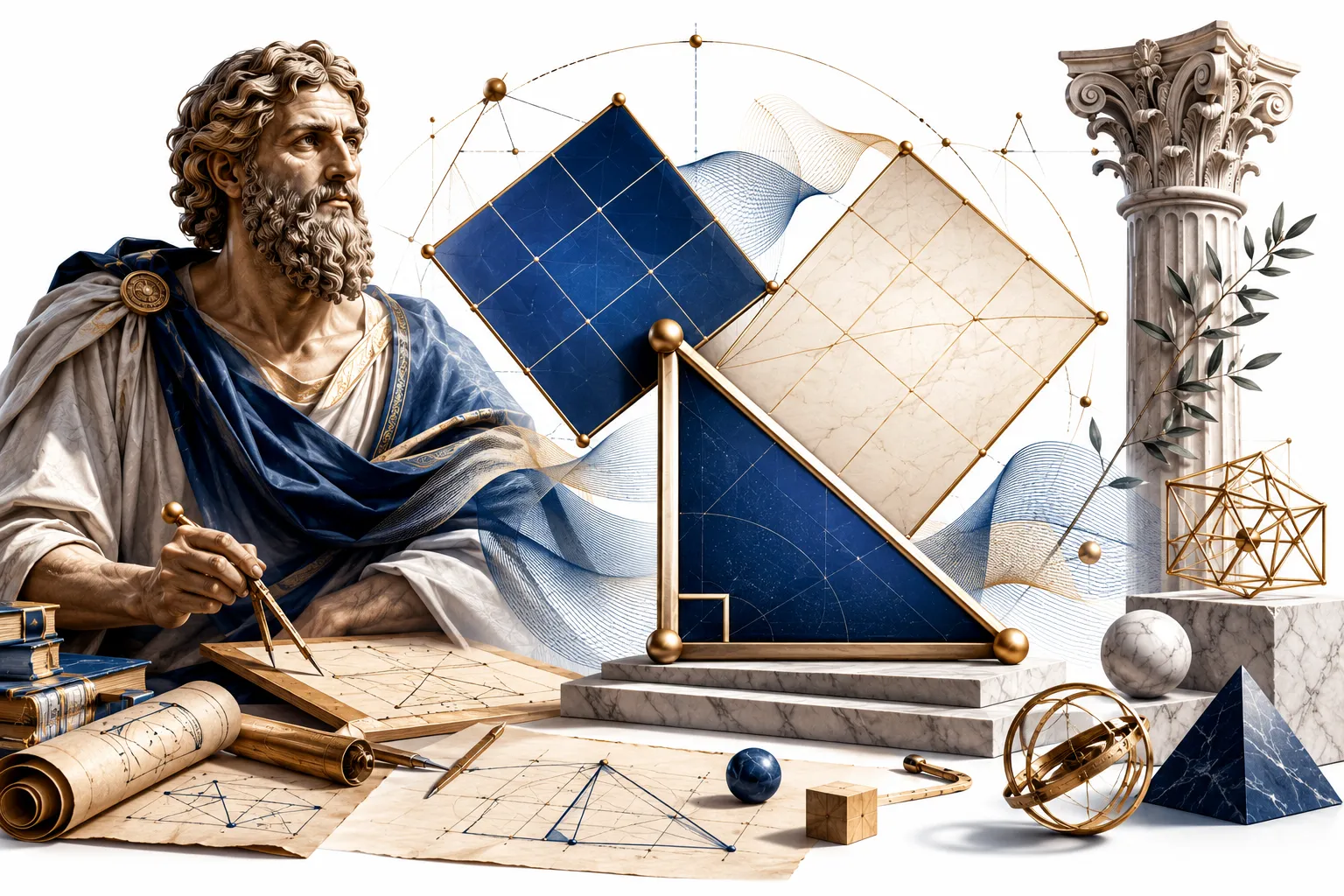
MATHEMATICS
Why Does Pythagoras' Theorem Work?
Open article ->
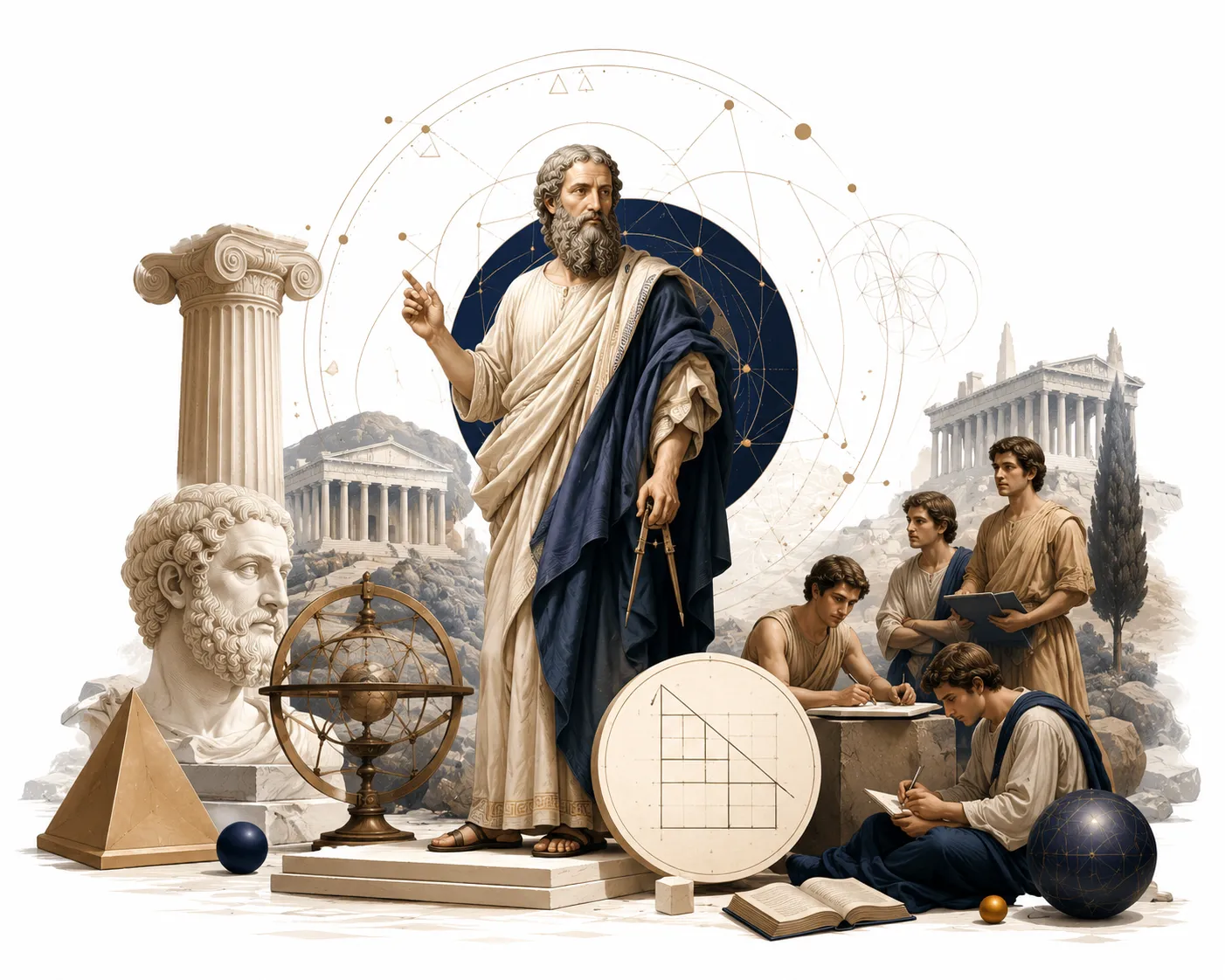
ANCIENT PHILOSOPHY
Why Is Pythagoras Famous?
Open article ->