Visual answer
Why Cub Killing Happens After a Pride Takeover
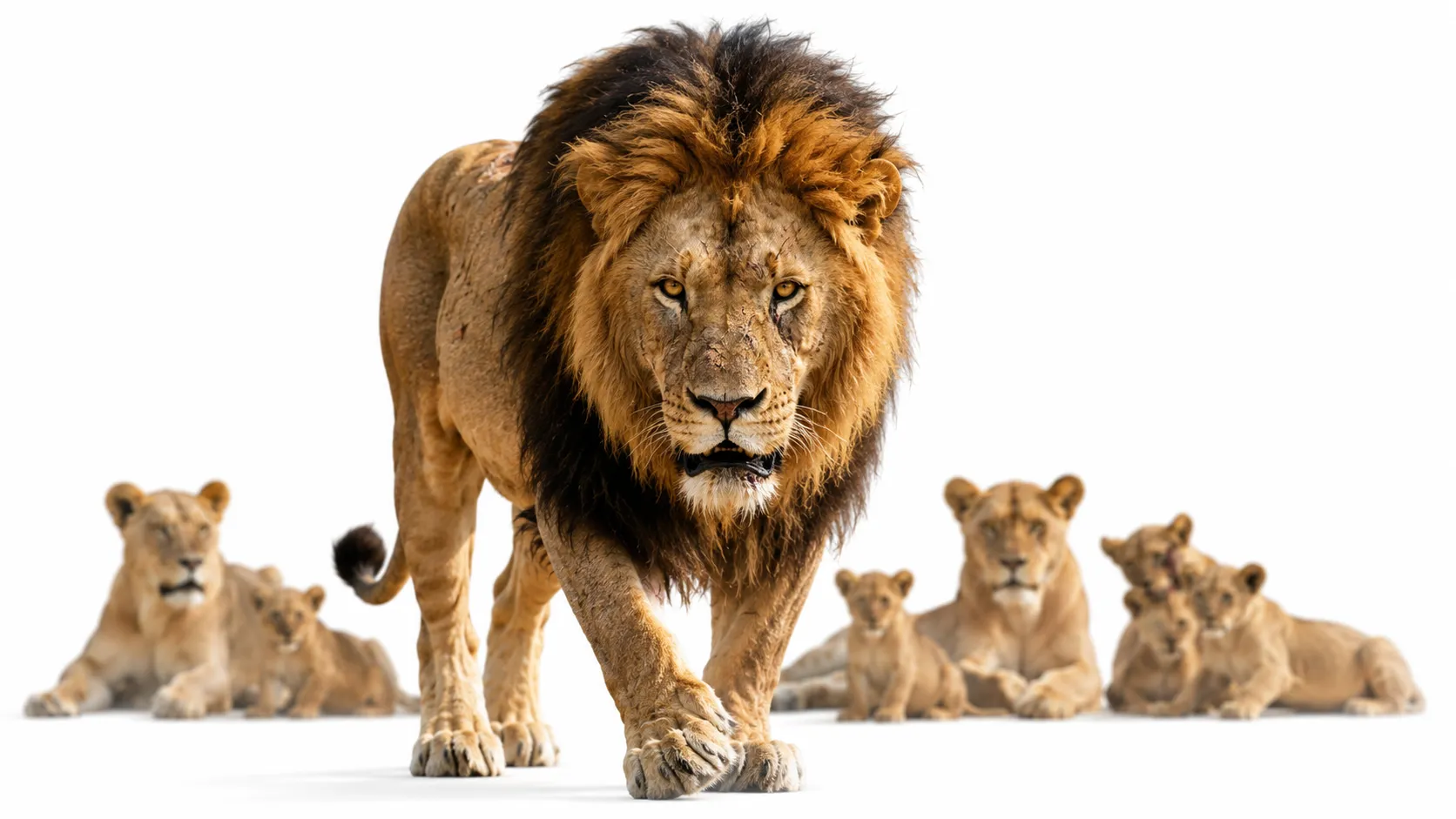
The behavior follows a reproductive sequence that begins when new males gain control of a pride.
New males arrive
A male or male coalition defeats the resident males and gains access to the pride.
Existing cubs are at risk
The cubs usually carry the genes of the defeated males, not the newcomers.
Females become fertile sooner
If nursing stops because cubs are lost, females can return to mating condition much faster.
New offspring are protected
Once the new males father cubs, those cubs become valuable to them and are often defended.
Evolutionary logic
The Part That Makes This So Uncomfortable
Nature is not built around fairness.
It is built around survival and reproduction.
That is the uncomfortable key to understanding this behavior.
A male lion that takes over a pride usually has only a short time before another coalition challenges him. If he waits while the existing cubs grow up, he may spend much of his rule protecting offspring that are not his.
If those cubs disappear, the females can become fertile again much sooner.
The male then has a chance to father cubs during his limited window of control.
From a human perspective, it is horrific. From the perspective of natural selection, it is a strategy that can increase reproductive success.
Limited time
Male Lions Do Not Rule for Long
A male lion's time in control of a pride is usually short.
He may win access through strength, coalition support, and timing, but younger males are always waiting outside the system.
That short reign creates intense pressure.
The male needs females to become fertile while he is still strong enough to defend the pride.
A female raising young cubs may not be available to mate for many months.
Killing those cubs shortens the waiting period.
This is why the behavior is most closely linked to takeovers, not ordinary daily pride life.
Female defense
Lionesses Are Not Passive
Lionesses have their own evolutionary interests, and those interests are not the same as the incoming male's.
A mother has already invested months in pregnancy, birth, nursing, and protection.
Losing cubs is a major biological loss.
So females fight back when they can.
They may hide cubs, defend them together, or confront incoming males as a group.
A single lioness is often at a disadvantage. Several related females working together can be much harder to overcome.
The pride is not just a social group. It is also a defensive alliance.
Not unique
Lions Are Not the Only Animals That Do This
Lion infanticide gets attention because lions are visible, dramatic, and familiar to us.
But the behavior is not unique to lions.
Similar patterns have been observed in several mammals, including some primates, bears, rodents, and other big cats.
The logic is often similar: a new male removes offspring he did not father and increases his chance of mating sooner.
Different species carry it out in different ways, but the evolutionary pressure is recognizable.
That does not make the behavior pleasant to study.
It makes it one of the clearest examples of how reproduction can shape animal behavior in brutal ways.
Not random
Why This Is Not Just Aggression
If male lions were simply violent toward all cubs, the pattern would look different.
They would kill cubs indiscriminately, including their own.
But that is not what usually happens.
Once males father cubs in a pride, they often defend them from rivals, hyenas, and other threats.
The violence is targeted toward cubs from the previous males.
That targeting is what reveals the reproductive logic behind the behavior.
It is not blind cruelty. It is selective pressure written into behavior.
Bad fathers?
Myth vs Reality
What people think
Male lions are bad fathers that only bring violence
Popular culture often shows male lions as lazy, aggressive rulers who contribute little to the pride.
What actually happens
Male lions can be dangerous rivals and powerful protectors
A male may kill cubs fathered by another male after a takeover, but he may also defend his own cubs from rivals and predators. The behavior depends heavily on paternity and pride control.
Quick answers
Common questions
Do lionesses ever save their cubs from new males? +
Yes. Lionesses may hide cubs, defend them, or work together against incoming males. Success depends on the number and strength of the females and the males involved.
Do male lions kill their own cubs? +
Usually no. Male lions are far more likely to protect cubs they fathered. Cub killing is mainly associated with cubs from previous males after a pride takeover.
Do female lions mate with males that killed their cubs? +
Often yes. After cub loss, females may return to fertility and mate with the males currently controlling the pride. This reflects biological and social pressure rather than emotional indifference.
Is this behavior unique to lions? +
No. Infanticide by incoming males has been observed in several mammals, including some other big cats and primates.