Visual answer
Which Lunar Phases Produce a Visible Daytime Moon
The moon's position in orbit determines how much of its above-horizon time overlaps daylight.
New moon: invisible
The new moon travels near the sun and its lit side faces away from Earth.
First quarter: afternoon and evening
A first quarter moon rises around noon and is easy to see in the afternoon.
Full moon: mostly night
A full moon rises around sunset and sets around sunrise.
Last quarter: morning sky
A last quarter moon rises around midnight and remains visible after sunrise.
Sky brightness
The Daytime Sky Is Bright, but the Moon Is Brighter
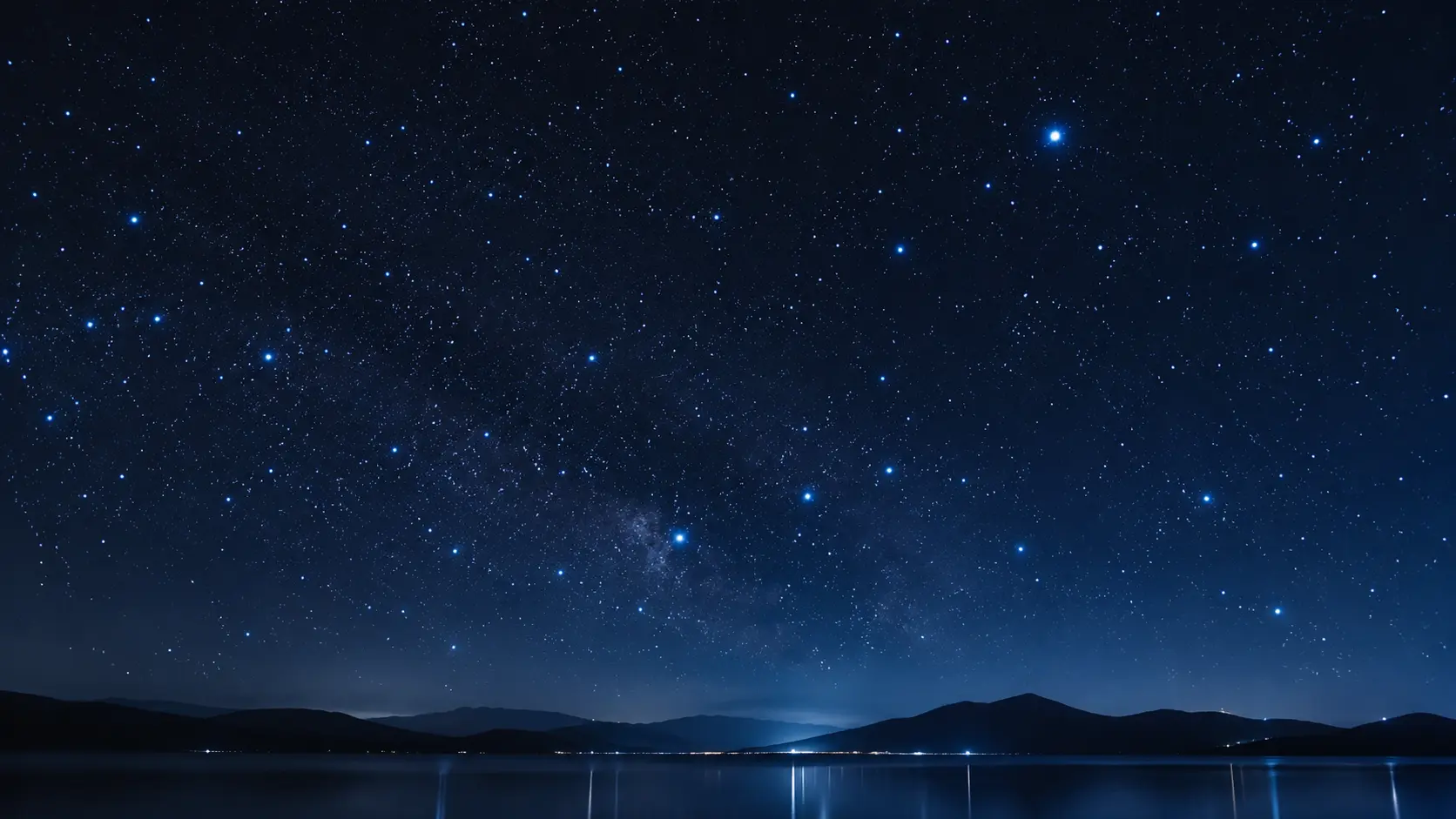
The daytime sky glows because air molecules scatter sunlight. That background overwhelms stars, even though they are still shining.
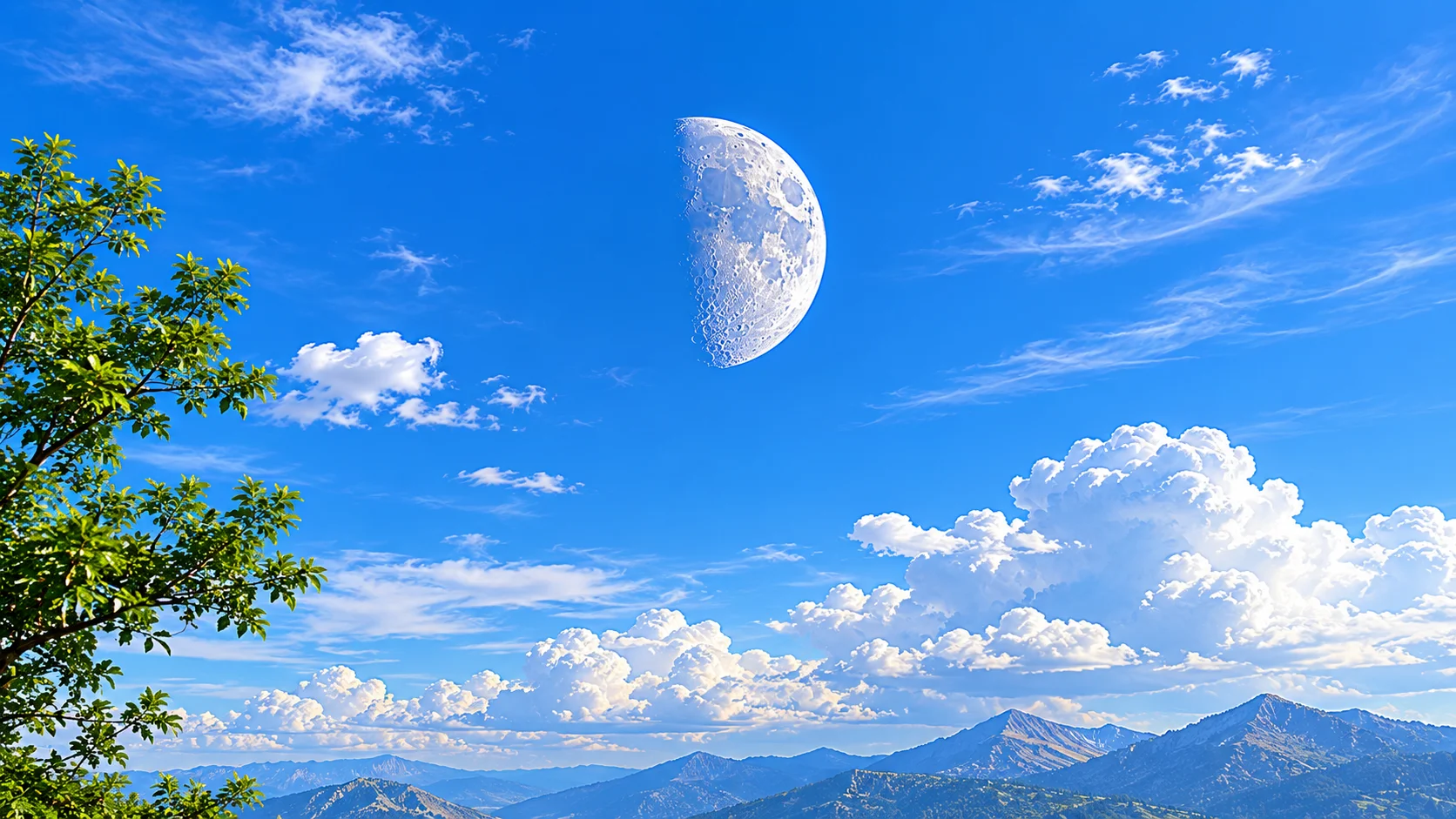
The moon is different because it is large, close, and reflective enough to stand out against the sky. Its contrast is lower in daylight, so it looks pale.
A quarter or gibbous moon is easier to spot than a thin crescent because more of the sunlit surface faces Earth.
Myth vs reality
Myth vs Reality
What people think
Seeing the moon during the day means something unusual is happening
A daytime moon is ordinary. People are often surprised only because they rarely look for it.
What actually happens
The daytime moon is routine
For much of the lunar month, part of the moon's above-horizon time overlaps with daylight.
Phase visibility
When Each Lunar Phase Is Visible
New moon
Rises and sets with the sun, usually invisible in glare.
Waxing crescent
Visible low in the western sky late afternoon and evening.
First quarter
Rises around noon, visible in the afternoon, sets around midnight.
Full moon
Rises at sunset and sets at sunrise, mostly a night object.
Last quarter
Rises around midnight and is visible in the morning sky.
Quick answers
Common questions
Why can you see the moon during the day? +
The moon reflects enough sunlight to stand out against the scattered sunlight of the blue sky.
Is it normal to see the moon during the day? +
Yes. It is visible in daylight during many phases of the lunar month.
Why can you not see stars during the day? +
Starlight is too faint to compete with the bright sky background.
What phase shows the moon most often during the day? +
First quarter is a classic daytime moon because it is high in the afternoon sky.