Tiny mysteries, real answers
Why does your body do that weird little thing?
Search the reflex, sensation, sound, or body quirk you noticed. Get the short answer first, then the science behind it.
Start here
Popular body mysteries
Quick answers. No long articles.
Body & Brain
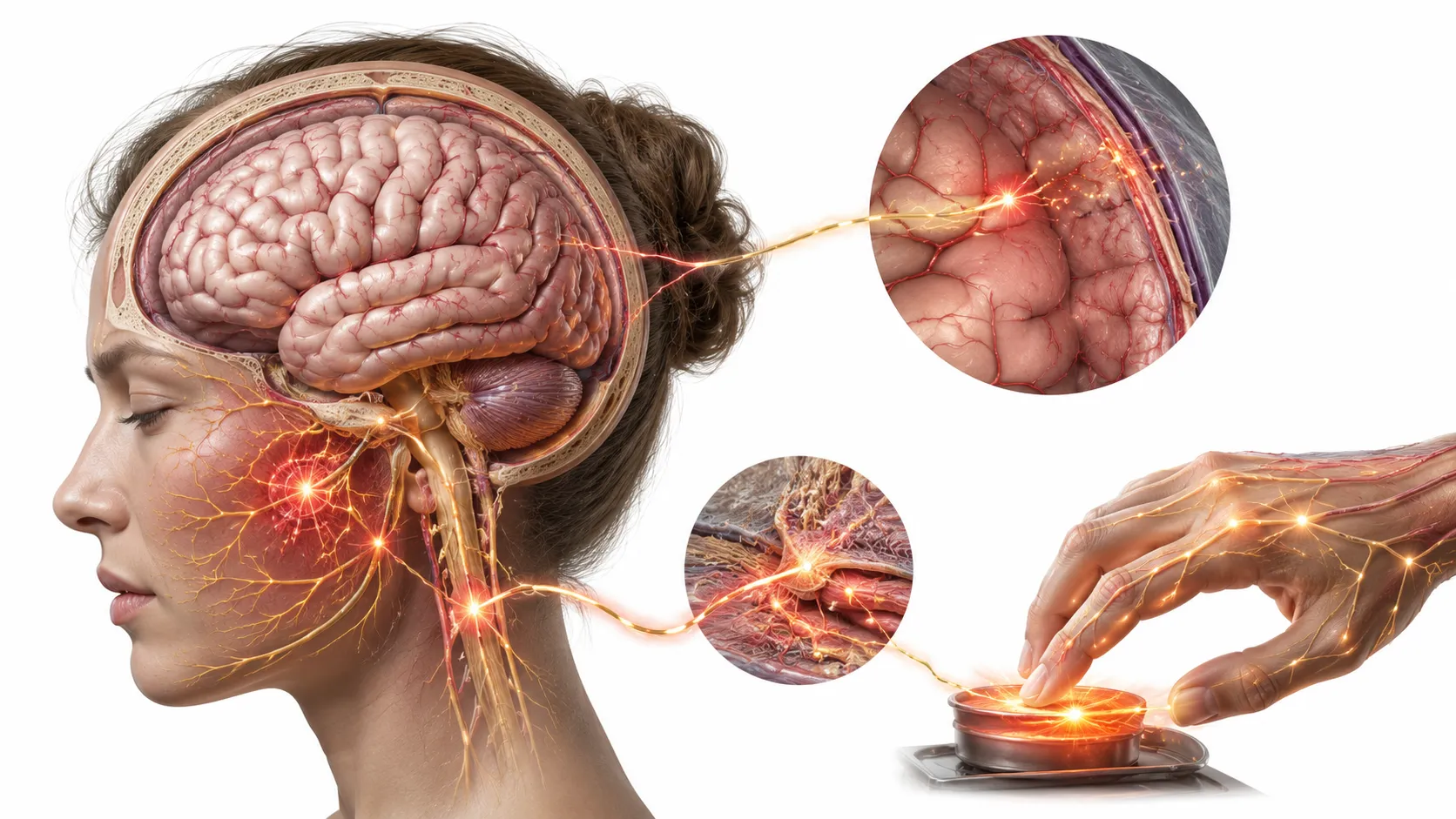
Can the Brain Feel Pain?
No. The brain has no nociceptors, the specialized nerve endings that detect pain, and therefore cannot sense pain directly. Pain requires nociceptors to detect a threat and send signals to the brain for processing. The brain is extraordinarily rich in the circuitry that interprets pain signals arriving from elsewhere in the body, but its own tissue contains none of the sensors needed to generate those signals in the first place.
Body & Brain
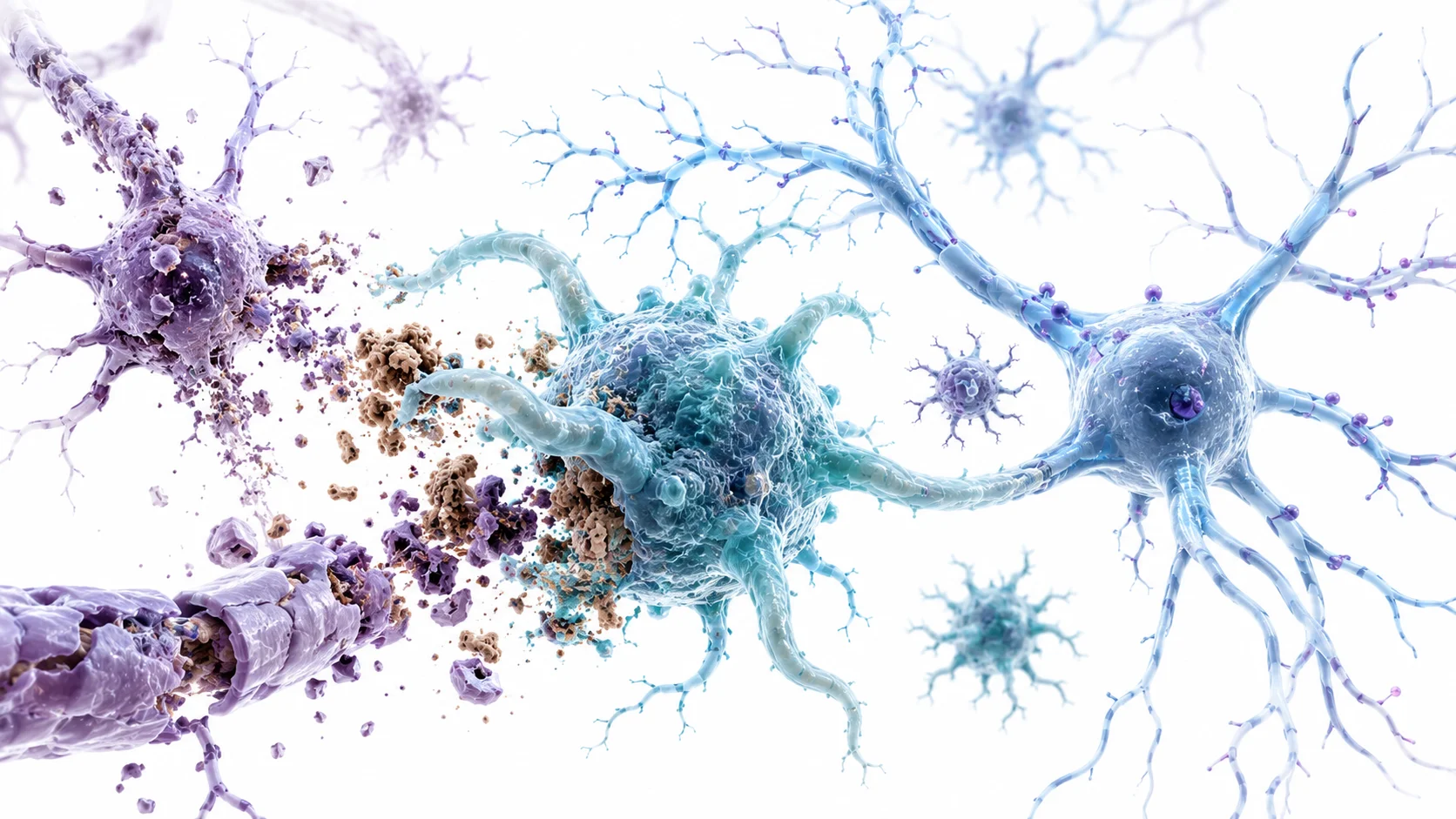
Does Your Brain Eat Itself?
Yes, in two distinct ways. Through autophagy, brain cells recycle their own damaged components, and through synaptic pruning, the brain eliminates neural connections it no longer needs. Autophagy is a cellular recycling mechanism where brain cells break down and digest damaged proteins and organelles, repurposing the material for energy and new construction. Synaptic pruning is a larger-scale process where the brain actively eliminates synaptic connections deemed redundant, particularly during childhood development and adolescence. Both processes are essential for healthy function and both can go dangerously wrong.
Body & Brain
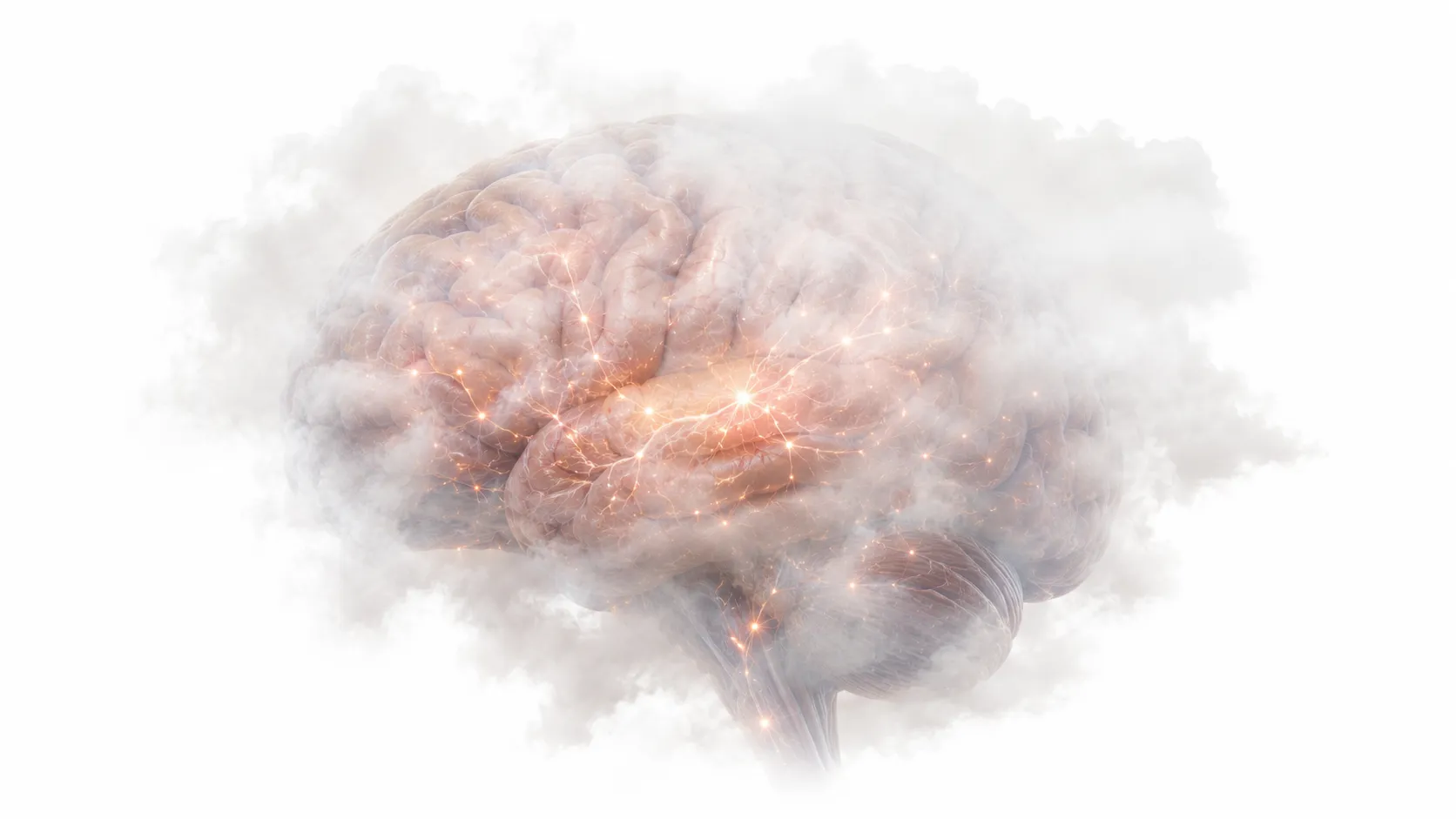
Why Does Brain Fog Happen?
Brain fog is caused by neuroinflammation, impaired neural signaling, hormonal disruption, or deficiencies in the chemical systems that allow neurons to communicate quickly and clearly. The brain depends on a precise chemical environment to function at speed. When inflammation, poor sleep, hormonal shifts, metabolic disruption, or immune system activation disturb that environment, neural communication slows and becomes less reliable. The result is the subjective experience of fogginess: slow recall, poor concentration, difficulty forming sentences, and a general sense that the mental machinery is grinding rather than running.
Body & Brain
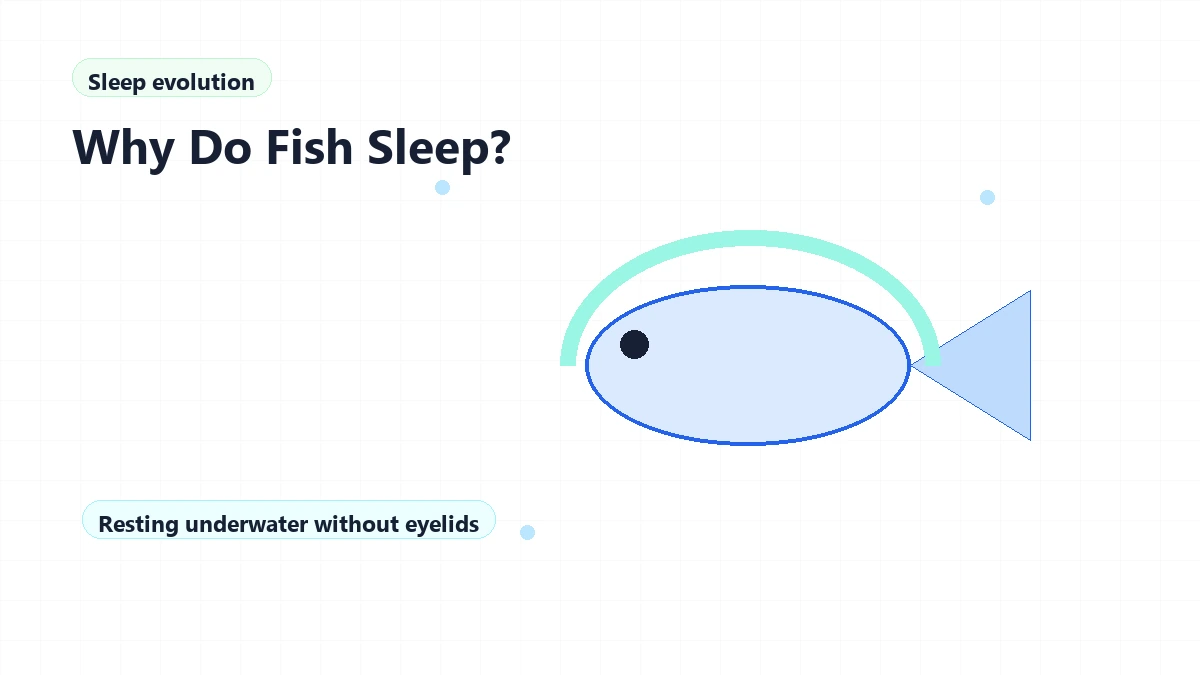
Why Do Fish Sleep?
Fish sleep to allow their nervous systems to perform the same cellular maintenance and memory consolidation that sleep provides in all animals. The need appears to be a universal feature of complex nervous systems. Fish enter a state of reduced activity and lowered responsiveness that qualifies as sleep by neurological criteria. During this state, metabolism slows, the brain cycles through activity patterns distinct from waking, and the nervous system undergoes repair and consolidation processes. Some species hover motionless. Some lie on the bottom. Some, remarkably, secrete a mucus cocoon around themselves first. What they do not do is stay permanently awake.
Body & Brain
How Eye Drops Work
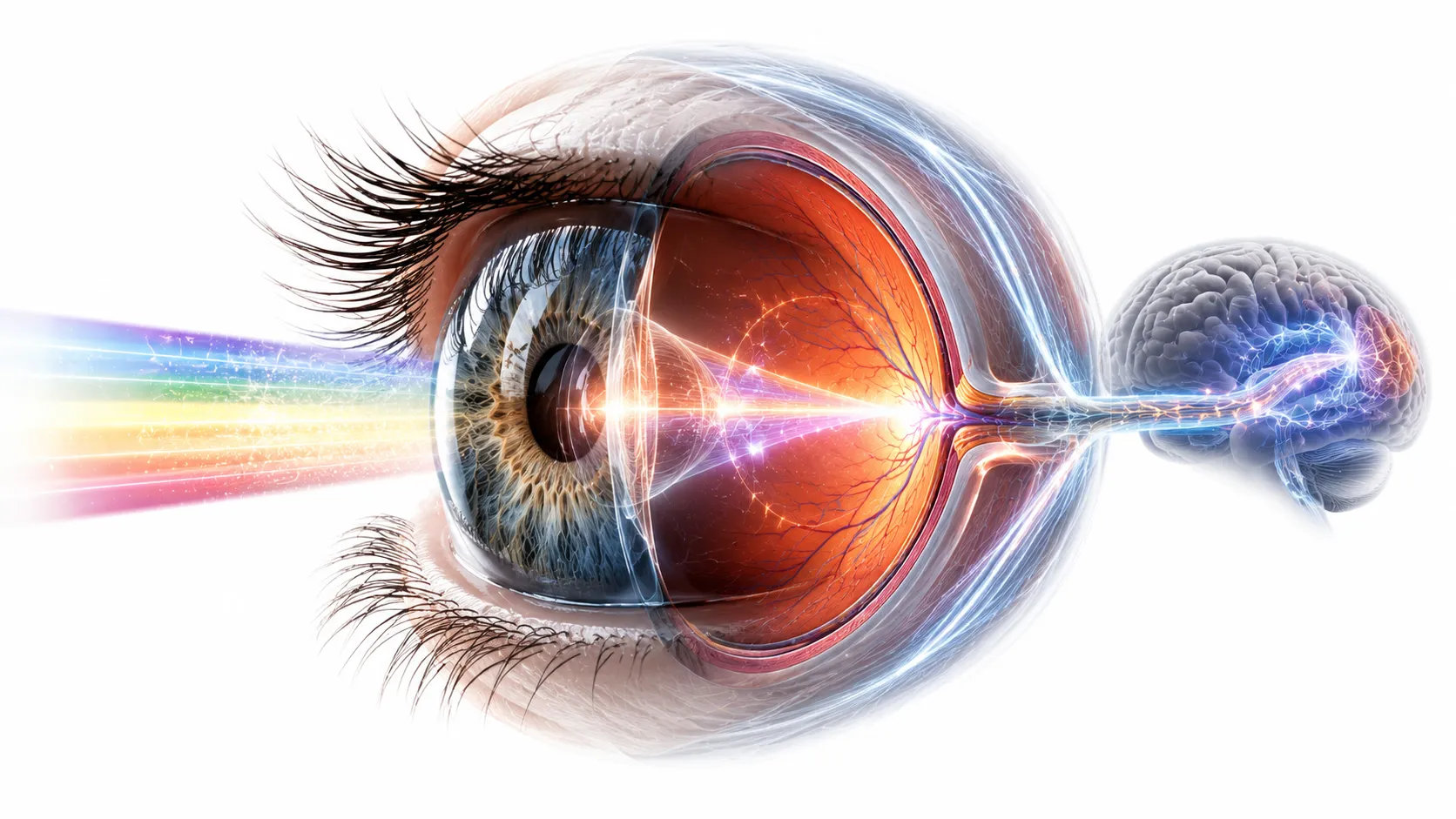
Eye drops work by depositing a drug onto the ocular surface, from which it must penetrate the cornea to reach internal eye structures. Most of the drop washes away through the nasolacrimal duct, which is why you can taste it. When a drop lands on the eye, it joins the tear film. The eye can hold approximately seven to ten microliters of fluid. A standard drop contains about thirty microliters, meaning most of it immediately overflows and drains through the puncta, tiny holes in the inner corners of the eyelids, down the nasolacrimal duct, and into the back of the throat. The remaining drug must cross the cornea, a selective barrier with tight cellular junctions, to reach the anterior chamber where most ocular conditions are treated.
Body & Brain
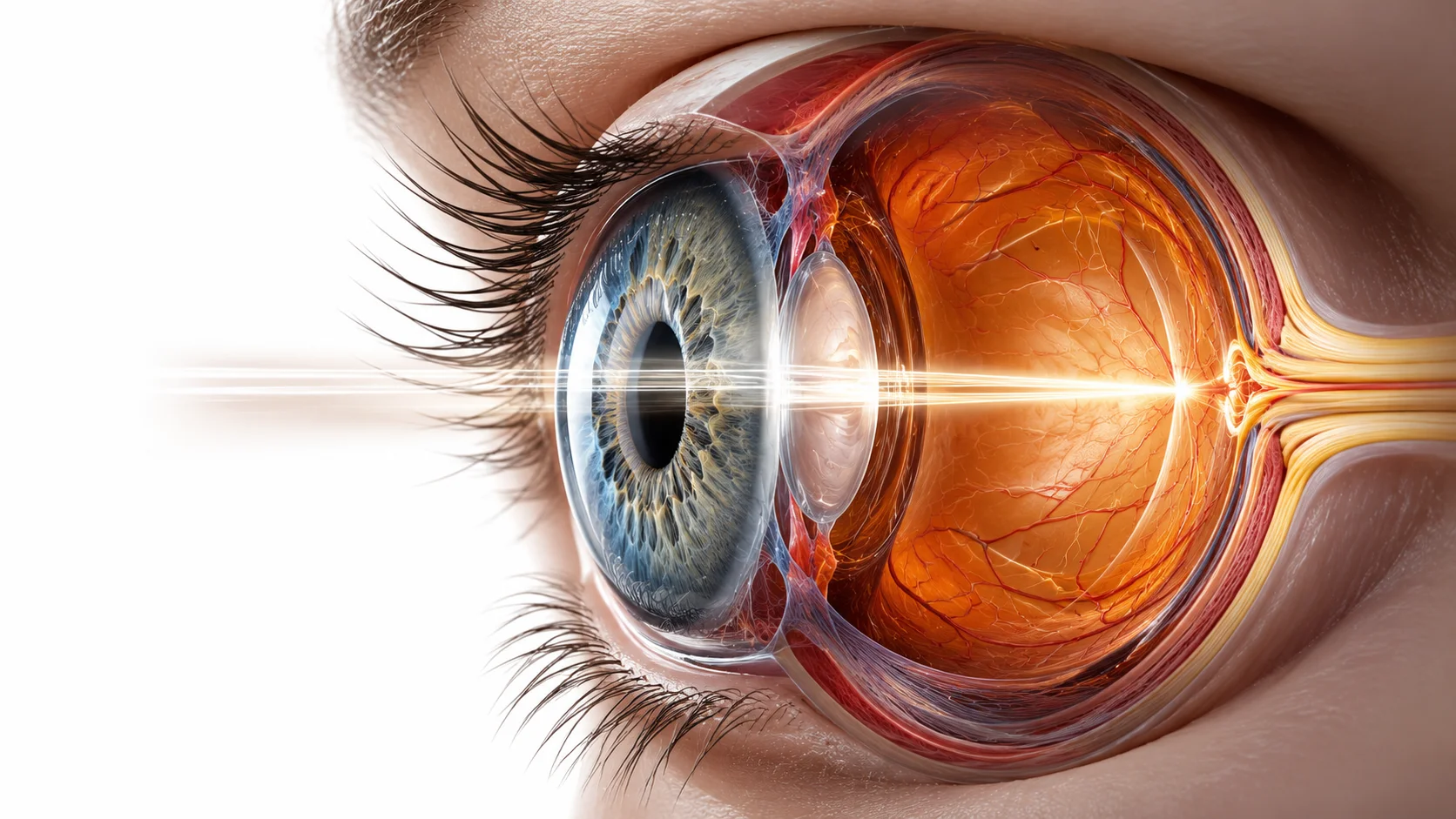
How the Eye Works
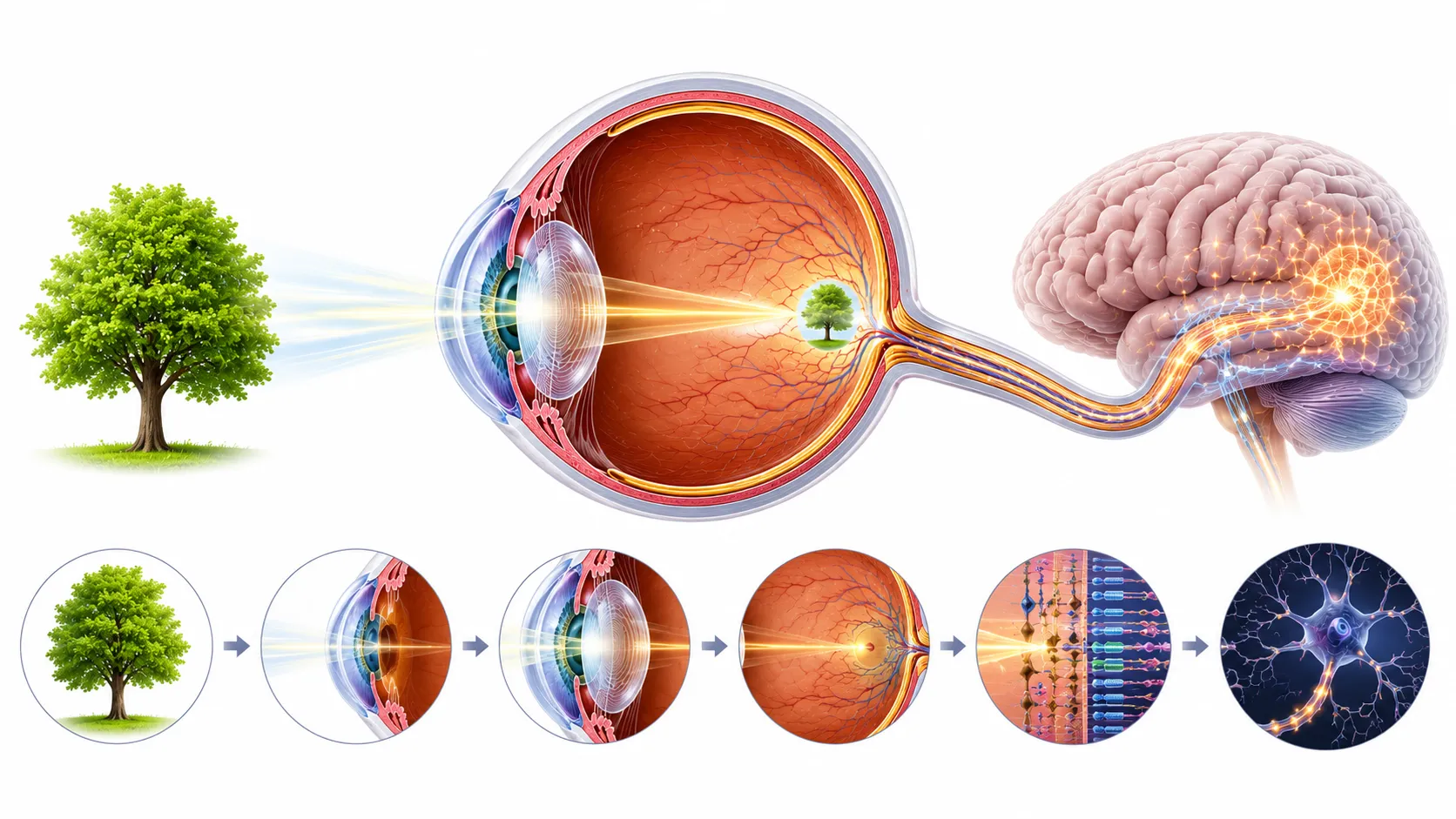
The eye works by focusing incoming light onto the retina through the cornea and lens, where photoreceptor cells convert light into electrical signals that the brain processes into the experience of vision. Light enters through the cornea, which provides about two-thirds of the eye's focusing power, passes through the pupil, crosses the lens, which fine-tunes focus for distance, and lands on the retina. The retina contains approximately 120 million rod cells, which detect light levels and motion, and about six million cone cells, which detect color at high resolution. These photoreceptors convert photons into electrochemical signals via a cascade involving photosensitive pigments. The signals travel through the optic nerve to the visual cortex, where the actual experience of seeing is constructed.
All body mysteries
Explore the body shelf
66 mysteries found
Body & Brain
Can the Brain Feel Pain?
No. The brain has no nociceptors, the specialized nerve endings that detect pain, and therefore cannot sense pain directly. Pain requires nociceptors to detect a threat and send signals to the brain for processing. The brain is extraordinarily rich in the circuitry that interprets pain signals arriving from elsewhere in the body, but its own tissue contains none of the sensors needed to generate those signals in the first place.
Body & Brain
Does Your Brain Eat Itself?
Yes, in two distinct ways. Through autophagy, brain cells recycle their own damaged components, and through synaptic pruning, the brain eliminates neural connections it no longer needs. Autophagy is a cellular recycling mechanism where brain cells break down and digest damaged proteins and organelles, repurposing the material for energy and new construction. Synaptic pruning is a larger-scale process where the brain actively eliminates synaptic connections deemed redundant, particularly during childhood development and adolescence. Both processes are essential for healthy function and both can go dangerously wrong.
Body & Brain
Why Does Brain Fog Happen?
Brain fog is caused by neuroinflammation, impaired neural signaling, hormonal disruption, or deficiencies in the chemical systems that allow neurons to communicate quickly and clearly. The brain depends on a precise chemical environment to function at speed. When inflammation, poor sleep, hormonal shifts, metabolic disruption, or immune system activation disturb that environment, neural communication slows and becomes less reliable. The result is the subjective experience of fogginess: slow recall, poor concentration, difficulty forming sentences, and a general sense that the mental machinery is grinding rather than running.
Body & Brain
Why Do Fish Sleep?
Fish sleep to allow their nervous systems to perform the same cellular maintenance and memory consolidation that sleep provides in all animals. The need appears to be a universal feature of complex nervous systems. Fish enter a state of reduced activity and lowered responsiveness that qualifies as sleep by neurological criteria. During this state, metabolism slows, the brain cycles through activity patterns distinct from waking, and the nervous system undergoes repair and consolidation processes. Some species hover motionless. Some lie on the bottom. Some, remarkably, secrete a mucus cocoon around themselves first. What they do not do is stay permanently awake.
Body & Brain
How Eye Drops Work
Eye drops work by depositing a drug onto the ocular surface, from which it must penetrate the cornea to reach internal eye structures. Most of the drop washes away through the nasolacrimal duct, which is why you can taste it. When a drop lands on the eye, it joins the tear film. The eye can hold approximately seven to ten microliters of fluid. A standard drop contains about thirty microliters, meaning most of it immediately overflows and drains through the puncta, tiny holes in the inner corners of the eyelids, down the nasolacrimal duct, and into the back of the throat. The remaining drug must cross the cornea, a selective barrier with tight cellular junctions, to reach the anterior chamber where most ocular conditions are treated.
Body & Brain
How the Eye Works
The eye works by focusing incoming light onto the retina through the cornea and lens, where photoreceptor cells convert light into electrical signals that the brain processes into the experience of vision. Light enters through the cornea, which provides about two-thirds of the eye's focusing power, passes through the pupil, crosses the lens, which fine-tunes focus for distance, and lands on the retina. The retina contains approximately 120 million rod cells, which detect light levels and motion, and about six million cone cells, which detect color at high resolution. These photoreceptors convert photons into electrochemical signals via a cascade involving photosensitive pigments. The signals travel through the optic nerve to the visual cortex, where the actual experience of seeing is constructed.
Body & Brain
Does Everyone Dream?
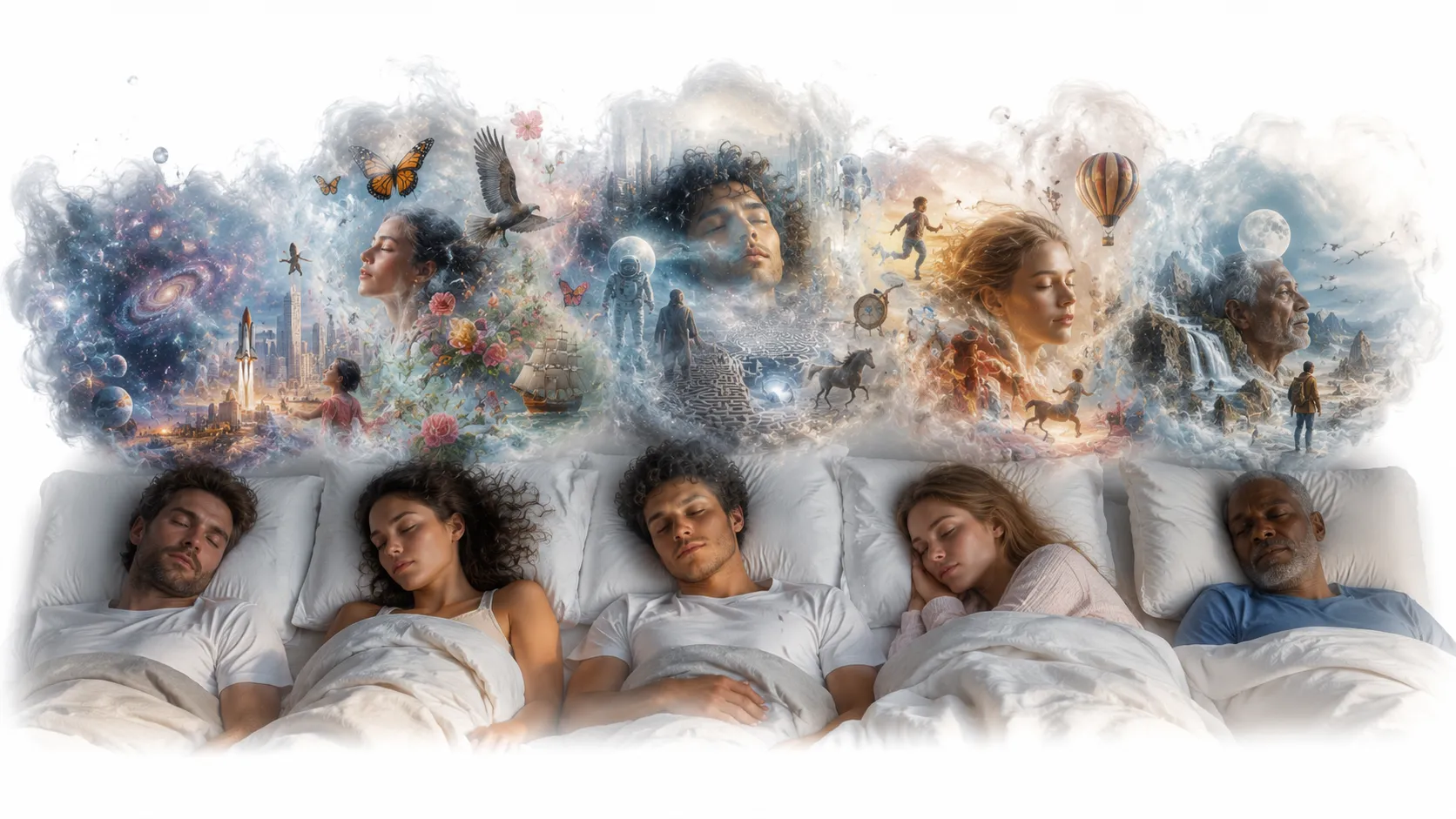
Almost certainly yes, everyone with a healthy brain dreams during REM sleep. The roughly five percent of people who report never dreaming almost certainly dream but have no memory of it. REM sleep, the stage where dreaming is most vivid and complex, is a universal feature of human sleep architecture. Brain scans during REM sleep show the same activity patterns in people who report dreaming and in people who report they never dream. The difference lies in the memory encoding process that transfers dream content from the short-term experience of sleep into waking recall.
Body & Brain
Can the Brain Be Transplanted?
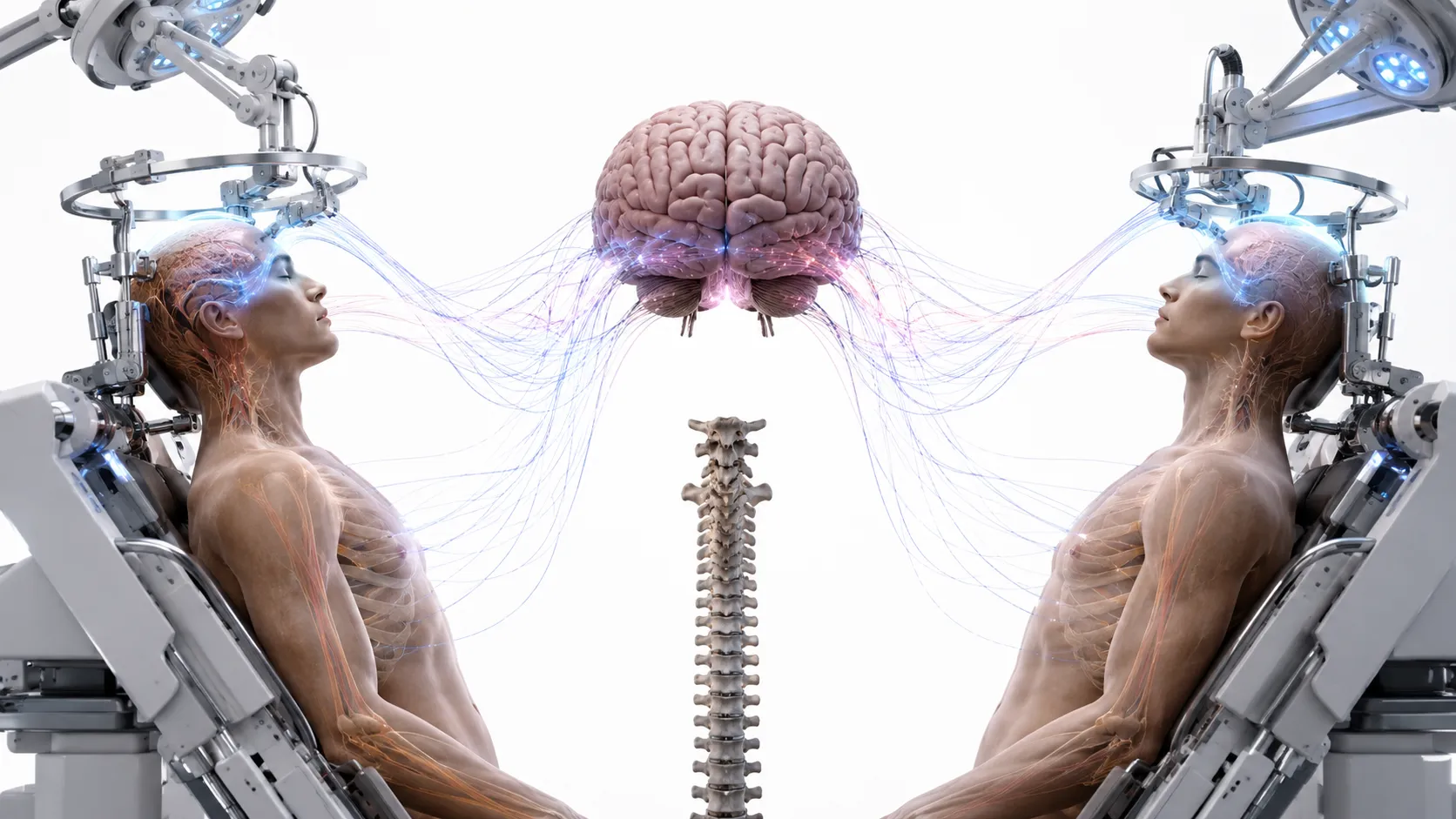
No. A complete brain transplant is currently impossible because medicine cannot reconnect a severed spinal cord, and without that reconnection, the transplanted brain would be permanently isolated from the body it was placed into. Removing a brain from one skull and placing it into another requires severing the spinal cord, the brainstem connections, and dozens of cranial nerves. The spinal cord contains millions of nerve fibers, and current medicine has no way to reattach them in a way that restores function. The transplanted brain would be alive but permanently paralyzed, unable to feel the body beneath it or move it. The technical challenge makes heart and kidney transplantation look simple by comparison.
Body & Brain
Can an Eye Be Donated?
Specific parts of the eye, particularly the cornea and sclera, can be donated and transplanted successfully. The whole eye as a complete organ cannot currently be transplanted because the optic nerve cannot be reconnected. Eye banks retrieve eyes from donors within hours of death, evaluate the tissue quality, and process specific layers for transplantation. The cornea, the clear front surface of the eye, is the most commonly transplanted part and restores sight in thousands of patients annually. Modern surgical techniques can transplant individual layers of the cornea rather than the full thickness, dramatically improving outcomes. The retina and optic nerve, which connect to the brain, remain outside current transplant capability.
Body & Brain
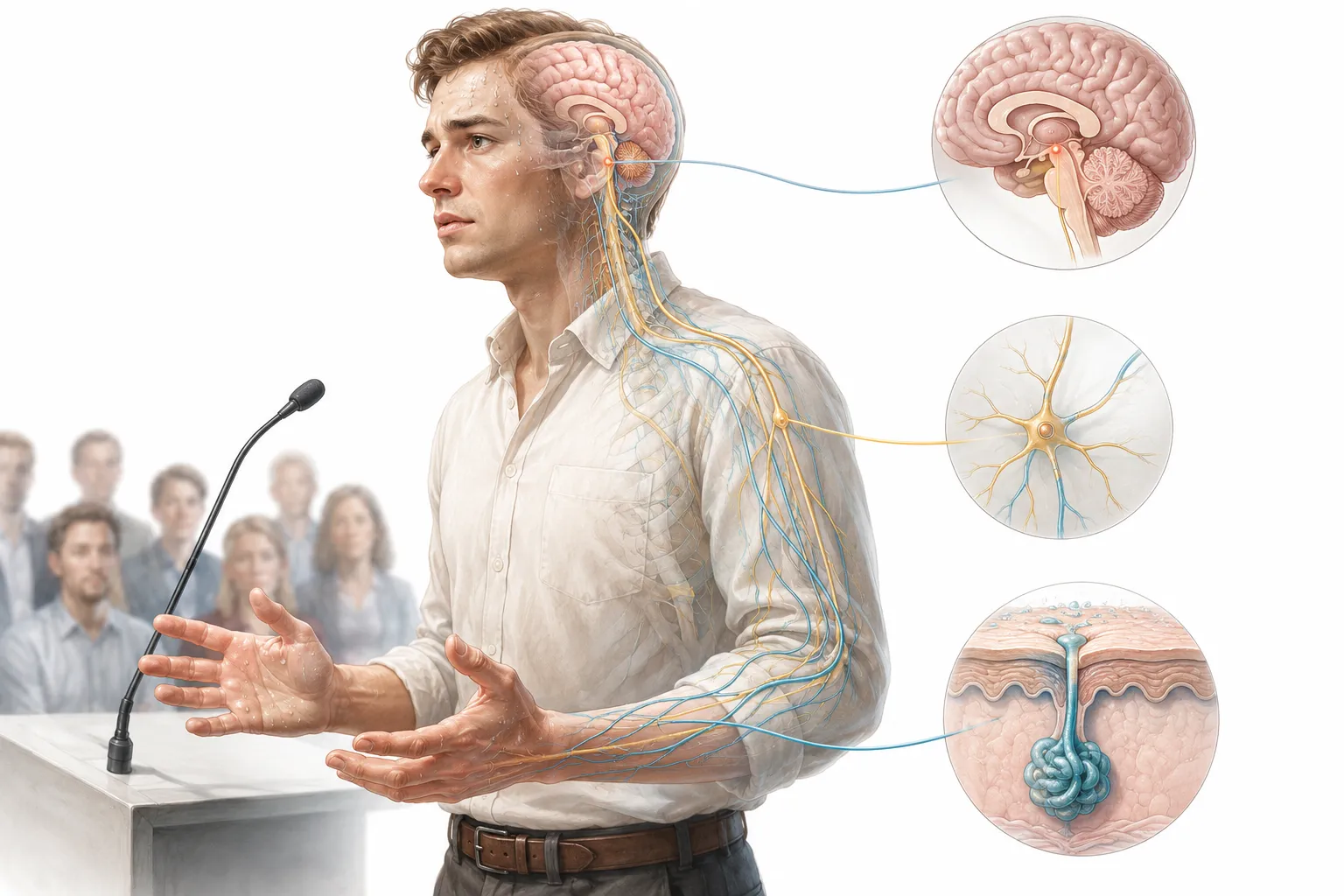
Why Do We Sweat When Nervous?
Nervous sweat is triggered by the sympathetic nervous system's stress response, not by heat. It largely comes from apocrine and eccrine glands concentrated in the palms, soles, and armpits, activated by adrenaline as part of the body's fight-or-flight reaction. The body has two main types of sweat glands. Eccrine glands, spread across most of the skin, primarily regulate body temperature by releasing sweat that cools the skin as it evaporates. Apocrine glands, concentrated in the armpits, palms, soles, and groin, are more strongly linked to emotional and stress responses. When the brain perceives a stressful or threatening situation, the sympathetic nervous system releases adrenaline, which activates sweat glands in these emotionally responsive areas almost immediately, regardless of ambient temperature. This response evolved as part of the fight-or-flight system, likely because slightly damp palms and soles may have improved grip during a physical confrontation or a fast getaway, a survival advantage that has stuck around long after most modern stressful situations stopped requiring either.
Body & Brain
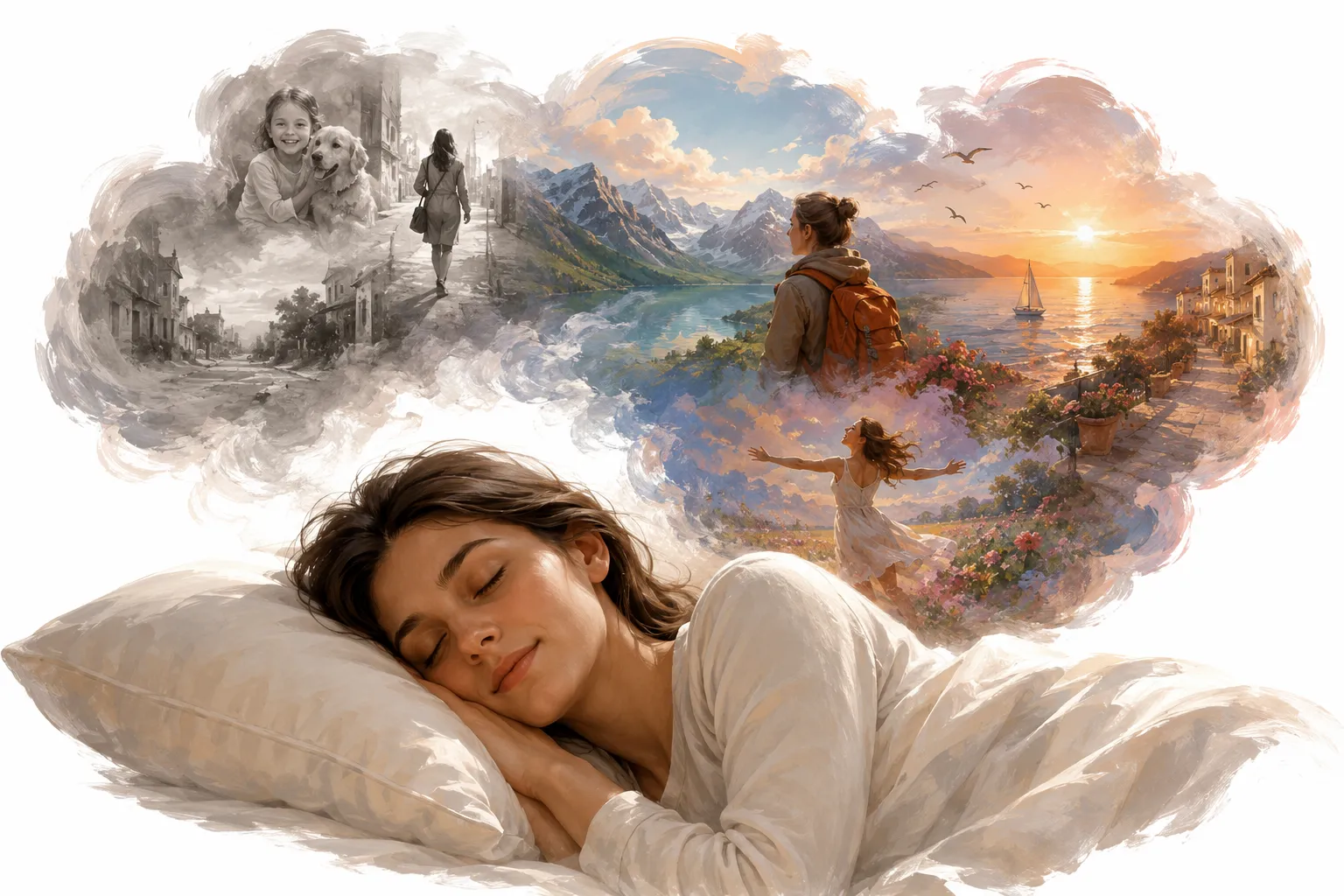
Can You Dream in Color?
Yes, most people dream in color, and modern research using more reliable methods, like waking people mid-dream, confirms this. The historical belief that dreams were commonly black and white appears to have been strongly influenced by exposure to black-and-white film and television, not by an actual difference in how the brain generates dreams. Studies from the mid-twentieth century, when black-and-white film and television dominated visual media, found that most people reported their dreams as black and white. Later studies, conducted after color media became the norm, found the opposite: most people reported dreaming in color, with estimates suggesting the large majority of dreams include color when subjects are asked immediately upon waking. Researchers now believe the earlier results were heavily shaped by cultural exposure and the language people had available to describe their dreams, since black-and-white imagery was simply the dominant visual reference point of the era. When researchers switched to more reliable methods, like waking subjects during REM sleep and asking them immediately, rather than relying on delayed recall the next morning, color reports became even more consistent, suggesting that color dreaming was likely always the norm and earlier surveys were picking up a reporting bias rather than a real biological shift.
Body & Brain
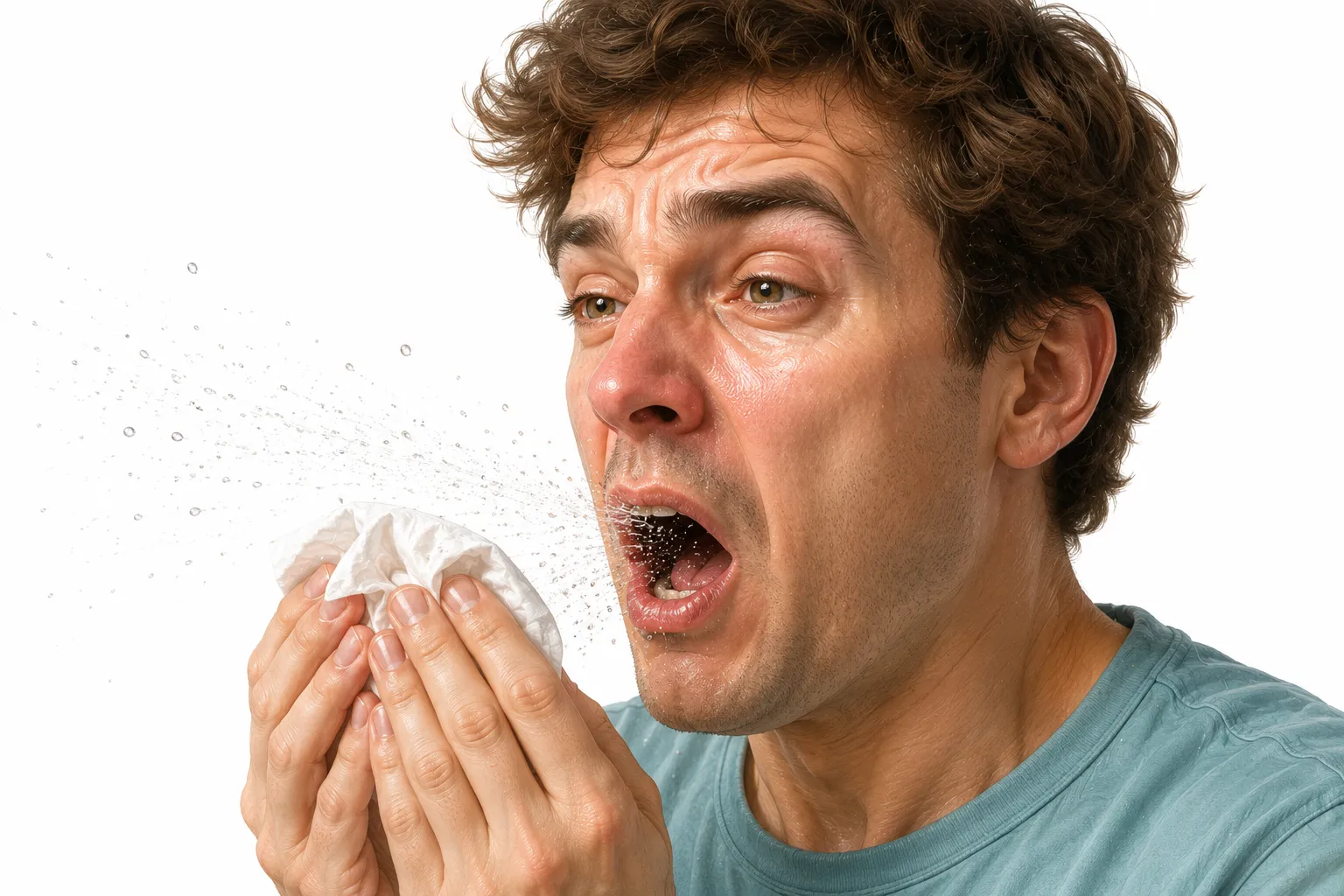
Can You Sneeze With Your Eyes Open?
Yes, it's physically possible to sneeze with your eyes open, and it causes no harm. The reason it's difficult is that eyelid closure is wired into the same automatic brainstem reflex arc that controls the rest of the sneeze, not because your eyes need protecting from any physical danger. The sneeze reflex is coordinated by a network of neurons in the brainstem that trigger a rapid, simultaneous contraction of muscles across the diaphragm, chest, throat, and face, including the muscles that close the eyelids. This entire sequence happens involuntarily and extremely quickly, which is why it feels impossible to interrupt any single part of it, including eye closure, through conscious effort alone. There's no anatomical reason keeping your eyes open during a sneeze would cause injury, since the eyes aren't mechanically connected to the sinus pressure generated during a sneeze. With deliberate practice and conscious effort, some people can override the eye-closing portion of the reflex while still sneezing normally, proving the difficulty is neurological, not protective.
Body & Brain
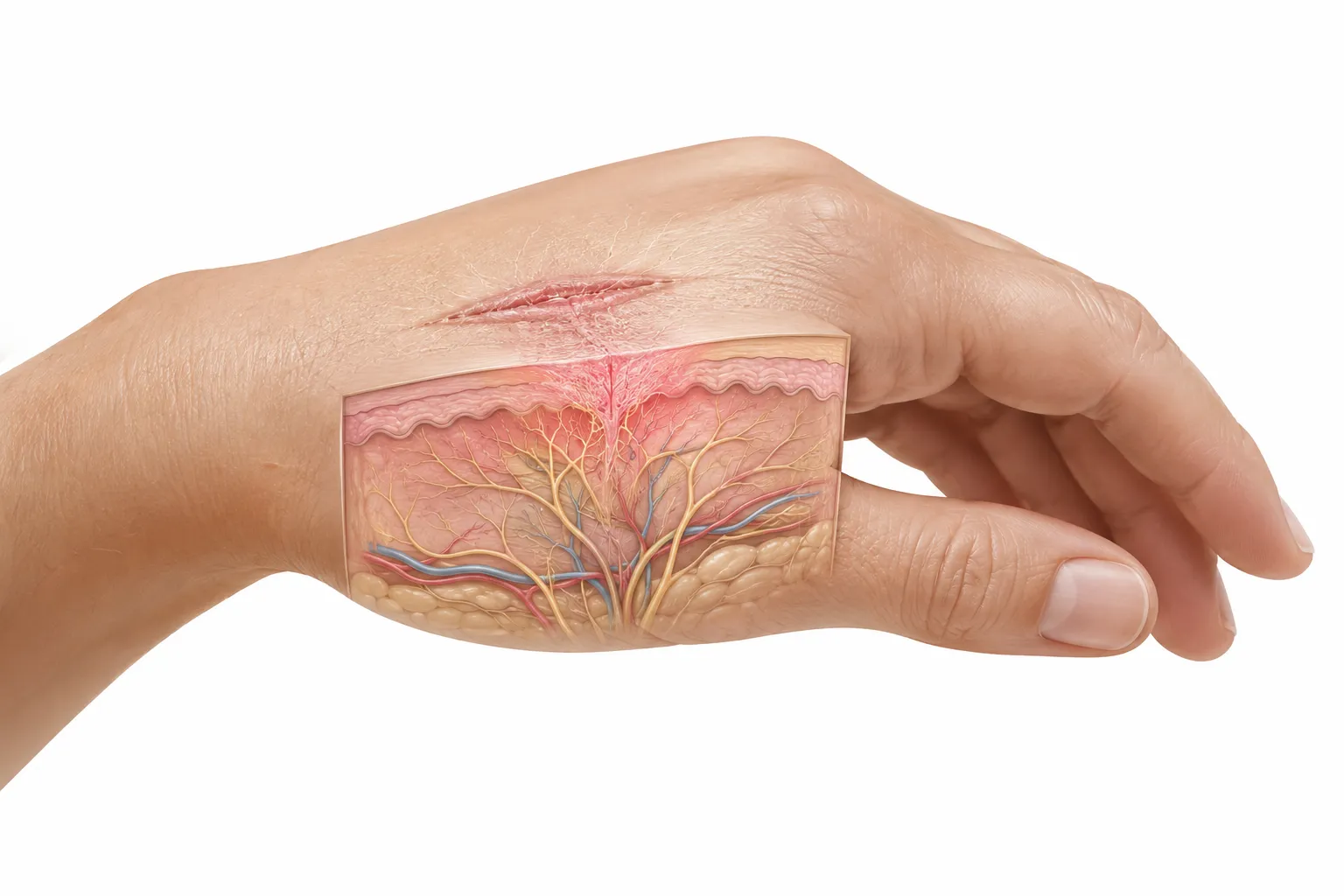
Why Do Cuts Itch When Healing?
Cuts itch while healing because the body releases histamine and other chemical signals as new skin cells, blood vessels, and nerve fibers regenerate, and these signals stimulate the same nerve pathways responsible for the itch sensation. As a wound heals, cells called mast cells release histamine to help regulate blood flow and immune activity in the area, which supports tissue repair but also directly stimulates nearby itch-sensitive nerve fibers. At the same time, new nerve endings are regenerating inside the healing tissue, and these still-developing nerves fire more erratically than mature ones, contributing to unusual sensations including itching. The tightening and contracting of new skin as it forms, especially around a scab, can also mechanically stimulate nerve endings. All three factors, the chemical signal, the regenerating nerves, and the physical tightening, tend to peak in the middle stage of healing, which is exactly when itching is usually at its worst.
Body & Brain
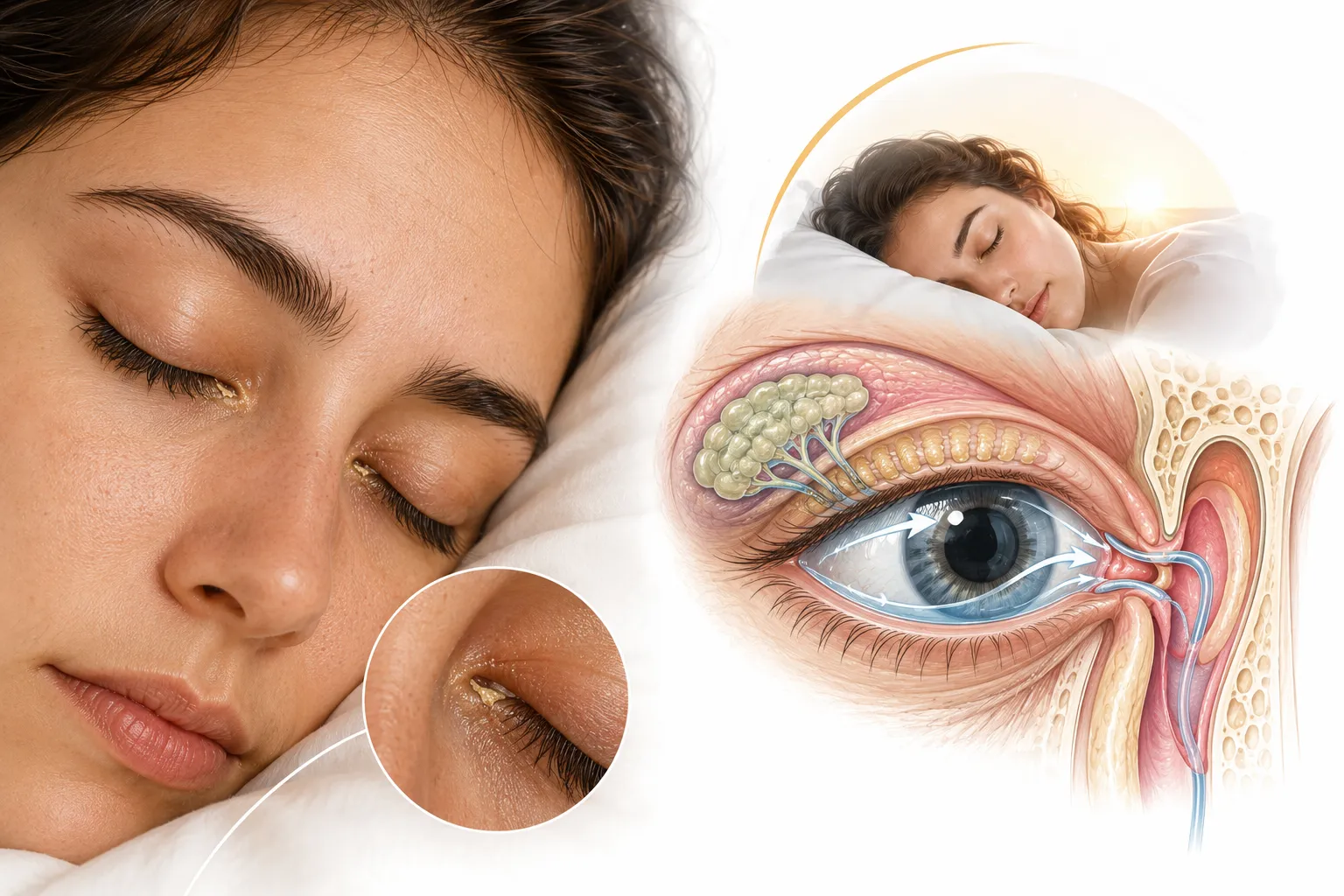
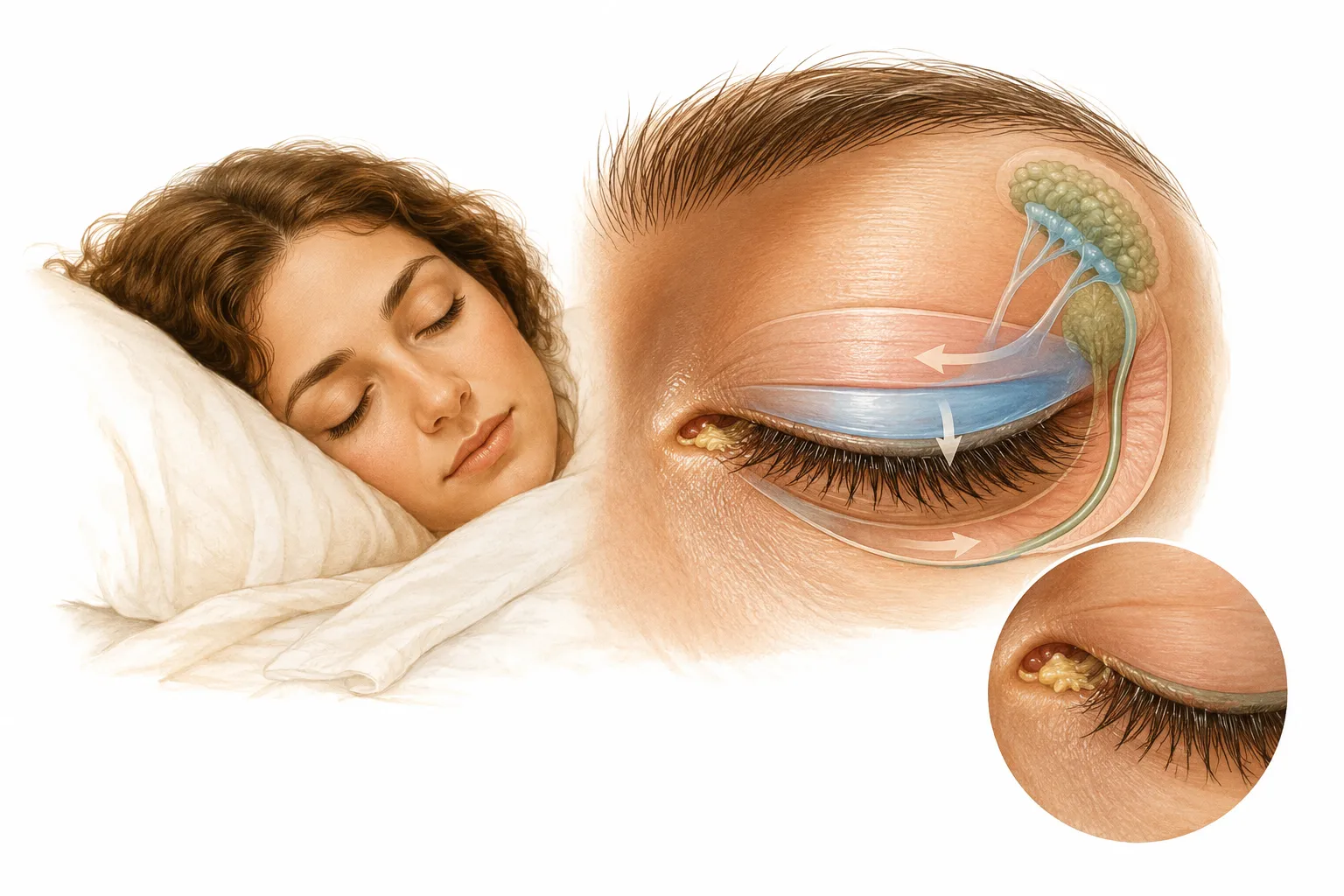
Why Do Eyes Get Crusty Overnight?
Eyes get crusty overnight because blinking, which normally clears mucus, oil, and debris from the tear film throughout the day, stops almost entirely during sleep. Without that constant clearing, the tear film's natural byproducts pool in the corners of the eyes and dry out over several uninterrupted hours. The surface of your eye is coated in a tear film made of watery, oily, and mucus-like layers produced continuously by different glands. Throughout the day, blinking spreads this film evenly and drains excess fluid, along with trapped dust and dead cells, through tiny tear ducts in the inner corner of each eye. During sleep, both blinking and tear production slow dramatically, so the leftover material that would normally be swept away instead accumulates in the same spot for hours at a stretch. As the eyes stay closed and tears evaporate slightly around the edges, this leftover mucus and debris dries into the crust commonly found in the inner corners of the eyes upon waking, a direct byproduct of the daytime clearing process simply pausing overnight.
Body & Brain
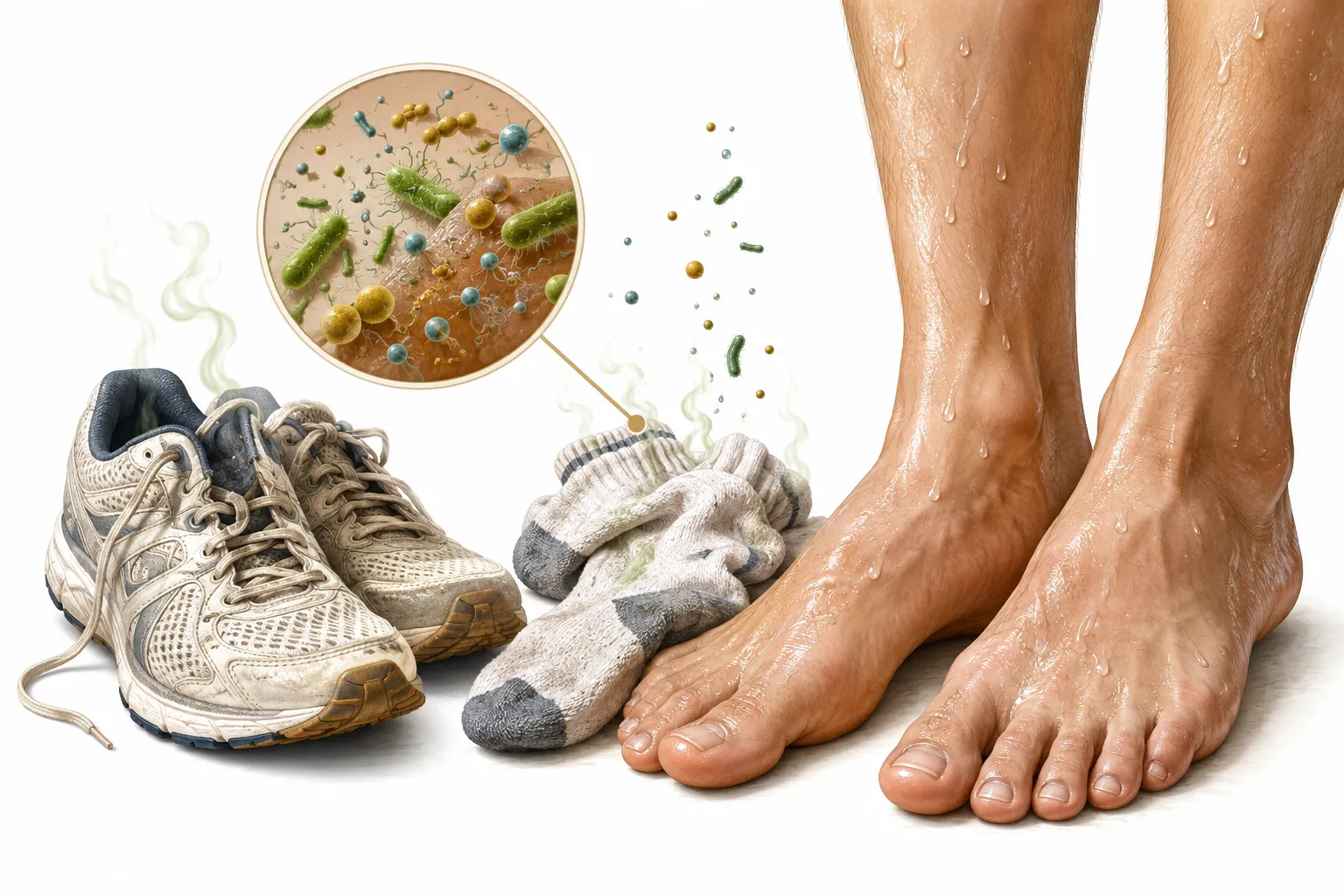
Why Do Feet Smell?
Feet smell because bacteria on your skin break down the compounds in sweat, producing smelly byproducts. Feet have an unusually high density of sweat glands, and shoes create a warm, moist, enclosed environment that lets those bacteria thrive. Feet have more sweat glands per square inch than almost anywhere else on your body, capable of producing significant sweat even without heat or exercise triggering it. On its own, this sweat is nearly odorless, made mostly of water, salt, and trace compounds. But the skin on your feet, especially inside enclosed shoes, hosts colonies of bacteria that feed on compounds in sweat and dead skin cells. As they metabolize this material, these bacteria release volatile organic compounds, some of which have a strong cheesy or sulfurous smell. Shoes trap heat and moisture, creating close to ideal conditions for these bacteria to multiply rapidly, which is why foot odor tends to be far stronger than odor from other sweaty parts of the body left exposed to open air.
Body & Brain
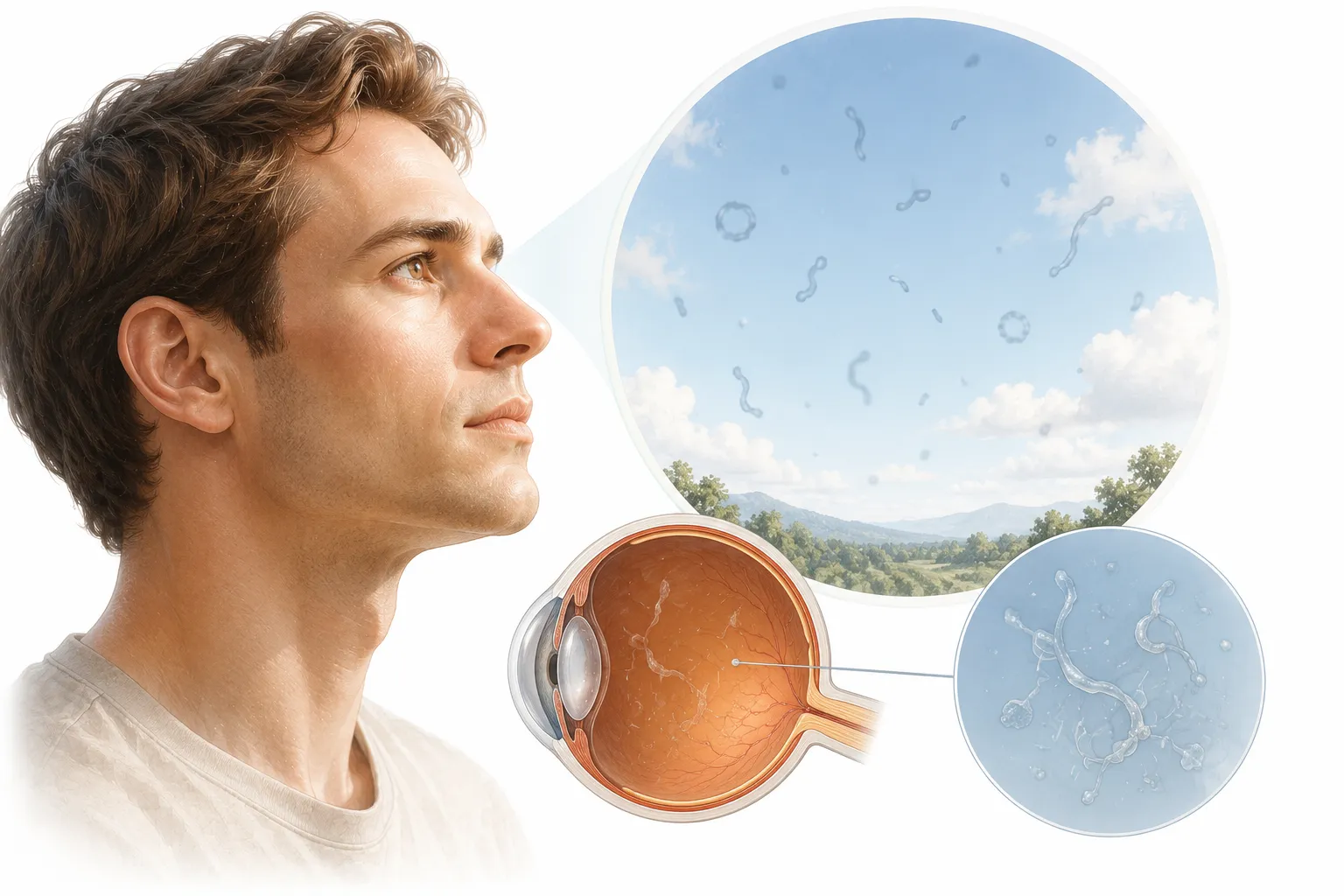
Why Do I See Floaters?
Floaters are small clumps of protein or cells inside the vitreous, the clear gel that fills the back of your eyeball, casting shadows on the retina as they drift. They become more common with age as the vitreous naturally changes texture and starts to shrink and liquefy. The vitreous is a clear, gel-like substance that fills the large chamber between the eye's lens and the retina, helping the eyeball maintain its shape. In early life, this gel is mostly uniform and dense, but as people age, it gradually liquefies and shrinks in certain areas, causing tiny fibers and clumps of collagen protein within it to clump together more visibly. Light entering the eye passes through the vitreous before reaching the retina, and these small clumps cast faint shadows onto the retina as they drift through the gel with eye movement. Because the retina interprets any pattern of light and shadow as visual information, these shadows appear as small specks, threads, or cobweb-like shapes that seem to float and drift, always slightly ahead of where you're directly trying to look, since they're moving within the fluid inside the eye rather than staying fixed in the outside world.
Body & Brain
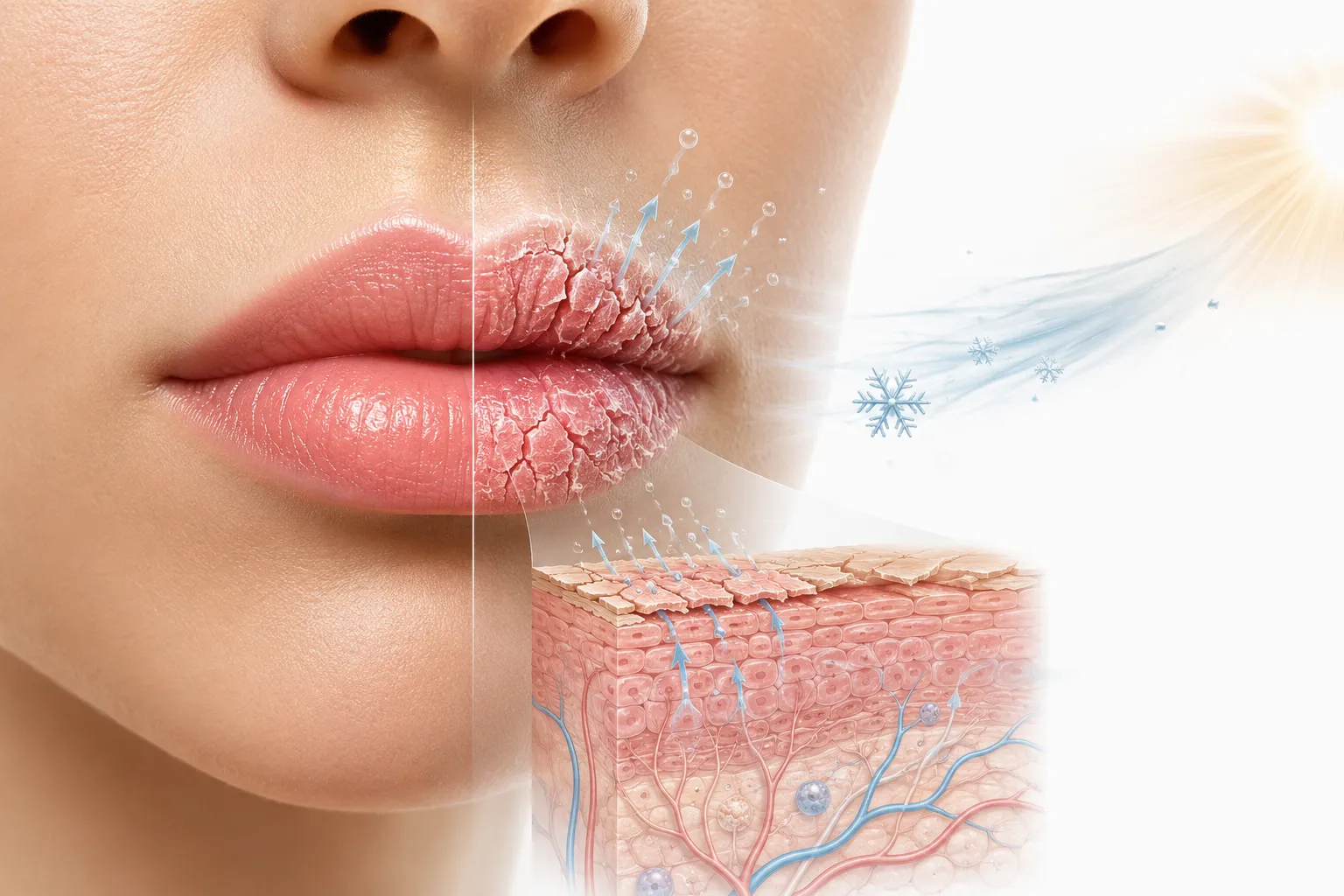
Why Do Lips Get Chapped?
Lips get chapped because they lack oil glands and sweat glands, and their outer skin layer is extremely thin, so they can't retain moisture the way the rest of your skin does. Dry air, wind, cold, sun, and licking your lips all strip away what little moisture is there, causing cracking. Most skin on your body is covered by the stratum corneum, a thick outer layer packed with dead skin cells and natural oils that lock in moisture, plus sebaceous glands that continuously produce oil to keep the surface supple. Lips have a stratum corneum that's only a few cell layers thick, none of the oil-producing sebaceous glands found elsewhere, and no sweat glands to regulate hydration. That makes the skin on your lips almost entirely dependent on external moisture and saliva to stay hydrated, which is a fragile system easily disrupted by wind, cold, dry indoor heating, or excessive licking, all of which pull moisture out faster than it can be replaced.
Body & Brain
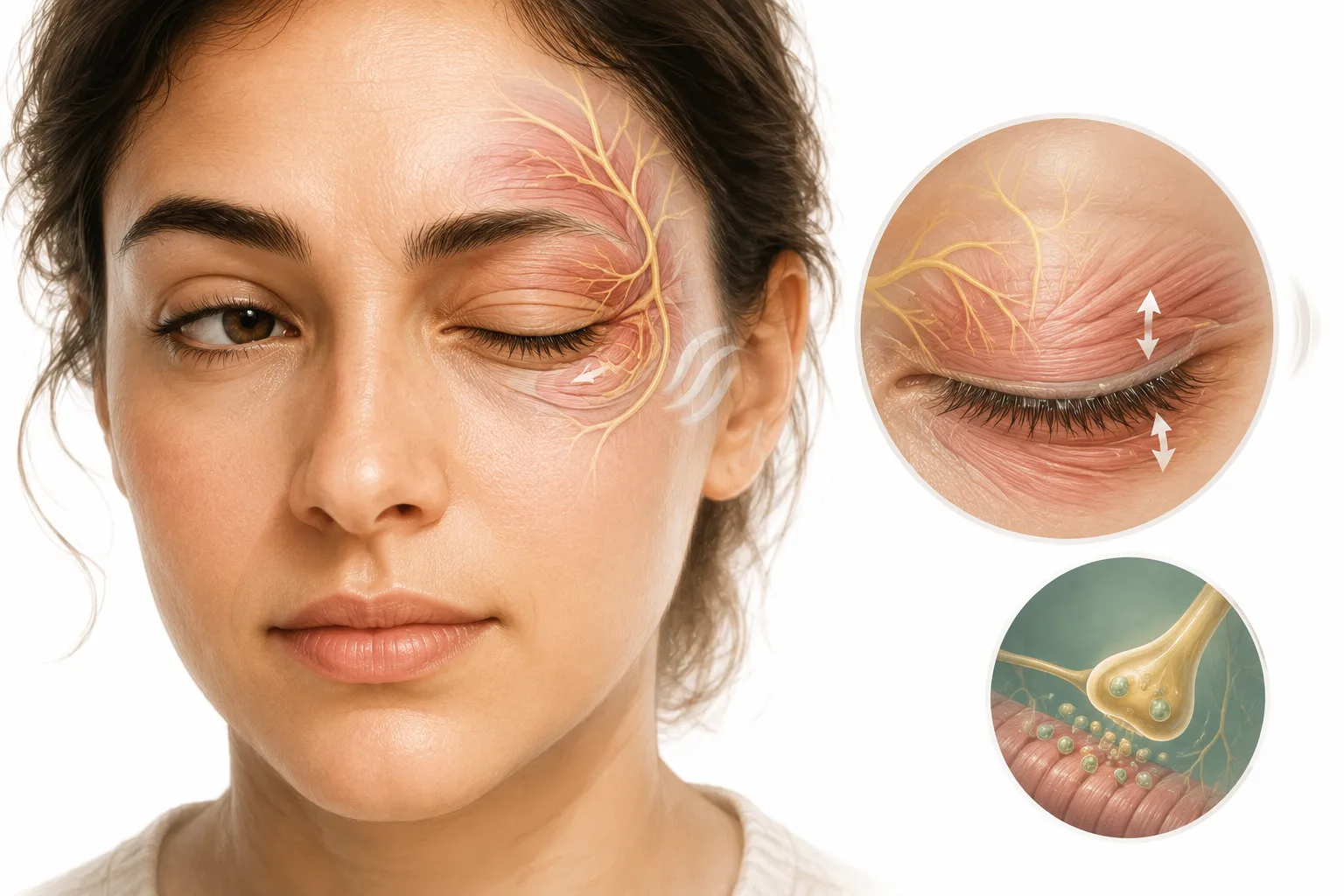
Why Do My Eyes Twitch?
Eye twitching, medically called myokymia, happens when the nerve controlling a small muscle around the eyelid becomes overexcited and fires repeatedly on its own. It's usually triggered by fatigue, stress, caffeine, or eye strain, and it typically resolves on its own within a few days. The eyelid is controlled by a very thin, delicate muscle called the orbicularis oculi, wrapped around the eye and responsible for blinking and closing the eye. This muscle is controlled by a facial nerve that, under normal conditions, fires only when you consciously or reflexively blink. Certain conditions, including sleep deprivation, high caffeine intake, alcohol, stress, and dry or strained eyes, can lower the threshold at which this nerve fires, causing it to spontaneously trigger small, repeated contractions in a tiny section of the muscle. Because the muscle involved is so small and thin, even a slight nerve misfire is easily visible as a twitch, unlike similar misfires in larger muscles elsewhere in the body that would be far less noticeable.
Body & Brain
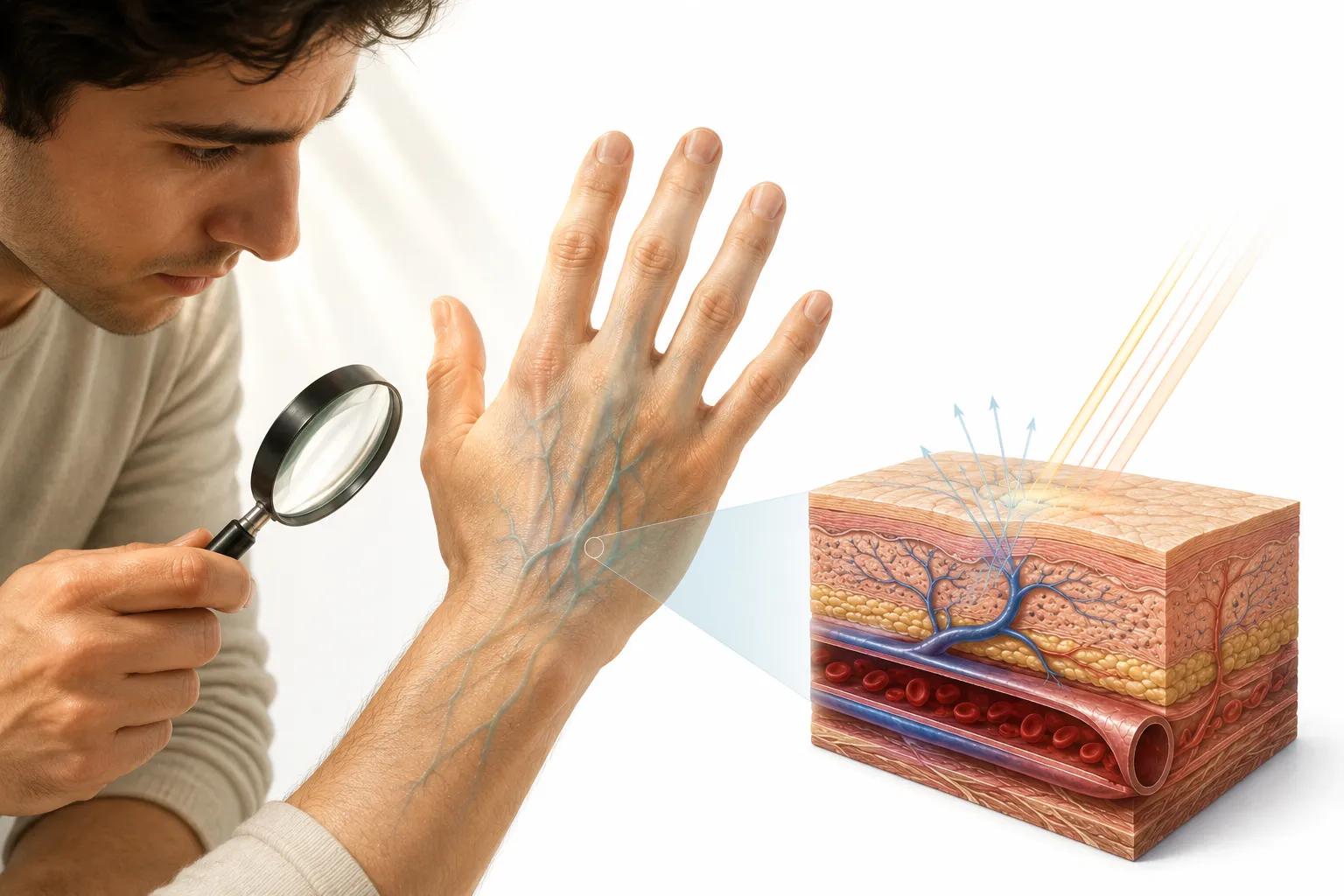
Why Do My Veins Look Blue?
Veins look blue because of how light scatters through skin, not because the blood inside them is actually blue. Deoxygenated blood is dark red, and skin filters that red light so only blue-shifted wavelengths make it back to your eye. Light entering skin is a mix of wavelengths. Red light penetrates deeper into tissue before bouncing back out, while blue light scatters closer to the surface. Veins sit just deep enough that the red wavelengths reflecting off them get absorbed by the tissue above before reaching your eye, while shorter blue wavelengths scatter back out efficiently. Your brain interprets that scattered light as the color of the vein itself, even though the vein is really carrying dark red blood the entire time.
Body & Brain
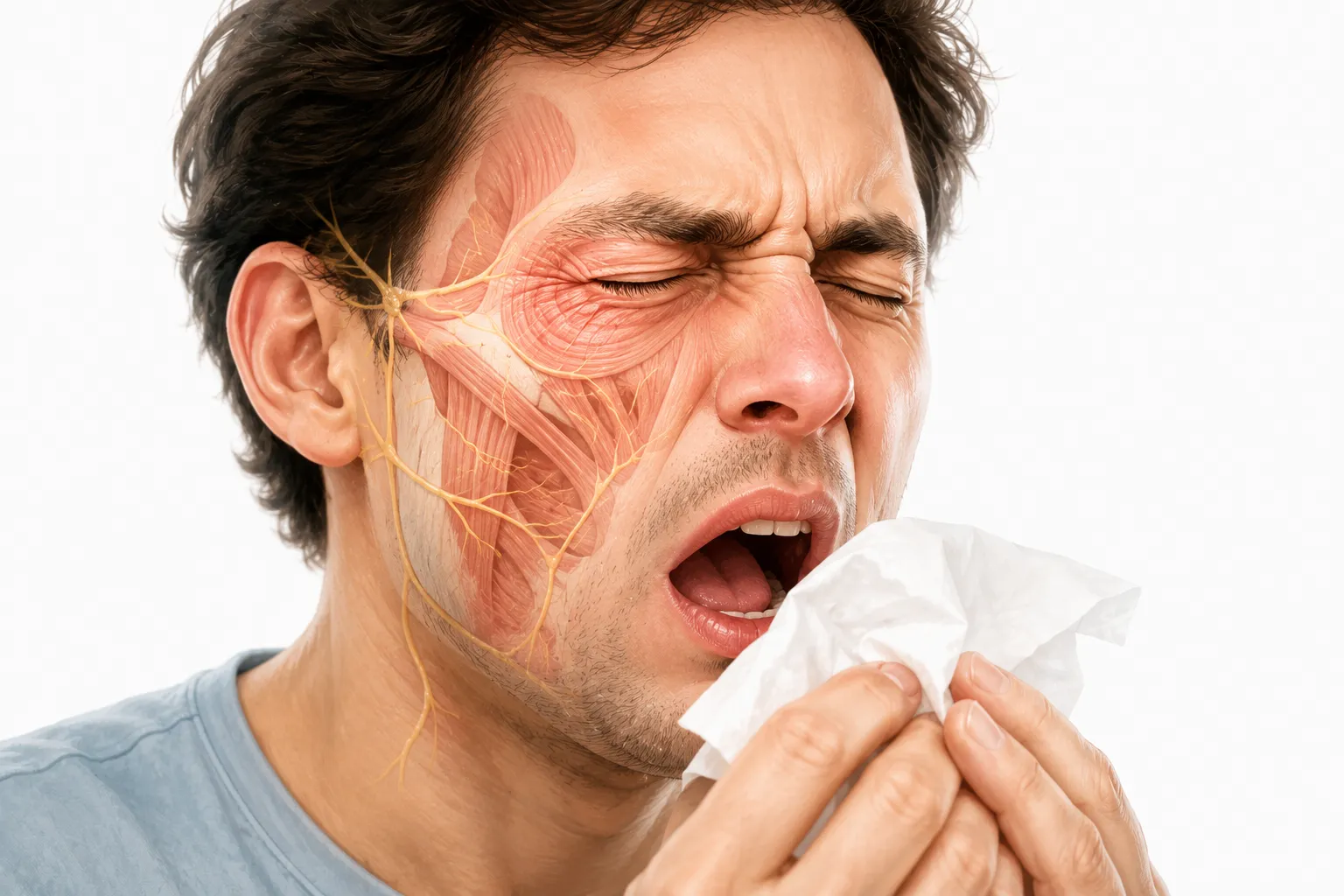
Why Do We Close Our Eyes When We Sneeze?
Eyes close during a sneeze because the sneeze reflex is controlled by a network of nerves in the brainstem that trigger multiple muscle groups simultaneously, including the eyelid muscles, as part of one coordinated involuntary reflex arc. It's not to prevent your eyes from popping out; that's a myth with no basis in anatomy. A sneeze begins when sensory nerves in the nasal passages detect an irritant and send a signal to the brainstem's sneeze center. From there, the brainstem coordinates a rapid, forceful sequence involving the diaphragm, chest muscles, throat, and facial muscles, all firing together to expel the irritant explosively through the nose and mouth. The eyelid closure is triggered by this same reflex arc, likely because the nerve pathways controlling eyelid muscles are closely linked to the trigeminal and facial nerve circuits involved in the broader sneeze reflex. Researchers believe the eye closure may serve a modest protective function, shielding the eyes from expelled droplets and particles, but it isn't a mechanical necessity like the popular myth suggests, and there's no anatomical mechanism by which keeping your eyes open during a sneeze could cause them to dislodge.
Body & Brain
Why Do We Get Eye Boogers?
Eye boogers, medically called rheum, form from a mix of mucus, oil, skin cells, and dust that your eyes naturally produce to stay lubricated and protected. Blinking usually clears it away during the day, but while you sleep, it accumulates in the corners of your eyes and dries out. Your eyes are coated in a tear film made of three layers: an oily outer layer, a watery middle layer, and a mucus-like inner layer. Throughout the day, this film also traps dust, dead skin cells, and other debris. Blinking constantly redistributes and drains this mixture through tiny ducts in the corner of your eye, so it rarely builds up. At night, blinking stops and tear production slows, so the leftover mucus, oil, and debris settle in the inner corner of the eye and dry into the crusty or gooey substance you find when you wake up.
Body & Brain
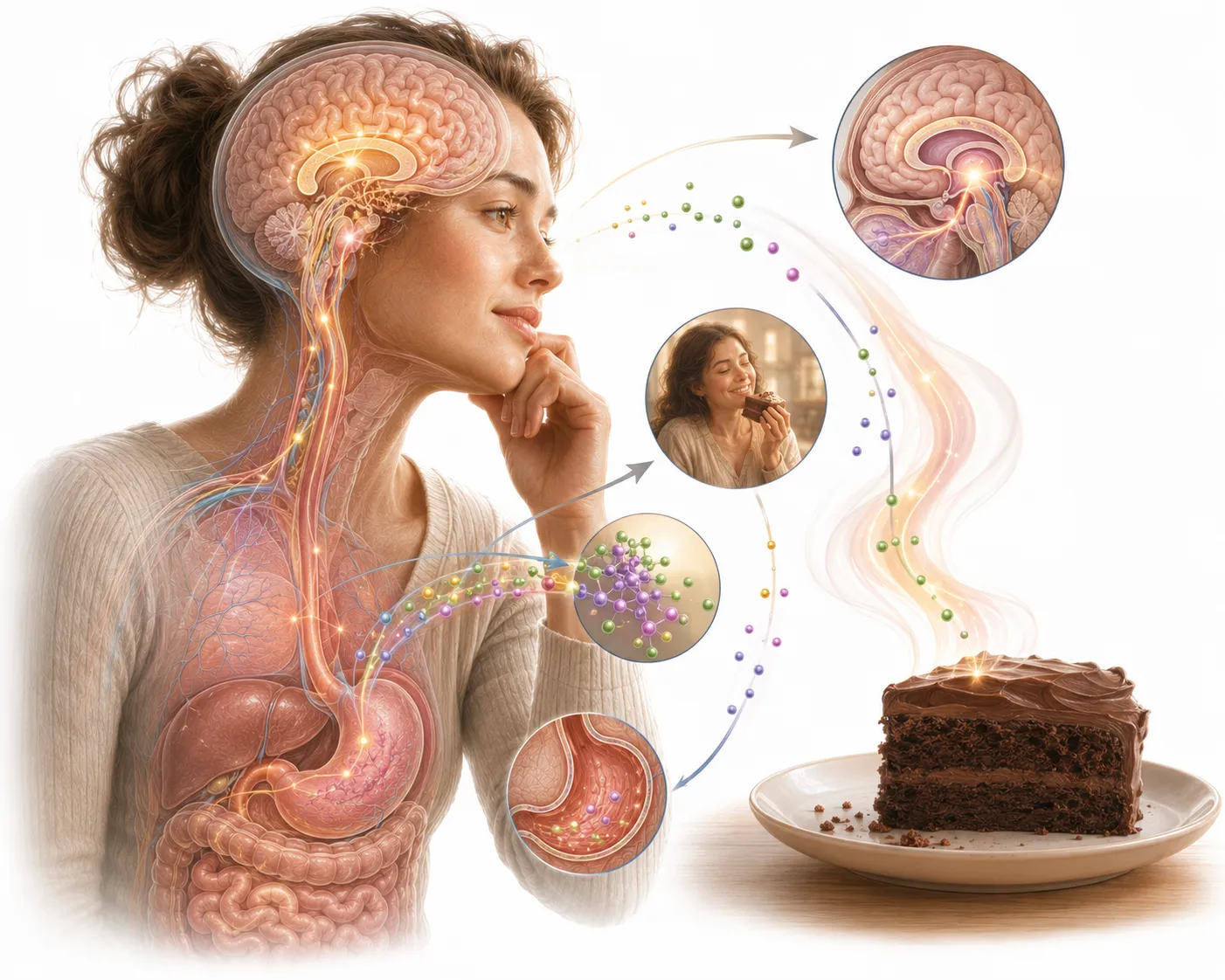
Why Do We Get Cravings?
Cravings arise from a combination of factors, including the brain's reward system responding to memories and expectations of pleasurable foods, hormonal fluctuations that influence appetite and mood, and, in some but not all cases, the body signaling a genuine need for specific nutrients or calories. Cravings are driven substantially by the brain's reward circuitry, particularly regions involving dopamine, which respond not just to eating a pleasurable food but to anticipating and remembering it, which is why a craving can be triggered by a smell, a memory, stress, or even simply seeing a food advertisement. Hormones also play a significant role; fluctuations in hormones like ghrelin, which stimulates appetite, and leptin, which signals fullness, can shift both hunger levels and specific food preferences, which is part of why cravings often intensify during hormonal changes such as the menstrual cycle or periods of sleep deprivation. While popular belief often frames cravings as the body specifically signaling a nutrient deficiency, such as craving red meat due to low iron, scientific evidence for this direct nutrient-signaling explanation is considerably weaker and more inconsistent than the evidence supporting learned, psychological, and hormonal drivers of cravings.
Body & Brain
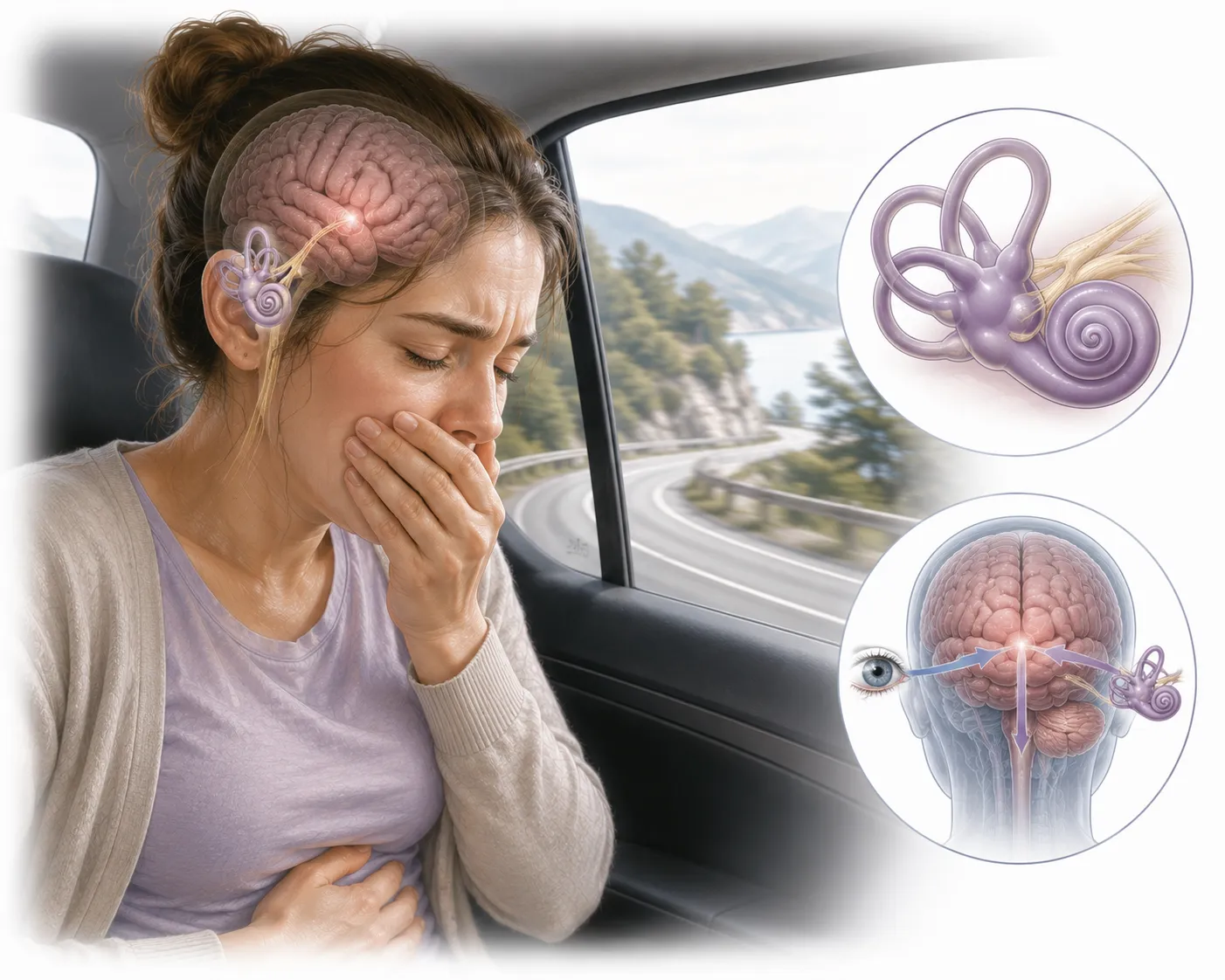
Why Do We Get Motion Sickness?
Motion sickness happens when the brain receives conflicting signals about movement from the inner ear's balance system, the eyes, and the body's other sensory receptors, a mismatch that, according to the leading sensory conflict theory, the brain may interpret as a sign of ingested neurotoxins, triggering nausea as a protective, if usually inaccurate, defensive response. The body relies on three main sensory systems to maintain balance and awareness of movement: the vestibular system in the inner ear, which detects motion and orientation; the eyes, which visually track movement in the environment; and proprioceptive receptors throughout the body, which sense the position and movement of muscles and joints. Under normal conditions, these systems agree closely with each other. But in situations like reading in a moving car, the inner ear detects motion while the eyes, focused on a stationary page, report no movement at all, creating a significant mismatch. According to the widely supported sensory conflict theory, evolutionary history shaped the brain to interpret this kind of persistent sensory disagreement as a possible sign of ingested toxins, since certain neurotoxins are known to disrupt sensory processing in similar ways, triggering nausea and vomiting as a defensive response intended to expel a potential poison, even when no actual poison is present.
Body & Brain
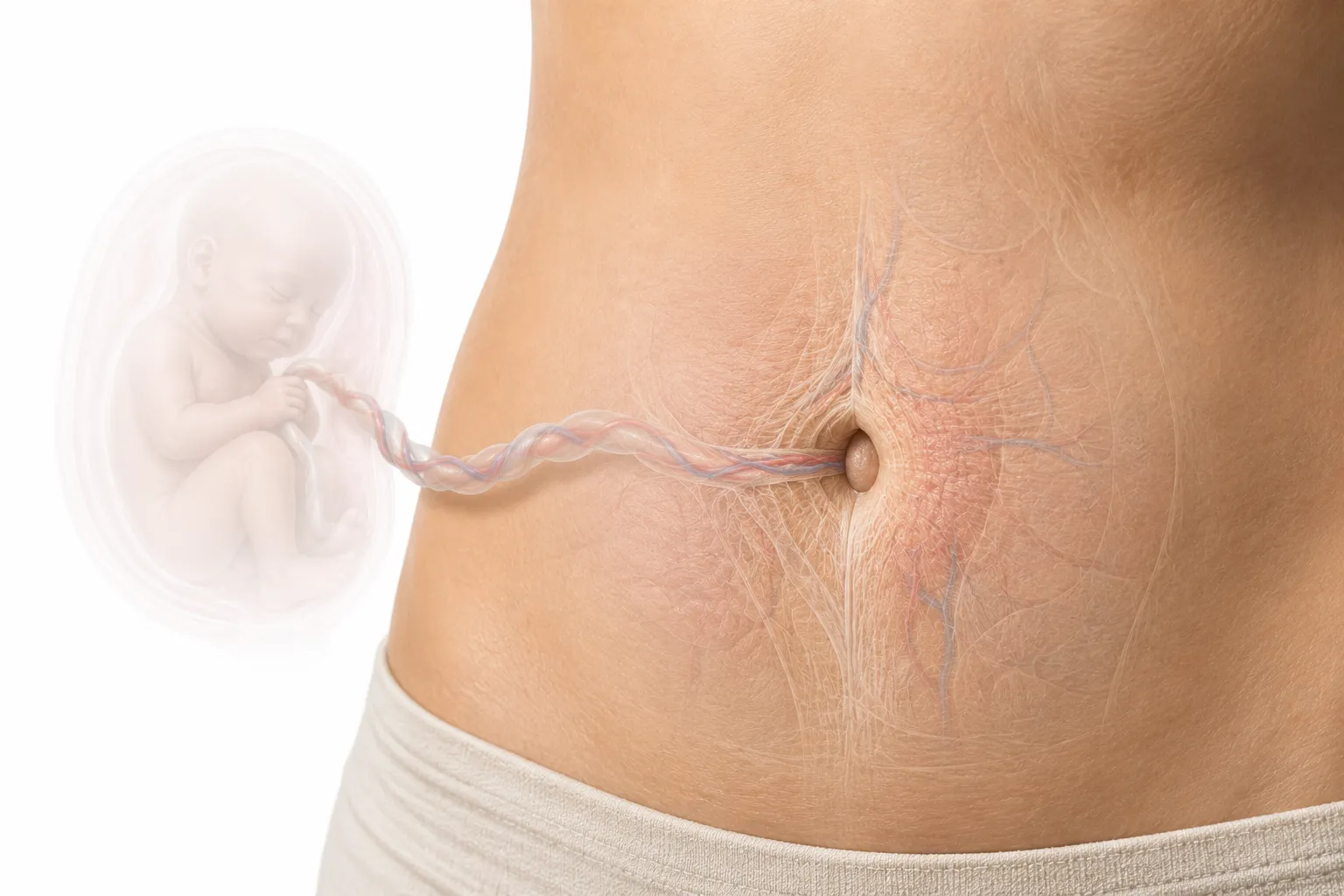
Why Do We Have a Navel?
The navel is the healed scar left behind after the umbilical cord, which connected a fetus to the placenta for nourishment and oxygen during pregnancy, is cut and its remaining stump dries up and falls away shortly after birth. During pregnancy, the umbilical cord serves as the vital connection between a developing fetus and the placenta, delivering oxygen and nutrients from the mother's bloodstream while removing waste products, since the fetus cannot yet breathe or eat independently. After birth, once the newborn can breathe and feed on its own, the umbilical cord is clamped and cut, leaving a small stump attached to the baby's abdomen. Over the following one to two weeks, this stump dries out and naturally falls off, and the wound left behind heals into the permanent scar known as the navel. Whether the resulting scar forms as an 'innie,' which curves inward, or an 'outie,' which protrudes outward, depends primarily on how the underlying scar tissue and skin settle during healing, not on how the cord itself was cut or tied.
Body & Brain
Why Do We Lose Our Baby Teeth?
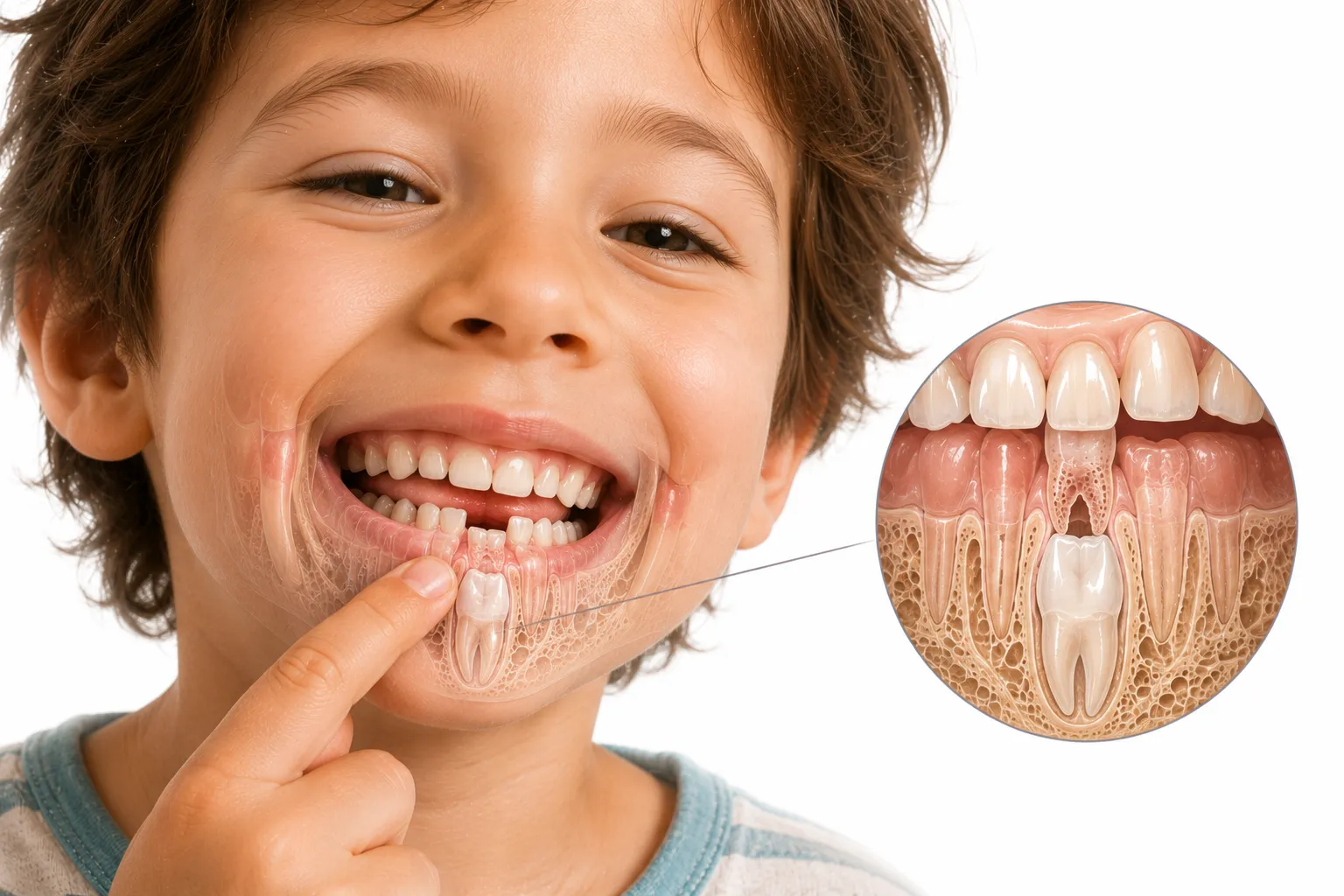
Humans lose their baby teeth because those teeth are sized for a small child's jaw, and as the jaw grows large enough to accommodate a bigger, more numerous set of permanent teeth, the roots of the baby teeth are gradually dissolved by the body, allowing them to fall out and make room for the adult teeth developing beneath them. Baby teeth, also called primary or deciduous teeth, begin forming before birth and are specifically proportioned to fit a young child's small jaw. As a child grows, the jaw expands substantially, eventually becoming large enough to hold a full set of thirty-two adult teeth, considerably more and larger than the twenty primary teeth a young child has. Permanent teeth begin developing in the jawbone beneath the baby teeth from an early age, and as each permanent tooth approaches readiness to emerge, specialized cells called odontoclasts break down and resorb the roots of the overlying baby tooth. With its root structure gradually dissolved, the baby tooth loosens and eventually falls out, clearing the path for the permanent tooth to erupt into its place.
Body & Brain
Why Do Nails Grow Faster Than Hair?
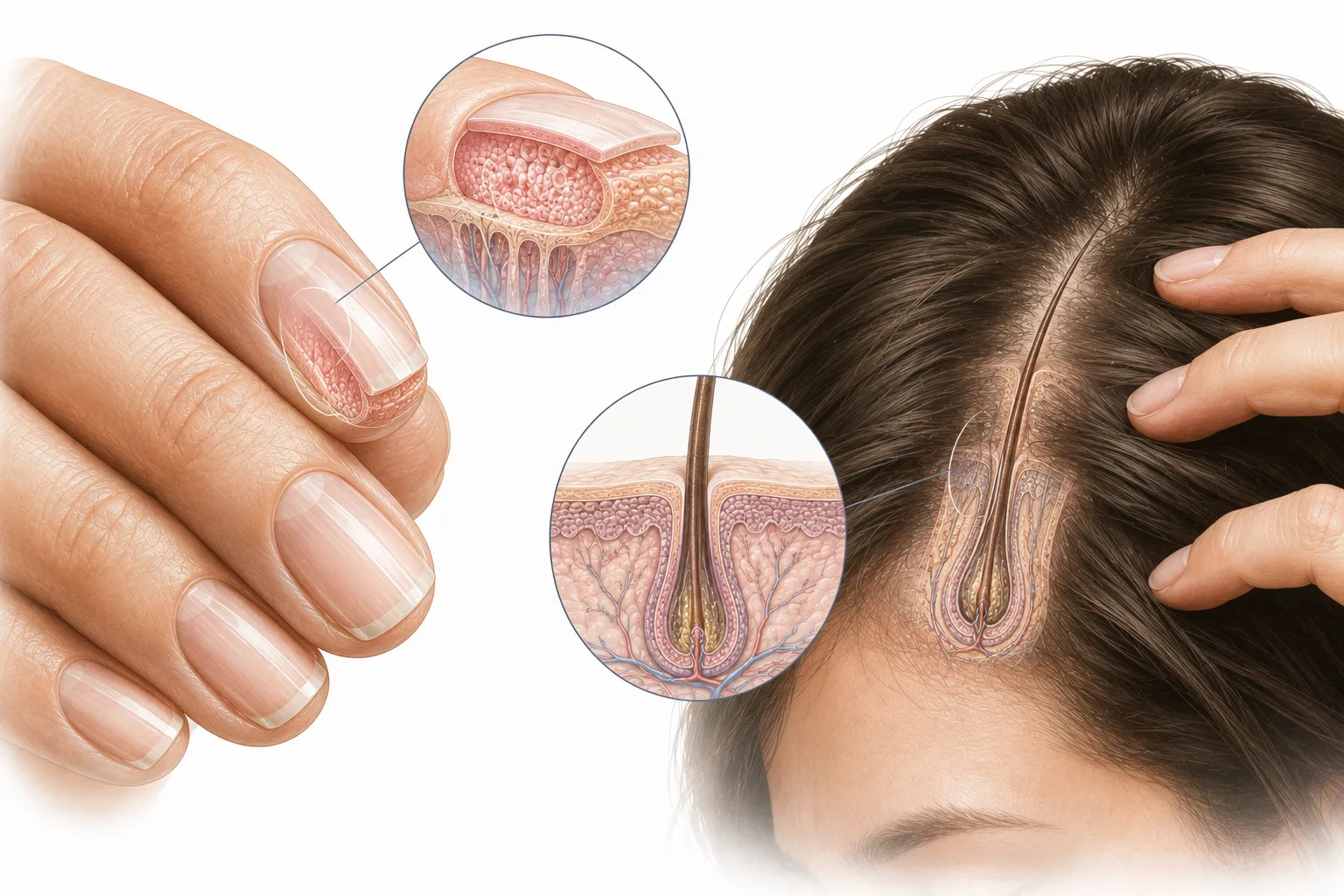
Nails grow faster than hair mainly because the nail matrix, the growth tissue at the base of each nail, has a much richer and more direct blood supply and a simpler, continuous production process than the deeper, cyclically active hair follicle. Both nails and hair are made primarily of keratin, a tough structural protein, but they're produced by very different tissues. Nails grow from the nail matrix, a small area of actively dividing cells just under the base of the nail, close to the skin surface and well supplied with blood vessels that deliver oxygen and nutrients efficiently. This matrix produces new nail cells continuously and relatively steadily. Hair, by contrast, grows from a follicle set deeper in the skin, and each follicle cycles through distinct phases, an active growth phase, a transitional phase, and a resting phase, during which no growth occurs at all. Because a portion of hair follicles are always in a non-growing phase at any given time, and because the follicle's growth tissue is positioned deeper with a less direct supply route than the nail matrix, hair's average growth rate ends up slower than the nail's steadier, more continuously fed production process. Fingernails also tend to grow faster than toenails, largely due to greater blood flow and more frequent minor trauma stimulating growth in the fingers.
Body & Brain
Why Do We Bite Our Tongues?
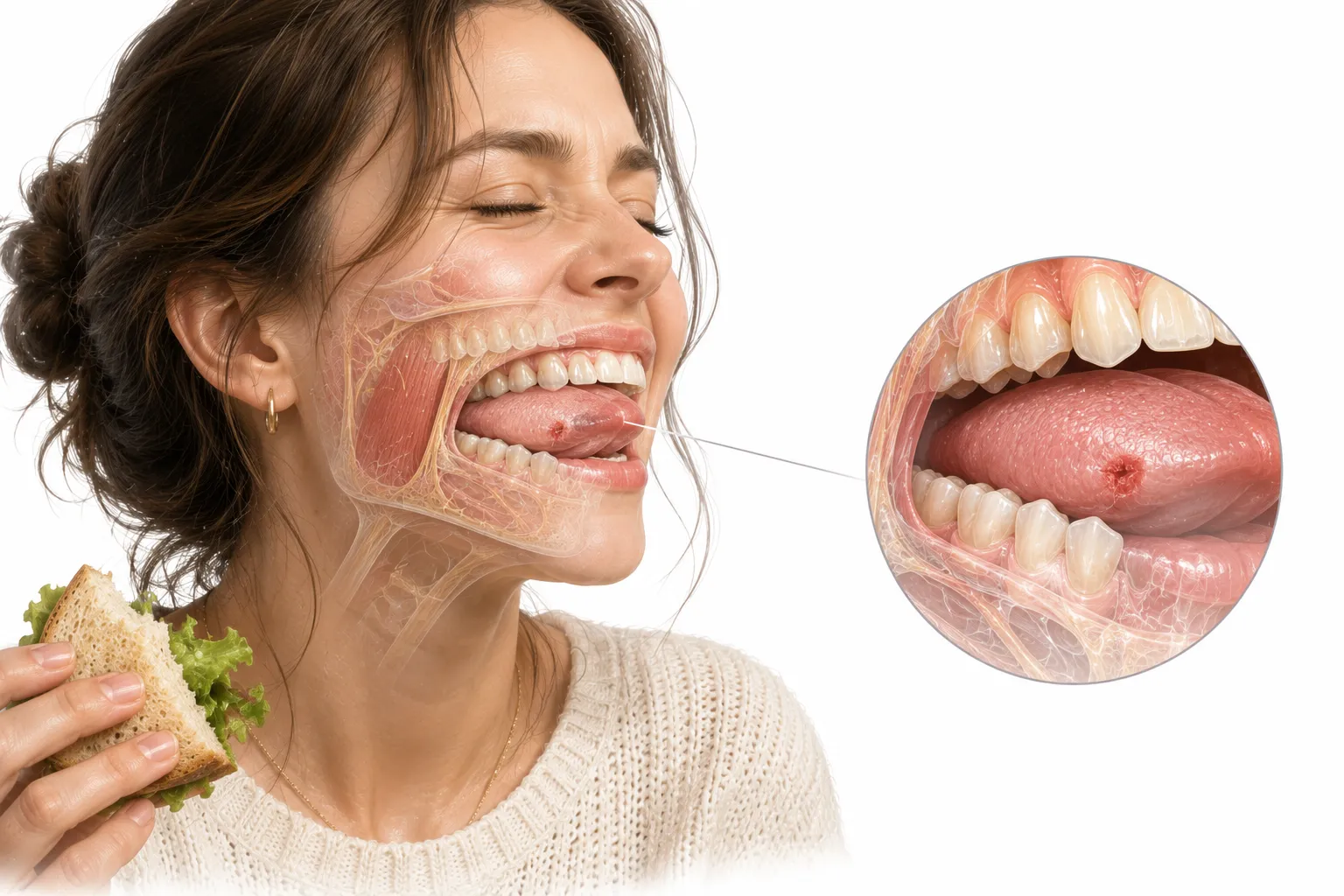
We bite our tongues because chewing is a fast, largely automatic motor process in which the tongue constantly repositions food in the same space where the jaw is repeatedly closing, and a tiny timing error in this rapid coordination occasionally lets the tongue get caught between the teeth. Chewing involves a tightly coordinated, repetitive cycle between the jaw muscles and the tongue, which continuously moves food around the mouth to keep it positioned between the teeth for effective grinding. This process happens largely automatically, controlled by motor pathways that don't require conscious, moment-to-moment attention once the pattern is established, similar to how walking becomes automatic after early childhood. Because the tongue is soft, highly mobile, and operating in extremely close proximity to the teeth on every single chewing cycle, its safety depends on very precise timing, retracting just before the jaw closes. Fatigue, distraction, talking while eating, eating quickly, or consuming unusually textured or unpredictable food can all disrupt this fine timing slightly. When that happens, the tongue's position and the jaw's closing motion overlap for just a fraction of a second, resulting in an accidental, often quite painful bite.
Body & Brain
Why Do We Get a Stitch in Our Side?
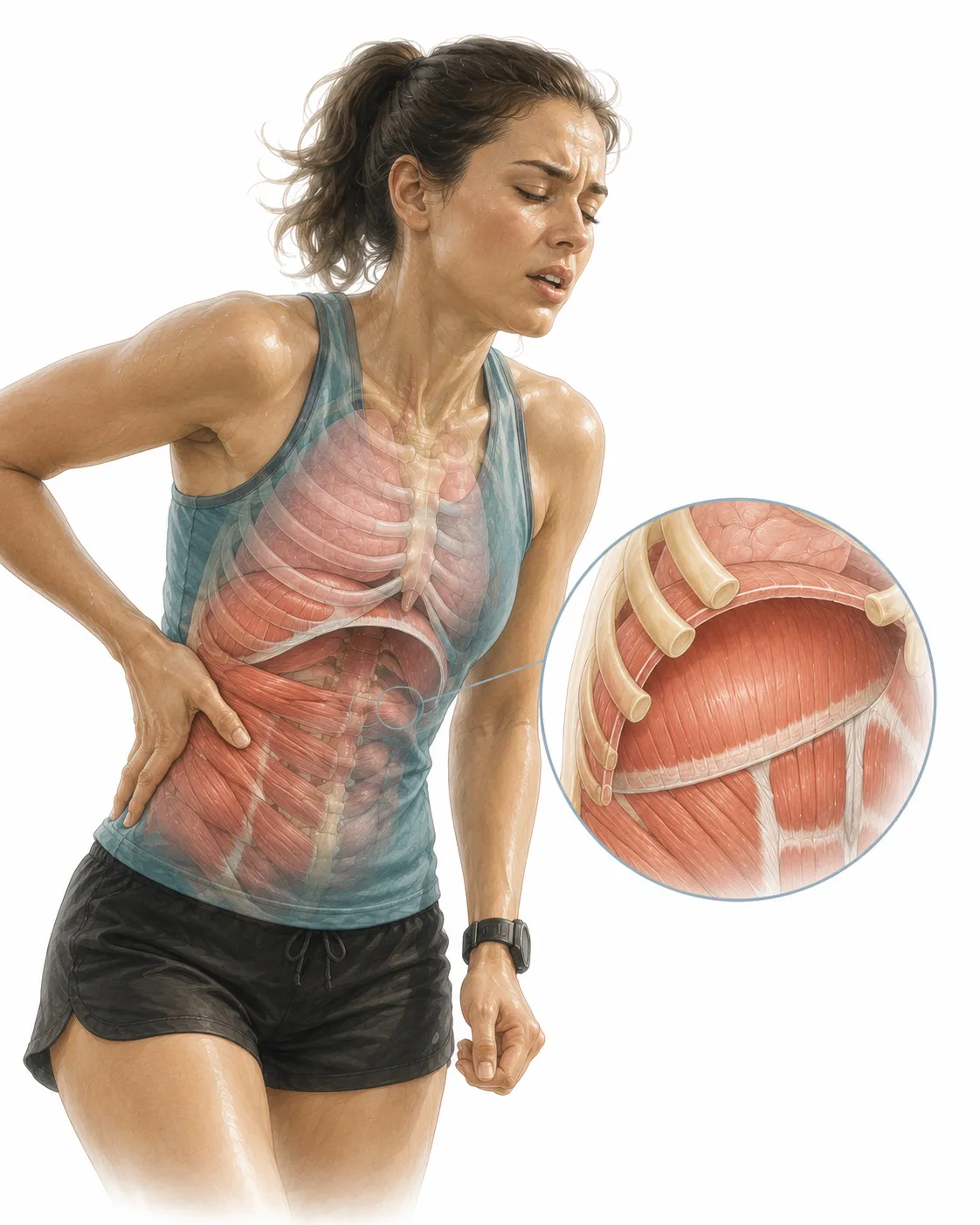
A side stitch, medically known as exercise-related transient abdominal pain, is most likely caused by irritation of the peritoneum, the membrane lining the abdominal cavity, as it's repeatedly stretched and rubbed by the movement of organs like the stomach and liver during running, particularly when the stomach is fuller than usual. For much of the twentieth century, a stitch was widely assumed to be caused by a cramp in the diaphragm, the muscle involved in breathing, or by reduced blood flow and oxygen to abdominal muscles during exercise. More recent research has shifted toward a different explanation centered on the peritoneum, the smooth membrane that lines the abdominal cavity and covers the surface of internal organs. During running, particularly with a full stomach or after drinking a large volume of liquid, abdominal organs shift and jostle with each stride, tugging and creating friction against the peritoneum, which is richly supplied with sensory nerves that are highly sensitive to stretching and irritation, unlike the organs themselves, which have relatively few pain receptors. This friction and repeated stretching is now considered the leading candidate for the sharp, localized pain of a classic side stitch. This explanation is supported by observations that stitches occur more frequently after eating or drinking close to exercise, are more common in high-impact activities like running compared to low-impact activities like cycling, and tend to resolve relatively quickly once the irritating movement stops or slows.
Body & Brain
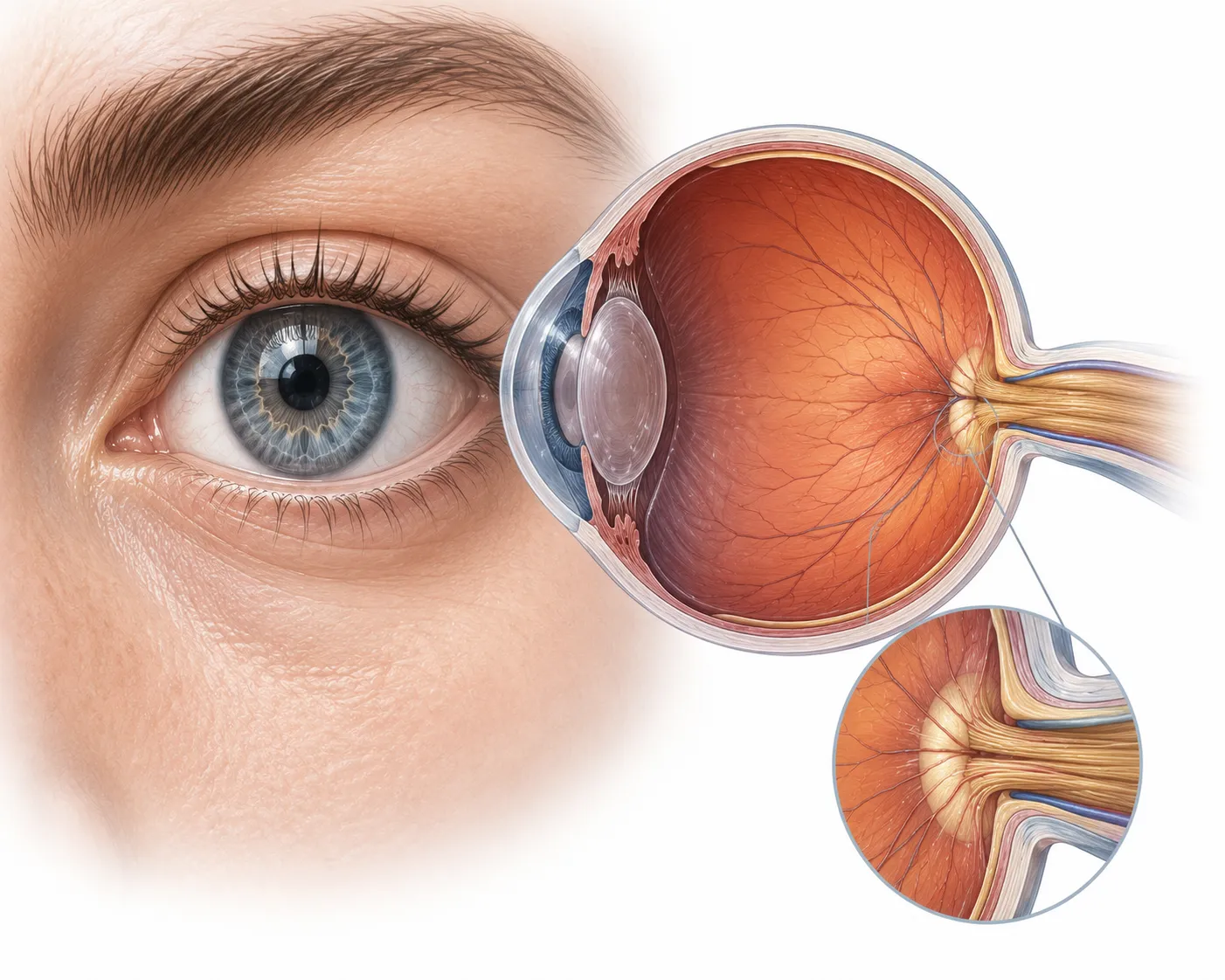
Why Do We Have a Blind Spot?
We have a blind spot because the optic nerve and blood vessels exit through a small area of the retina that contains no light-sensing photoreceptor cells, and the brain compensates by using visual information from the surrounding area and the other eye to seamlessly fill in the gap. The retina lining the back of each eye is covered with photoreceptor cells that detect light and convert it into signals sent to the brain. Those signals need to travel somewhere, and they exit the eye bundled together as the optic nerve, along with the blood vessels that supply the retina. At the exact point where this bundle passes through the retina to exit the eyeball, there is simply no physical space for photoreceptor cells, creating a small gap with no light detection at all. This gap is called the optic disc, and it produces a genuine blind spot in each eye's field of vision. Under normal circumstances, this blind spot goes completely unnoticed because the brain fills the gap using visual information from the surrounding area, a process sometimes called perceptual filling-in, combined with the fact that both eyes rarely have their blind spots aligned on the same part of a scene at the same time, so one eye typically covers what the other misses.
Body & Brain
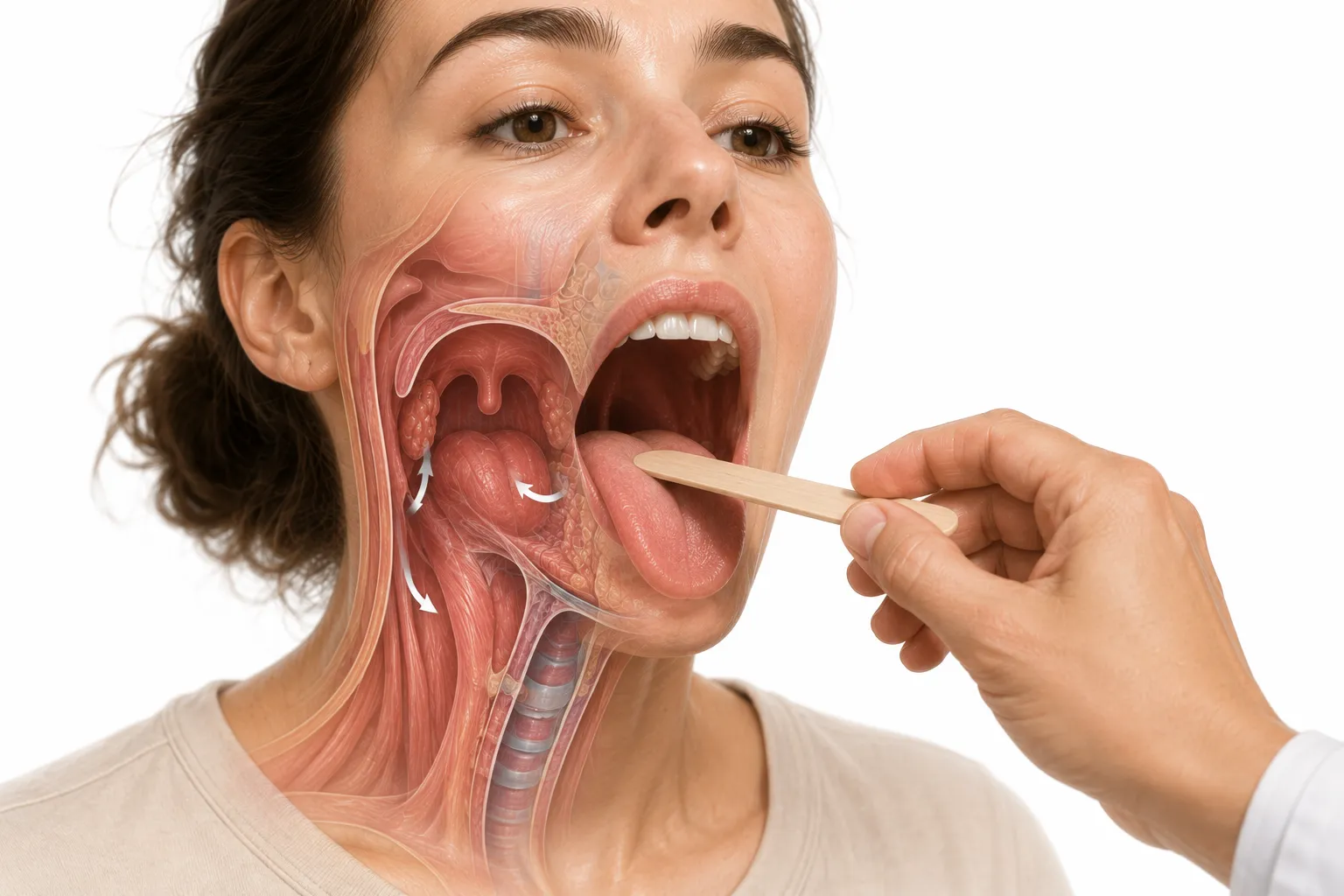
Why Do We Have a Gag Reflex?
The gag reflex exists as a protective mechanism to prevent foreign objects, excess food, or other material from entering the airway, triggered automatically when sensitive nerve endings at the back of the throat and roof of the mouth are touched, causing a rapid, involuntary contraction of throat muscles. The back of the throat and the soft palate at the rear of the roof of the mouth are densely packed with sensory nerve endings connected to a specific neurological reflex arc. When something touches these sensitive areas, whether it's a piece of food positioned too far back, a dental instrument, a finger, or a toothbrush reaching too deeply, these nerves immediately send a signal that triggers a rapid, involuntary contraction of the muscles in the throat. This contraction, the gag reflex, serves to push the triggering object forward and away from the airway, reducing the risk that it could be accidentally inhaled into the windpipe and lungs, a genuinely dangerous event called aspiration. Because protecting the airway from foreign objects is critical to survival, this reflex operates automatically and very quickly, bypassing the need for conscious decision-making entirely, similar to how pulling a hand away from a hot surface happens before the brain has fully processed the pain.
Body & Brain
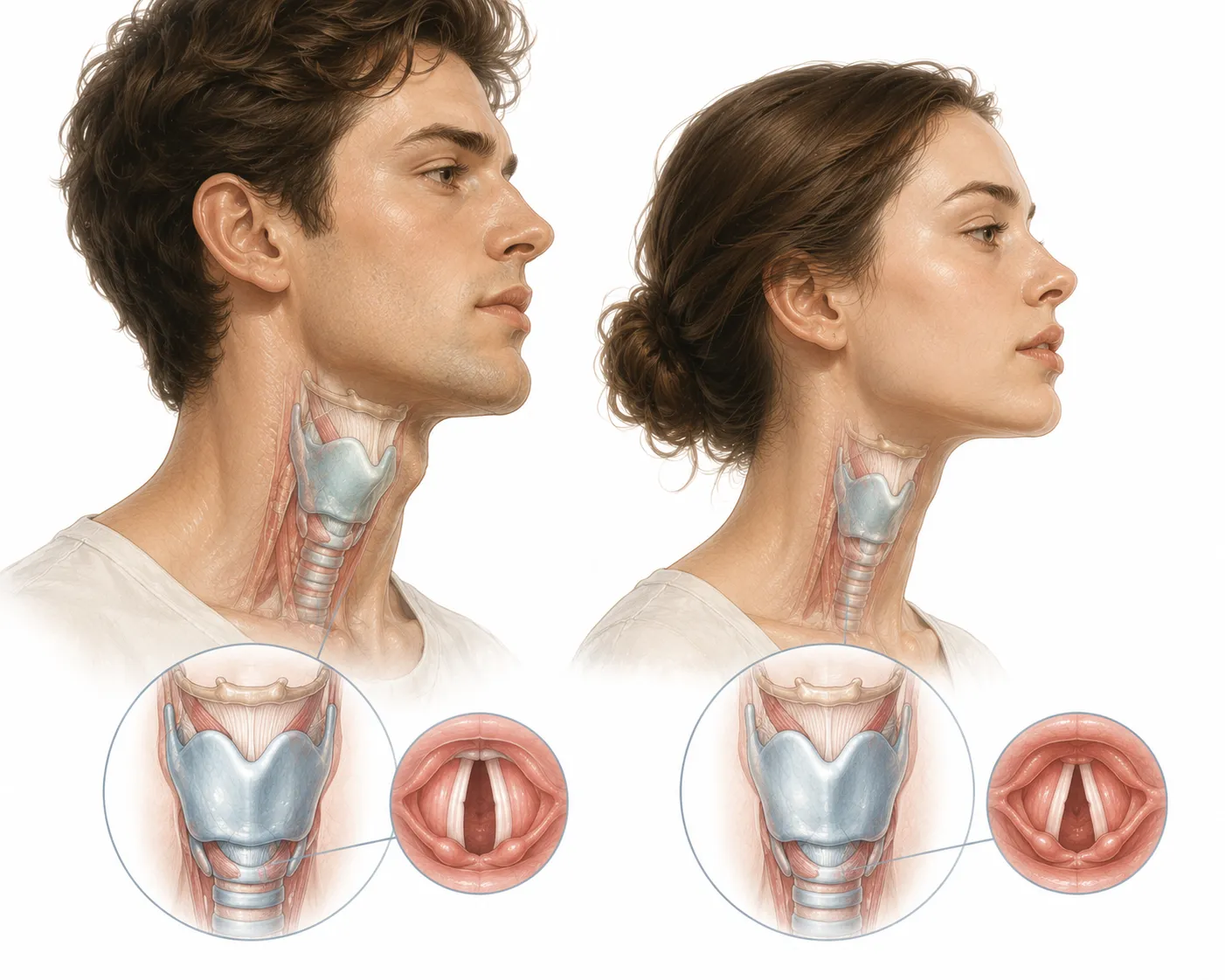
Why Do We Have an Adam's Apple?
The Adam's apple is the visible front portion of the thyroid cartilage, a shield-shaped structure that protects the larynx, and it becomes noticeably more prominent during puberty, especially in people with higher testosterone levels, because testosterone drives significant growth of the larynx and its surrounding cartilage. The thyroid cartilage is a shield-shaped piece of cartilage that wraps around the front and sides of the larynx, the structure housing the vocal cords, protecting it from injury and providing structural support for the muscles and ligaments involved in producing the voice. Everyone has this cartilage, and everyone has some degree of visible protrusion where its two sides meet at the front of the throat, though the size of this protrusion varies significantly between individuals. During puberty, rising testosterone levels trigger substantial growth of the larynx as a whole, including a lengthening and thickening of the vocal cords, which is the primary reason the voice deepens during this stage of development. Because testosterone levels typically rise much more sharply during male puberty, the thyroid cartilage tends to grow larger and become angled more sharply forward in males, producing a more prominent, visible Adam's apple, though people of any sex can have a noticeable one depending on individual anatomy and hormone levels. The name itself comes from a popular but historically inaccurate folk legend linking the feature to the biblical story of Adam and a piece of forbidden fruit supposedly caught in his throat.
Body & Brain
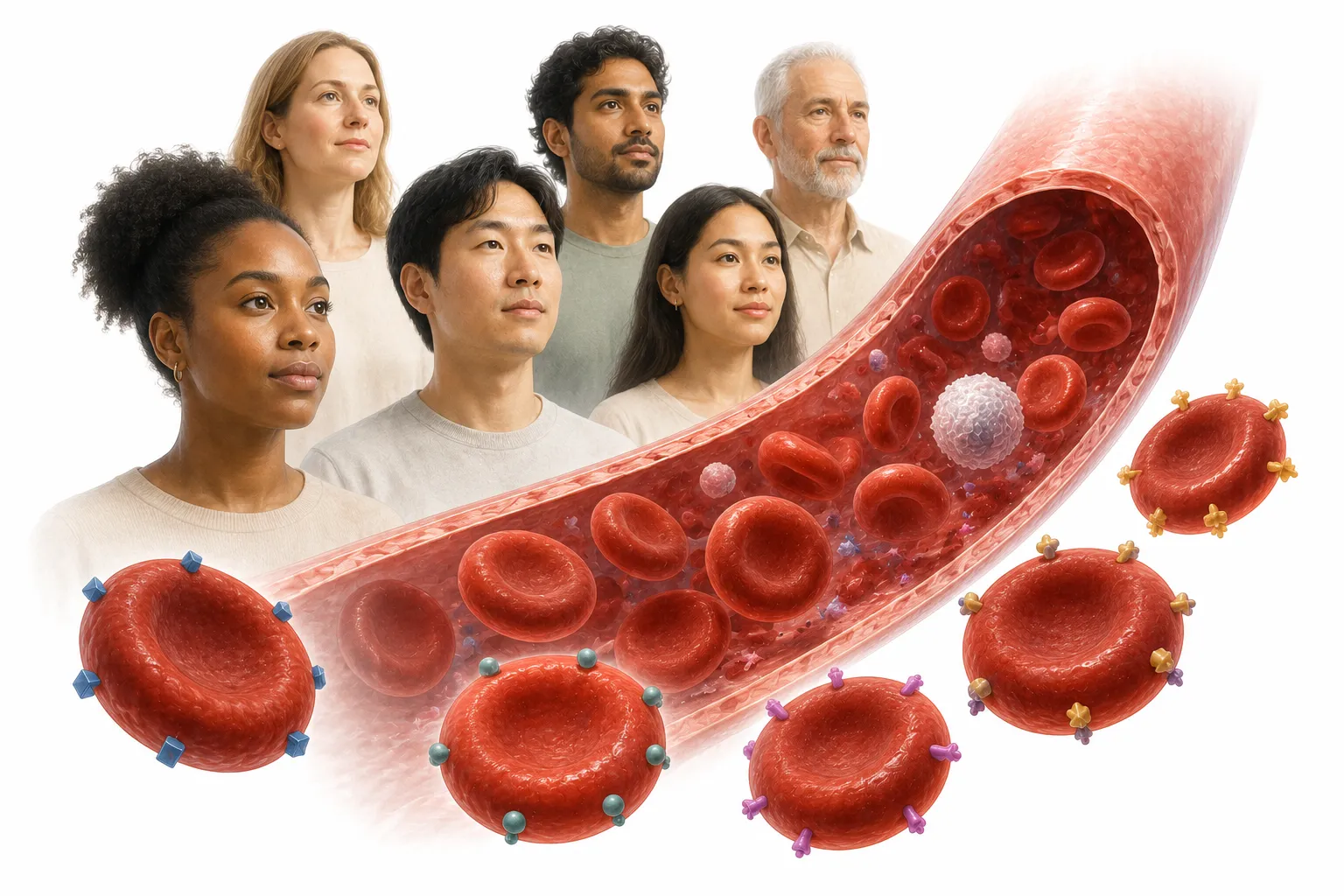
Why Do We Have Different Blood Types?
Different blood types exist because of inherited genetic variation in the specific antigens, marker molecules made of sugars and proteins, present on the surface of red blood cells, and this variation appears to have persisted throughout human evolutionary history because different blood type antigens offered varying degrees of resistance to specific infectious diseases. The most well-known blood type system, the ABO system, is determined by a single gene with multiple variants that control which sugar molecules, called antigens, are attached to the surface of red blood cells. People with type A blood have the A antigen, type B have the B antigen, type AB have both, and type O have neither. A separate gene determines the Rh factor, whether the Rh antigen, commonly called the D antigen, is present, making a person Rh-positive or Rh-negative. These genetic variants aren't random noise, evolutionary biologists believe blood type diversity has persisted in human populations because different antigen types have historically offered varying resistance to specific infections, from certain strains of malaria to cholera and other pathogens, meaning no single blood type has ever offered a decisive survival advantage over all others in every environment. The immune system's job is to recognize the body's own cells and attack unfamiliar ones, so a person's immune system treats blood cells carrying an antigen it doesn't recognize as foreign, which is why receiving an incompatible blood type during a transfusion can trigger a dangerous immune reaction, and why blood type compatibility must always be carefully matched.
Body & Brain
Why Do We Have Freckles?
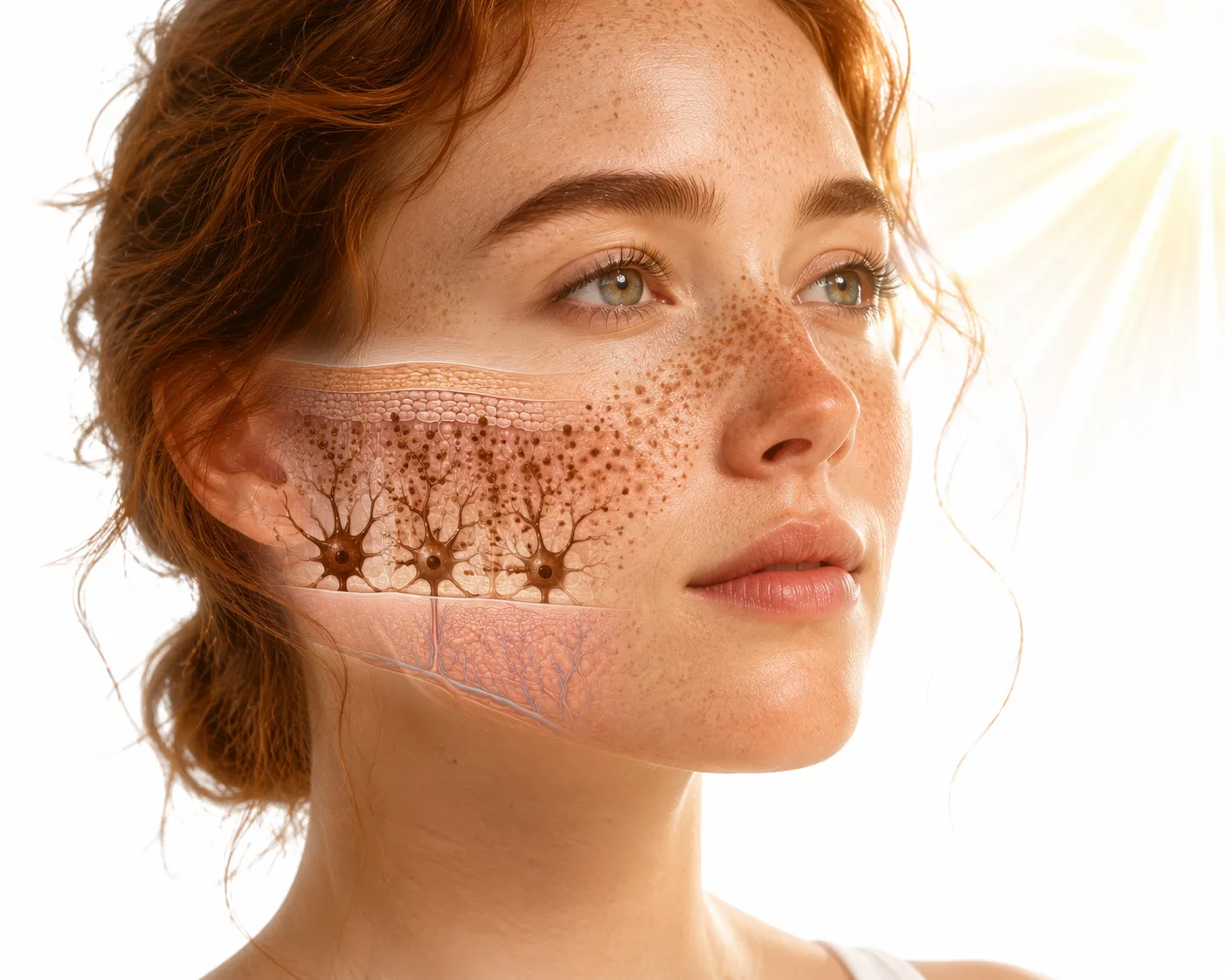
Freckles form when melanocytes, the pigment-producing cells in skin, distribute melanin unevenly rather than uniformly, creating small, concentrated clusters of pigment that darken with sun exposure, a pattern strongly influenced by genetics and most common in people with fair skin. Melanin, the pigment responsible for skin, hair, and eye color, is produced by cells called melanocytes distributed throughout the skin. In most people, melanin production and distribution is relatively even, but in people genetically predisposed to freckling, melanocytes in certain areas produce and deposit melanin in a clustered, uneven pattern rather than spreading it uniformly. Ultraviolet light from the sun stimulates melanocytes to produce more melanin as a protective response against UV damage, which is why freckles typically become darker and more numerous with sun exposure and can fade somewhat during darker winter months when UV exposure decreases. Genetics plays a major role in determining freckle likelihood, and variants of a gene called MC1R, which also strongly influences red hair and fair skin, are closely associated with a higher likelihood of freckling. This is why freckles are especially common among people with lighter skin tones and red or light-colored hair, though people of many different skin tones can develop freckles depending on their specific genetic makeup.
Body & Brain
Why Do We Produce Tears When We Yawn?
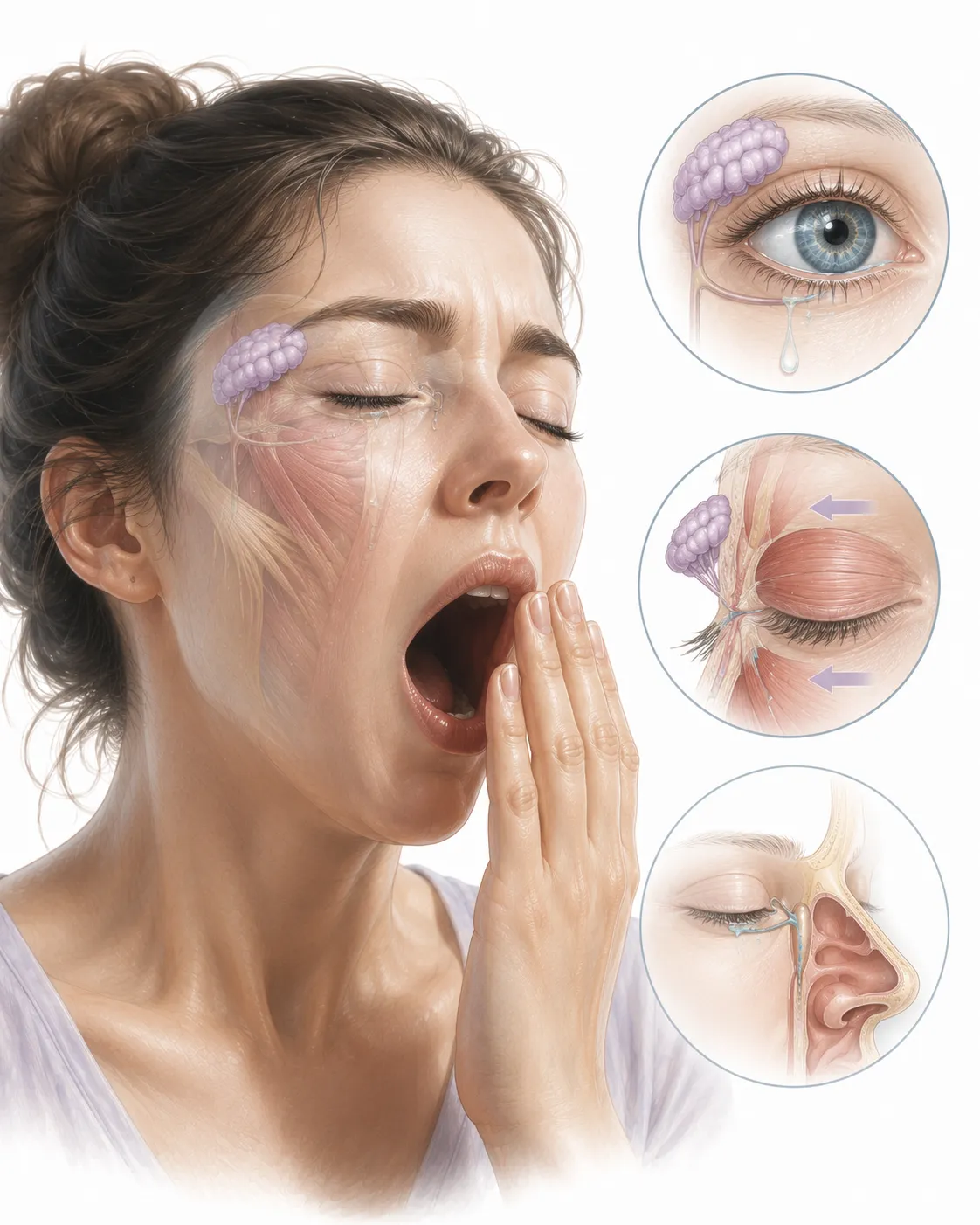
Yawning can make the eyes water because the intense muscle contraction involved in a full yawn physically squeezes the tear glands and temporarily narrows the small ducts that normally drain tears away, causing excess tear fluid to build up and spill over rather than draining normally. A complete yawn involves far more than just an open mouth, it triggers a wide, coordinated contraction of muscles across the face, jaw, and around the eyes. The lacrimal glands, located above each eye, continuously produce a small, steady amount of tear fluid to keep the eyes lubricated, and this fluid normally drains away through tiny channels called tear ducts into the nasal cavity. During a yawn, the strong contraction of facial muscles physically compresses the area around the eyes, including the tear glands themselves, which can cause a temporary increase in tear production or release. At the same time, this same muscular tightening can partially and briefly constrict the tear ducts responsible for draining fluid away. With more tear fluid being expressed and its normal drainage pathway partly and briefly restricted, tears can pool and spill over the edge of the eyelid, producing the watery-eyed appearance many people notice during or right after a big yawn. This is a purely mechanical effect and entirely unrelated to genuine emotional tears, which are triggered by a completely different neurological and hormonal pathway.
Body & Brain
Why Do We Sneeze in the Sun?
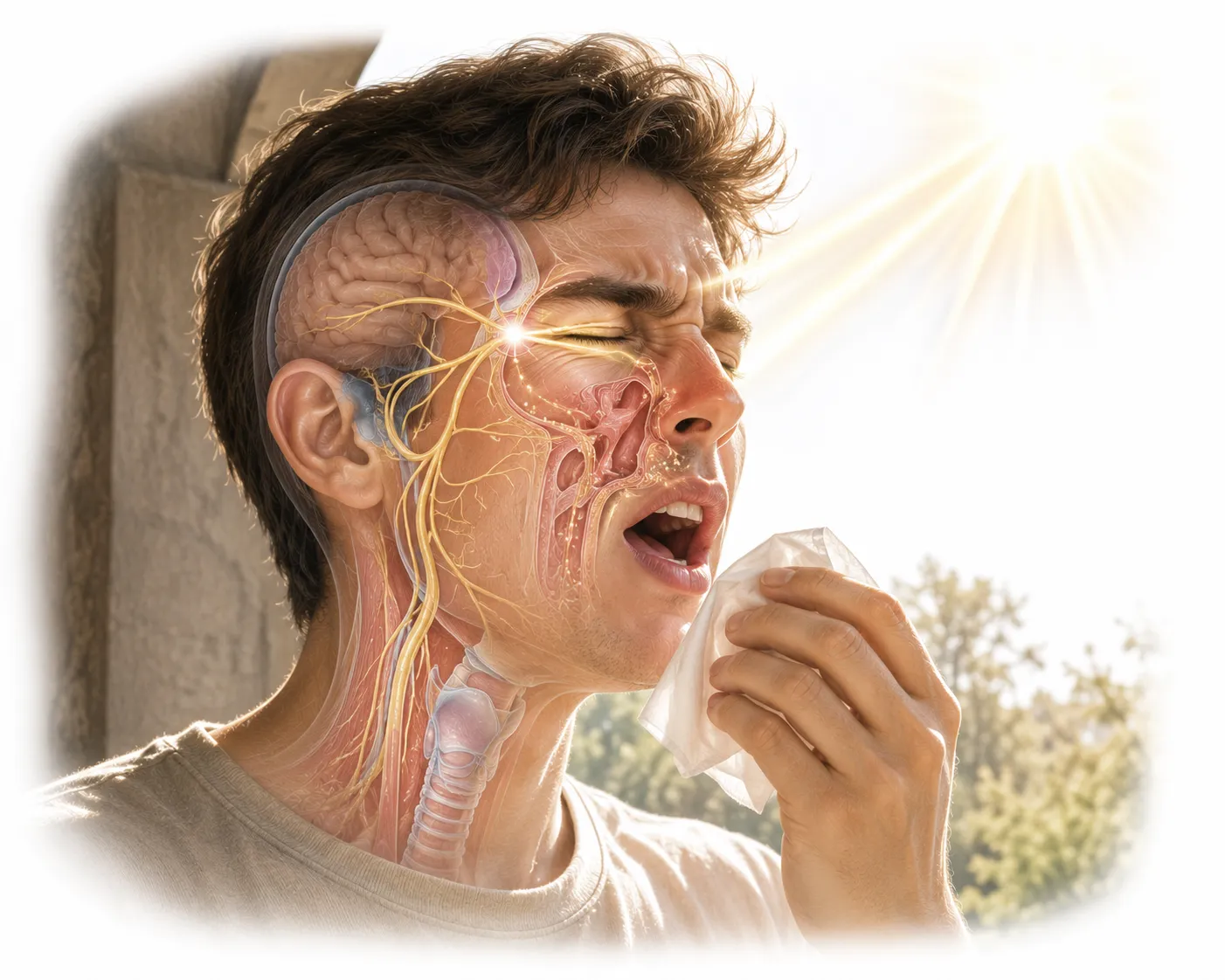
Sneezing in bright sunlight, known as the photic sneeze reflex, happens in genetically predisposed people because the trigeminal nerve, which controls sneezing, runs close enough to the nerve pathways responding to bright light that a signal meant to constrict the pupils appears to cross over and also trigger a sneeze. The photic sneeze reflex, sometimes informally called ACHOO syndrome, affects an estimated eighteen to thirty-five percent of people worldwide and is strongly hereditary, running in families as a dominant genetic trait. When eyes suddenly encounter bright light, the optic nerve sends signals that trigger the pupils to constrict, protecting the retina from overexposure. Researchers believe that in people with the photic sneeze reflex, this light-triggered nerve signal partially overlaps with or spills over into the trigeminal nerve, the same nerve responsible for detecting irritants in the nose and initiating a sneeze. As a result, a burst of bright light is misinterpreted, in part, as a nasal irritant, and the brain triggers a sneeze response even though nothing has actually entered or irritated the nasal passages. The exact neurological wiring responsible for this crossover isn't fully mapped, but the pattern is well documented and consistently reproducible in affected individuals.
Body & Brain
Why Does Hair Turn Gray?
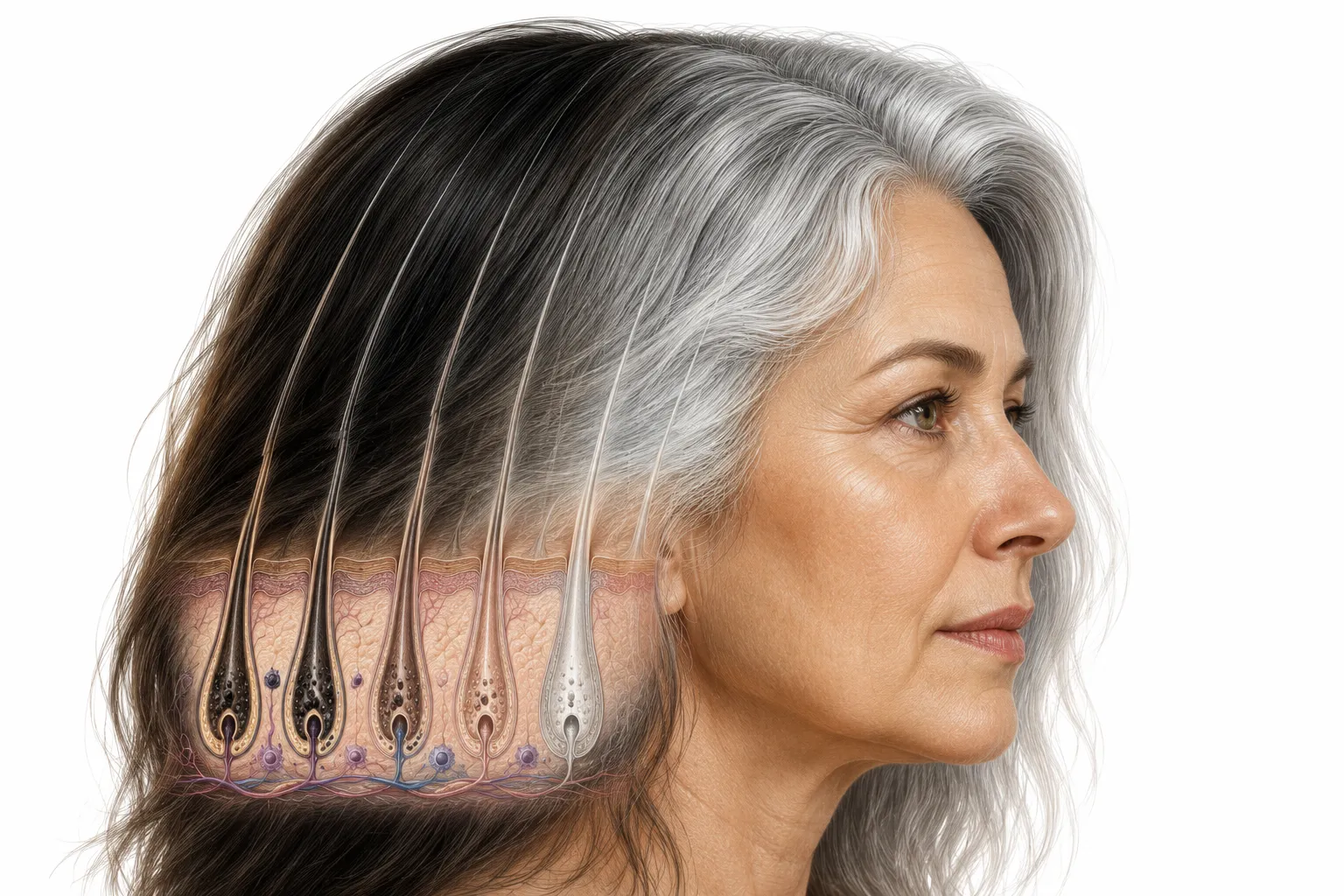
Hair turns gray because the melanocyte stem cells that supply pigment to each hair follicle gradually deplete with age, so new hair grows in without the melanin that used to color it, appearing gray, silver, or white depending on how much pigment remains. Hair color comes from melanin, a pigment produced by cells called melanocytes that live at the base of each hair follicle and deposit color into the growing hair shaft. These melanocytes are replenished by a reservoir of melanocyte stem cells. As a person ages, this stem cell reservoir gradually depletes, a process driven by cellular aging, oxidative stress, and DNA damage accumulating in the follicle over decades. Once a follicle's melanocyte stem cells are exhausted, that follicle can no longer supply pigment to new hair, and the strand grows in without color. Because hair is actually translucent rather than white, the visual effect of no pigment combined with light scattering off the strand's keratin structure is what reads to the eye as gray, silver, or white. Different follicles exhaust their pigment supply at different rates, which is why graying typically appears gradually and unevenly rather than all at once.
Body & Brain
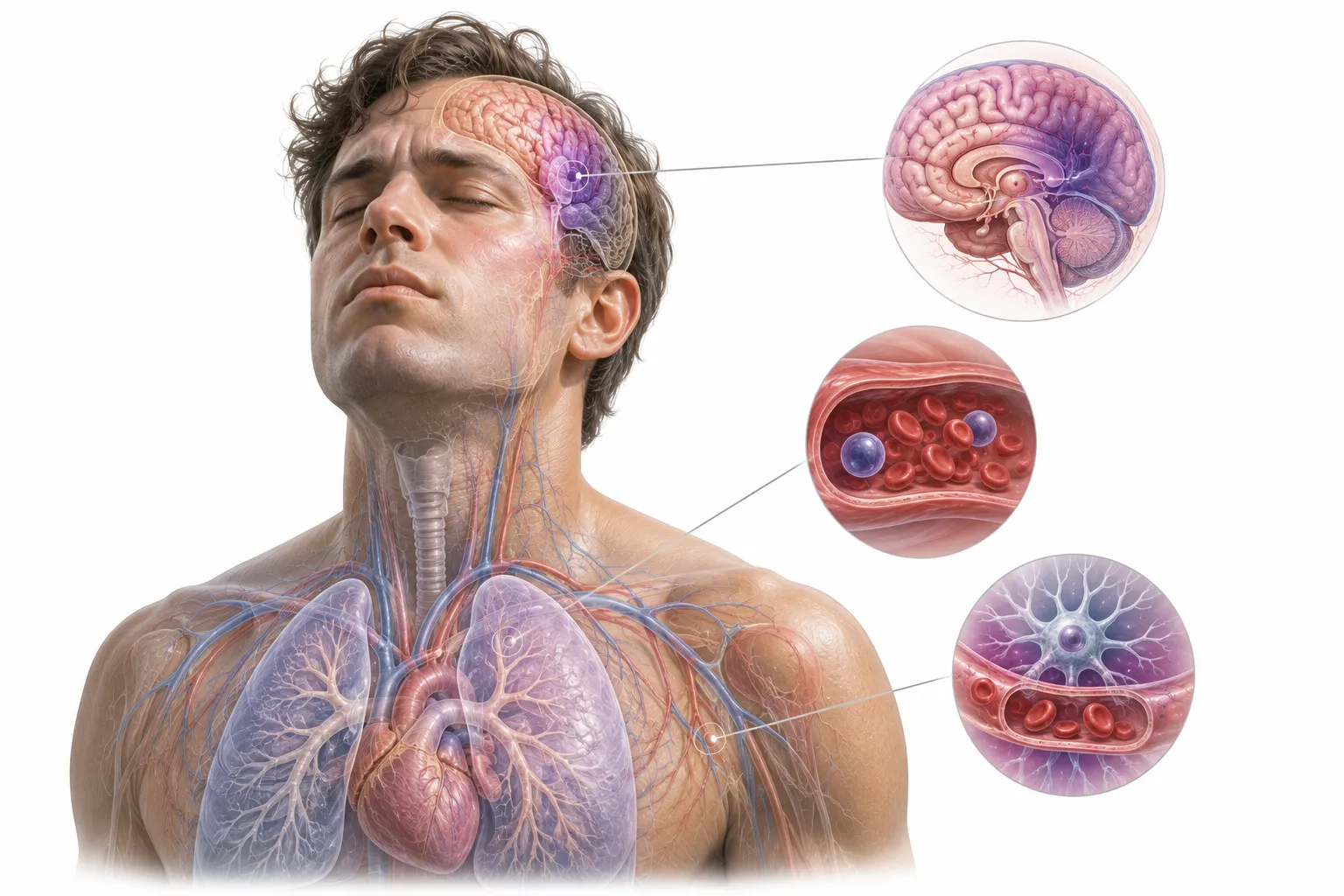
Why Does Holding Your Breath Make You Pass Out?
Holding your breath too long can cause you to pass out because the brain, sensing critically low oxygen levels, triggers a protective loss of consciousness to force the body to resume automatic breathing, since a person's voluntary control over breathing can otherwise override the body's normal urge to breathe for longer than is safe. Under normal conditions, the urge to breathe is triggered primarily by rising levels of carbon dioxide in the blood rather than by falling oxygen levels, since carbon dioxide buildup is a faster, more sensitive signal of the need to exhale and take another breath. During a voluntary breath-hold, this rising carbon dioxide creates an increasingly uncomfortable urge to breathe, but because breathing is under some conscious control, a person can choose to suppress that urge for a period of time. If the breath-hold continues long enough, particularly if the person has hyperventilated beforehand to artificially lower carbon dioxide levels and delay the urge to breathe, oxygen levels in the blood can drop to a genuinely dangerous point without triggering the same urgent warning signal that carbon dioxide buildup normally provides. Once oxygen levels fall low enough to threaten the brain's function, a survival mechanism kicks in and forces a sudden loss of consciousness. This blackout removes voluntary control over breathing entirely, allowing the body's automatic, involuntary breathing reflexes to take back over immediately, which is exactly what allows breathing to resume without conscious effort.
Body & Brain
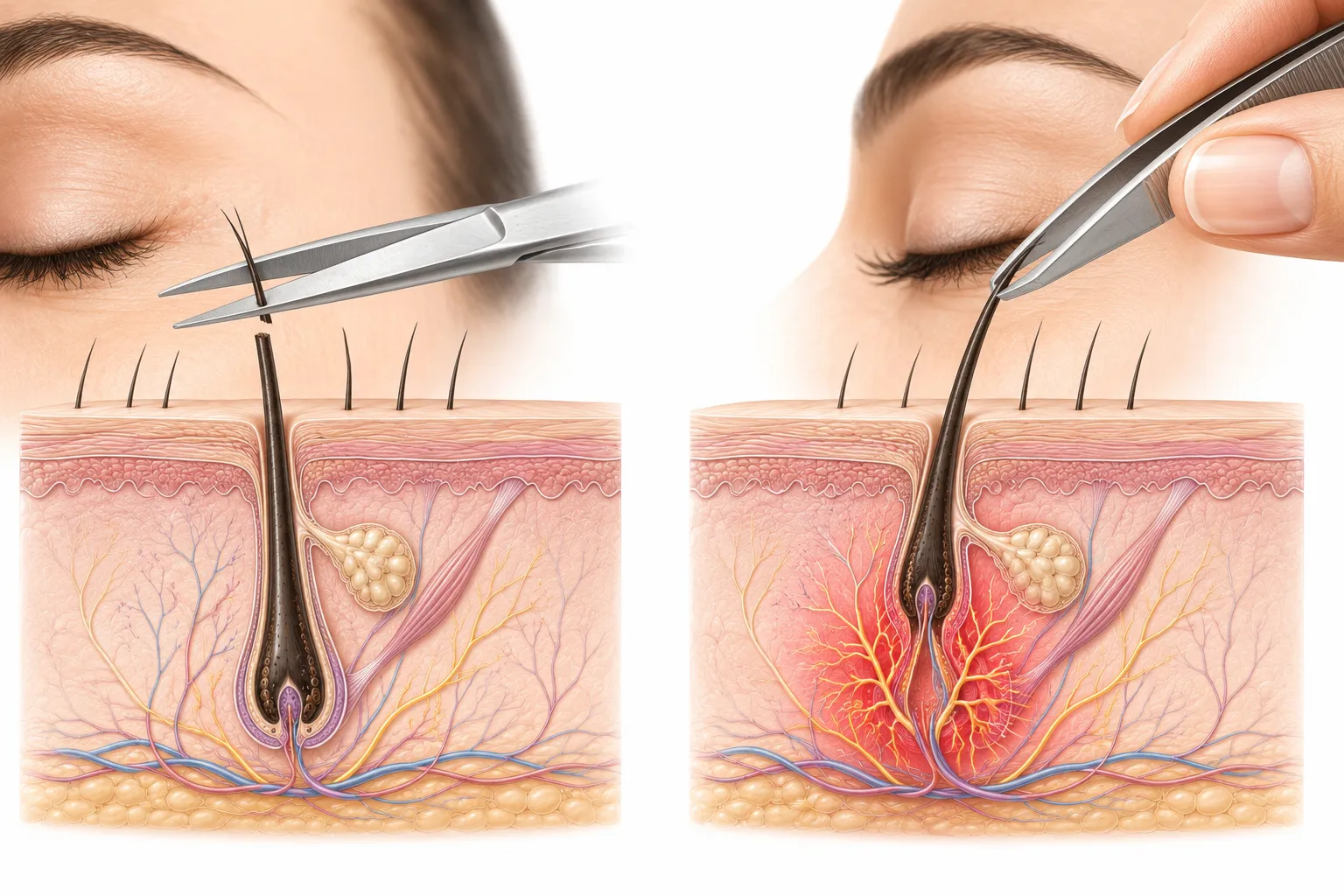
Why Does Plucking Hair Hurt But Cutting It Doesn't?
Cutting hair doesn't hurt because the visible hair shaft is made entirely of dead, keratinized cells with no nerve supply, while plucking hurts because it disturbs the living hair follicle beneath the skin, which is surrounded by a rich network of sensory nerve endings. Hair is produced by a follicle, a small structure embedded in the skin containing living cells that continuously generate new hair. As those cells push upward and away from the follicle, they die and become filled with a tough structural protein called keratin, forming the hair shaft, the part of the hair visible above the skin's surface. Because the hair shaft consists entirely of dead cells with no blood supply or nerve endings, cutting it produces no sensation whatsoever, just as trimming fingernails, also made of dead keratin, causes no pain. The hair follicle itself, however, is very much alive and surrounded by a dense network of sensory nerve endings, some of which specifically wrap around the follicle to detect even the slightest movement of the hair, a system also responsible for the sensation of a hair being gently brushed or tugged. When a hair is plucked, the entire follicle is disturbed and its root is forcibly pulled from its anchoring position within the skin, directly stimulating these nerve endings and producing a genuine, sharp sensation of pain.
Body & Brain
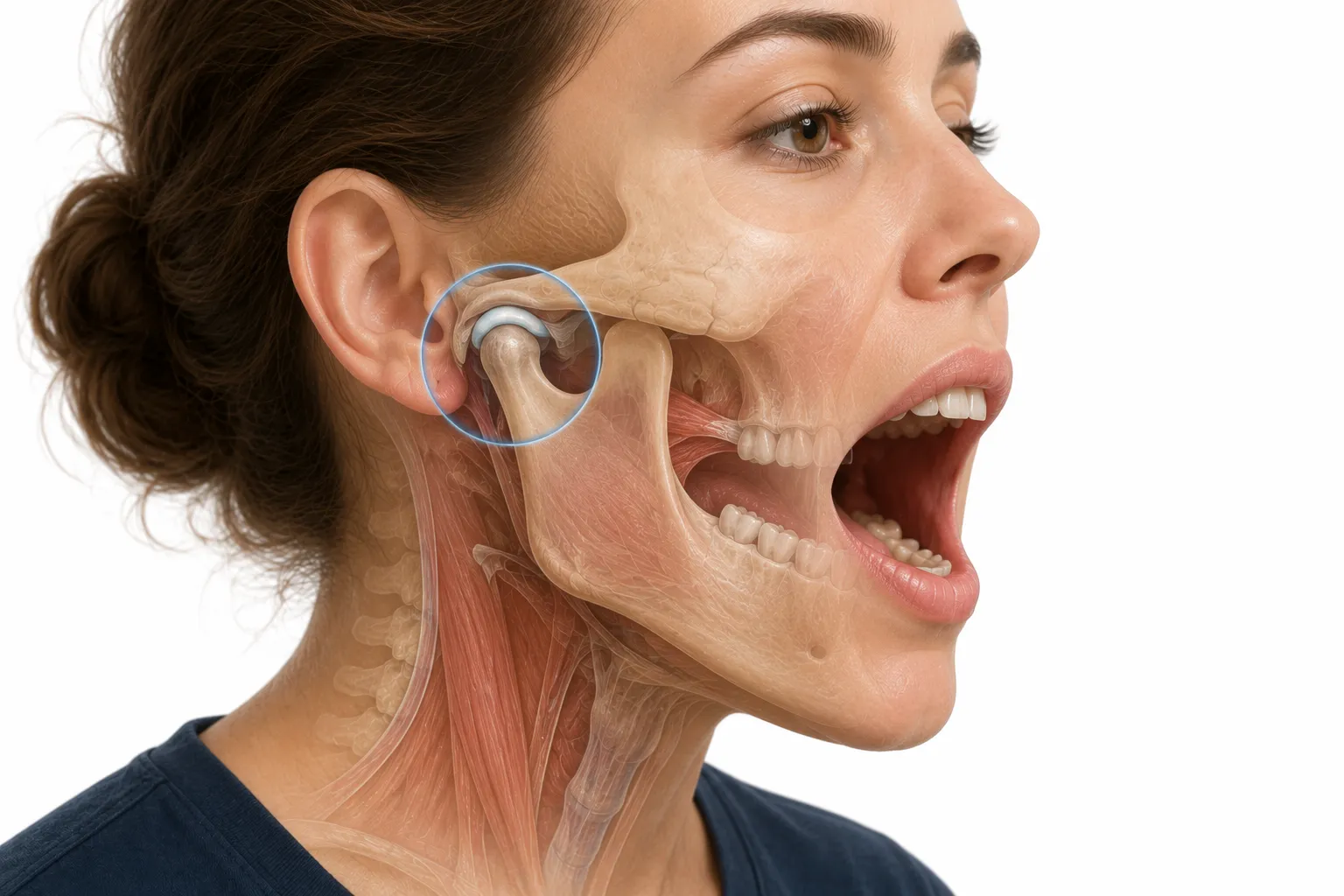
Why Does Your Jaw Click?
Jaw clicking usually happens because the small cartilage disc inside the temporomandibular joint, which normally glides smoothly between the jawbone and skull, has shifted slightly out of its ideal position, causing an audible click or pop as the jaw moves around it and the disc briefly snaps back into place. The temporomandibular joint, commonly abbreviated TMJ, connects the lower jawbone to the skull just in front of each ear and allows the wide range of motion needed for talking, chewing, and yawning. Nestled within this joint is a small, flexible disc of cartilage that acts as a cushion, allowing the jawbone to glide smoothly against the skull during movement. In many people, this disc can shift slightly out of its normal, centered position, sometimes due to jaw muscle tension, teeth grinding, previous jaw injury, or simply natural anatomical variation. When the disc is displaced, the jawbone may momentarily catch against it during certain movements, and then suddenly slip back into a more normal position as the mouth continues opening or closing, producing the characteristic clicking or popping sound. In many cases, this clicking is painless and doesn't significantly affect jaw function, though in some people it can be accompanied by discomfort, particularly if it's linked to broader temporomandibular joint dysfunction involving inflammation, muscle tension, or more significant joint misalignment.
Body & Brain
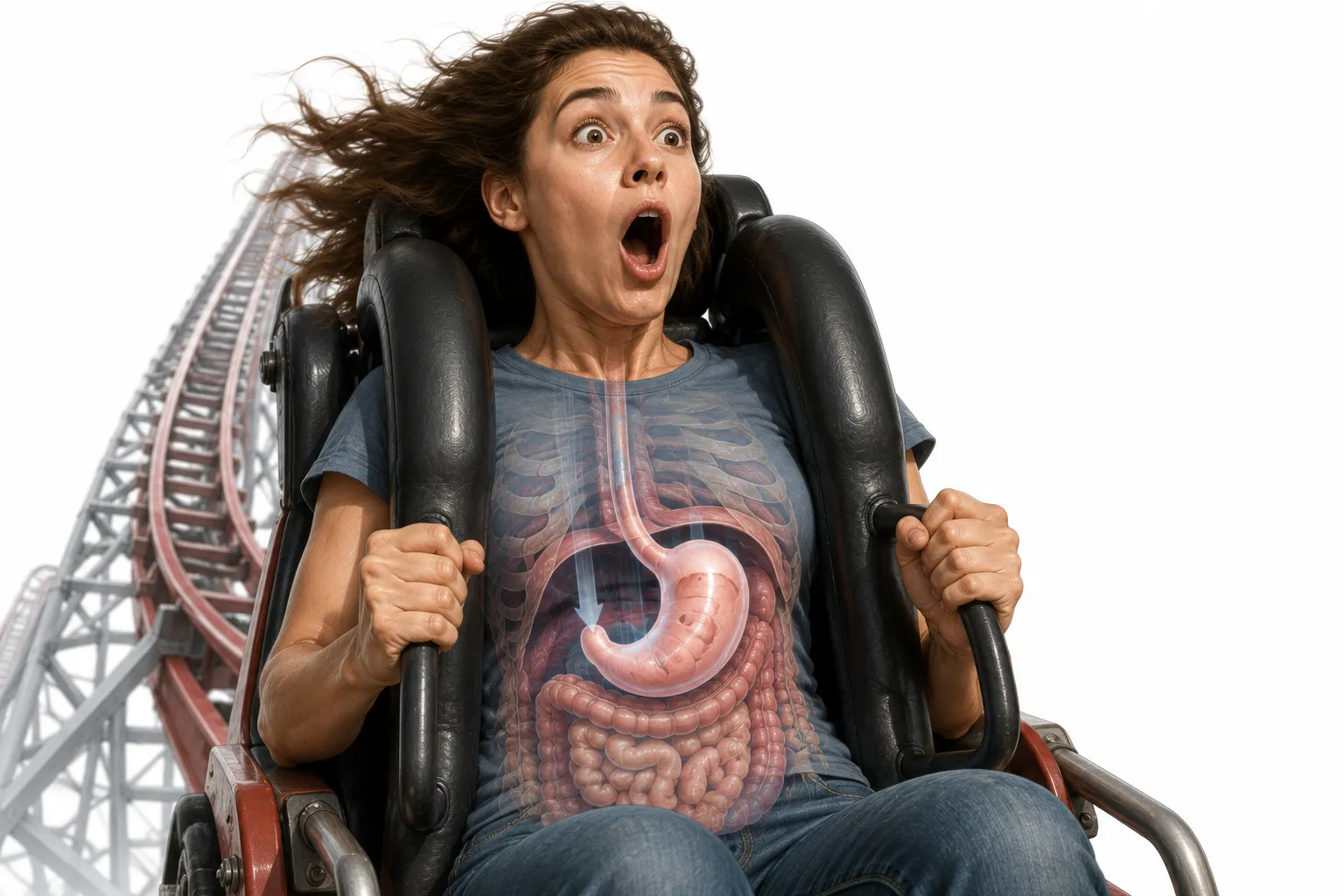
Why Does Your Stomach Drop on a Rollercoaster?
The stomach-drop feeling happens because your internal organs, including your stomach, are held in place by relatively loose connective tissue, and during the sudden downward acceleration of a rollercoaster drop, your body falls slightly faster than those organs settle, creating a brief sensation of internal floating and pressure change that the brain interprets as your stomach dropping. Unlike bones, the stomach and other abdominal organs are held in place primarily by ligaments, connective tissue, and surrounding organs rather than being rigidly fixed to the skeleton. During normal standing or sitting, gravity constantly pulls down on these organs while surrounding tissue and muscle tone provide steady counter-support, producing the ordinary sensation of everything being settled comfortably in place. When a rollercoaster suddenly accelerates downward, especially during a steep drop that approaches or briefly exceeds the sensation of freefall, your entire body, including the abdominal organs, briefly experiences a sharp reduction in the support forces that normally hold everything steady. Because organs like the stomach are more loosely tethered than bone, they shift slightly relative to the surrounding structures during this instant, briefly pressing differently against nerves and tissue in the abdominal cavity. This registers as a distinct falling or dropping sensation. At the same time, the inner ear's vestibular system detects the sudden change in vertical acceleration, reinforcing the overall sensation of falling that the brain integrates alongside the physical shift happening inside the abdomen.
Body & Brain
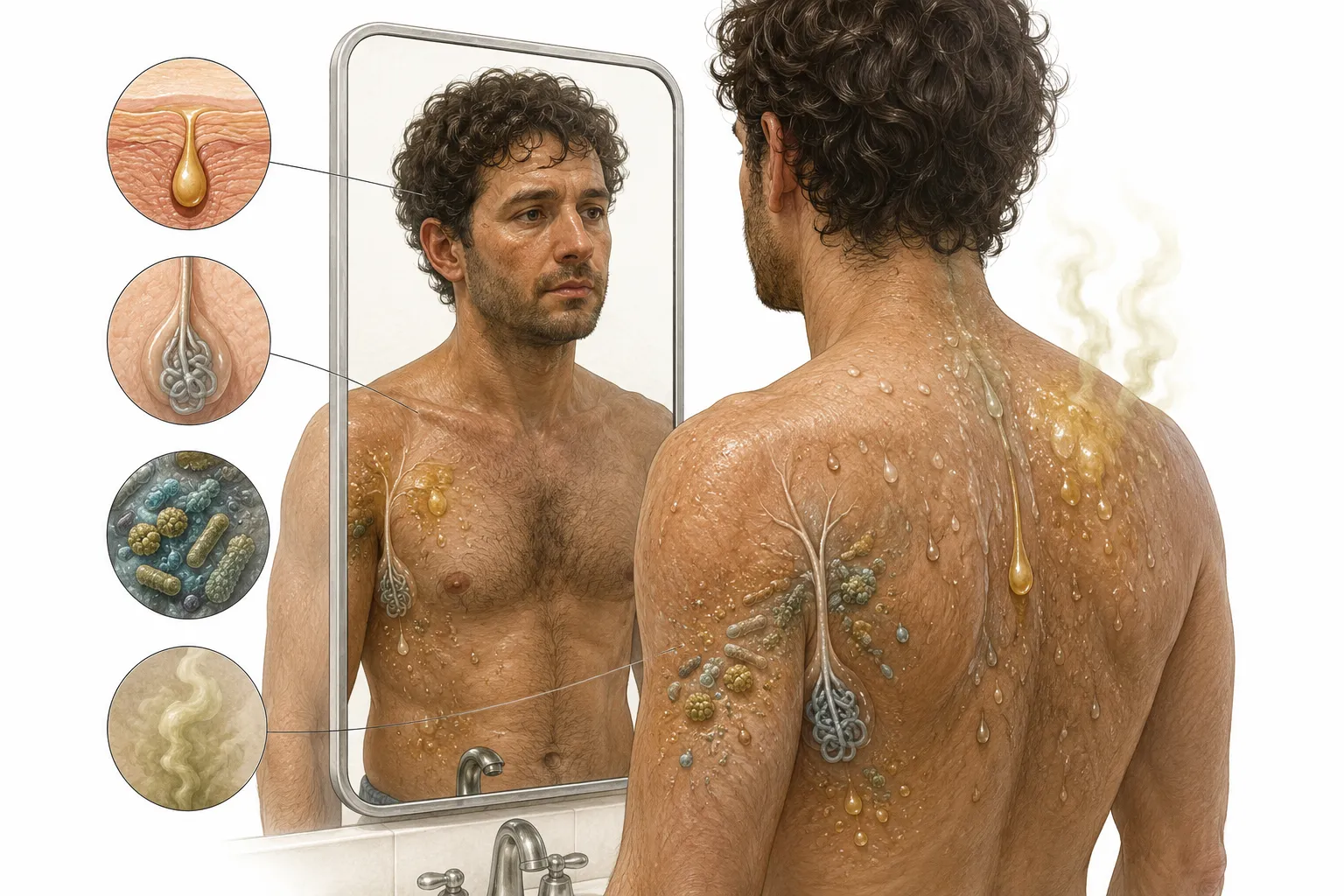
What Happens to Your Body If You Don't Shower?
Without showering, sweat, dead skin cells, and natural oils accumulate on the skin, feeding the resident bacterial population and typically producing noticeable odor within one to three days, though the skin barrier itself often becomes more balanced over longer stretches. In the first day or two without washing, sweat and sebum build up on the skin's surface, and bacteria that normally live there begin breaking down sweat compounds into odor-causing byproducts, particularly in areas like the armpits and groin. Dead skin cells that would normally be washed away start to accumulate visibly. Over several days, oil production can paradoxically stabilize in some people, since skin no longer needs to overcompensate for oils stripped by frequent washing. However, without regular exfoliation and cleansing, clogged pores, breakouts, and skin irritation become more likely, and the buildup of bacteria and yeast can trigger fungal or bacterial skin issues, especially in warm, moist areas of the body.
Body & Brain
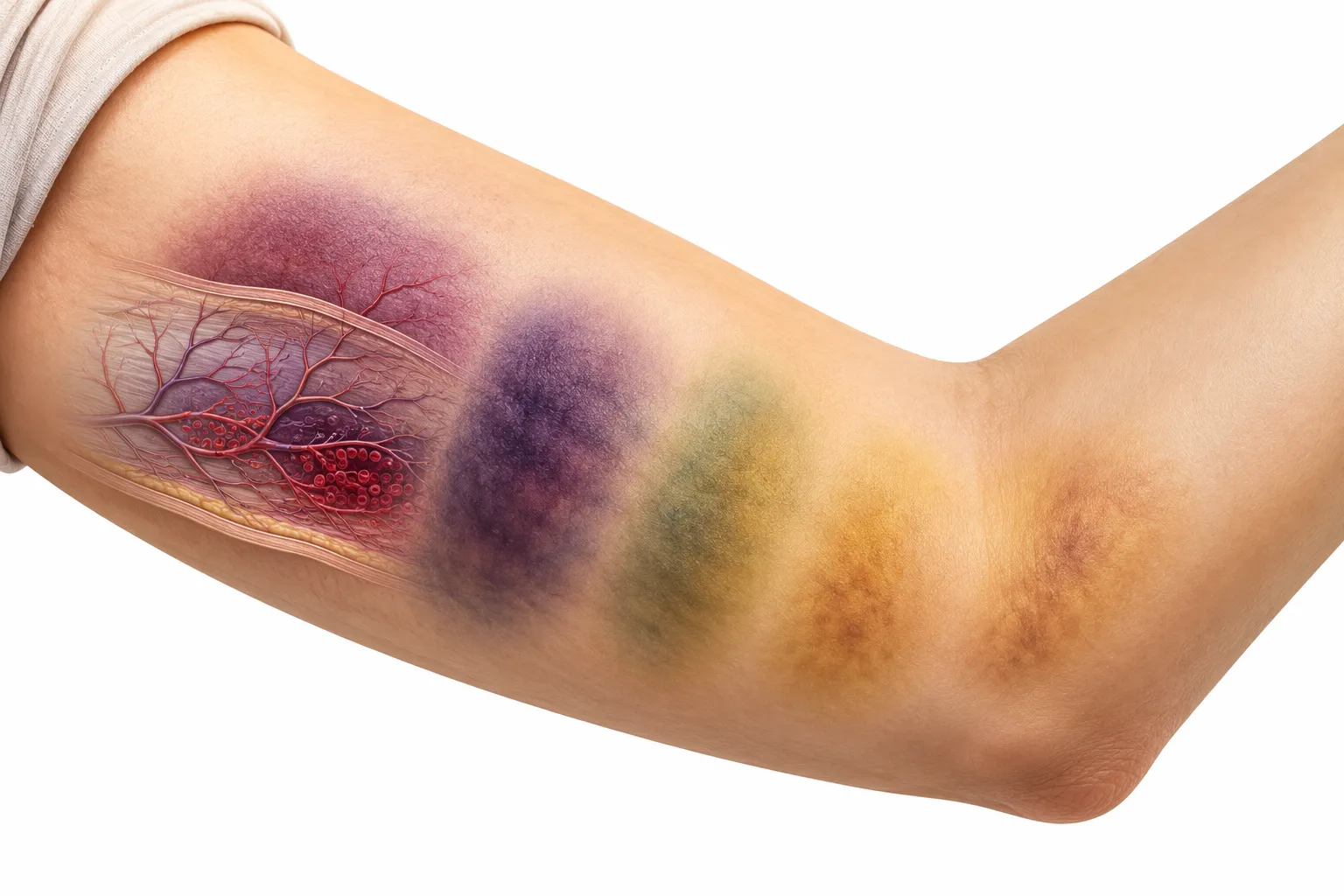
Why Do Bruises Change Color?
Bruises change color because the body breaks down leaked blood beneath the skin in stages, converting hemoglobin into a sequence of different pigmented compounds, from reddish-purple, to blue-black, to greenish, to yellow, before the pigments are fully cleared and the bruise disappears. A bruise forms when an impact damages small blood vessels beneath the skin, causing blood to leak into the surrounding tissue rather than staying contained within vessels. Fresh, oxygen-rich blood initially appears red or reddish-purple, and pooled blood beneath the skin often looks deep blue, purple, or black over the first day or two, partly due to how skin filters different wavelengths of light over deoxygenated blood. As immune cells arrive to clean up the leaked blood, they break down hemoglobin, the oxygen-carrying protein in red blood cells, into biliverdin, a green pigment, which typically appears around five to seven days after the injury. Biliverdin is then further broken down into bilirubin, a yellowish pigment, causing the bruise to shift toward yellow or light brown in its final stages before the pigments are fully cleared from the tissue and the bruise disappears entirely, usually within one to two weeks.
Body & Brain
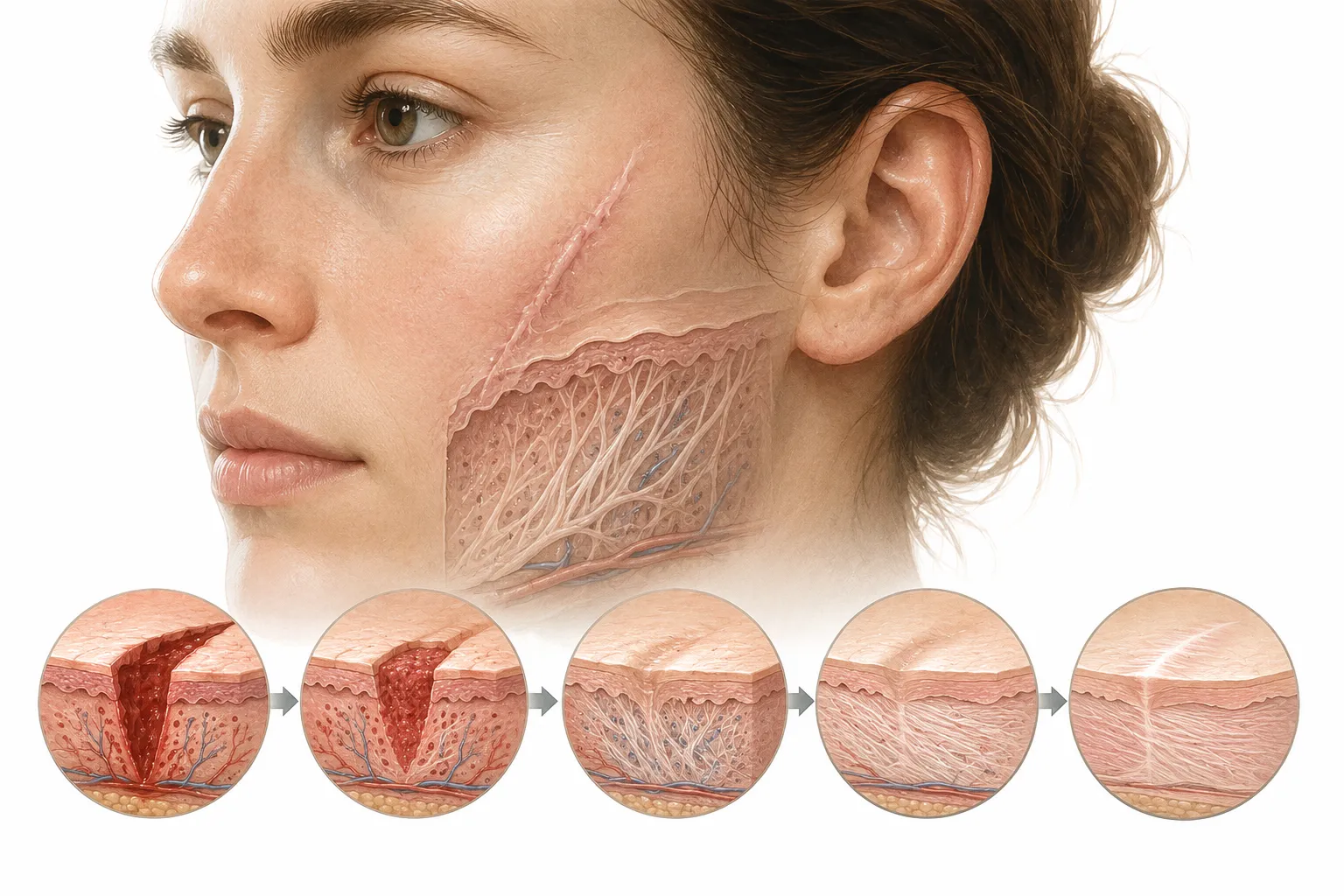
Why Do Scars Form?
Scars form when skin damage extends deep enough to reach the dermis, and the body repairs the area by rapidly producing collagen fibers arranged in a dense, aligned pattern rather than the more random, woven structure of undamaged skin, resulting in tissue that looks and feels different from the surrounding area. Skin's outermost layer, the epidermis, can regenerate itself without leaving a lasting mark, since it constantly renews through normal cell turnover. But when an injury penetrates deeper into the dermis, where collagen and elastin fibers give skin its strength and flexibility, the healing process changes. Fibroblasts, cells responsible for producing collagen, rush to the wound site and rapidly generate new collagen fibers to close the gap and restore structural integrity as quickly as possible. Unlike the flexible, basket-weave arrangement of collagen in undamaged skin, this new collagen is laid down in a denser, more aligned pattern, which is faster to produce but results in tissue with different texture, strength, and appearance. Scar tissue also generally lacks hair follicles, sweat glands, and some of the fine sensory nerve endings present in normal skin, since these specialized structures aren't rebuilt during the rapid repair process.
Body & Brain
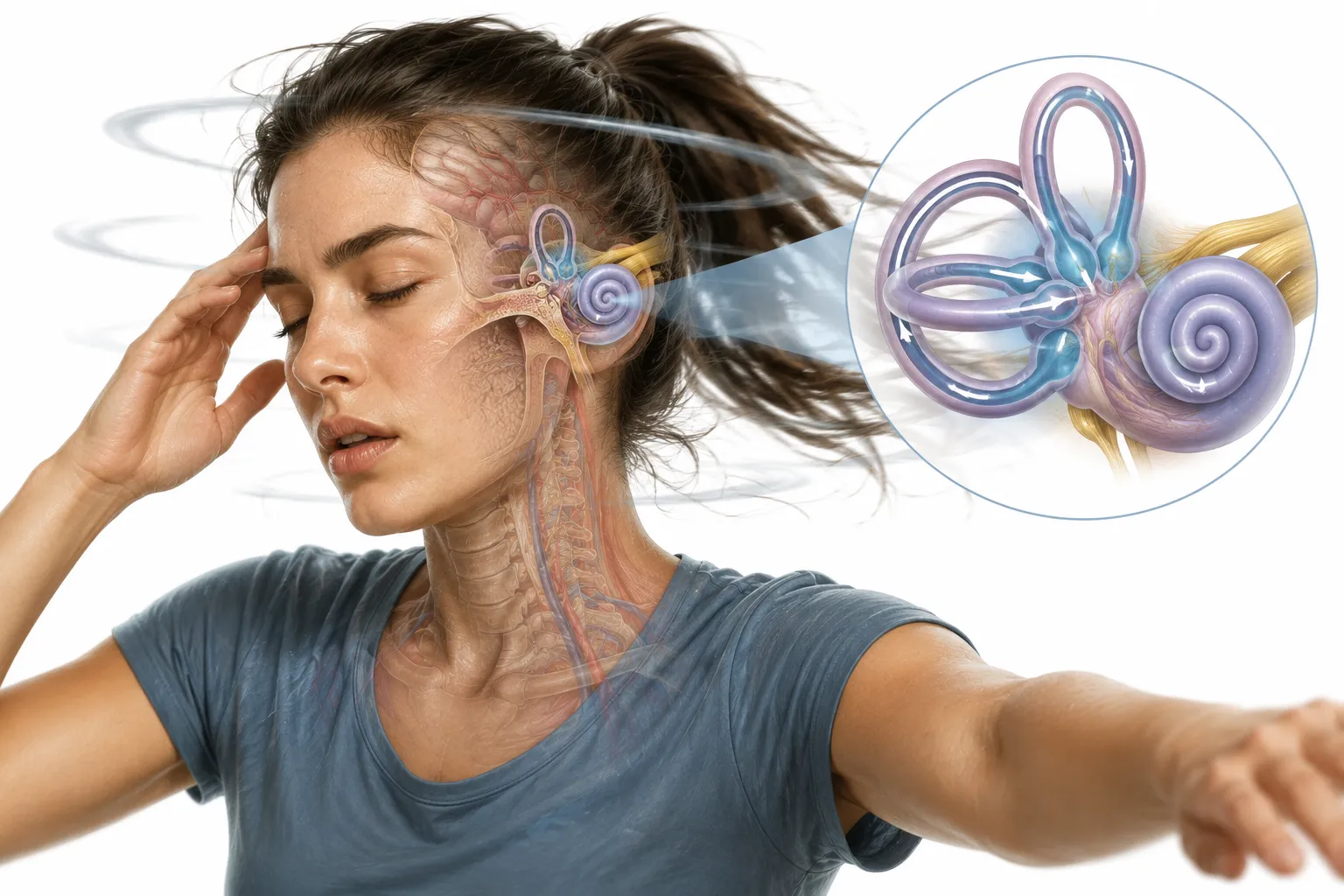
Why Do We Get Dizzy When Spinning?
Dizziness from spinning happens because fluid inside the semicircular canals of the inner ear continues moving briefly after your body stops, sending your brain a false signal that you're still rotating, which conflicts with what your eyes and body are telling you and produces the sensation of dizziness. The inner ear contains three fluid-filled semicircular canals oriented in different planes, which detect rotational movement of the head. When you spin, the fluid inside these canals moves along with your head, bending tiny hair-like sensors that signal the direction and speed of rotation to your brain. When you suddenly stop spinning, your body stops immediately, but the fluid inside the canals, due to its own momentum, continues moving for a short period afterward. This continued fluid movement keeps sending a signal to your brain indicating you're still rotating, even though your eyes and other senses are now reporting that you've stopped. This mismatch between conflicting sensory signals, called sensory conflict, is what produces the disorienting sensation of dizziness, along with the visual illusion that the room is still spinning.
Body & Brain
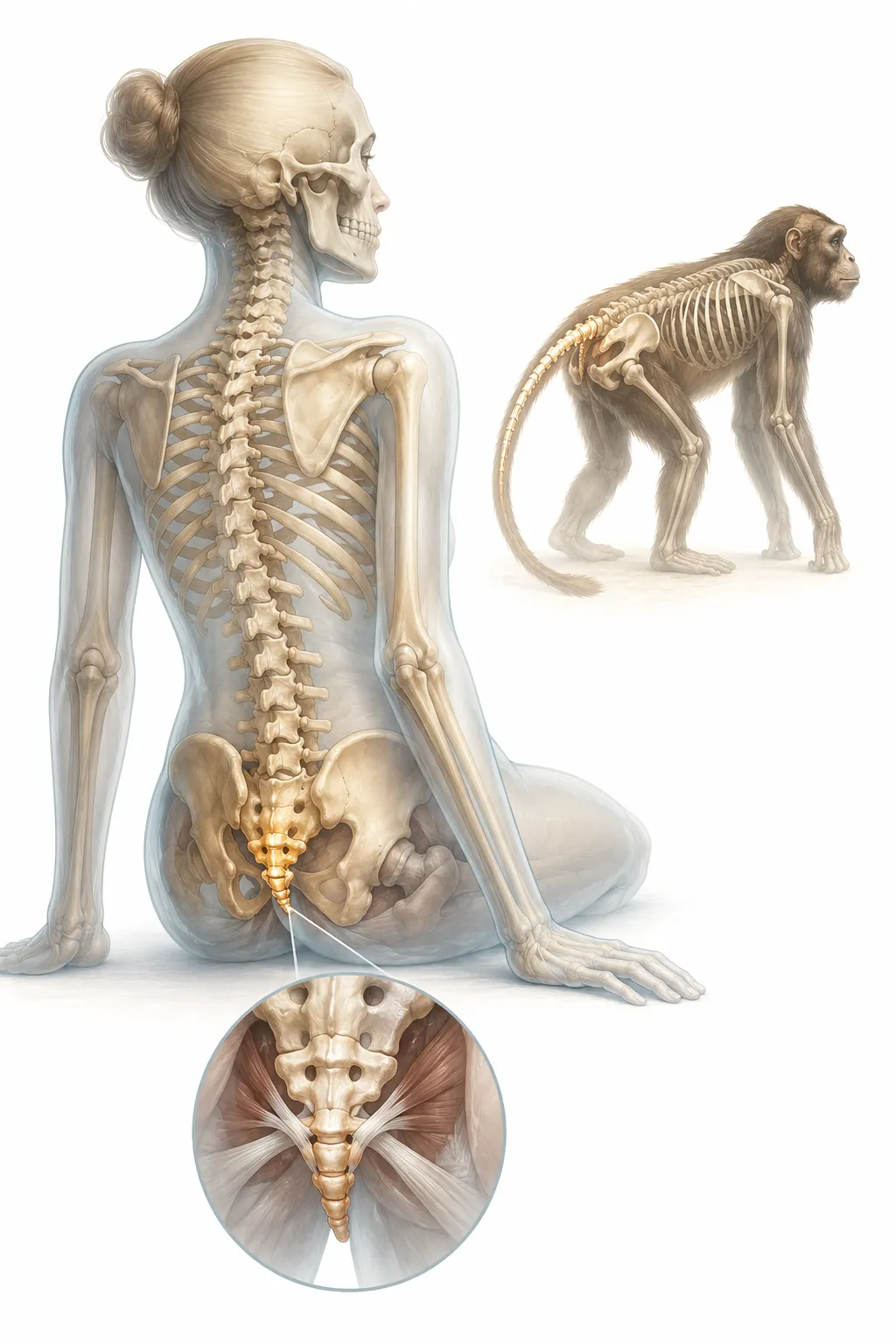
Why Do We Have a Tailbone?
The tailbone, or coccyx, is a remnant of the tail present in our distant primate ancestors, and while humans no longer have an external tail, the tailbone remains functionally important as an anchor point for several pelvic floor muscles and ligaments essential for sitting, balance, and bowel control. Millions of years ago, human ancestors had functional tails used for balance and movement in trees. As hominins evolved to walk upright and lost the need for a tail, the bones that once extended into it gradually shrank and fused into the small triangular structure now called the coccyx. Rather than disappearing entirely, this structure was repurposed. Several important pelvic floor muscles, including ones involved in bowel control and pelvic support, attach directly to the coccyx, and it also helps distribute body weight when sitting, particularly when leaning backward. Human embryos briefly develop a visible tail-like structure early in development, which typically regresses and fuses into the coccyx before birth, a striking echo of our evolutionary history.
Body & Brain
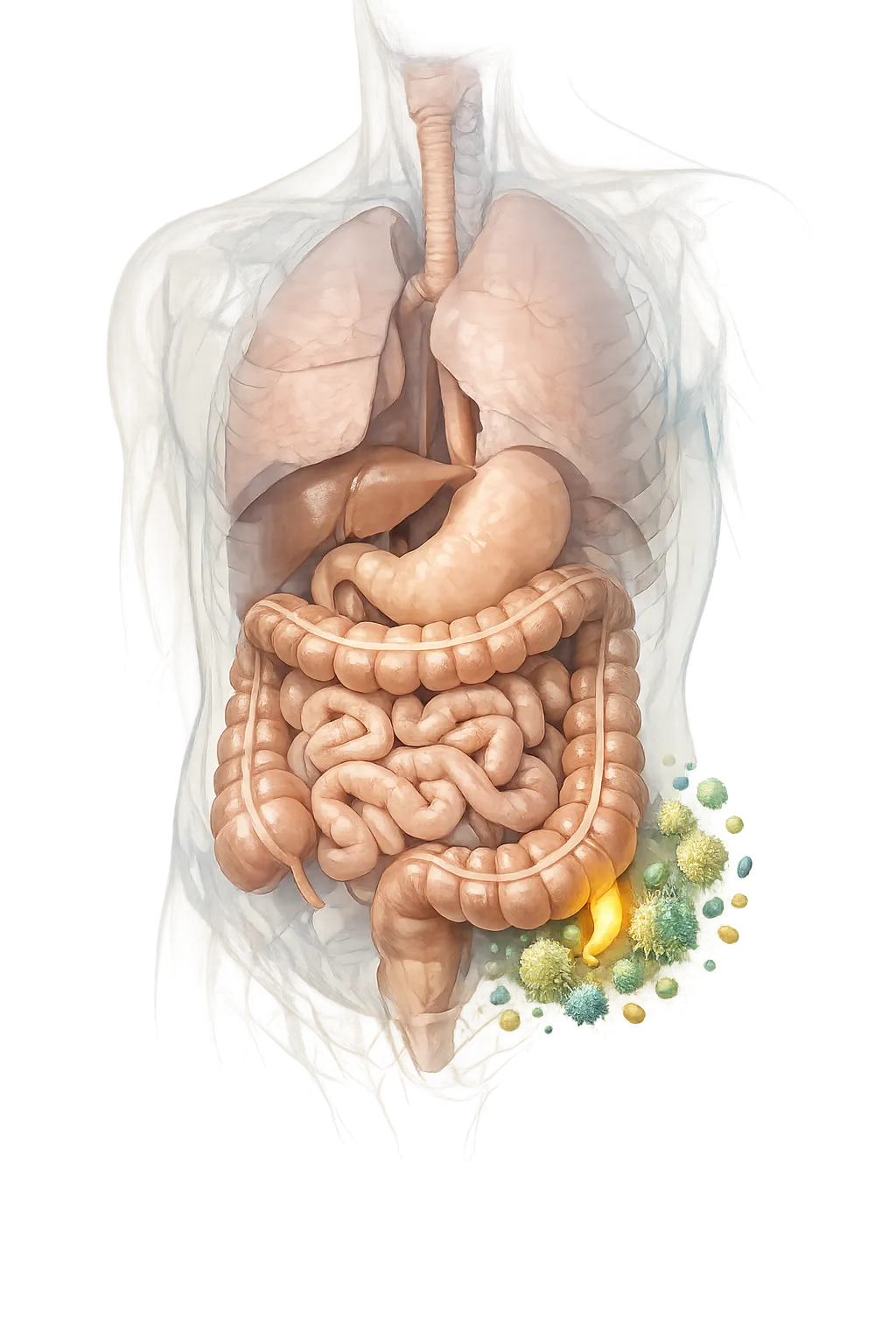
Why Do We Have an Appendix?
The appendix appears to function as a protected reservoir for beneficial gut bacteria, helping recolonize the intestines after severe diarrheal illness wipes out the normal bacterial population, in addition to playing a minor role in immune system development. For decades, the appendix was widely considered a vestigial organ with no meaningful function, largely because removing it doesn't appear to cause obvious harm. More recent research proposes a more nuanced role. The appendix sits in a slight side-pocket off the main path of the intestines, somewhat sheltered from the main flow of digestion, which may allow beneficial bacteria to persist there even during severe gut infections that flush out the bacterial population everywhere else. Once the illness passes, the appendix can help reseed the rest of the intestines with healthy bacteria. The appendix also contains a notable concentration of immune tissue, particularly during childhood, suggesting an additional supporting role in training the immune system early in life.
Body & Brain
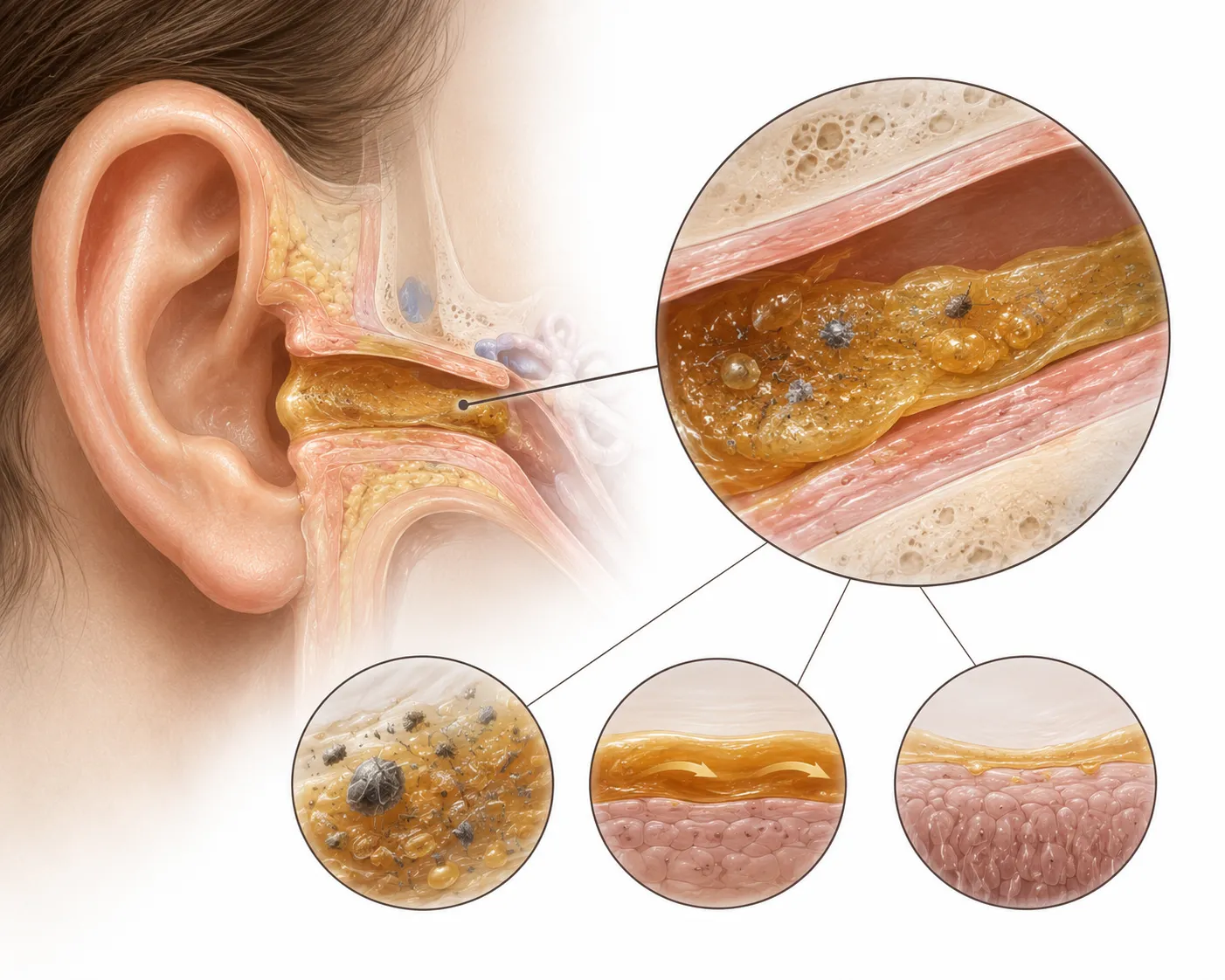
Why Do We Have Earwax?
Earwax, medically called cerumen, is produced by glands in the outer ear canal to trap dust, dead skin, and debris, lubricate and waterproof the canal, and provide antimicrobial protection against infection, all while naturally migrating outward to keep the ear canal clean. Specialized glands in the skin of the outer ear canal produce a mixture of oily secretions and shed skin cells that combine to form earwax. This waxy coating traps incoming dust, debris, and small insects before they can travel deeper toward the eardrum, and its slightly acidic, oily composition has natural antibacterial and antifungal properties that help prevent infection. Earwax also lubricates the skin of the ear canal, preventing it from becoming dry, itchy, or cracked, which could otherwise create an entry point for infection. Crucially, the skin of the ear canal grows and migrates slowly outward over time, carrying old earwax and trapped debris toward the ear opening, where it naturally flakes away, meaning a healthy ear canal cleans itself without needing to be scraped or dug out manually.
Body & Brain
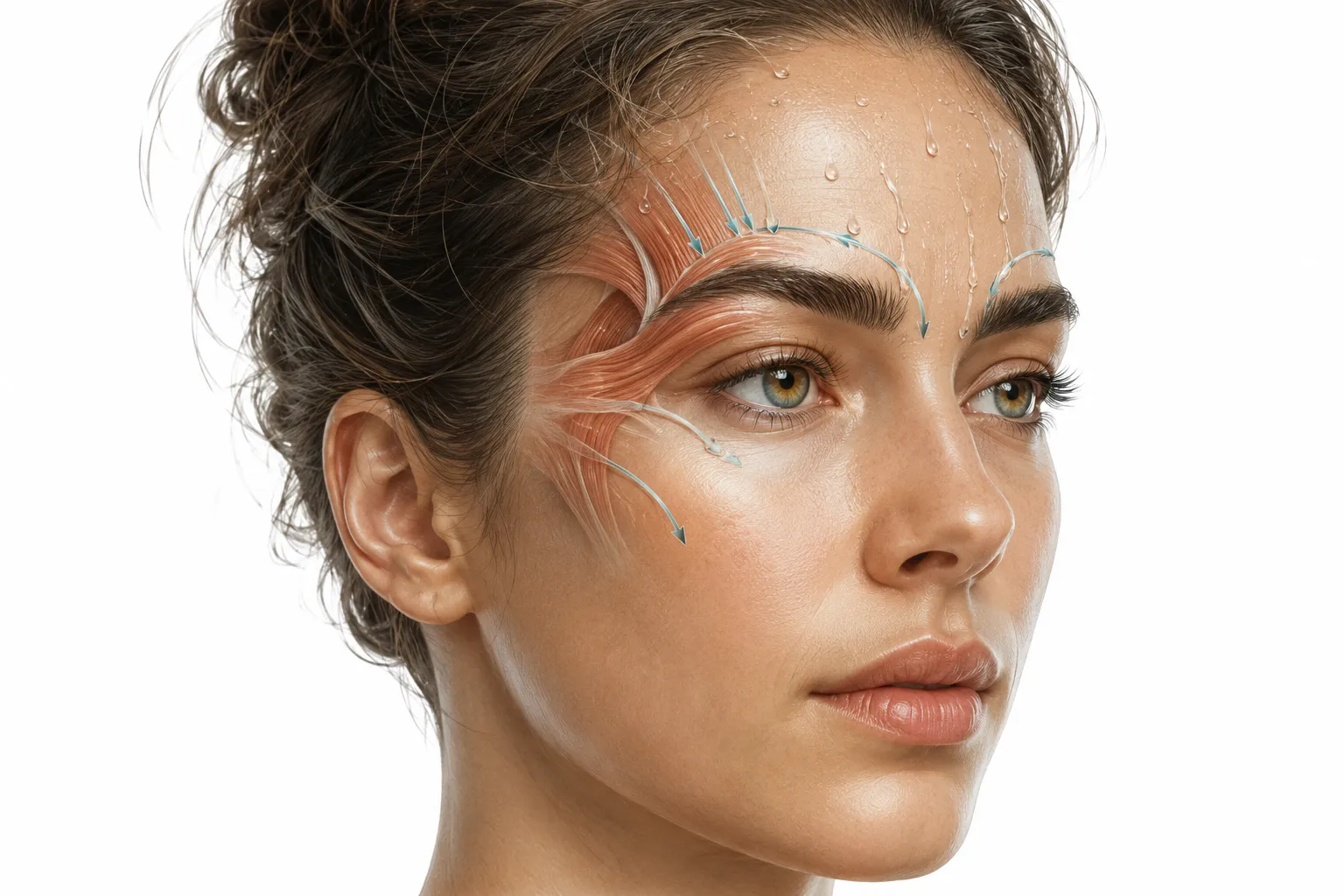
Why Do We Have Eyebrows?
Eyebrows evolved primarily to keep sweat, rain, and debris from running directly into the eyes, and secondarily became a major tool for nonverbal communication once early humans developed flatter, more mobile foreheads. The arch and position of the eyebrow channel moisture from the forehead sideways, toward the temples, rather than straight down into the eyes, where it would blur vision at exactly the wrong moment. Because eyebrow hair is coarser and grows in a directional pattern, it also traps and diverts fine dust and debris. Once early hominins lost the heavy, fixed brow ridge that earlier ancestors had, the skin above the eyes became independently mobile for the first time, and eyebrows took on a second major role: broadcasting emotion. A raised brow, a furrowed brow, or a single skeptical arch can communicate faster and more precisely than words, which is one reason the muscles controlling eyebrow movement are unusually fine-tuned compared to muscles elsewhere on the face.
Body & Brain
Why Do We Have Fingerprints?
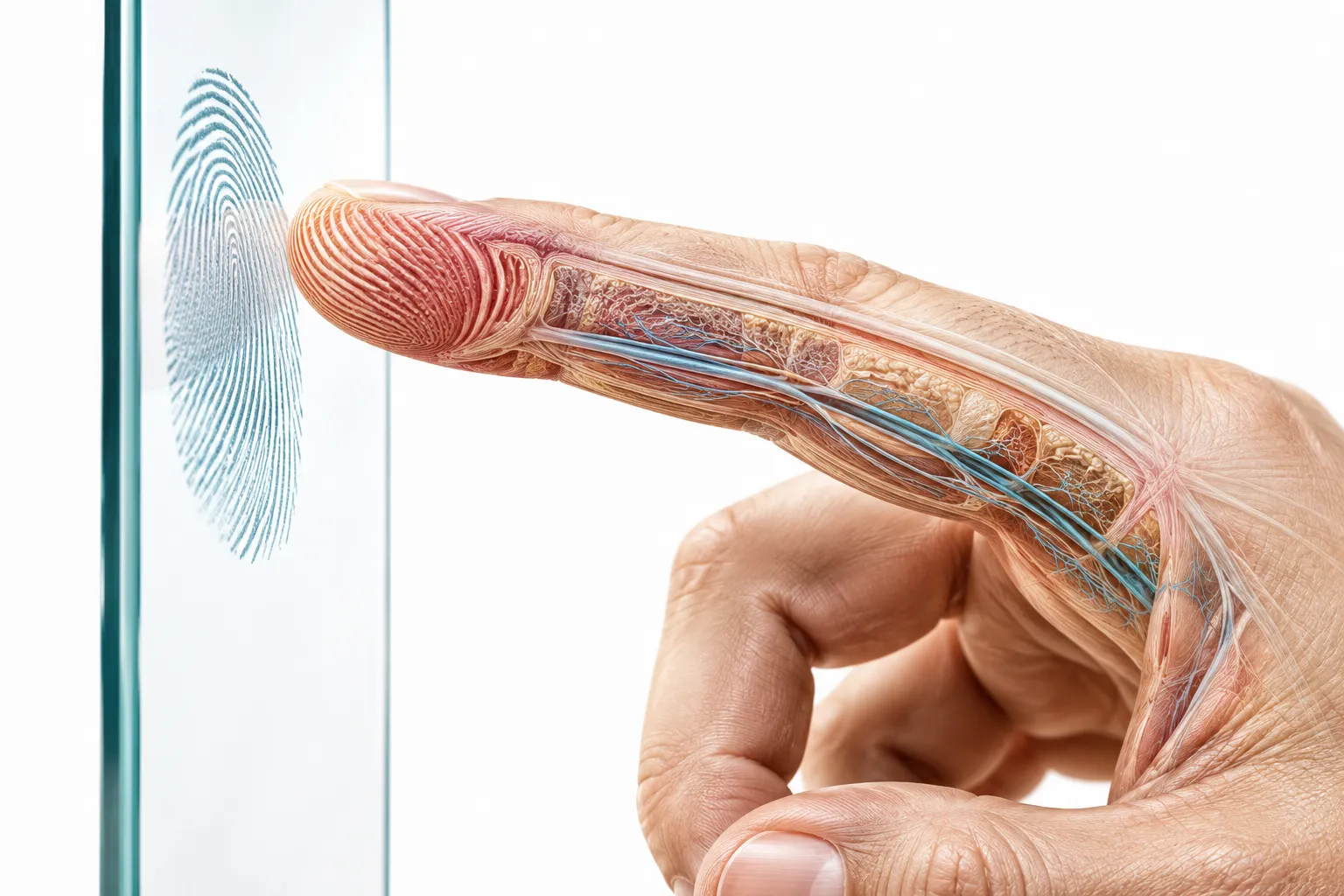
Fingerprints evolved primarily to improve grip on textured or uneven surfaces and to enhance touch sensitivity, with their usefulness for individual identification being a side effect of how their pattern forms rather than the reason they exist. The ridges that make up a fingerprint increase the surface area of the fingertip and create channels that help manage moisture, both of which improve friction when gripping objects, particularly surfaces that are uneven, wet, or textured. The ridges also amplify vibrations when the skin moves across a surface, which enhances the sensitivity of touch receptors just beneath the skin, helping fingertips detect fine texture and detail. The specific swirling pattern of any individual's fingerprint is shaped by a combination of genetics and random variation in pressure, position, and amniotic fluid flow during fetal development, which is why even identical twins, who share nearly identical genetics, end up with different fingerprint patterns.
Body & Brain
Why Do We Have Tonsils?
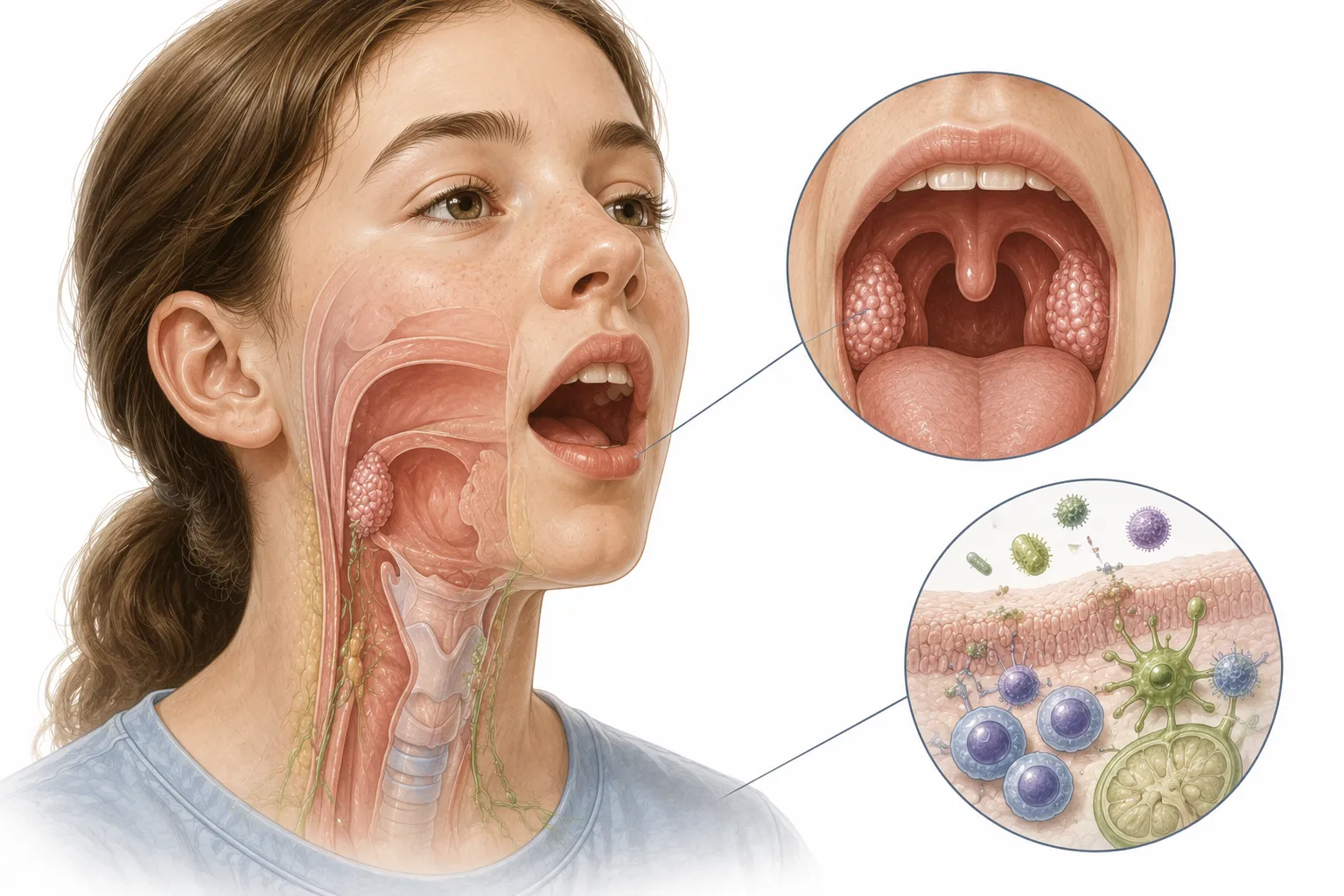
Tonsils are clusters of lymphoid tissue positioned at the back of the throat that help the immune system detect and respond early to bacteria and viruses entering through the mouth and nose, acting as one of the body's first lines of immune surveillance. The tonsils sit at the junction of the oral and nasal cavities, a location that puts them in direct contact with nearly everything a person swallows or inhales. Their surface contains small pits called crypts that trap incoming particles, including bacteria and viruses, and expose them to immune cells embedded in the tonsil tissue. This allows the immune system to sample potential threats early and begin producing targeted antibodies before an infection can spread further into the body. Tonsils are particularly active during childhood, when the immune system is still building its library of recognized pathogens, which is part of why they tend to shrink in relative size and immune activity by adulthood.
Body & Brain
Why Do We Have Wisdom Teeth?
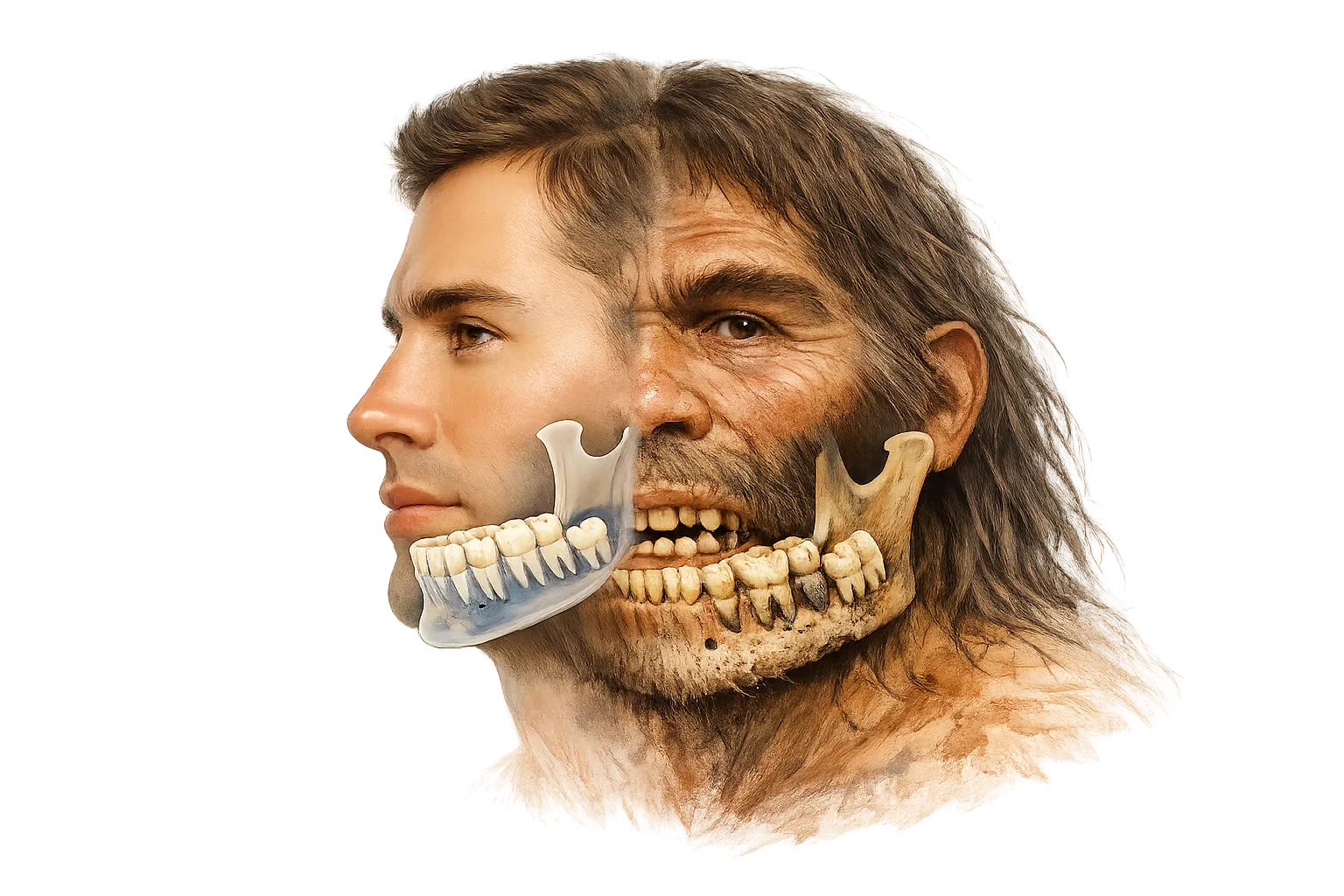
Wisdom teeth are a third set of molars that were fully functional in ancestral human jaws, which were larger and adapted to a coarser, harder-to-chew diet, but modern jaws have shrunk over thousands of years, leaving many people without enough space to accommodate them. Early human diets consisted largely of tough, fibrous, and raw foods that required extensive chewing, and larger jaws with a full complement of thirty-two teeth, including wisdom teeth, were well suited to that demand. As diets shifted toward cooked, processed, and softer foods, particularly over the last several thousand years, less chewing force and jaw development was needed during growth, and human jaw size gradually decreased. Tooth size, however, has decreased more slowly than jaw size, creating a mismatch where the jaw often no longer has enough room for the last teeth to erupt, in many cases causing wisdom teeth to grow in at odd angles, become impacted, or crowd neighboring teeth.
Body & Brain
Why Does Your Nose Run When It's Cold?
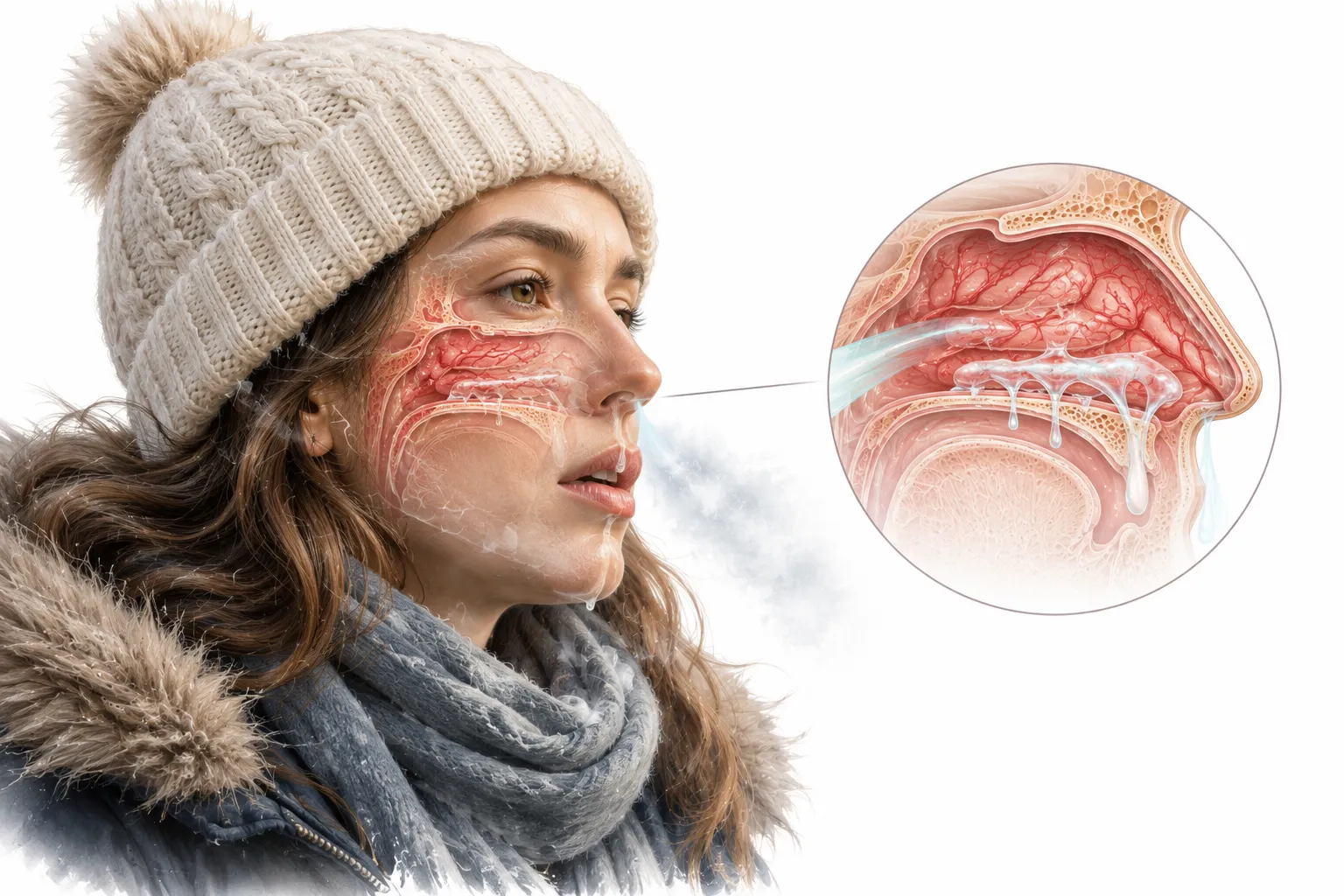
Cold air causes blood vessels in the nose to dilate and mucus production to increase as part of the nose's job of warming and humidifying inhaled air before it reaches the lungs, and cold temperatures also slow the tiny hair-like structures that normally move mucus backward, causing it to pool and drip forward instead. One of the nose's core functions is conditioning the air you breathe, warming it to body temperature and adding moisture before it reaches the sensitive tissue of the lungs. When cold, dry air enters the nasal passages, blood vessels in the nasal lining dilate, increasing blood flow to help warm the incoming air, and mucus glands increase production to add humidity. At the same time, cold temperatures slow the normal function of cilia, tiny hair-like structures that continuously sweep mucus backward toward the throat to be swallowed. With cilia moving more sluggishly in the cold, mucus accumulates faster than it can be cleared through its usual pathway, and gravity pulls the excess forward and out the front of the nose instead, producing the familiar cold-weather runny nose.
Body & Brain
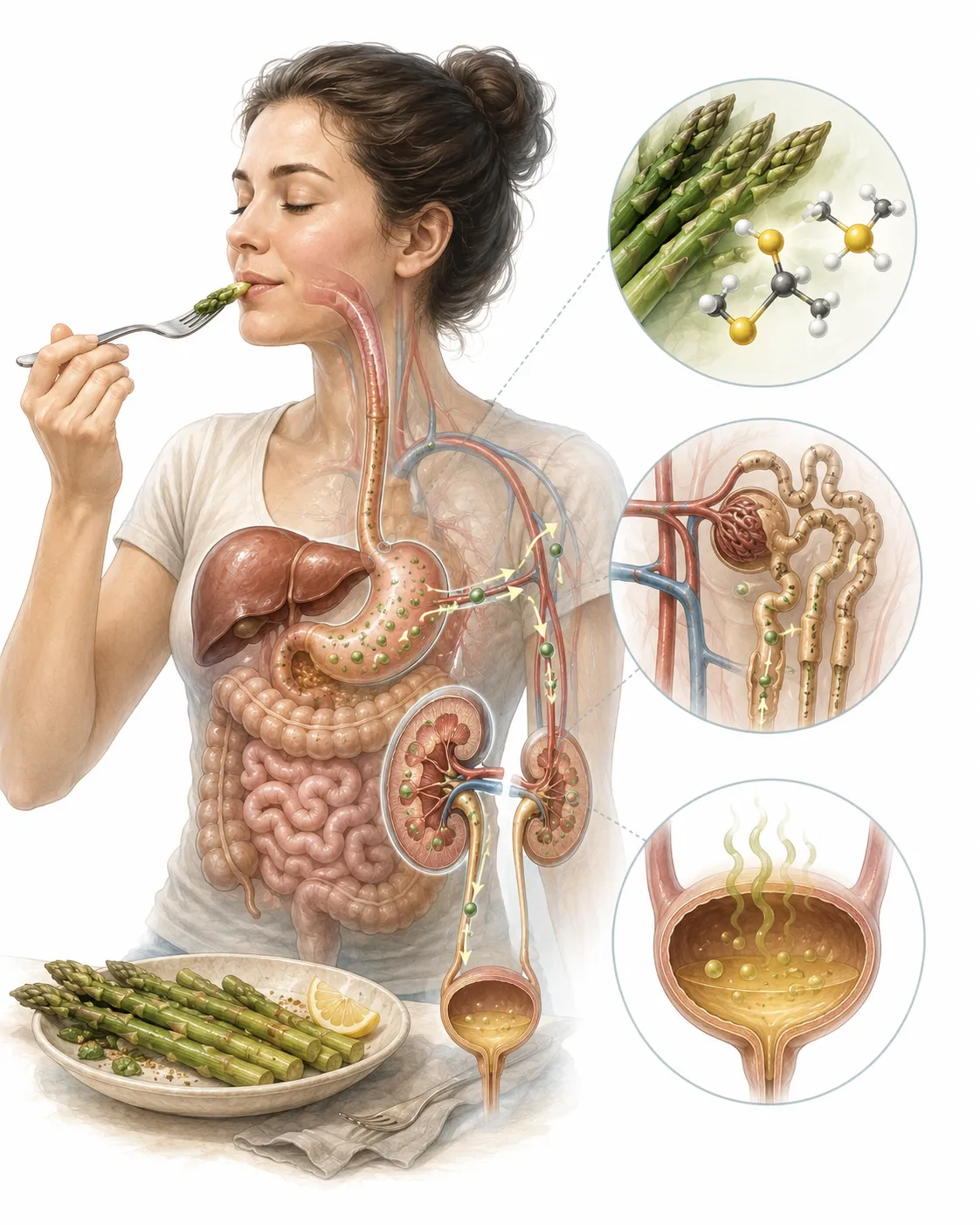
Why Does Urine Smell After Eating Asparagus?
Asparagus contains sulfur-containing compounds that the body breaks down into volatile, strong-smelling byproducts excreted in urine, and while most people's bodies produce these compounds, only a genetically determined subset of people are actually able to smell them, which is why the effect seems inconsistent from person to person. Asparagus contains a compound called asparagusic acid, which is metabolized during digestion into several sulfur-containing byproducts, including methanethiol and related volatile compounds. These compounds are excreted in urine and can produce a distinctive, often described as sulfurous or cabbage-like, odor. For a long time, scientists debated whether some people simply didn't produce these compounds at all, but later research clarified that nearly everyone metabolizes asparagus into the same odorous byproducts; the real variability lies in smell perception. Genetic differences in olfactory receptor genes determine whether a person can detect the specific volatile compounds at the concentrations typically present in urine, meaning some people who do produce the smell simply cannot perceive it.
Body & Brain
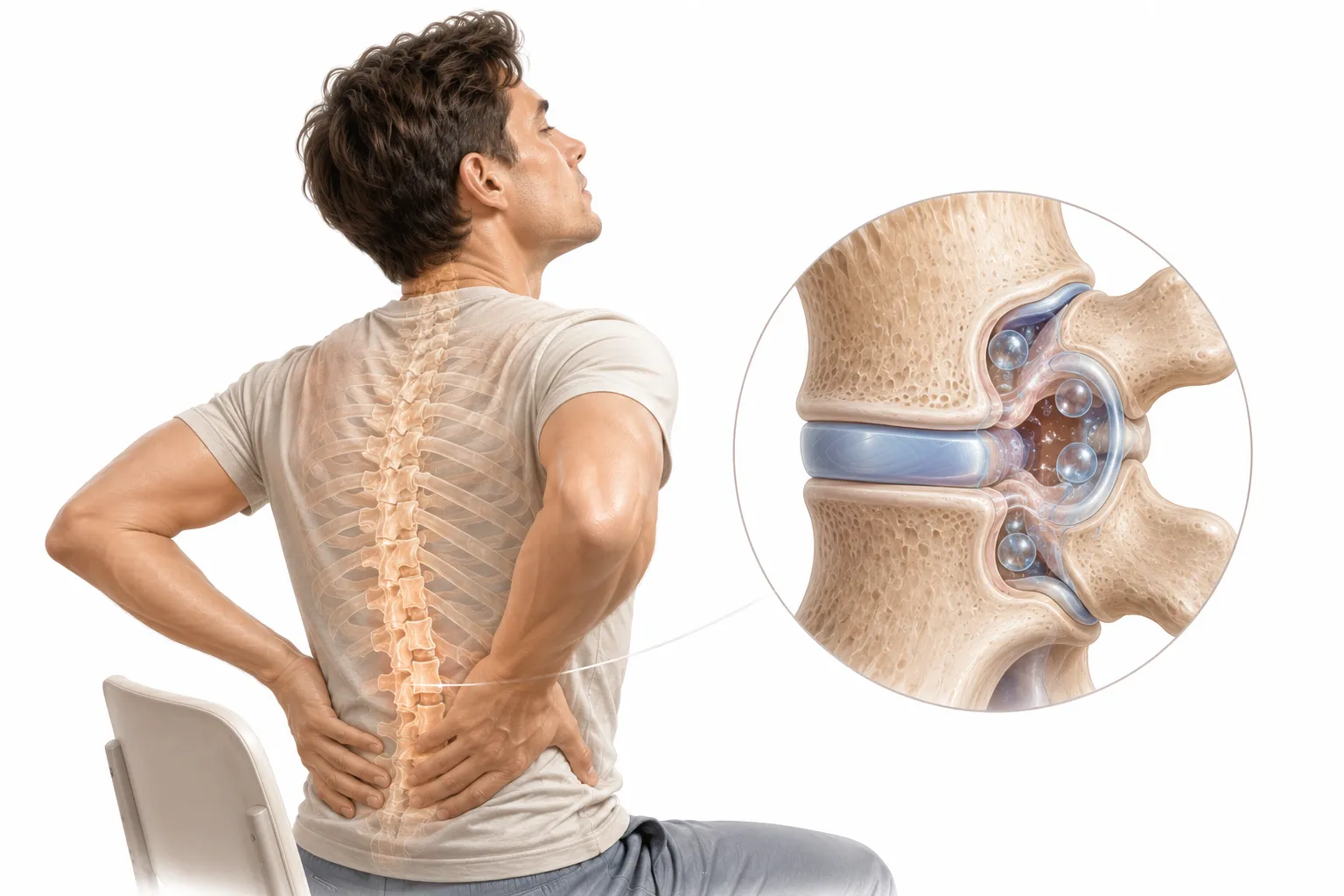
Why Does Your Back Crack?
The cracking sound from your back comes from tiny gas bubbles, mostly carbon dioxide, rapidly forming or collapsing within the synovial fluid that lubricates the small joints between spinal vertebrae, triggered by a sudden change in pressure when the joint is stretched or twisted. The small facet joints between vertebrae, like most joints in the body, are surrounded by a capsule containing synovial fluid, which lubricates and cushions joint movement. This fluid naturally contains dissolved gases. When a joint is stretched, twisted, or pulled beyond its normal resting position, the space within the joint capsule briefly expands, dropping the pressure inside. That pressure drop causes dissolved gas to rapidly form a bubble, or in some explanations causes an existing microbubble to collapse, and either process releases a quick, audible pop. Afterward, the gas gradually redissolves back into the fluid over roughly twenty minutes, which is why the same joint typically can't be cracked again right away.
Body & Brain
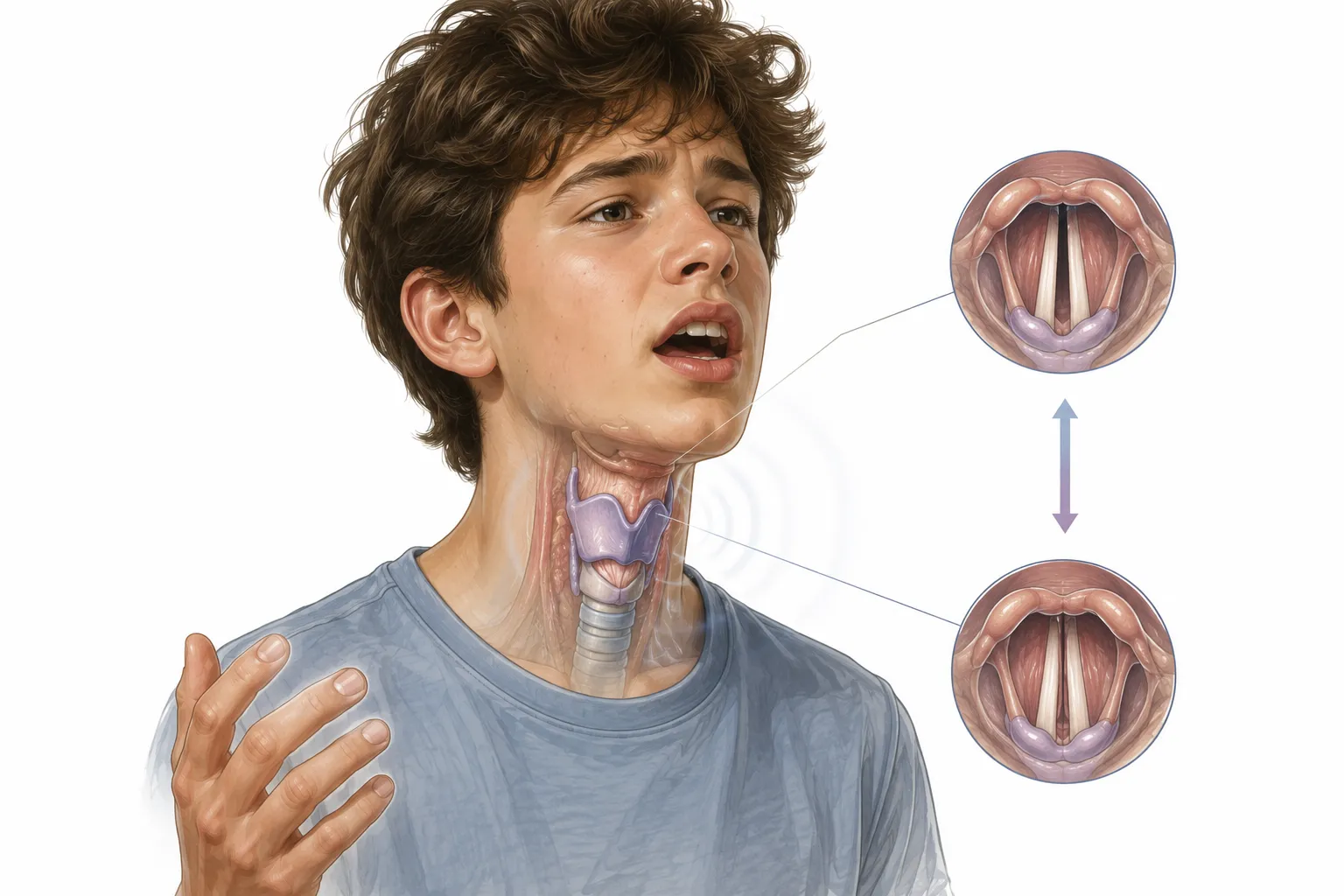
Why Does Your Voice Crack?
Voice cracks happen when the vocal cords abruptly and unevenly switch between two different modes of vibration, chest voice and head voice, usually triggered by rapid changes in vocal cord tension, length, or airflow, which is especially common during puberty when the vocal cords and surrounding cartilage are still growing. The vocal cords can vibrate in at least two distinct patterns to produce sound: a fuller, thicker vibration commonly called chest voice, used for lower pitches, and a thinner, more stretched vibration called head voice or falsetto, used for higher pitches. Moving between these two registers requires precise, coordinated changes in the tension and length of the vocal cords, controlled by small laryngeal muscles. When that transition happens abruptly, unevenly, or with mismatched airflow, the vocal cords can briefly fail to vibrate consistently in either mode, producing the sudden pitch break heard as a crack. During puberty, rapid growth of the larynx and vocal cords, especially in males, makes this transition harder to control consistently, which is why voice cracking is strongly associated with adolescence, though it can happen at any age under vocal strain, illness, or fatigue.
Body & Brain
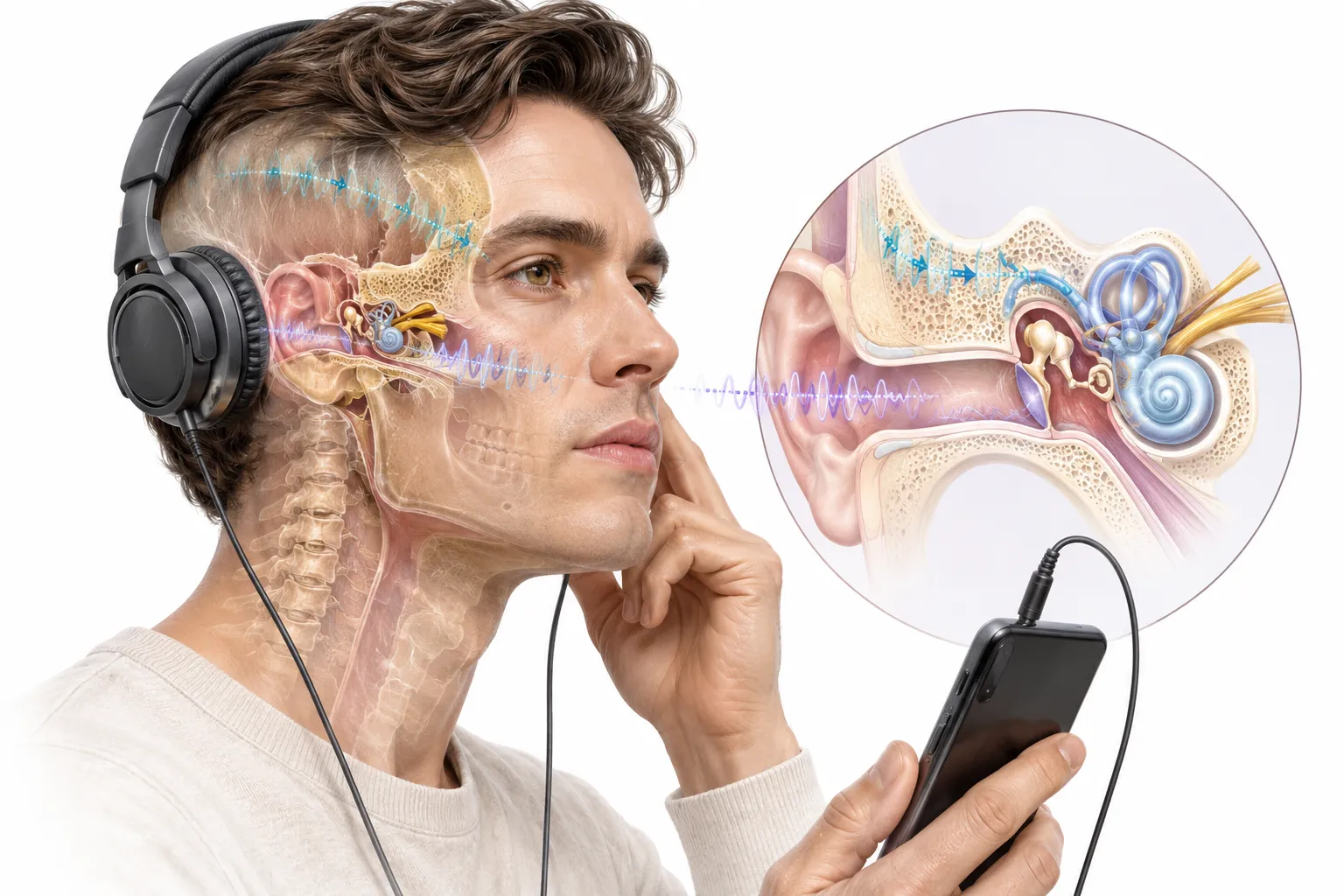
Why Does Your Voice Sound Different on a Recording?
Your recorded voice sounds different because when you speak normally, you hear a blend of sound traveling through the air and sound conducted through the bones of your skull, and bone conduction emphasizes lower frequencies that a recording, capturing only air-conducted sound, doesn't include. When you speak, sound waves travel two separate paths to your inner ear. The first is the conventional path, sound leaving your mouth, traveling through air, and entering your ear canal, exactly the way it reaches anyone listening to you. The second path is bone conduction, vibrations from your vocal cords traveling directly through the bones of your skull and jaw to your inner ear. Bone conducts lower frequencies more efficiently than air, which means the version of your voice you hear internally sounds richer and deeper than the version everyone else hears. A recording only captures the air-conducted path, the same version other people have heard all along, which is why it sounds thinner, higher-pitched, and unfamiliar compared to what you're used to hearing in your own head.

Brain & Body
Why Do We Yawn?
Yawning is weird because scientists still don't have one clean answer. The old idea, that your body needs more oxygen, has been mostly ruled out. What seems more likely is that yawning happens when your brain is shifting gears: moving from low activity to high, or the other way around. It may also help cool a warming brain by pulling in cooler air and increasing blood flow. It happens when you're tired, waking up, bored, or stressed. Every vertebrate animal does it, which tells us it has been around a very long time and probably matters, but exactly why is still being worked out.

Brain & Social Behavior
Why Is Yawning Contagious?
When you see someone yawn, your brain activates the same regions involved in imitating actions. Brain imaging studies point to a network linked to mirror neurons, cells that fire both when you do something and when you watch someone else do it. Seeing the jaw drop seems to trigger a motor plan to do the same. You don't even need to see a yawn, hearing one, reading about it, or just thinking about it can set one off. Scientists think it's tied to social mirroring: behaviors that sync groups together. The exact mechanism is still being studied, but the mirror-neuron angle has the most support.

Body Reflexes
Why Do We Hiccup?
A hiccup is your diaphragm, the big muscle under your lungs, having a spasm. Something irritates the nerves that control it, usually your vagus nerve or phrenic nerve. The muscle jerks down suddenly, pulling a rush of air into your throat. Then your vocal cords snap shut to stop the air, that's the 'hic' sound. Common triggers are eating too fast, swallowing air, fizzy drinks, a too-full stomach, or a sudden temperature change. Most hiccups are over in a few minutes and are completely harmless. If they stick around for more than 48 hours, that's worth checking with a doctor.

Brain & Sleep
Why Do We Dream?
No one has a single proven reason for every dream. What science does know is that most vivid dreaming happens during REM sleep, when your brain is nearly as active as when you're awake. The leading theories: dreams help consolidate memories by replaying and reorganizing what you learned during the day; they help process emotions, especially difficult ones; and some researchers think the brain is just keeping the visual cortex active during darkness. The part of your brain that judges and fact-checks, the prefrontal cortex, goes quiet during REM, which is why dream logic feels perfectly fine until you wake up.
Body Reflexes
Why Do We Sneeze?
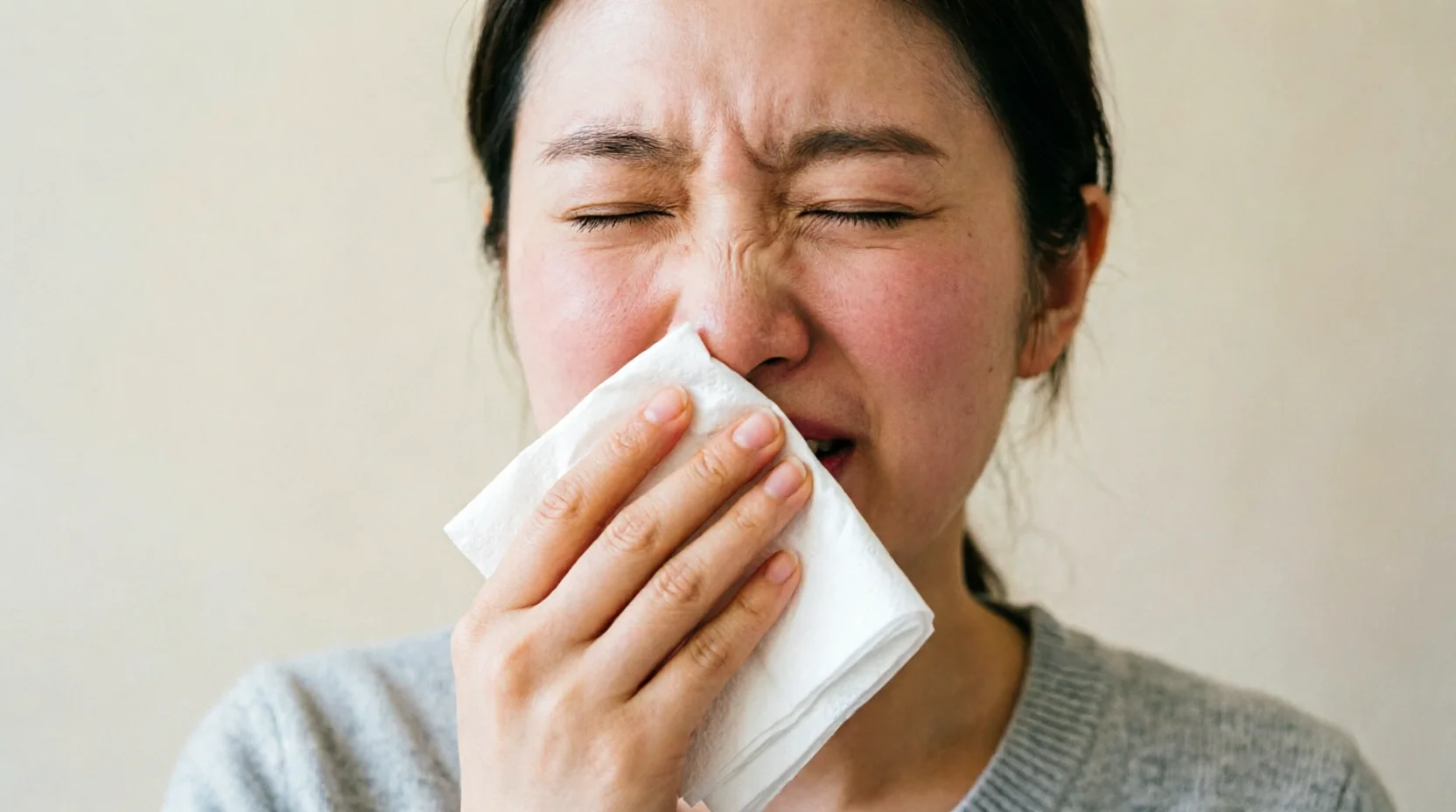
A sneeze is your nose's eject mechanism. Something gets in, dust, pollen, pepper, a virus, cold air, and it irritates the lining of your nasal passage. Nerve endings there send an alert up the trigeminal nerve to a sneeze center in your brainstem. The brain sends back a coordinated command: deep breath in, eyes close, chest and throat muscles tighten, then a powerful blast of air fires out through your nose and mouth. This airblast can travel fast enough to carry irritants, and pathogens, well clear of your airways. Your nose also gets a kind of biological reset, sneezing reboots the cilia, the tiny hairs that line your nasal passages.
Skin & Nervous System
What Causes Goosebumps?
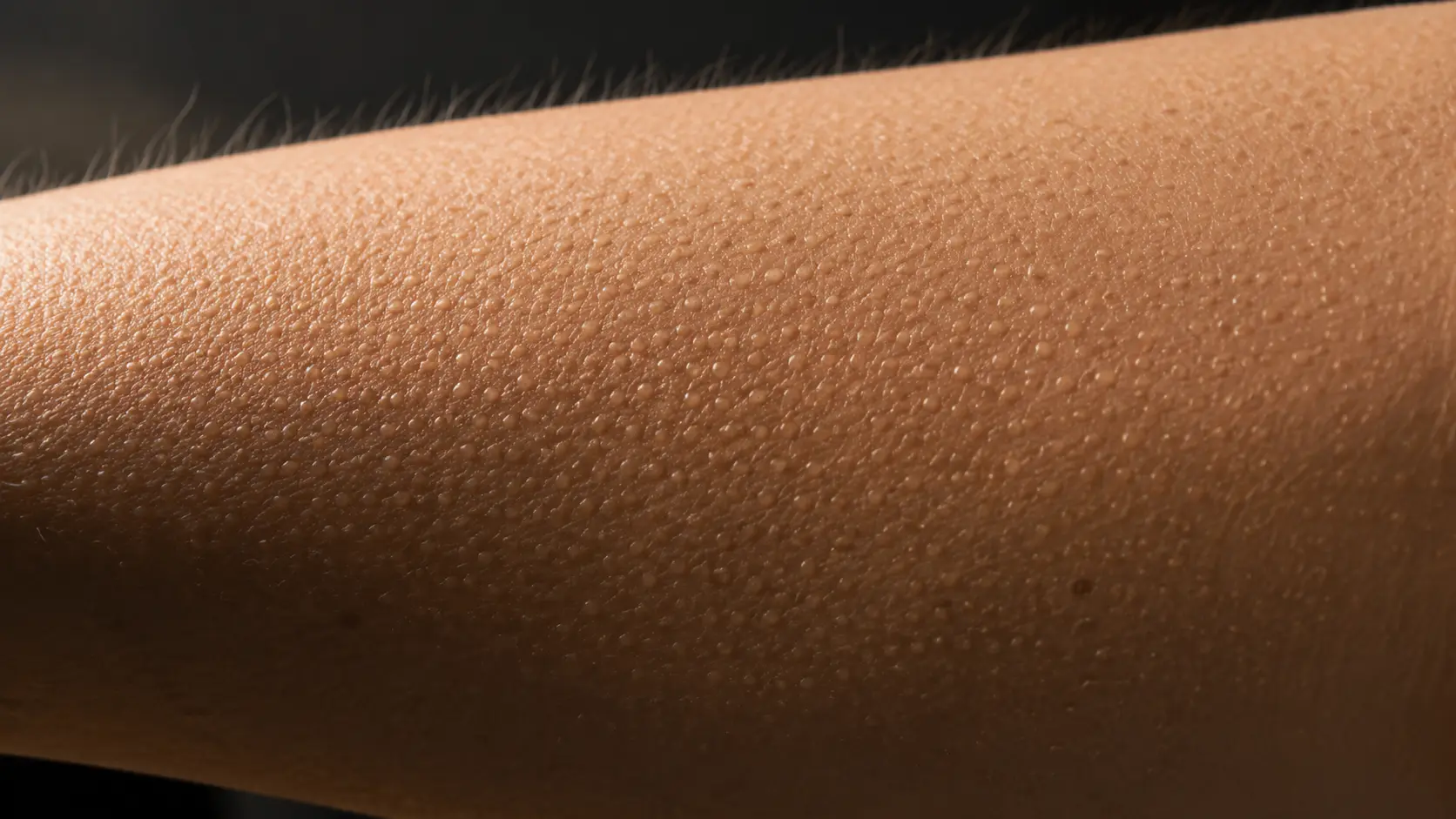
Goosebumps are caused by the pilomotor response. Each hair follicle has a tiny smooth muscle attached to it called the arrector pili muscle. When your sympathetic nervous system activates, it releases chemical signals near those follicles. The arrector pili muscles contract, tug the hairs upright, and wrinkle the surrounding skin into little bumps. In fur-covered animals, that raised hair traps warm air or makes the animal look bigger. In humans, the effect is mostly a leftover reflex, but the wiring is still active because it belongs to the same fight-or-flight system that controls many useful automatic responses.
Skin & Nervous System
Why Do Fingers Wrinkle in Water?
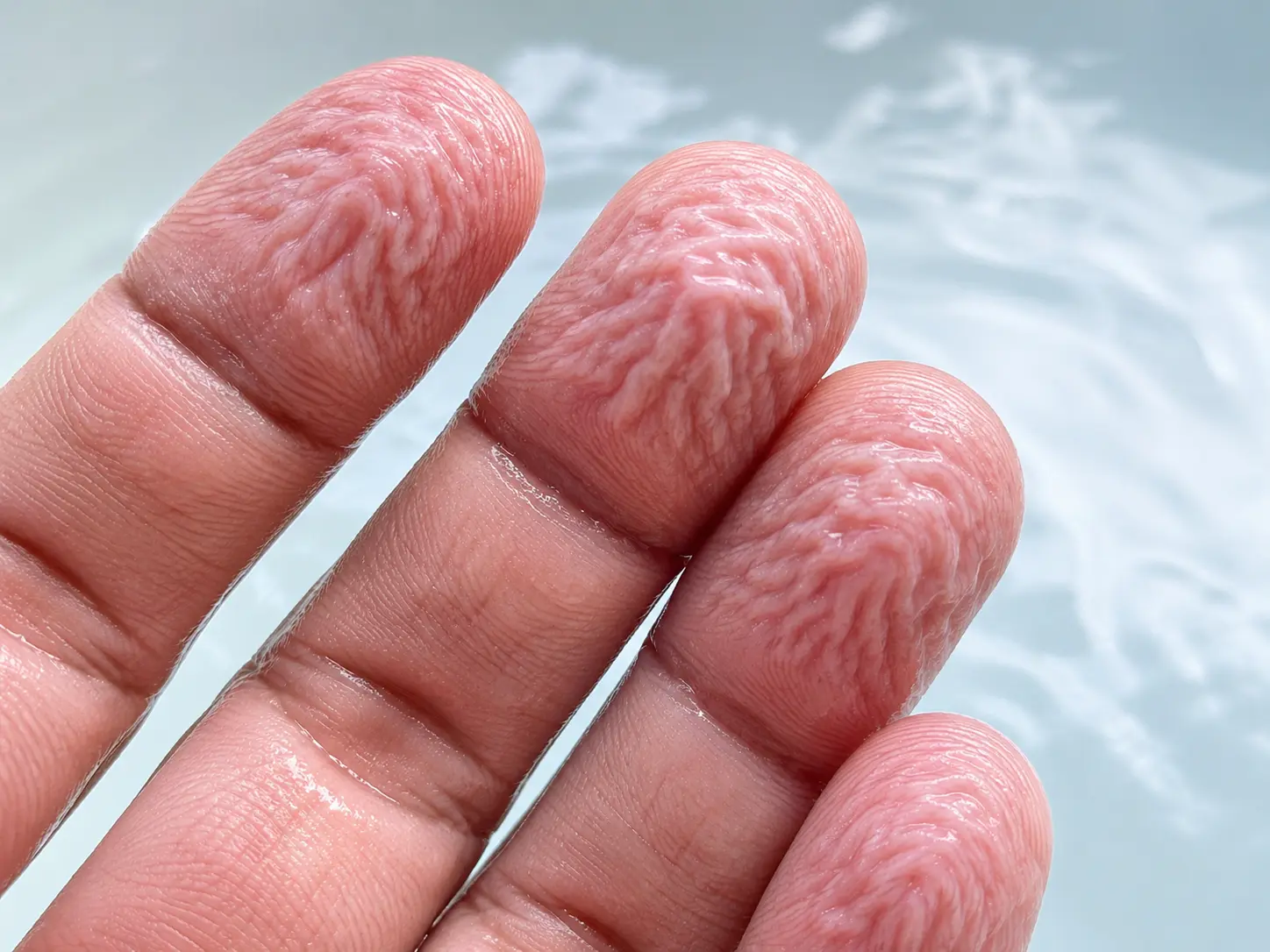
Your fingers are not just soaking up water like pasta in a pot. The wrinkling is an active response controlled by your nervous system. When your hands are submerged for a few minutes, your sympathetic nervous system sends a signal to the blood vessels in your fingertips. They constrict, narrow down, which reduces the volume inside your fingertips. The skin, with nowhere to go, folds into ridges. The proof: if the nerve to that finger is cut, the finger stops wrinkling in water entirely. It's your body responding to the wet environment, possibly to improve grip on wet surfaces.
Joints & Body
Why Do Knuckles Crack?
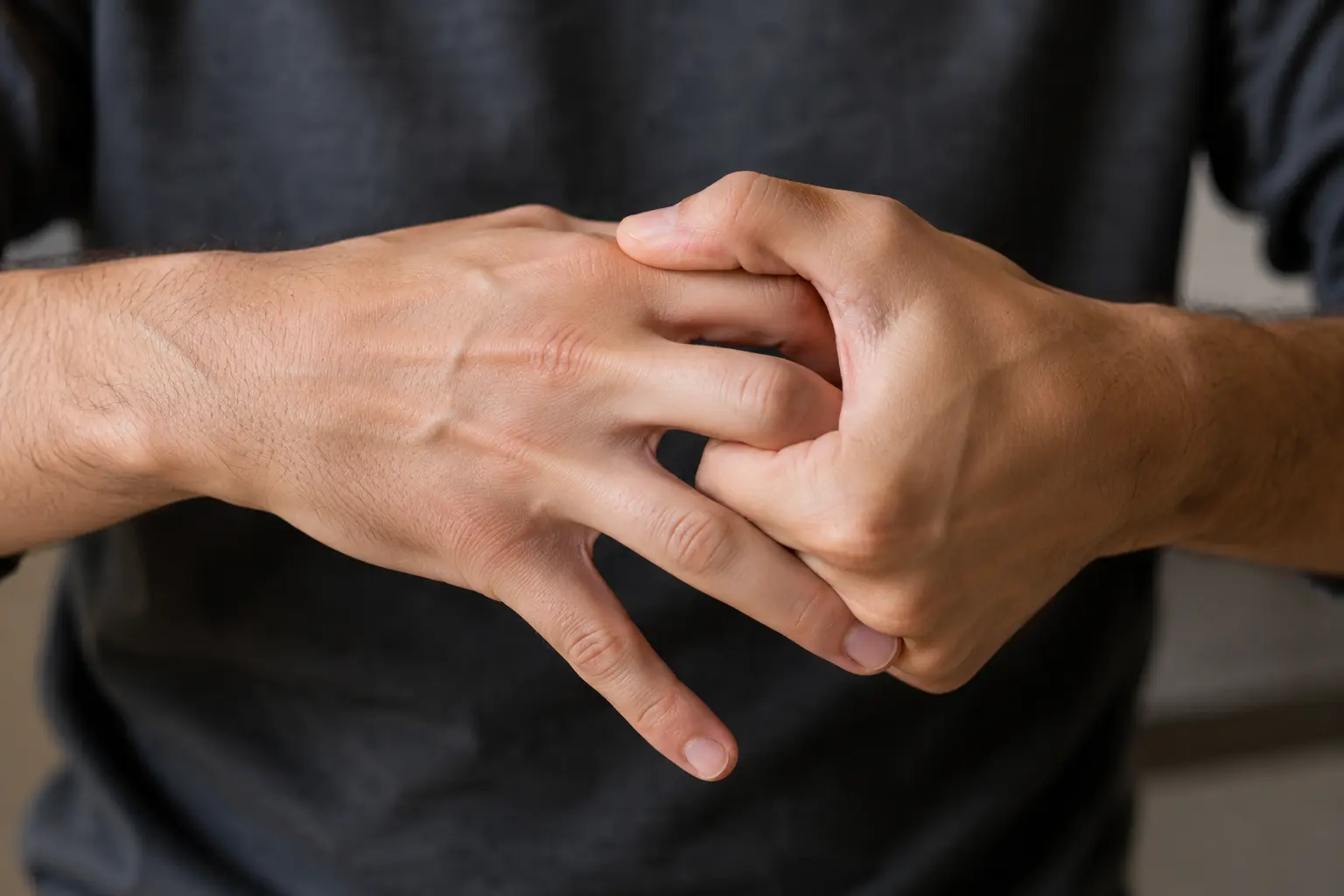
Knuckle cracking is not bones grinding against each other. Your knuckles are surrounded by a capsule filled with synovial fluid, a lubricating liquid that contains dissolved gases like nitrogen and carbon dioxide. When you pull or bend the joint, it stretches the capsule and drops the pressure inside. That pressure drop allows the dissolved gases to rapidly form a bubble. The pop you hear is when that bubble forms or collapses. After cracking, it takes roughly 15 to 30 minutes for the gases to redissolve, which is why you can't crack the same knuckle immediately again. Cracking does not cause arthritis, multiple studies have found no link.

Brain & Nervous System
Why Do We Get Brain Freeze?
Brain freeze is not your brain actually freezing. When very cold food hits the roof of your mouth or the back of your throat, it rapidly cools blood vessels in that area. They constrict, then your body rushes warm blood to the area to protect the brain, causing them to dilate fast. This sudden vascular event triggers nerve clusters near the palate, particularly the sphenopalatine ganglion, which are wired into the trigeminal nerve. That nerve runs branches up into your forehead, so your brain misreads the pain signal's location. The pain you feel in your forehead is actually coming from your mouth. It's harmless and usually gone within a minute or two.

Human Body
Why Does the Human Body Produce Electricity?
The human body produces electricity because living cells constantly separate electrically charged particles called ions. Every cell membrane acts like a tiny biological battery, storing electrical energy by keeping different charges on opposite sides of the membrane. When those charges suddenly move, they create electrical signals. Those signals power your thoughts, coordinate your heartbeat, control your muscles, and allow billions of cells to communicate with each other every second. Your body does not use electricity as an extra feature. It runs on it.
Connected hubs
Tiny mysteries are not only body things
If the question starts with a hole, bump, tab, pocket, ridge, or hidden feature on an everyday thing, the object hub is the matching shelf.
FAQ
Body mysteries FAQ
What kinds of body mysteries are covered here?
This hub explores everyday body phenomena you've probably wondered about but never looked up — from why yawning is contagious and fingers wrinkle in water, to why we get brain freeze, hiccups, goosebumps, and more. Each topic gets a clear, science-backed explanation.
Why do so many body quirks seem random or pointless?
Most aren't random at all! Things like goosebumps, sneezing, and yawning are evolutionary leftovers or protective reflexes. They made perfect sense for our ancestors — even if they feel odd today. Each page unpacks the 'why' behind the quirk.
Are yawning and hiccuping actually related?
Not directly, but both involve involuntary muscle responses your brain can't fully control. Yawning is linked to brain cooling and social mirroring, while hiccups are sudden diaphragm spasms with no clear modern purpose. We cover both in detail.
Is brain freeze dangerous?
No — it's just your brain's blood vessels reacting to sudden cold near your palate. It's uncomfortable but harmless and fades in seconds. Our brain freeze page explains exactly what's happening and how to stop it faster.
Why do fingers wrinkle in water but not other skin?
It's not just passive swelling — your nervous system actively triggers it. Fingertip wrinkling is thought to improve grip on wet surfaces, which is why it doesn't happen uniformly across your skin. The full explanation is on the dedicated page.
Do knuckle cracking and dreams have scientific explanations?
Absolutely. Knuckle cracking involves collapsing gas bubbles in synovial fluid — not bones grinding. Dreams are tied to memory consolidation and emotional processing during REM sleep. Both have well-studied mechanisms explained clearly on their pages.
Are these explanations scientifically accurate?
Yes. Every explanation is grounded in peer-reviewed research and current scientific consensus. Sources are cited at the bottom of each page so you can dig deeper if you want.