Tiny questions, direct answers
Simple answers to everyday curiosities.
Search why, how, what, can, is, does, and did questions about the small things people notice: bodies, space, weather, history, myths, science, and everyday mechanisms.
POPULAR FIRST CLICKS
Start with one question
Why do mosquito bites itch?
How do airplanes fly?
What is a black hole?
Is glass a liquid?
Search results
Find a question fast
Start typing above or browse sections below
Body & Immune System
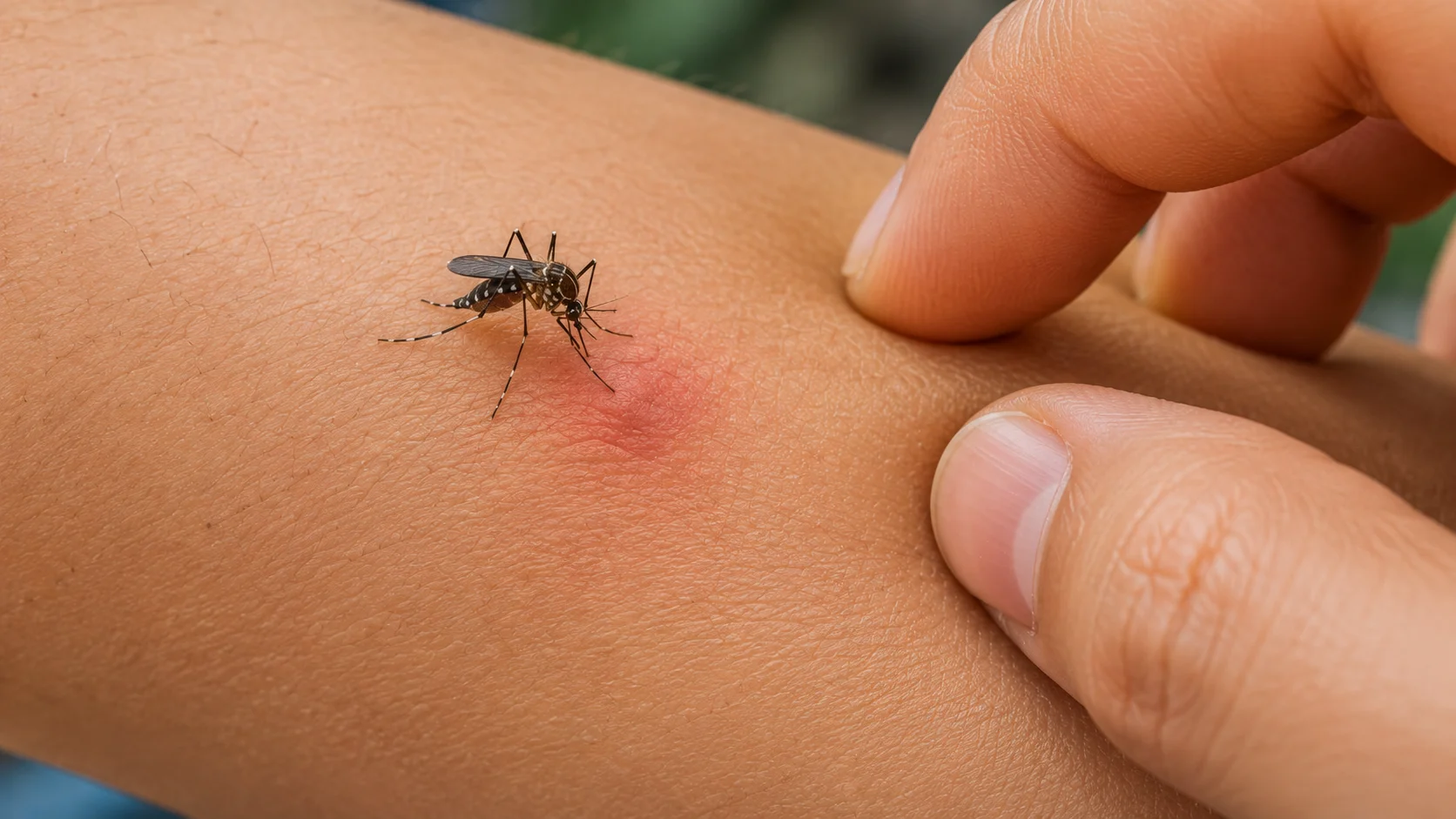
Why Do Mosquito Bites Itch?
The itch is not from the bite itself. It comes from your own immune system reacting to mosquito saliva. Here is what is actually happening under your skin.
It is all about pressure
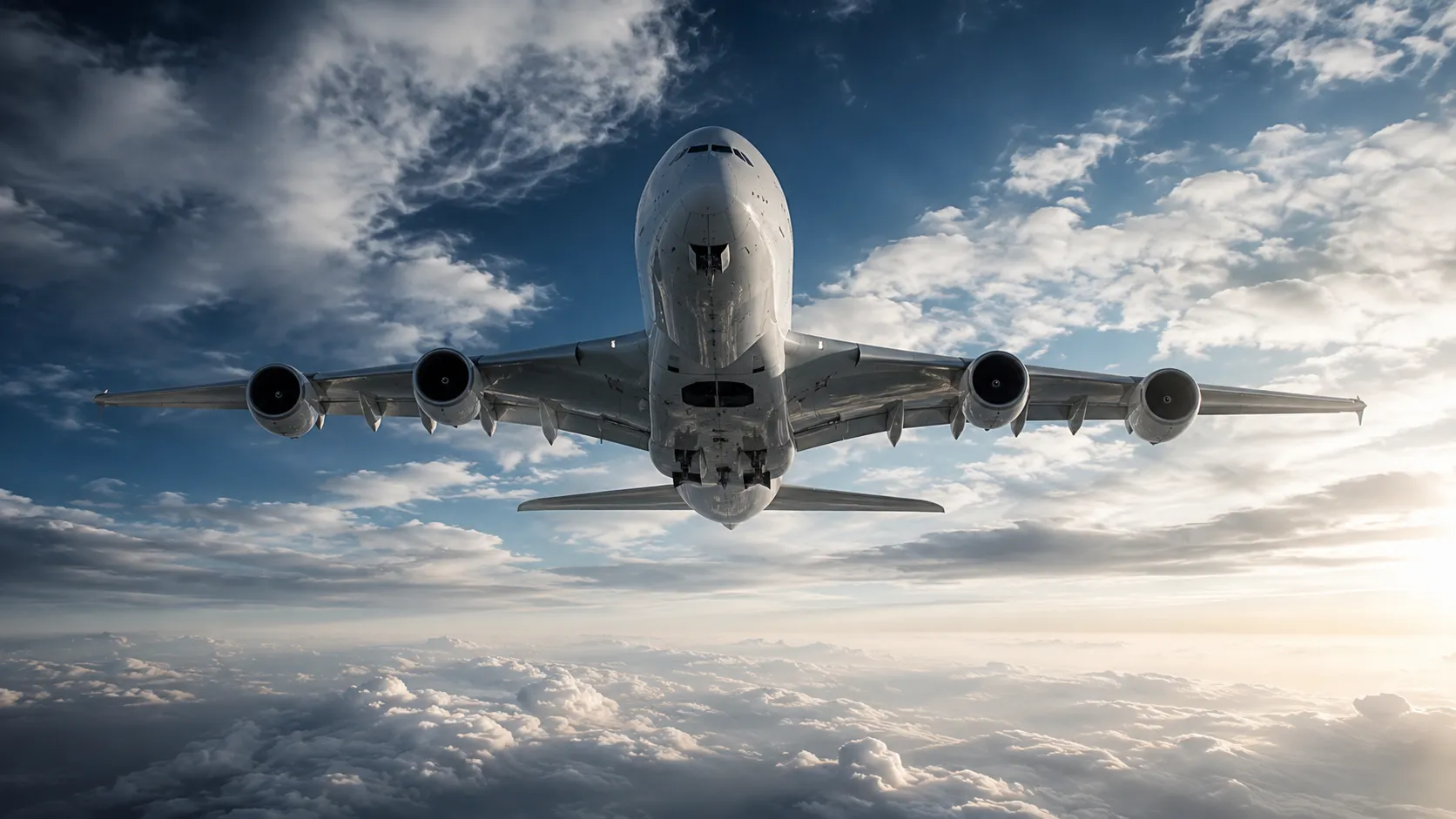
How Do Airplanes Fly?
Airplanes fly by generating lift with their wings. Air moving over the curved top of the wing travels faster, creating lower pressure that pulls the plane upward.
Where gravity wins completely
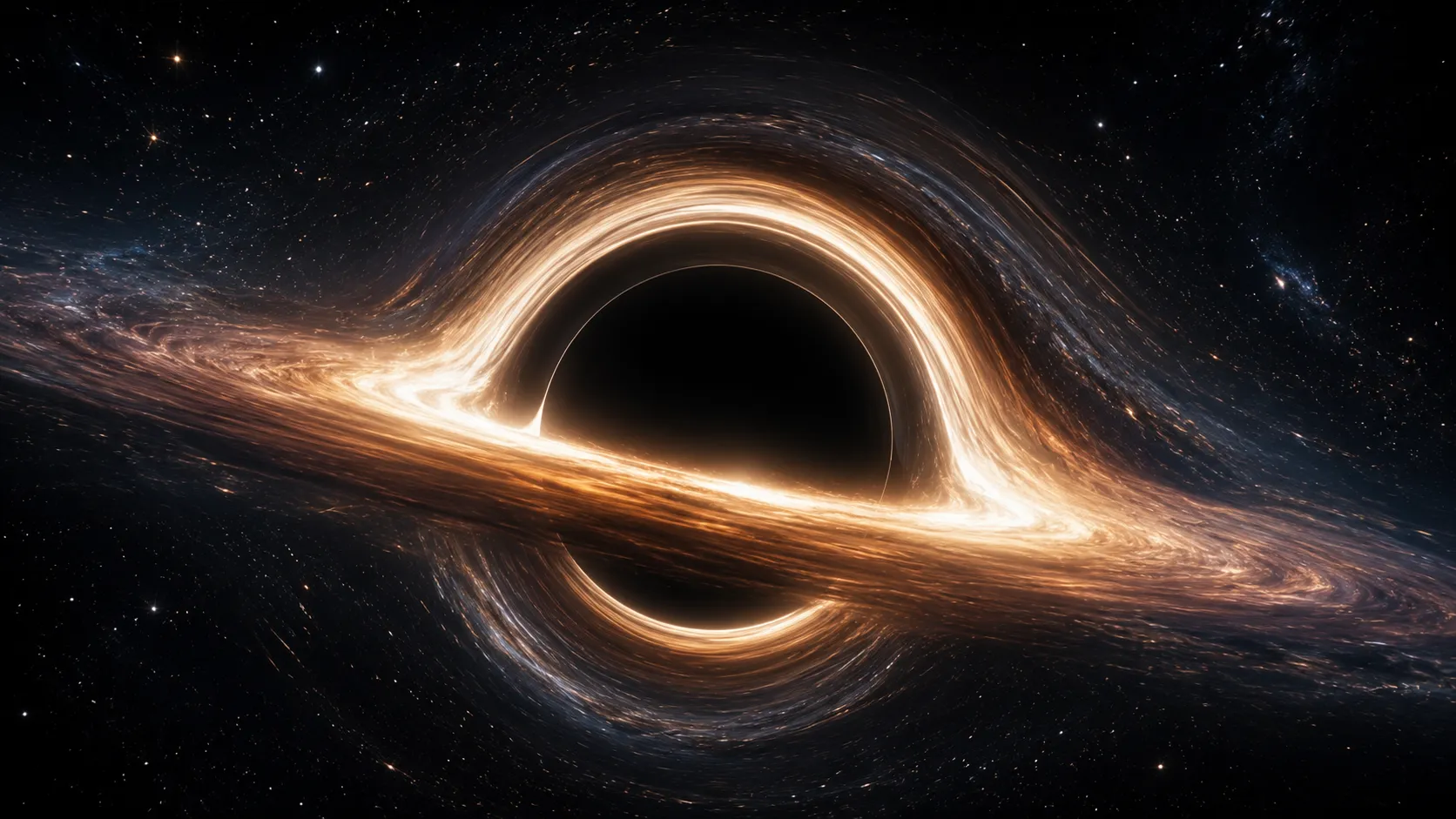
What Is a Black Hole?
A black hole is a region of space where gravity is so strong that nothing, not even light, can escape. Here is what they are, how they form, and what falling into one would actually involve.
Glass is a solid. Full stop.
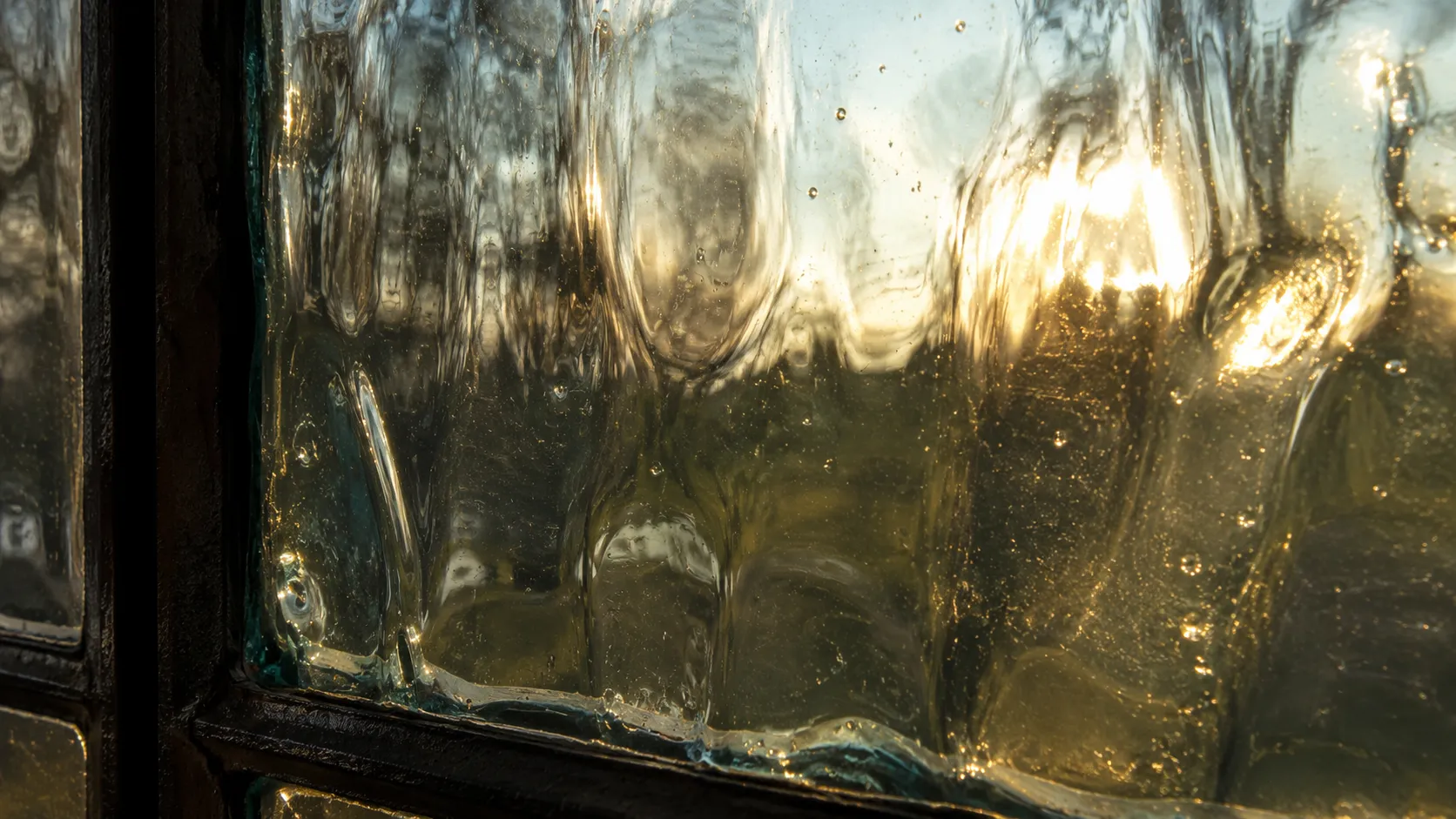
Is Glass a Liquid?
Glass is a solid. The old window thickness myth is wrong. Here is what glass actually is, why old windows are uneven, and what a supercooled liquid actually means.
Space & Atmosphere
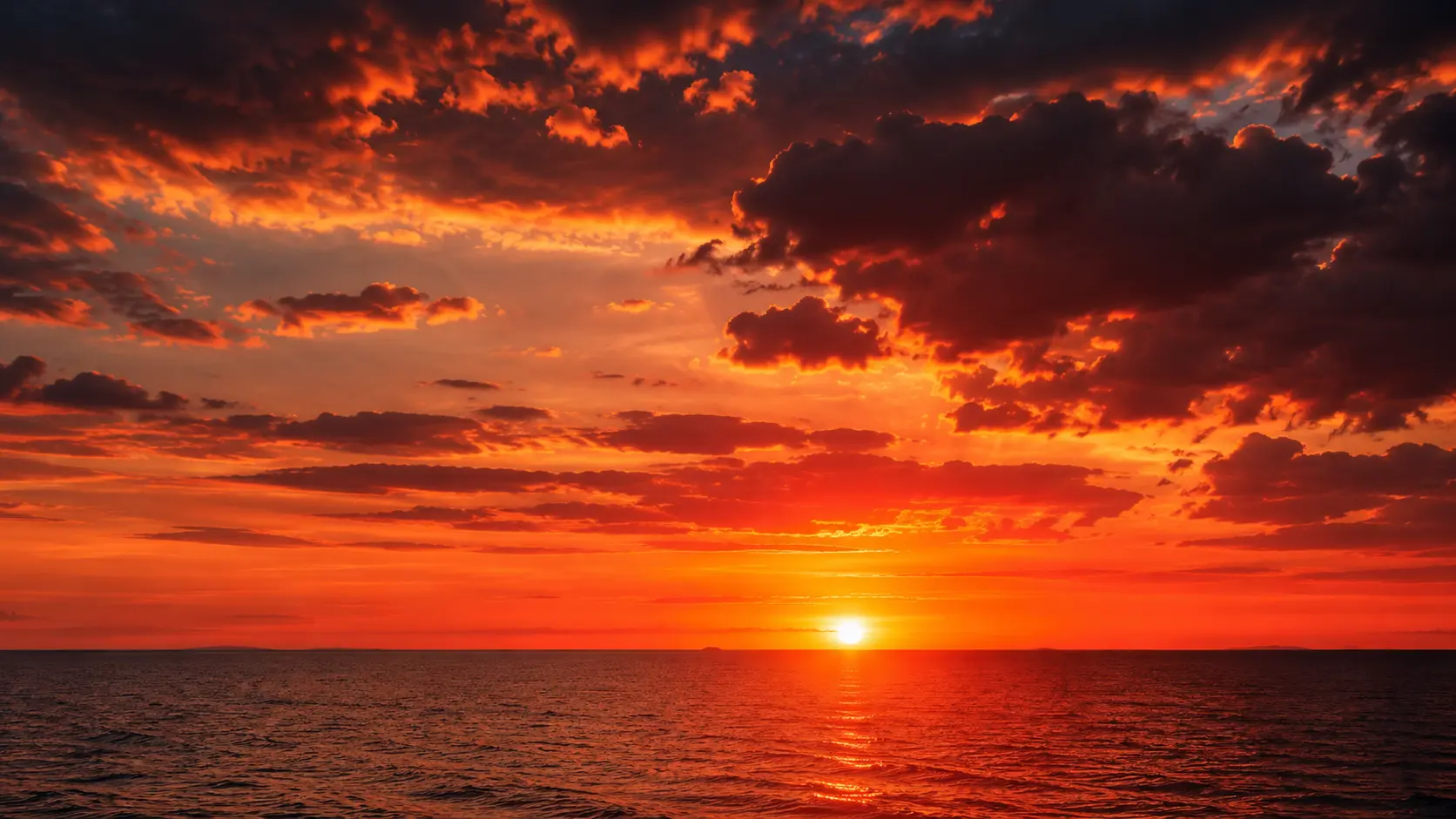
Why Are Sunsets Red?
Sunsets are red because sunlight travels through far more atmosphere at a low angle, scattering away blue light and leaving only red and orange to reach your eyes.
It depends on what you mean by drowning
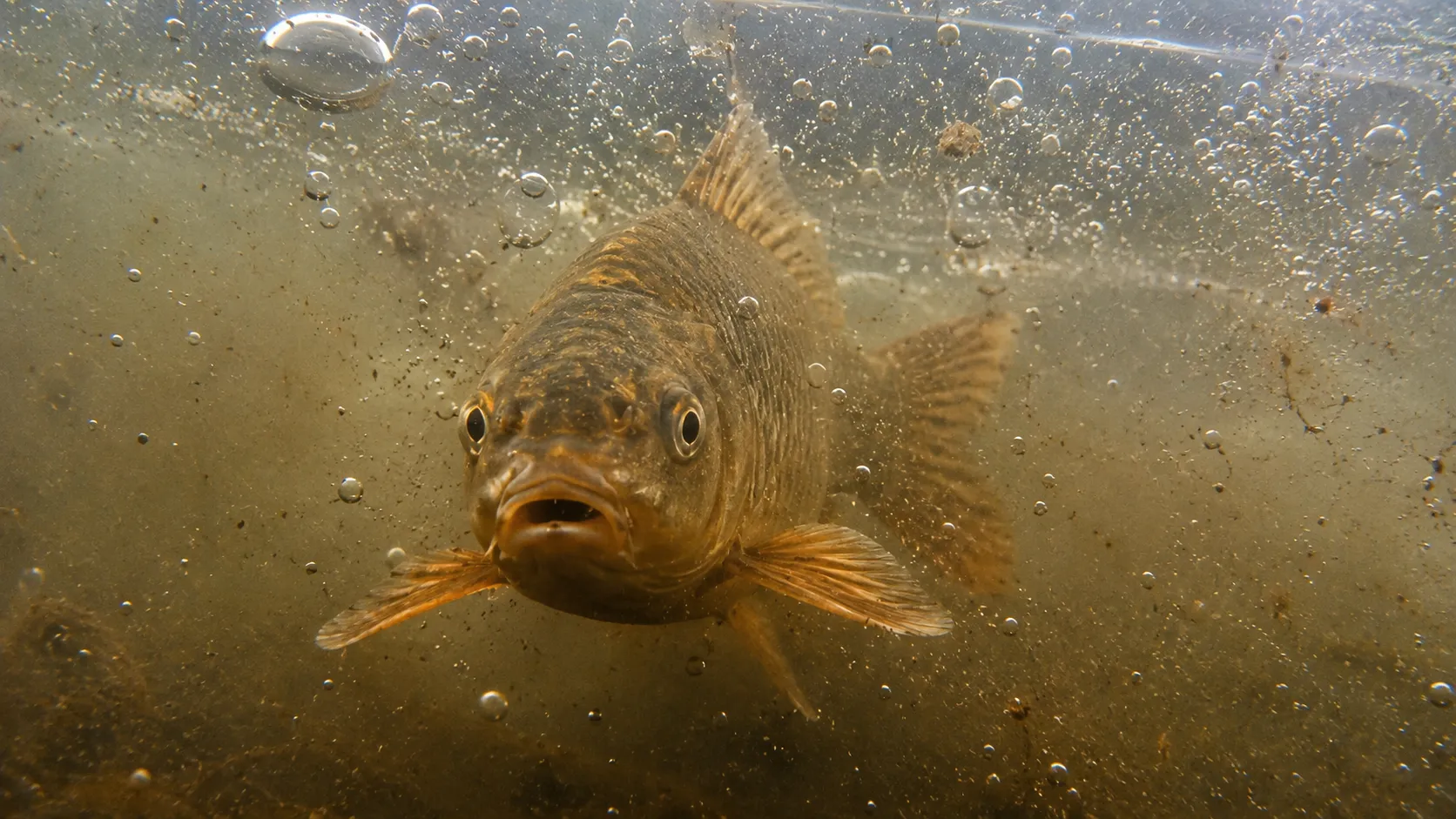
Can Fish Drown?
Fish can suffocate if the water does not contain enough dissolved oxygen. That is not drowning in the human sense, but the result is the same. Here is how fish breathing actually works.
The science is pretty clear on this one
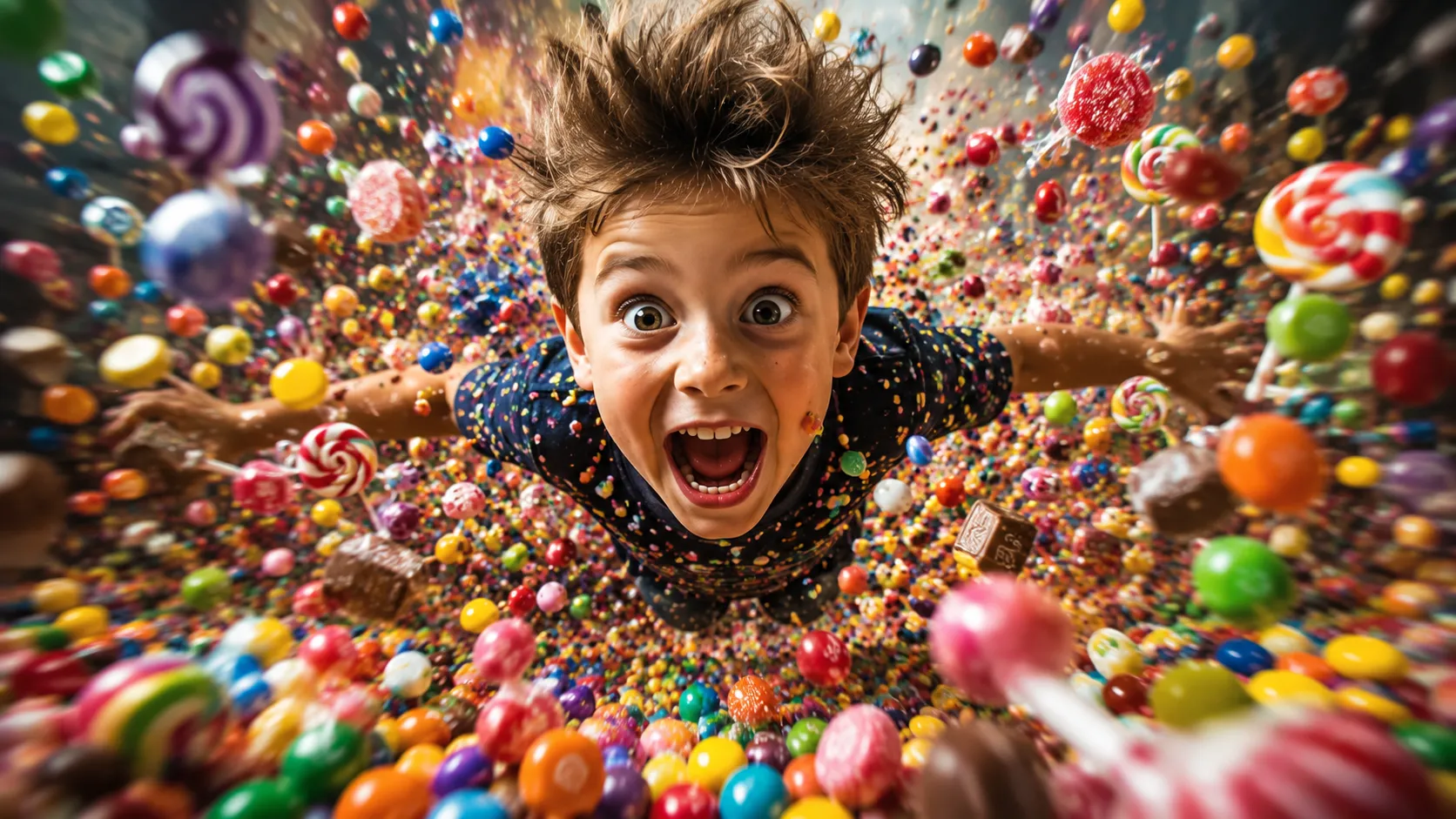
Does Sugar Cause Hyperactivity?
Multiple controlled studies have found no link between sugar and hyperactivity in children. The belief persists anyway. Here is why, and what is actually happening.
Space & Atmosphere
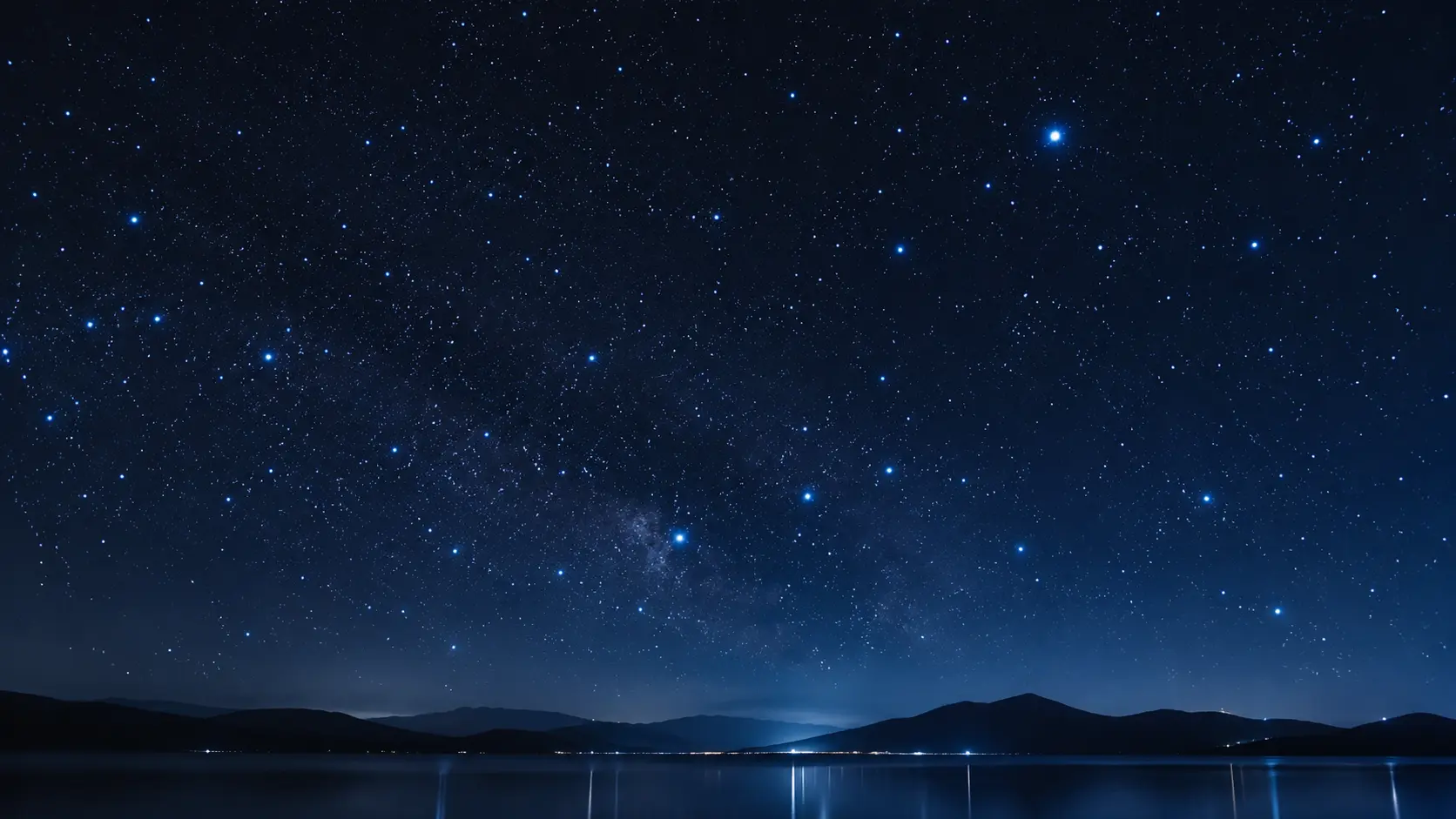
Why Do Stars Twinkle?
Stars do not actually flicker. Earth's atmosphere bends their light in constantly shifting ways, creating the twinkling effect. Planets do not twinkle for a specific reason.
Latest Questions
Recently added explanations
History Explained
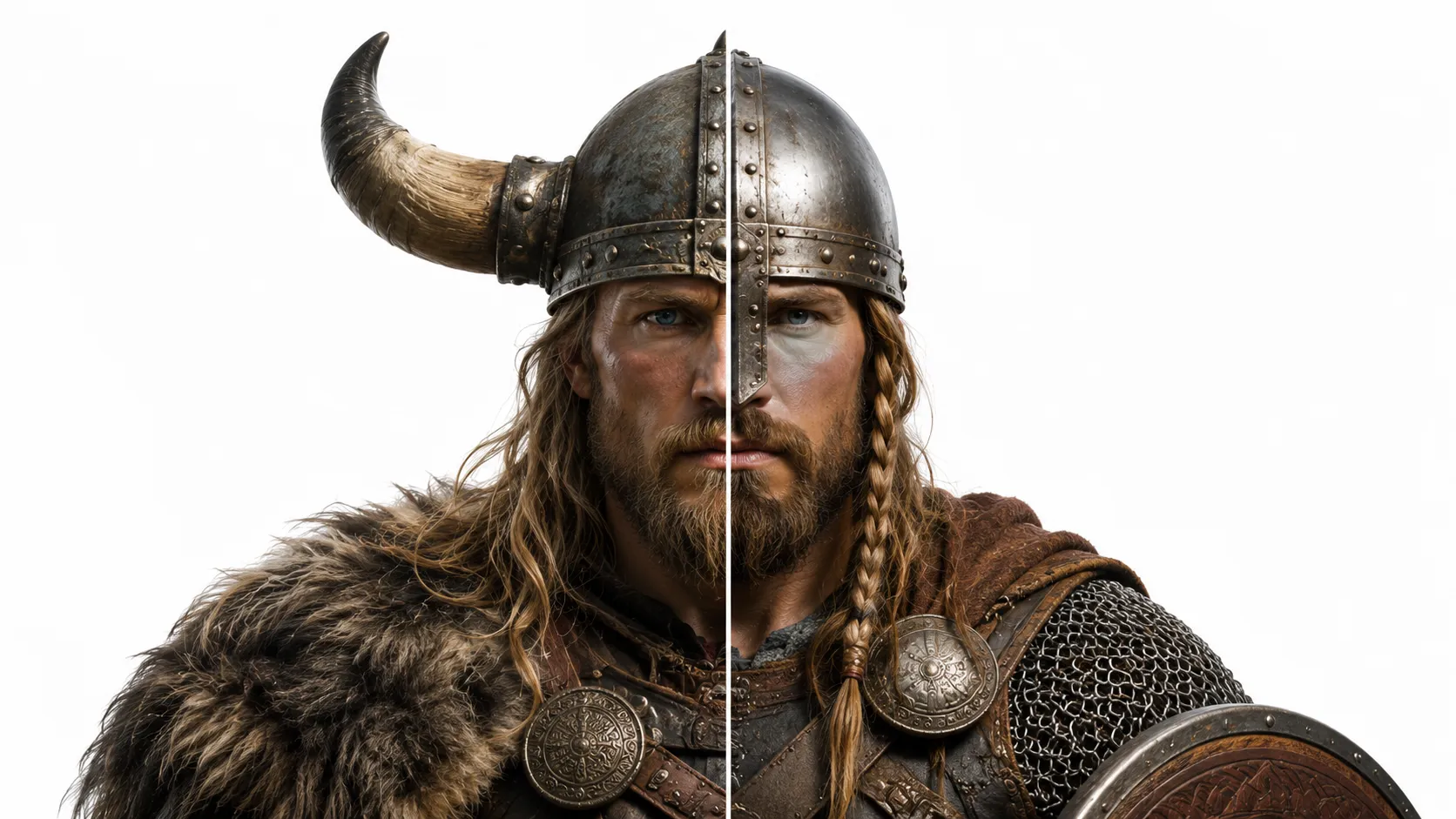
Did Vikings Wear Horned Helmets?
Almost certainly not. Archaeologists have found virtually no evidence that Viking warriors wore horned helmets in battle. The iconic image was largely invented in the 19th century by Romantic artists and opera costume designers. Real Viking helmets looked completely different.

History Explained
Did Columbus Discover America?
Columbus is credited with discovering America, but millions of people already lived there, Vikings arrived 500 years earlier, and Columbus himself never set foot on the continental United States. Here is what actually happened.
Biology of the Hand
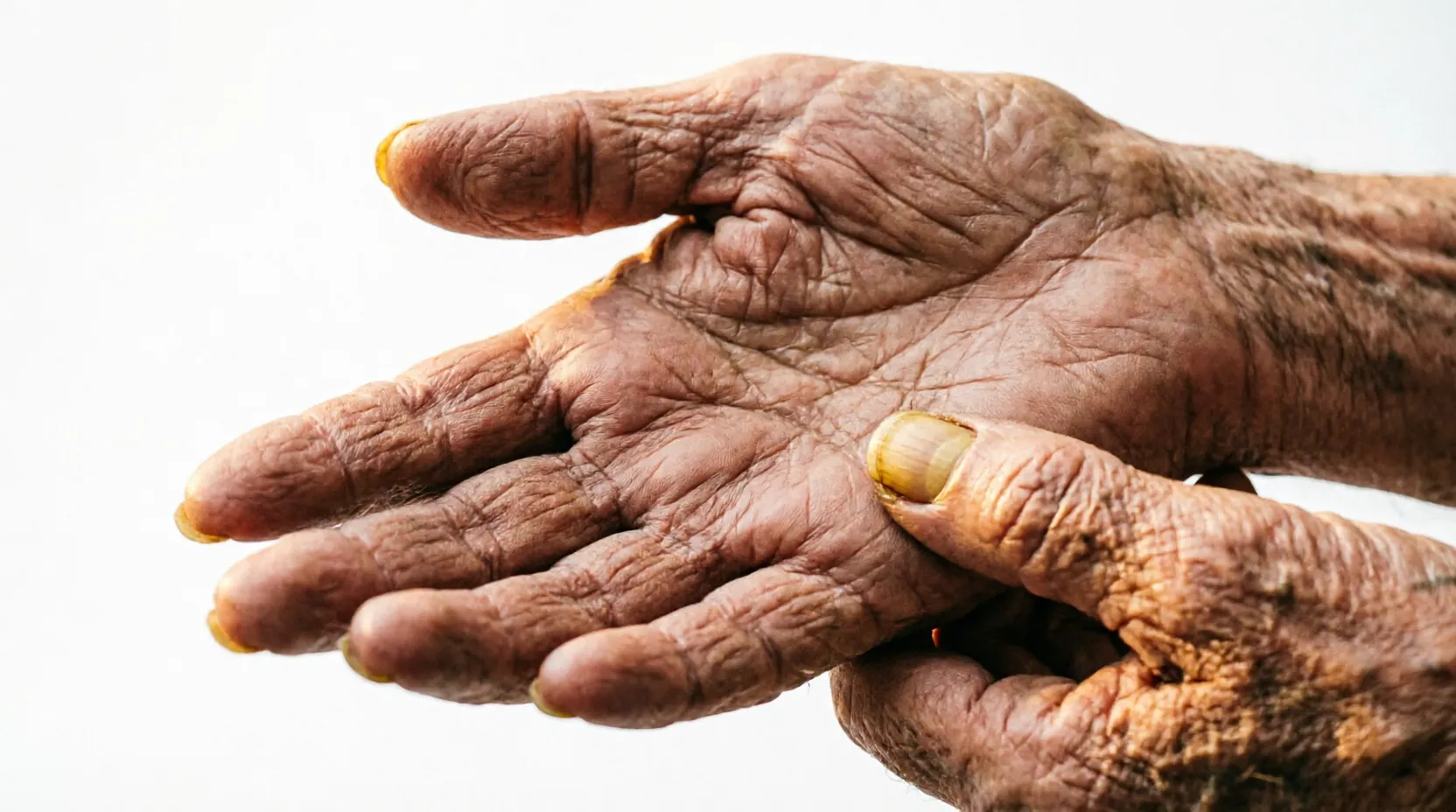
Do Palm Lines Change Over Time? A Dermatologist's Answer
Food Myths
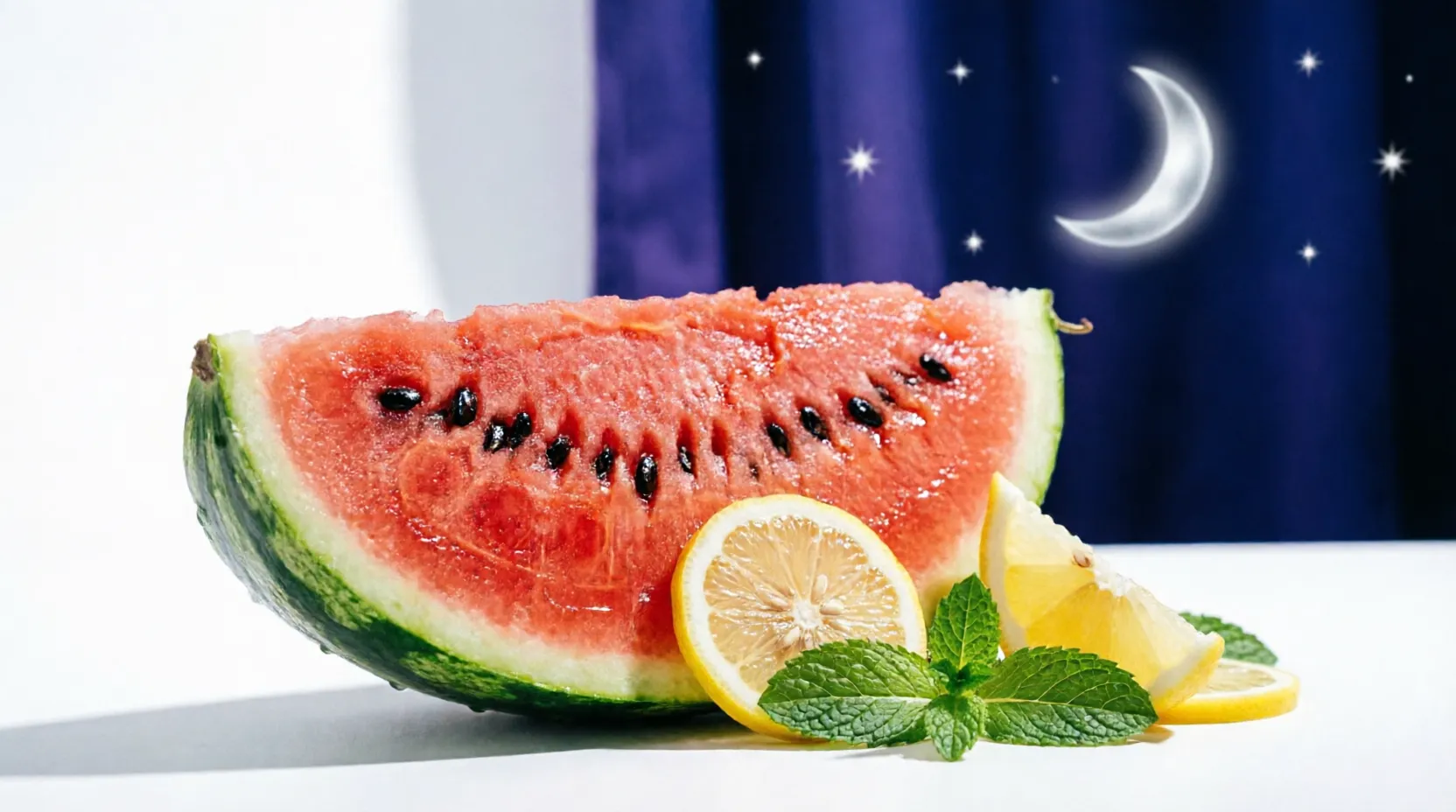
Is It Safe to Eat Watermelon at Night? The Nutritional Truth

Philosophy of Physics
Is Reality a Simulation?
Nothing is truly empty
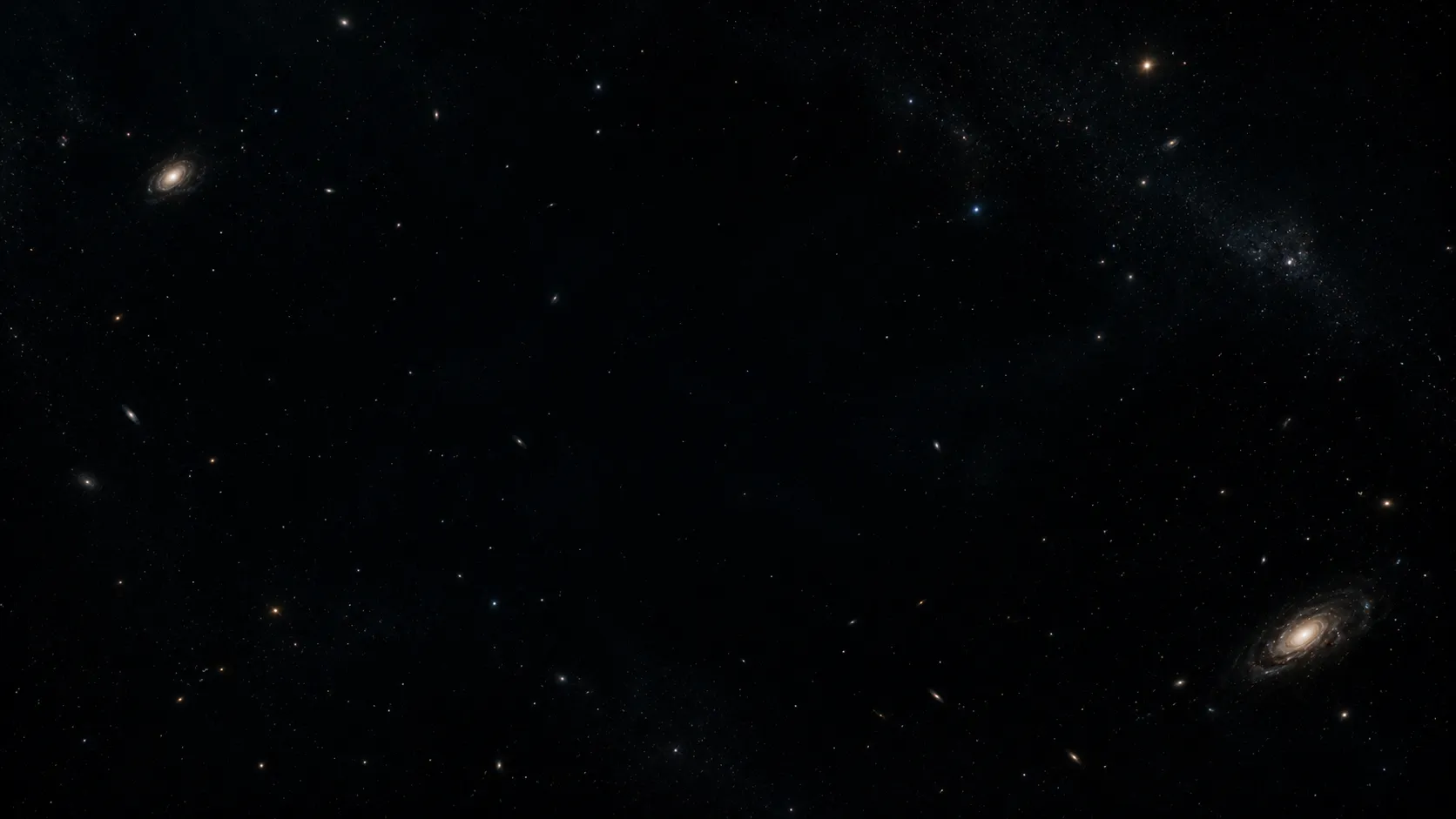
Is Space Completely Empty?
Space is not empty. It contains gas, dust, radiation, magnetic fields, dark matter, and quantum fluctuations. The emptiest regions still have something in them.
What Happens If
Scenario questions with real consequences
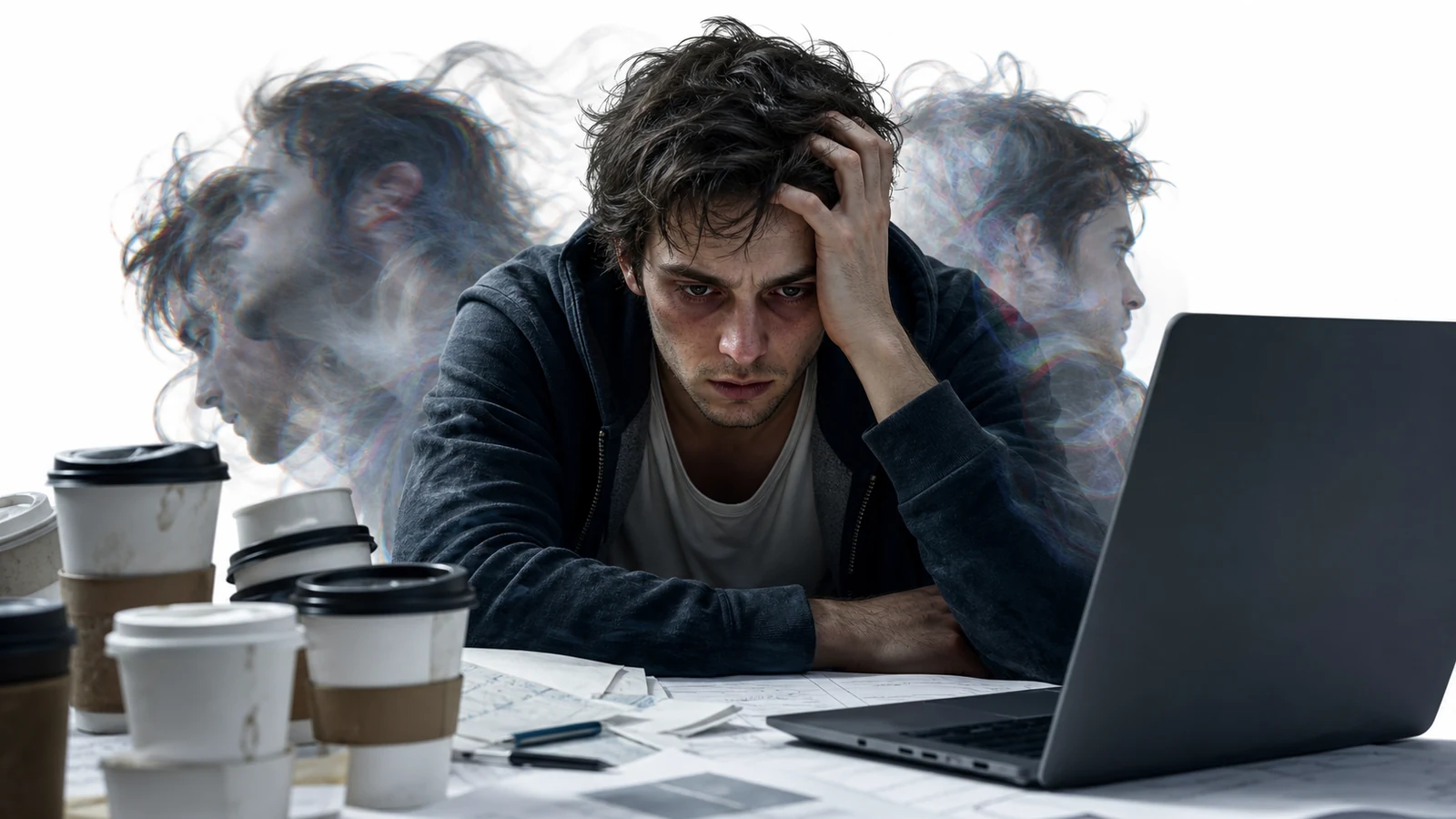
Body & Brain
What Happens If You Don't Sleep for 48 Hours?
Sleep deprivation is not merely exhaustion. It is a systematic attack on every major system in your body.
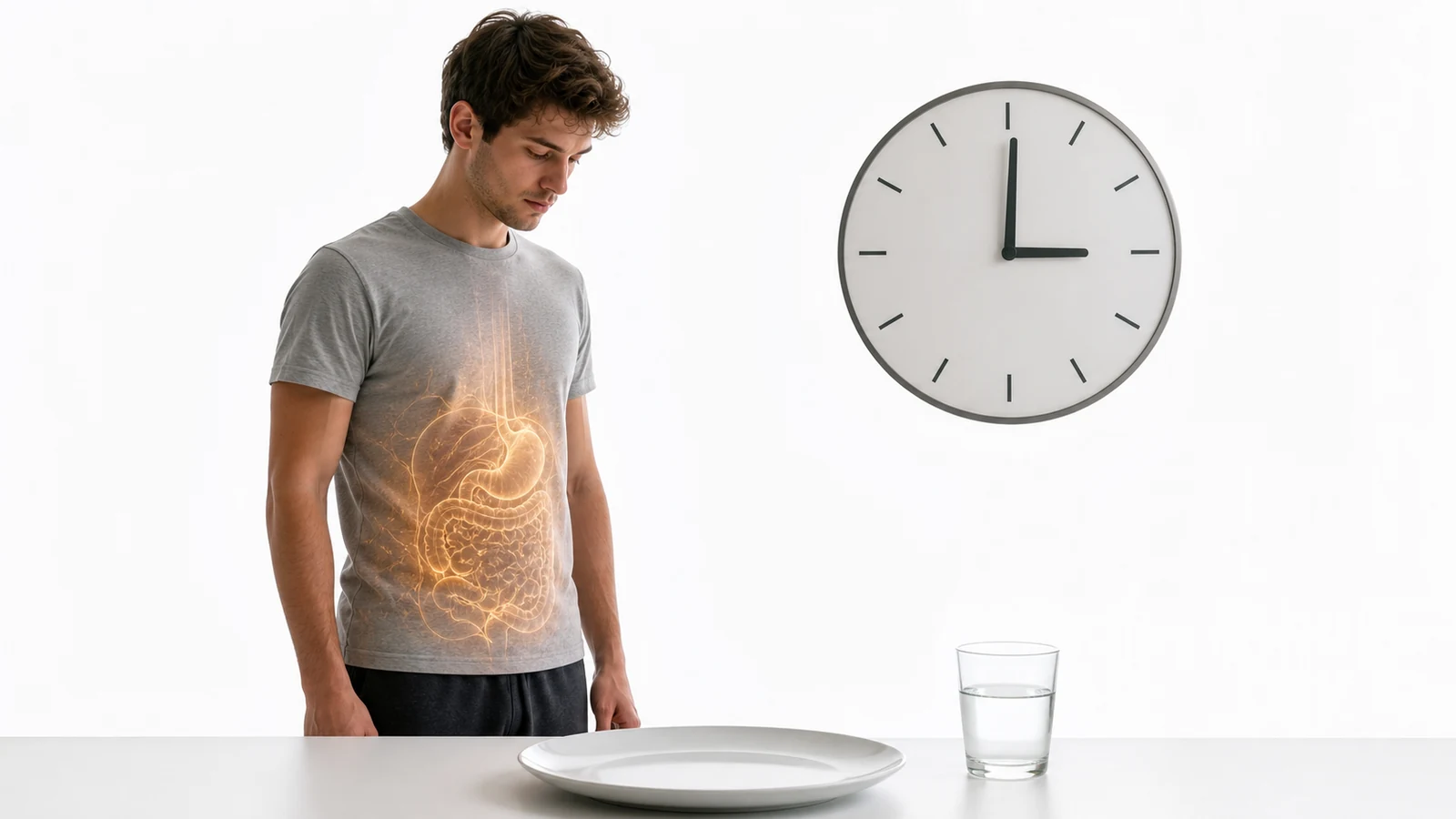
Body & Brain
What Happens If You Don't Eat for 24 Hours?
Your body has a remarkably sophisticated emergency plan. It starts within hours of your last meal.
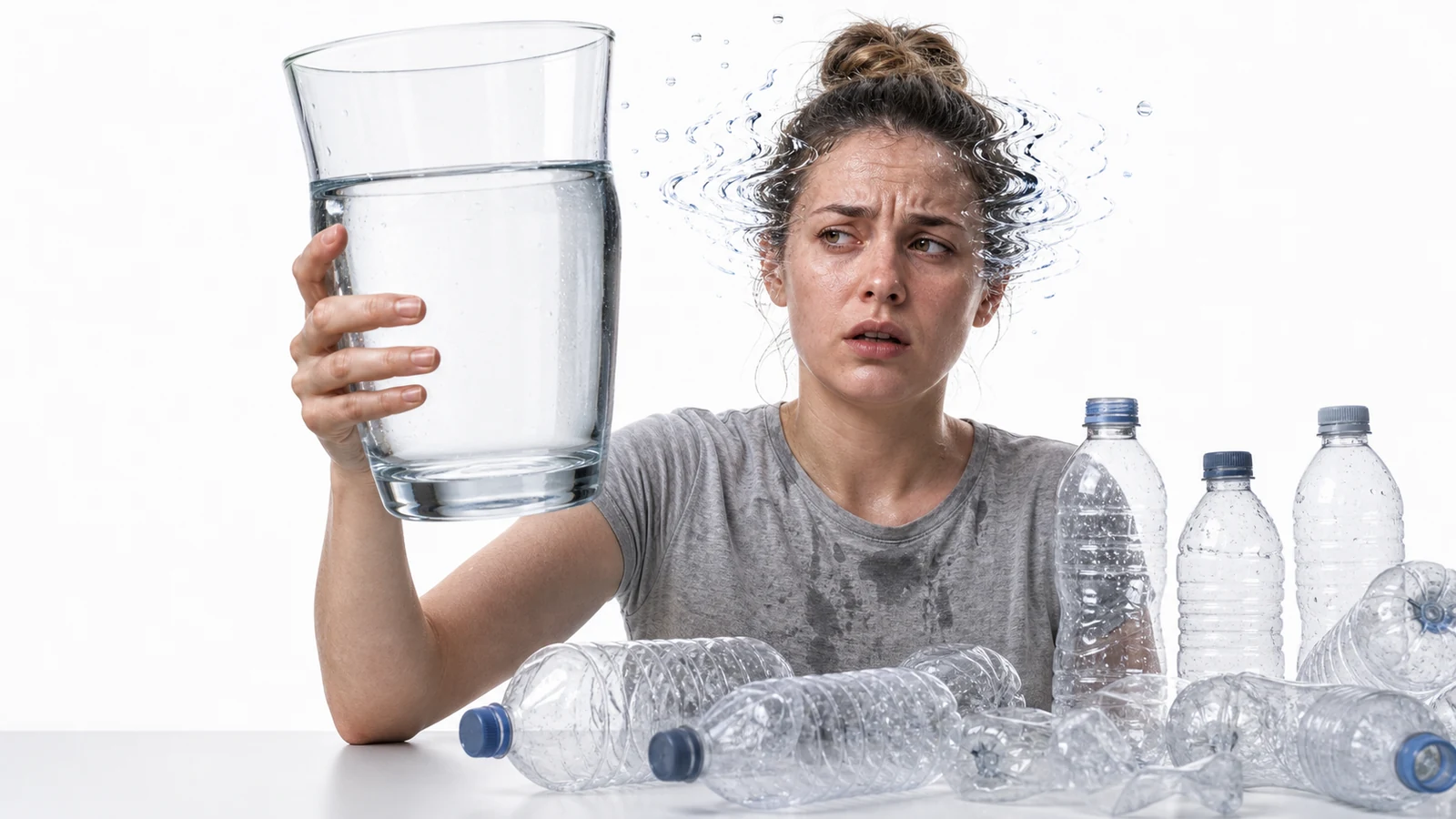
Body & Brain
What Happens If You Drink Too Much Water?
Yes, you can drink too much water. And the result is stranger and more dangerous than you'd expect.
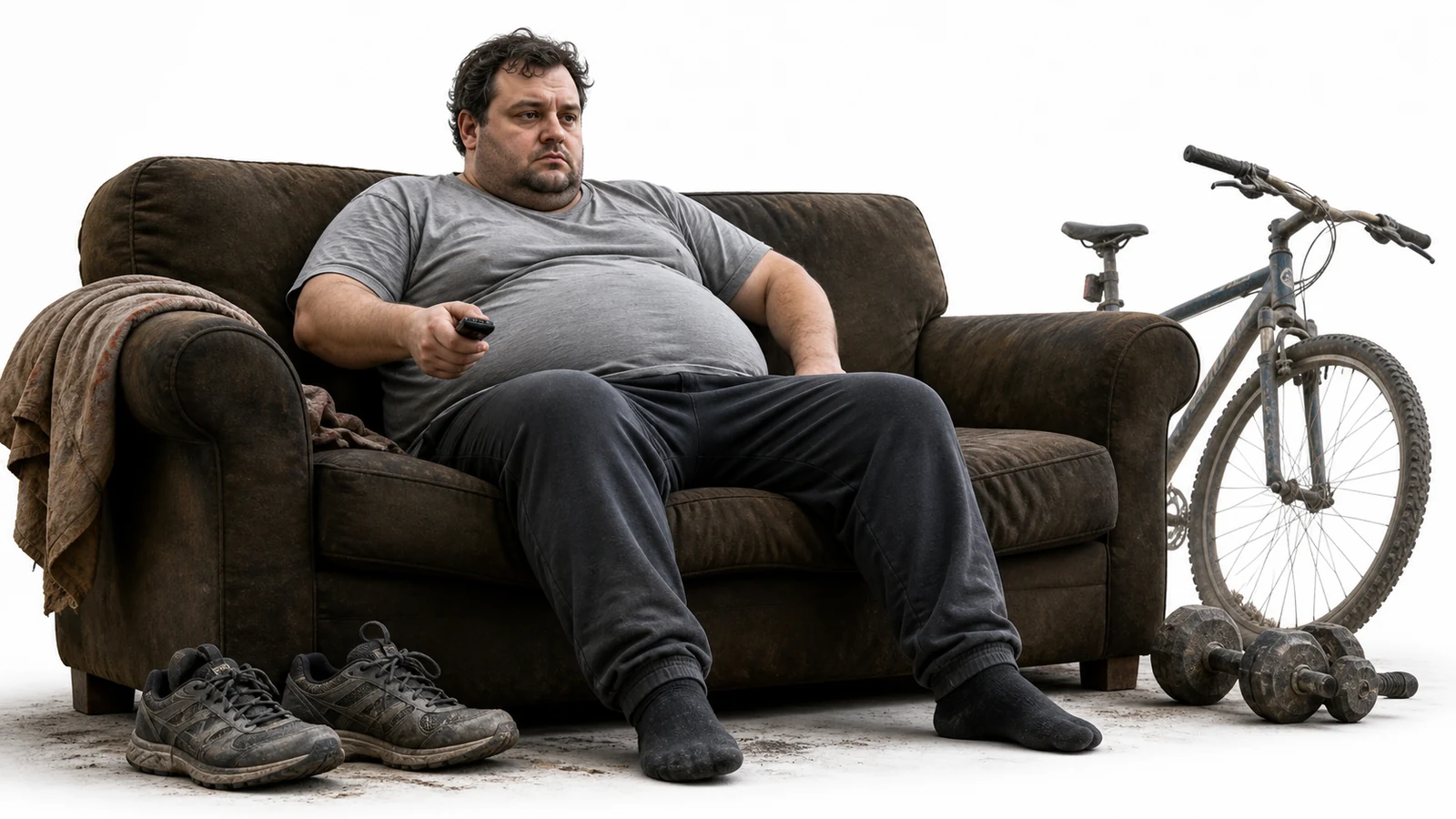
Body & Brain
What Happens If You Never Exercise?
The human body was built for movement. What happens when it never moves is a long, slow process that accelerates in surprising ways.
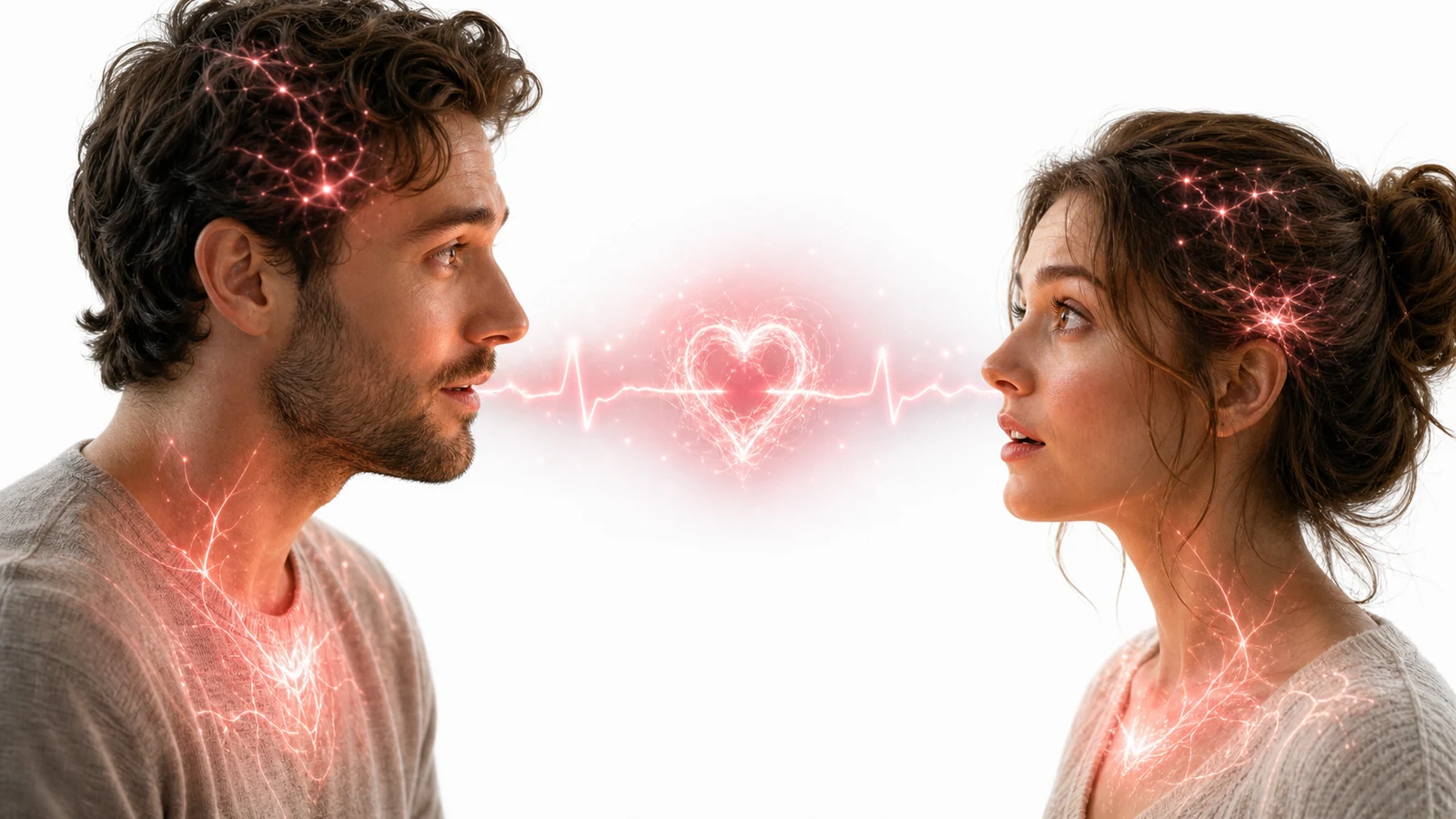
Body & Brain
What Happens to Your Body When You Fall in Love?
Love is not a feeling. It's a neurochemical state. And it's disturbingly similar to mental illness.
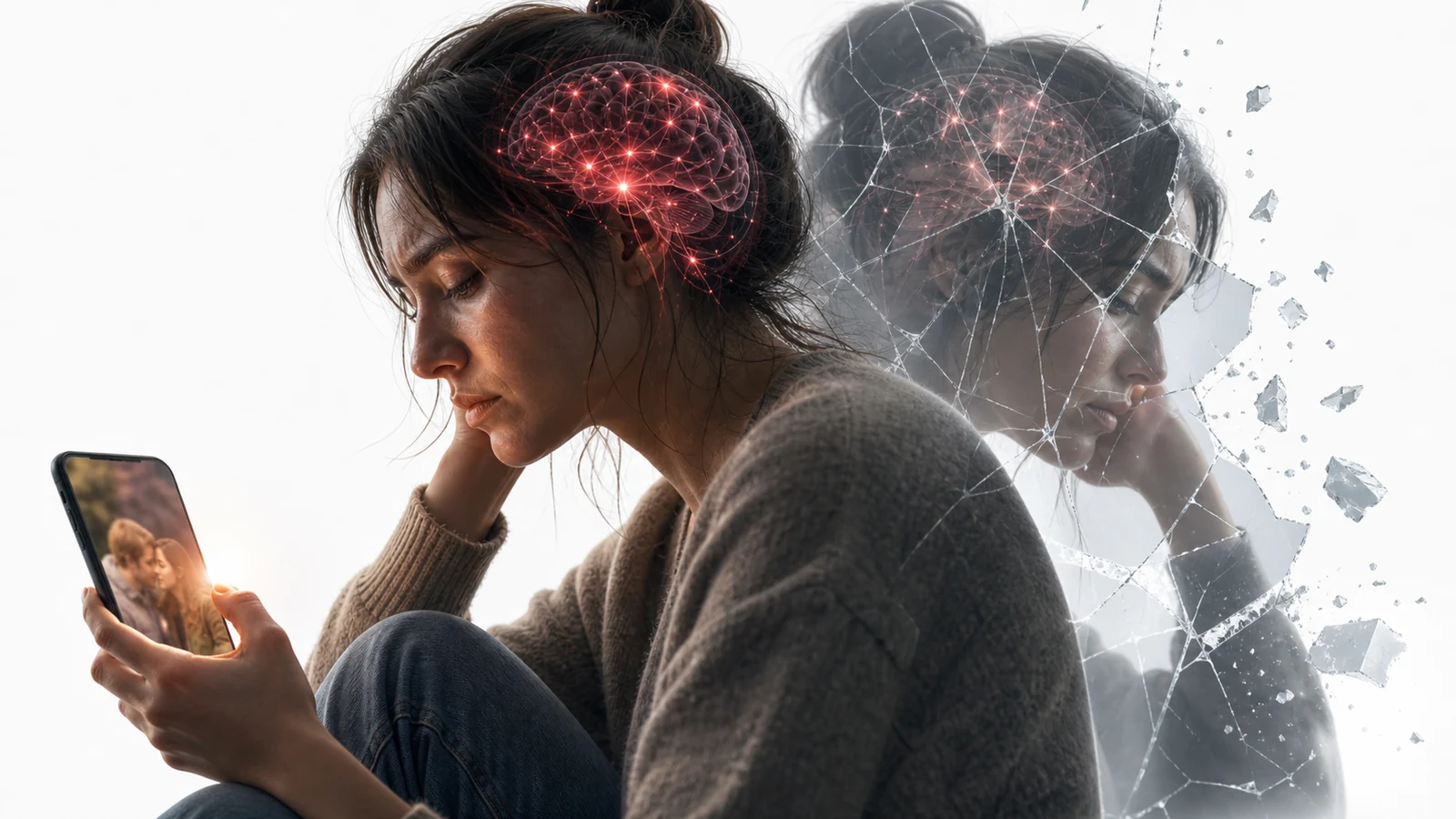
Body & Brain
What Happens to Your Brain After a Breakup?
A breakup is not an emotional event that affects the brain. It is a brain event that produces emotional consequences.
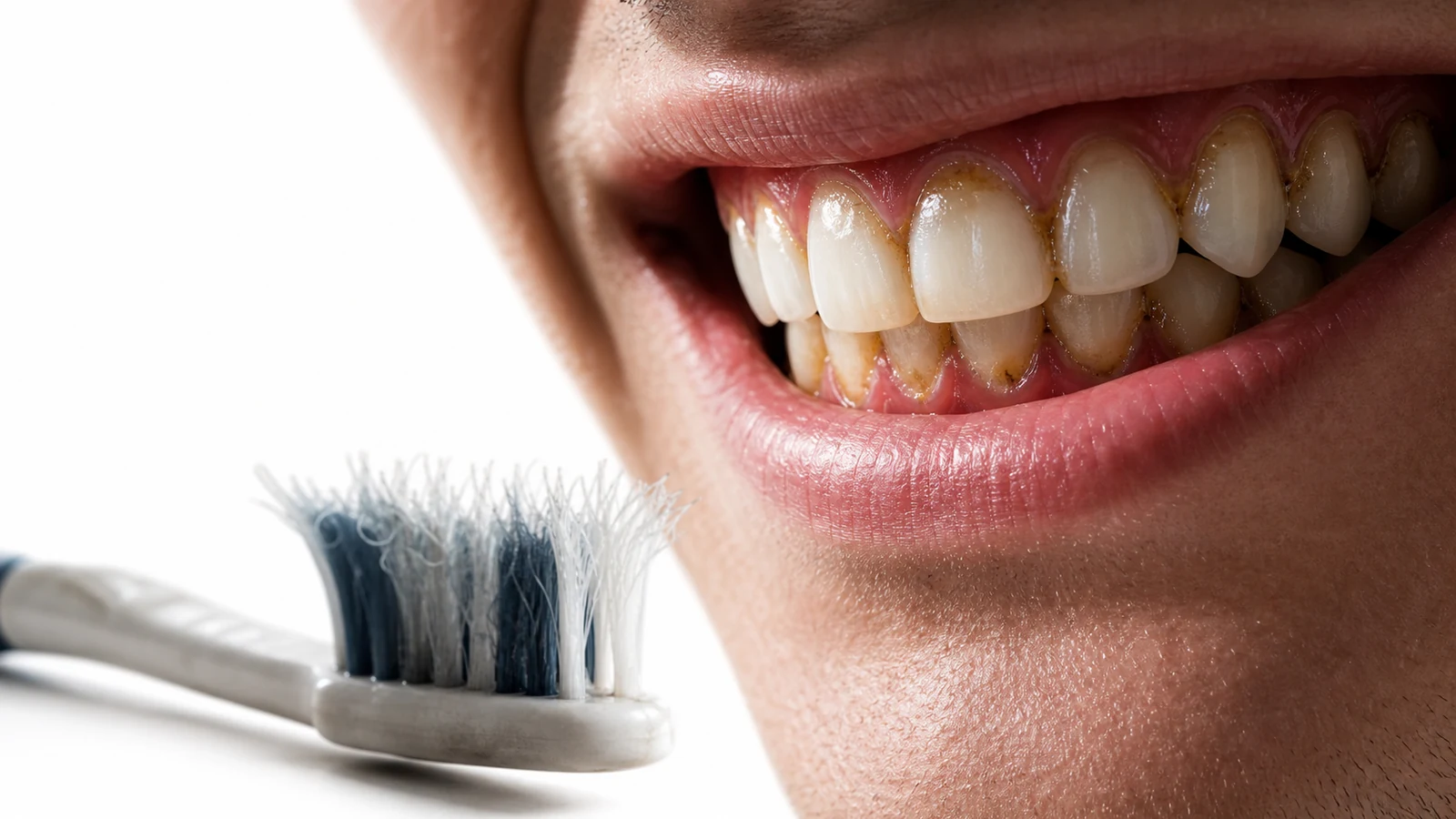
Body & Brain
What Happens If You Never Brush Your Teeth?
This one starts in your mouth. It does not stay there.
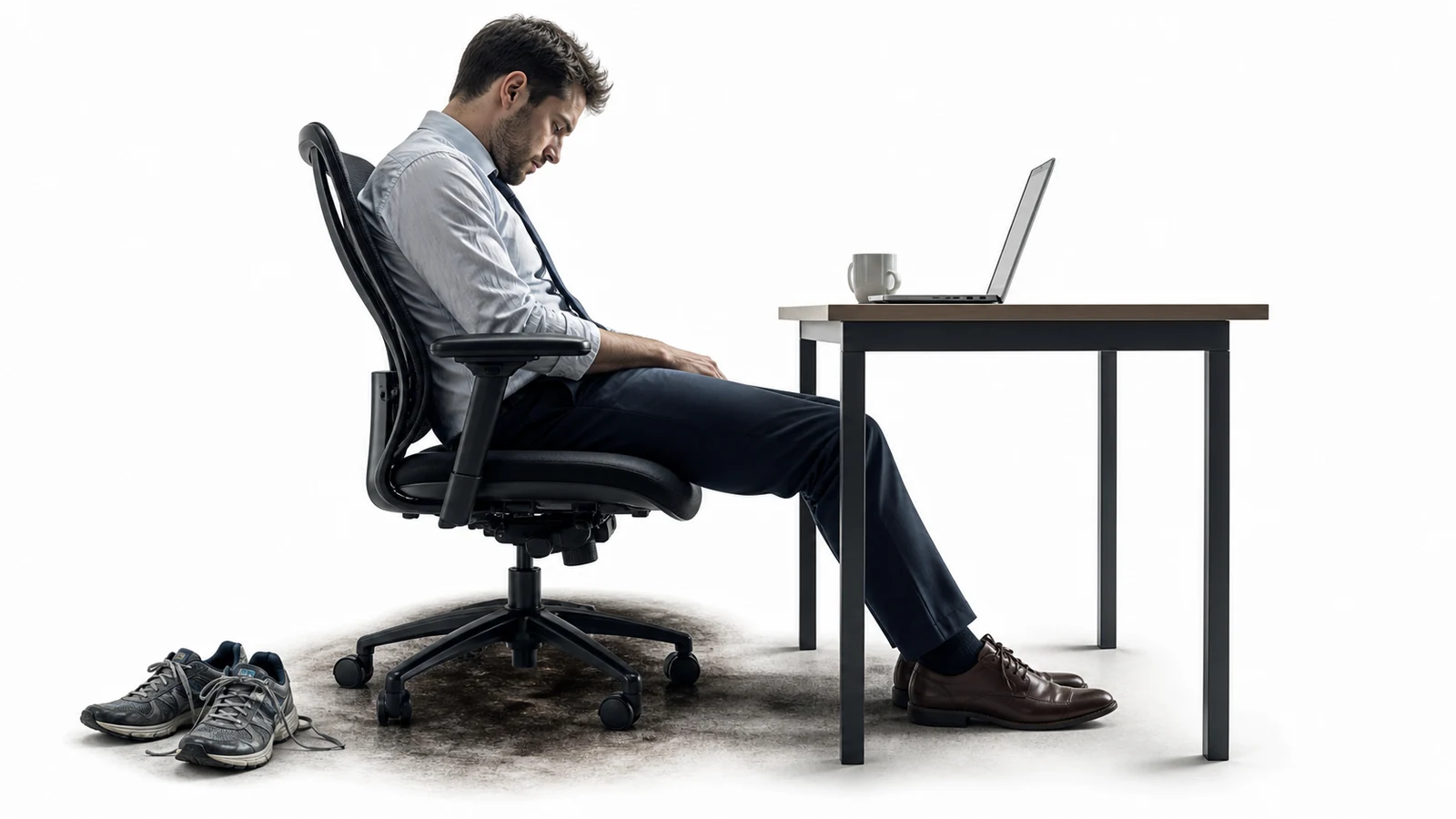
Body & Brain
What Happens If You Spend All Day Sitting?
The chair is the most dangerous piece of furniture in your house.
Body & Brain
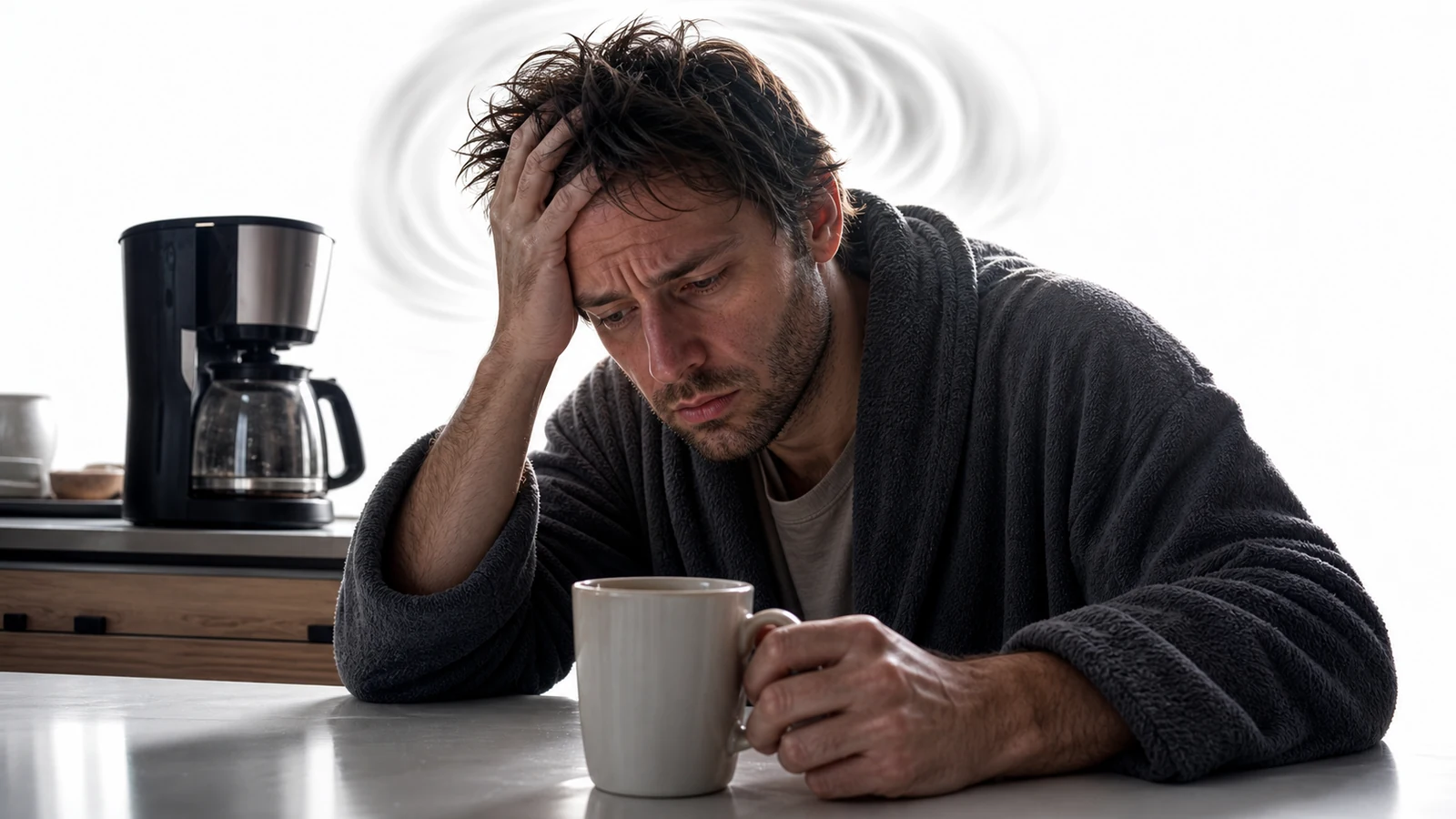
What Happens If You Stop Drinking Caffeine?
The world's most socially accepted drug has a withdrawal syndrome. Here's what it actually feels like.
Body & Brain
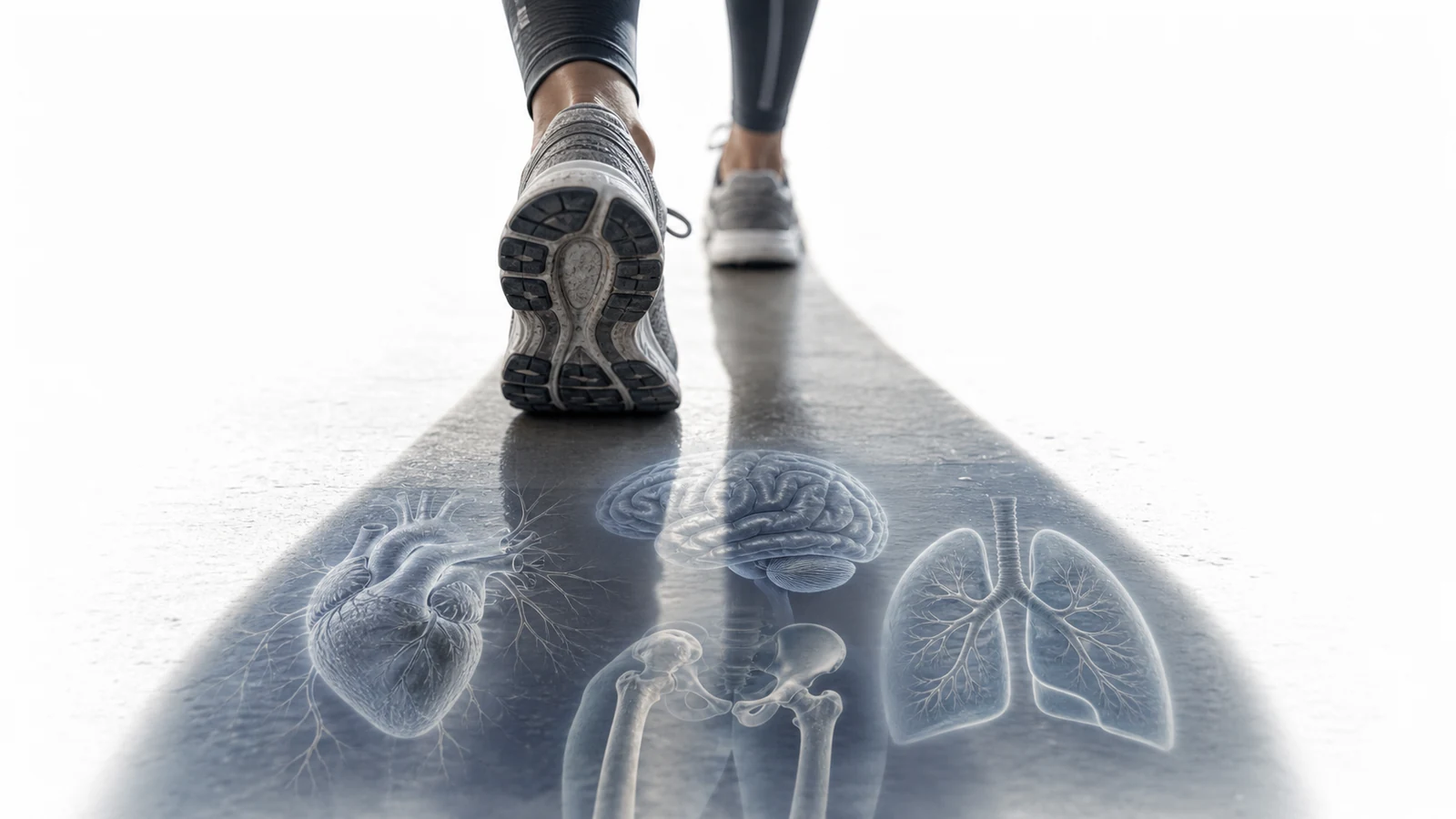
What Happens If You Walk 10,000 Steps Every Day?
The most famous number in health culture - where it came from, what it does, and whether you actually need it.

Body & Brain
What Happens If You Stare at a Screen All Day?
Your eyes are not broken. But they are being asked to do something they were not designed for.

Digital & Society
What Happens If You Stop Using Social Media?
The studies are in. The results are not what the optimists or the pessimists expected.
Digital & Society
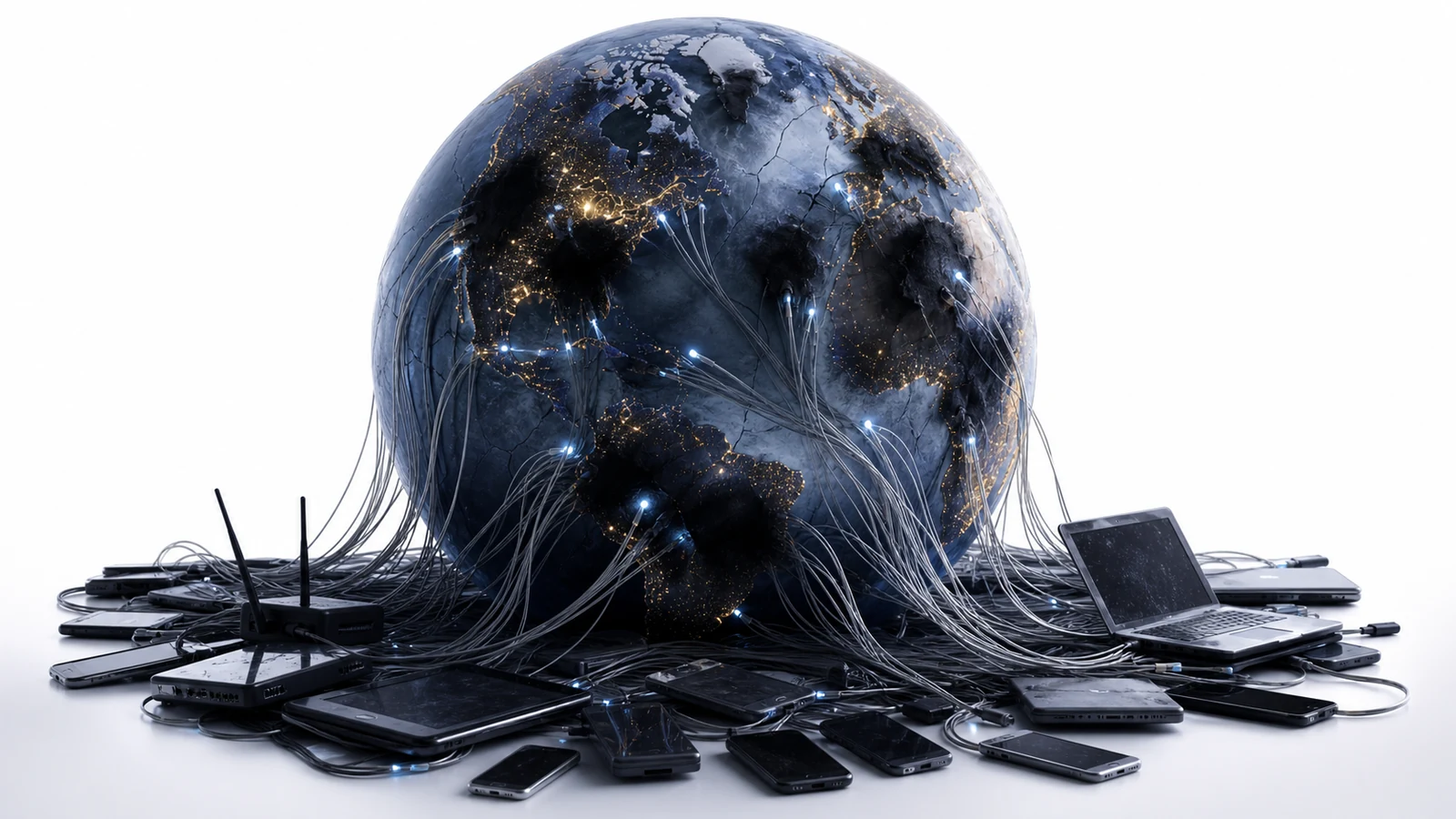
What Happens If the Internet Shuts Down Worldwide?
The internet isn't a thing you can turn off. Imagining how it would break reveals how thoroughly it has become civilization's nervous system.
Earth & Space
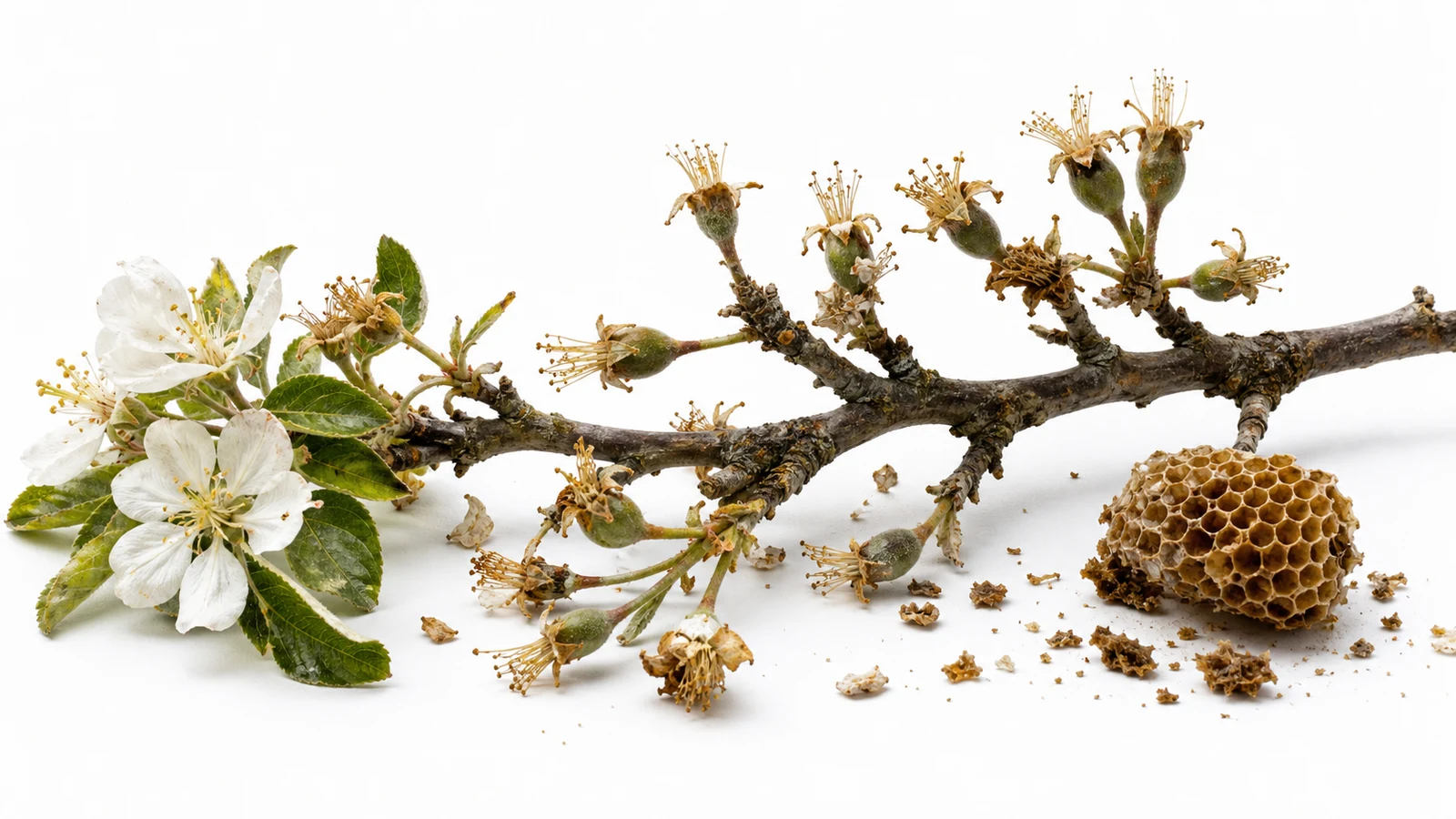
What Happens If All Bees Disappear?
The famous Einstein quote about bees is probably fake. The science behind it is not.
Earth & Space
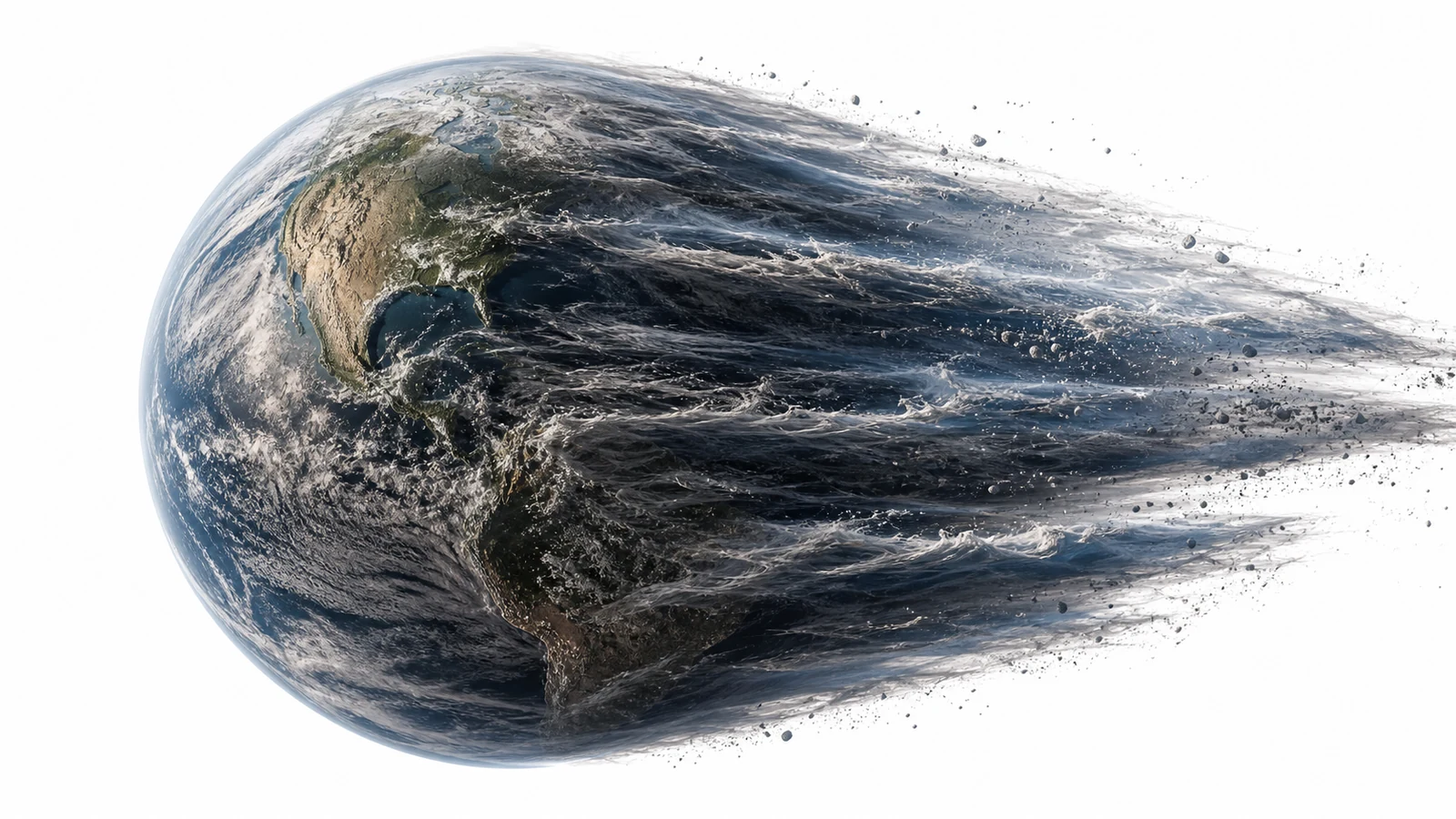
What Happens If Earth Stopped Rotating?
A thought experiment that reveals how deeply the spin of the planet is built into everything.
Earth & Space
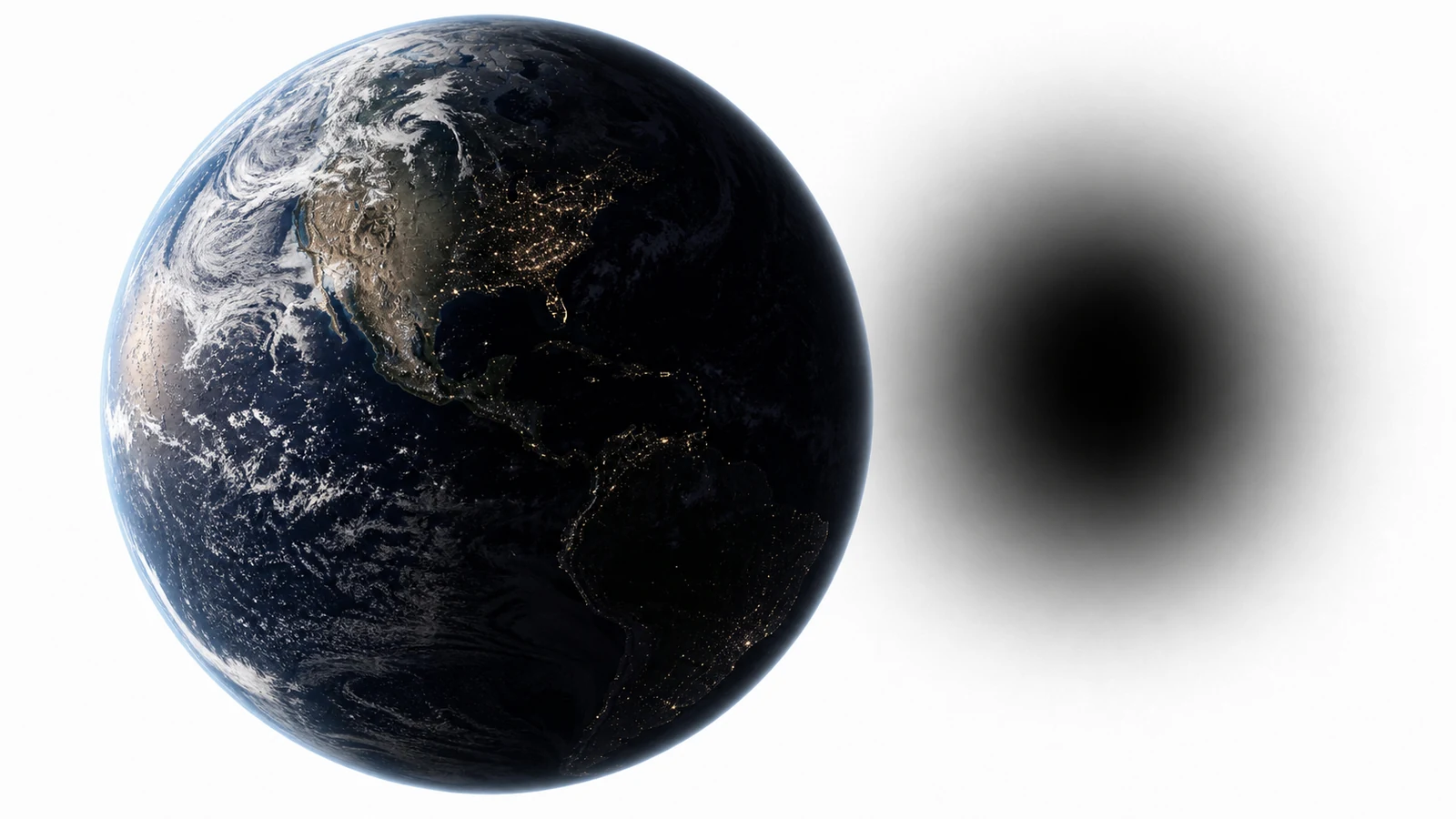
What Happens If the Moon Disappeared?
The Moon is not decorative. Remove it and the Earth becomes a different planet.
Earth & Space
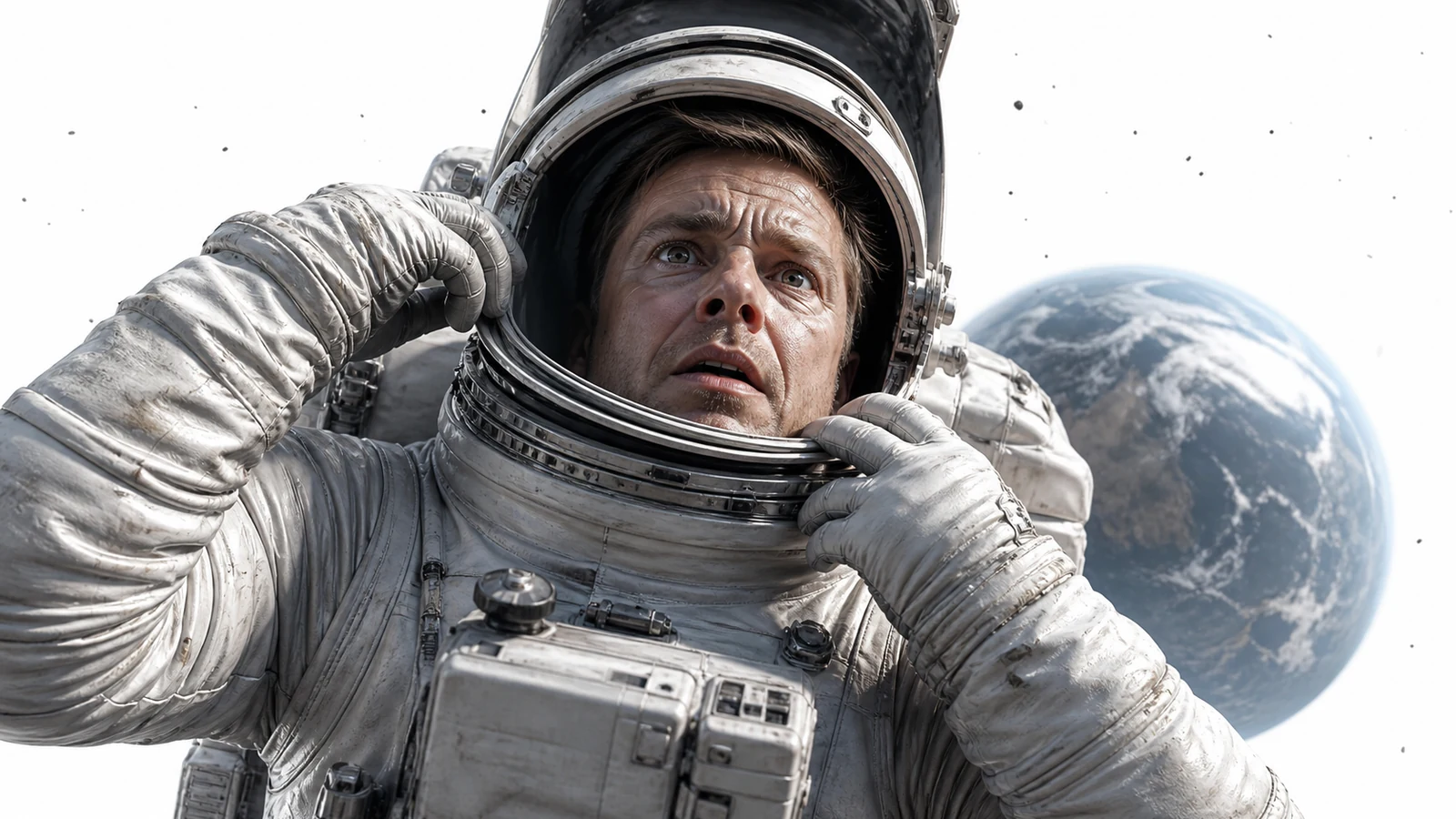
What Happens If You Remove Your Helmet in Space?
The answer is both better and worse than the movies suggest.

Earth & Space
What Happens If Everyone on Earth Jumped at the Same Time?
This question has a precise, calculated answer. It is very, very anticlimactic.
Earth & Space
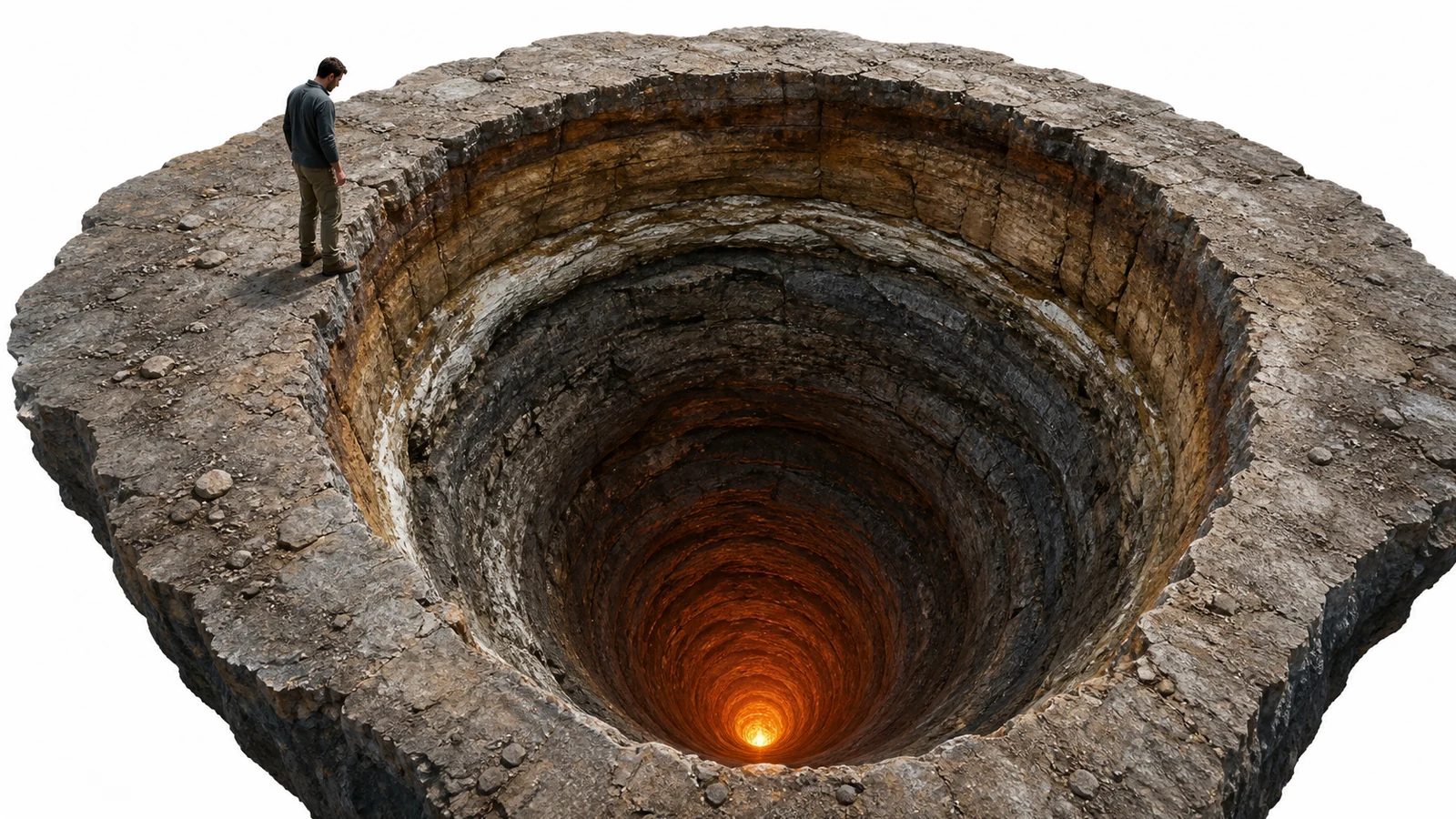
What Happens If You Dig a Hole Through the Earth?
The exit point is not where you think. And getting there would be impossible, but the physics of falling through is beautiful.
Everyday Objects
Tiny design details people notice
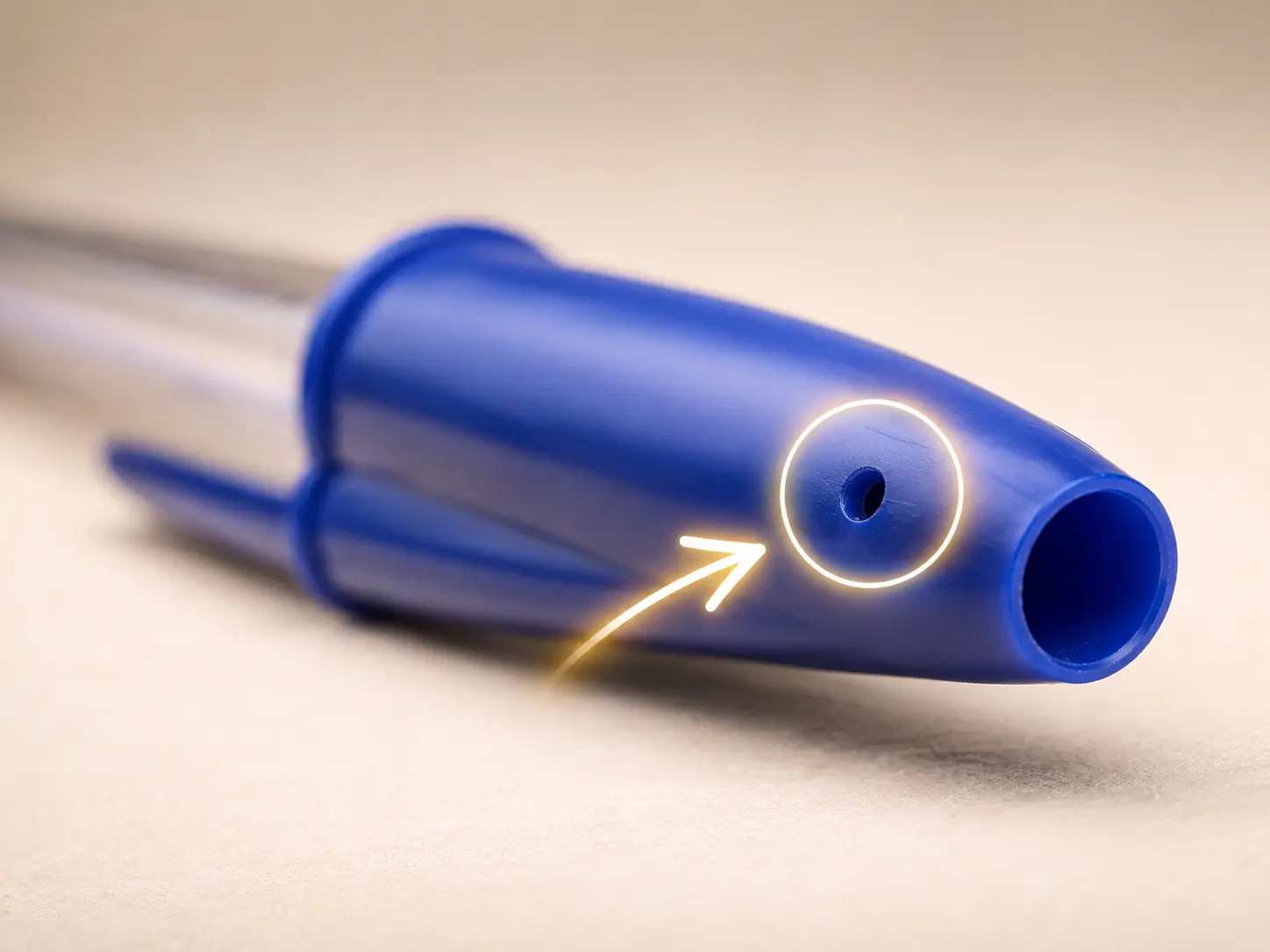
You noticed the tiny hole
Why Do Pen Caps Have Holes?
Pen caps have holes mainly for safety. If a cap blocks someone’s airway, the hole may allow limited airflow and reduce the chance of complete blockage.
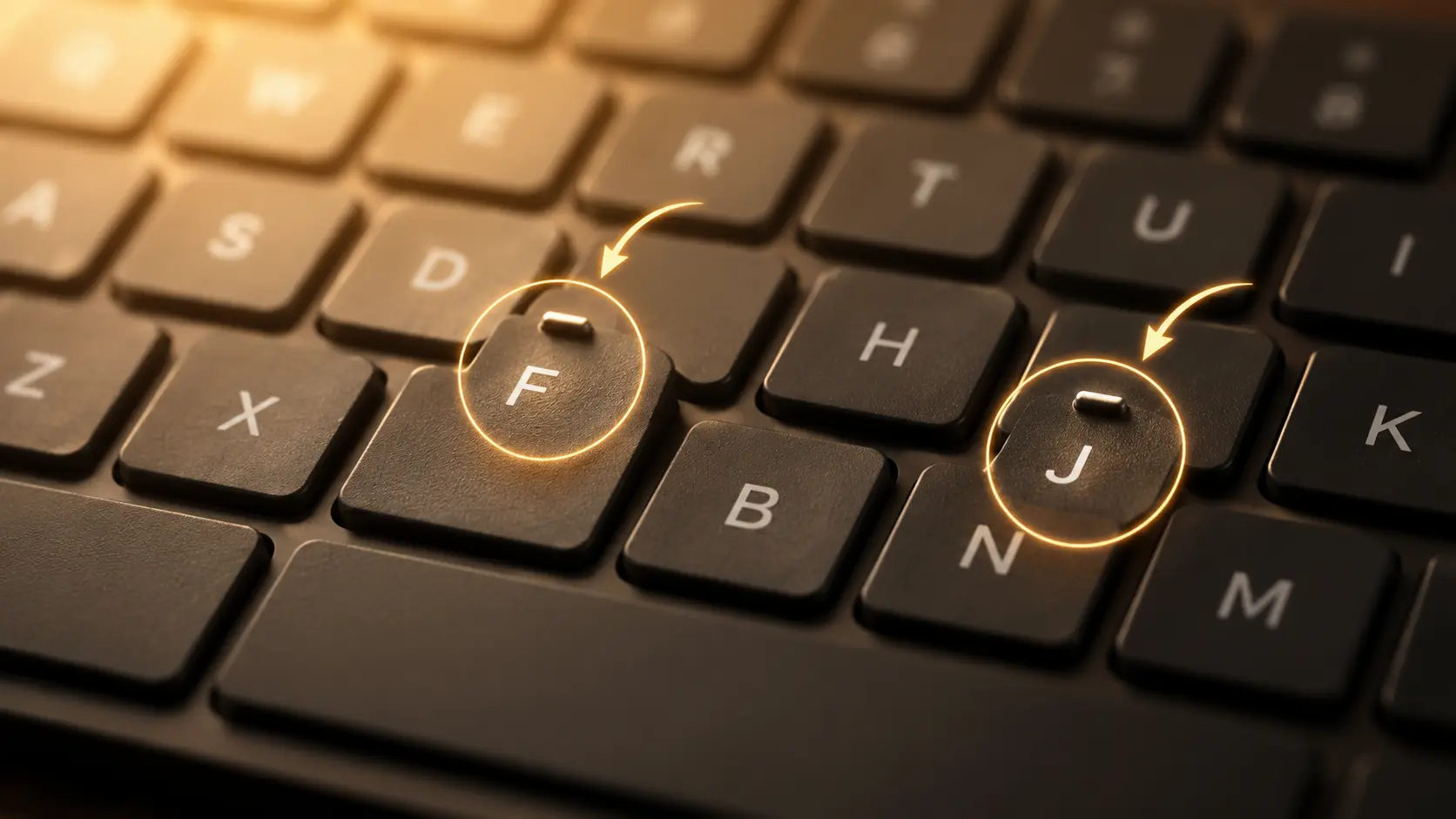
You noticed the little bumps
Why Do Keyboards Have Bumps on F and J?
The tiny bumps on F and J are tactile guides. They help your index fingers find home row without looking down at the keyboard.
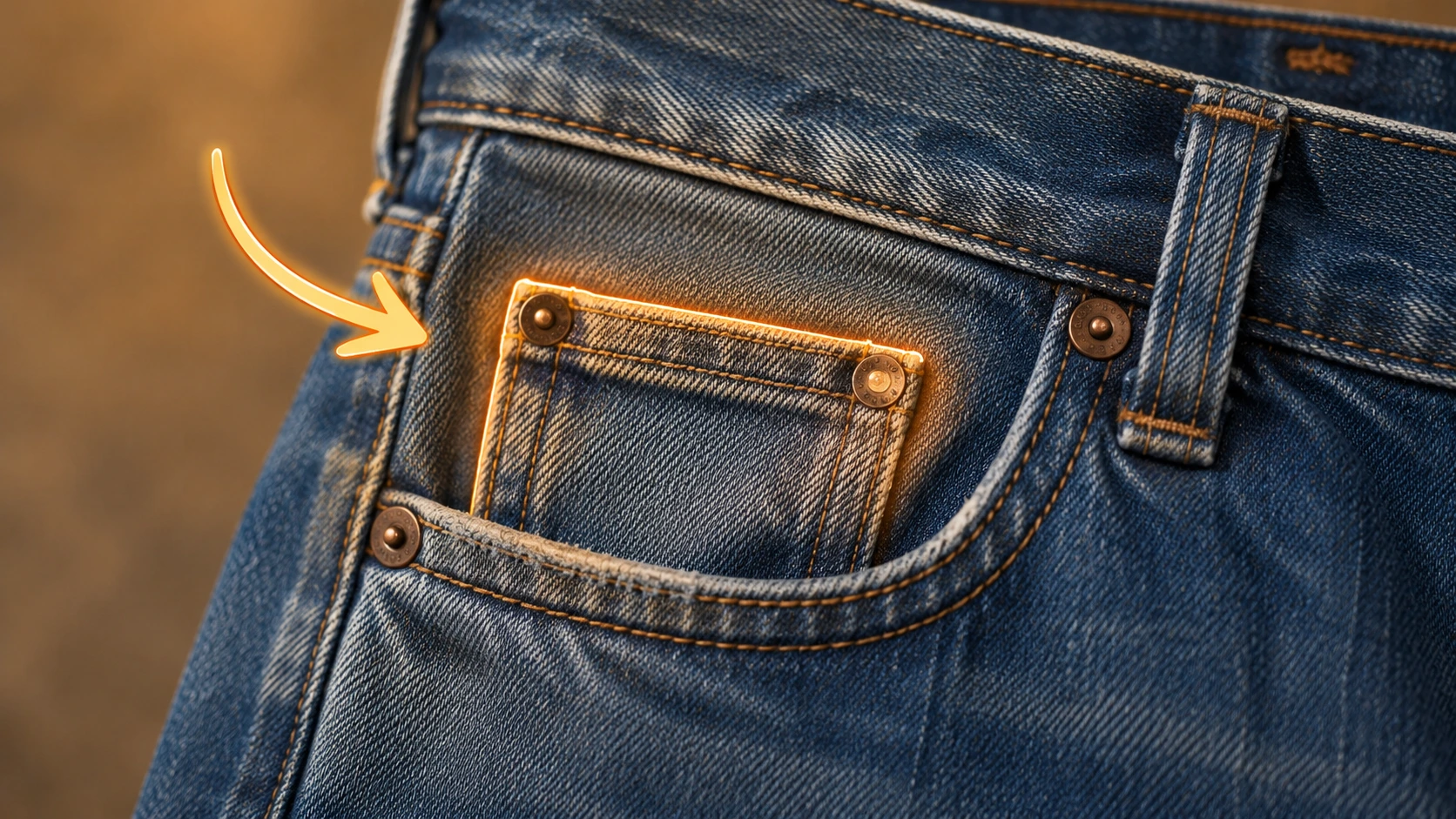
You noticed the tiny pocket
What Is the Tiny Pocket on Jeans For?
That tiny pocket inside jeans was originally made for pocket watches. Today it mostly survives as part of the classic five-pocket jeans design.
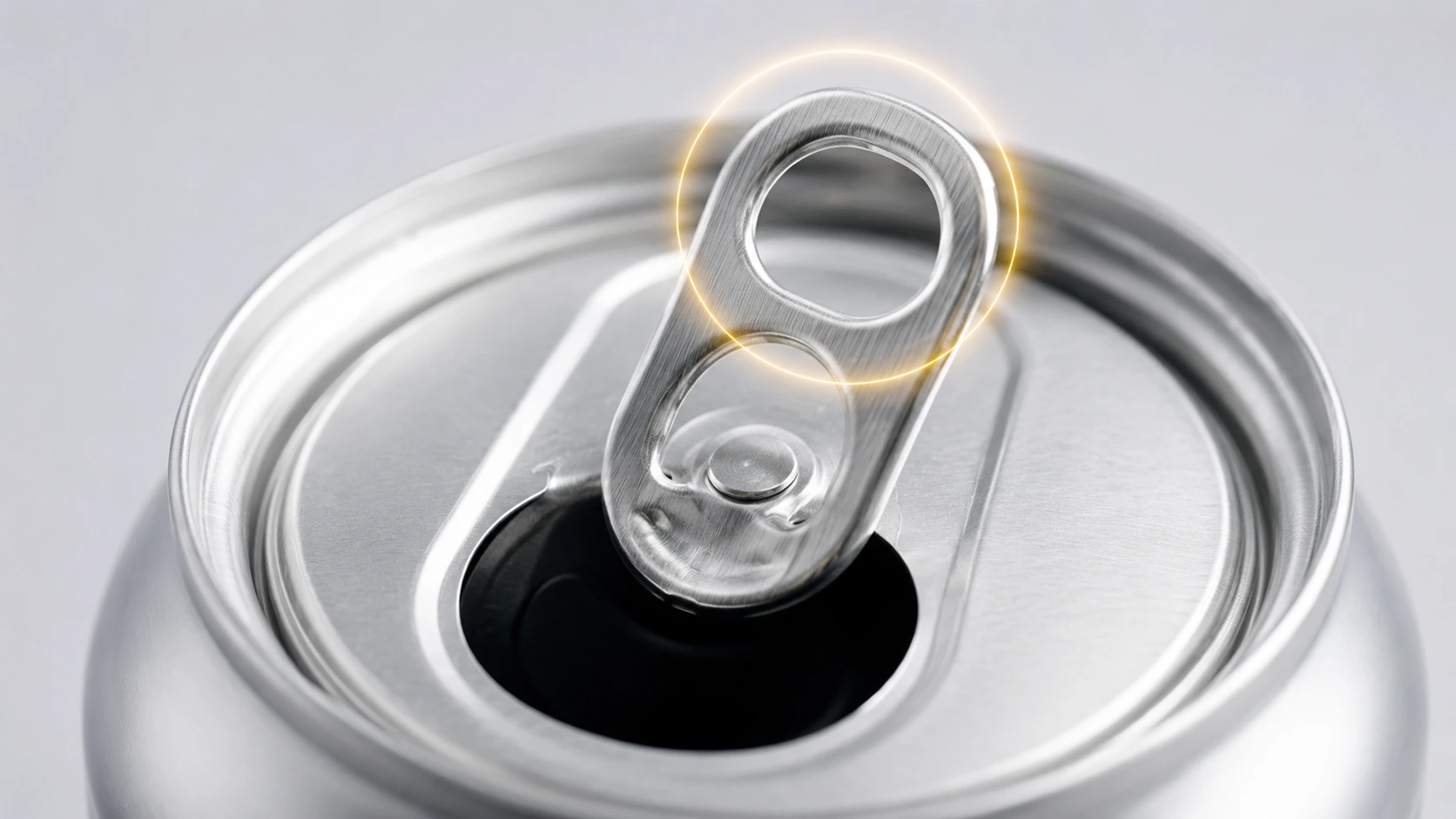
You noticed the can tab
Why Do Soda Can Tabs Have Holes?
Soda can tabs have holes so your finger can grip the tab, the tab can work as a lever, and less metal is needed. The hole can also hold a straw after opening.
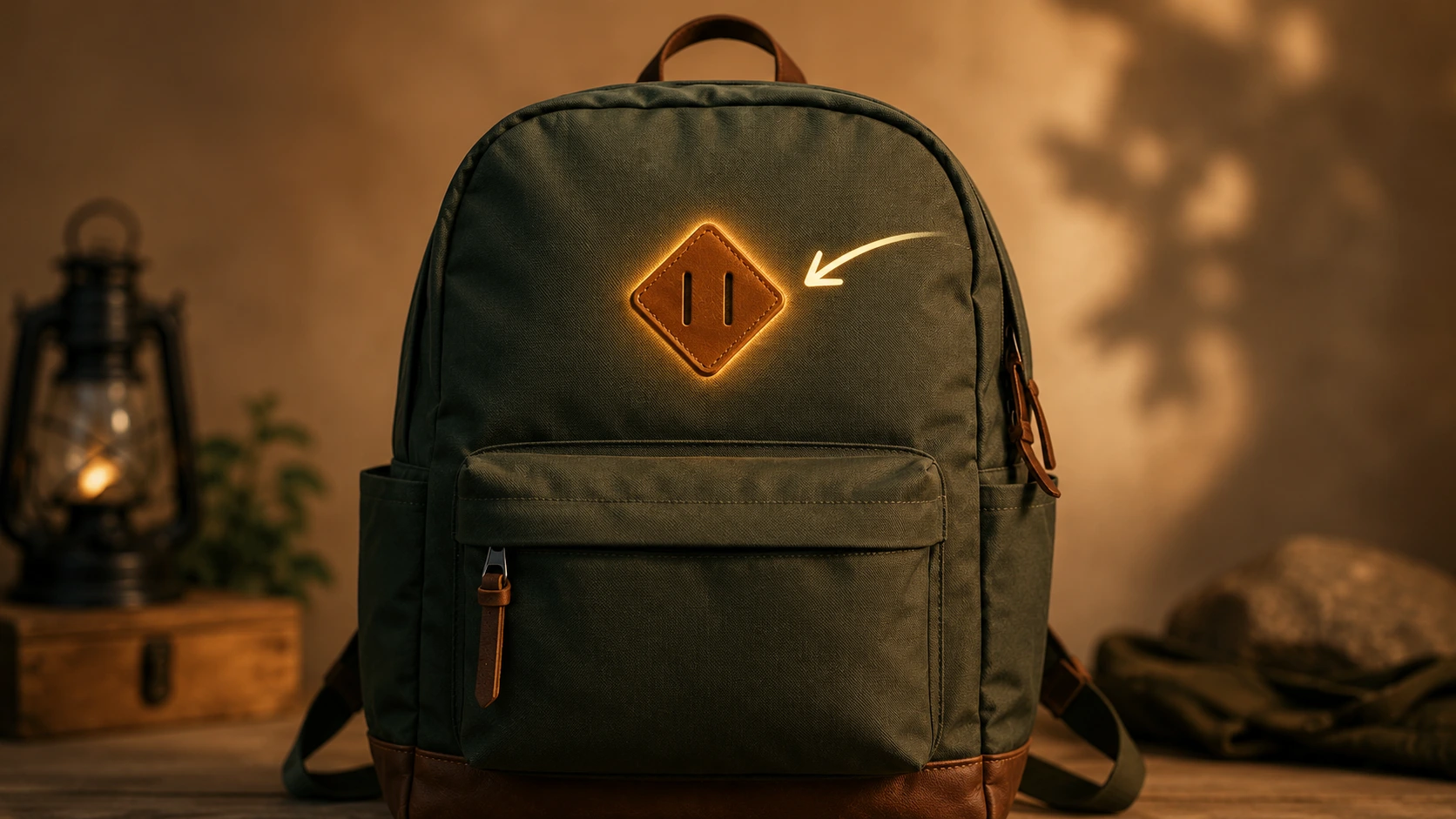
You noticed the backpack patch
What Is the Diamond Patch on Backpacks For?
That diamond patch on backpacks is not just decoration. It is a lashing square, also called a pig snout, used to attach light gear to the outside of a bag.
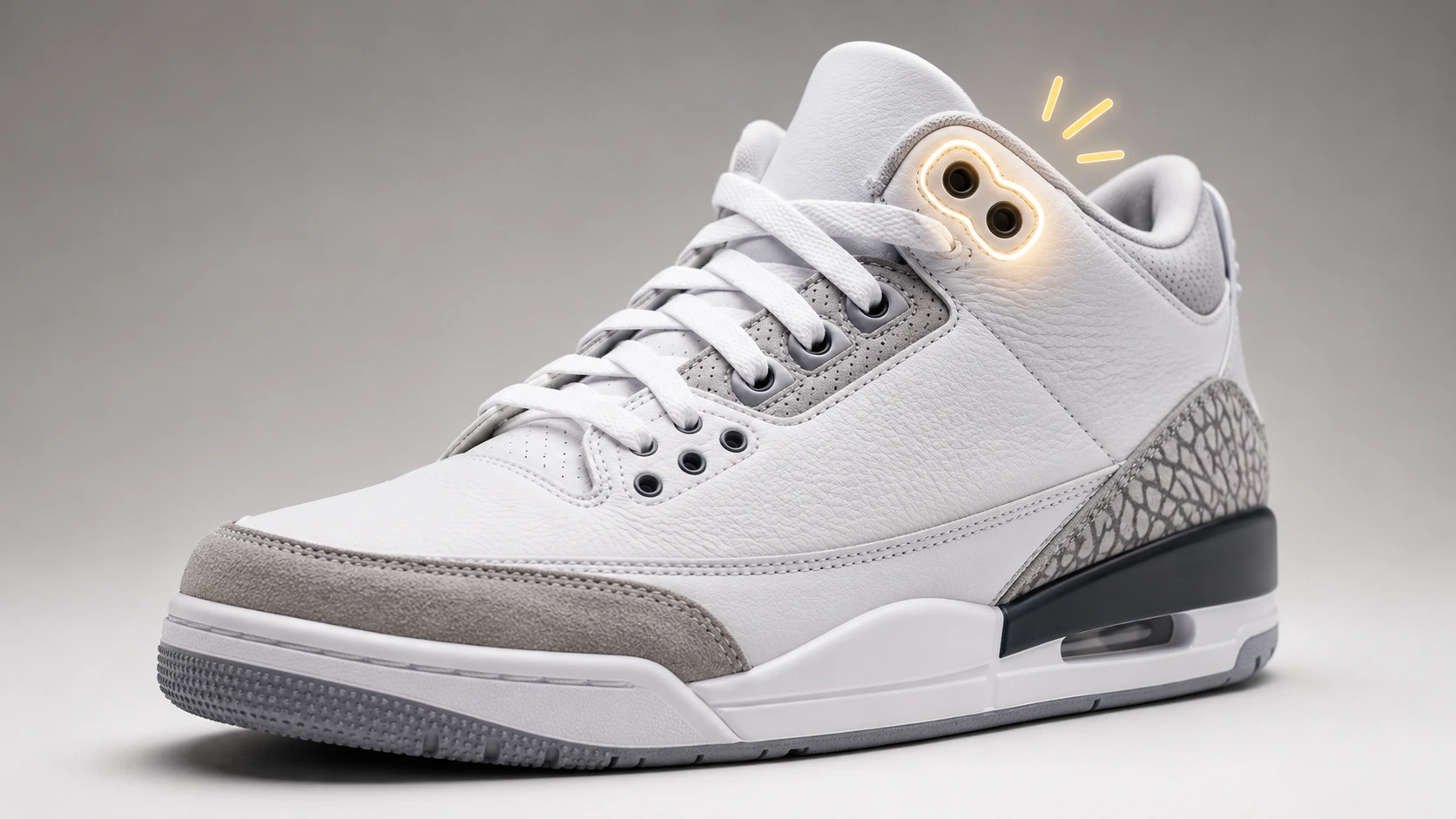
You noticed the extra holes
What Are the Extra Holes on Shoes For?
Those extra holes near the top of sneakers are for a heel lock, also called a runner’s loop. Learn how they stop heel slipping and help reduce blisters.
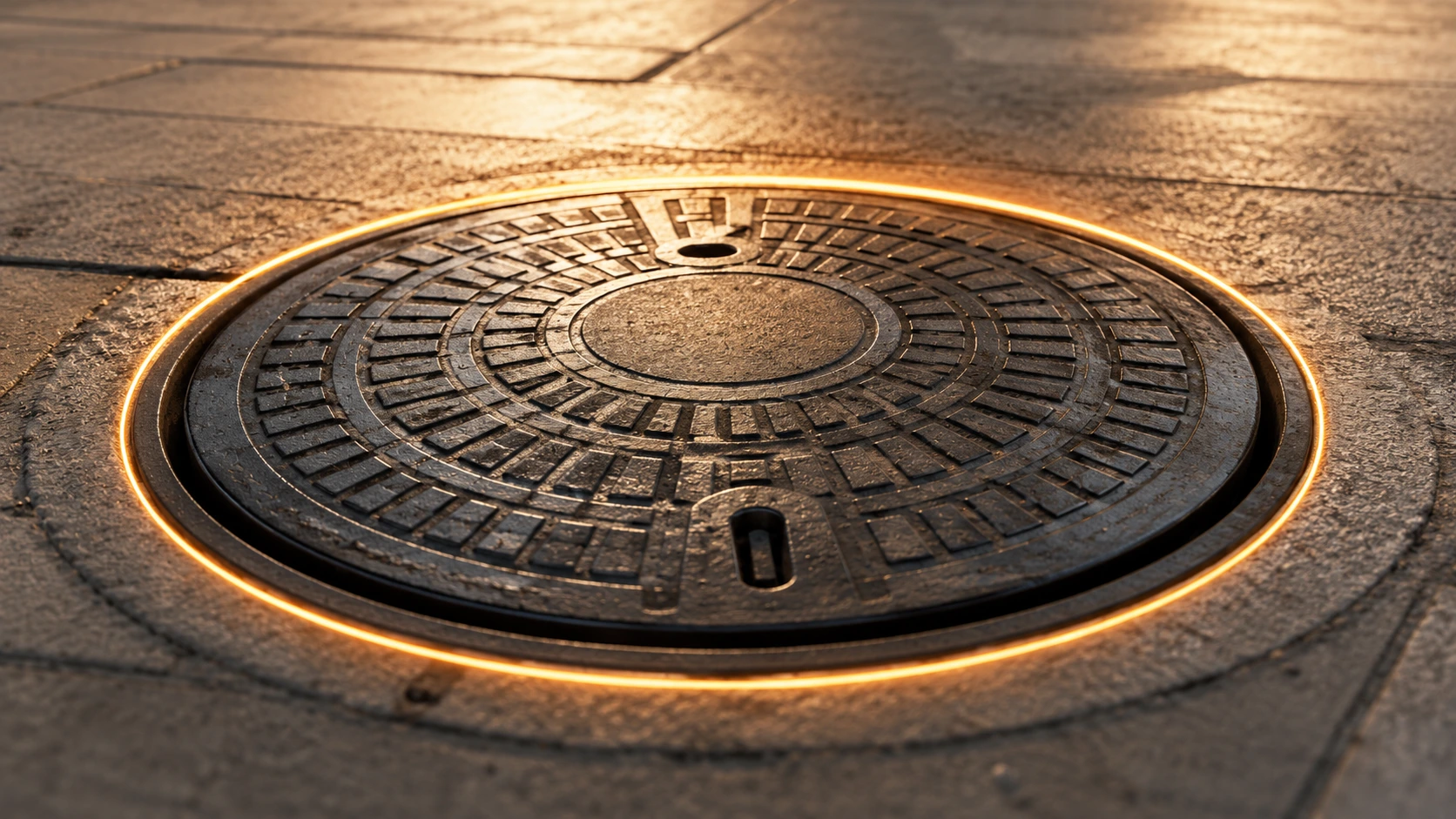
That famous interview question — answered properly
Why Are Manhole Covers Round?
Manhole covers are round because they can't fall through their own hole, they match the round shaft below, they're easier to move, and they're cheaper to make. All four reasons at once.
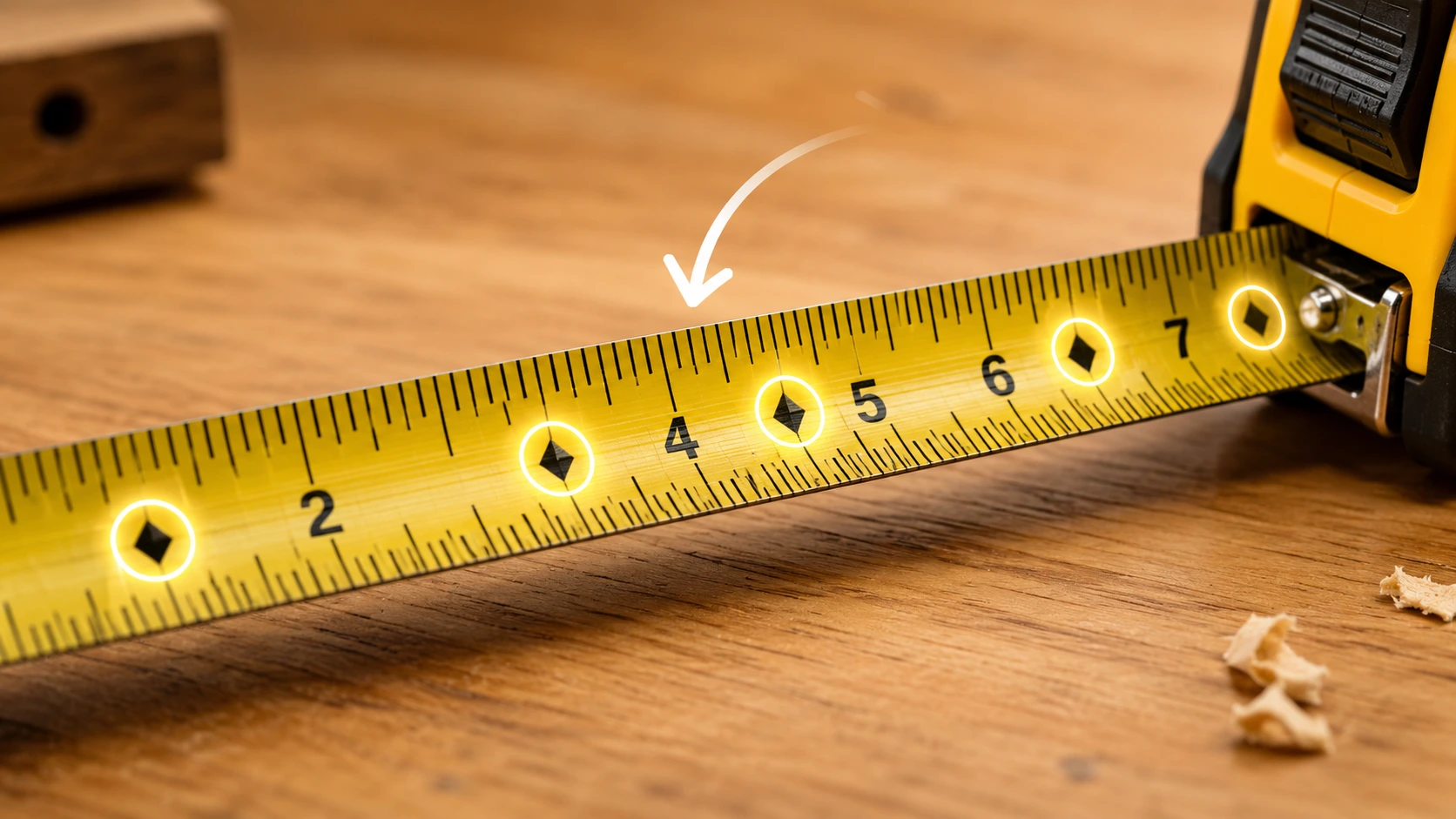
That weird mark you've been ignoring
What Are the Black Diamonds on a Tape Measure For?
The black diamonds on a tape measure are layout marks that appear every 19.2 inches. They help builders space joists across an 8-foot sheet without doing the math.
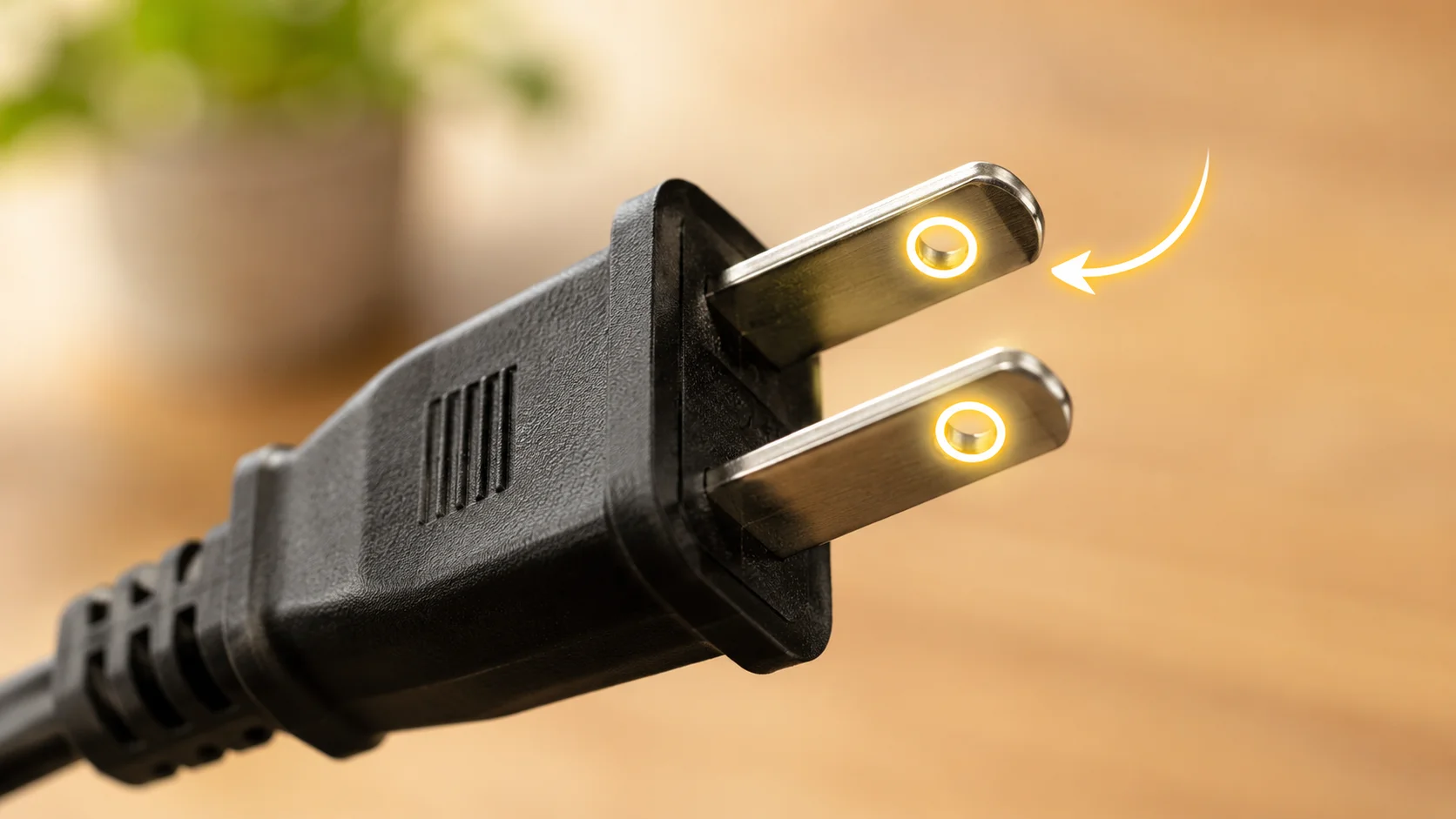
That little hole in every prong
Why Do Electrical Plugs Have Holes in the Prongs?
The holes in plug prongs used to lock into bumps inside outlets. Modern outlets don't have those bumps anymore — but the holes stuck around for manufacturing and safety lockout purposes.
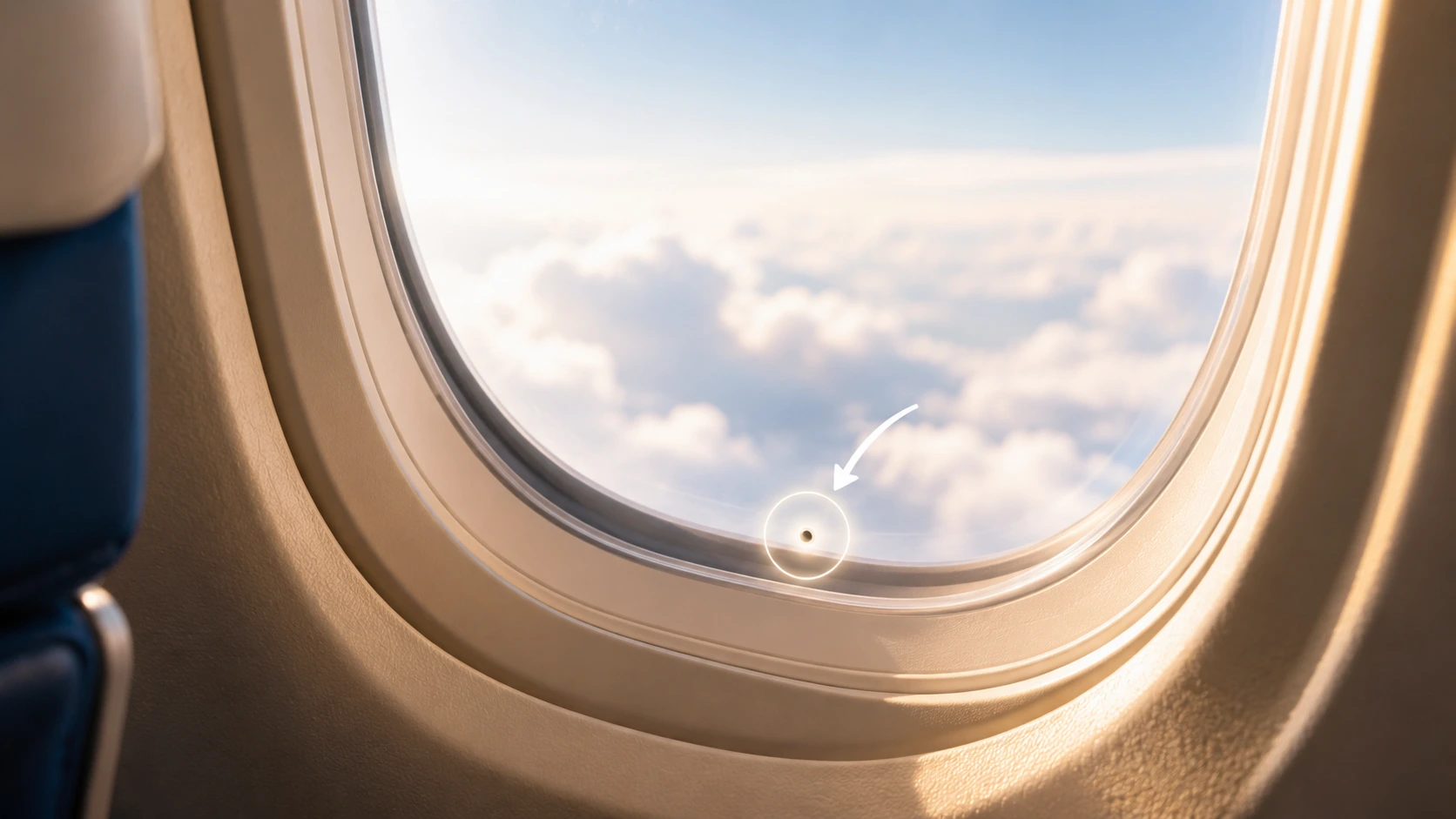
That pinprick you spotted mid-flight
Why Do Airplane Windows Have a Tiny Hole?
The tiny hole in an airplane window is called a bleed hole. It lets the outer pane take the full pressure load so the inner panes don't crack. It also prevents fogging.
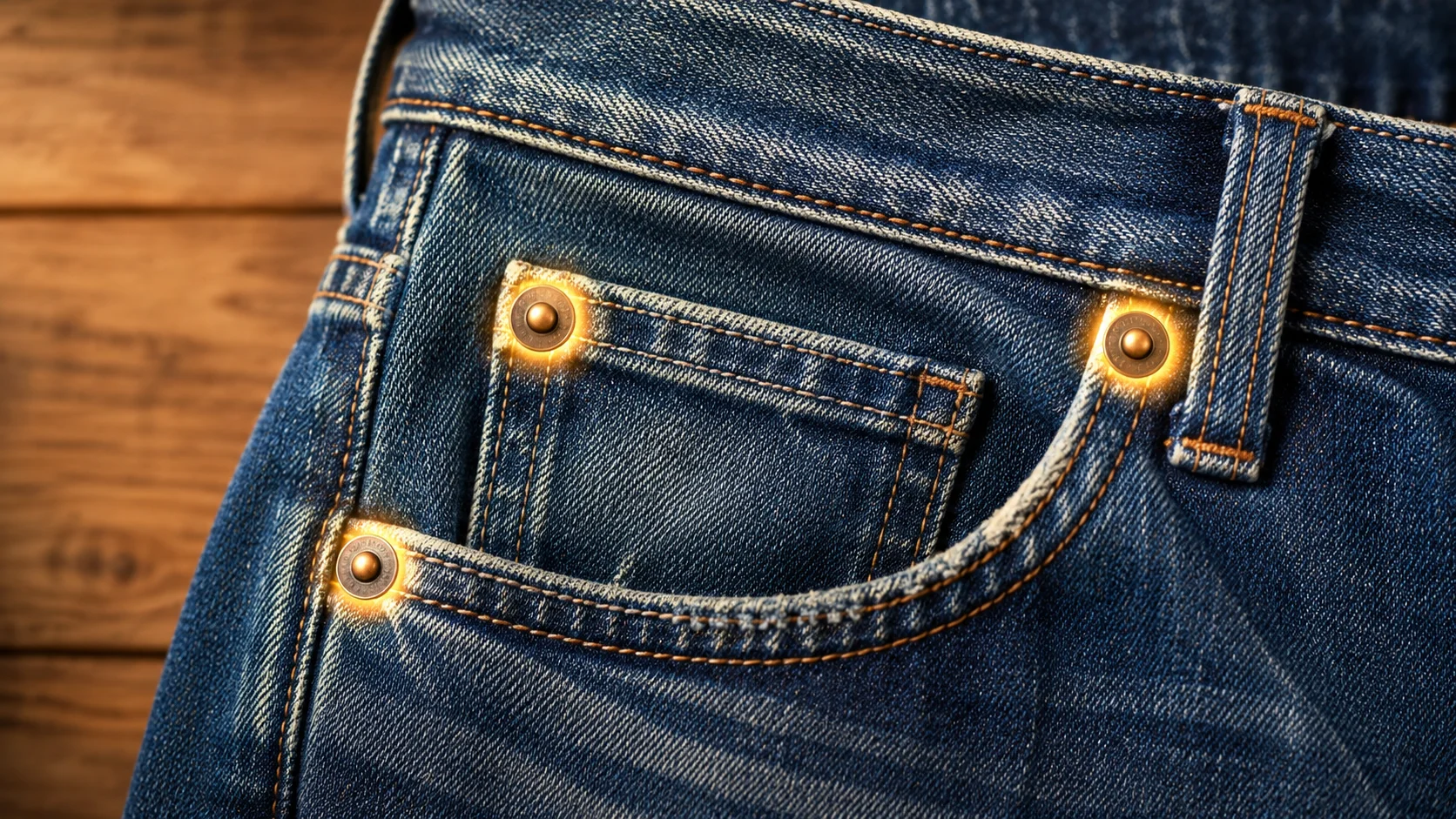
Those tiny copper dots on your pockets
Why Do Jeans Have Rivets?
The metal rivets on jeans were invented in 1871 to stop pocket corners from tearing on miners and laborers. They're mostly tradition now — but they still reinforce stress points.
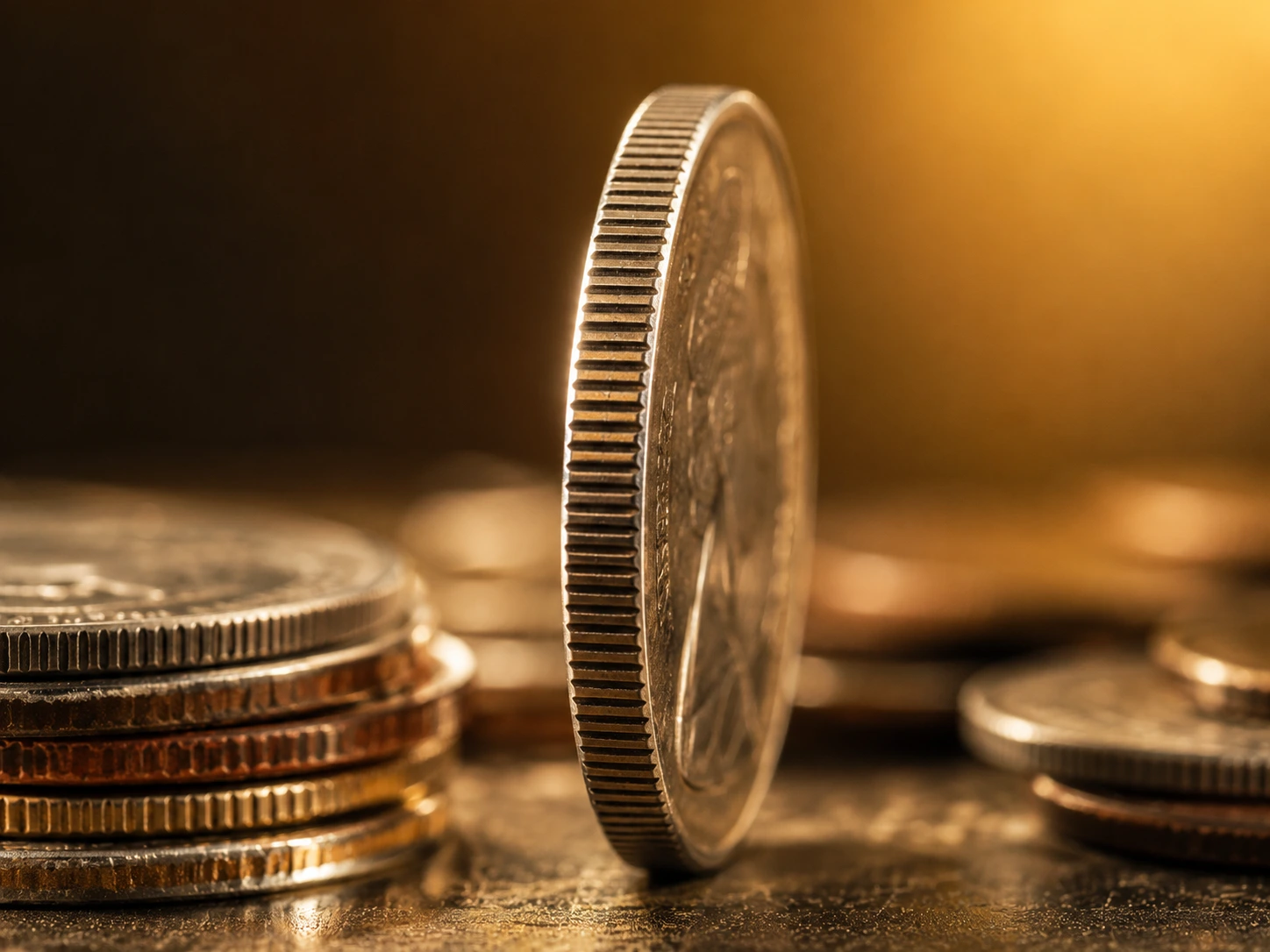
Those tiny grooves on the edge
Why Do Coins Have Ridges?
Coin ridges were invented to stop people from shaving off silver and gold. Today they also deter counterfeiting, help vending machines, and let blind people identify coins by touch.
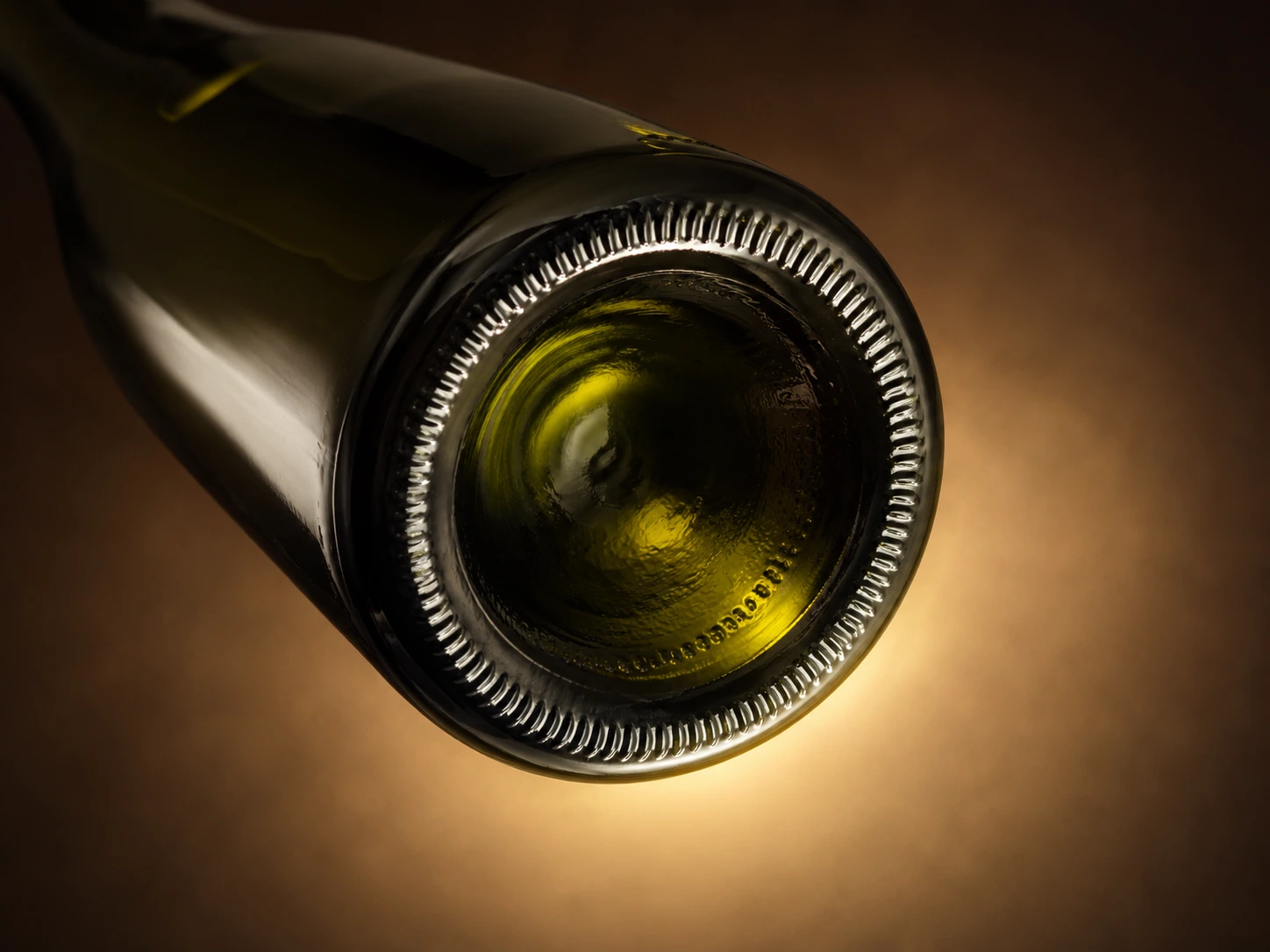
That deep dent in the bottom
Why Do Wine Bottles Have a Punt?
The punt in a wine bottle started with hand-blown glass. Today it helps distribute pressure in sparkling wine, collects sediment, and is mostly tradition — not a quality signal.
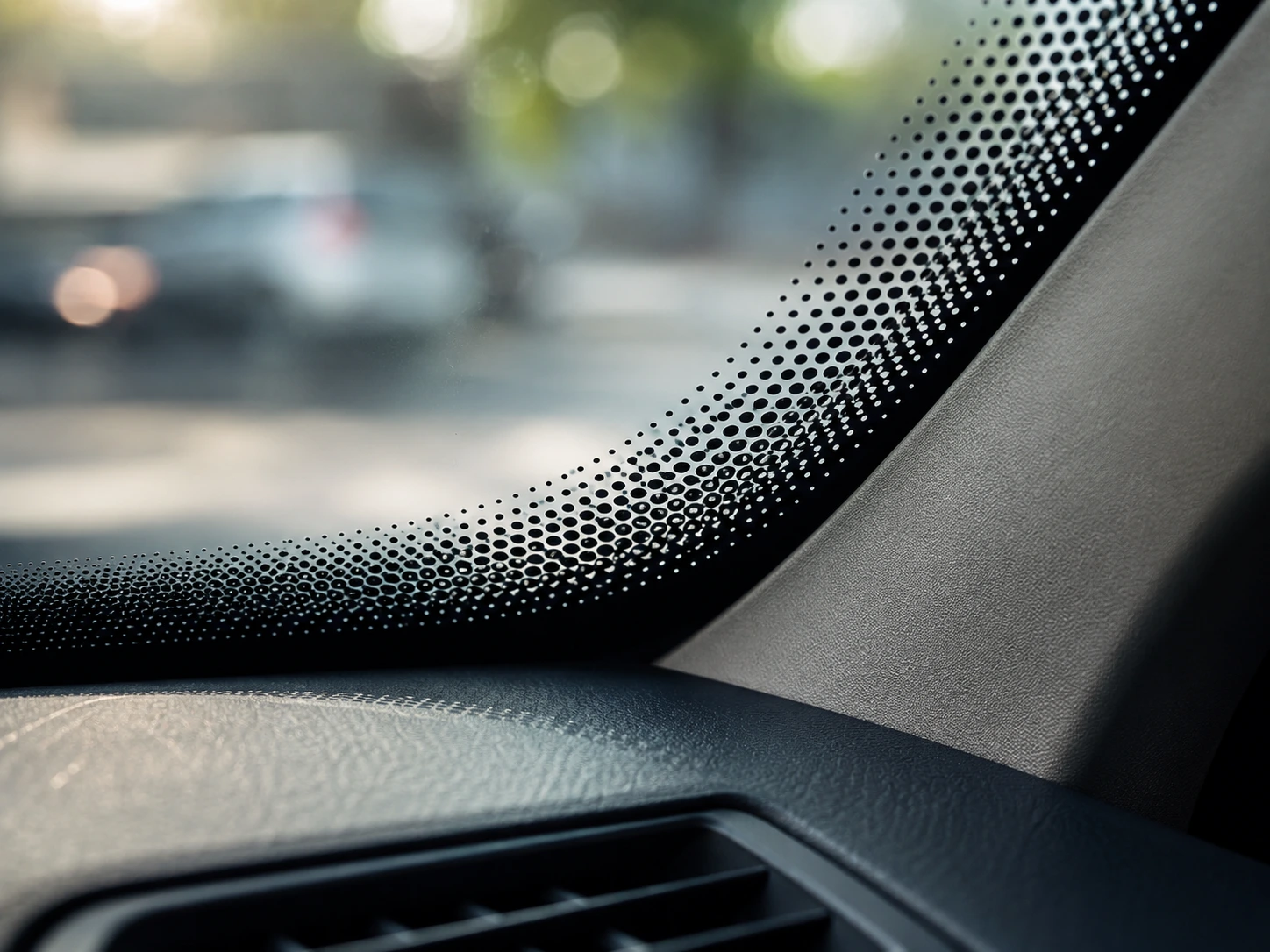
You see them every time you drive
What Are the Black Dots on Car Windshields For?
The black dots on your windshield are called frit. They protect the adhesive from UV damage, prevent optical distortion during manufacturing, reduce glare, and hide the glue from view.
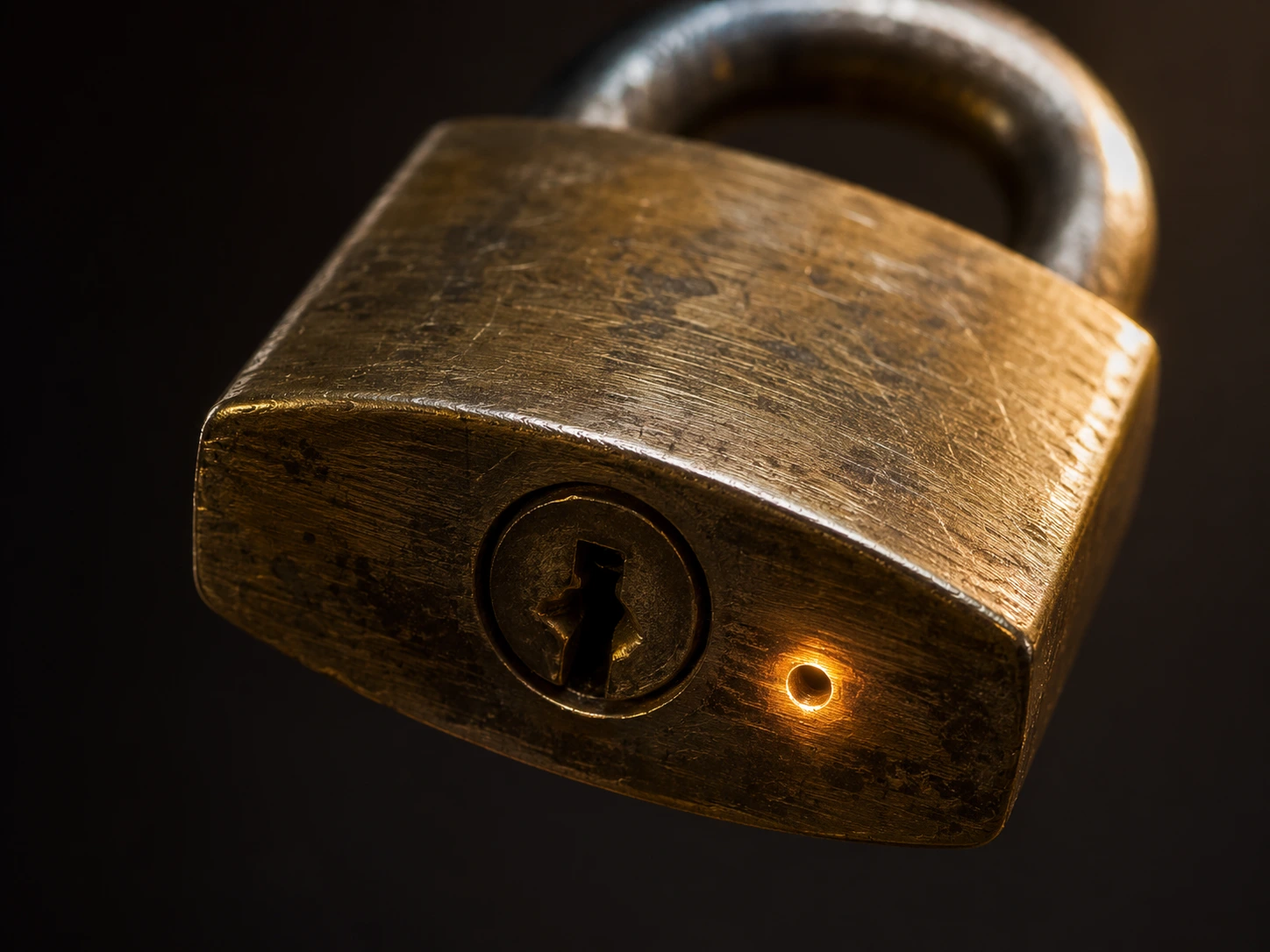
That pinhole you never noticed
Why Do Padlocks Have a Tiny Hole in the Bottom?
The tiny hole in a padlock is a drain hole. It lets water out so the lock doesn't rust or freeze solid. You can also use it to lubricate a stuck lock.
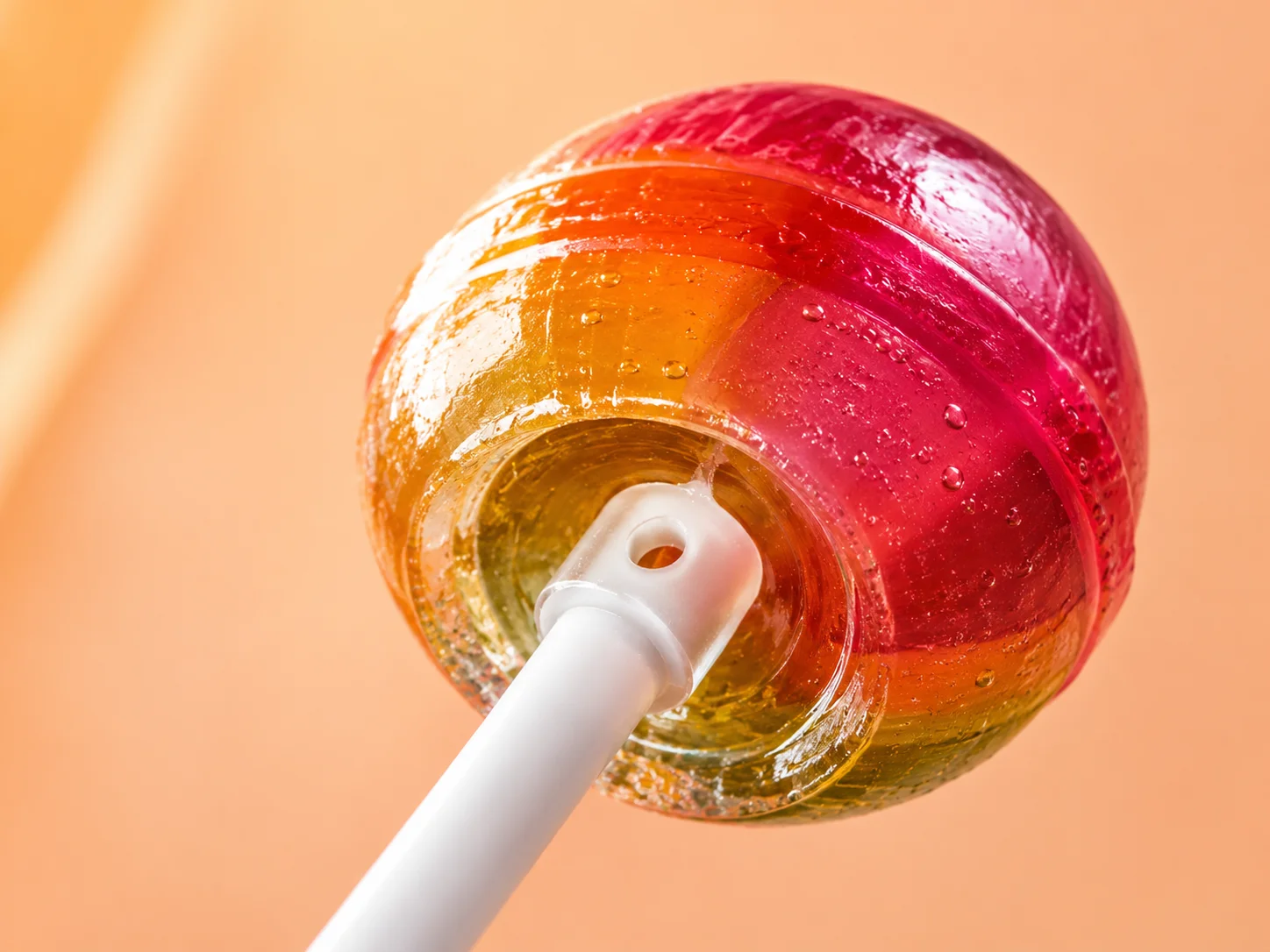
That hole in your candy stick
Why Do Lollipop Sticks Have Holes?
The hole in a lollipop stick does three things: anchors the candy so it doesn't slide off, acts as an airway if the stick is swallowed, and holds the stick in place during manufacturing.
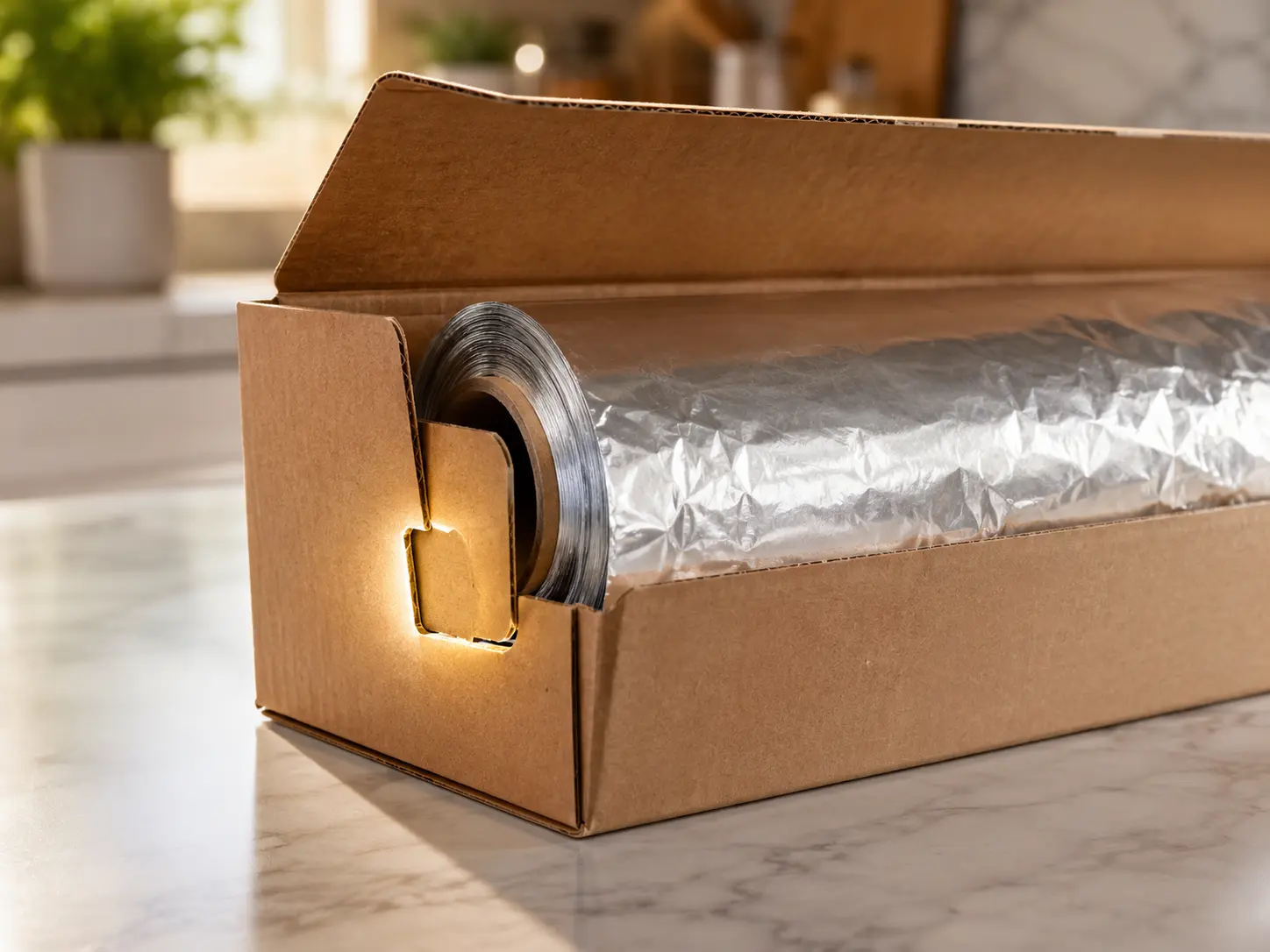
The thing on your foil box you never pressed
What Are the Tabs on Aluminum Foil Boxes For?
Those perforated tabs on the ends of foil boxes are called end locks. Push them in and they grip the cardboard tube — the roll stays put and you get a clean cut every time.
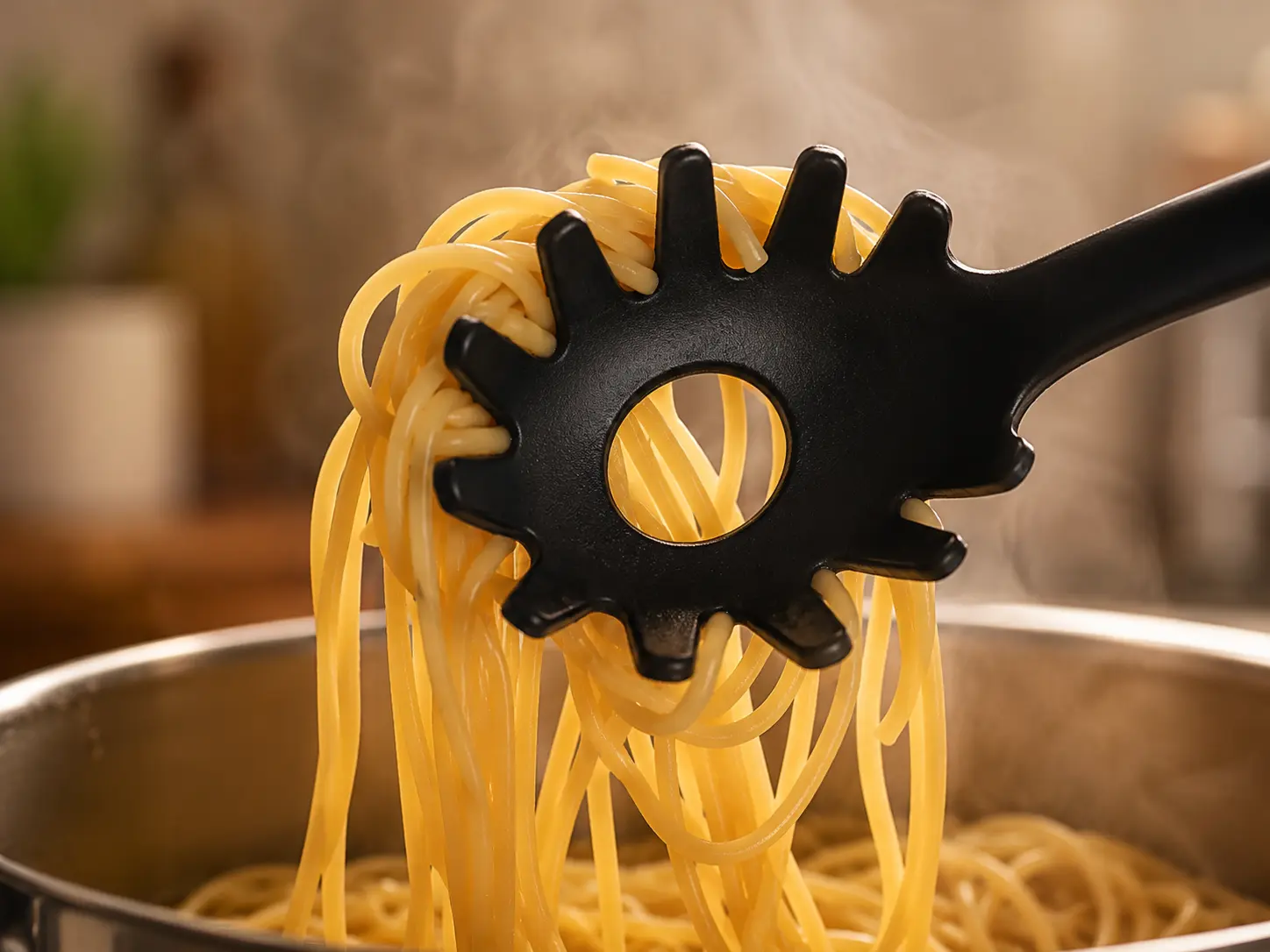
You thought it was just for draining
What Is the Hole in a Spaghetti Spoon For?
The hole in a pasta spoon drains water when serving. But on single-hole spoons, it also measures one portion of dry spaghetti. Most people only knew about the draining part.
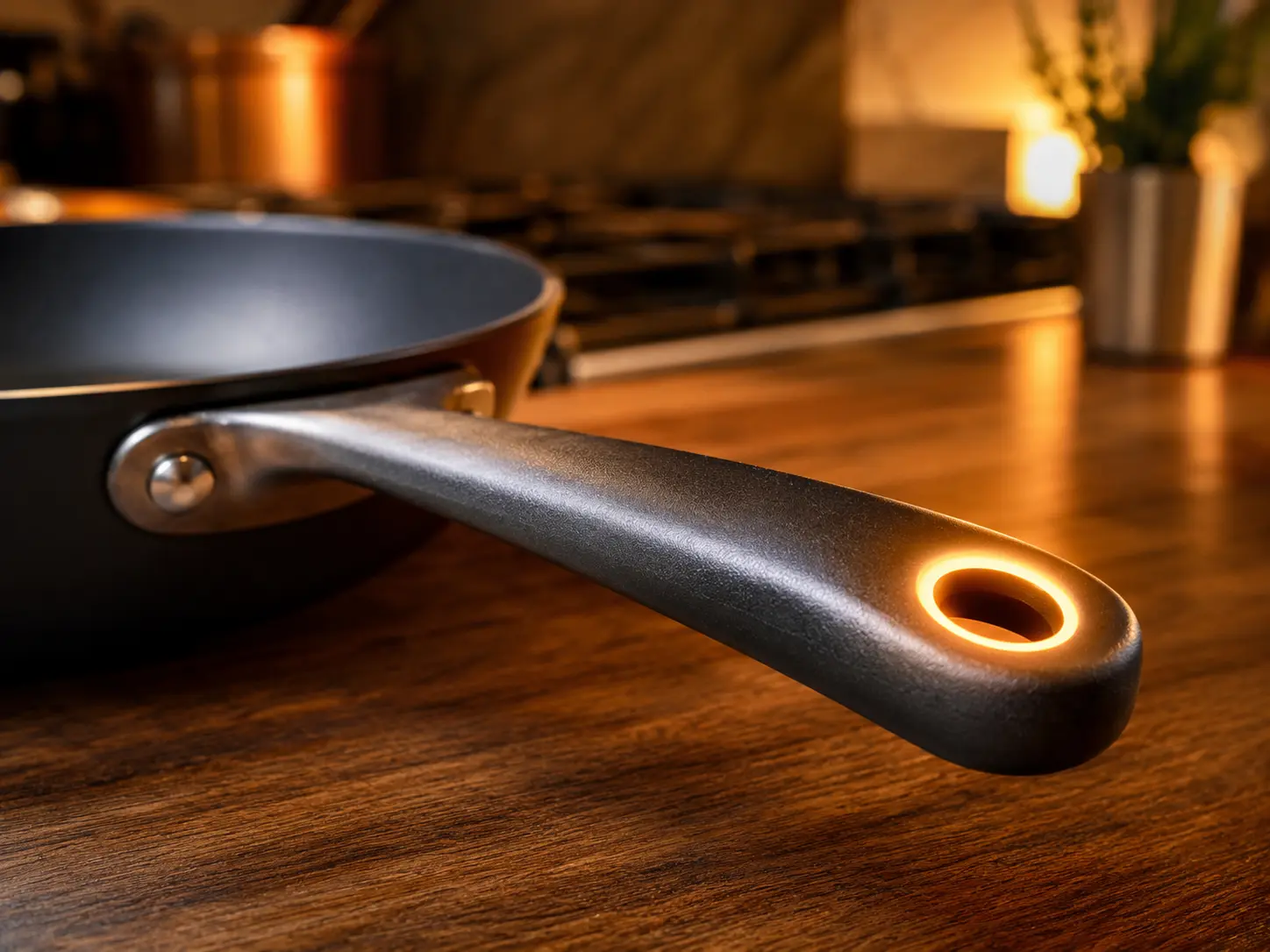
That hole you've been using as a hook
Why Do Pans Have Holes in the Handle?
The hole in a pan handle is primarily for hanging. But the secondary use — resting your spoon through it while cooking — is the one most people have never tried.
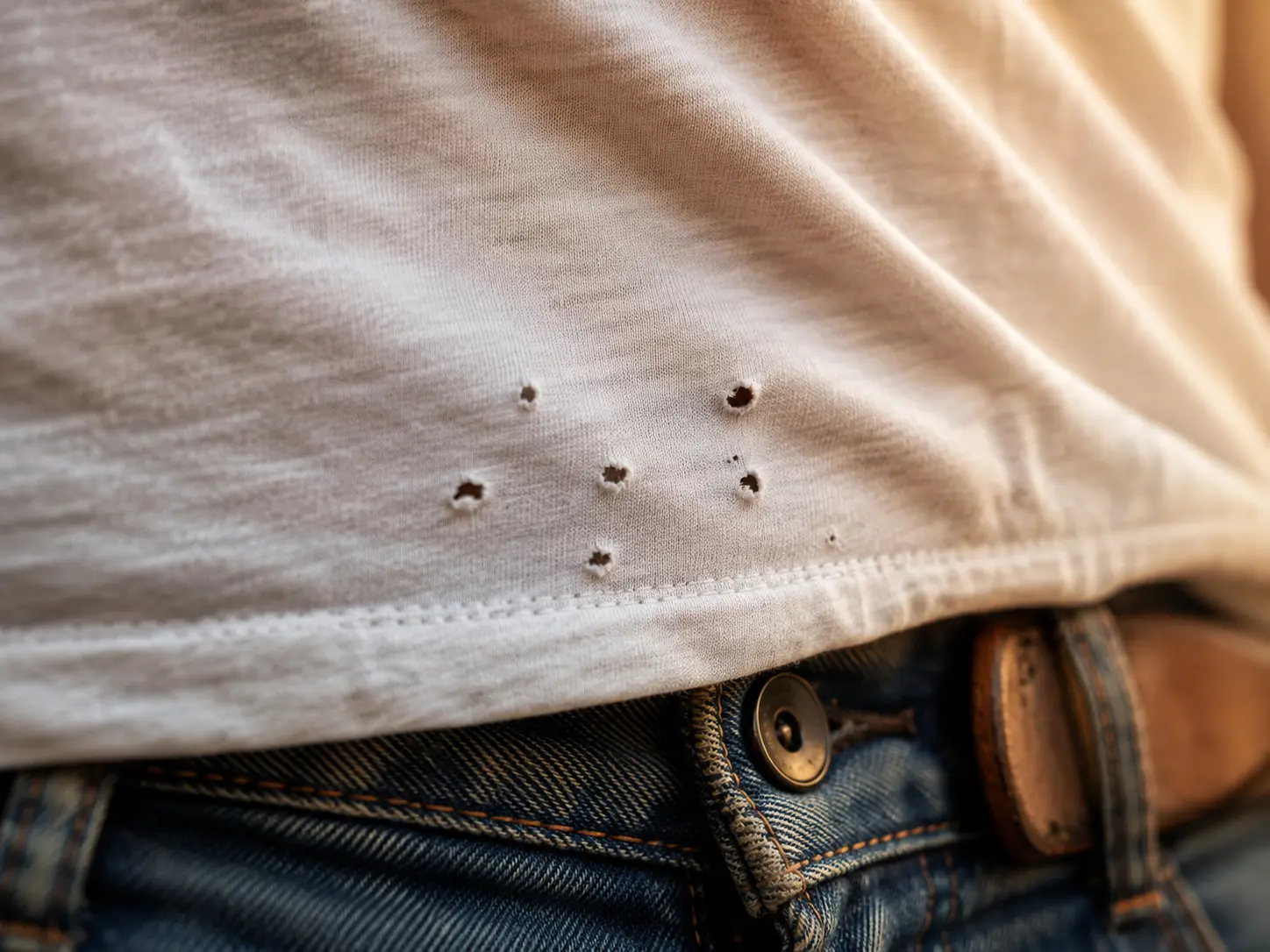
Those mysterious holes at the exact same spot
Why Do Shirts Get Tiny Holes Near the Belly Button?
Those tiny holes in your shirts are caused by friction — not moths or the washing machine. The main culprits are your jeans button, belt, and counter edges rubbing against thin fabric at the waist.
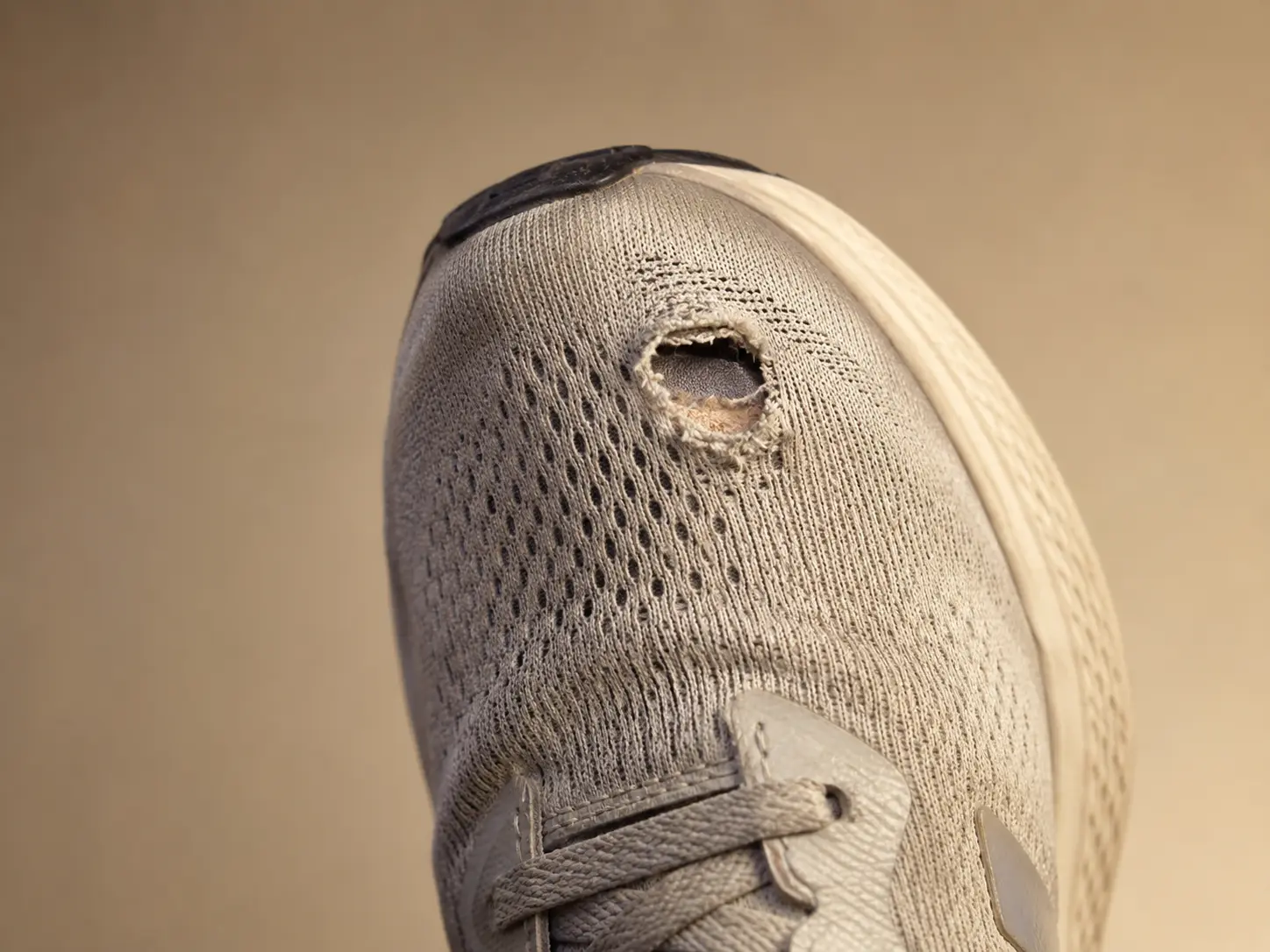
That hole in the same spot every time
Why Do Shoes Get Holes Above the Big Toe?
Holes above the big toe are usually caused by how your foot moves, not the shoe quality. The big toe lifts during toe-off and acts like a small saw on the mesh over thousands of steps.
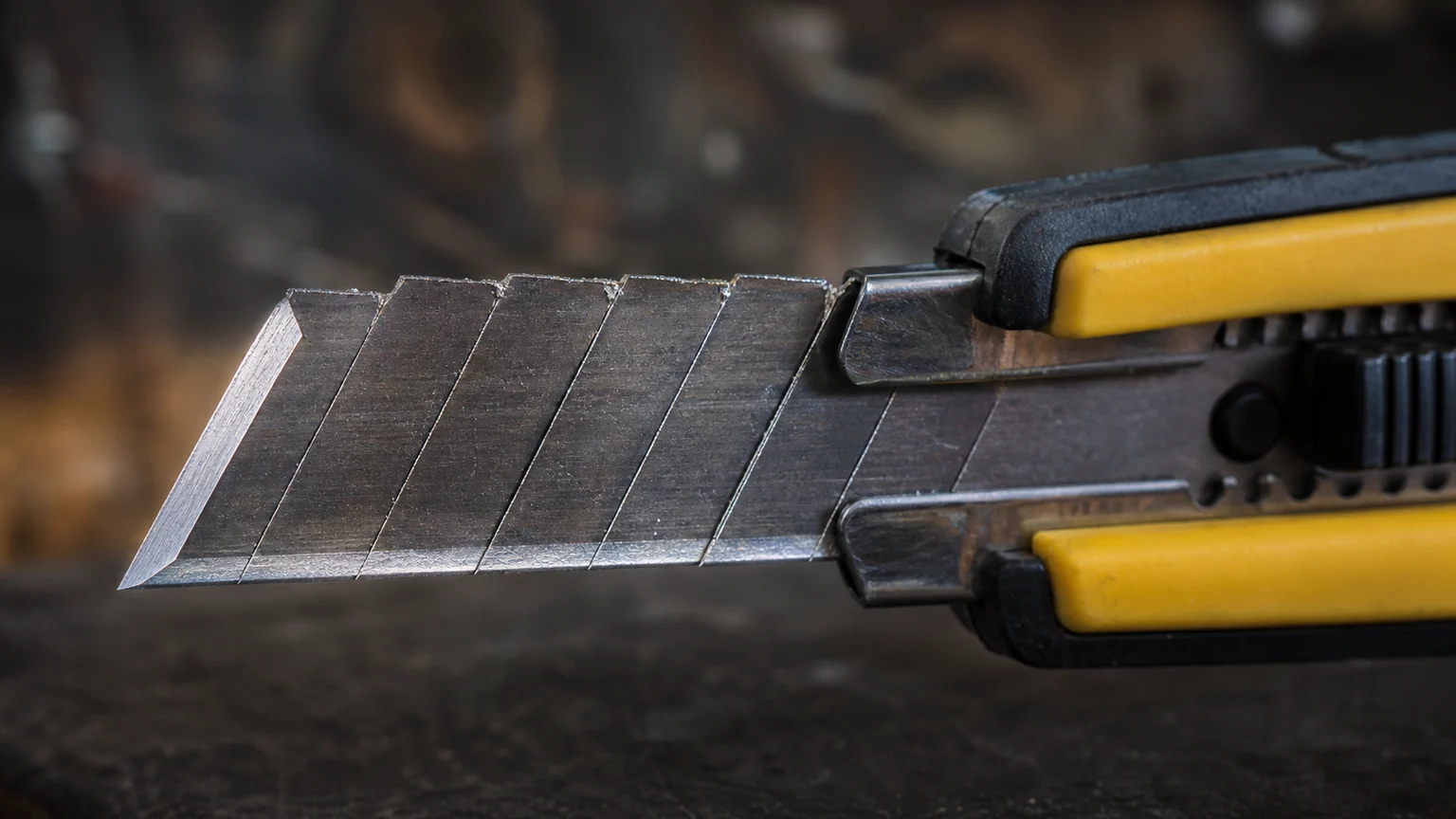
Everyday Objects
Why Do Utility Knives Have Snap-Off Blades?
Utility knife blades are pre-scored into segments so a dulled tip can be snapped off to instantly expose a fresh, sharp edge. The design was invented in Japan in the 1950s.
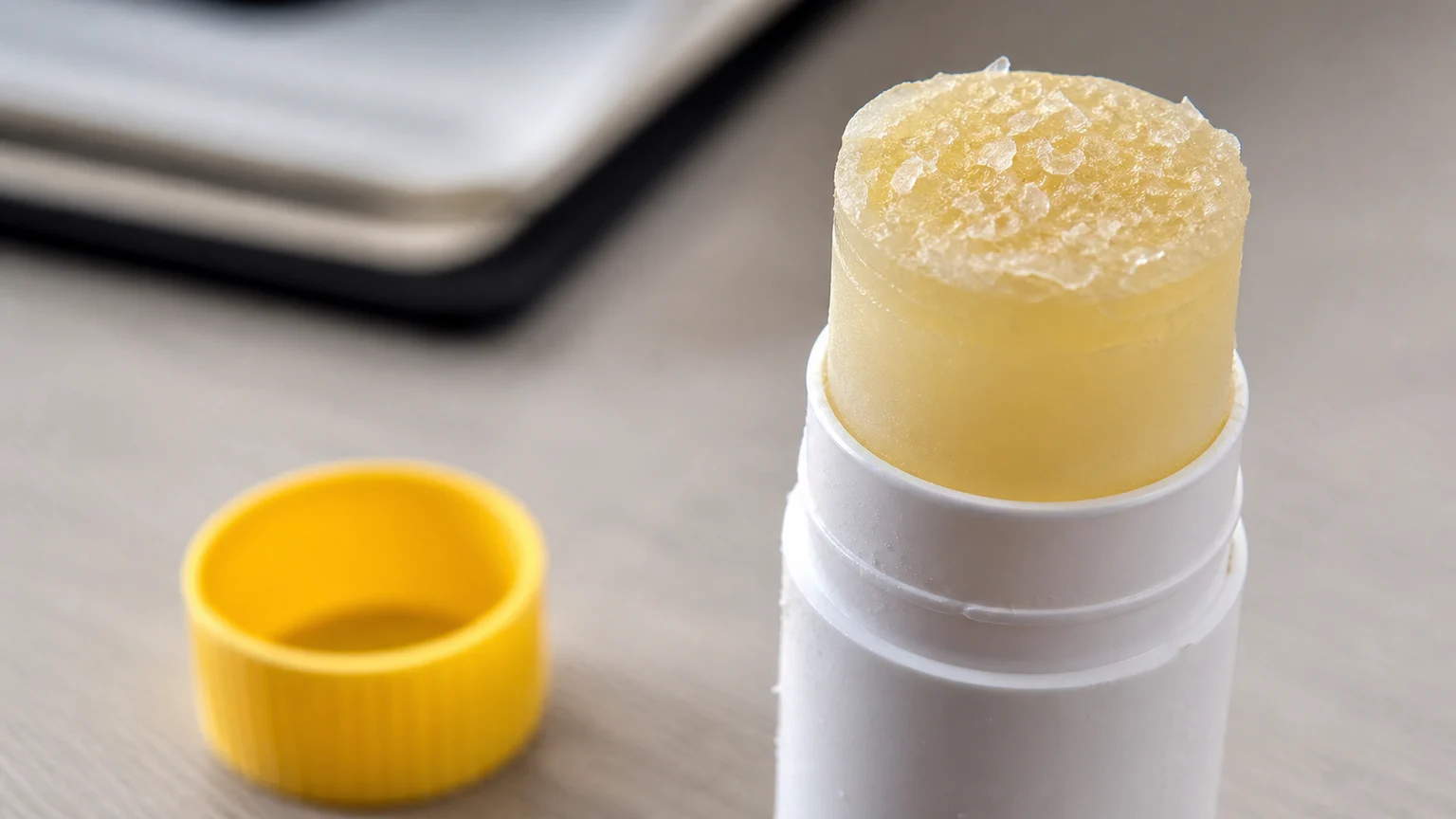
Everyday Objects
Why Do Glue Sticks Dry Out?
Glue sticks dry out because their water-based adhesive loses moisture to the air. Without water, the polymer mixture stiffens and can no longer bond surfaces.
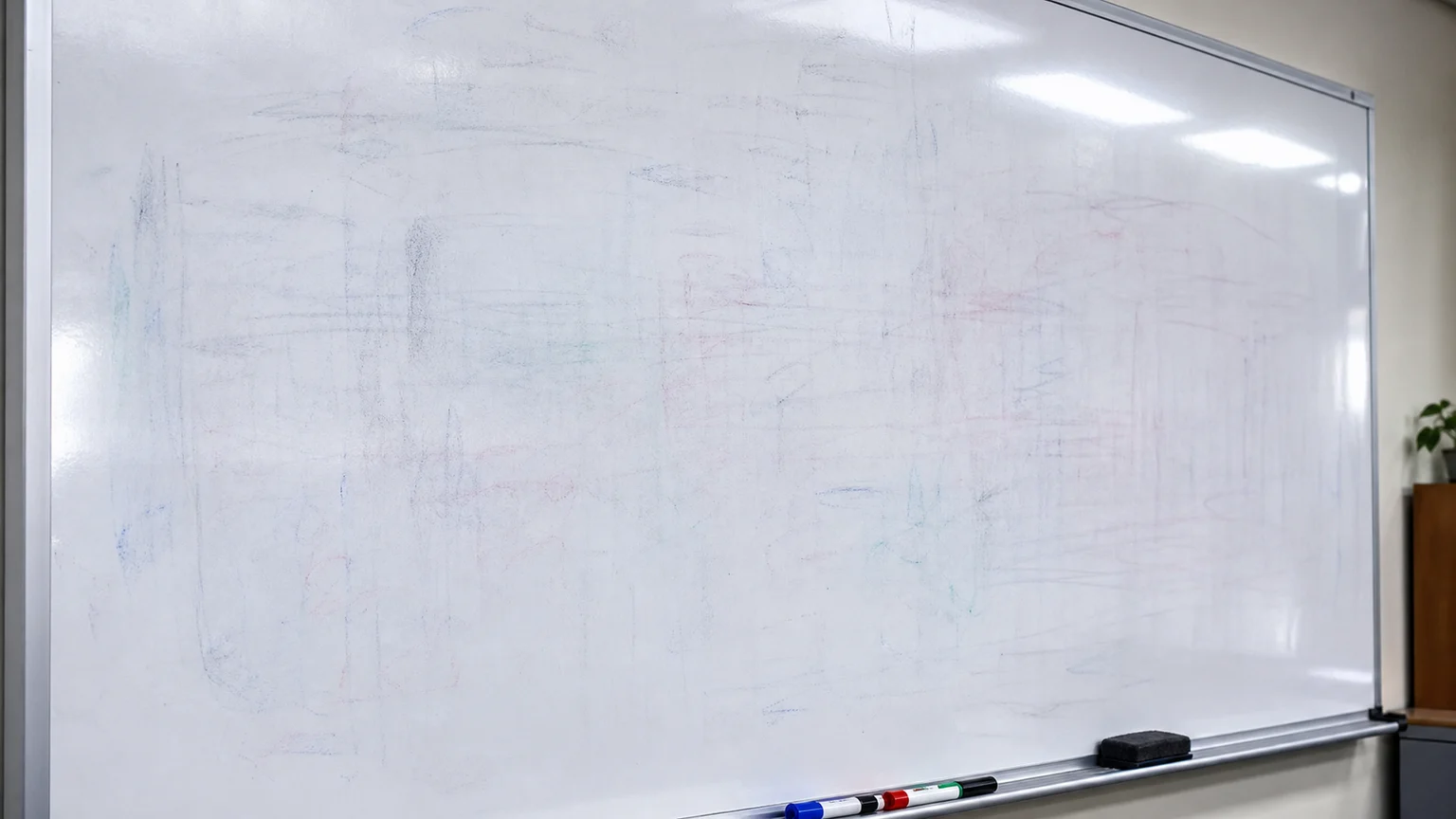
Everyday Objects
Why Do Whiteboards Stain Over Time?
Whiteboards stain because repeated erasing creates microscopic scratches in the surface coating. Dry erase ink settles into those scratches and cannot be removed by the eraser.
Everyday Objects
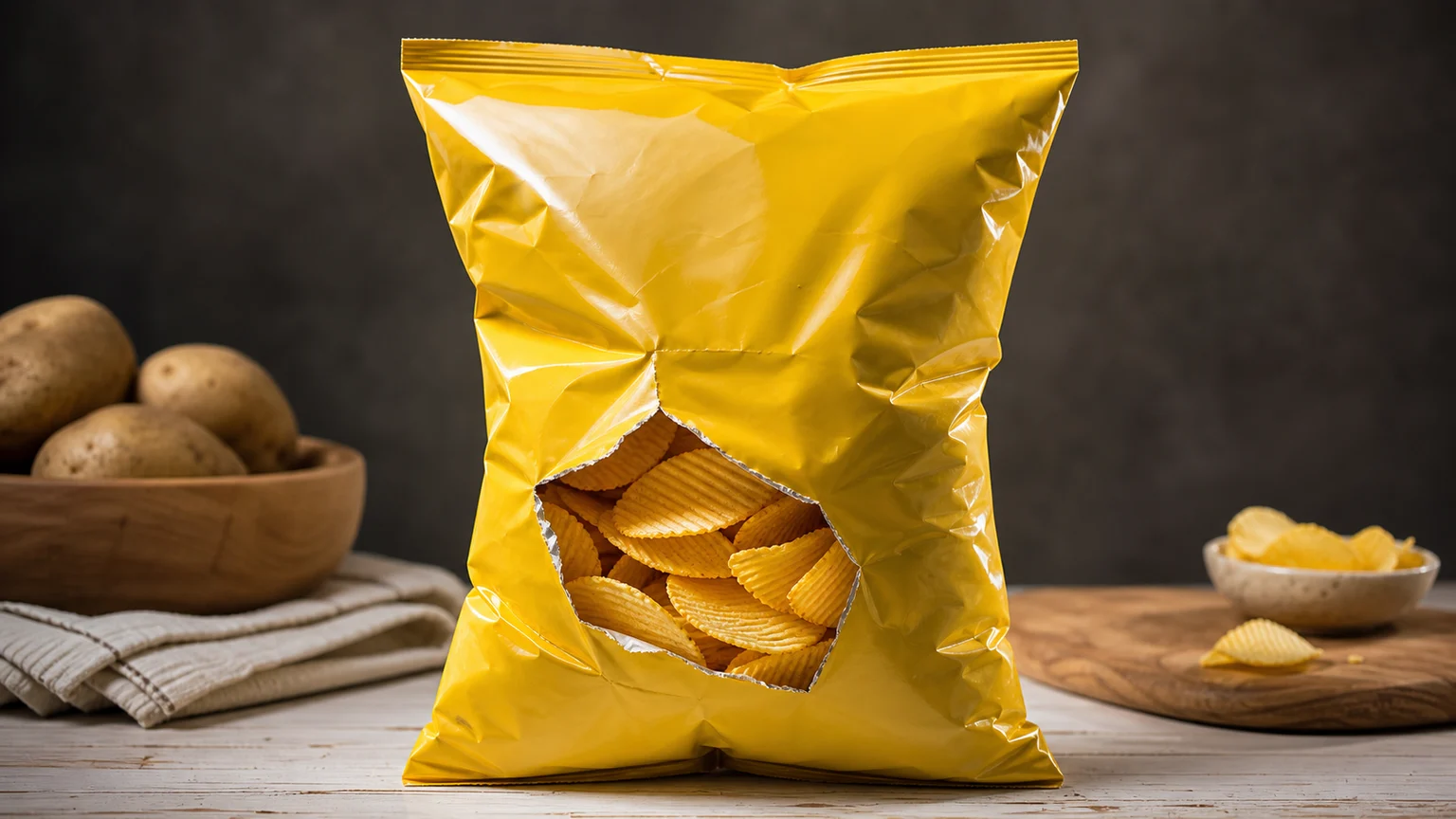
Why Do Chip Bags Have Air in Them?
Chip bags are filled with nitrogen gas, not regular air. The nitrogen cushions chips from crushing during shipping and prevents the oxidation that makes chips stale and rancid.
Everyday Objects
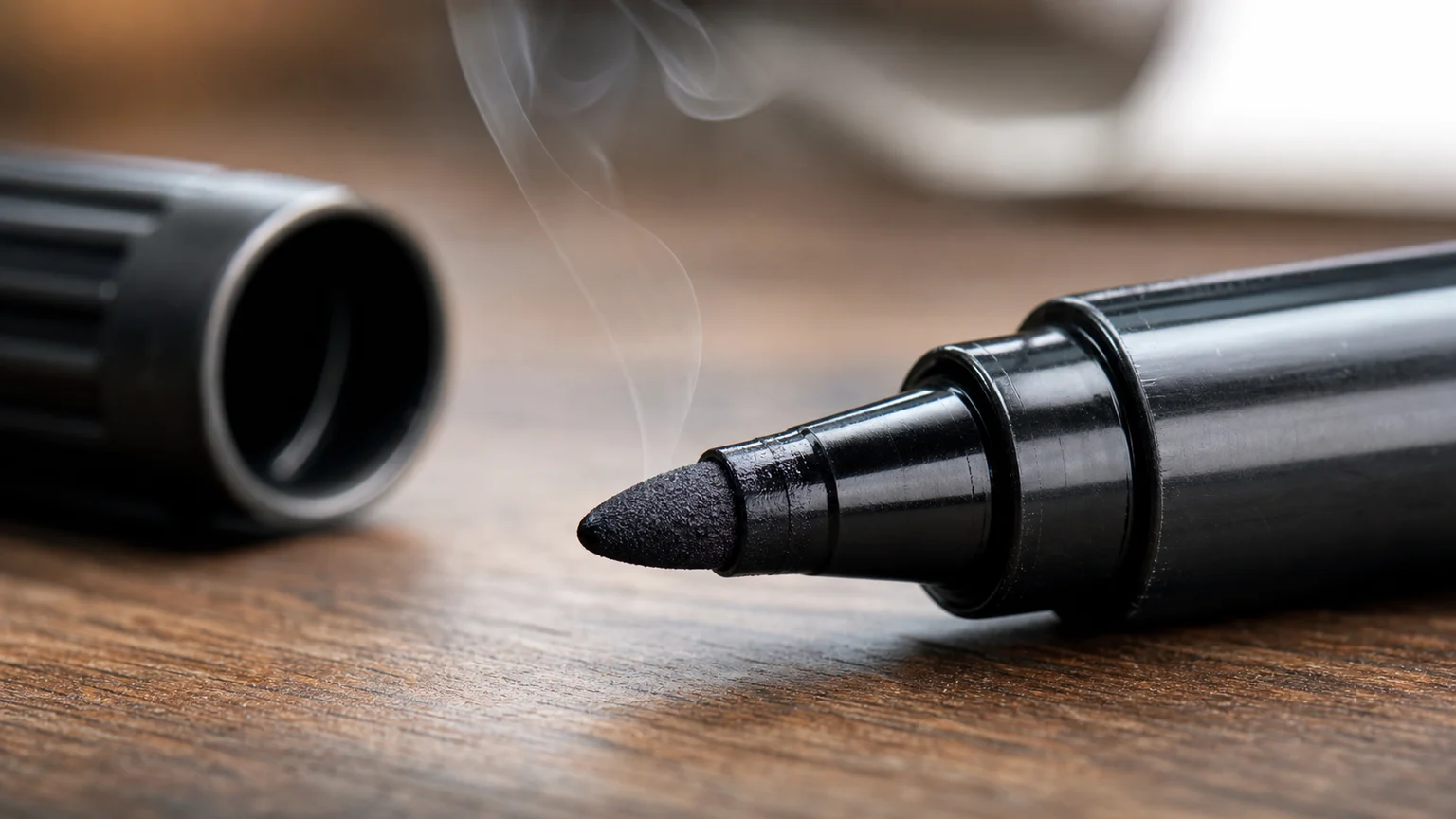
Why Do Permanent Markers Smell Strong?
Permanent markers smell strong because their ink is dissolved in fast-evaporating chemical solvents like xylene or toluene. The smell is those solvents evaporating as the ink dries.
Everyday Objects
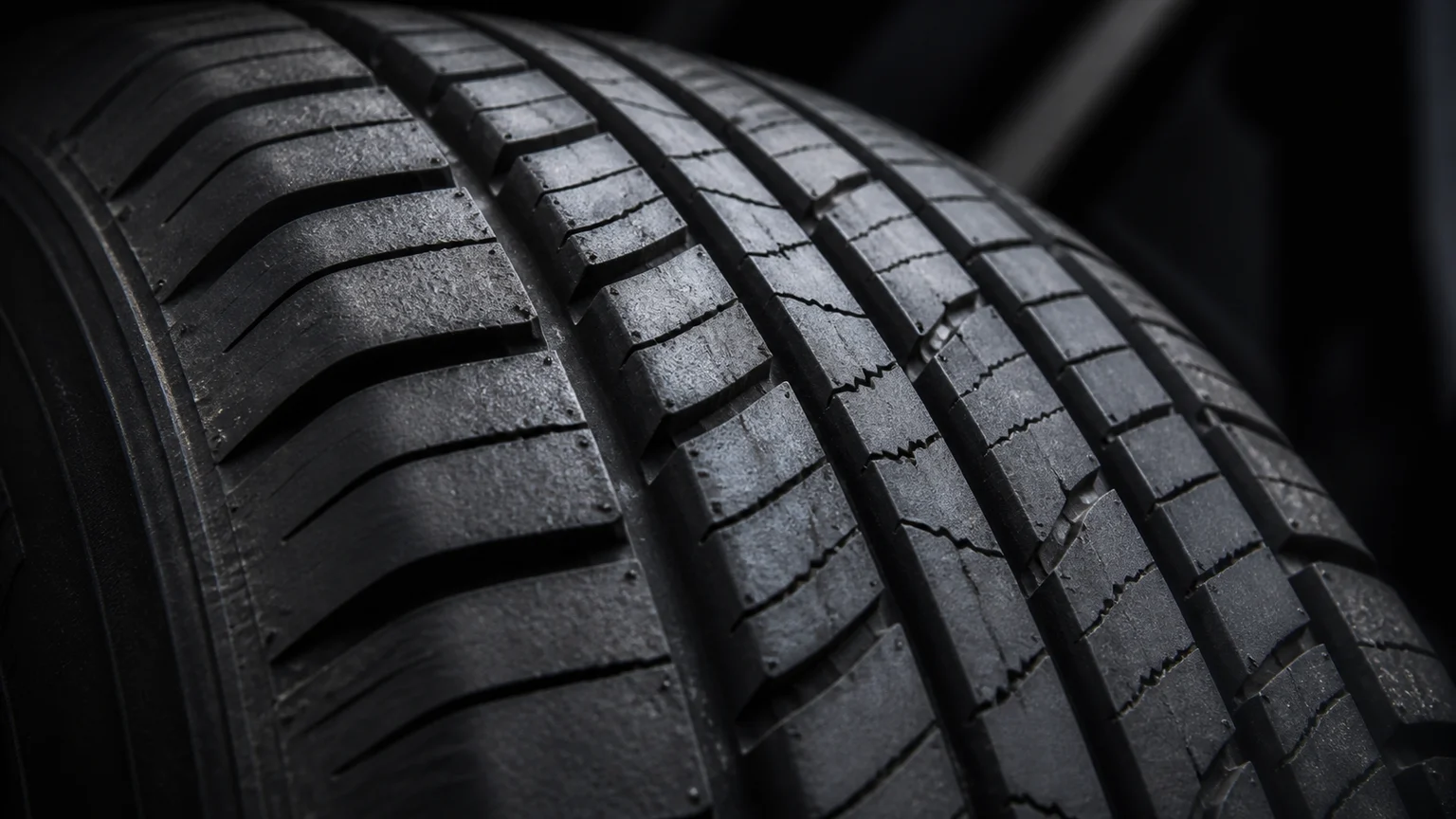
Why Are Car Tires Black?
Car tires are black because of carbon black, a fine powder added to rubber during manufacturing. Carbon black makes tires dramatically stronger, more heat-resistant, and longer-lasting. Natural rubber is off-white.
Everyday Objects
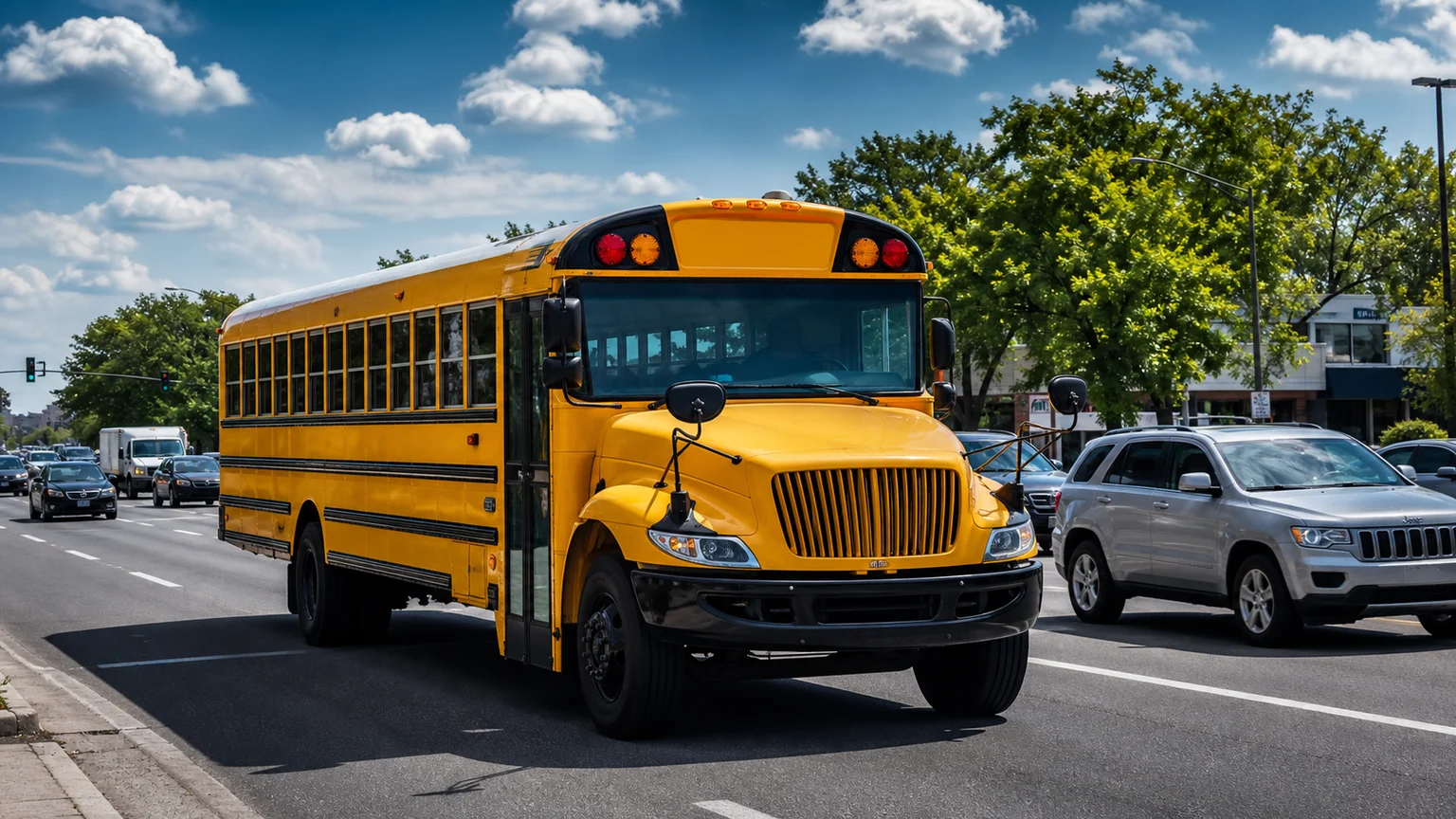
Why Are School Buses Yellow?
School buses are painted a specific shade called National School Bus Glossy Yellow because it was identified in 1939 as the most visible colour in peripheral vision and low-light conditions.
Everyday Objects
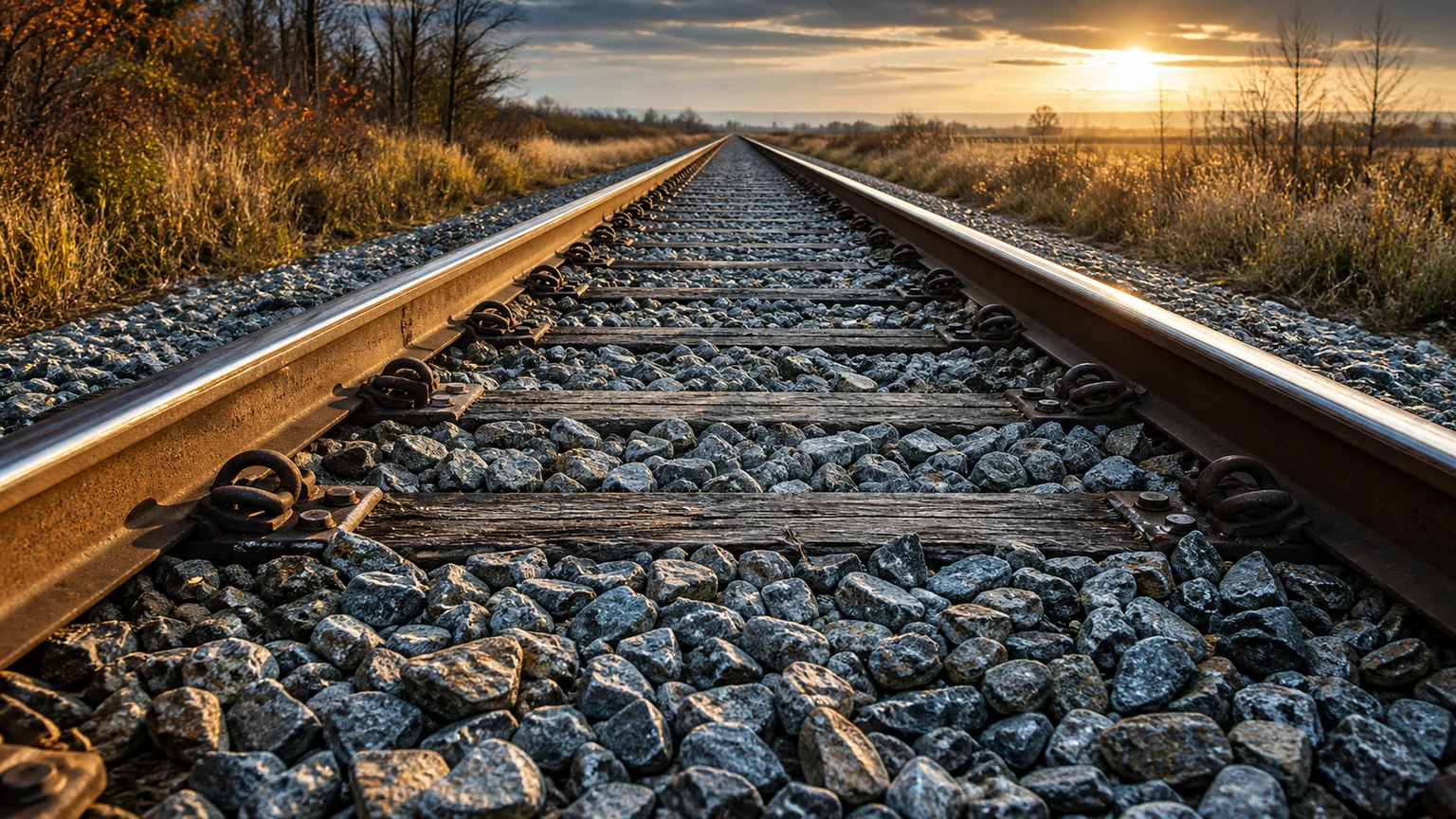
Why Do Train Tracks Have Stones Under Them?
The stones under train tracks are called ballast. They lock the track in position, drain water away, distribute the enormous weight of trains, and absorb vibration.
Everyday Objects
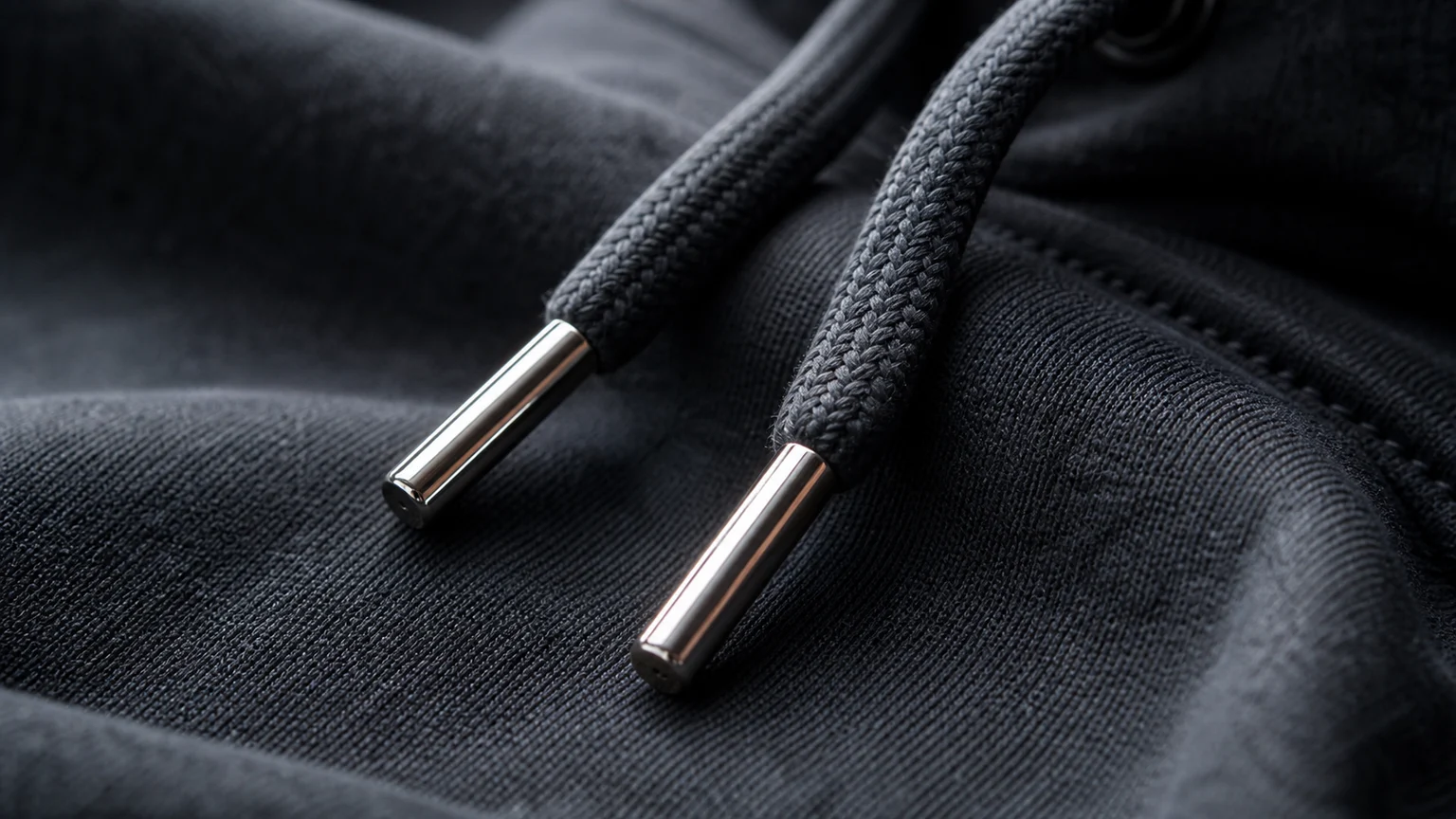
Why Do Hoodies Have Metal Tips on Strings?
The metal or plastic tips on hoodie drawstrings are called aglets. They prevent the cord end from fraying and make it easy to thread the string back through the hood channel after washing.
Everyday Objects
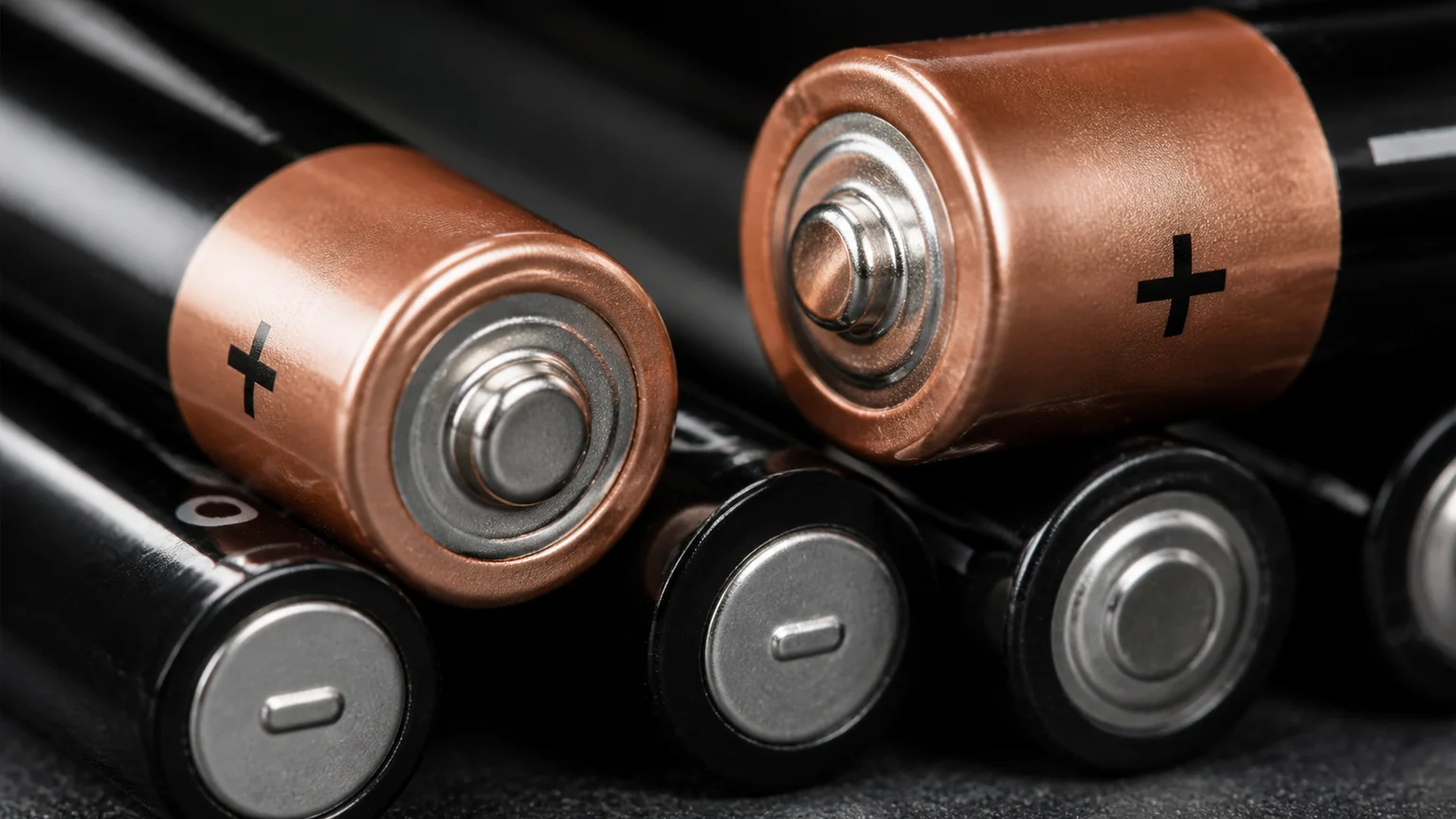
Why Do Batteries Have Plus and Minus Signs?
The plus and minus signs on a battery mark its positive and negative terminals. They show which direction current flows so devices receive electricity correctly.
Everyday Objects
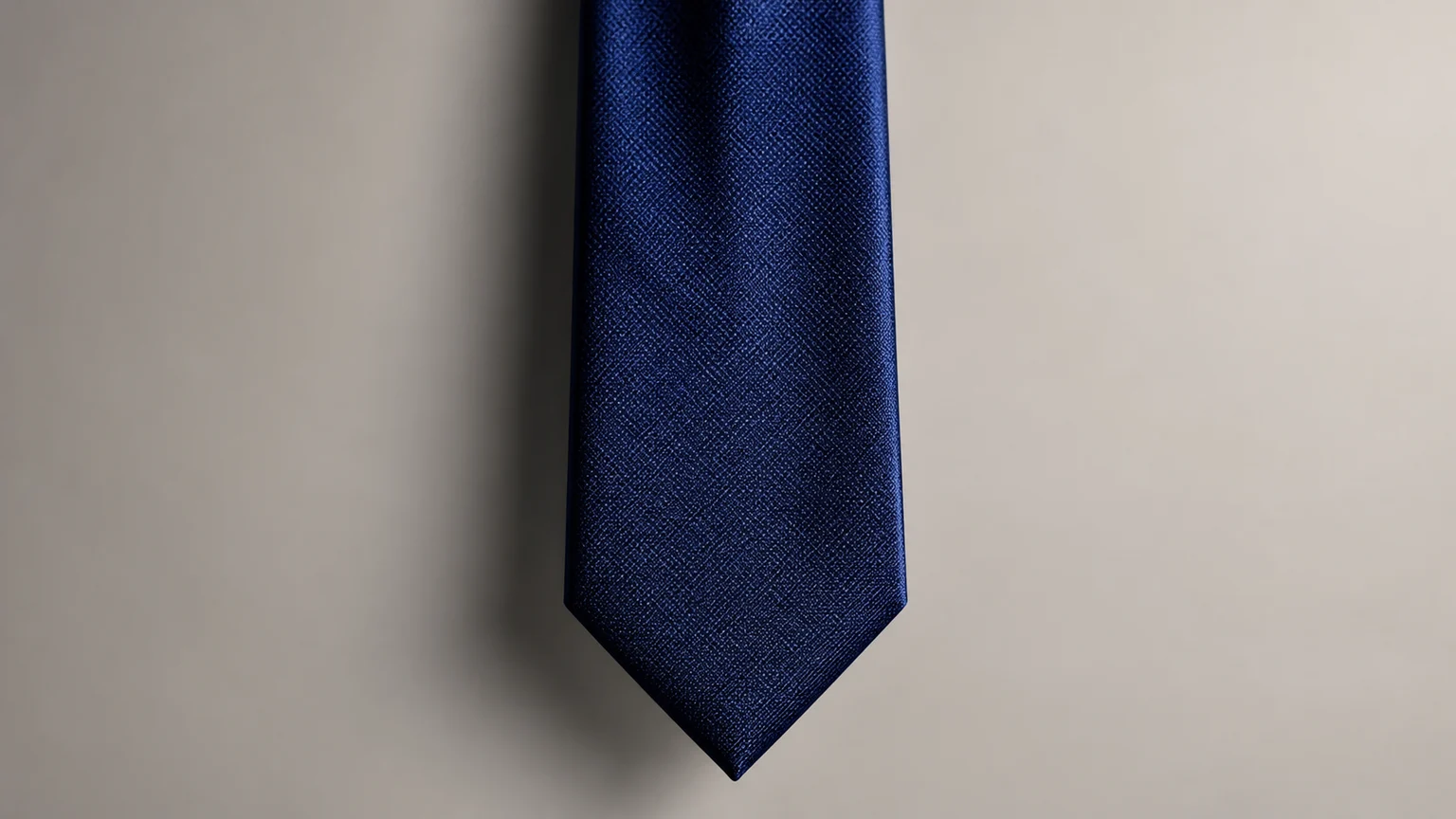
Why Are Ties Shaped Like Arrows?
Neckties are wider at the front and taper to a point because the shape is created by cutting fabric on a diagonal bias. The bias cut gives the tie its drape, stretch, and knot-holding ability.
Everyday Objects
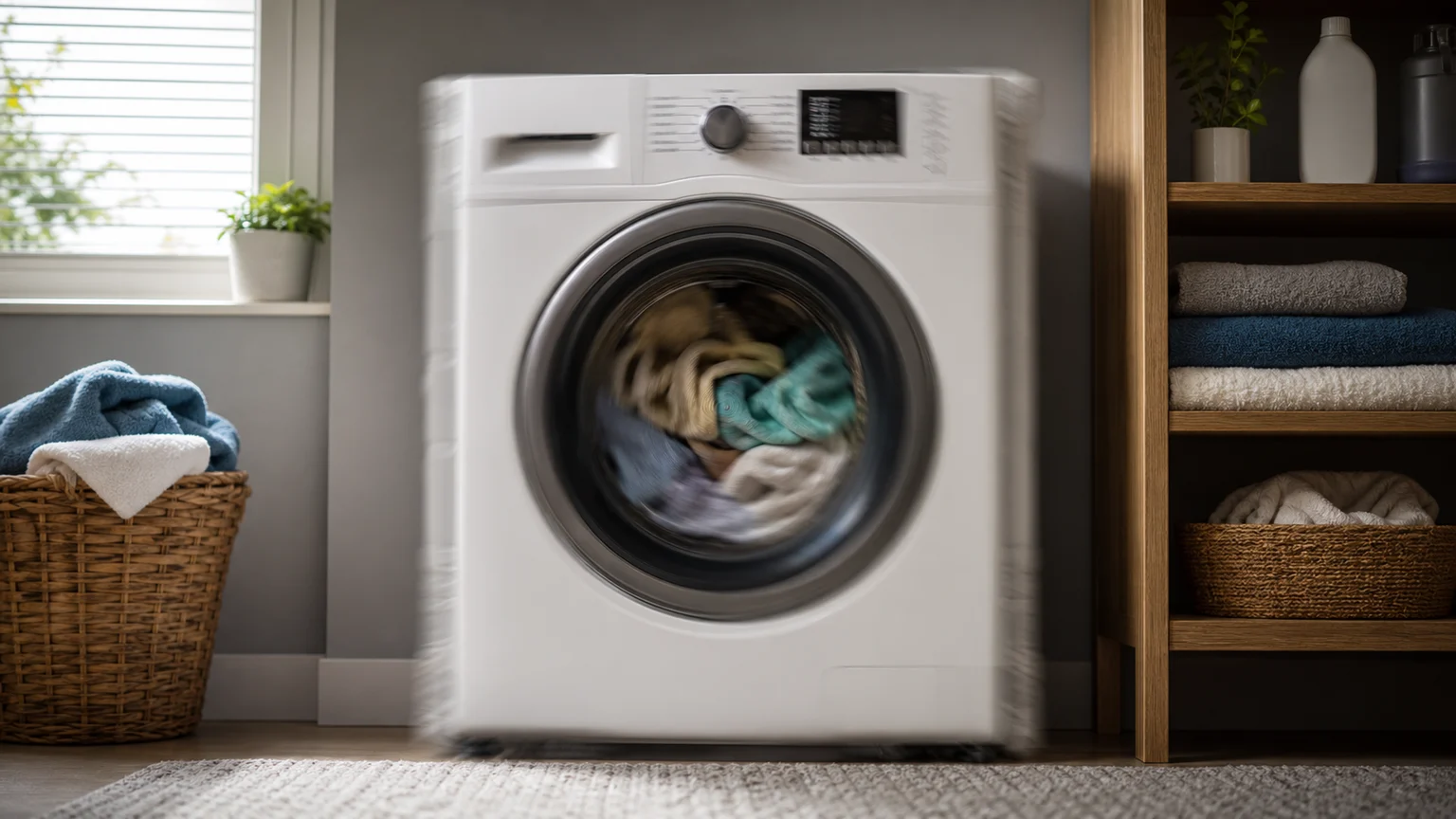
Why Do Washing Machines Shake?
Washing machines shake because wet laundry clumps unevenly inside the drum during spinning. This imbalance causes the drum to wobble and vibrate at high speed, transferring movement to the machine's body.
Everyday Objects
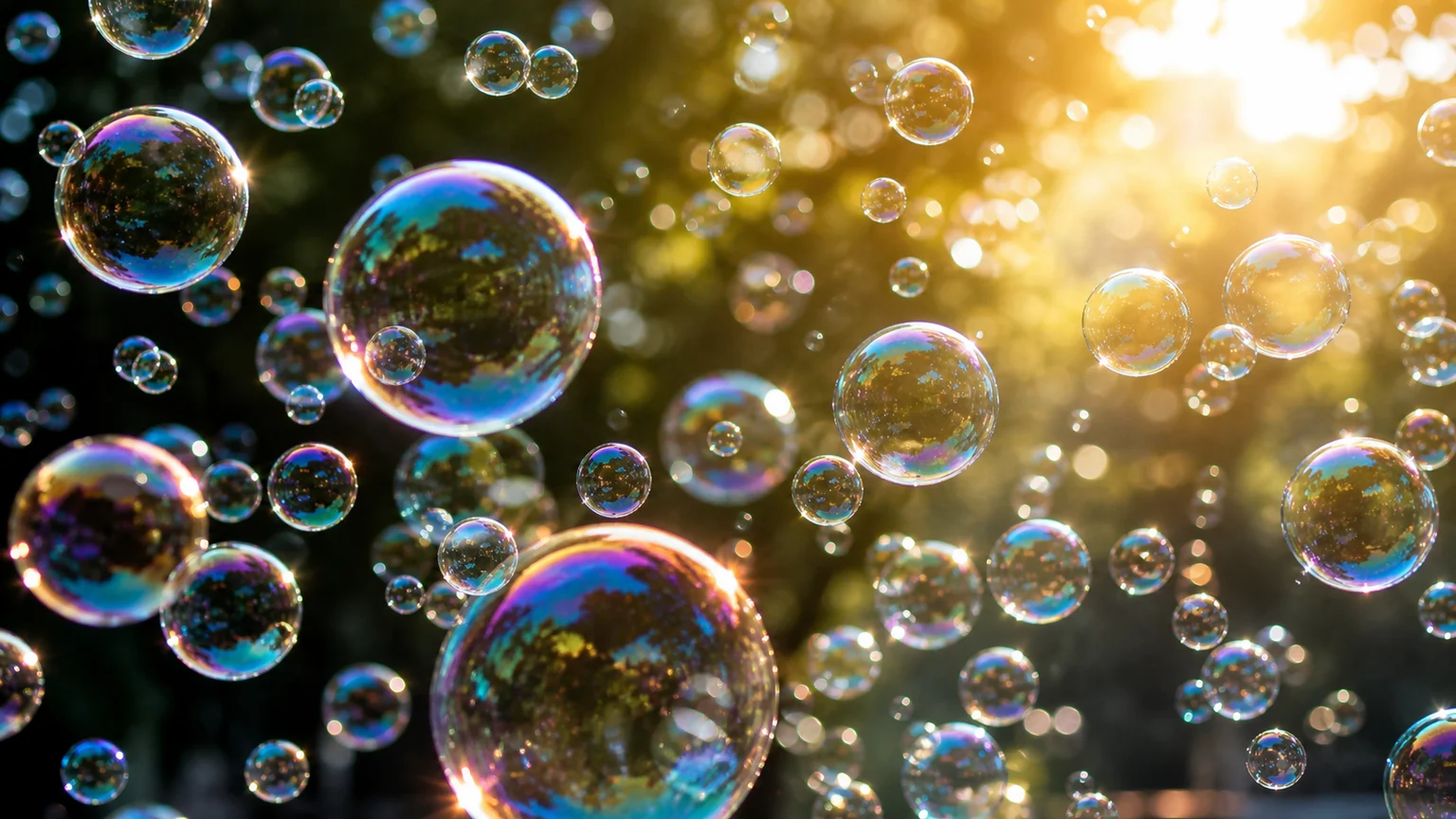
Why Does Soap Make Bubbles?
Soap makes bubbles by reducing water's surface tension and forming a flexible two-layer molecular film that can trap air. Each bubble is a thin soap-water-soap sandwich stretched around a pocket of air.

Philosophy & Thinkers
Why Didn't Socrates Write Any Books?
The man who shaped Western philosophy left behind zero pages of his own writing.
Philosophy & Thinkers
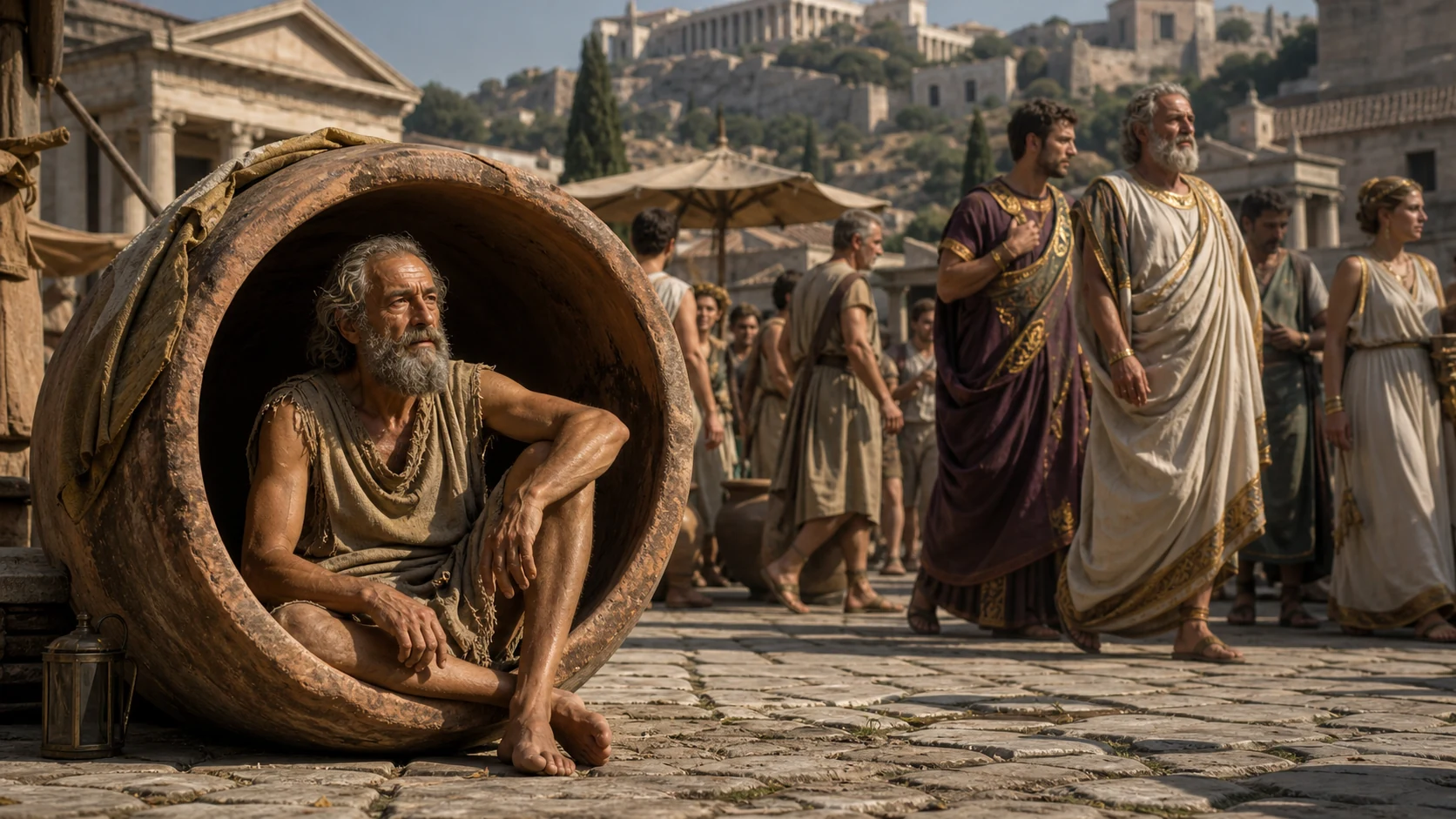
Why Did Diogenes Live in a Barrel?
He rejected comfort, money, and social convention to make a philosophical point that still resonates.

Philosophy & Thinkers
Why Did Confucius Become So Influential?
He spent most of his life as a failure. Then his ideas ran a civilization for two thousand years.

Philosophy & Thinkers
Why Did Darwin Wait Years Before Publishing Evolution?
He had the theory that would change science forever. He sat on it for twenty years.

Philosophy & Thinkers
Why Was Nietzsche Misunderstood by So Many People?
His ideas were hijacked, twisted, and weaponized in ways he would have found appalling.
Philosophy & Thinkers
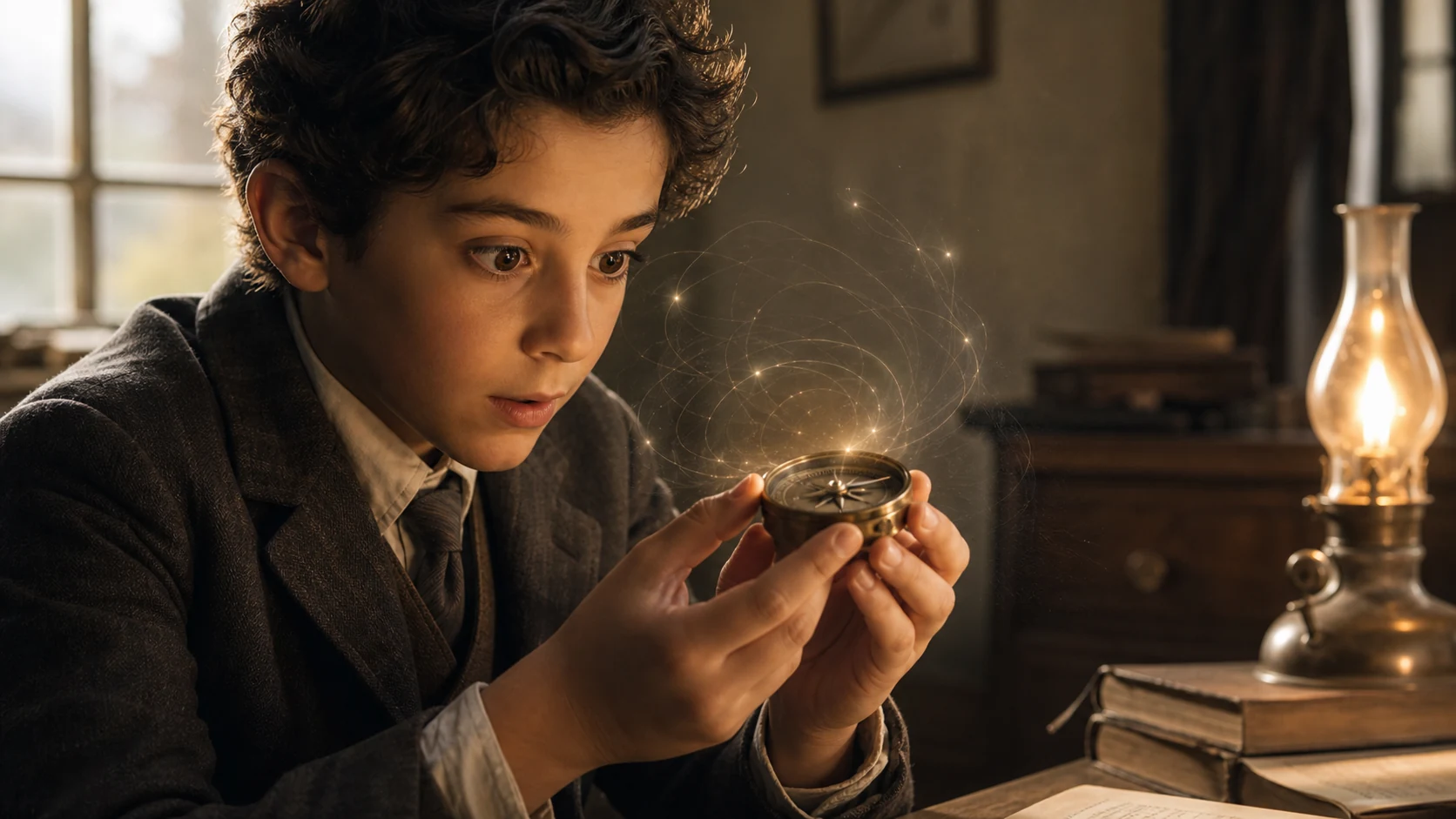
Why Was Einstein Fascinated by a Compass as a Child?
A small red needle pointing north gave a five-year-old a question he spent his life answering.
Science & Discovery
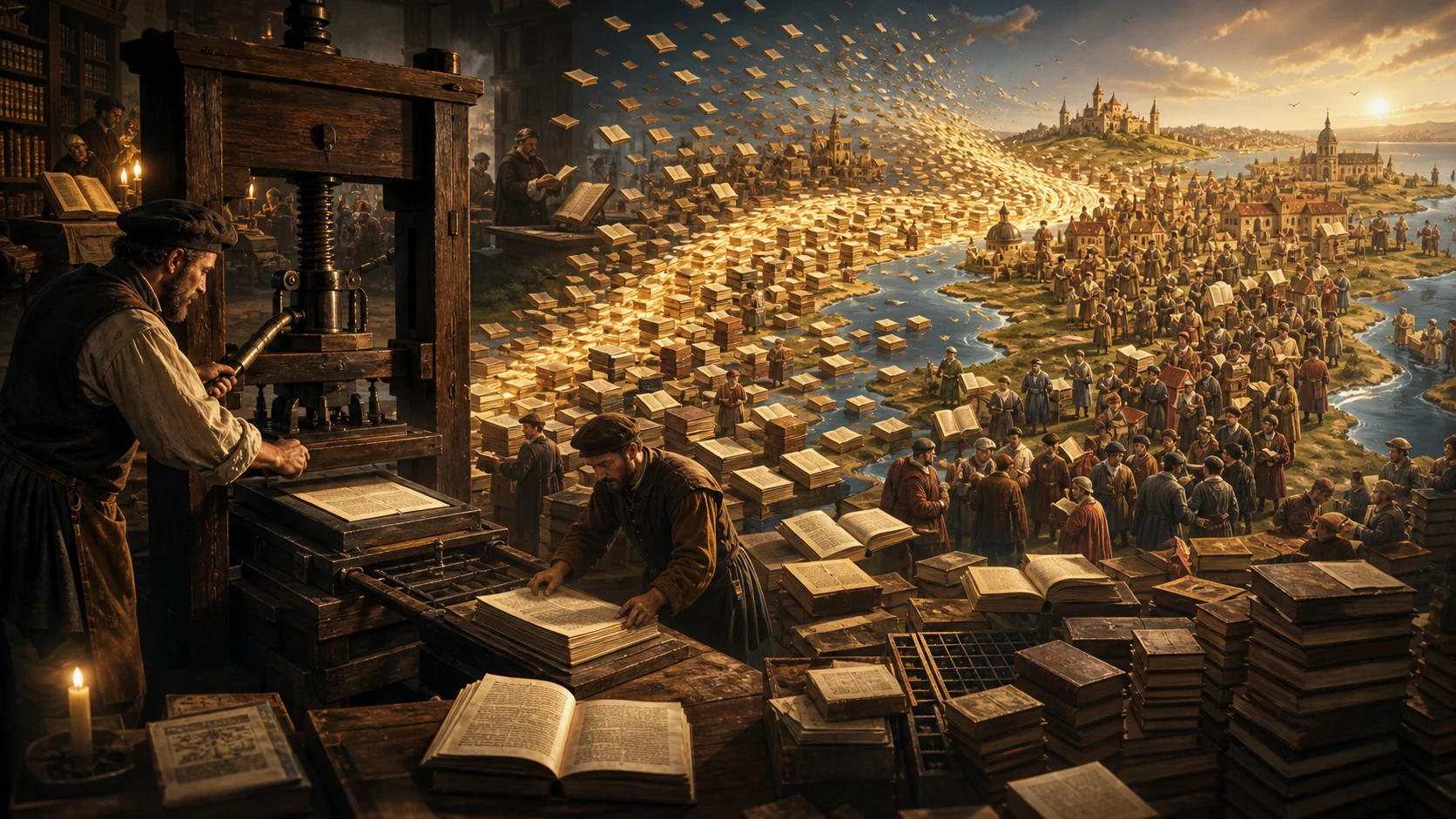
Why Did Human Knowledge Explode After the Printing Press?
Before Gutenberg, a single book could cost as much as a house. Then everything changed.
Science & Discovery
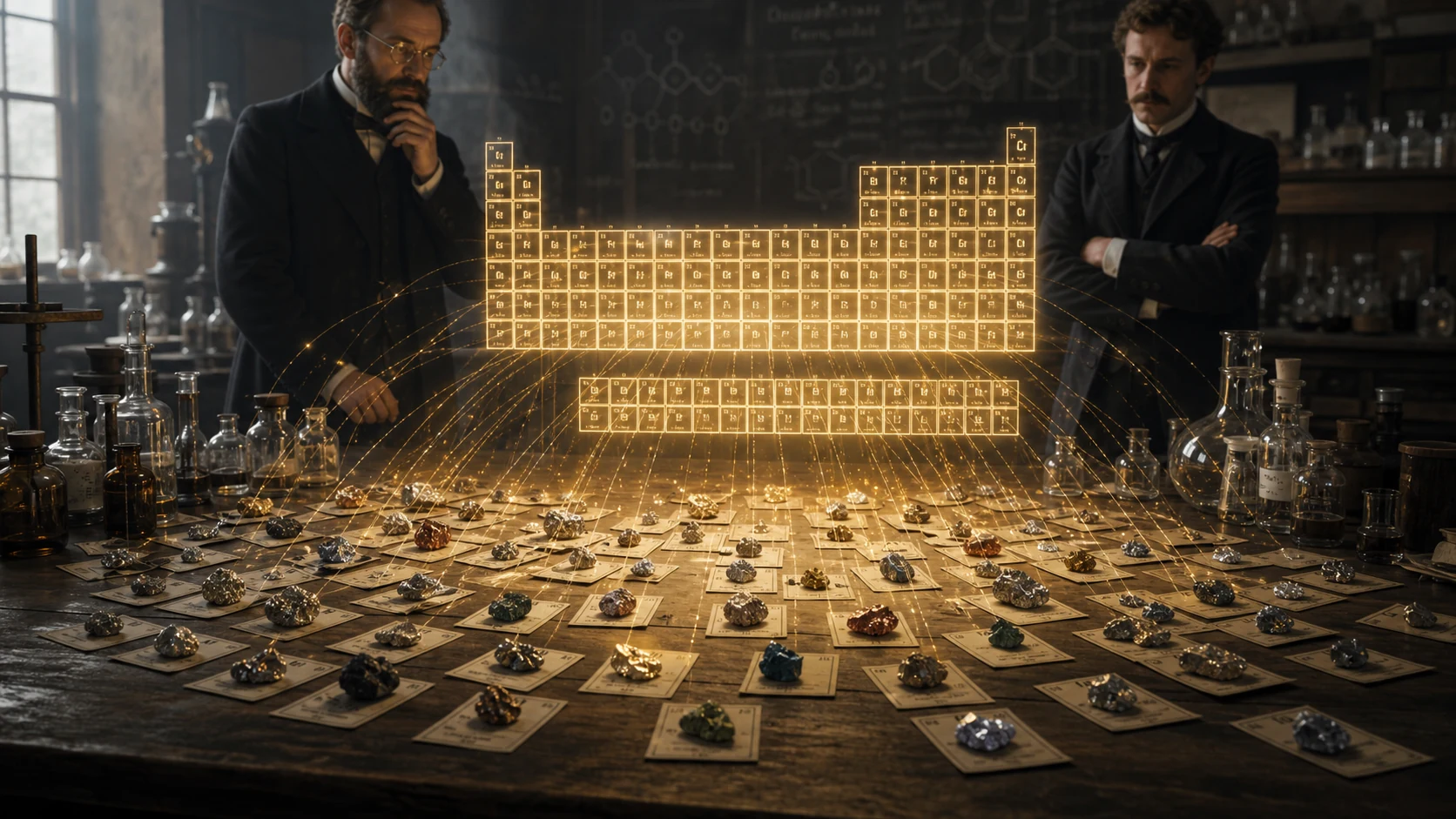
Why Did the Periodic Table Change Science?
It did not just organize chemistry. It predicted the future.

Science & Discovery
How Did Vaccines Transform Human History?
Smallpox killed three hundred million people in the twentieth century alone. Vaccines made it extinct.
Science & Discovery
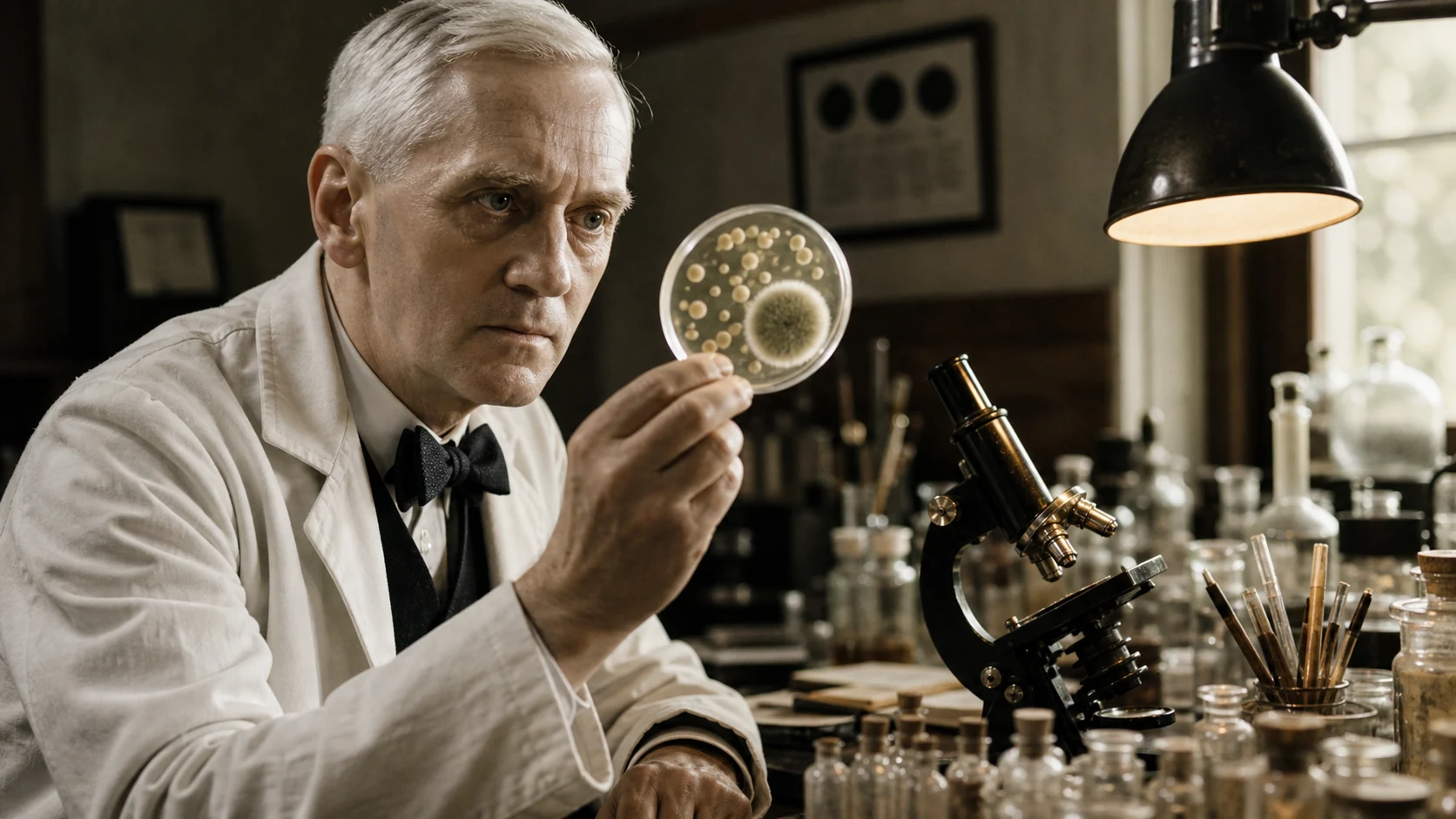
Why Was Penicillin Such a Breakthrough?
Before 1940, a scratch could kill you. After 1943, it almost certainly wouldn't.
Science & Discovery
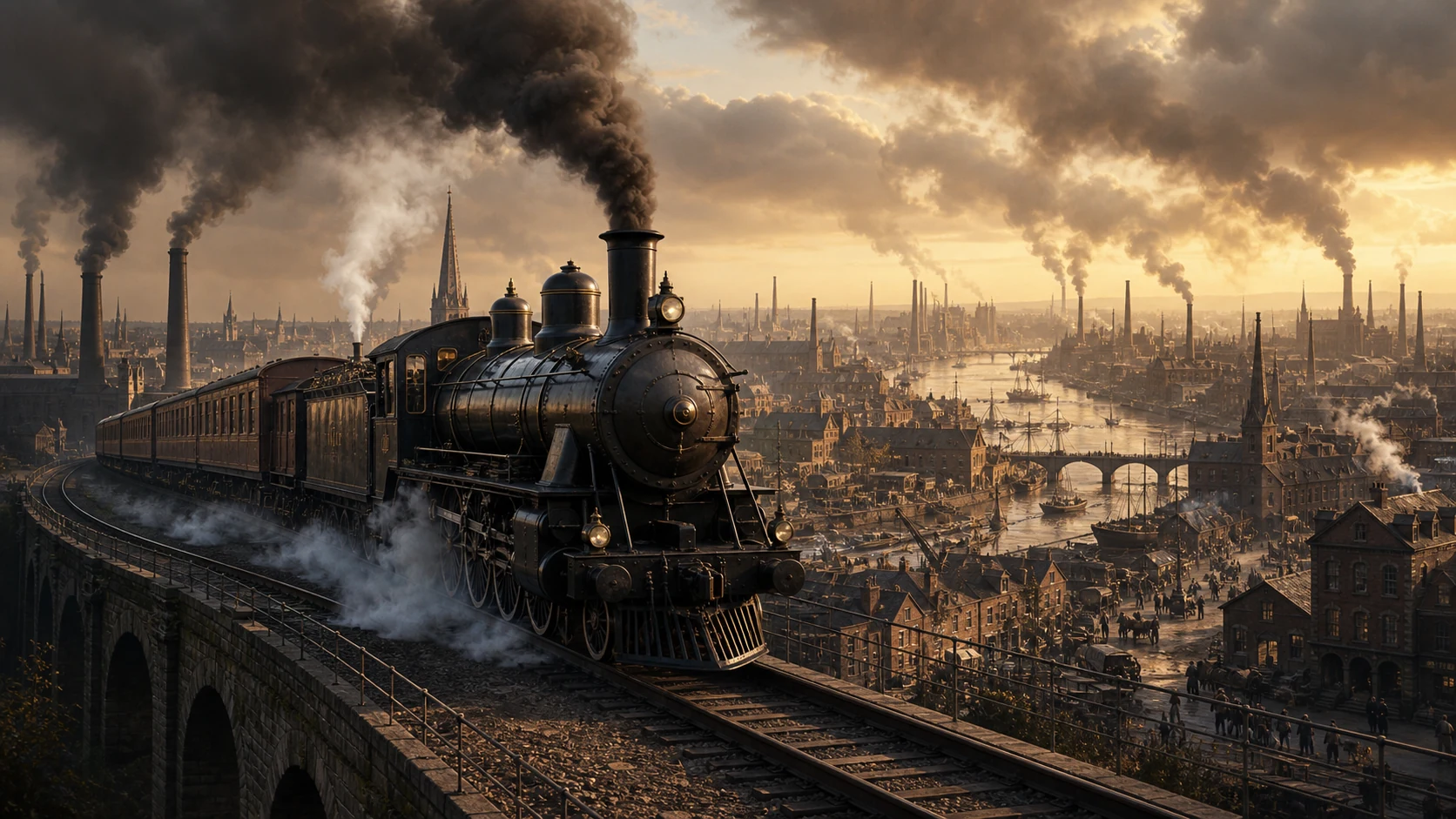
How Did the Steam Engine Change Civilization?
For all of human history, the only energy sources were muscle, wind, and water. Then everything changed.
Science & Discovery
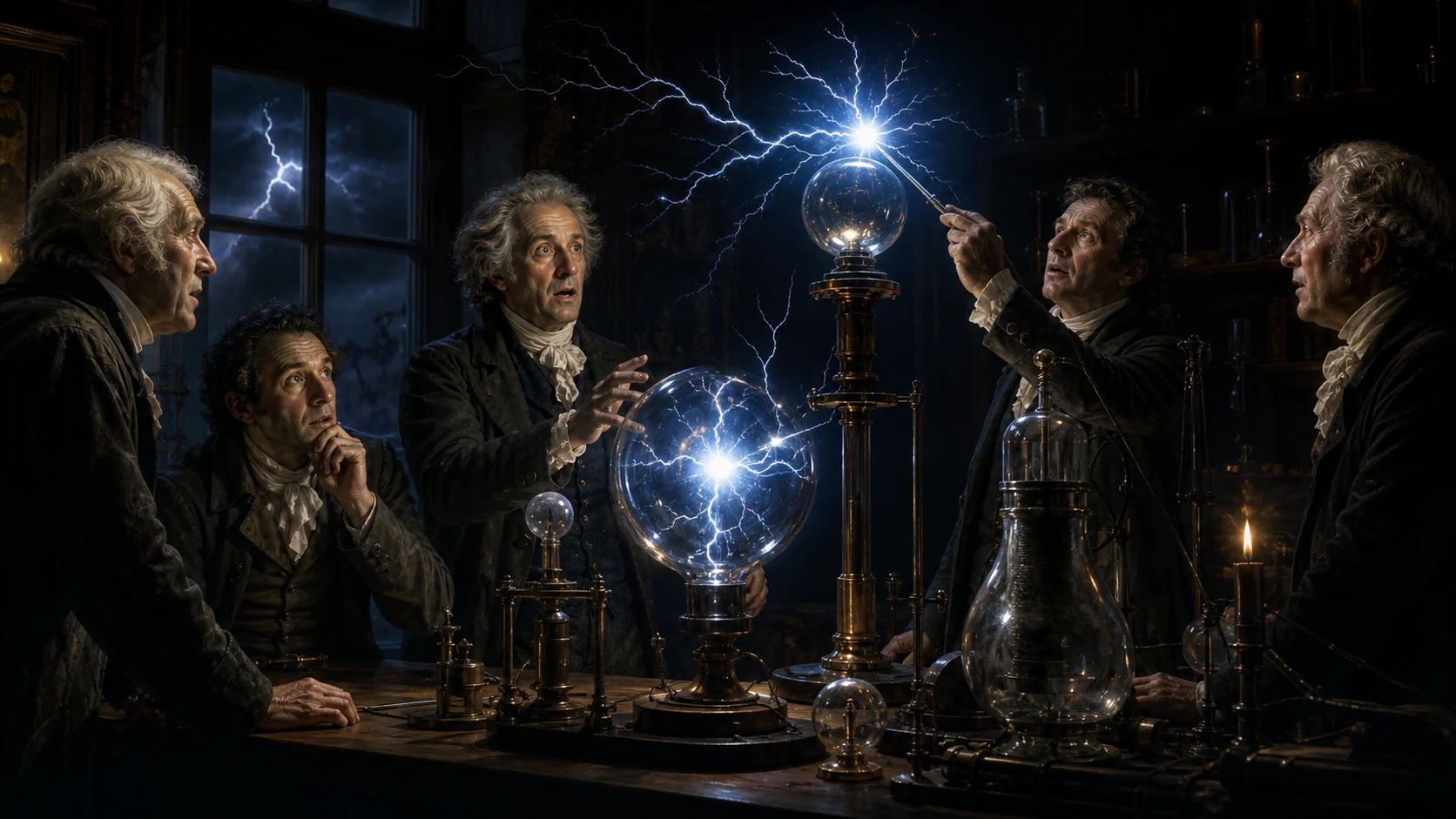
Why Was Electricity Hard to Understand for Centuries?
Humans observed it in lightning, in static, in electric fish. Understanding it took two thousand years.

Science & Discovery
Why Did the Internet Spread So Quickly?
It took radio 38 years to reach 50 million users. The internet took 4 years.
Inventions & Technology
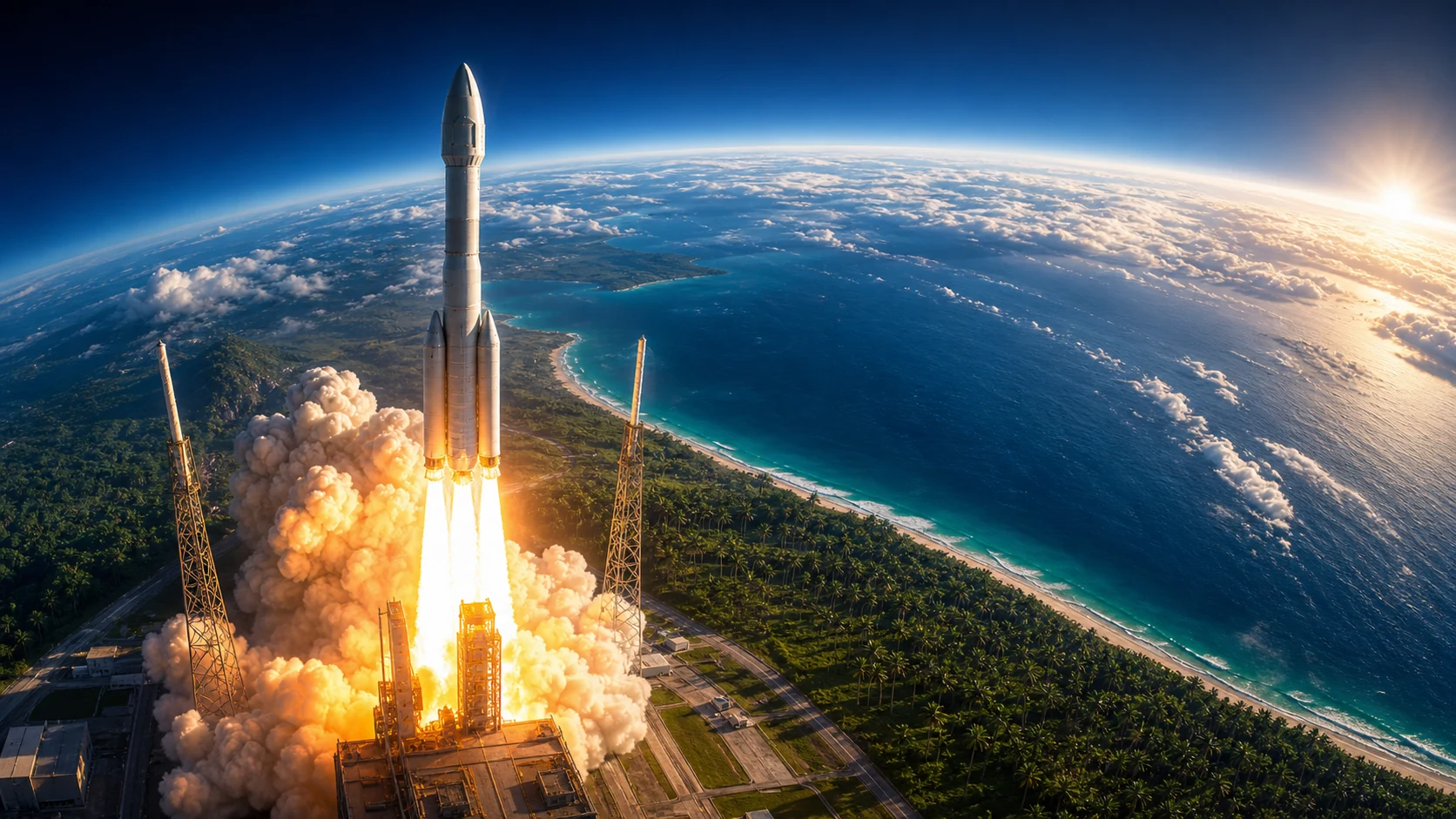
Why Are Rockets Launched Near the Equator?
The Earth is spinning. Rockets know how to use that.
Inventions & Technology
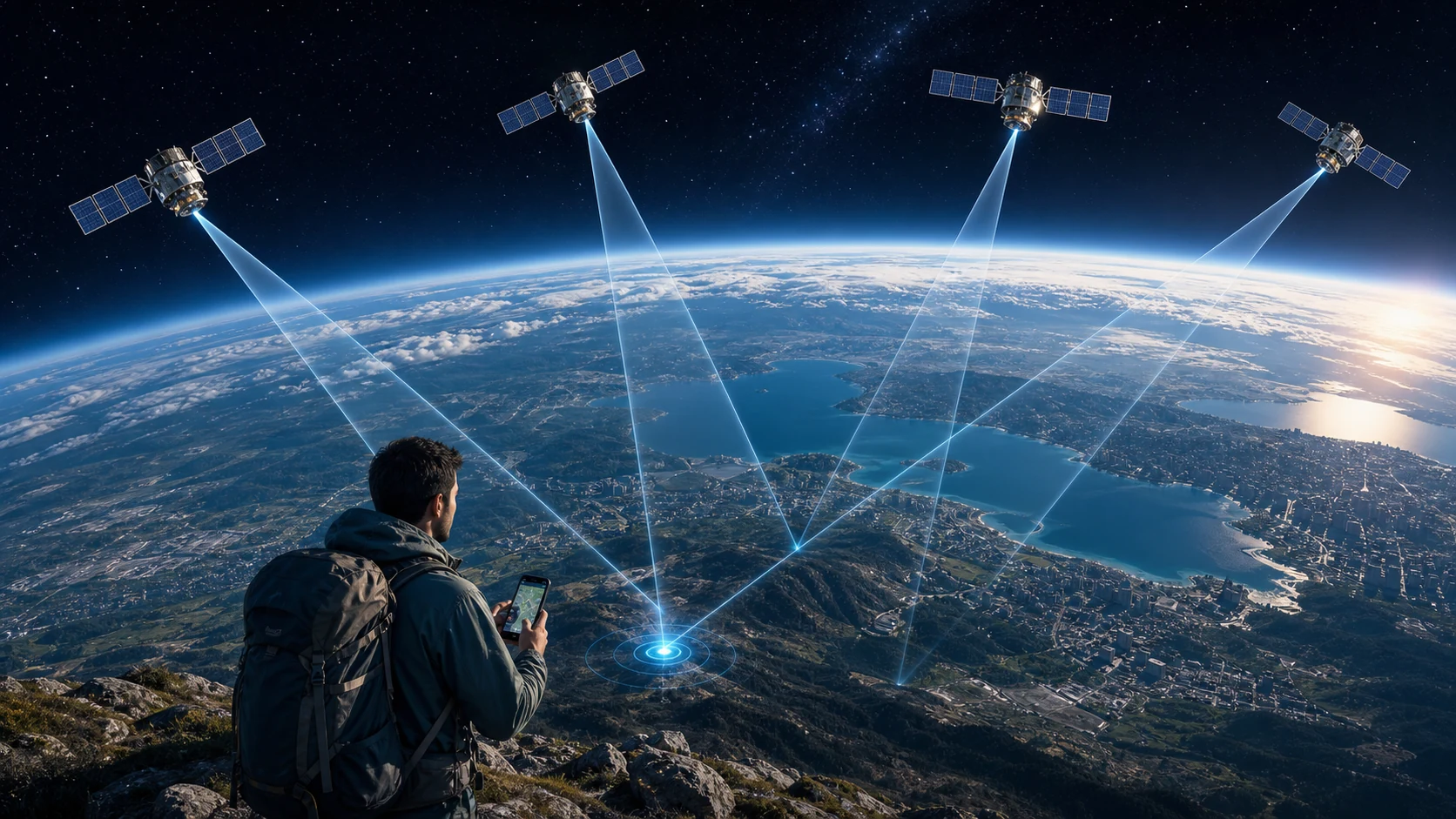
Why Are GPS Satellites So Accurate?
Your phone knows where you are to within a few meters. The reason involves Einstein.
Inventions & Technology
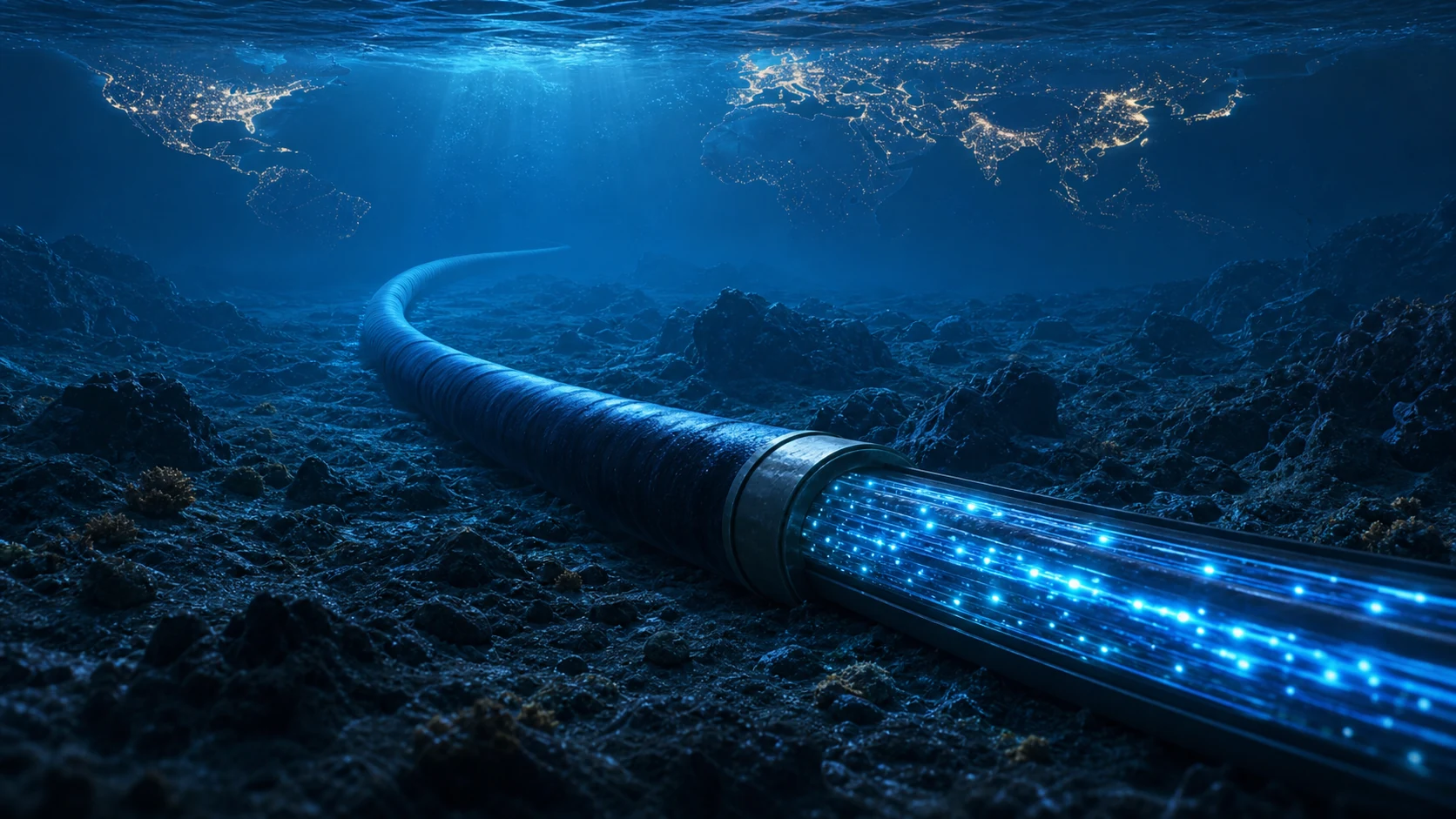
How Do Undersea Cables Connect the World?
The internet does not travel through air. It travels along 1.3 million kilometers of cable on the ocean floor.
Inventions & Technology
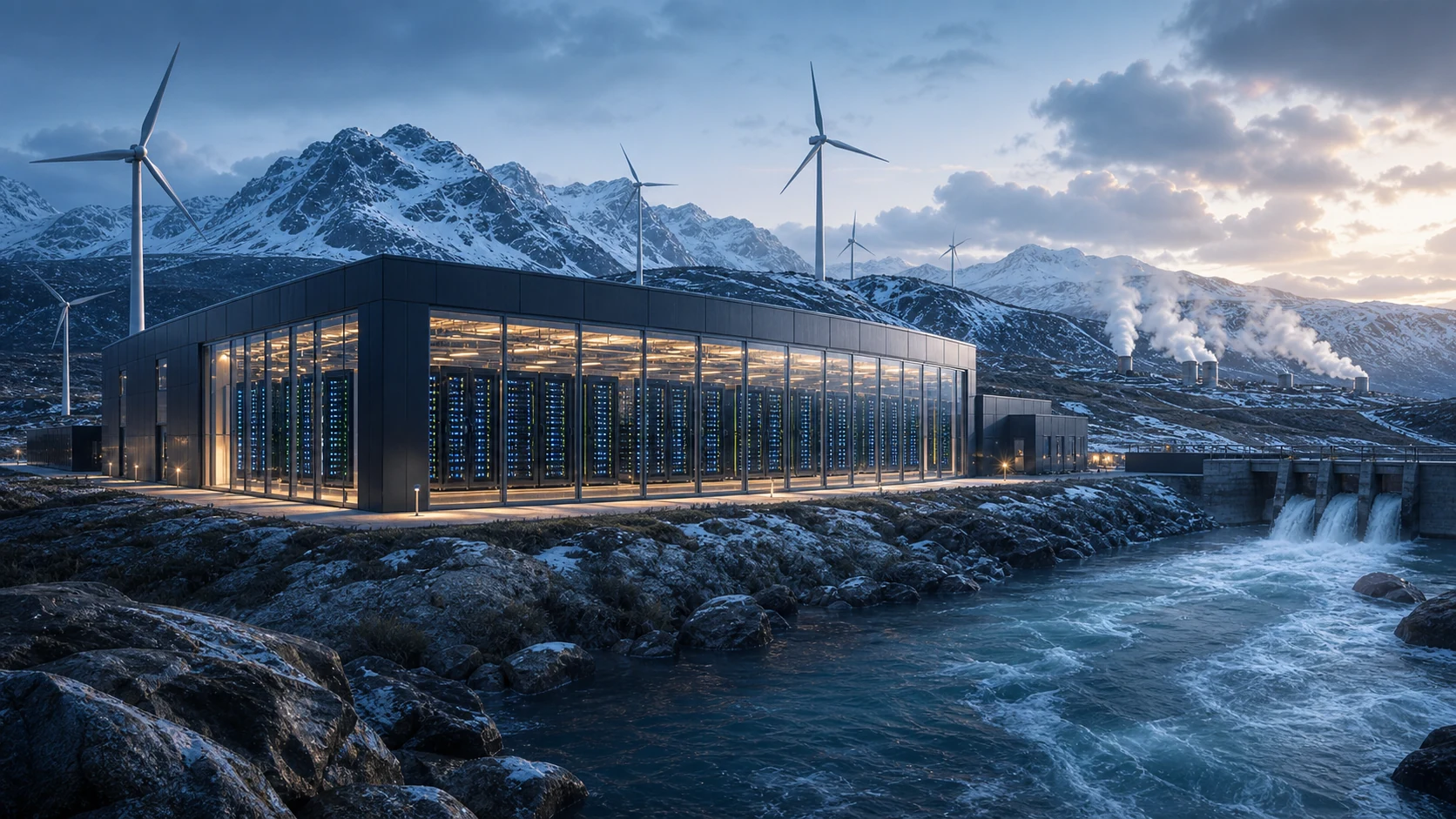
Why Are Data Centers Built in Specific Locations?
The cloud is not in the sky. It is in warehouses near cheap power and cold air.

Inventions & Technology
Why Did Nikola Tesla Die Poor?
He invented the technology that powers the modern world. He died alone in a hotel room with almost nothing.
Art & Philosophy
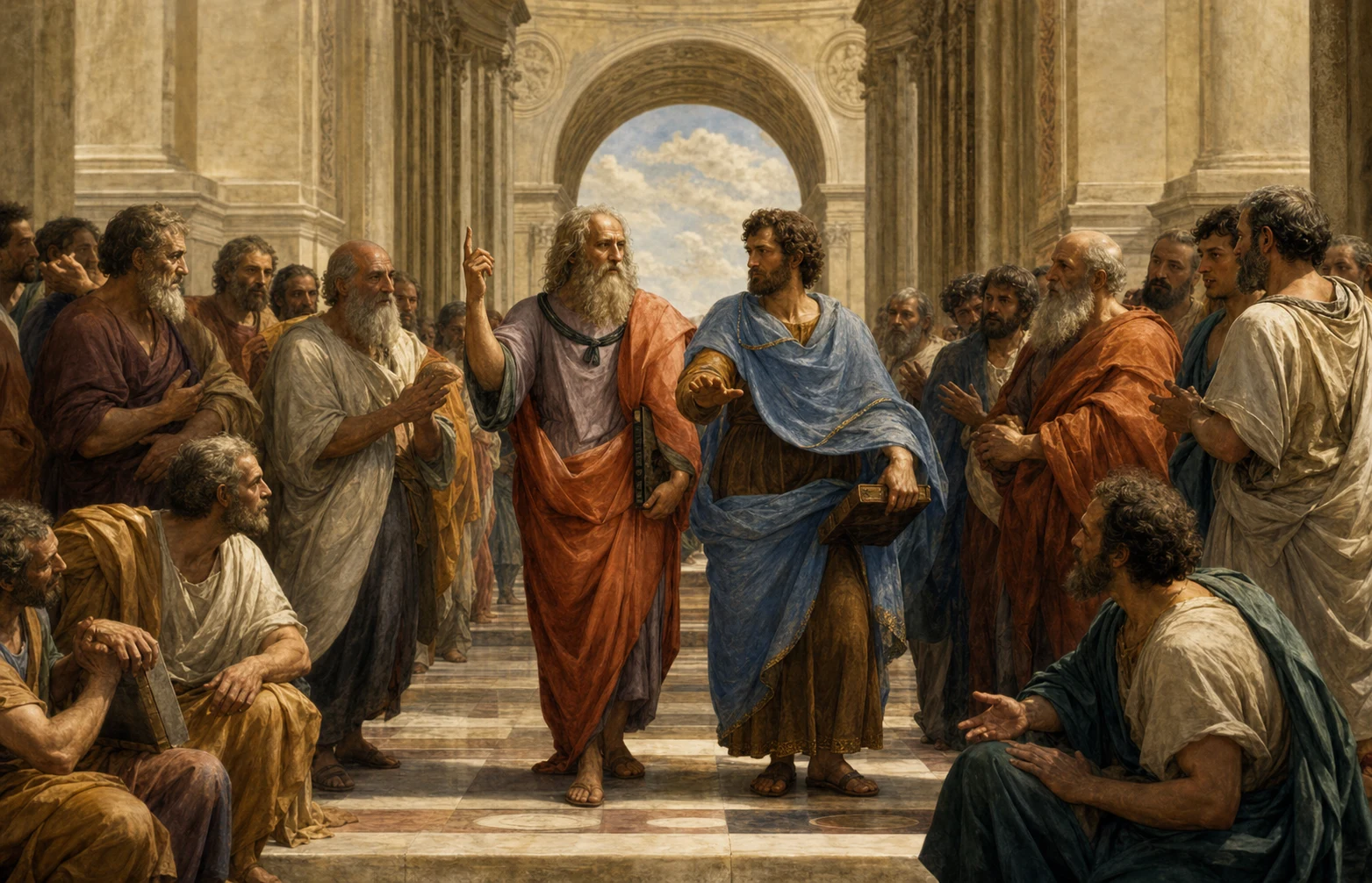
Why Does Plato Point Up and Aristotle Point Down?
Hidden inside Raphael's most famous fresco is a silent argument that has never stopped.
Art & Mystery
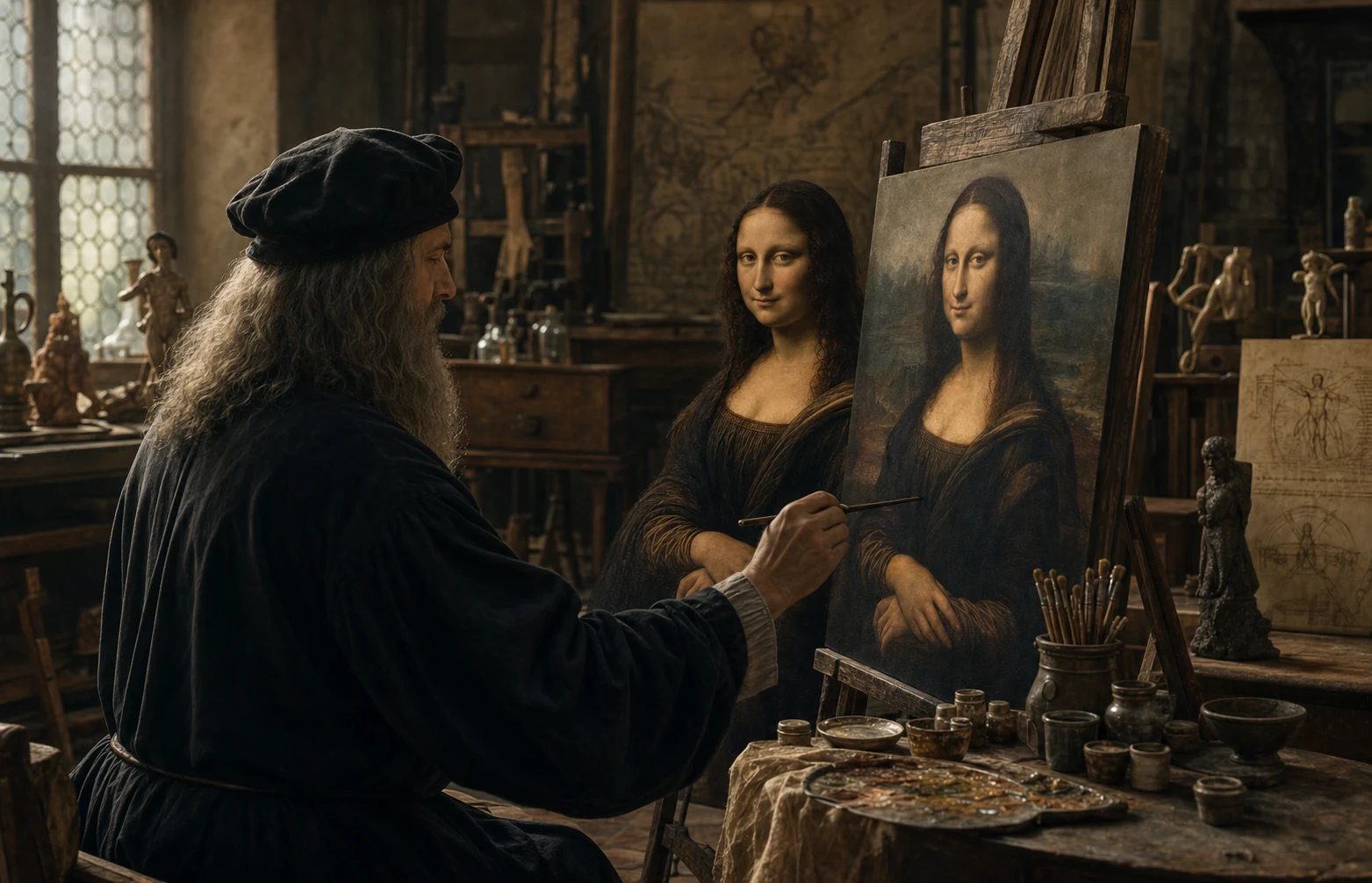
Why Is the Mona Lisa Smiling?
The most analyzed expression in human history still has no agreed answer. That might be exactly the point.
Art & History
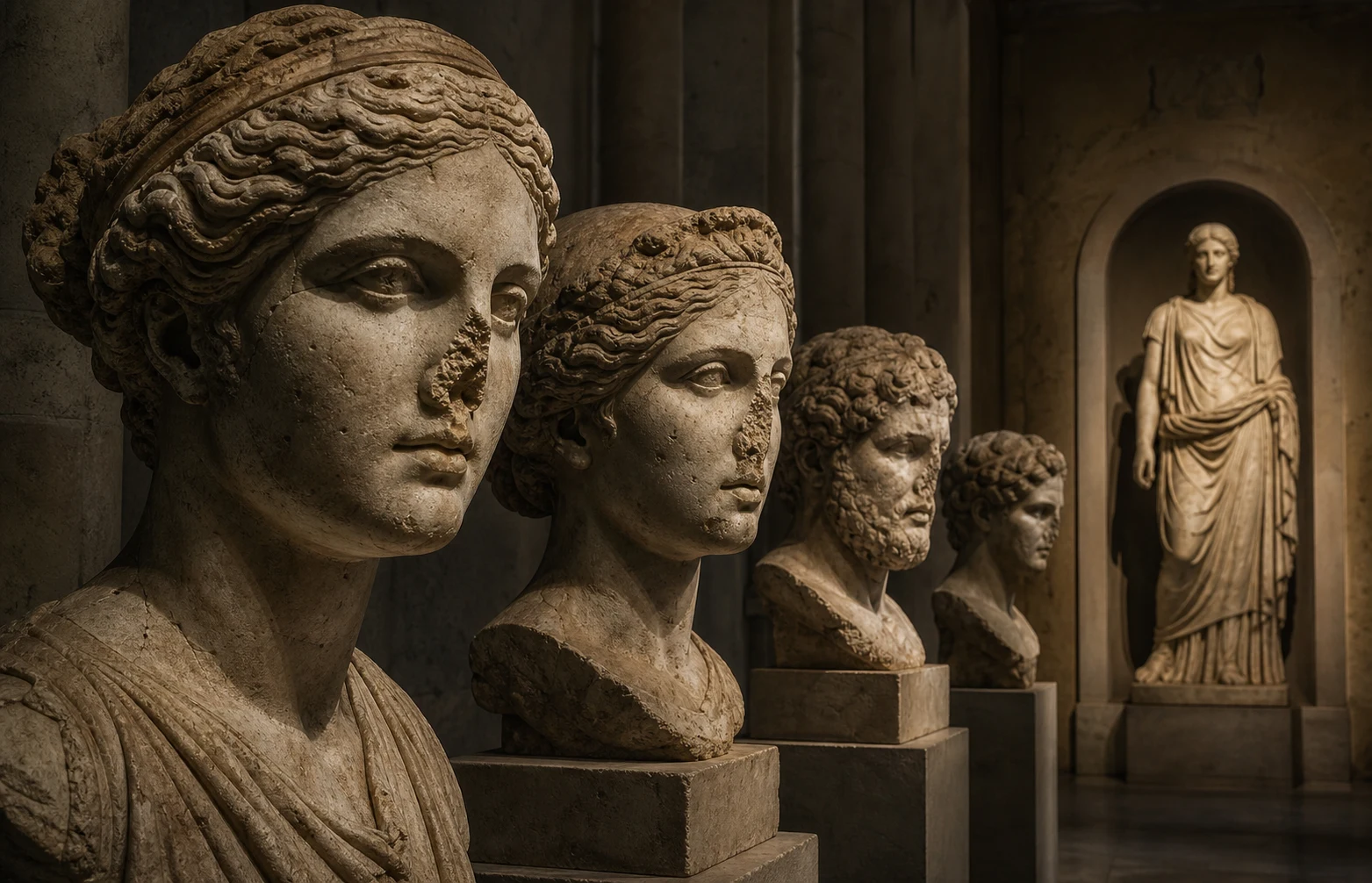
Why Are Statues Missing Their Noses?
Walk through any ancient gallery and count the noses. You will not get far.
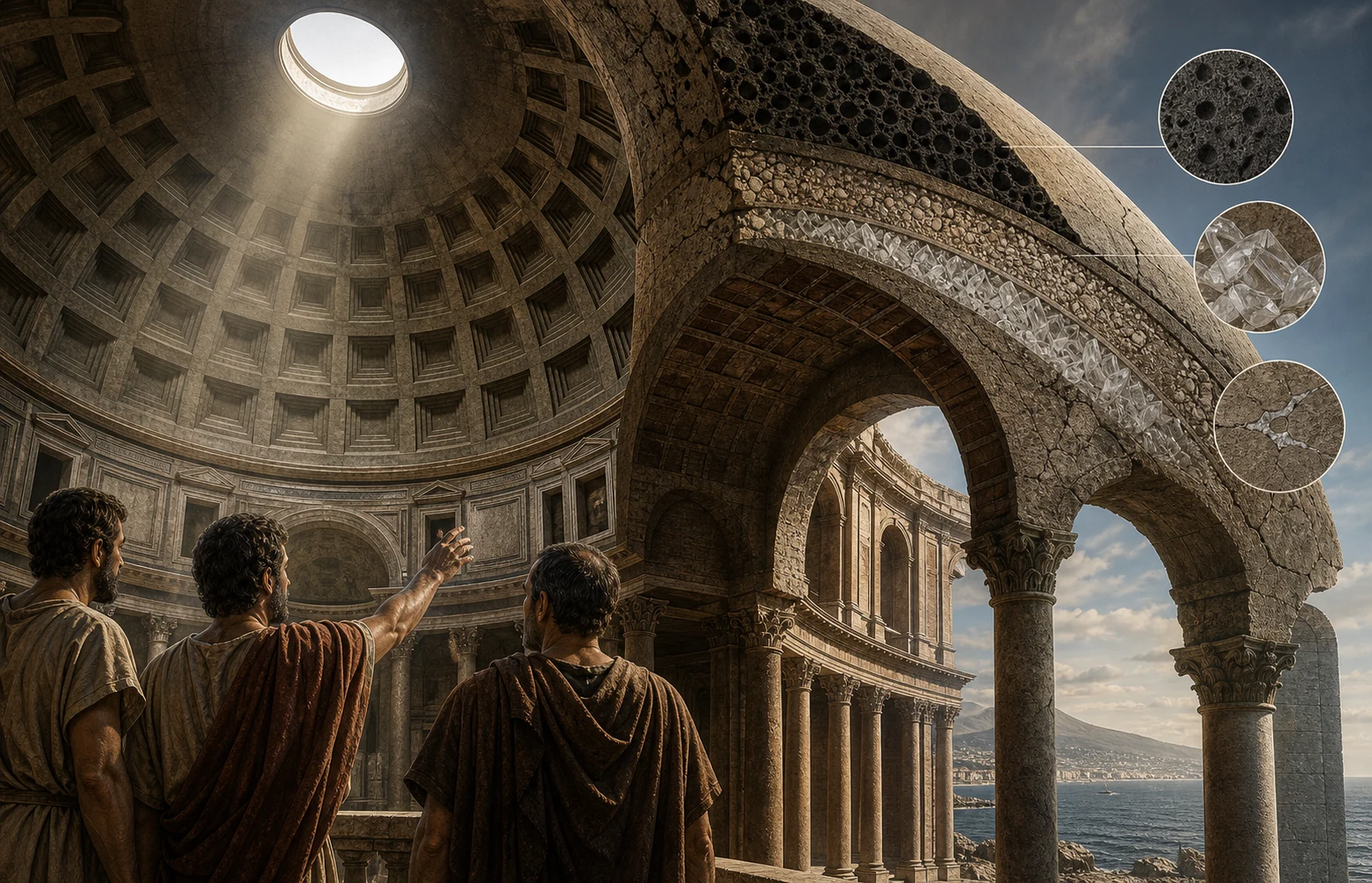
History & Engineering
Why Did Roman Buildings Last for Thousands of Years?
Modern concrete crumbles in decades. Roman concrete only gets stronger with age.
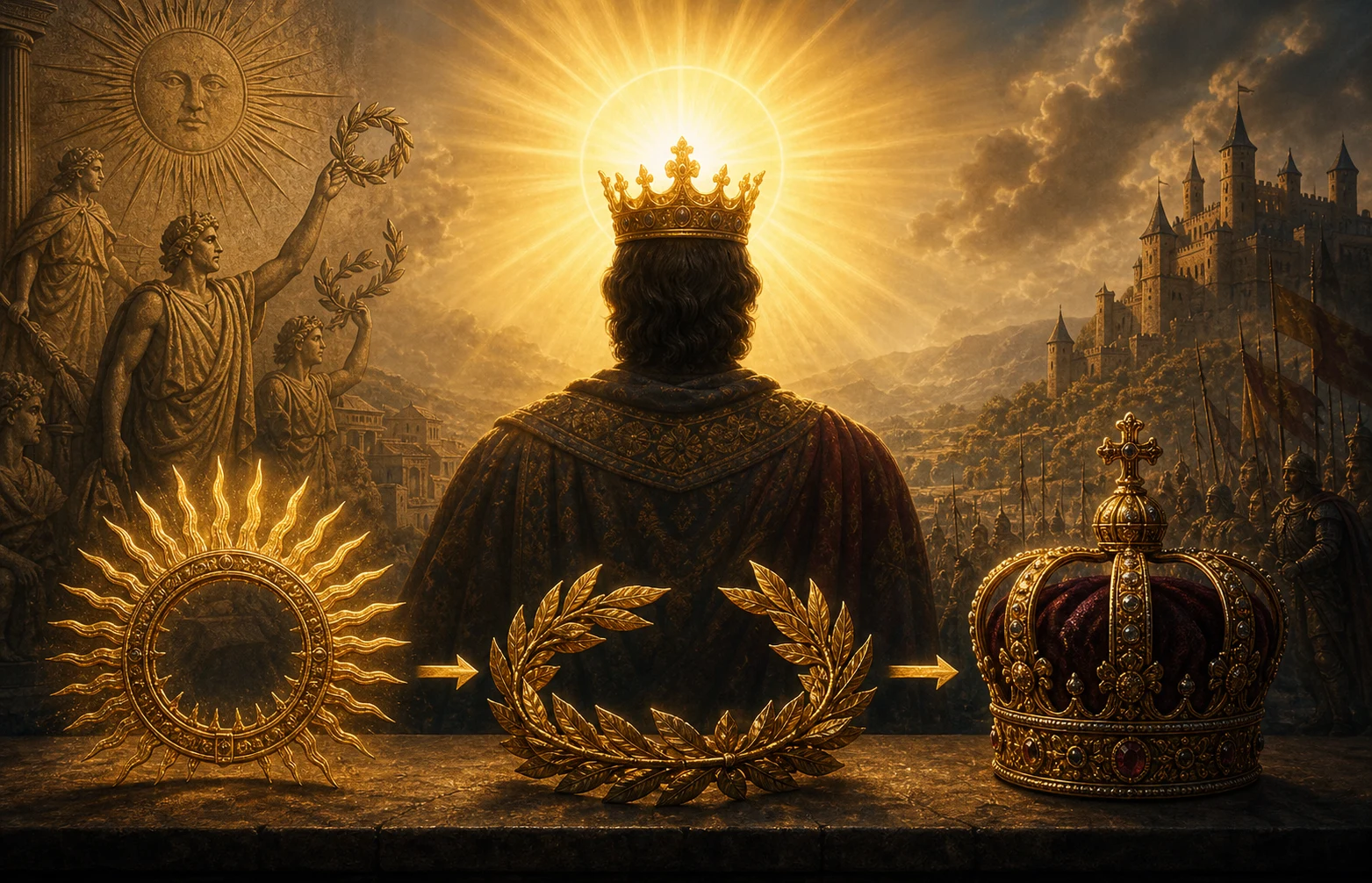
History & Symbolism
Why Are Crowns Associated With Kings?
The answer goes back much further than medieval Europe - all the way to the sun.
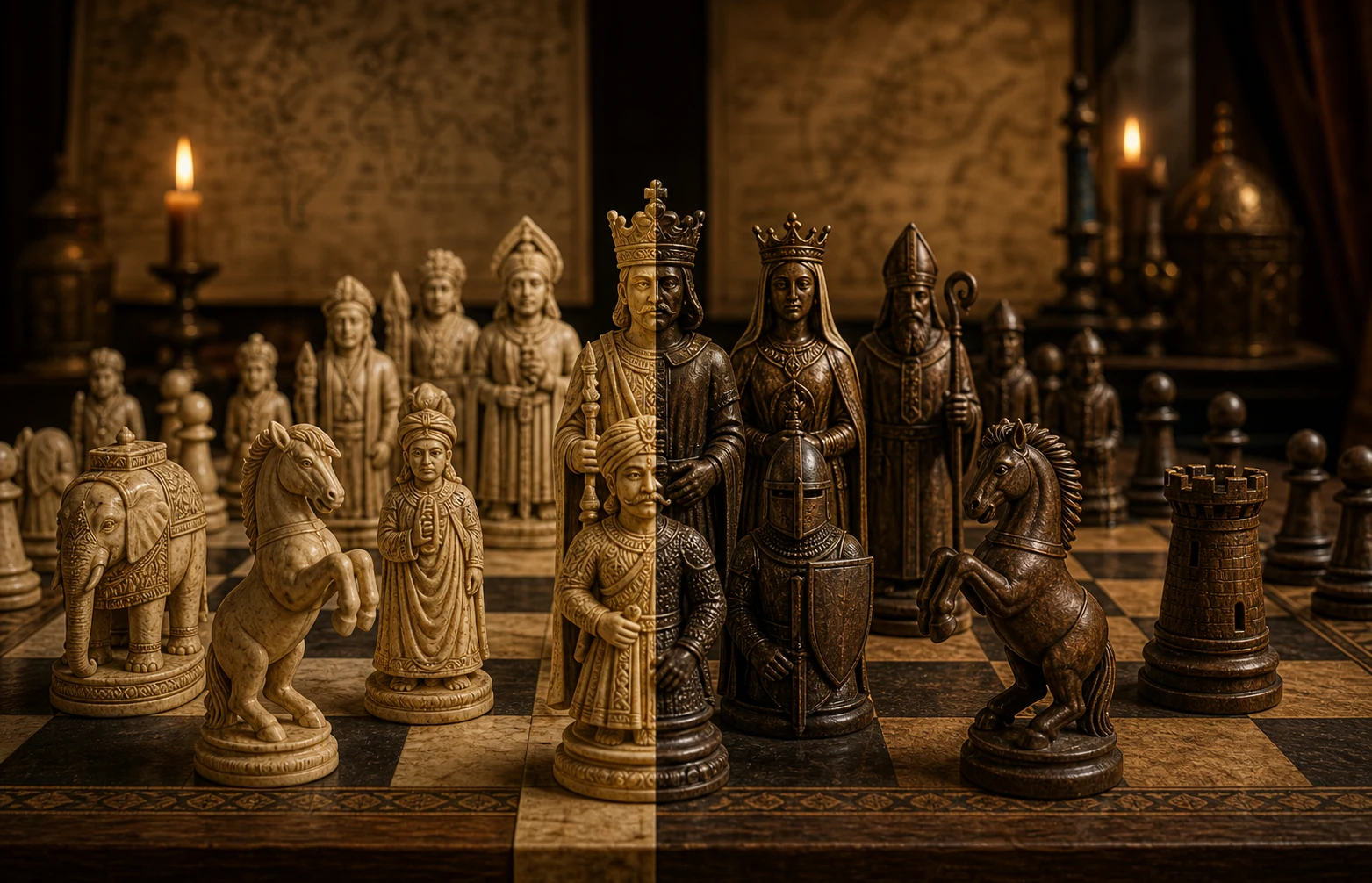
History & Games
Why Are Chess Pieces Named After Medieval Roles?
Chess was not invented in medieval Europe. But somewhere along the way, it picked up a whole new cast of characters.
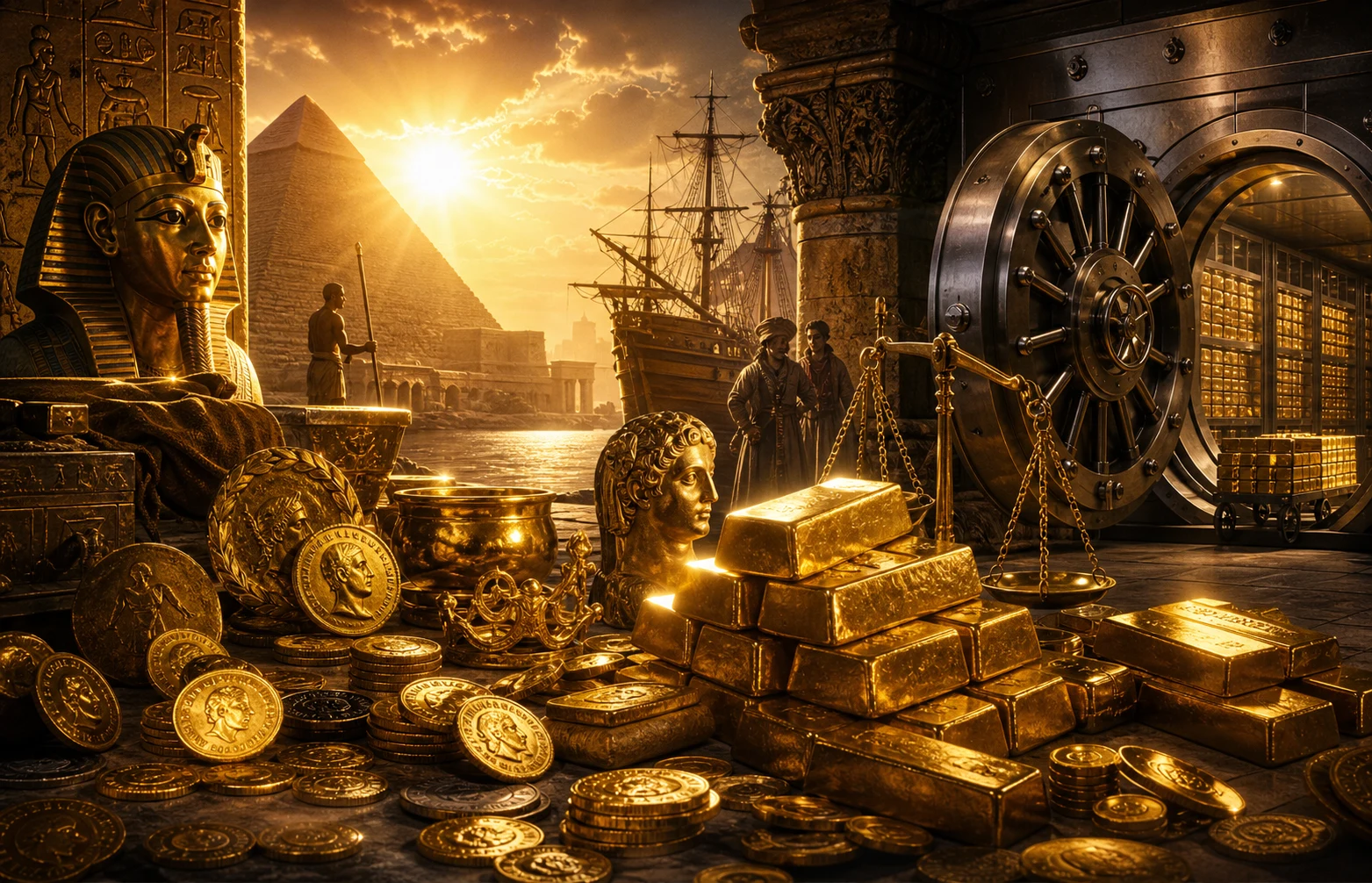
Economics & History
Why Is Gold Associated With Wealth?
Gold is not particularly useful. You cannot eat it, build with it, or make weapons from it. So why has every civilization agreed it is priceless?
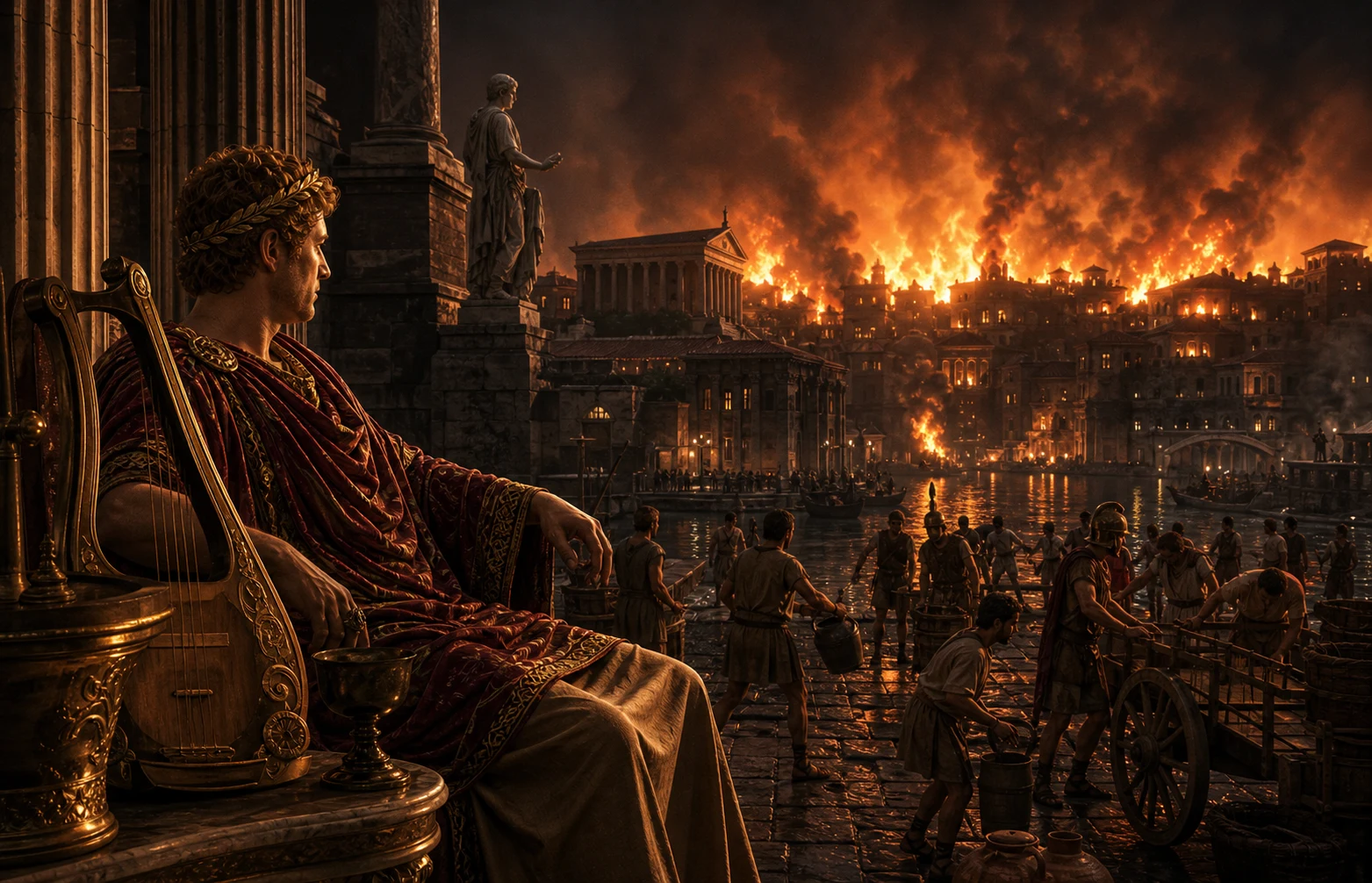
History Myths
Did Nero Really Fiddle While Rome Burned?
The most famous image of a tyrant enjoying a catastrophe probably did not happen.
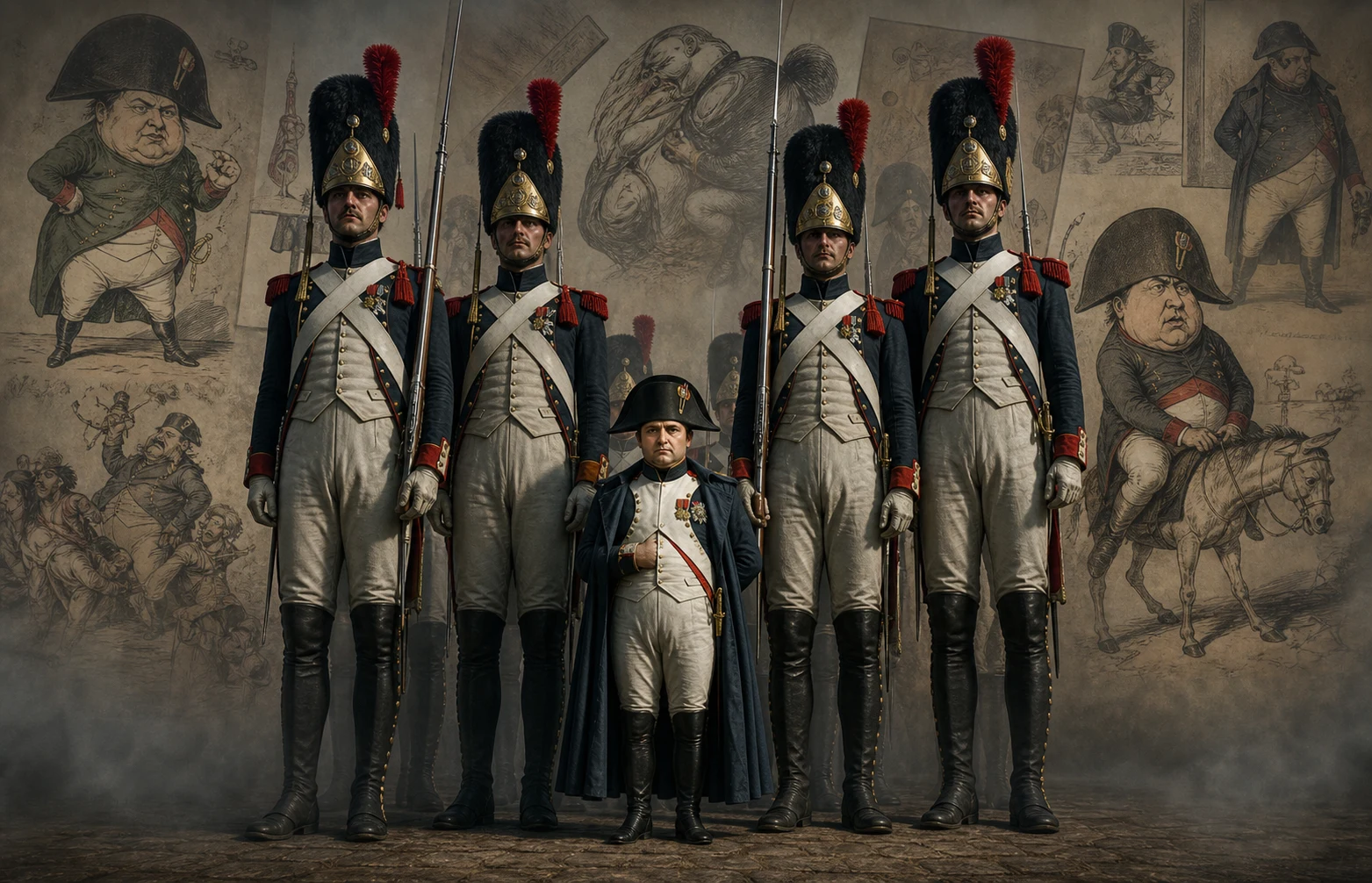
History Myths
Was Napoleon Actually Short?
One of history's most persistent insults - and one of its most thoroughly debunked.

History Myths
Did People in the Middle Ages Think the Earth Was Flat?
One of history's most confident myths - about a myth that never existed.

History Myths
Was Marilyn Monroe Really the Beauty Standard of Her Era?
The most-cited example of different beauty standards - and how the internet got it wrong.
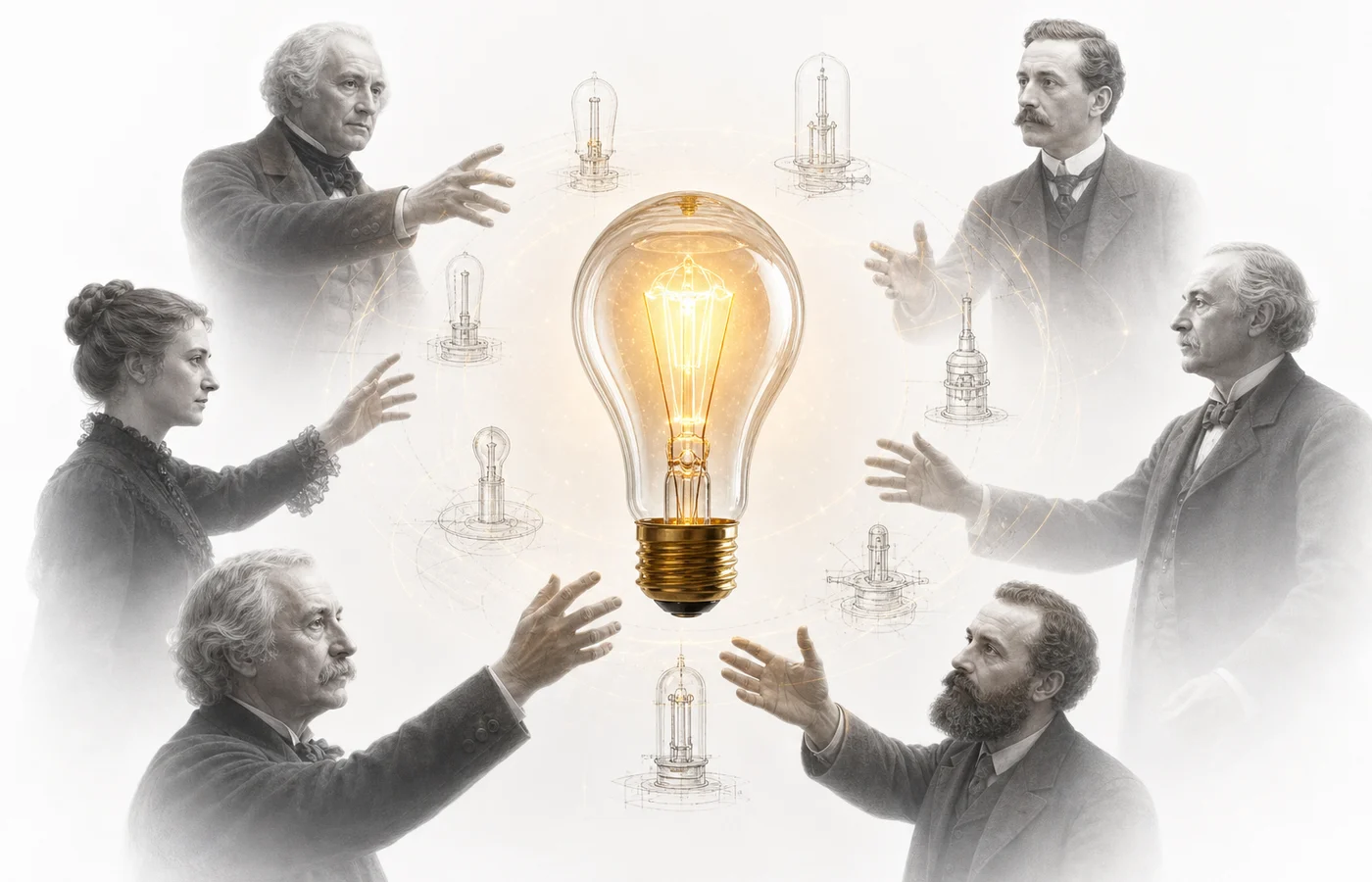
History Myths
Did Edison Really Invent the Light Bulb?
He did not. And the people who did were not who you think.
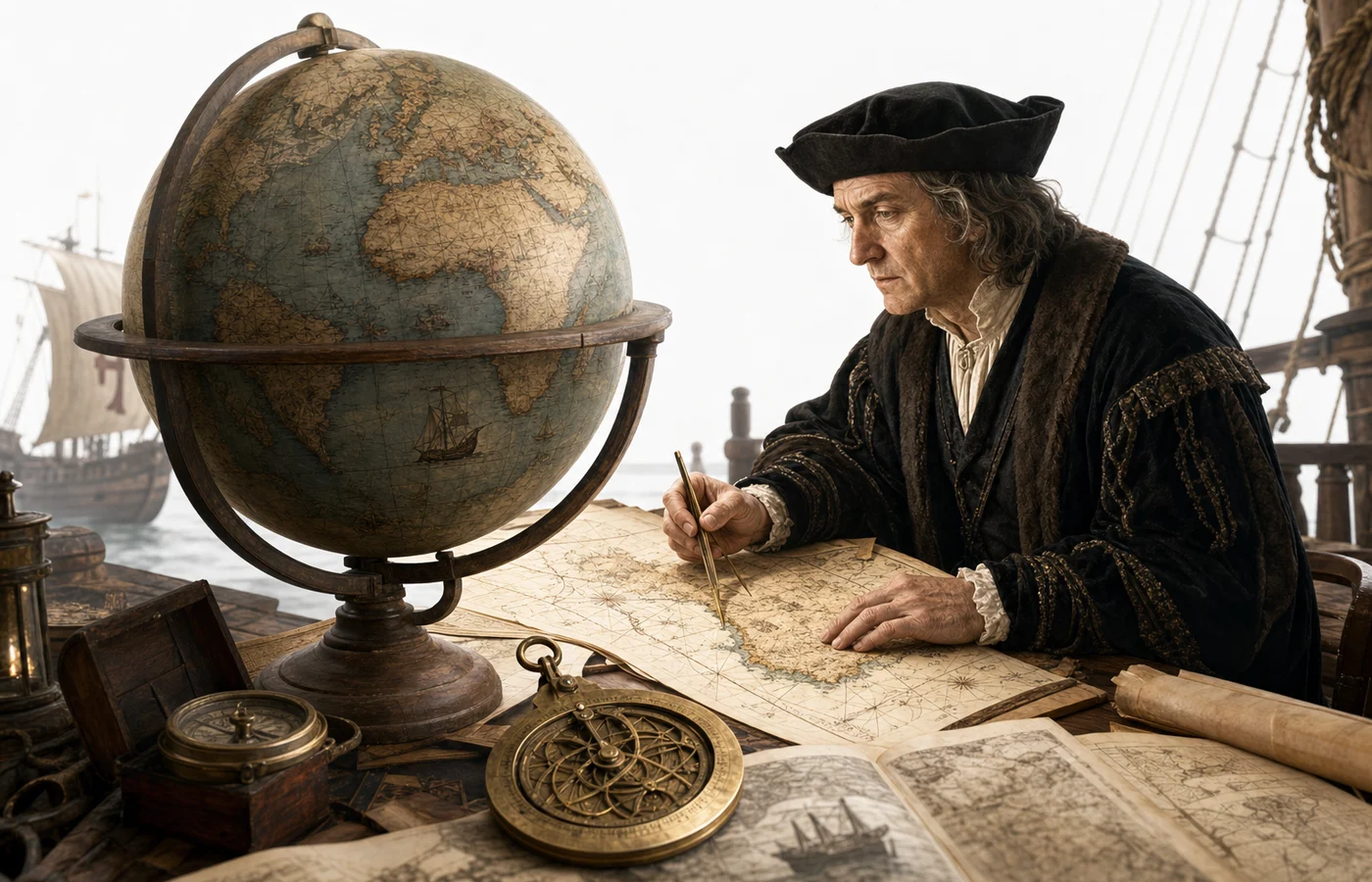
History Myths
Was Columbus Trying to Prove the Earth Was Round?
Columbus was not a brave visionary proving a flat-Earth wrong. He was a man with a math problem - and the math was wrong.
Popular Questions
Start with the big everyday ones

Nature & Physics
Why Is Snow White?
Snow is white because millions of tiny ice crystals scatter all wavelengths of light equally in every direction. Your eyes receive the full spectrum at once, which looks white.
Chemistry & Nature
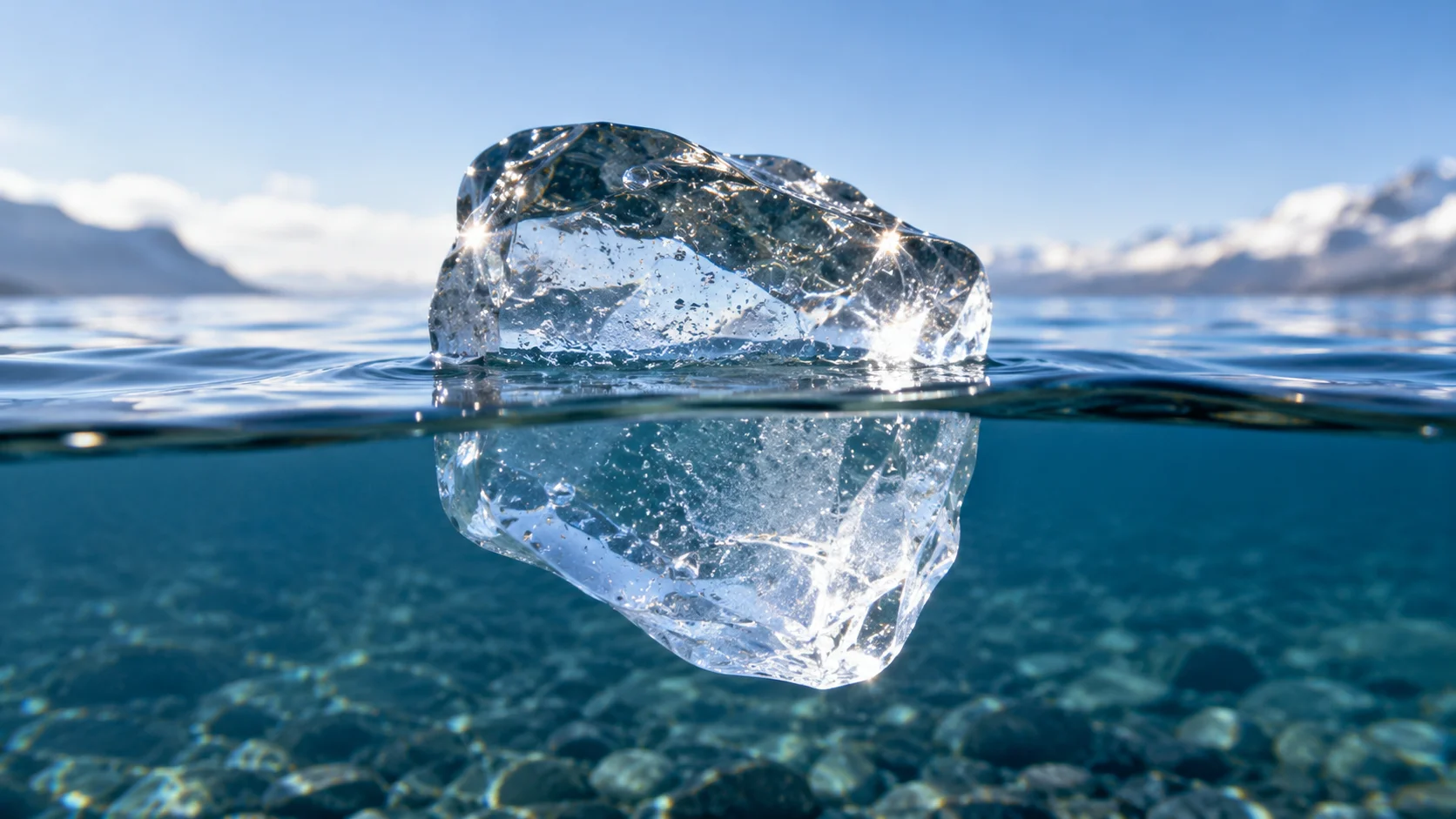
Why Does Ice Float?
Ice floats because it is less dense than liquid water. Water molecules form a rigid hexagonal lattice when frozen, taking up more space than in liquid form.
Earth & Oceans
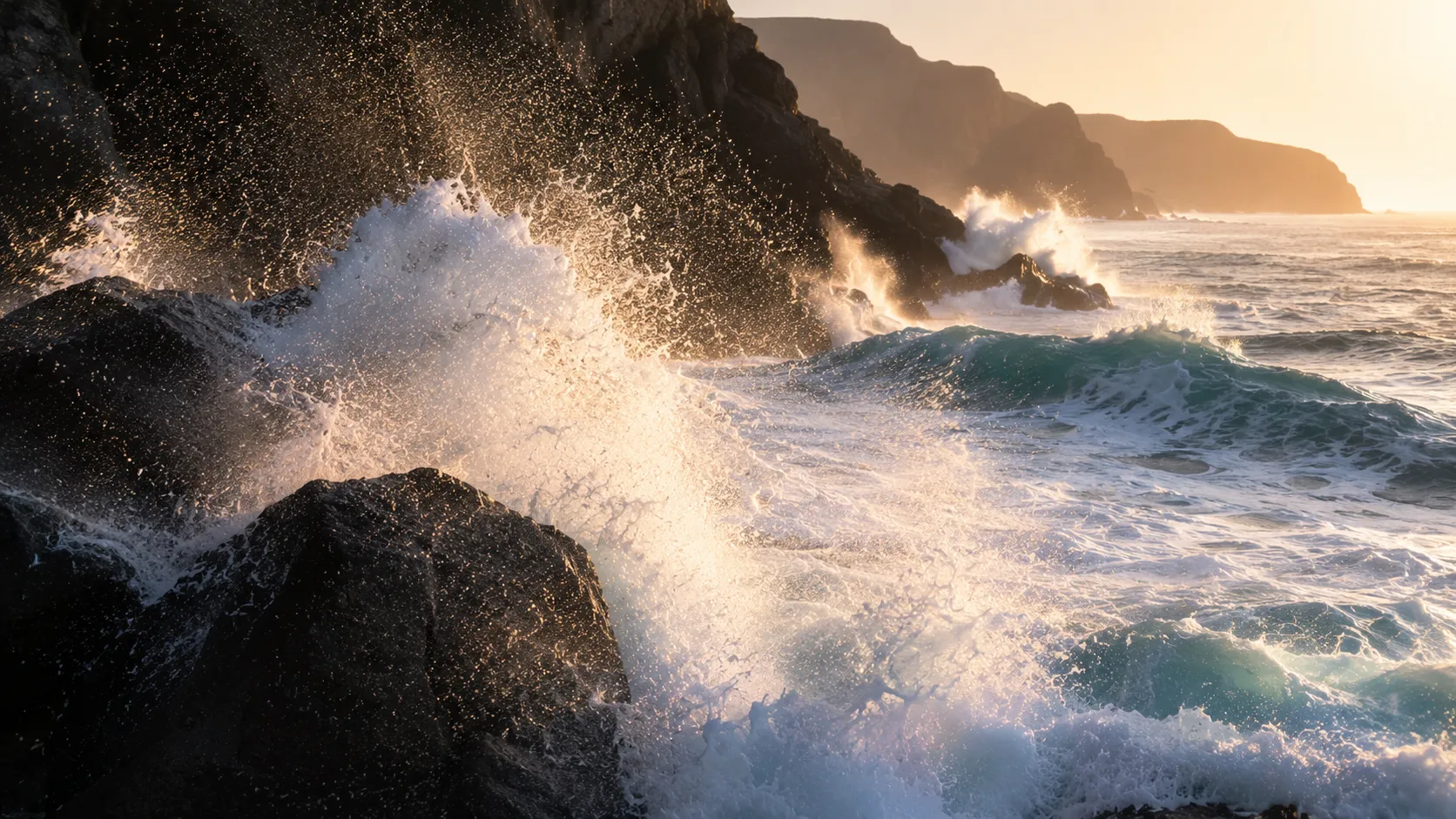
Why Is Sea Water Salty?
The ocean is salty because rivers continuously wash dissolved minerals from rocks into the sea, while evaporation removes water but leaves the salt behind.
Earth & Space
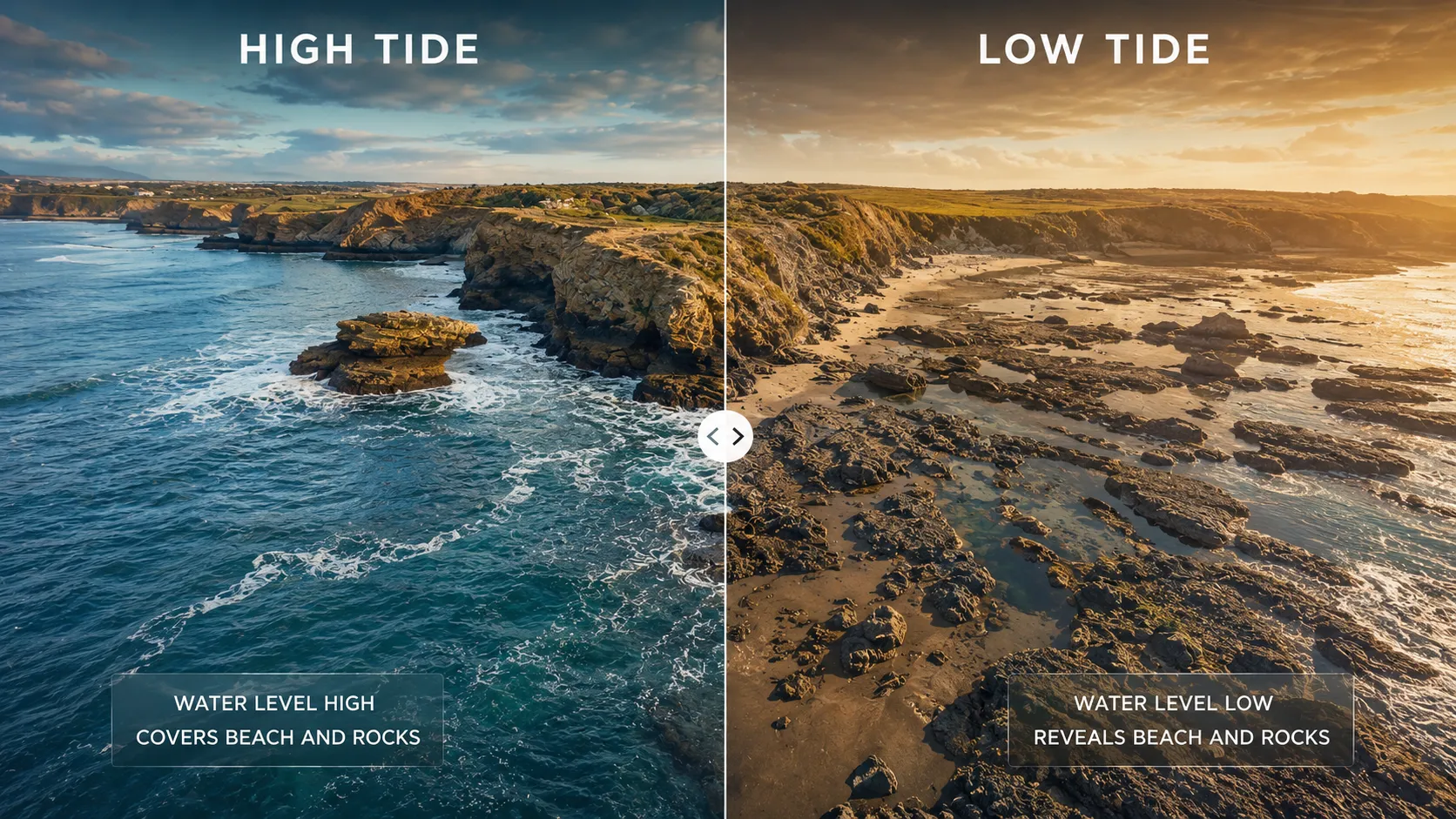
Why Do Tides Happen?
Tides happen because the moon's gravity pulls on Earth's oceans unevenly, creating two tidal bulges that coastlines rotate through each day.
Nature & Biology
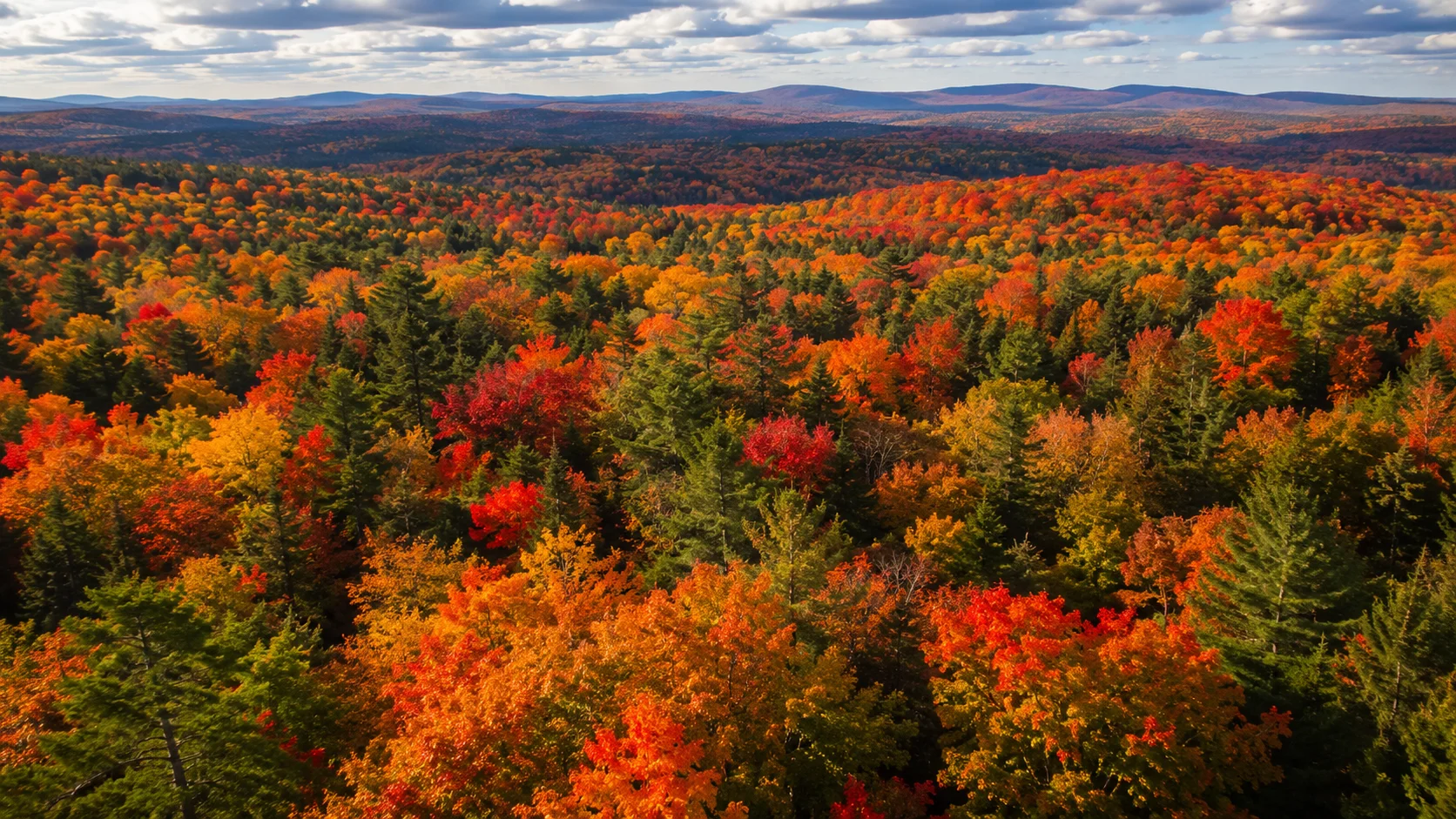
Why Do Leaves Change Color in Autumn?
Leaves change color because trees break down green chlorophyll in autumn, revealing yellow and orange pigments and sometimes producing red pigments.
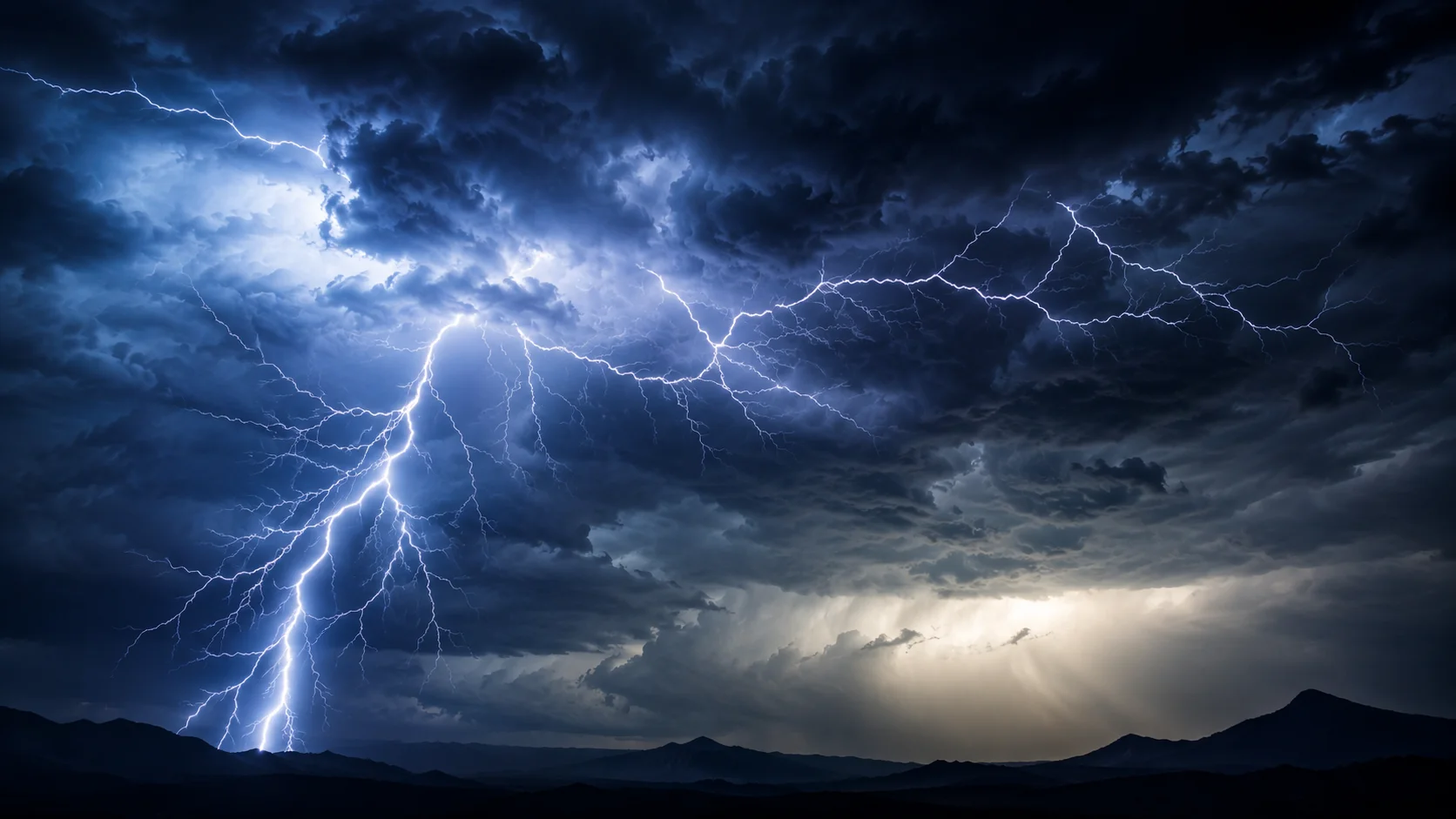
Weather & Physics
Why Does Lightning Happen?
Lightning happens when electrical charges separate inside storm clouds and the voltage difference becomes large enough to discharge as a massive spark.
Brain and Body
Bodies, minds, sleep, food, and behavior

Body & Senses
Why Do Ears Pop on Airplanes?
Your ears pop because the air pressure outside changes faster than the pressure inside your middle ear can equalize. Here is what is happening and how to fix it.

Body & Nervous System
Why Do We Blush?
Blushing is an involuntary nervous system response that floods your face with blood. You cannot stop it on command, and that is by design.

Body & Nervous System
Why Do We Get Pins and Needles?
Pins and needles happen when a nerve is compressed and then released. The prickling is your nerve restarting its signal, not blood rushing back.

Brain & Memory
Why Do We Forget Why We Entered a Room?
Walking through a doorway triggers your brain to file away the previous context. It is called the doorway effect, and it is a feature of how memory is organized, not a flaw.

Food & Chemistry
Why Do We Cry When Cutting Onions?
Cutting an onion releases a chemical gas that reacts with the moisture in your eyes to form a mild acid. Your eyes water to flush it out.

It is not about being lazy
Why Do We Procrastinate?
Procrastination is not laziness. It is your brain choosing short-term comfort over long-term reward. Here is why that happens and what is going on inside your head.
Space and Nature
Sky, space, weather, Earth, and living things
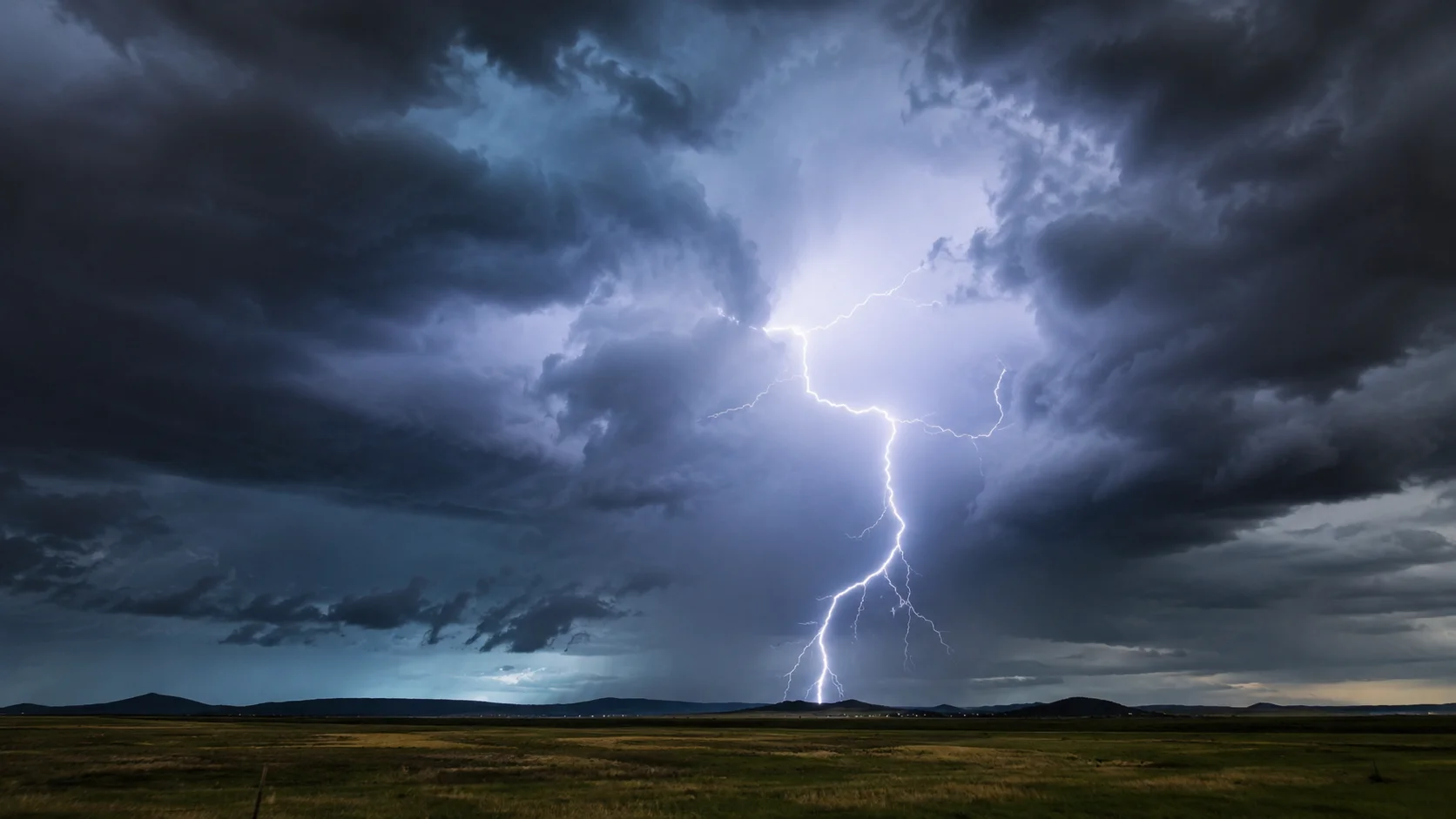
Weather & Physics
Why Does Thunder Come After Lightning?
Thunder and lightning happen at the same moment, but light reaches you almost instantly while sound takes about 3 seconds per kilometer.
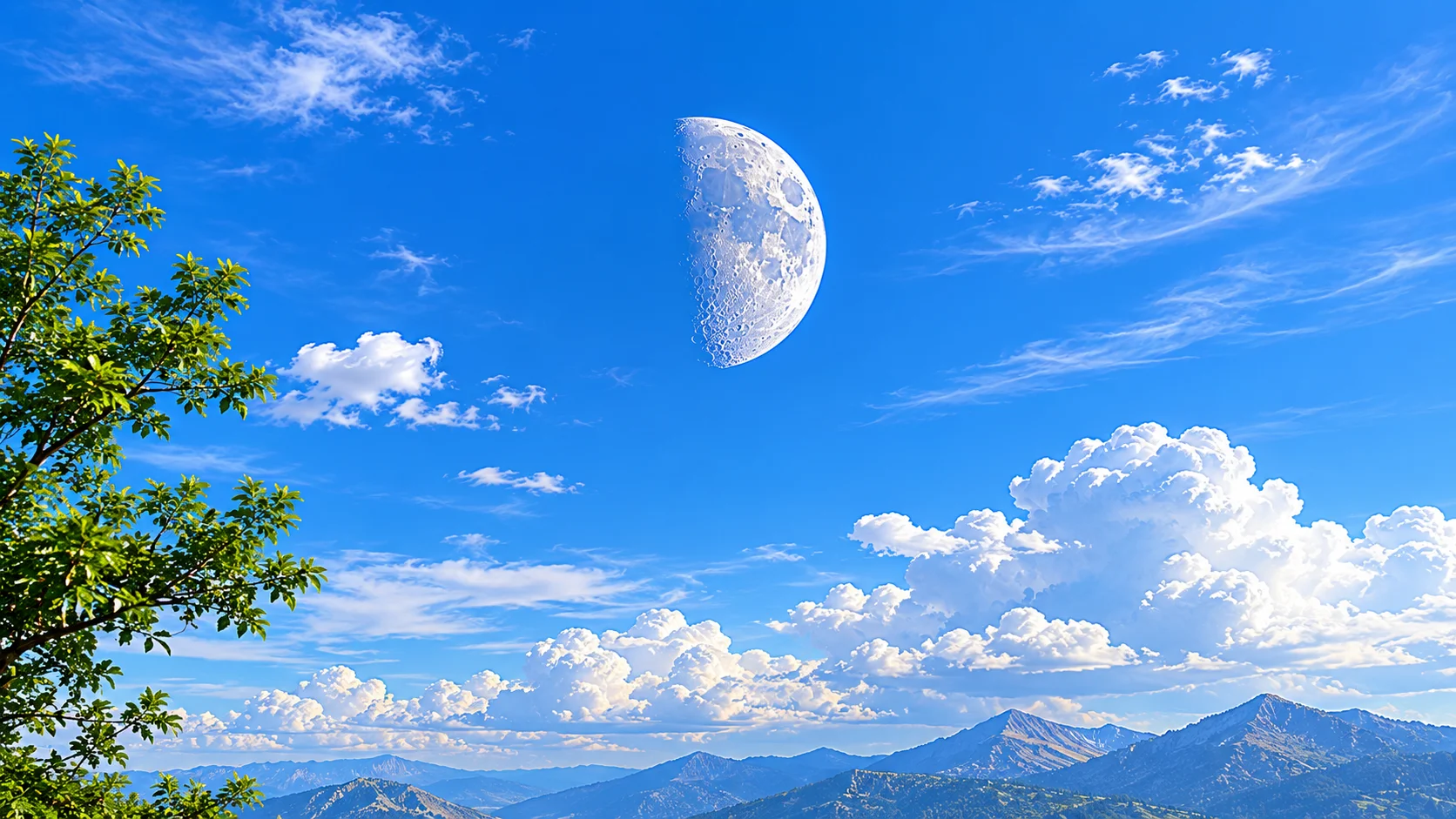
Space & Astronomy
Why Can We See the Moon During the Day?
The moon is visible during the day because it reflects enough sunlight to stand out against the blue sky, depending on its phase and position.
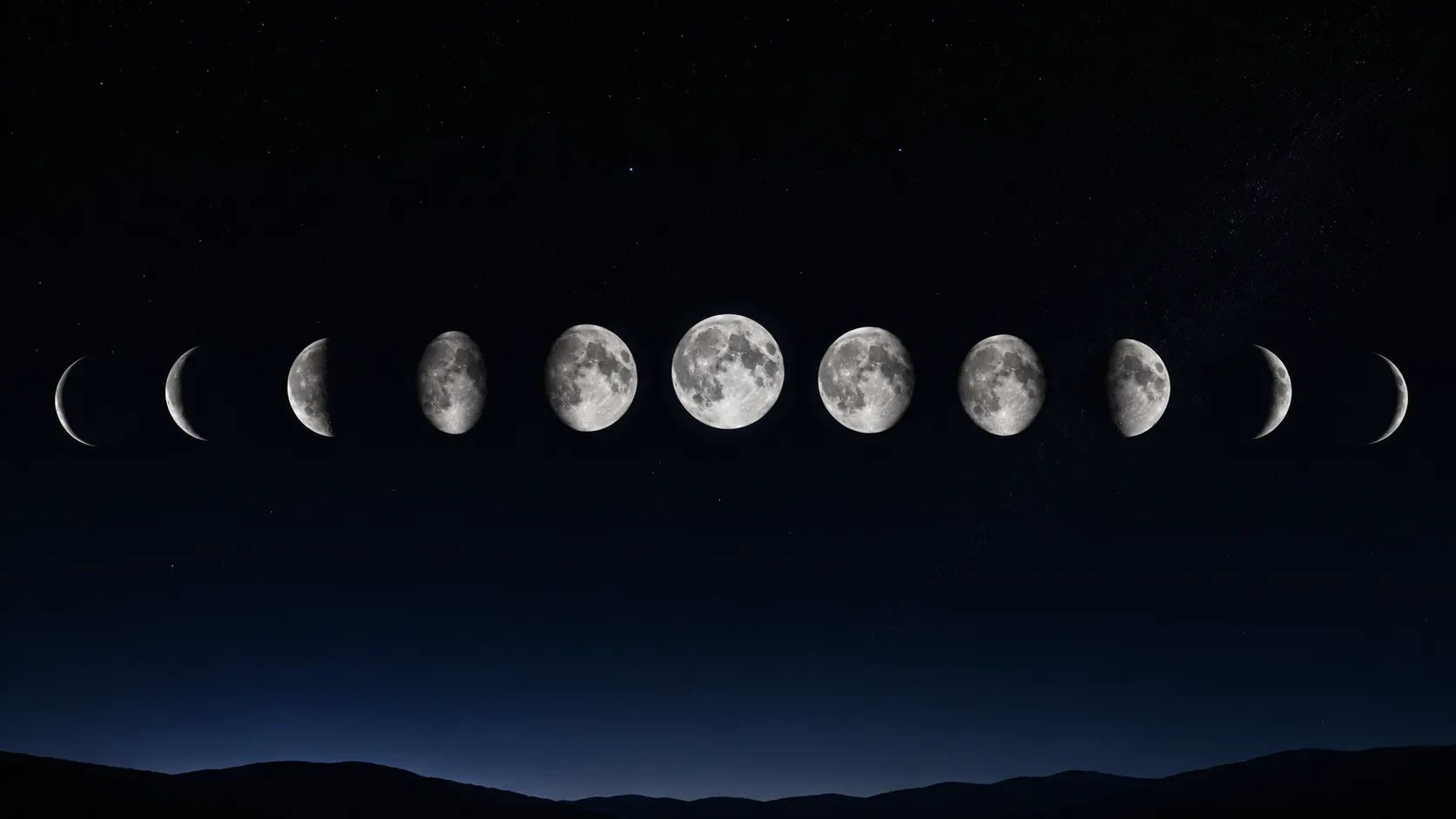
Space & Astronomy
Why Does the Moon Change Shape?
The moon does not actually change shape. Its phases are caused by the changing angle at which we see its sunlit half as it orbits Earth.
Optics & Ocean Science
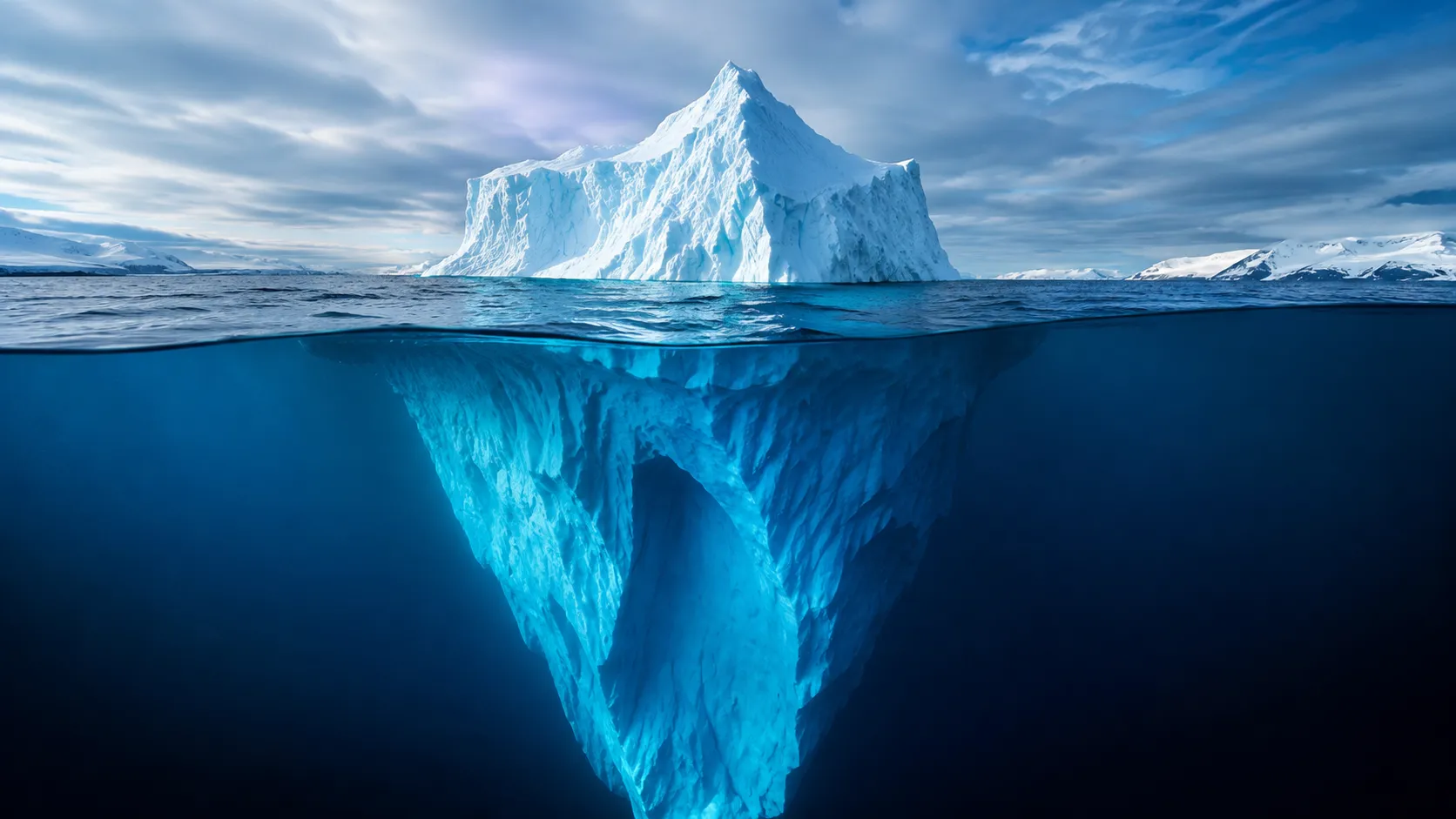
Why Is the Ocean Blue?
Water is not actually clear. It absorbs red and yellow light and scatters blue. In a glass this is undetectable, but across miles of ocean depth it becomes vivid blue.
Space & Cosmology
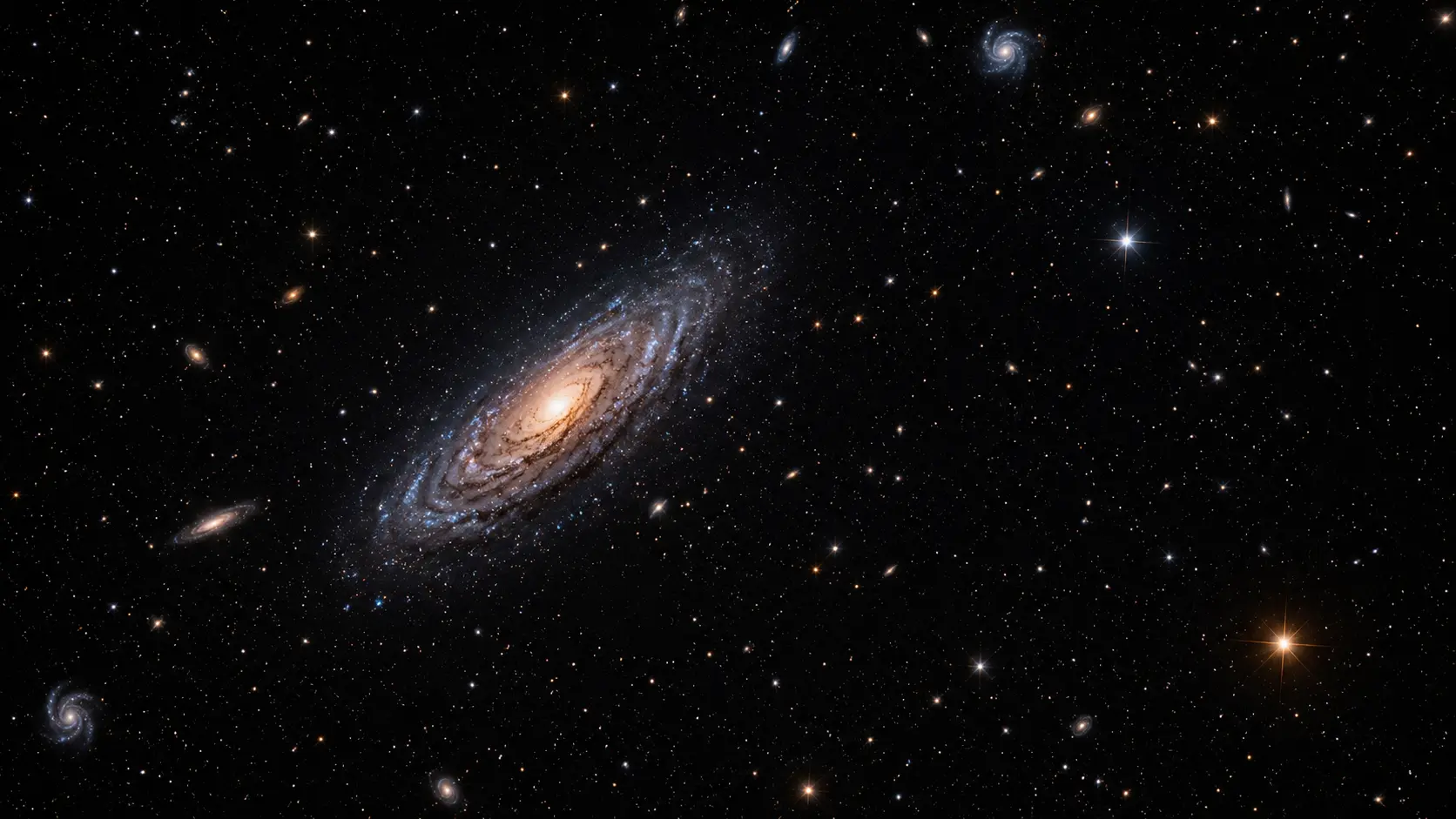
Why Is Space Black?
If the universe is full of stars, the sky should be blindingly bright. The reason it is dark has to do with the age and expansion of the universe itself.

Space & Earth Science
Why Do We Have Seasons?
Seasons are not caused by Earth getting closer to or further from the sun. They are caused by Earth's axial tilt, which changes the angle and duration of sunlight at different times of year.

Optics & Atmosphere
Why Do Rainbows Curve?
Rainbows are circles. You see an arc because the ground gets in the way. The curve comes from the precise angle at which each raindrop returns light toward your eyes.
One of the most repeated myths ever
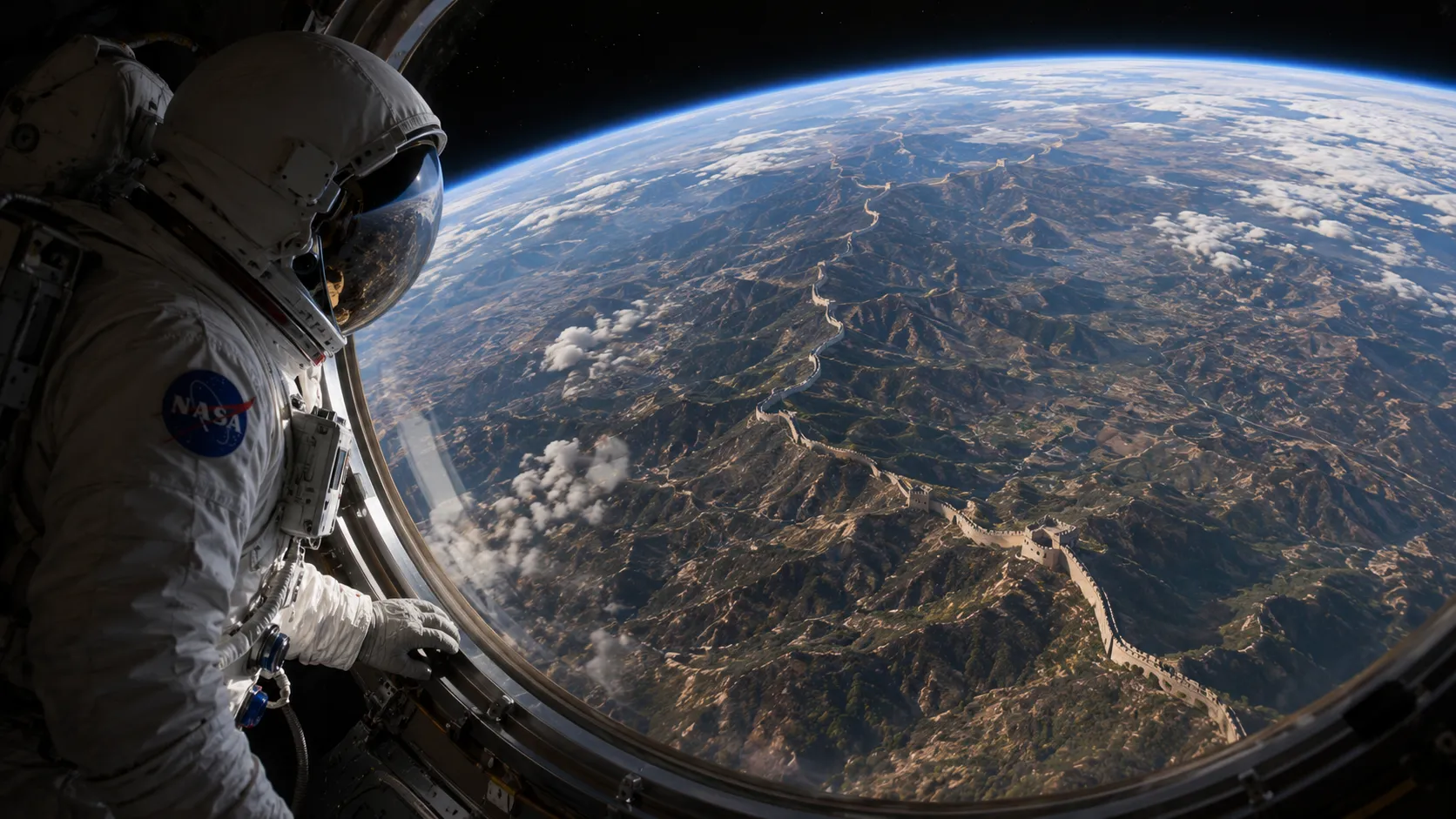
Can You See the Great Wall of China from Space?
The Great Wall of China is not visible from space with the naked eye. It is too narrow. Multiple astronauts, including Chinese astronauts, have confirmed this directly.
Random Curiosity
A few questions to wander through
It is not just you
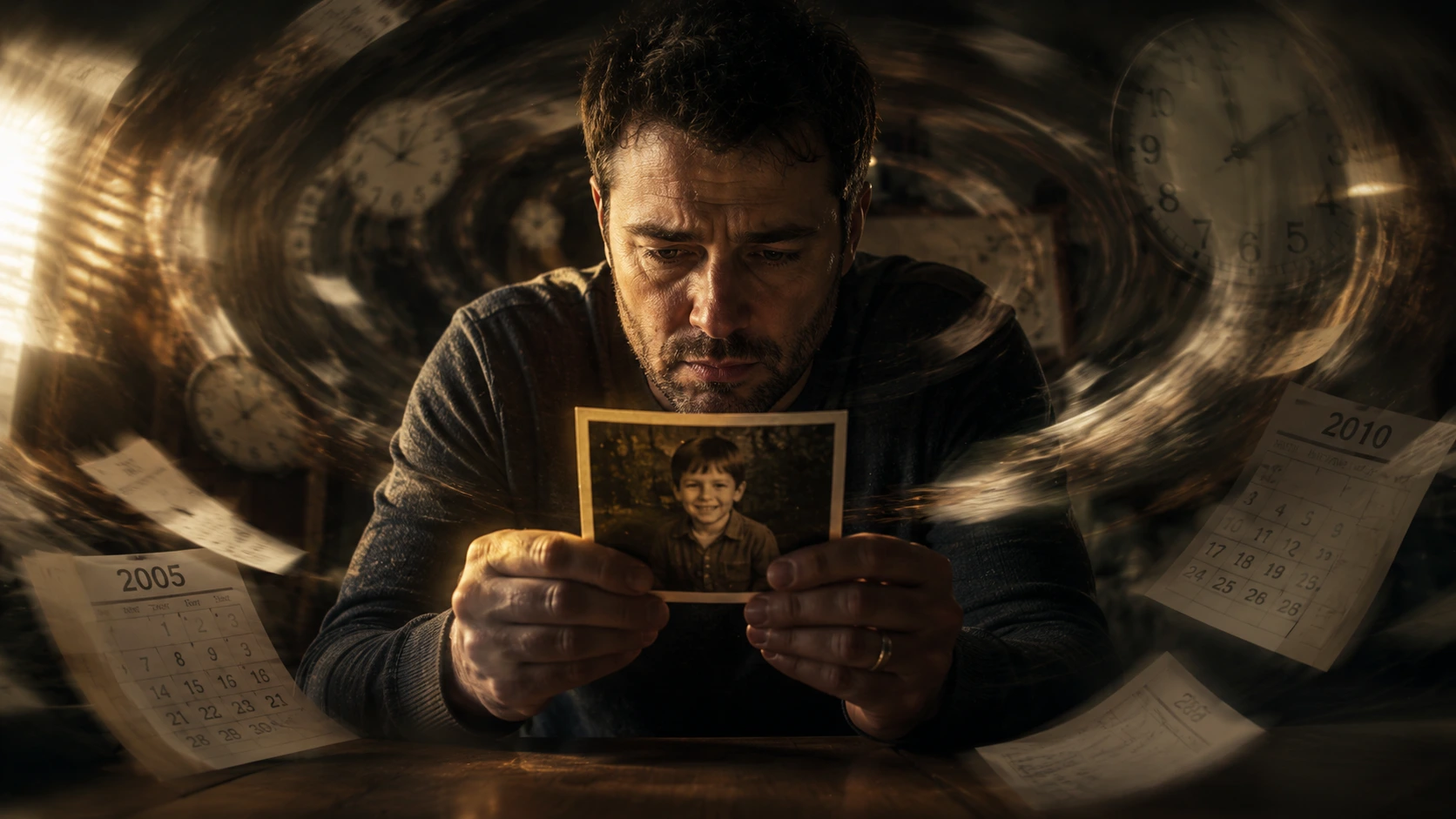
Why Does Time Feel Faster as We Age?
As you age, each year becomes a smaller fraction of your total life, and you encounter fewer new experiences. Both make time feel like it is accelerating.

Your brain set its own alarm
Why Do We Wake Up Before the Alarm?
Waking up just before your alarm is your circadian rhythm doing its job. Your brain anticipates the wake time and starts preparing your body to rouse.

Biology & Psychology
Why Do We Feel More Tired After Doing Nothing?
Doing nothing disrupts your body's rhythms, lowers stimulating brain chemicals, and produces a specific kind of fatigue that rest does not fix. Here is exactly why.

Memory & Psychology
Why Do We Forget Simple Passwords We Use Daily?
Daily passwords often shift from conscious memory to muscle memory. When you try to recall them deliberately, you can trigger a retrieval failure called blocking.

Biology & Digestion
Why Does Your Stomach Growl?
Stomach growling is your intestines moving air and fluid through an empty or active gut. The medical name is borborygmi, and it happens even when you are not hungry.
Biology & Neuroscience
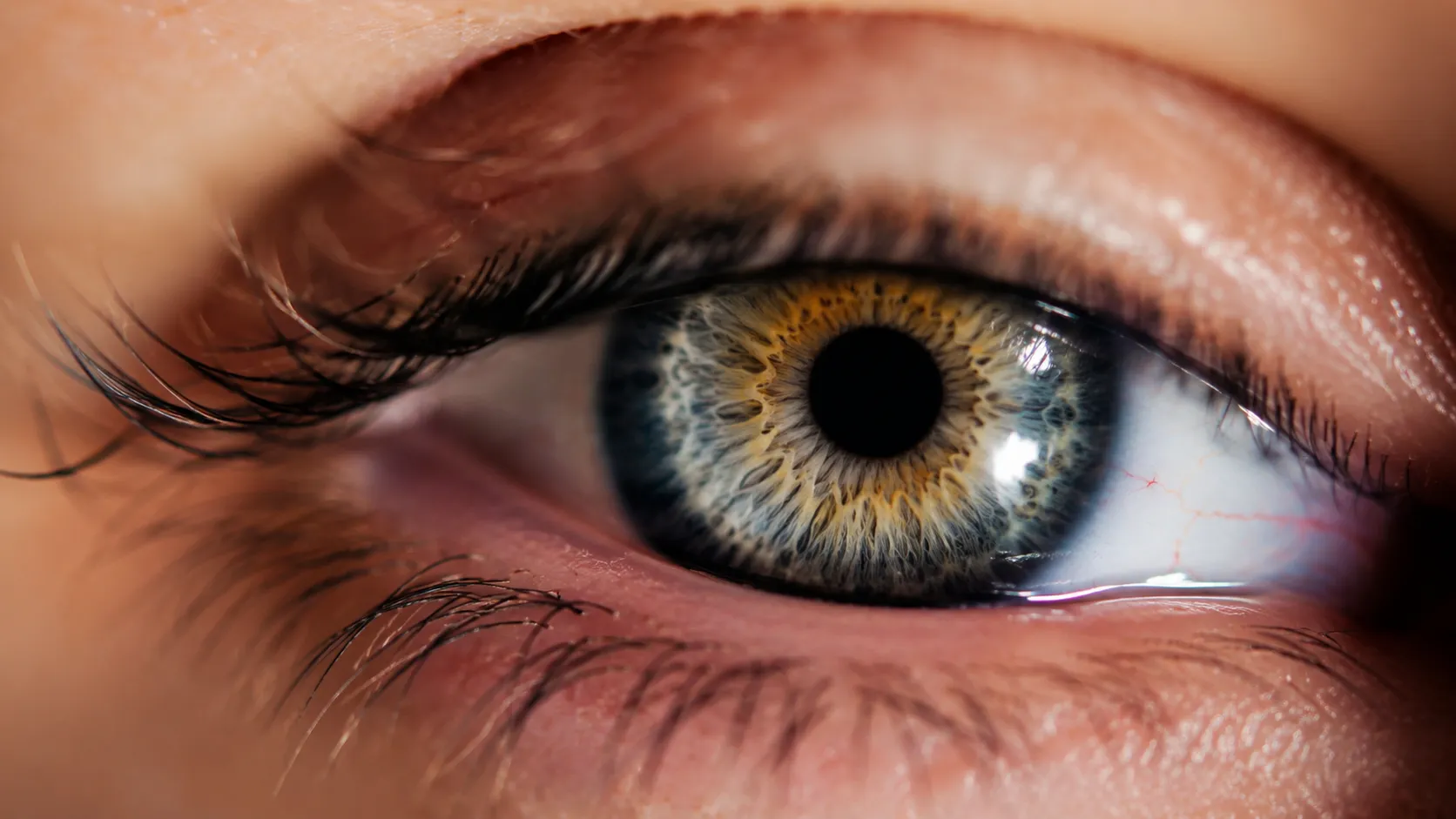
Why Do We Blink?
Blinking lubricates your eyes, clears debris, and may give your brain a brief processing reset. We do it 15 to 20 times per minute without noticing.
Answer hubs
Browse by question shape
All intent hubs
What Happens If
Scenario questions about consequences and mechanisms.
Objects
Tiny design details hiding in everyday things.
Why
Causes and reasons behind everyday moments.
How
Mechanisms, systems, and processes made simple.
What
Definitions that explain what something really is.
Can
Direct answers to whether something can happen.
Is
Claims, myths, and misconceptions checked clearly.
Does
Everyday claims tested against the evidence.
Did
History claims and popular stories checked clearly.