You noticed the extra holes

What Are the Extra Holes on Shoes For?

Those top holes are not spare eyelets for no reason. They let you tie a heel lock, which keeps your foot from sliding inside the shoe.

Quick answer

Those extra eyelets near the top of your sneakers are for a heel lock, also called a runner’s loop or lace lock. They help hold your heel in place so your foot does not slide around inside the shoe.

Do not pull the heel lock painfully tight. It should feel secure around the ankle, not numb or pinchy on the top of your foot.
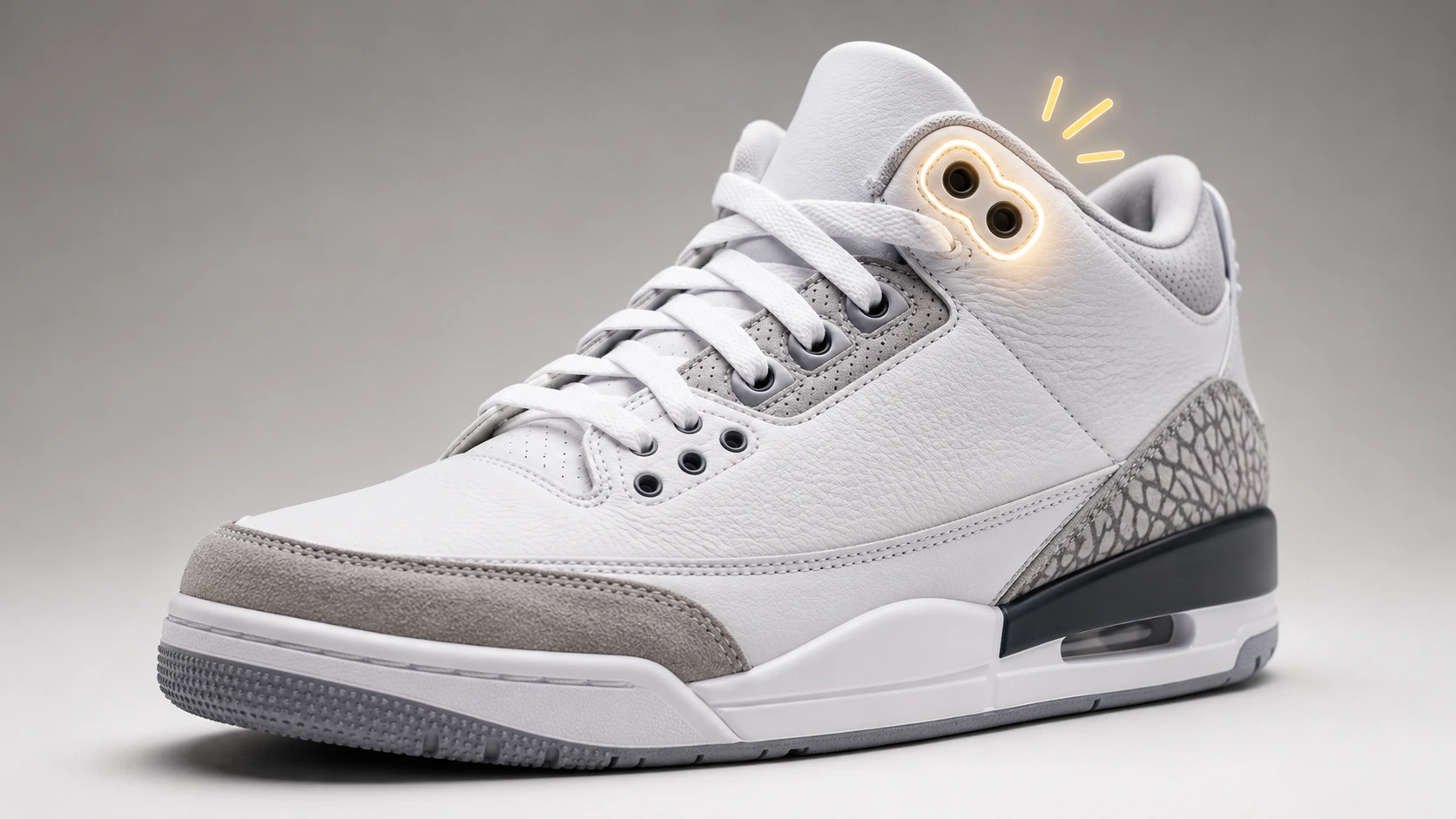
Close-up of a sneaker showing the extra top eyelets used for a heel lock

What they are

Heel lock eyelets

Also called

Runner’s loop

Main benefit

Stops heel slipping

Can reduce

Blisters

The extra holes are for locking your heel in place

The extra holes near the top of many sneakers are not random. They are extra eyelets made for a lacing method called the heel lock.

When you use them correctly, the laces create small loops near your ankle. Those loops pull the shoe collar closer around your foot and help stop your heel from lifting inside the shoe.

That means your shoe can feel more secure without forcing you to tighten the whole shoe until your toes feel trapped.

Why heel slipping is actually a problem

When your heel lifts inside the shoe with every step, your foot slides forward.

That movement creates friction. Over a long walk, run, or hike, friction can turn into hot spots, blisters, and sometimes sore toenails.

The fix is not always tying your laces tighter. The better fix is anchoring the heel with the extra eyelets.

How to do the heel lock

It takes about 30 seconds and works on shoes that have extra top eyelets.

1

Lace normally up to the second-to-last eyelet

Stop before the extra top eyelets. Your shoe should already feel evenly laced across the foot.

2

Thread each lace into the extra eyelet on the same side

Do not cross over yet. Push each lace end through the extra eyelet directly above it to create a small loop on both sides.

3

Cross the laces through the opposite loops

Take the left lace through the right loop and the right lace through the left loop.

4

Pull downward, then tie normally

Pull both lace ends downward to tighten the loops around the ankle area, then tie your bow as usual.

5

Check the pressure

Walk a few steps. Your heel should feel held down, but the top of your foot should not feel squeezed, numb, or painful.

When should you use the extra shoe holes?

The heel lock is useful when your shoe fits mostly well but your heel still moves.

Your heel slips
Use the heel lock if your heel lifts inside the shoe while walking or running.
You get heel blisters
Try it if blisters come from rubbing at the back of the shoe.
You hike downhill
It can help stop your foot from sliding forward on descents.
You have narrow heels
It can secure the ankle area without overtightening the toe box.
Your shoe already feels too tight
Do not use it aggressively. A heel lock can add pressure if the shoe is already tight.
You feel numbness or top-foot pain
Loosen it or skip it. Secure is good. Pain is not the goal.

Myth vs Reality

Myth

The extra holes are just for style.

They look decorative because many people never use them.

Reality

They are built for a specific lacing technique.

The position of the extra eyelets helps lock the ankle and reduce heel movement inside the shoe.

Who actually benefits from the heel lock?

Runners benefit because heel slip can cause blisters over distance.

Hikers benefit because descents push the foot forward inside the shoe.

People with narrow heels or wide forefeet often benefit because normal lacing can feel loose at the heel but tight near the toes.

Casual wearers may not need it every day, but if your heel pops up when you walk, this is worth trying.

Note

The heel lock helps fit, but it does not fix the wrong shoe size

If your shoes are too big, too small, too narrow, or painful even before walking, the extra holes will not magically fix the fit. They mainly help when the shoe fits well overall but the heel still slips.

Quick answers

Common questions

What are the extra holes at the top of sneakers for?

They are extra eyelets for a heel lock, also called a runner’s loop or lace lock. They help keep your heel from slipping inside the shoe.

How do you use the extra eyelets on shoes?

Thread each lace into the extra eyelet on the same side to make loops, cross the lace ends through the opposite loops, pull downward firmly, then tie normally.

Do extra shoe holes help with blisters?

They can help if your blisters come from heel slipping or foot movement inside the shoe. Less movement usually means less rubbing.

Is the heel lock the same as a runner’s loop?

Yes. Heel lock, runner’s loop, lace lock, and lock lacing usually refer to the same lacing technique using the extra top eyelets.

Should everyone use the extra holes on shoes?

No. If your shoes already feel secure and comfortable, you may not need them. They are most useful when your heel slips or your foot slides inside the shoe.

Can using the extra holes make shoes too tight?

Yes. If you pull too hard, the laces can create pressure on the top of your foot. The heel lock should feel snug, not painful or numb.

Do all shoes have extra heel lock eyelets?

No. Many running shoes, hiking shoes, and sneakers have them, but not every shoe does. Some shoes use different lace designs or ankle structures.