Those tiny grooves on the edge

Why Do Coins Have Ridges?

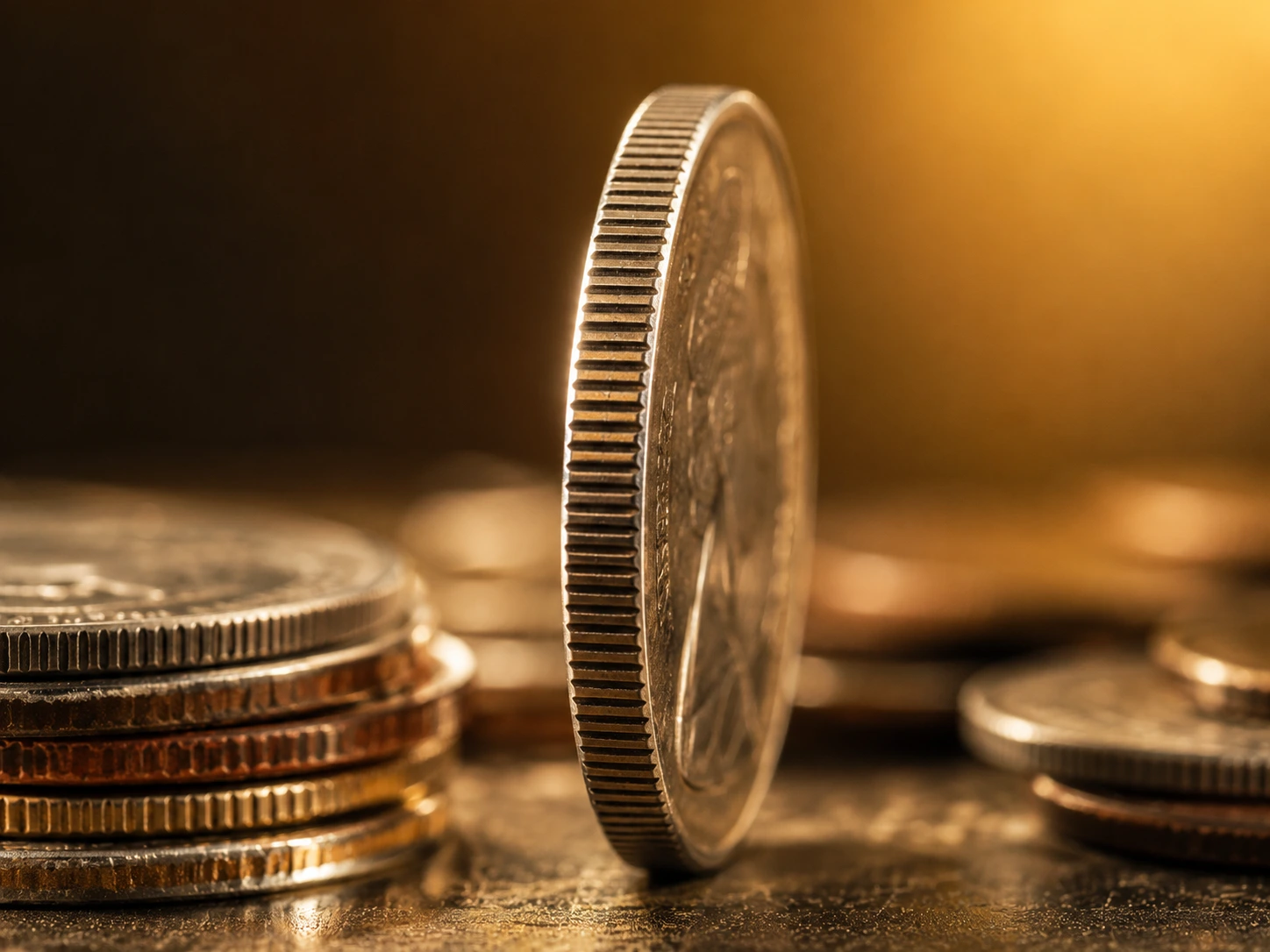
Coin ridges were not invented for grip or decoration. They made it obvious when someone shaved precious metal off the edge of a coin.

Quick answer

Coin ridges were invented to fight a specific crime called coin clipping — shaving metal off the smooth edges of gold and silver coins to steal the metal. Once you added ridges, any shaved coin was instantly obvious. Isaac Newton pushed the design at the Royal Mint in the late 1600s. Today's coins aren't made of precious metal, so clipping isn't a risk — but ridges stuck around because they still deter counterfeiting, help vending machines tell coins apart, and let visually impaired people identify denominations by touch.

Close-up macro shot of the ridged edge of a silver coin

Technical name

Reeding or milled edge

Invented to stop

Coin clipping fraud

Smooth-edged coins

Pennies and nickels (US)

Still needed?

Yes — for different reasons

Someone was literally shaving your money

Before paper money, coins were worth their weight in metal. A gold coin was worth gold. A silver coin was worth silver.

Criminals figured out that if you carefully shaved a thin layer off the smooth edge of each coin, you could collect enough metal to sell — and still pass the lightened coin off as full value.

This was called coin clipping. It was so widespread it destabilized currencies. The fix was dead simple: add ridges. Shave a ridged edge and the damage is immediately visible to anyone who looks.

Myth vs Reality

Myth

Ridges are just tradition now. Modern coins aren't precious metal.

Modern dimes and quarters contain no silver. Nobody is going to shave a quarter for its nickel content. So the ridges seem pointless.

Reality

Ridges do three different jobs today.

They make coins harder to counterfeit, help vending machines verify denomination by texture, and let visually impaired people tell coins apart by touch. The original reason is gone — but the feature found new work.

Why some US coins are smooth and others aren't

The pattern isn't random. It goes back to which coins were valuable enough to clip.

Dime (ridged)
Originally silver. Got ridges to prevent clipping. Kept them for ID and anti-counterfeiting purposes.
Quarter (ridged)
Originally silver. Same history as the dime.
Half dollar, dollar (ridged)
Originally contained silver. Ridges carried over after silver was removed in 1965–1970.
Penny (smooth)
Never worth clipping — made of copper, not precious metal. No ridges needed, and still none today.
Nickel (smooth)
Same logic. Base metal, low value, never at risk. Smooth edges were cheaper to produce.

Note

Isaac Newton ran the coin operation

From 1696 to 1727, Isaac Newton served as Warden then Master of the Royal Mint in England. He pushed hard for reeded edges as part of a major recoinage effort to clean up a currency crisis caused by — yes — widespread coin clipping. The same person who described gravity also helped design the edge of your spare change.

Quick answers

Common questions

Why do coins have ridges?

To stop coin clipping — the practice of shaving metal off the smooth edges of gold and silver coins. A shaved ridged edge was immediately visible, catching the fraud.

What are the ridges on coin edges called?

Reeding (US term) or milling (UK term). The process of adding them is called reeding or milling.

Why do pennies and nickels have smooth edges?

They were never made of precious metal valuable enough to bother shaving. Adding ridges would have cost more than it was worth to prevent.

Do ridges still serve a purpose today?

Yes — three purposes. They make coins harder to counterfeit, help vending machines verify denomination, and let visually impaired people identify coins by touch.

Did Isaac Newton really design coin ridges?

He didn't invent them, but he was a major proponent. As Master of the Royal Mint from 1699, Newton pushed reeded edges as a core anti-fraud measure during a massive currency reform.

Are all country coins ridged?

No. Different countries use different edge designs — some smooth, some ridged, some with lettering. The UK's pound coin even uses a 12-sided shape to make counterfeiting harder.

What is coin clipping?

The practice of shaving small amounts of precious metal off the edges of gold or silver coins, then passing the lighter coin at face value. Widespread enough to destabilize economies before ridged edges fixed it.