The Answer
Verdict
Major lines are stable; minor lines change throughout life
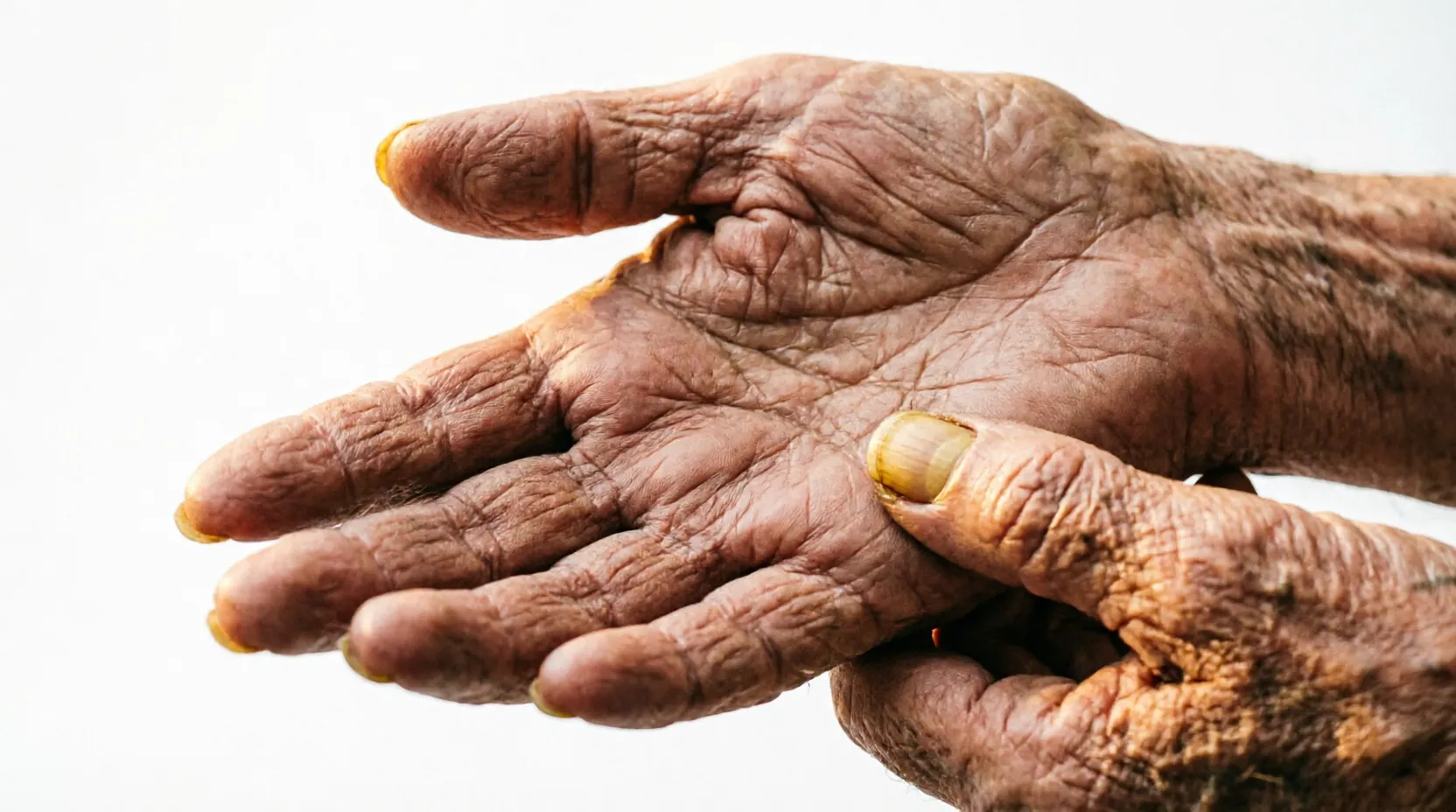
The three or four major creases palmists name (life, head, heart, fate lines) are flexion creases formed during fetal development around week 12. They result from how the developing hand folds and moves in the womb, and their fundamental pattern persists for life, though they may deepen with age. Minor lines, however, are genuinely dynamic: they're created and modified by habitual movements, occupation, skin aging, hydration levels, and health.
Useful analogy
Think of your palm like a piece of leather. The major folds are determined by how the leather is cut and shaped, those don't change. But every time you crumple it the same way, you add a new crease. Use it a lot and the secondary lines multiply. Let it dry out and they get sharper.
The catch
Because minor lines change, a palmist reading at age 20 vs. age 60 will see a genuinely different hand. This gives palmistry an illusion of tracking life changes, but the lines are recording physical history, not predicting future fate.
How Lines Form
How Palm Lines Actually Form and Change
Palm lines are not random. They're created by a logical biological process that begins before birth and continues throughout your life.
Fetal flexion, the major lines are born
Around weeks 10–12 of gestation, the fetus begins moving its hands. Every time it flexes, the skin on the palm folds. Where the skin repeatedly folds at the same place, a crease forms, permanently. These become the major lines. Their position and shape depend entirely on the geometry of the developing hand, which is partly genetic.
Analogy
Fold a piece of paper in half, then unfold it, the crease is now permanent regardless of what you do next.
Habitual movement, minor lines accumulate
Throughout life, any repetitive movement that folds skin in the same spot will eventually create a crease. Craftspeople, surgeons, musicians, and manual laborers all develop distinctive secondary line patterns that reflect their work. A carpenter's dominant hand typically shows more lines than the non-dominant one.
Analogy
Like a wallet that develops creases exactly where you open it every day.
Aging and dehydration, lines sharpen and multiply
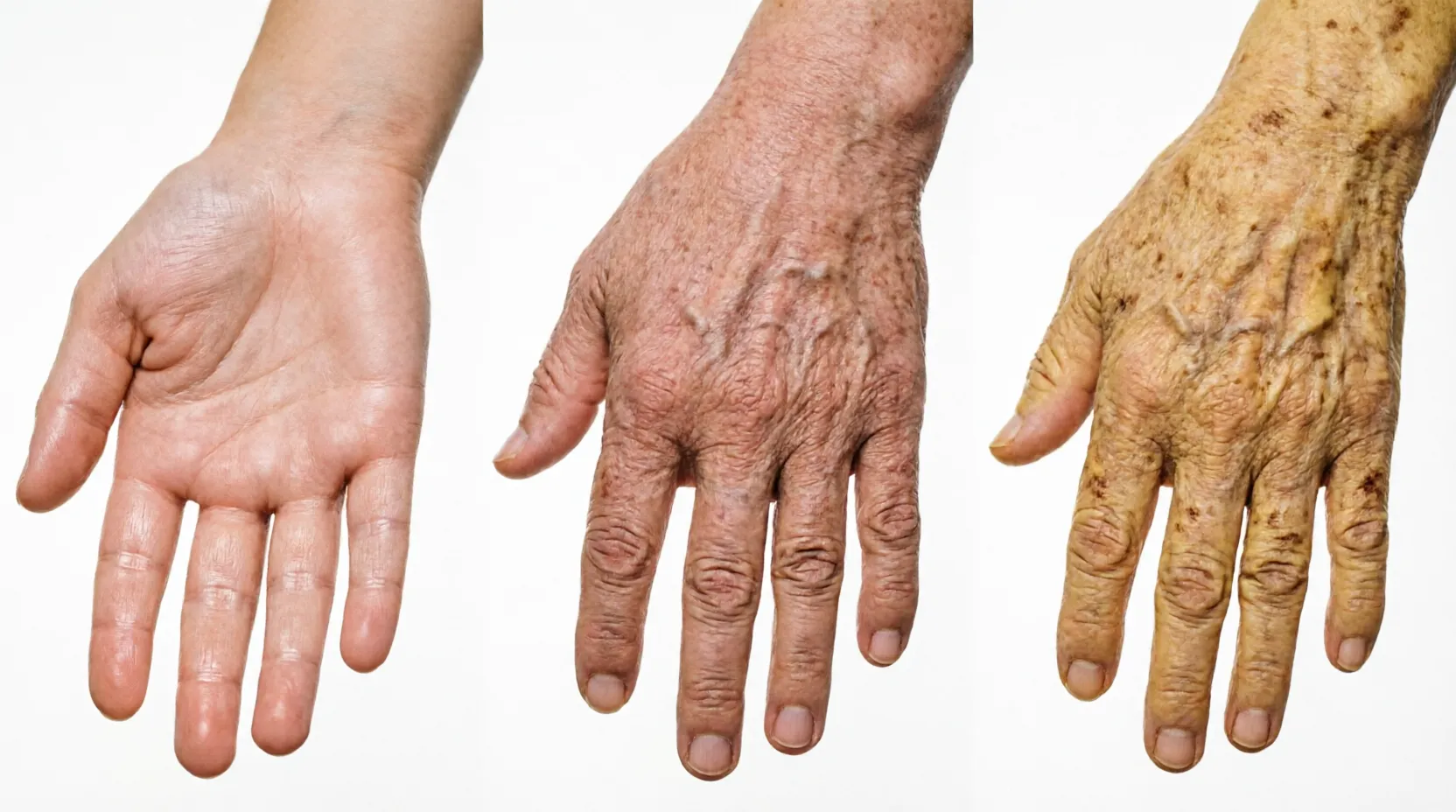
As skin ages, it loses collagen and elastin, becoming less able to 'spring back' from folding. Older skin holds creases more readily. Lines that were faint at 25 may be pronounced at 55. Chronic dehydration has a similar effect, dried skin creases more deeply and permanently.
Health changes, occasionally significant shifts
Certain systemic health conditions can affect the skin's elasticity and moisture, producing visible changes in palm crease patterns. Extreme weight loss or gain, some thyroid conditions, and connective tissue disorders can all alter minor line patterns. This is a real but modest medical signal.
Lines Compared
Major Lines vs. Minor Lines: What Actually Changes
When they form
Major: in the womb (week 12) / Minor: throughout life
How stable they are
Major: very stable / Minor: continuously changing
What creates them
Major: fetal hand movement / Minor: habitual adult movement
Genetic influence
Major: significant / Minor: minimal, more lifestyle-driven
What changes them
Major: deepening with age only / Minor: occupation, hydration, aging, health
Medical relevance
Major: chromosomal markers / Minor: dermatological health signals
The Myth
"Your Lines Change When Your Fate Changes"
What people think
Palmists say new or altered lines signal life turning points
In palmistry, a new line appearing or a major line deepening is often interpreted as a significant life change approaching, a new relationship, a career shift, or a health event. The changing lines are treated as omens.
What actually happens
The lines change because your behavior and body changed, not fate
If you took up guitar at 35, your fingertip creases and thenar eminence (the fleshy base of the thumb) will show new lines within months. If you went through a stressful period with poor sleep and dehydration, your skin will hold creases more sharply. The 'life change' came first and caused the lines, not the other way around.
Quick answers
Common questions
Final insight
Your Palm Is a Diary, Not a Crystal Ball
The lines on your hand are a genuine physical record, of how you were born, how you've moved, what you've built, how you've aged. They change because you change. That's actually more interesting than fate: your palm carries the compressed history of a lived life, written in skin. The tragedy of palmistry is that it takes something genuinely remarkable and replaces it with a fiction.
Quick answers
Common questions
Are identical twins' palm lines identical? +
No, even identical twins have different palm crease patterns. Major lines are similar due to shared genetics, but minor lines differ because they're shaped by individual fetal movement and post-birth behavior. This is the same reason their fingerprints, while similar, are not identical.
If lines change, doesn't that support palmistry? +
Only superficially. Palmistry requires lines to predict future events. What we observe is lines recording past physical behavior. The causality runs backward, life changes cause line changes, not the reverse.