Everyday Objects

Why Are School Buses Yellow?

That particular shade of yellow was chosen at a single conference in 1939 — and has been used on every school bus in North America ever since.

Quick answer

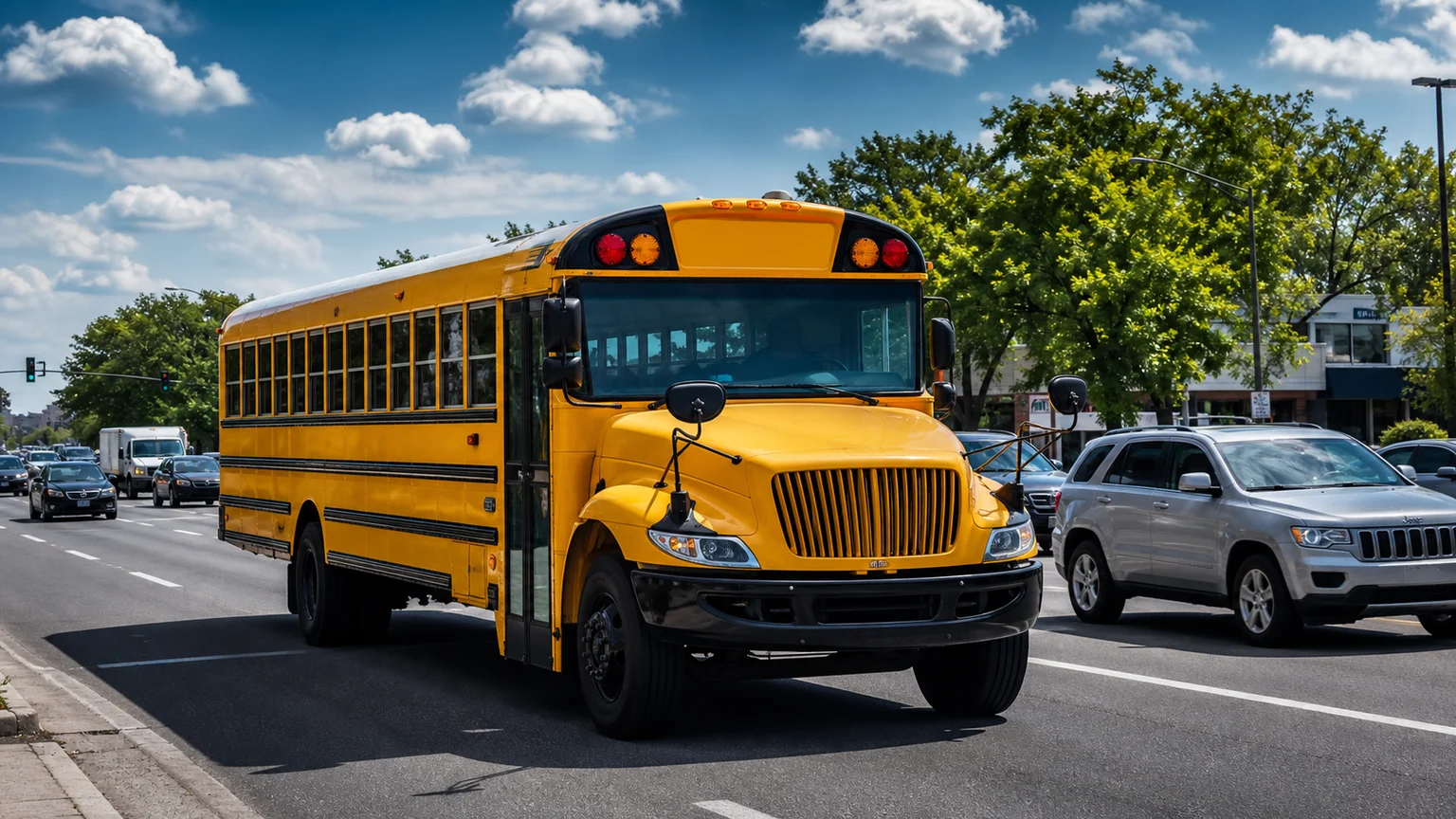
School buses are painted a specific hue called National School Bus Glossy Yellow, standardised at a conference held by Frank Cyr at Columbia University in 1939. The colour was chosen deliberately for visibility. Yellow is detectable in peripheral vision faster than almost any other colour. It is also highly visible in low-light conditions — at dawn, dusk, and in bad weather — when children are most commonly boarding or leaving buses. Cyr convened the conference specifically to create a uniform standard. Before 1939, school buses came in a wide variety of colours and designs. The goal was to make school vehicles instantly recognisable to all drivers regardless of state or region.

Classic yellow school bus on a road

The colour has an official name

It is called National School Bus Glossy Yellow — a specific hue standardised in 1939, not generic yellow.

Yellow is the fastest colour to detect peripherally

The human eye perceives yellow in peripheral vision faster than red, which is why it was chosen over other high-visibility colours.

One conference set the standard

Frank Cyr's 1939 conference at Columbia University resulted in the first nationwide school bus standards — including the colour.

Myth: any bright yellow would work as well

The specific hue balances maximum contrast against common backgrounds (grey road, blue sky, green trees) with optimal peripheral visibility.
One Meeting Painted Every School Bus in America

Before 1939, school transportation was inconsistent. Buses varied in size, colour, and safety features from district to district. A vehicle that looked like a school bus in one state might look like a delivery truck in another.

Frank Cyr, a professor at Columbia University's Teachers College, organised a seven-day conference in April 1939 to create national standards. Forty-four states sent representatives. The result was a set of 44 standards — including the specific yellow paint formula.

Those standards have been updated several times but the colour has remained essentially unchanged. It is now codified in federal law for school vehicles in the United States.

Myth vs Reality

Myth

Any bright yellow would be equally visible and safe

Yellow is yellow — the specific shade seems like an unnecessary detail.

Reality

The specific hue was optimised for peripheral visibility against real-world backgrounds

The chosen shade balances peripheral detection speed, low-light performance, and contrast against the grey, green, and blue backgrounds common around roads. A cooler or more orange yellow performs meaningfully differently.

Why Yellow Over Other High-Visibility Colours

Peripheral detection speed
Yellow is detected faster than red in peripheral vision — important for drivers who see buses in their side view.
Low-light performance
Yellow retains visibility at dawn and dusk better than red, which appears dark in low light.
Association with school vehicles
Decades of standardisation mean drivers immediately associate this specific yellow with children present.
Used globally
North America uses yellow. Other countries including the UK and Australia use different colours for school transport.

Note

Frank Cyr became known as 'the father of the yellow school bus'

Cyr's 1939 conference produced the first comprehensive national standards for school buses in the US. The yellow colour was one of 44 standards adopted — but it became the most recognisable.

Quick answers

Common questions

Why are school buses yellow?

The colour was standardised in 1939 because yellow is detected in peripheral vision faster than almost any other colour, making buses more visible to drivers.

What is the official name of school bus yellow?

National School Bus Glossy Yellow — a specific hue standardised at Frank Cyr's conference at Columbia University in April 1939.

Are school buses always yellow worldwide?

No. The yellow standard is primarily North American. Other countries use different colours — the UK uses orange or green, and Australia uses varying colours.

Why not use red or orange, which are also high-visibility colours?

Yellow is detected peripherally faster than red and appears brighter than orange in low-light conditions at dawn and dusk.