That pinhole you never noticed

Why Do Padlocks Have a Tiny Hole in the Bottom?

The tiny hole under a padlock is not a secret key slot. It lets water drain out so the lock is less likely to rust and jam.

Quick answer

That hole is a drain hole — also called a weep hole. Padlocks used outdoors on gates, sheds, and fences are constantly exposed to rain. Without a way out, water sits inside the lock body and rusts the internal pins, springs, and tumblers until the lock jams or fails completely. In freezing weather, trapped water expands as ice and can crack the mechanism. The hole lets water drain out before any of that happens. As a bonus: you can squeeze a few drops of lubricant into it to revive a stiff or stuck lock.
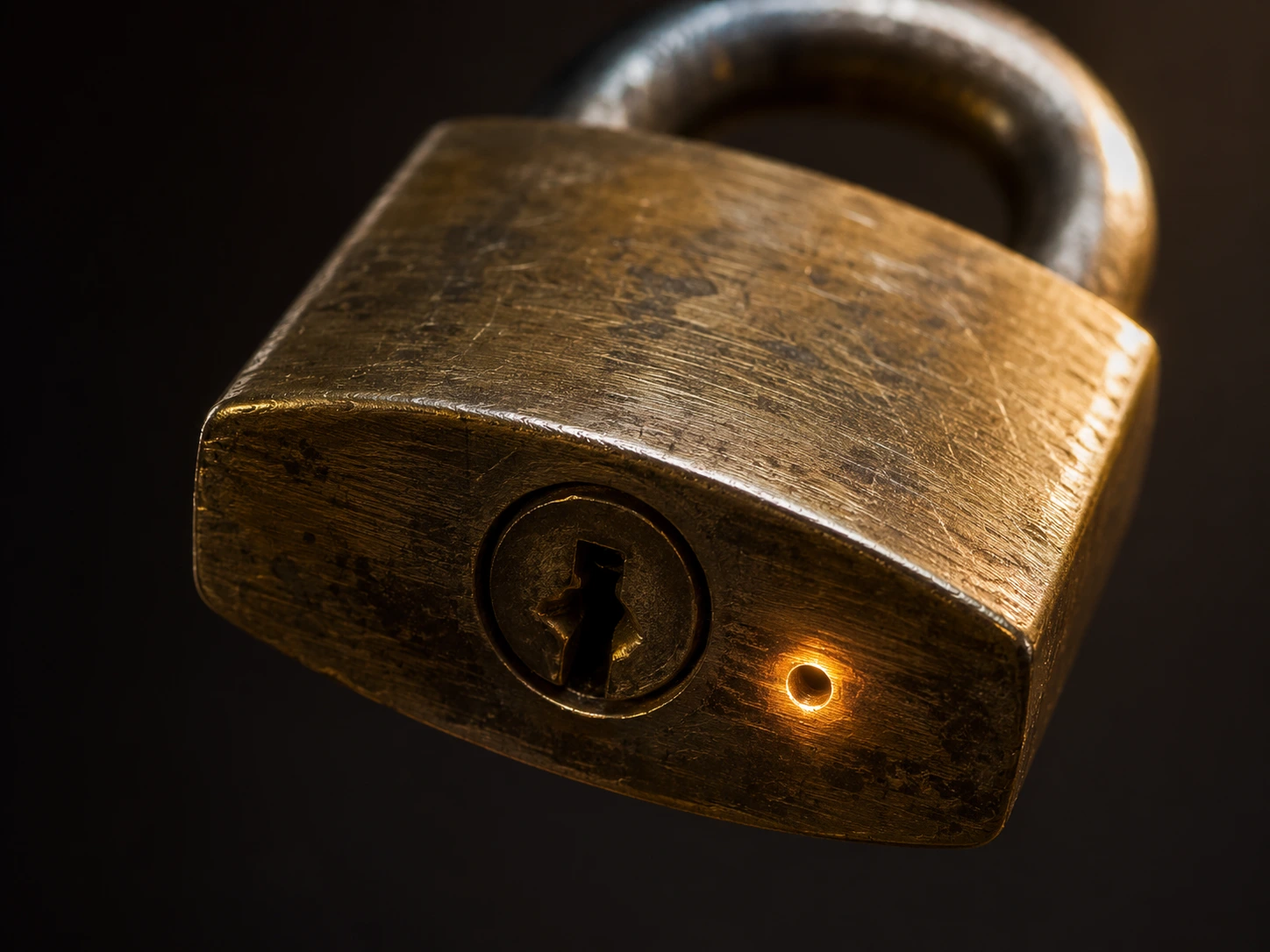
Close-up of a padlock body showing the tiny hole at the bottom

Official name

Drain hole or weep hole

Primary job

Drain water to prevent rust

Secondary job

Lubrication port

On every padlock?

No — mainly outdoor types

Water gets in through the top. The hole gets it out at the bottom.

When a padlock is used outdoors, water gets into the body through the gaps where the shackle (the U-shaped bar) enters the lock. Rain gets in. Condensation gets in. Humidity gets in.

Without a way out, that moisture sits at the base of the lock. Steel pins, springs, and tumblers rust. In below-freezing temperatures, the water expands as ice and can physically break internal components.

The tiny hole at the bottom is positioned at the lowest point for a reason: gravity pulls any collected water straight toward it and out of the lock before it can cause damage.

The two uses of the padlock hole

Drain / weep hole (primary)
Lets water exit the lock body. Prevents corrosion of internal metal parts. Stops water from freezing inside in cold weather.
Lubrication port (secondary)
A few drops of lock lubricant — graphite spray or PTFE-based dry lube work best — can be inserted through the hole to loosen stiff or seized mechanisms.

Myth vs Reality

Myth

The hole is a manufacturing flaw or weakness in the lock.

It's small and looks accidental. People sometimes think it reduces the lock's security.

Reality

It's intentional and doesn't affect security.

The hole is too small to be exploited and is placed on the body, not the shackle mechanism. It's a deliberate design choice to extend the lock's working life, especially for outdoor use.

Good to know

Stuck lock? Use the hole

If your padlock is stiff or won't open, insert a dry lubricant like graphite powder or PTFE spray directly into the drain hole. Let it sit for 30 seconds, then try the key or combination. Avoid WD-40 for long-term use — it attracts dirt. A purpose-made lock lubricant is better.

Quick answers

Common questions

What is the tiny hole in the bottom of a padlock?

It's a drain hole or weep hole. It lets water drain out of the lock body so the internal mechanism doesn't rust or freeze.

Can water really get inside a padlock?

Yes, easily. Outdoor padlocks are exposed to rain, humidity, and condensation. Water enters through the gaps around the shackle at the top of the lock.

Can I use the hole to lubricate a stuck padlock?

Yes. A dry lubricant like graphite powder or PTFE spray inserted into the hole reaches the internal components directly. It's one of the most effective ways to revive a stiff lock.

Why shouldn't I use WD-40 in a padlock?

WD-40 is a water displacer, not a long-term lubricant. It can attract dirt and gum up the mechanism over time. Use a purpose-made lock lubricant or graphite instead.

Do all padlocks have this hole?

No. Fully weatherproof sealed padlocks for marine or extreme conditions sometimes use different waterproofing methods. The drain hole is most common on standard outdoor padlocks.

Does the hole make the padlock less secure?

No. The hole is too small to interact with the locking mechanism and is positioned on the body, not the shackle. It doesn't affect how the lock functions or how hard it is to open without a key.