Everyday Objects
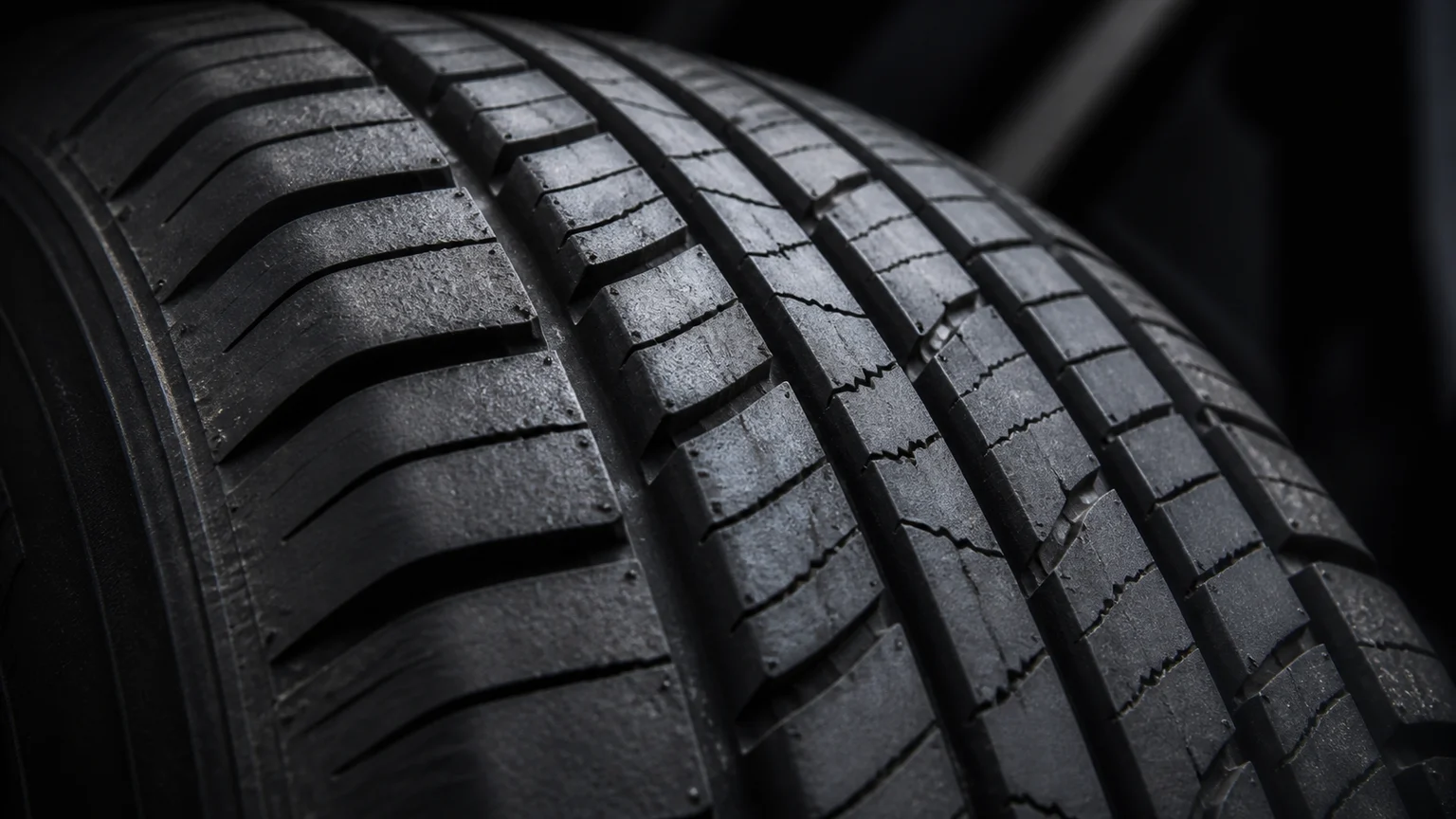
Why Are Car Tires Black?
Natural rubber is off-white. Every tire on every car is black for one specific reason — and it multiplies the tire's lifespan by four or five times.
Quick answer
Car tires are black because of a material called carbon black. It is a fine powder produced by burning hydrocarbons in limited oxygen, and it is added to rubber during the manufacturing process. Natural rubber is weak, sticky, and degrades quickly. Carbon black dramatically improves it. When carbon black particles bond with rubber polymer chains, they reinforce the material at a molecular level — dramatically increasing tensile strength, resistance to tearing, and heat dissipation. The colour is simply a side effect of the carbon. Early tires in the 1800s were indeed off-white or cream, and experimental coloured tires exist today — but they wear out much faster without the carbon black additive.

Natural rubber is not black
Uncompounded rubber is off-white or cream. Carbon black is the additive that changes the colour and the properties.
Carbon black multiplies tire life
Adding carbon black to rubber increases wear resistance by four to five times compared to untreated rubber.
It also dissipates heat
Tires generate significant heat from friction. Carbon black conducts that heat away from the rubber, reducing degradation.
Myth: tires are dyed black for appearance
The colour is a functional consequence of the carbon additive. Coloured tires exist but wear significantly faster.
Next tiny mystery
More things hiding in plain sight

Everyday Objects
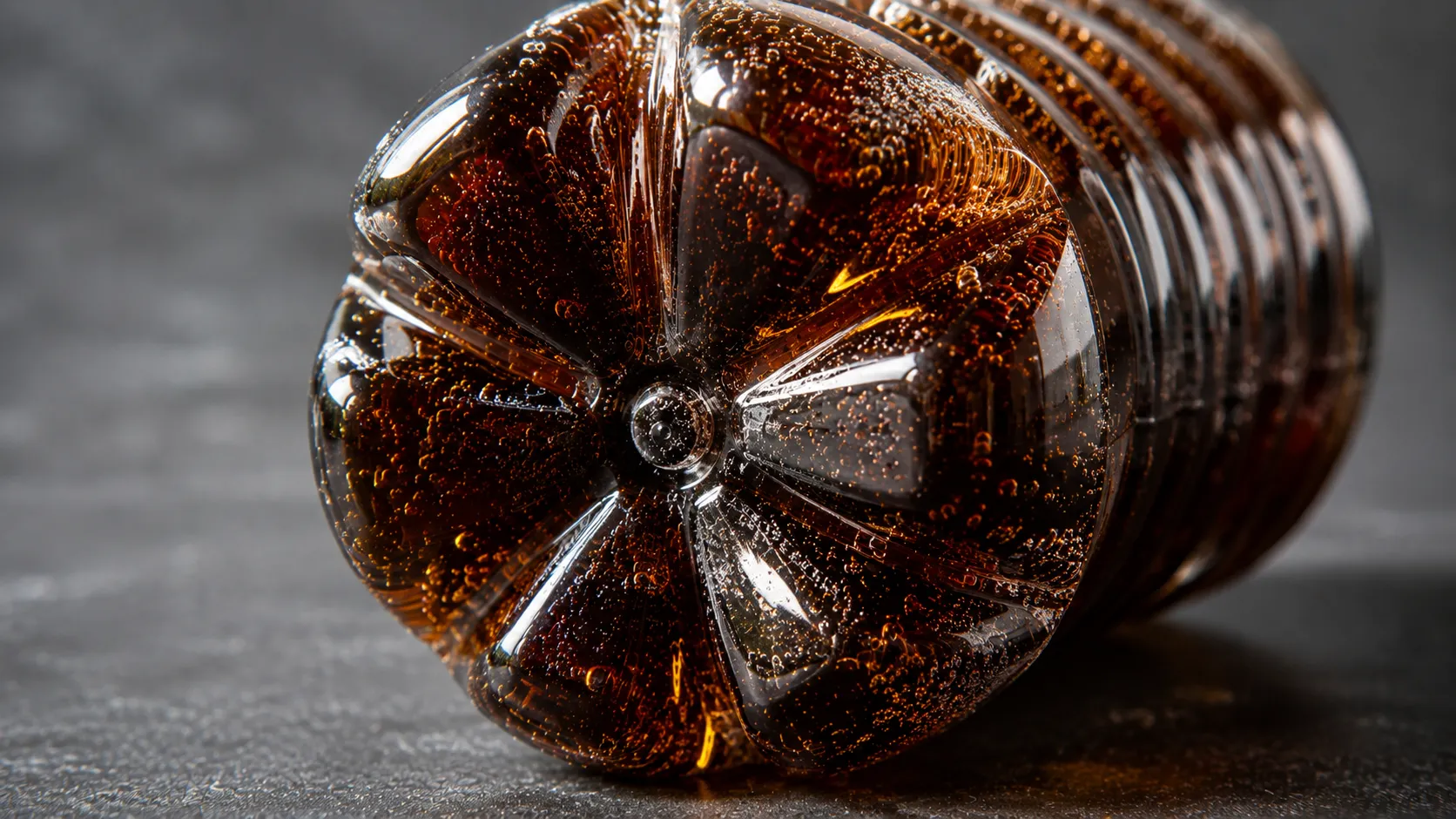
Why Do Soda Bottles Have Bumpy Bottoms?
Both reveal how material science shapes the design of everyday objects.

Everyday Objects
Why Are School Buses Yellow?
Both explain colour choices in vehicles that are determined by function rather than aesthetics.

Everyday Objects
Why Do Train Tracks Have Stones Under Them?
Both involve engineering materials chosen specifically for performance under mechanical stress.