Body & Brain

What Happens If You Never Exercise?

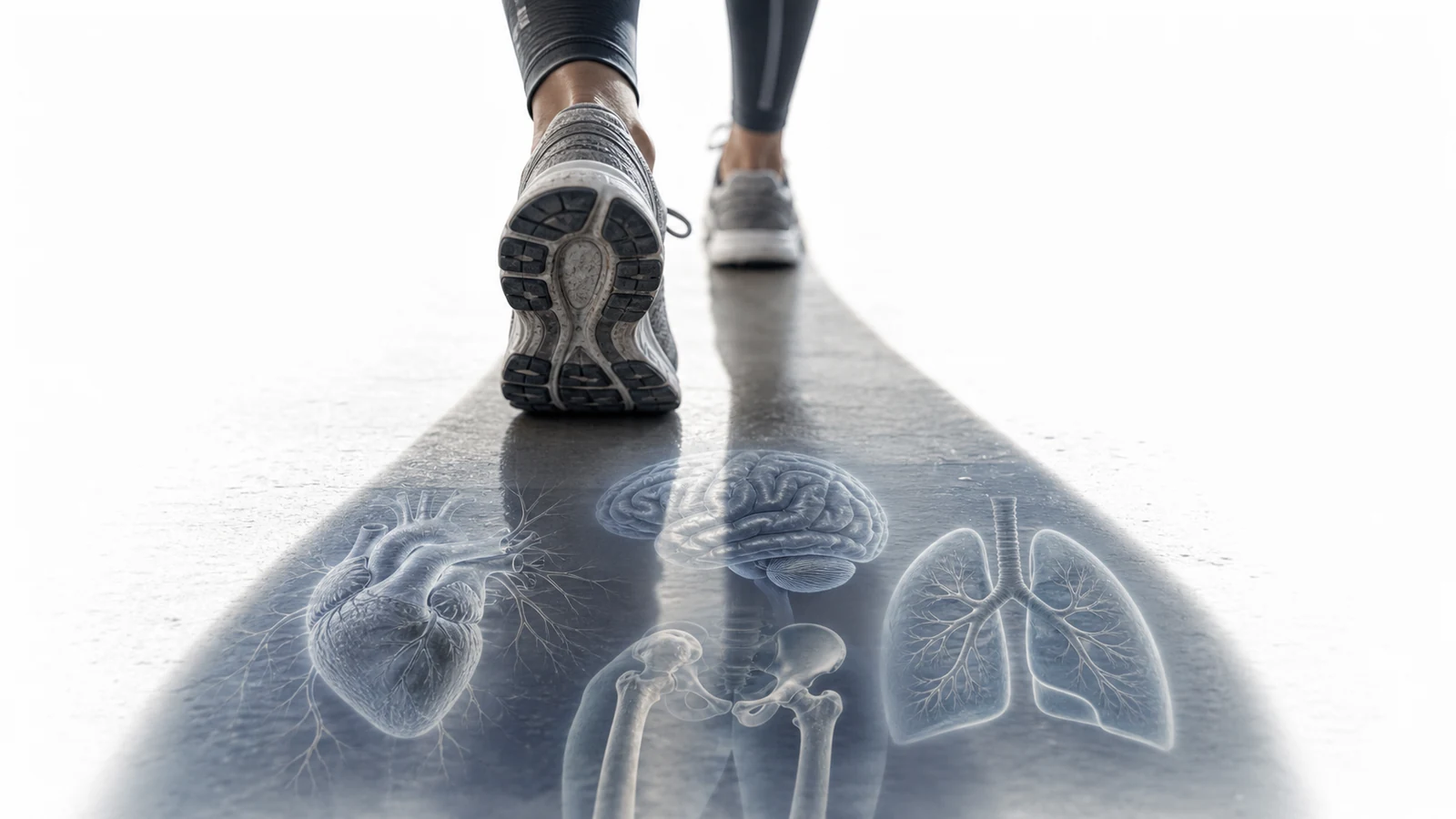
The human body was built for movement. What happens when it never moves is a long, slow process that accelerates in surprising ways. Sedentary physiology studies what happens to the body in the absence of movement. The field is new because permanent sitting is historically new. The average modern person spends many hours a day stationary in a body built for regular physical work. Physical inactivity does not just make you weaker. It accelerates aging-like changes in muscle, bone, metabolism, cardiovascular function, and the brain.

Quick answer

A permanently sedentary life causes progressive muscle loss, bone density reduction, cardiovascular deconditioning, insulin resistance, impaired brain function, mood disruption, and shorter lifespan. The effects begin within days and accelerate with age. Physical inactivity has been identified by the WHO as a leading global mortality risk factor and kills more people per year than obesity.
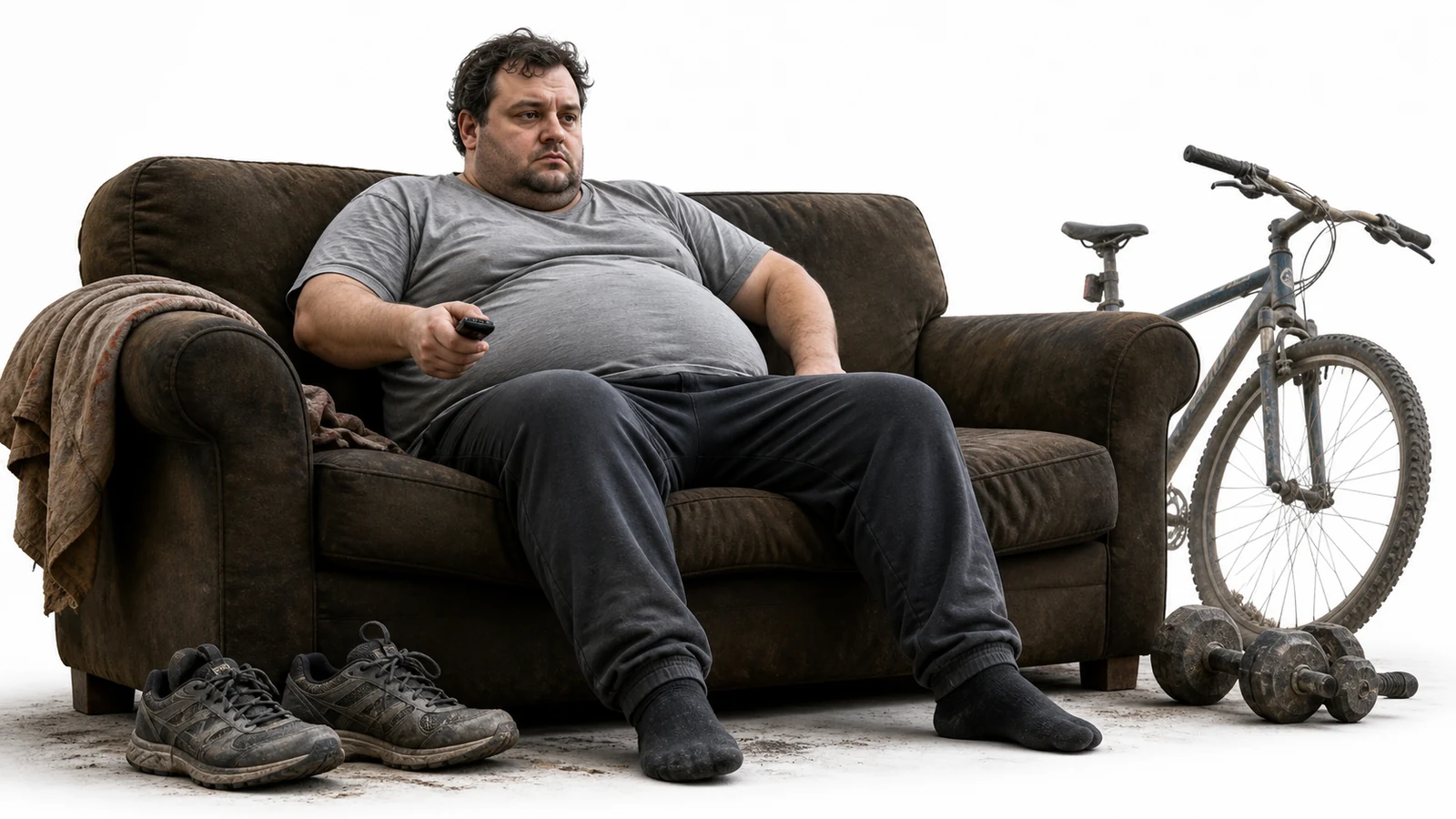
What Happens If You Never Exercise? hero image

The short answer

A permanently sedentary life causes progressive muscle loss, bone density reduction, cardiovascular deconditioning, insulin resistance, impaired brain function, mood disruption, and shorter lifespan.

Cardiovascular deconditioning

Stroke volume falls, resting heart rate rises, capillary density drops, and aerobic capacity declines.

Curiosity twist

Physical inactivity has been identified by the WHO as a leading global mortality risk factor and kills more people per year than obesity.

Common mistake

Thin people do not need exercise because their weight is already healthy.

What the body loses without movement

The body follows a use-it-or-lose-it rule. Muscle that is not loaded shrinks, bones that are not stressed weaken, cardiovascular systems that are not challenged deteriorate, and neural circuits that are not activated lose resilience.

Muscle: the metabolic organ

Skeletal muscle is not only for movement. It disposes of glucose, generates heat, supports immune function, and releases myokines that influence inflammation and brain health. Without exercise, muscle mass declines steadily after adulthood and more rapidly after 60.

Memorable line: Muscle is not just what moves you; it is one of the most important metabolic organs in your body.

The brain's need for the body to move

Physical activity stimulates BDNF, a protein that supports neurons in regions involved in memory and executive function. Sedentary older adults tend to show smaller hippocampal volume, while aerobic exercise has been shown to increase hippocampal volume in older adults.

Memorable line: Exercise is the most powerful legal method available for growing your brain.

What happens inside without movement

Inactivity affects multiple biological systems in parallel.

1

Cardiovascular deconditioning

Stroke volume falls, resting heart rate rises, capillary density drops, and aerobic capacity declines. Complete inactivity can reduce VO2 max rapidly.

2

Bone density loss

Bones need mechanical loading. Without it, bone-building activity falls while resorption continues. Bone is living tissue that responds to stress.

3

Insulin resistance

Inactive muscles become worse at absorbing glucose, shortening the path toward metabolic syndrome and type 2 diabetes. Muscle contraction helps glucose enter cells even apart from insulin.

4

Reduced BDNF and neural atrophy

Lower activity means less exercise-stimulated support for hippocampal and prefrontal neural maintenance. The brain expects the body to move.

The evolutionary mismatch

Human biology was shaped in environments where daily movement was unavoidable. Modern sedentary life removes a core input the body expects, so some changes we call aging are partly inactivity-related deterioration.

Surprising things about inactivity

Sitting is worse than standing
Long uninterrupted sitting has metabolic effects that brief walking or standing breaks can partially mitigate.
Very old adults can still gain muscle and bone
Even people in their 80s and 90s can improve strength with structured resistance training.

Doesn't thin or 'skinny' mean fit?

Myth

The myth

Thin people do not need exercise because their weight is already healthy.

Reality

The reality

Some thin people have high visceral fat and poor metabolic health. Body weight is not the same as cardiovascular, muscular, or metabolic fitness. Why people think this: Weight is visible. Metabolic health is mostly invisible.

Inactivity at scale

The COVID-19 lockdown study
Lockdowns created a natural experiment in reduced movement, with many populations showing lower activity and worse metabolic and mental-health markers.

Exercise is medicine

Regular physical activity reduces risk across cardiovascular disease, diabetes, depression, dementia, some cancers, and all-cause mortality. No single pill matches its portfolio of effects.

Surprising consequence: One of the cheapest interventions for chronic disease is also one of the most underused.

Worth noting

The moving animal

The human body was built for movement not as recreation but as maintenance. Remove movement and the results appear across every major health metric. The human body does not age. It deteriorates. And the single most important variable in the rate of that deterioration is how much it moves.

Quick answers

Common questions

Is walking enough?

For many outcomes, brisk walking is very effective. It does not fully replace resistance training for muscle and bone, but it is a strong general-health intervention.

Can you exercise too much?

Yes, with overtraining and inadequate recovery, but for most people the measurable risk is too little exercise, not too much.