Inventions & Technology

How Do Undersea Cables Connect the World?

The internet does not travel through air. It travels along 1.3 million kilometers of cable on the ocean floor. International data usually crosses oceans through fiber optic cables, not satellites.

Quick answer

Undersea cables send data as pulses of laser light through glass fibers. Repeaters amplify the light across ocean distances, allowing enormous capacity at low latency. The global internet feels wireless, but its backbone is physical glass lying on the seafloor.
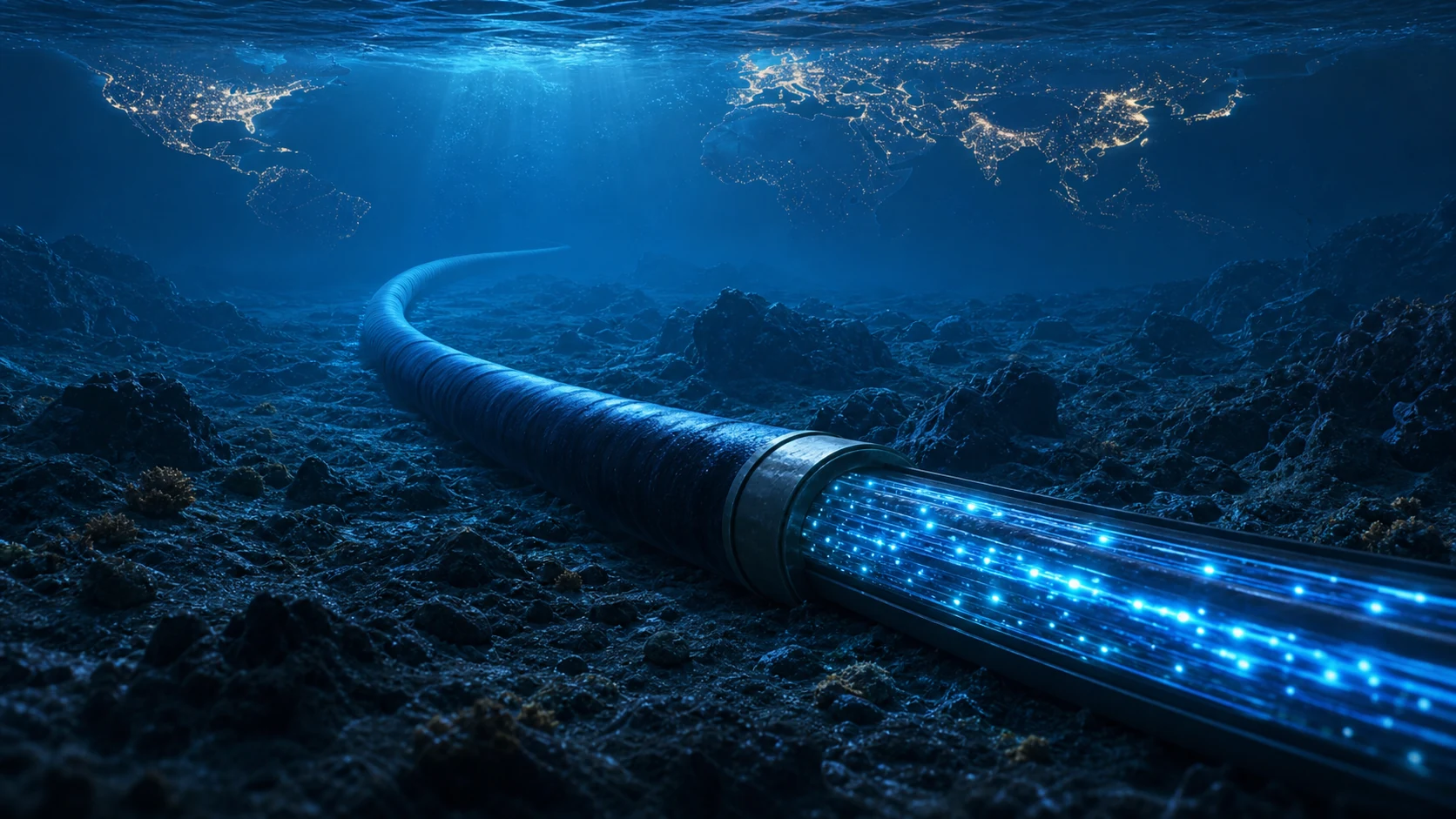
How Do Undersea Cables Connect the World? hero image

The hook

Undersea cables carry most international internet traffic.

The hidden mechanism

Data travels as light pulses in fiber optic strands.

The twist

Repeaters amplify signals every tens of kilometers.

Common mistake

Satellites carry only a small share of global data volume.

Why Light Beats Electricity Underwater

Electrical signals in copper weaken badly over long distances. Light in fiber loses far less energy, making ocean-scale links practical.

Multiple wavelengths can travel through the same fiber, so one cable can carry many independent channels at once.

How the Cable Stays Alive

Even fiber needs help. Repeaters placed along the route amplify signals before they fade too much.

The cable also carries electrical power for those repeaters from shore stations at the ends.

How a Cable Crosses an Ocean

The physical installation is slow, specialized, and expensive.

1

Survey the route

Engineers map trenches, slopes, fishing zones, anchor risks, and seismic hazards.

2

Load a cable ship

Thousands of kilometers of cable are coiled into tanks and paid out carefully.

3

Bury near shore, lay in deep water

Shallow sections are protected from anchors and fishing; deep sections usually rest on the seabed.

The Deeper Reason: Satellites Cannot Replace Cables

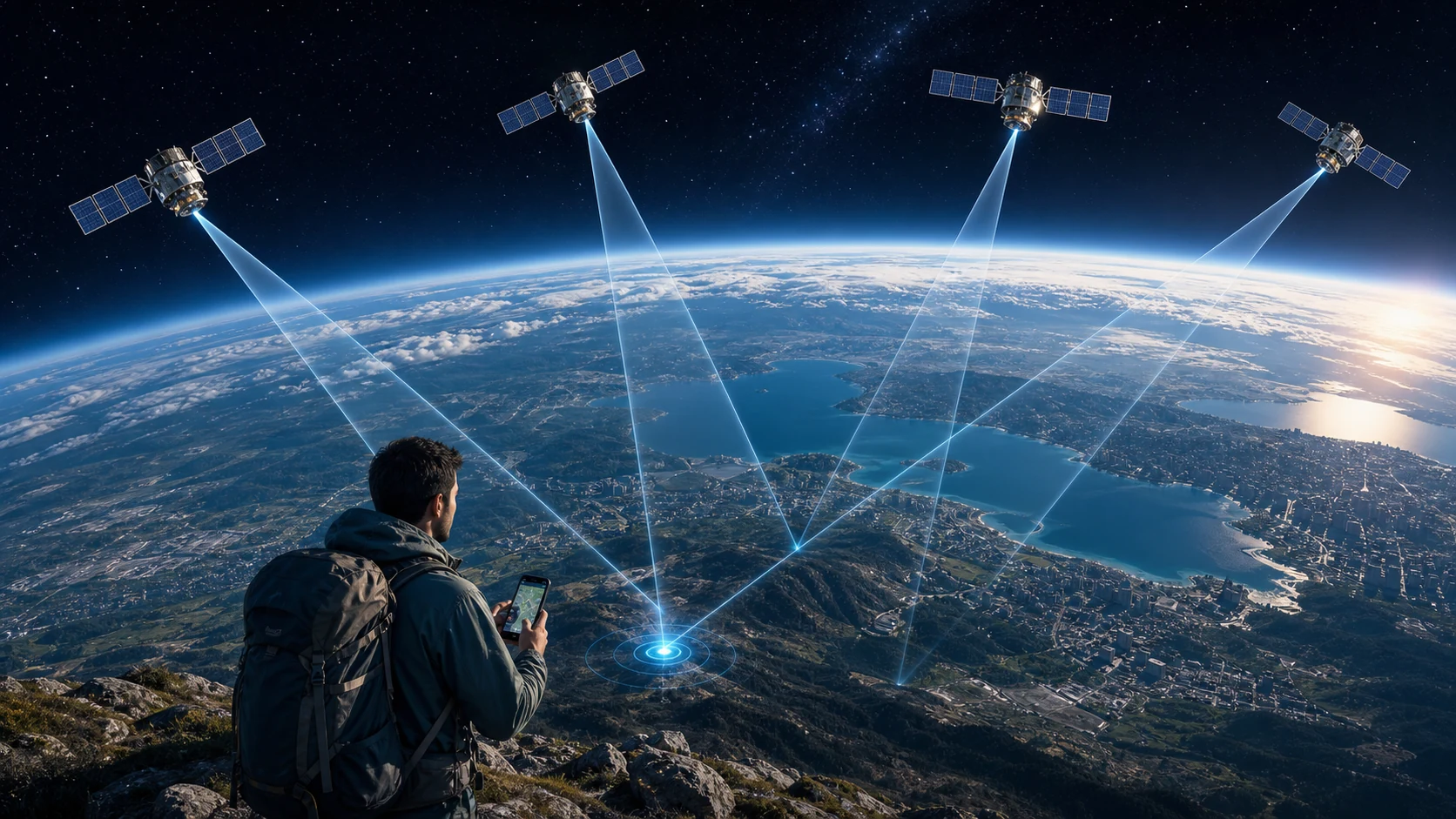
Satellites are useful, but they cannot match the capacity and latency of fiber for most high-volume international traffic.

Globalization's real nervous system is not in orbit. It is mostly on the ocean floor.

The Common Misunderstanding

Myth

International internet traffic mainly travels by satellite.

It is an easy explanation because it makes the story simpler than it really was.

Reality

Undersea fiber cables carry the overwhelming majority of international data traffic.

The real explanation is more interesting because it shows the system, pressure, and tradeoffs behind the event.

Why It Mattered

Immediate effect
Cables make real-time global business, finance, work, and communication possible.
Long-term effect
Cable landing stations are strategic chokepoints.
Modern echo
Cloud services and financial markets depend on route latency and resilience.
Best way to remember it
The internet crosses oceans as light inside glass cables that most people never see.

Worth noting

Key Takeaway

The internet crosses oceans as light inside glass cables that most people never see.

Quick answers

Common questions

How are broken cables repaired?

Repair ships locate the fault, retrieve or access the cable, splice in a new section, and relay it.

Can undersea cables be tapped?

Yes. Physical tapping is difficult but possible and has been a known intelligence concern.