Body & Brain

What Happens If You Don't Sleep for 48 Hours?

Sleep deprivation is not merely exhaustion. It is a systematic attack on every major system in your body. Fatal familial insomnia is an extraordinarily rare prion disease in which the sufferer gradually loses the ability to sleep and dies within months. You are not at risk of that condition, but it reveals something important: the inability to sleep can be fatal. After 48 hours without sleep, you have entered territory neuroscientists consider genuinely alarming. After 48 hours without sleep, your brain begins showing symptoms that would, in any other context, be treated as a psychiatric emergency.

Quick answer

After 48 hours without sleep, you can experience significantly impaired reaction time, decision-making, working memory, microsleeps, possible hallucinations, immune suppression, metabolic disruption, and severe emotional dysregulation. Your brain is not merely tired. It is beginning to malfunction. The frontal lobe, which helps you assess yourself, is also impaired, so sleep-deprived people consistently rate their own performance as better than it actually is.

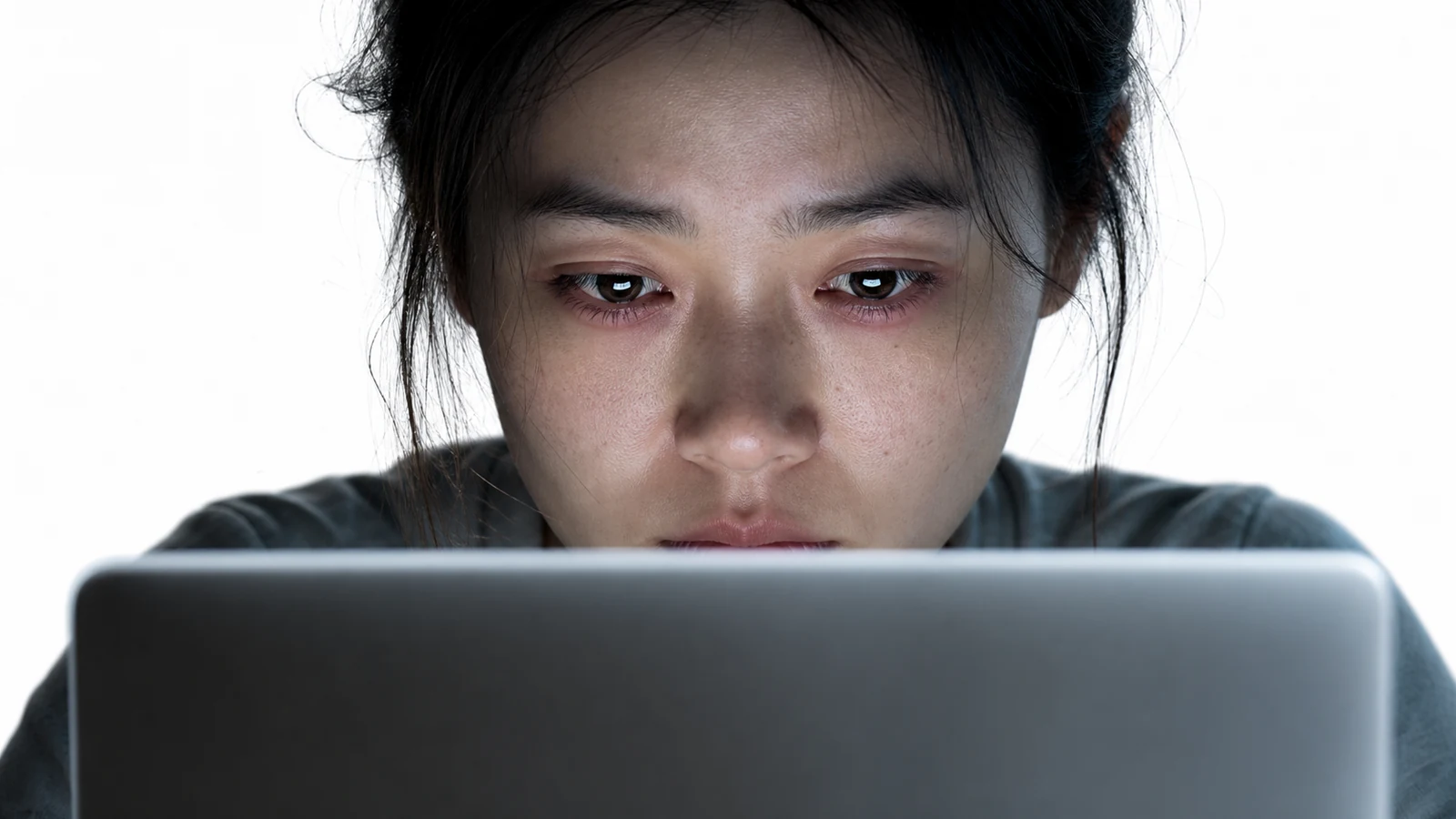
What Happens If You Don't Sleep for 48 Hours? hero image

The short answer

After 48 hours without sleep, you can experience significantly impaired reaction time, decision-making, working memory, microsleeps, possible hallucinations, immune suppression, metabolic disruption, and severe emotional dysregulation.

Adenosine accumulation

Adenosine is a byproduct of neural activity that accumulates during wakefulness.

Curiosity twist

The frontal lobe, which helps you assess yourself, is also impaired, so sleep-deprived people consistently rate their own performance as better than it actually is.

Common mistake

You can catch up on sleep debt over a weekend and fully erase the damage.

Hour by hour: the 48-hour collapse

Sleep is not passive. During sleep, the brain clears metabolic waste, consolidates memories, regulates hormones, restores immune function, and performs neural repair. Missing 48 hours means those maintenance jobs pile up.

Hours 16-24: the first signs

Most adults begin to show significant effects around 16 hours of wakefulness. Reaction time, short-term memory, and decision-making decline. By 24 hours, studies often compare the impairment to a blood alcohol level around 0.10%, above the legal driving limit in many countries. The dangerous part is that you do not feel reliably impaired, because the self-monitoring machinery is impaired too.

Memorable line: After 24 hours without sleep, you are legally impaired to drive, but unlike alcohol, you may not feel the impairment.

Hours 24-48: the brain begins hallucinating

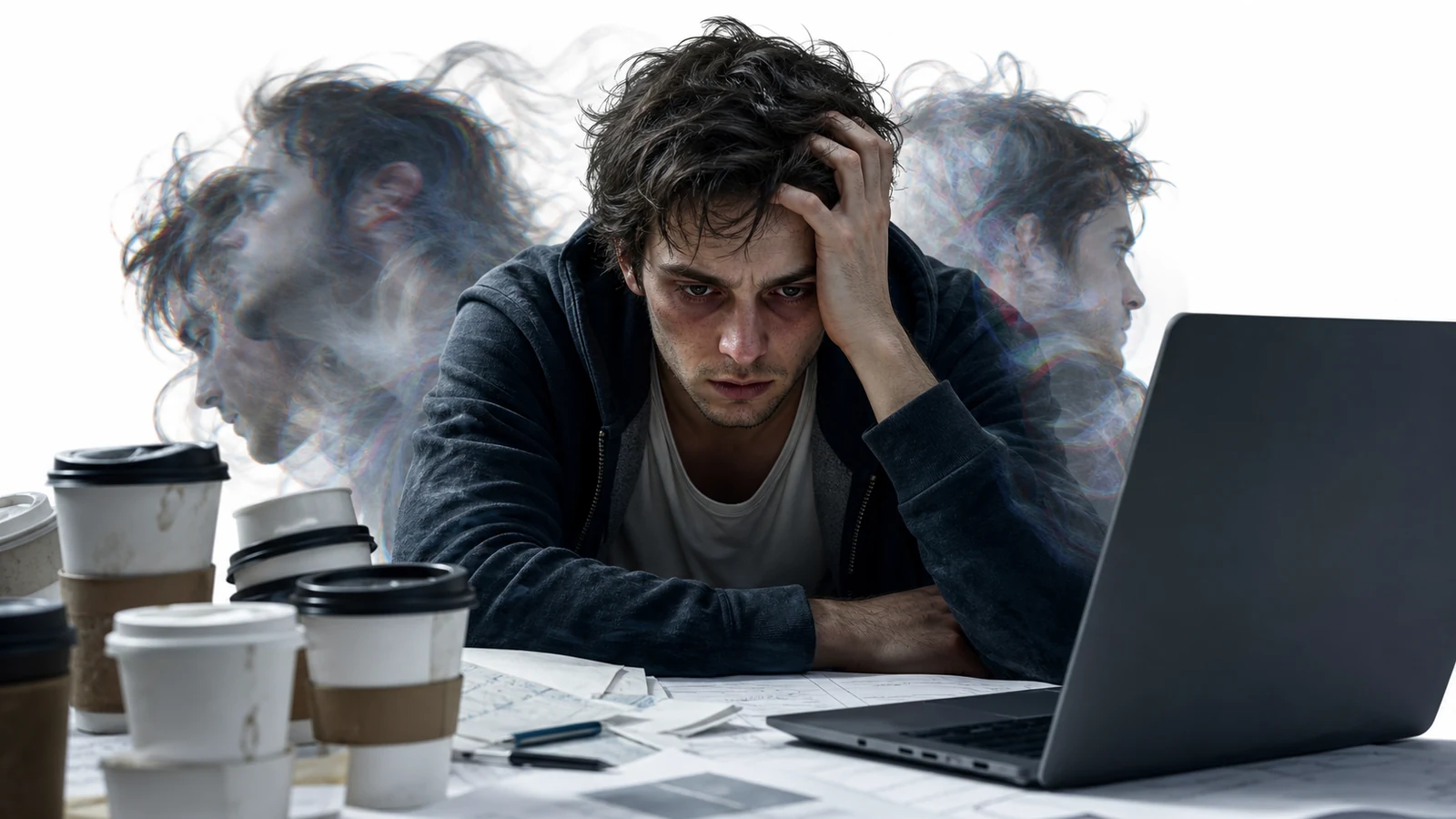
Between 24 and 48 hours, the brain begins letting noise bleed into perception. Early hallucinations may be simple: movement in peripheral vision, a sound that was not made, or visual distortion in a dark room. Microsleeps also become more frequent: one-to-thirty-second sleep episodes that can happen while a person appears awake. Emotional regulation collapses as the amygdala becomes hyperreactive and the prefrontal cortex loses control.

Memorable line: At 48 hours without sleep, the hallucinations are not the strangest symptom. The stranger symptom is that you might not notice them happening.

What the brain is doing (and not doing)

Sleep deprivation works through several biological failures at once.

1

Adenosine accumulation

Adenosine is a byproduct of neural activity that accumulates during wakefulness. Normal sleep clears it. Sleep deprivation lets it build up, creating sleepiness and impairing cognition. Caffeine blocks adenosine receptors. It does not remove the adenosine, which is why the crash can feel worse when caffeine wears off.


2

Glymphatic failure

During deep sleep, the glymphatic system helps flush metabolic waste products from brain tissue, including beta-amyloid and tau proteins. Sleep deprivation interrupts that cleaning cycle. The glymphatic system was identified only recently. One answer to why we sleep is simple: to run the brain's dishwasher.

3

Immune suppression

Sleep supports cytokine production and immune coordination. After prolonged sleep loss, immune function is measurably suppressed and susceptibility to infection rises. A 2015 study found that people sleeping fewer than six hours were far more likely to develop a cold after rhinovirus exposure than those sleeping seven or more.

4

Metabolic disruption

Sleep deprivation disrupts insulin sensitivity and glucose metabolism within 24-48 hours. Cortisol rises, leptin falls, ghrelin rises, and cravings for calorie-dense food increase. The metabolic pattern can resemble a pre-diabetic state after surprisingly little sleep loss.

Why the body can't skip sleep

Sleep may be the one biological function with no substitute. Food can be forgone for weeks and exercise can be skipped for days, but sleep loss produces rapid, compounding consequences. That suggests sleep is not just rest. It is a maintenance window for several critical systems at once.

Sleep deprivation's stranger effects

The world record for sleeplessness is 11 days
In 1964, Randy Gardner stayed awake for 11 days and 25 minutes. By day 4 he was hallucinating; by day 11 his cognition had deteriorated severely. Researchers would not ethically repeat this today.
Sleep deprivation is used as torture
Prolonged sleep deprivation undermines perception, emotion, and reasoning, which is why human rights organizations classify it as a form of torture.

Can you catch up on missed sleep?

Myth

The myth

You can catch up on sleep debt over a weekend and fully erase the damage.

Reality

The reality

Extra sleep helps, but recovery is often incomplete. Some performance deficits, immune effects, and metabolic effects can persist after recovery sleep. Why people think this: Sleeping in feels like full recovery, and the remaining deficits are subtle enough to miss.

Sleep deprivation in the world

Medical residents and shift workers
Extended shifts ask people to make high-stakes decisions while the brain is in a known impaired state. The professional norm and the neurological reality are in tension.

The most underrated health risk

Modern culture often treats sleep loss as productivity. Neuroscience points the other way: inadequate sleep is linked with obesity, type 2 diabetes, cardiovascular disease, depression, dementia, and immune dysfunction.

Surprising consequence: A culture that celebrates sleeping less may be manufacturing worse performance and worse health.

Worth noting

The brain's most undervalued demand

Every night, your brain runs its cleaning cycle, consolidates memory, resets emotional processing, and calibrates hormones. You wake up not just rested but rebuilt. Sleep is not the absence of productivity. It is the condition that makes productivity possible.

Quick answers

Common questions

Is it dangerous to drive after 24 hours without sleep?

Yes. Driving after 20-24 hours awake produces impairment comparable to alcohol intoxication and substantially increases crash risk.

What happens if you go longer than 48 hours?

By 72 hours, hallucinations can become more complex and cognition degrades severely. By 96 hours, repeated microsleeps make sustained wakefulness increasingly difficult.