Everyday Objects
Why Does Soap Make Bubbles?
Every soap bubble is a two-molecule-thick wall of water — and the soap is what stops it from collapsing instantly.
Quick answer
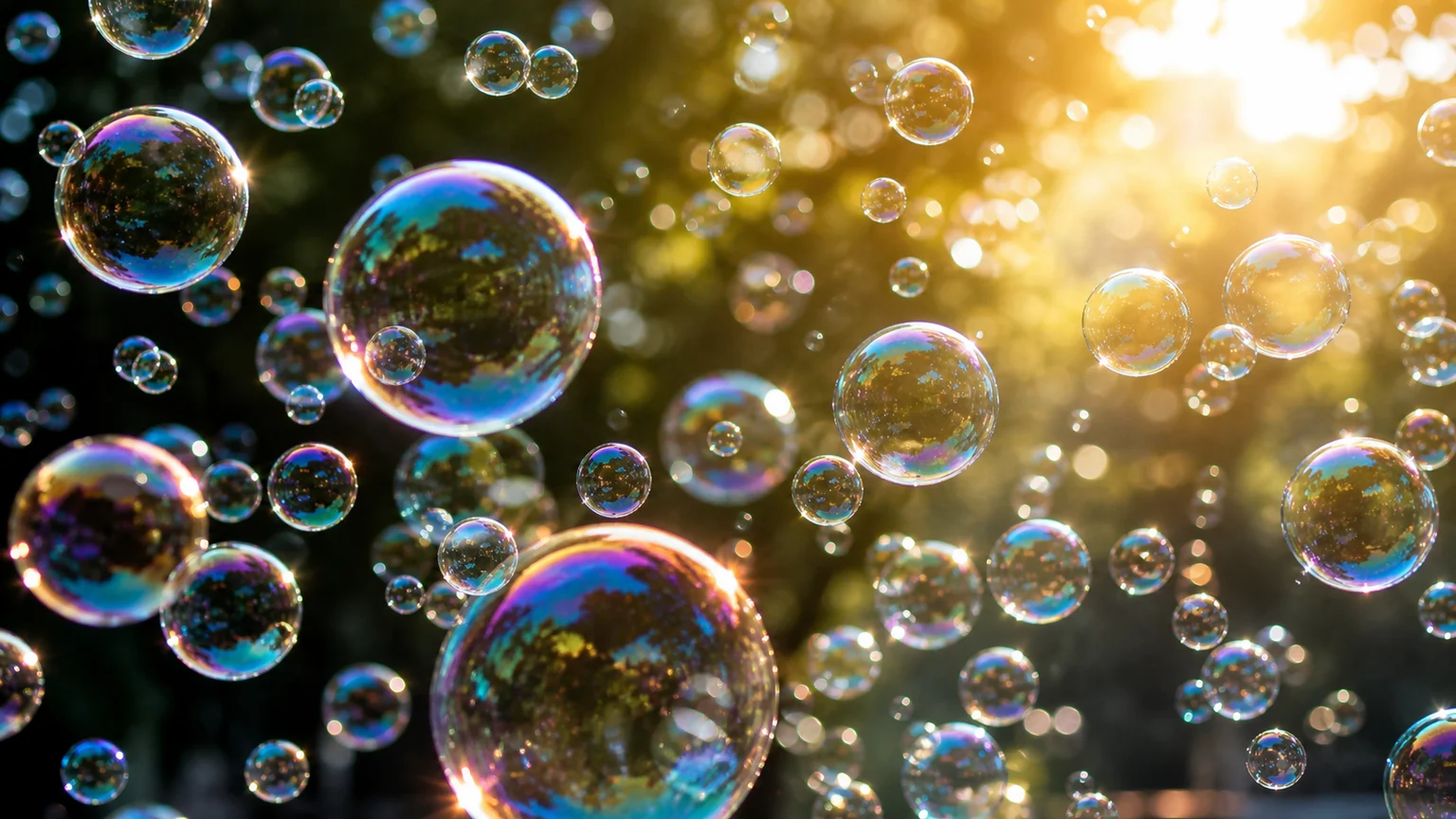
Soap makes bubbles by doing two things: lowering water's surface tension and forming a flexible molecular film that can stretch around trapped air. Water molecules are strongly attracted to each other. This attraction creates surface tension — a tendency for the water surface to contract and resist being stretched. Pure water cannot form stable bubbles because the film is too rigid and thin. Soap molecules have a unique structure: one end is attracted to water (hydrophilic) and the other repels it (hydrophobic). When soap is added to water, the molecules line up with their water-repelling ends pointing away from the water. This arrangement creates a sandwich — soap molecules on the outside, water in the middle, soap molecules on the inside — around any trapped air. That flexible, elastic film is a bubble.

Soap lowers surface tension
Pure water has high surface tension and cannot stretch into a stable film. Soap reduces it enough for bubbles to form.
A bubble wall is a molecular sandwich
Each bubble wall is: soap molecules, a thin water layer, soap molecules — with air trapped inside.
Soap molecules are part-water-loving, part-water-hating
This dual nature — hydrophilic head, hydrophobic tail — is why soap molecules line up at the water surface and form stable films.
Myth: the thicker the soap solution, the bigger the bubble
Too much soap makes the film too viscous and unstable. The ideal ratio is carefully balanced for flexibility and strength.
Next tiny mystery
More things hiding in plain sight

Everyday Objects
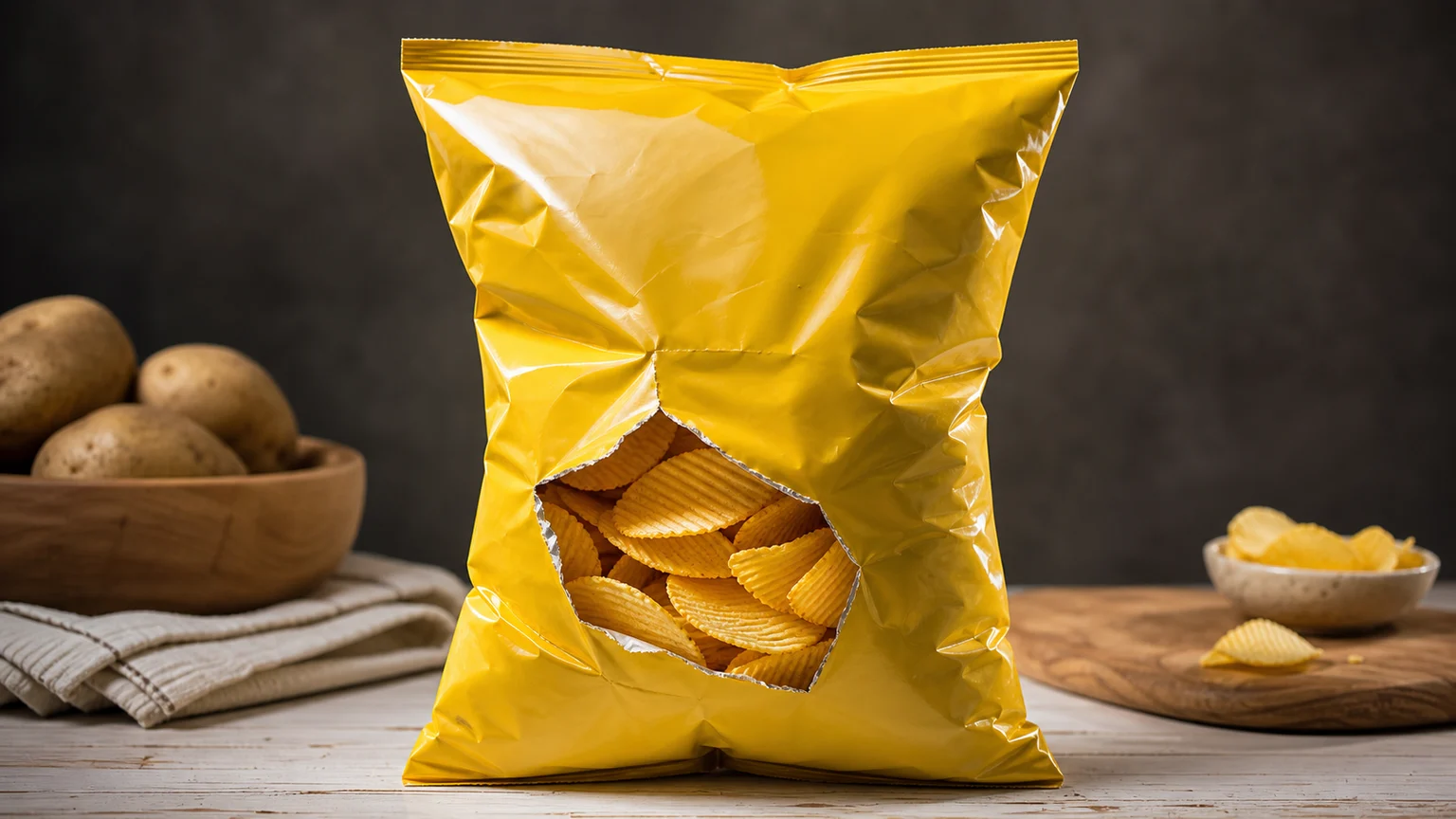
Why Do Chip Bags Have Air in Them?
Both explain the chemistry and physics of how gas and surfaces interact in everyday objects.

Everyday Objects
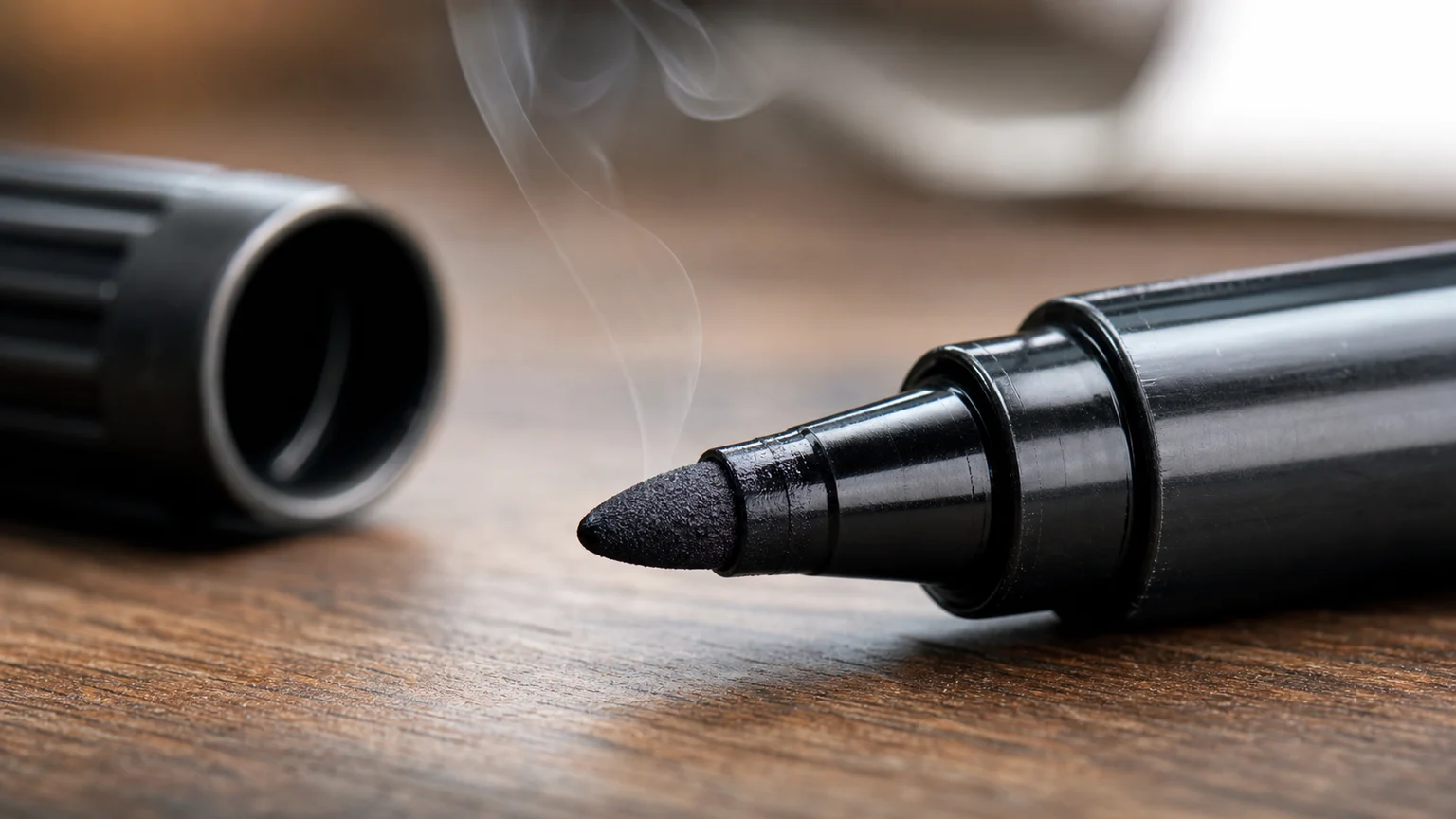
Why Do Permanent Markers Smell Strong?
Both reveal the chemistry behind products people use daily without thinking about the mechanism.

Everyday Objects
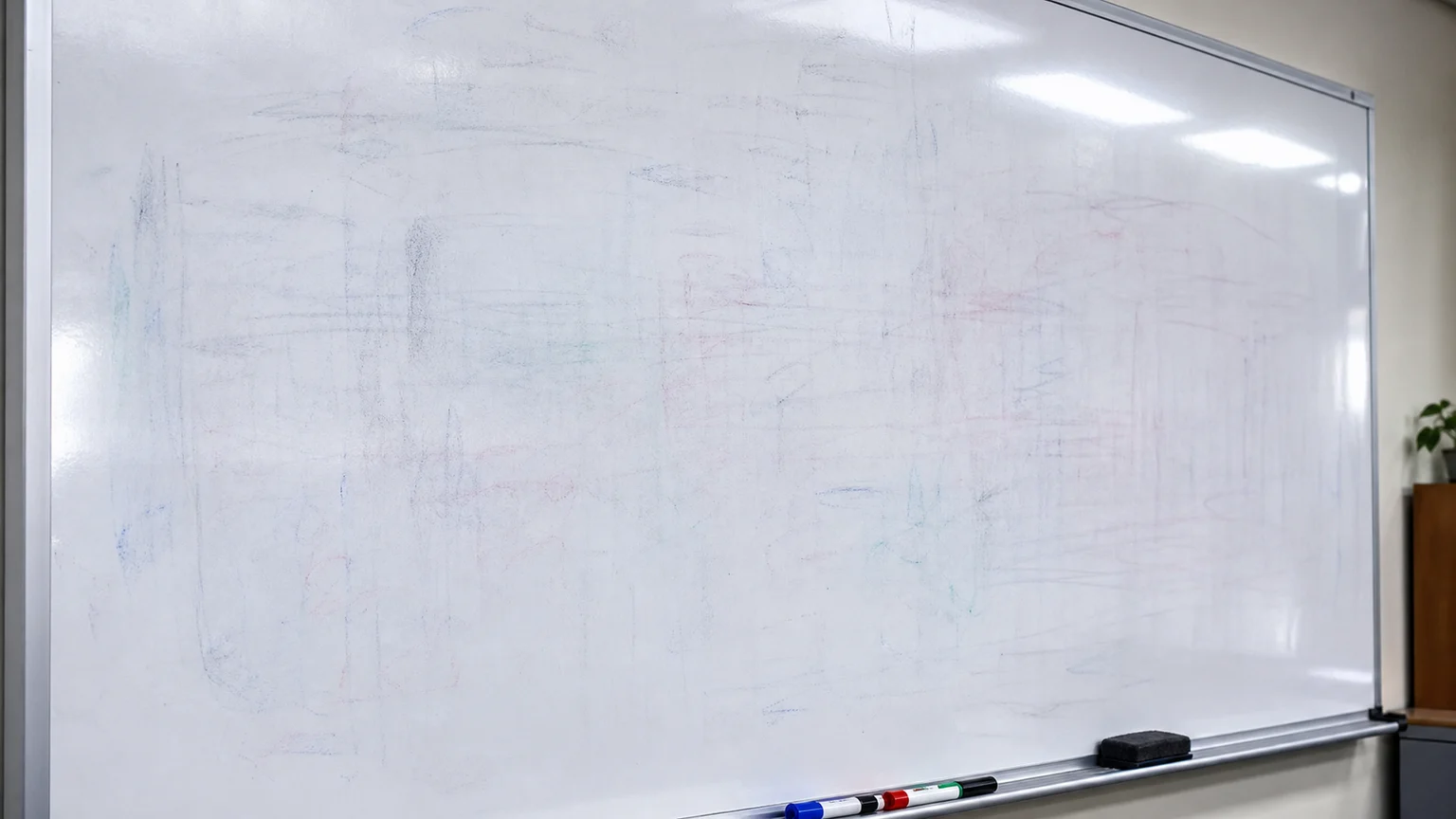
Why Do Whiteboards Stain Over Time?
Both involve the interaction of chemical compounds with surfaces at a molecular level.