
Everyday Life
Why Do Elevators Have Mirrors?
Open article ->
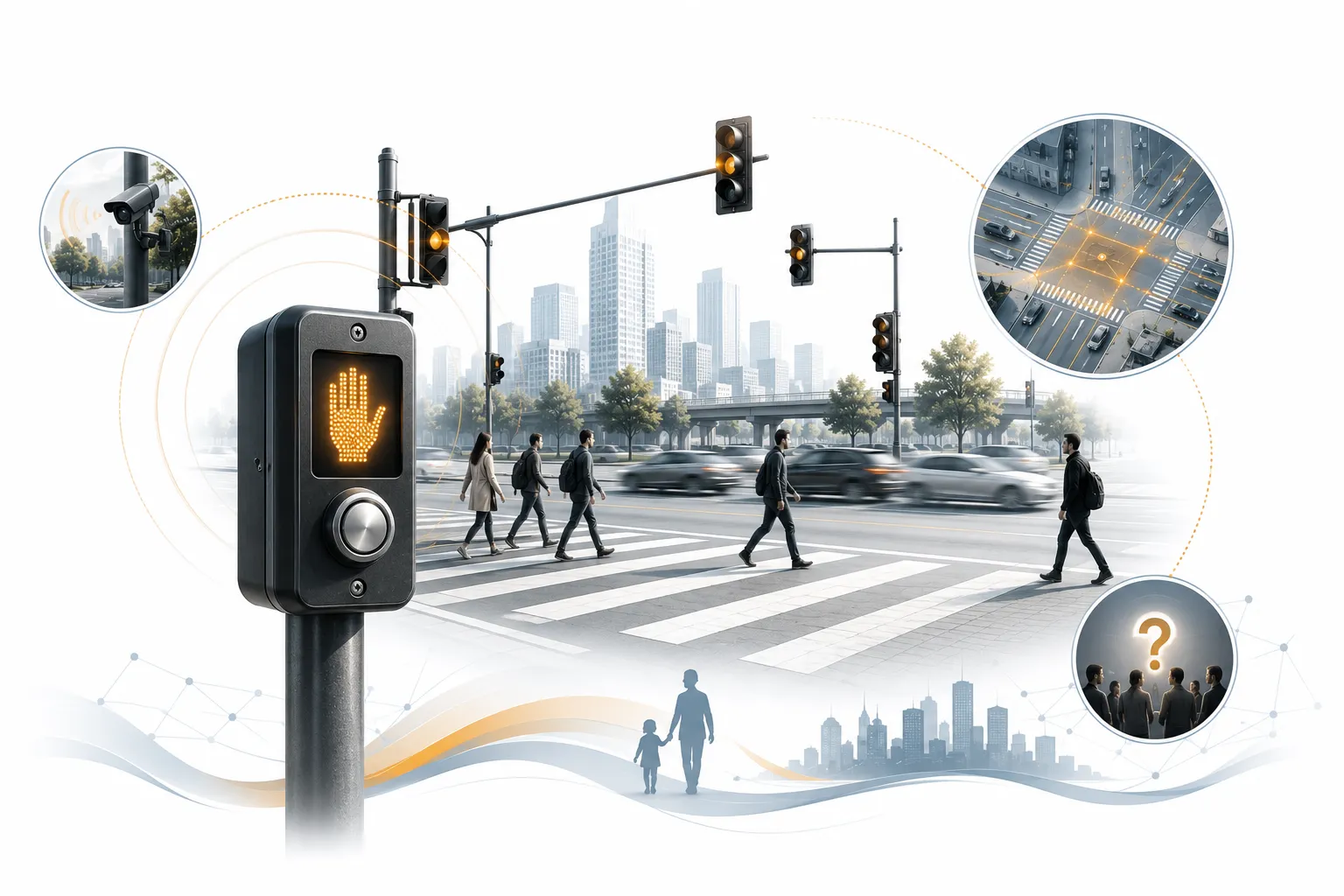
Everyday Life
Why Do Pedestrian Buttons Feel Useless?
Open article ->

It is not about being lazy
Why Do We Procrastinate?
Procrastination is not laziness. It is your brain choosing short-term comfort over long-term reward. Here is why that happens and what is going on inside your head.
Open article ->

Your brain hates unfinished things
Why Do Songs Get Stuck in Your Head?
Songs get stuck in your head because your brain treats incomplete melodies like unfinished business. Here is the science behind earworms.
Open article ->

It is not weird. It is smart.
Why Do We Talk to Ourselves?
Talking to yourself is not a sign of anything wrong. It is a cognitive tool your brain uses to think, plan, and regulate emotions.
Open article ->

It is not just you
Why Does Time Feel Faster as We Age?
As you age, each year becomes a smaller fraction of your total life, and you encounter fewer new experiences. Both make time feel like it is accelerating.
Open article ->

Your brain filed it under 'do not repeat'
Why Do We Remember Embarrassing Moments?
Embarrassing memories feel permanent because emotional intensity drives stronger memory encoding. Your brain treats social failure like a threat worth remembering.
Open article ->

Psychology & Biology
Why Do People Hate Hearing Their Own Voice?
Your recorded voice sounds strange because you've always heard yourself through bone vibration, not air. Recordings reveal what everyone else actually hears.
Open article ->

Biology & Psychology
Why Do We Feel More Tired After Doing Nothing?
Doing nothing disrupts your body's rhythms, lowers stimulating brain chemicals, and produces a specific kind of fatigue that rest does not fix. Here is exactly why.
Open article ->

Psychology
Why Do People Check Their Phone Repeatedly?
People check their phones repeatedly because unpredictable rewards like notifications trigger the brain's dopamine system, creating a habit loop similar to other reward-seeking behaviours.
Open article ->

Psychology
Why Do People Enjoy Scary Movies?
People enjoy scary movies because fear triggers adrenaline and dopamine in a safe context, turning a stress response into something that feels exciting rather than threatening.
Open article ->

Psychology
Why Do People Like Gossip?
People like gossip because it helps them gather social information, navigate group dynamics, and bond with others. It serves real social functions, even if it sometimes causes harm.
Open article ->

Psychology
Why Does Waiting Feel Longer Than Doing?
Waiting feels longer than doing because an idle, attentive mind notices each passing moment more closely, while an occupied mind loses track of time altogether.
Open article ->

Psychology
Why Do We Feel Awkward in Silence?
Awkward silence feels uncomfortable because we interpret gaps in conversation as social signals, often assuming something has gone wrong or that the other person is unhappy.
Open article ->

Psychology
Why Do People Copy Each Other's Behavior?
People copy each other because mirroring behaviour is a deeply automatic social process that builds rapport, signals belonging, and helps us learn from one another.
Open article ->

Psychology
Why Do We Laugh When Others Laugh?
Laughter is contagious because the brain has automatic pathways for matching the emotional expressions of others, a reflex that helps reinforce social bonds.
Open article ->
Children
Why Do Children Have Imaginary Friends?
Imaginary friends are not a sign of loneliness or confusion. They are one of the most sophisticated things a young brain can create.
Open article ->

Brain Science Explained
Why Do We Get Déjà Vu?
Déjà vu happens when your brain's familiarity system fires without a matching memory to back it up, creating a convincing sense that a brand-new moment has happened before. Scientists still debate the exact mechanism, but the leading explanation involves a brief mismatch between two separate memory systems.
Open article ->

Psychology
Why Was Sigmund Freud So Sexual?
Freud didn't think about sex for its own sake. He thought repressed sexuality explained almost everything about the human mind. Here's why - and how much modern psychology agrees.
Open article ->

Historical Biography
Why Did Isaac Newton Never Marry?
Open article ->
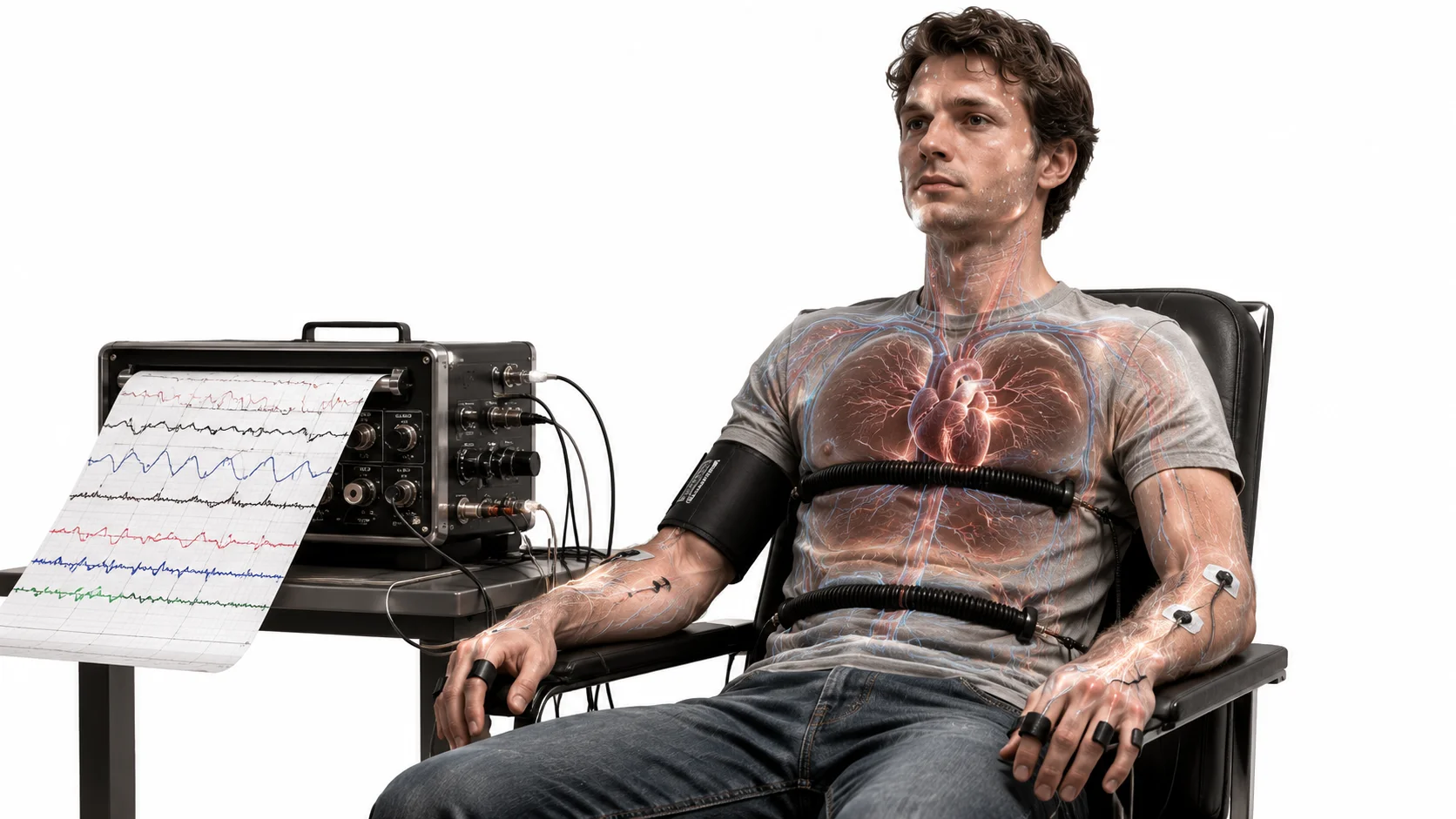
Science & Psychology
How Does a Lie Detector Work?
A lie detector does not detect lies. It detects stress. Here is how a polygraph actually works, why it can be wrong, and why courts treat it with caution.
Open article ->
Neuroscience
How Does Memory Work?
Memory is not a recording. Every time you remember something, your brain rebuilds it from scratch. Here is the real science of how memories form, stick, and fade.
Open article ->
Neuroscience
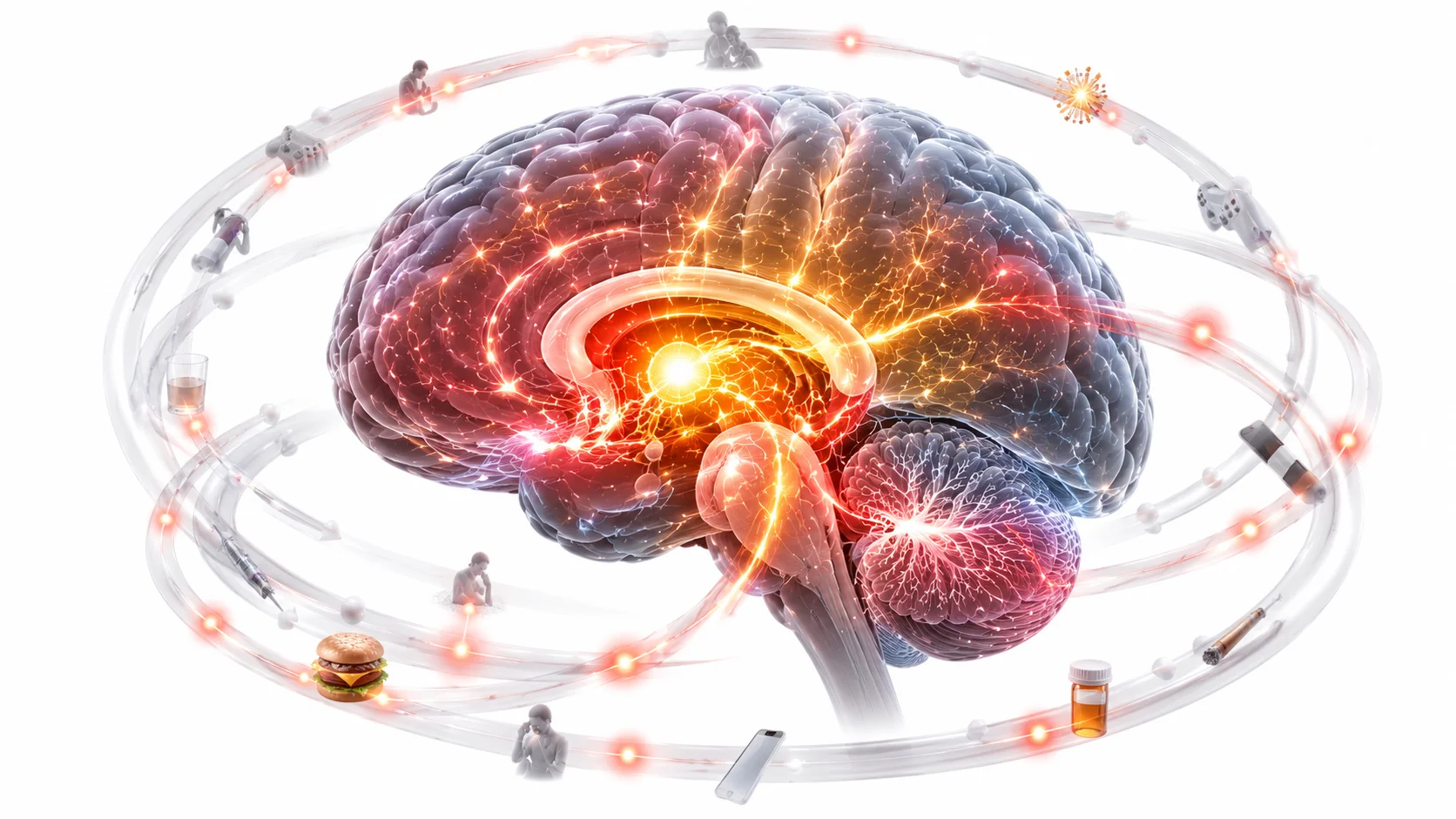
How Does Addiction Work?
Addiction is not a lack of willpower. It is a physical change to the brain's reward system that makes the addicted behaviour feel like survival itself. Here is the neuroscience.
Open article ->
Psychoneuroimmunology
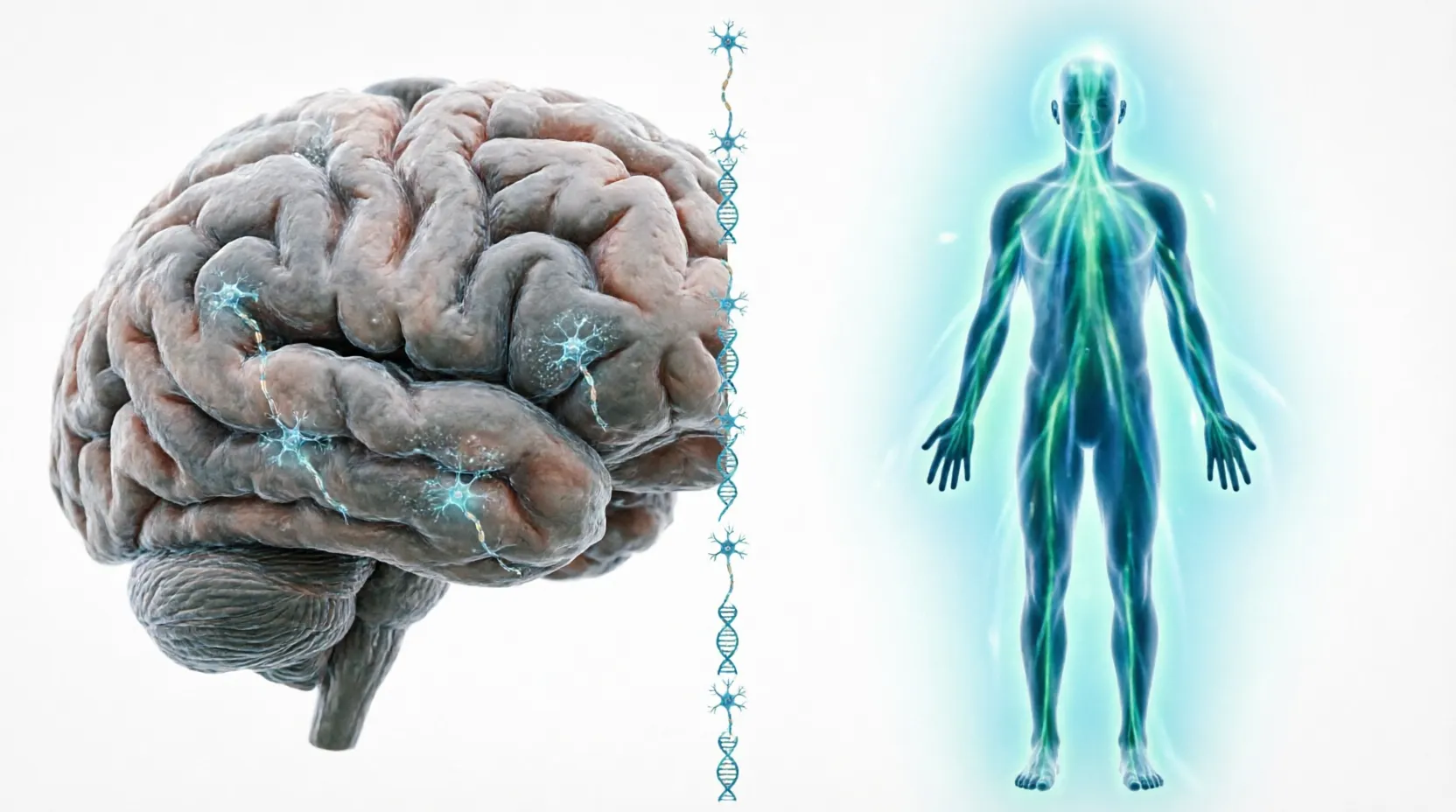
Can Your Mind Heal Your Body?
Open article ->

Psychology & Neuroscience
Can You Really Be Hypnotized?
Open article ->
Palmistry vs. Science
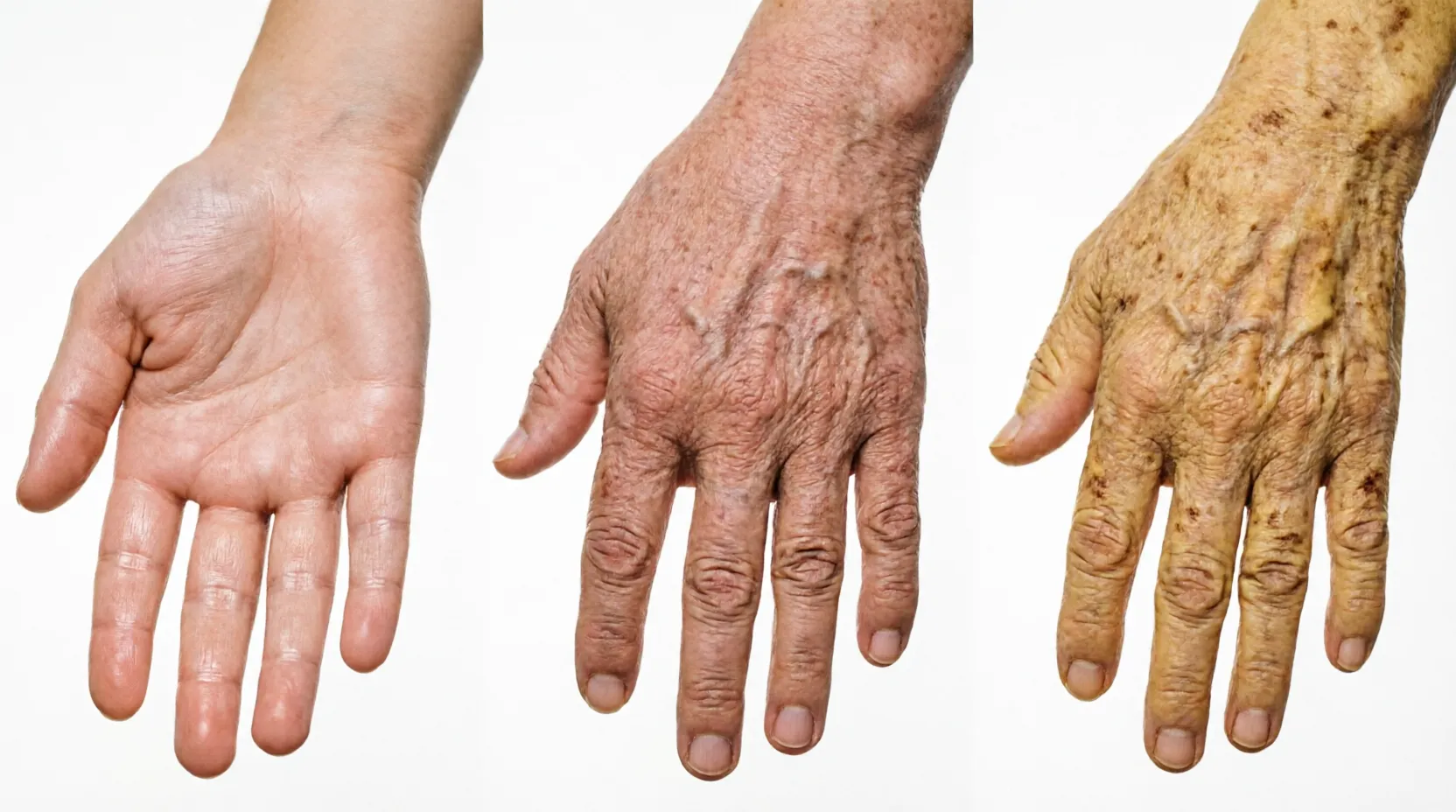
Can Palm Reading Predict Death? What Science Says About the Life Line
Open article ->