Space & Atmosphere
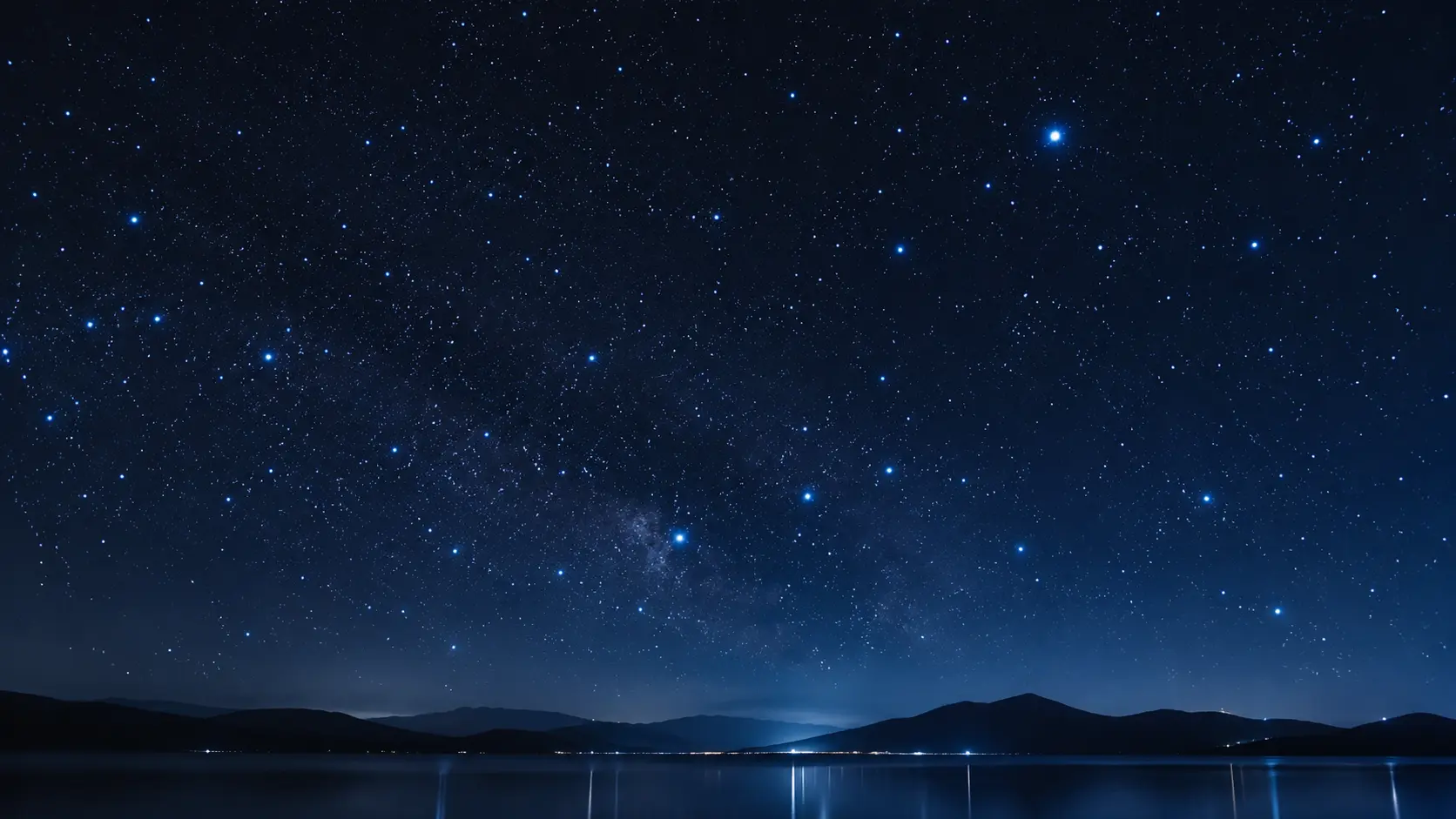
Why Do Stars Twinkle?
Stars do not actually flicker. Earth's atmosphere bends their light in constantly shifting ways, creating the twinkling effect. Planets do not twinkle for a specific reason.
starsatmosphere
Open article ->
Optics & Atmosphere
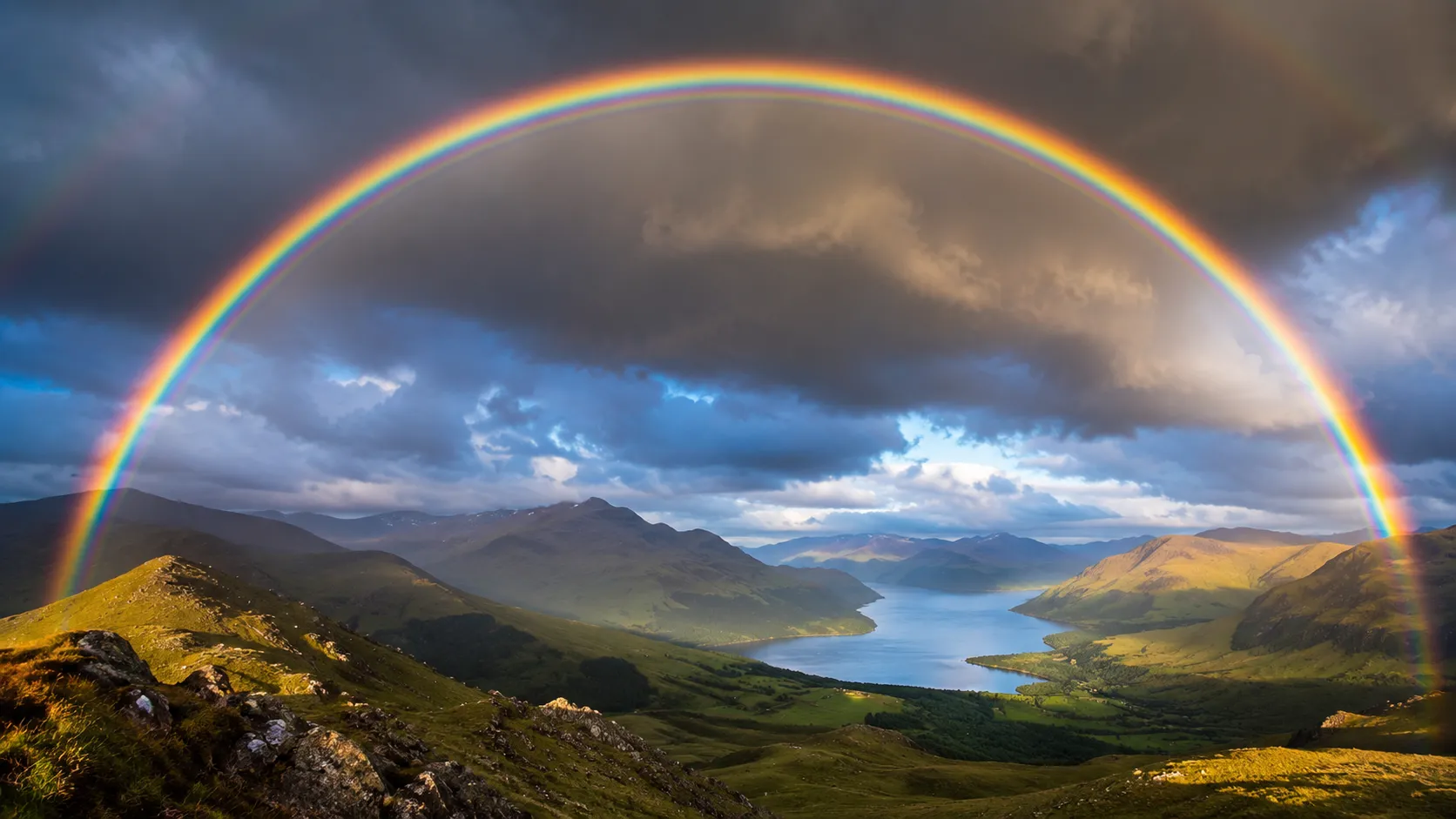
Why Do Rainbows Curve?
Rainbows are circles. You see an arc because the ground gets in the way. The curve comes from the precise angle at which each raindrop returns light toward your eyes.
rainbowoptics
Open article ->
Nature & Physics
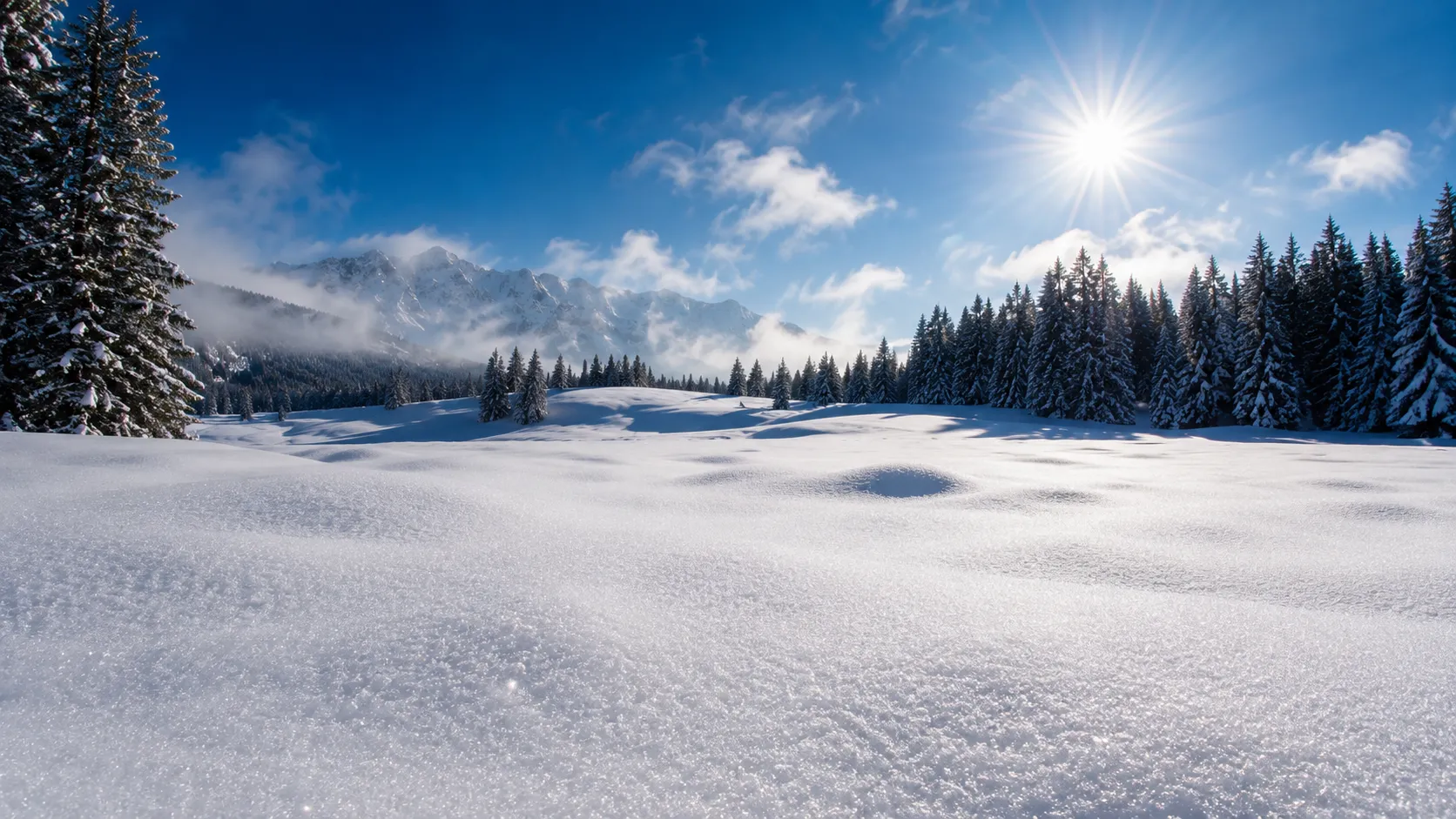
Why Is Snow White?
Snow is white because millions of tiny ice crystals scatter all wavelengths of light equally in every direction. Your eyes receive the full spectrum at once, which looks white.
snowlight
Open article ->