
Brain & Memory
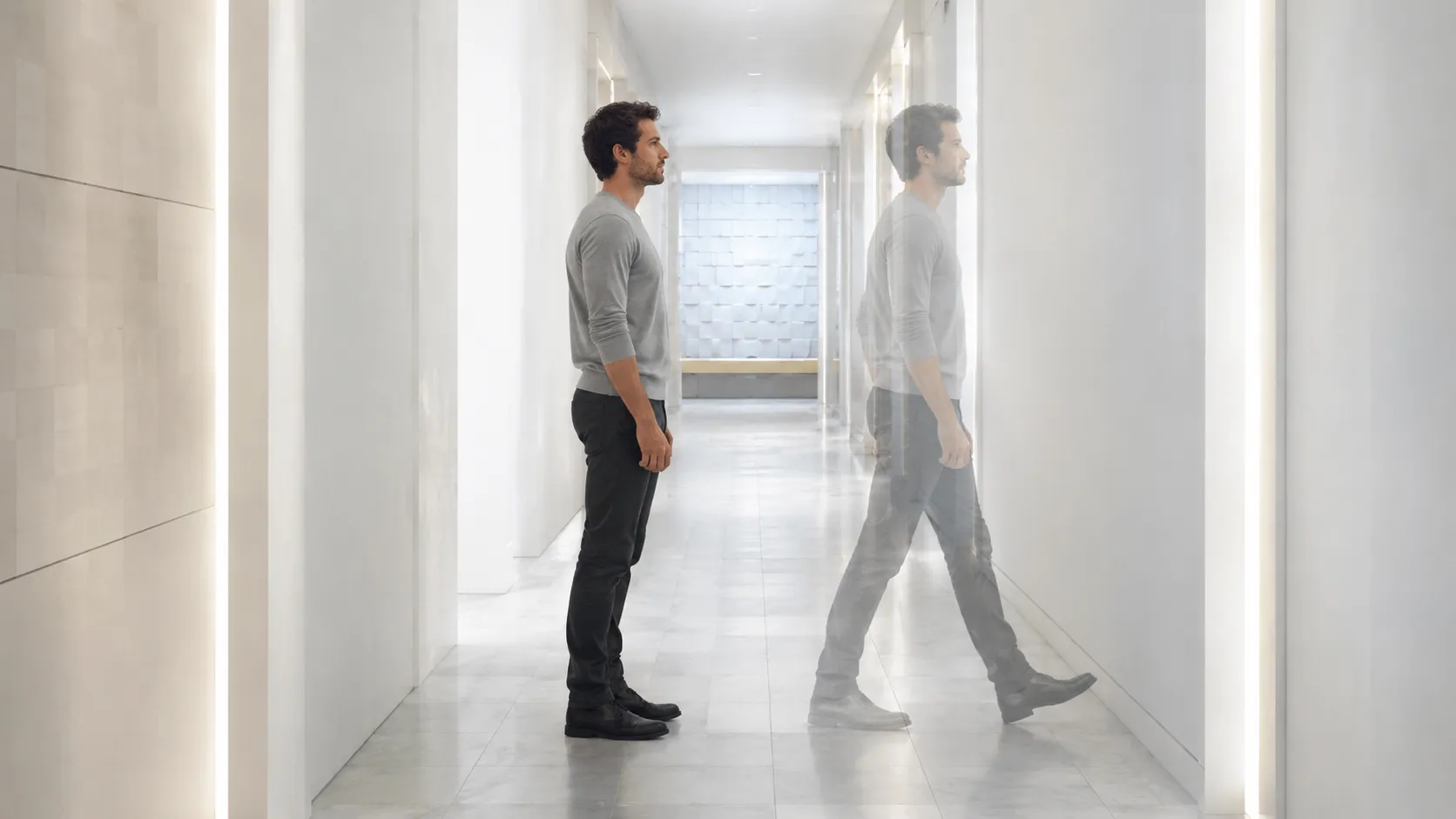
Why Do We Forget Why We Entered a Room?
Walking through a doorway triggers your brain to file away the previous context. It is called the doorway effect, and it is a feature of how memory is organized, not a flaw.
Open article ->

Your brain hates unfinished things
Why Do Songs Get Stuck in Your Head?
Songs get stuck in your head because your brain treats incomplete melodies like unfinished business. Here is the science behind earworms.
Open article ->
It is not just you
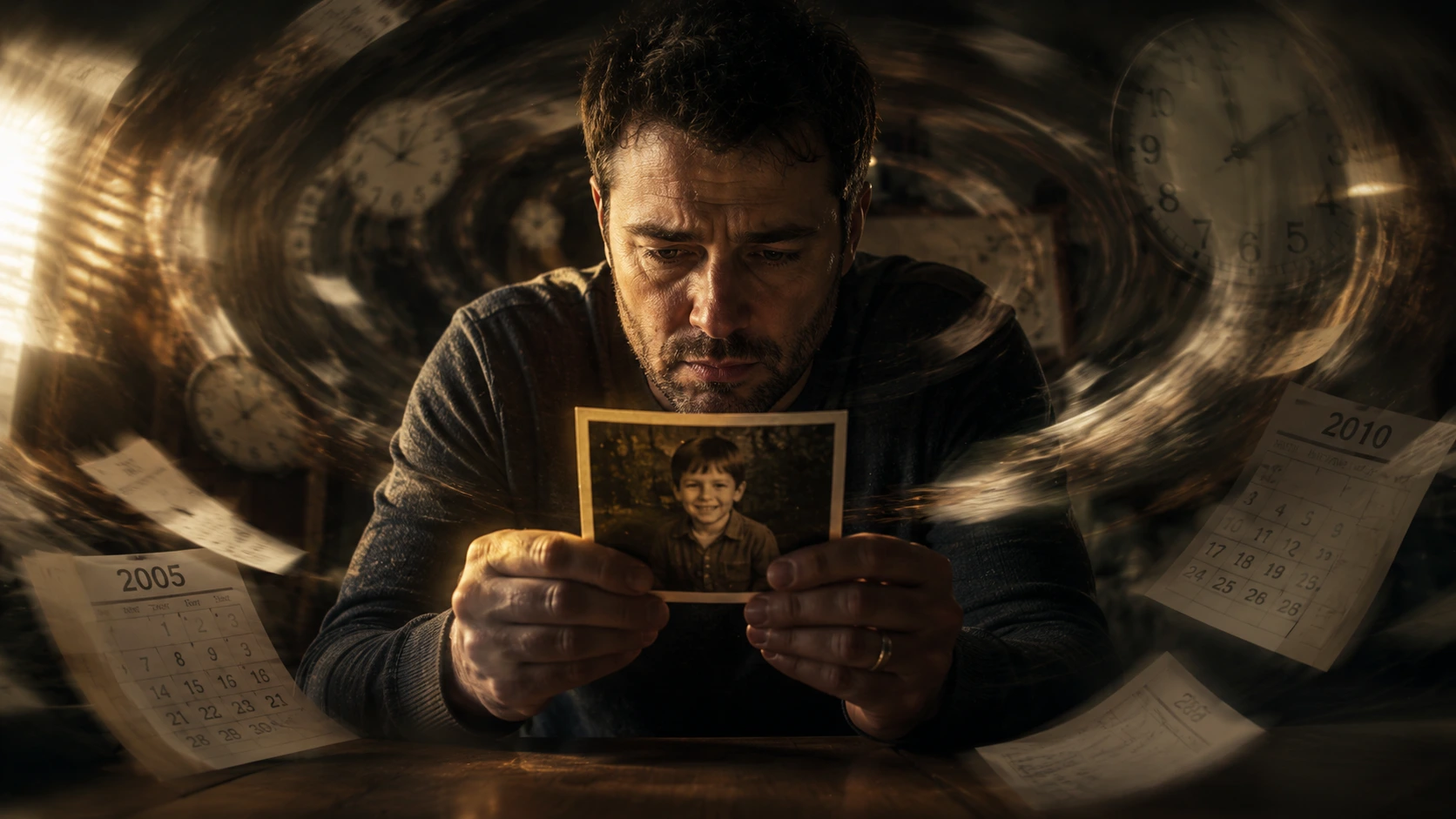
Why Does Time Feel Faster as We Age?
As you age, each year becomes a smaller fraction of your total life, and you encounter fewer new experiences. Both make time feel like it is accelerating.
Open article ->

Your brain filed it under 'do not repeat'
Why Do We Remember Embarrassing Moments?
Embarrassing memories feel permanent because emotional intensity drives stronger memory encoding. Your brain treats social failure like a threat worth remembering.
Open article ->

Neuroscience & Memory
Why Do We Remember Random Moments But Forget Important Ones?
Memory does not record what matters to you. It records what your nervous system found surprising, emotional, or novel. Important events often fail those tests.
Open article ->

Memory & Psychology
Why Do We Forget Simple Passwords We Use Daily?
Daily passwords often shift from conscious memory to muscle memory. When you try to recall them deliberately, you can trigger a retrieval failure called blocking.
Open article ->
Brain Science Explained
Why Do We Get Déjà Vu?
Déjà vu happens when your brain's familiarity system fires without a matching memory to back it up, creating a convincing sense that a brand-new moment has happened before. Scientists still debate the exact mechanism, but the leading explanation involves a brief mismatch between two separate memory systems.
Open article ->
Neuroscience
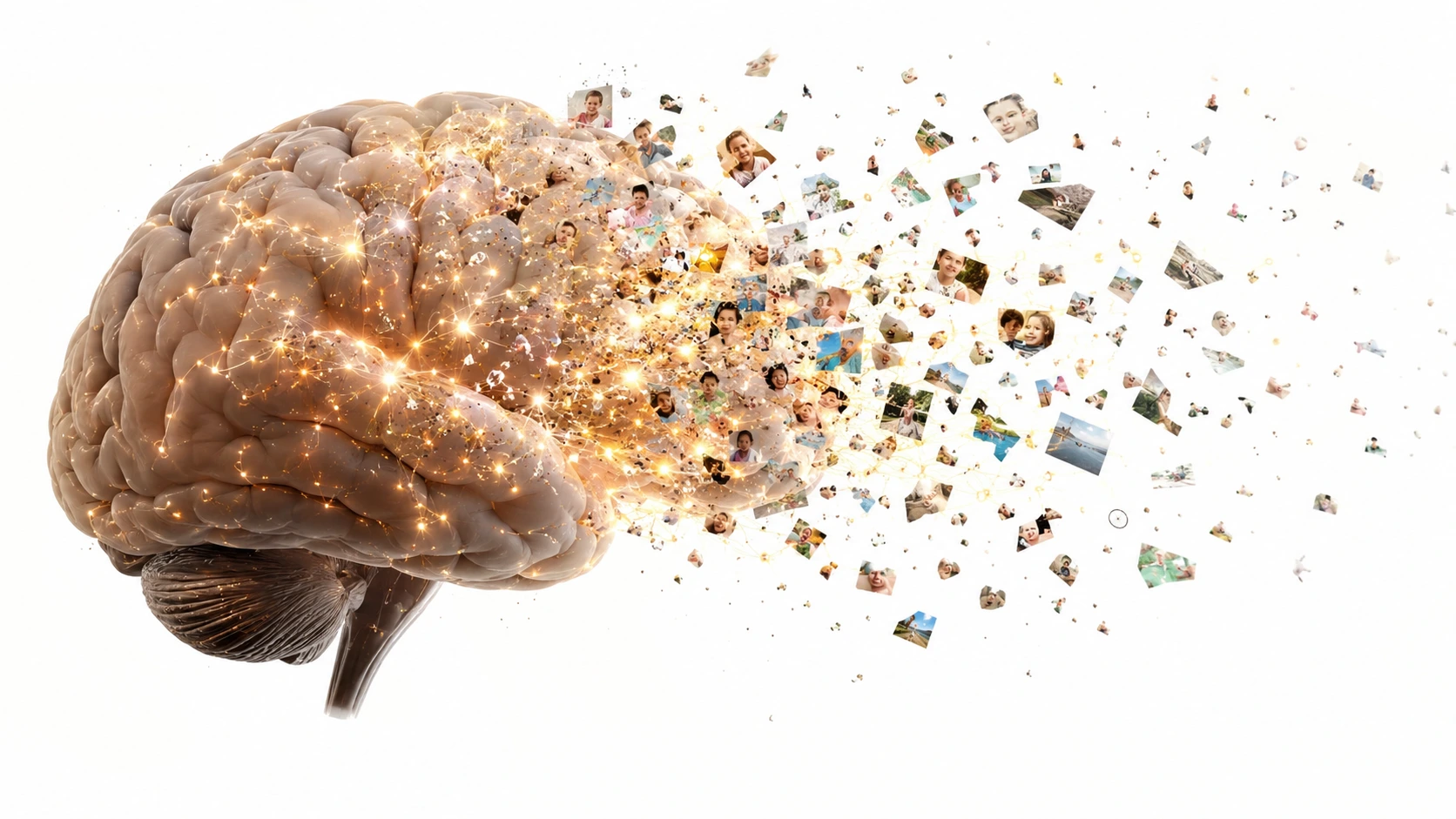
How Does Memory Work?
Memory is not a recording. Every time you remember something, your brain rebuilds it from scratch. Here is the real science of how memories form, stick, and fade.
Open article ->
Neuroscience
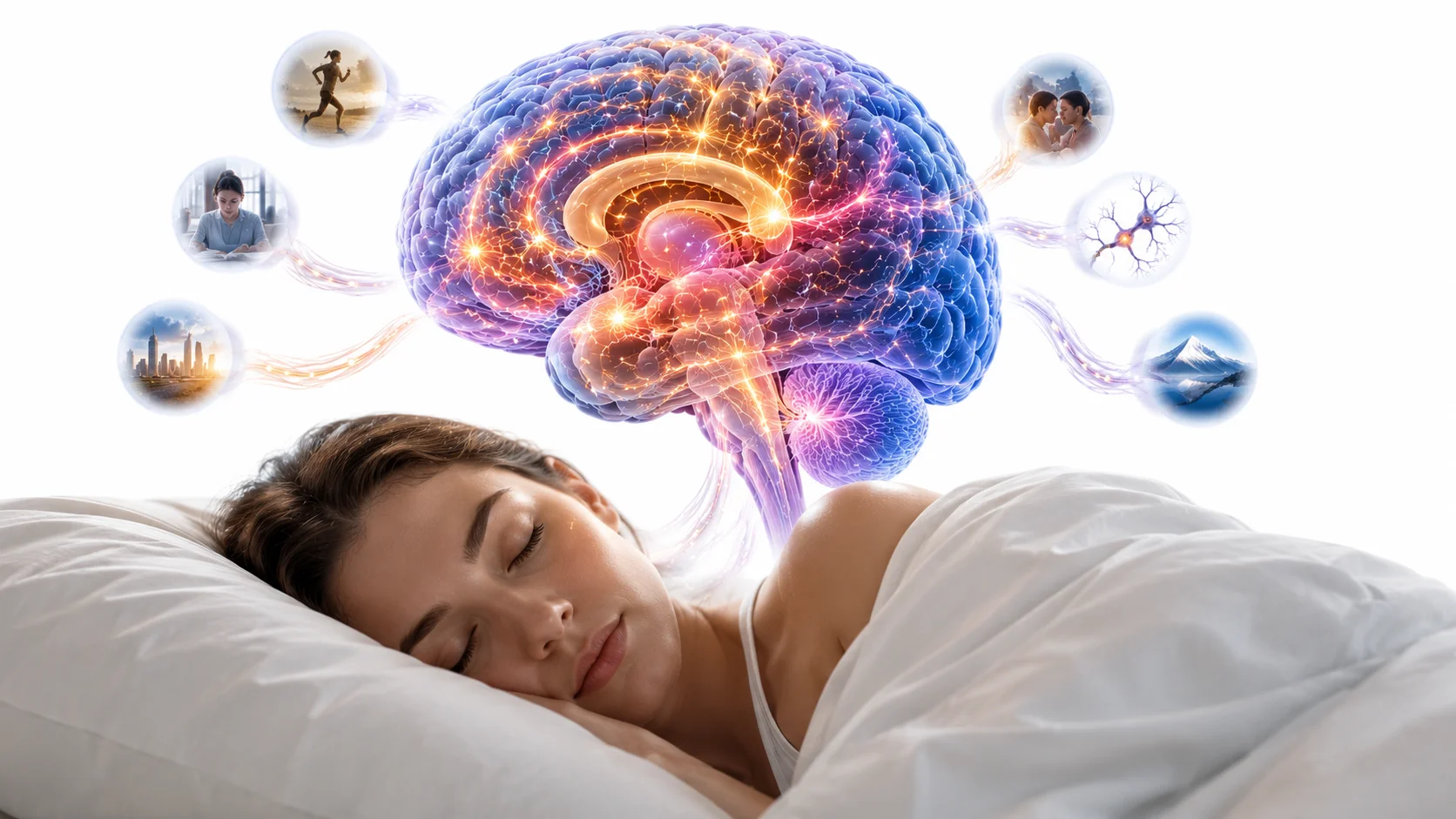
How Does Sleep Work?
Sleep is not rest. While you lie still, your brain runs a complex maintenance operation, consolidating memories, clearing waste, and rebuilding systems. Here is what actually happens.
Open article ->