Quick Facts
Quick Facts
Trees lose leaves to survive winter.
Leaves lose water through transpiration.
In winter, water is frozen and unavailable.
Trees cut off the leaf at the base to conserve resources.
New leaves grow in spring.
Visual answer
Why Leaves Fall
The process of leaf shedding.
Summer
Leaves are active, photosynthesizing.
Abscission Zone
The tree cuts off the leaf at the base.
Autumn
Leaves fall, and the tree conserves resources.
Spring
New leaves grow from buds.
Story in brief
Story in Brief
Ancient Times
People notice that trees lose leaves in autumn.
1800s
Scientists study the process of abscission.
The mechanism of leaf fall is understood.
1900s
Plant hormones are discovered to control leaf fall.
The chemical signals are identified.
Today
We know that leaf fall is a survival strategy.
The evolutionary purpose is clear.
The Story
Why Trees Shed Their Leaves
Leaves are expensive. They require water, nutrients, and sunlight to maintain. They are also vulnerable. In winter, water is frozen and sunlight is weak. So the tree makes a decision.
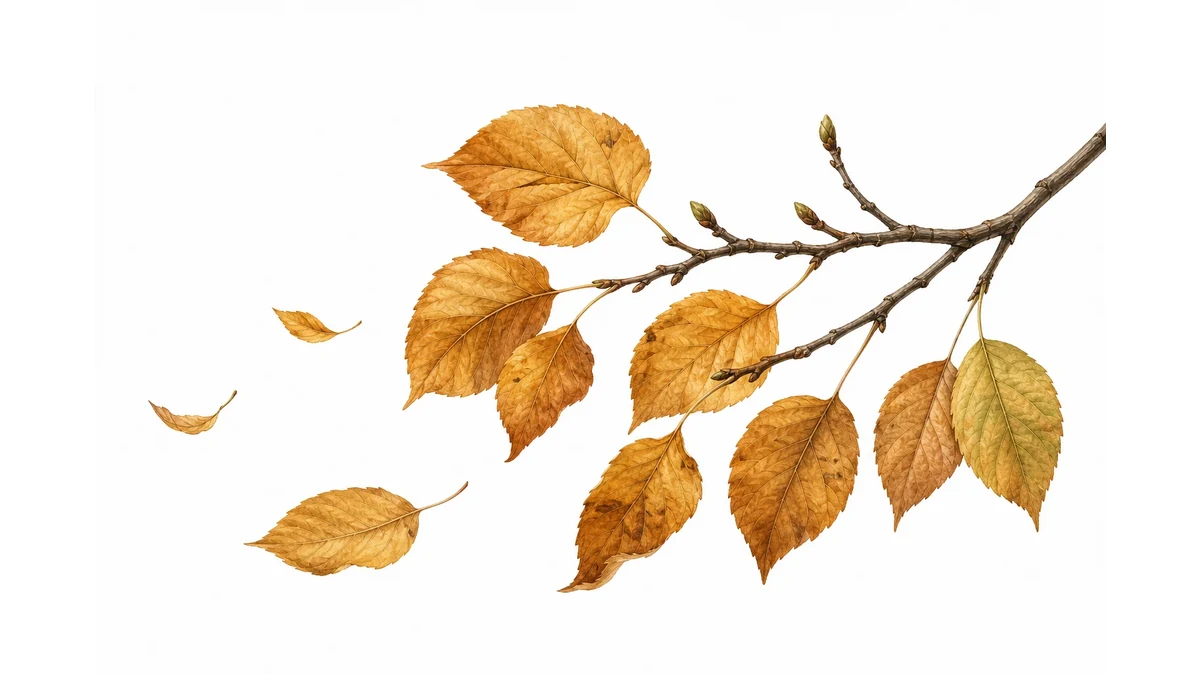
It cuts its losses. It forms a layer of cells at the base of the leaf, called the abscission zone. This layer slowly cuts off the leaf. The leaf dies. It falls. The tree survives.
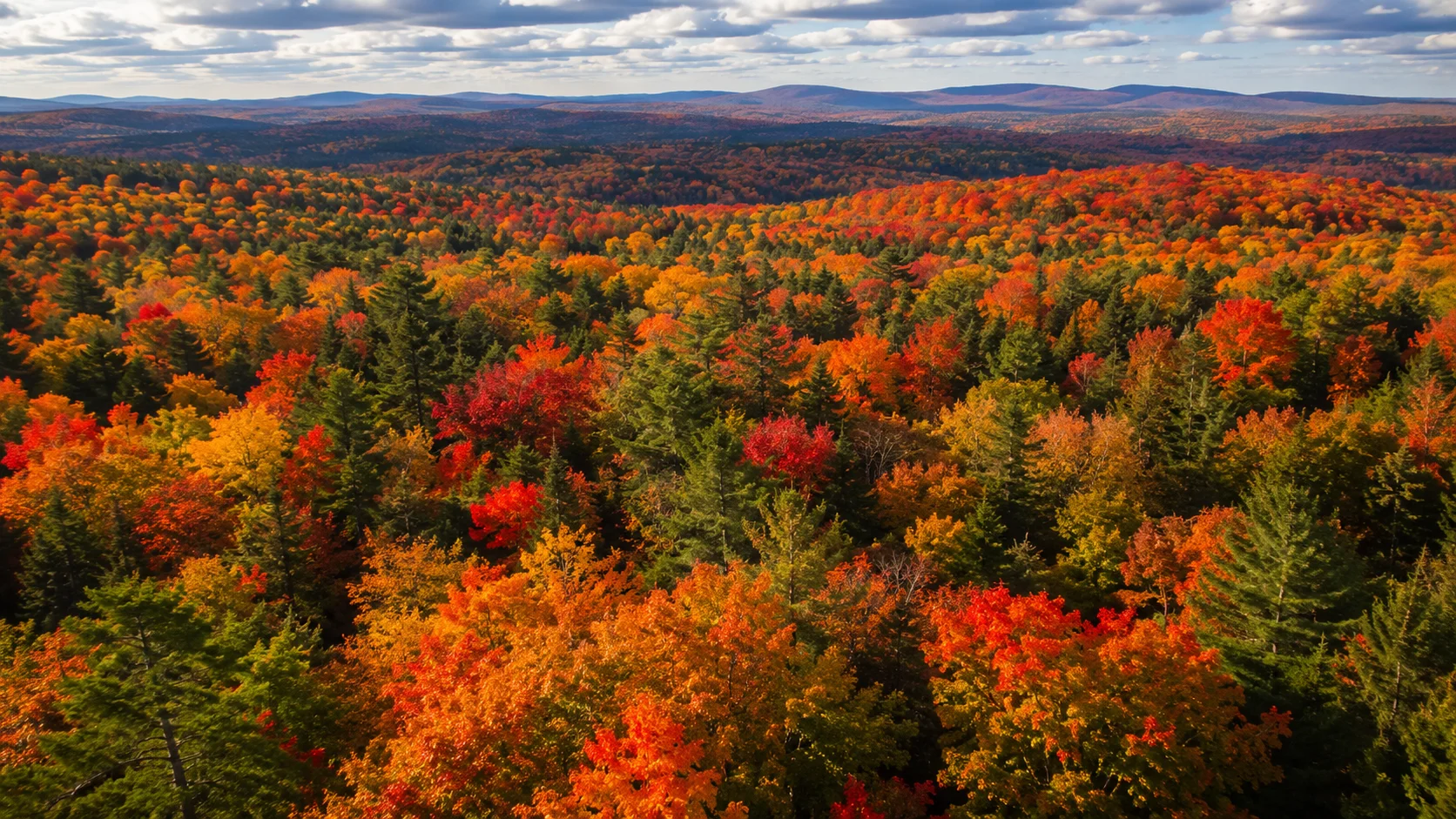
The color change is a side effect. When chlorophyll breaks down, other pigments become visible. Yellow, orange, red. The leaves are dying. But the tree is preparing for the next season.
So when you see a tree shedding leaves, you are not seeing death. You are seeing strategy. The tree is not giving up. It is conserving. It is waiting for spring.
Famous Quote
"Autumn is a second spring when every leaf is a flower."
, Albert Camus
Camus captures the beauty of leaf fall. The leaves are not dying. They are blooming.
Evidence
Why Trees Shed Leaves
Leaves lose water through transpiration.
StrongIn winter, water is frozen and unavailable.
StrongThe abscission zone cuts off the leaf.
StrongNew leaves grow in spring.
StrongKey Points
Key Points So Far
Trees lose leaves to conserve water and energy during winter.
The abscission zone cuts off the leaf at the base.
The color change is caused by chlorophyll breaking down.
New leaves grow in spring.
Analogy
Like a Bear Hibernating
The familiar part
A bear hibernates in winter. It does not die. It slows down. It conserves energy.
How it applies
A tree sheds leaves in winter. It does not die. It slows down. It conserves energy.
Where the analogy breaks
Bears do not grow new bodies in spring. Trees grow new leaves.
Curiosity Notes
Details Most People Miss
Why this still matters
Why This Still Matters
The fall of leaves is a reminder that survival sometimes means letting go. Trees teach us that loss is not always failure. Sometimes it is strategy.
Key Findings
- ✓Core findingTrees lose leaves to conserve water and energy during winter.
- ✓Strong evidenceThe abscission zone actively cuts off the leaf.
- ⚠Main consequenceColor change is caused by chlorophyll breaking down.
- ✓Wider legacyNew leaves grow in spring.
Final insight
A Last Thought
Trees do not lose leaves because they are weak. They lose leaves because they are wise. They know when to hold on. And they know when to let go. That is the lesson of autumn.
Quick answers
Common questions
Do all trees lose their leaves? +
No. Evergreen trees keep their leaves year-round. Deciduous trees lose their leaves in autumn.
Why do leaves change color before falling? +
Chlorophyll breaks down, revealing other pigments like carotenoids and anthocyanins.