Myth vs Reality
A small controlled movement is intentional
The hook is designed to slide slightly so the tape can measure accurately from both edges and inside surfaces.
Everyday Objects
It looks broken, but that little wiggle is intentional. The loose hook is one of the cleverest details on a tape measure.
Quick answer
The metal hook is loose so the tape measure can stay accurate in two different situations: when you hook it over an outside edge and when you push it against an inside surface. The hook moves by roughly the same distance as the thickness of the metal hook itself. When you pull the tape from an outside edge, the hook slides outward. When you push the hook against a wall or inside corner, it slides inward. That tiny movement compensates for the hook's thickness. So the hook is not supposed to be rigid. If it were fixed in place, one type of measurement would be slightly wrong.
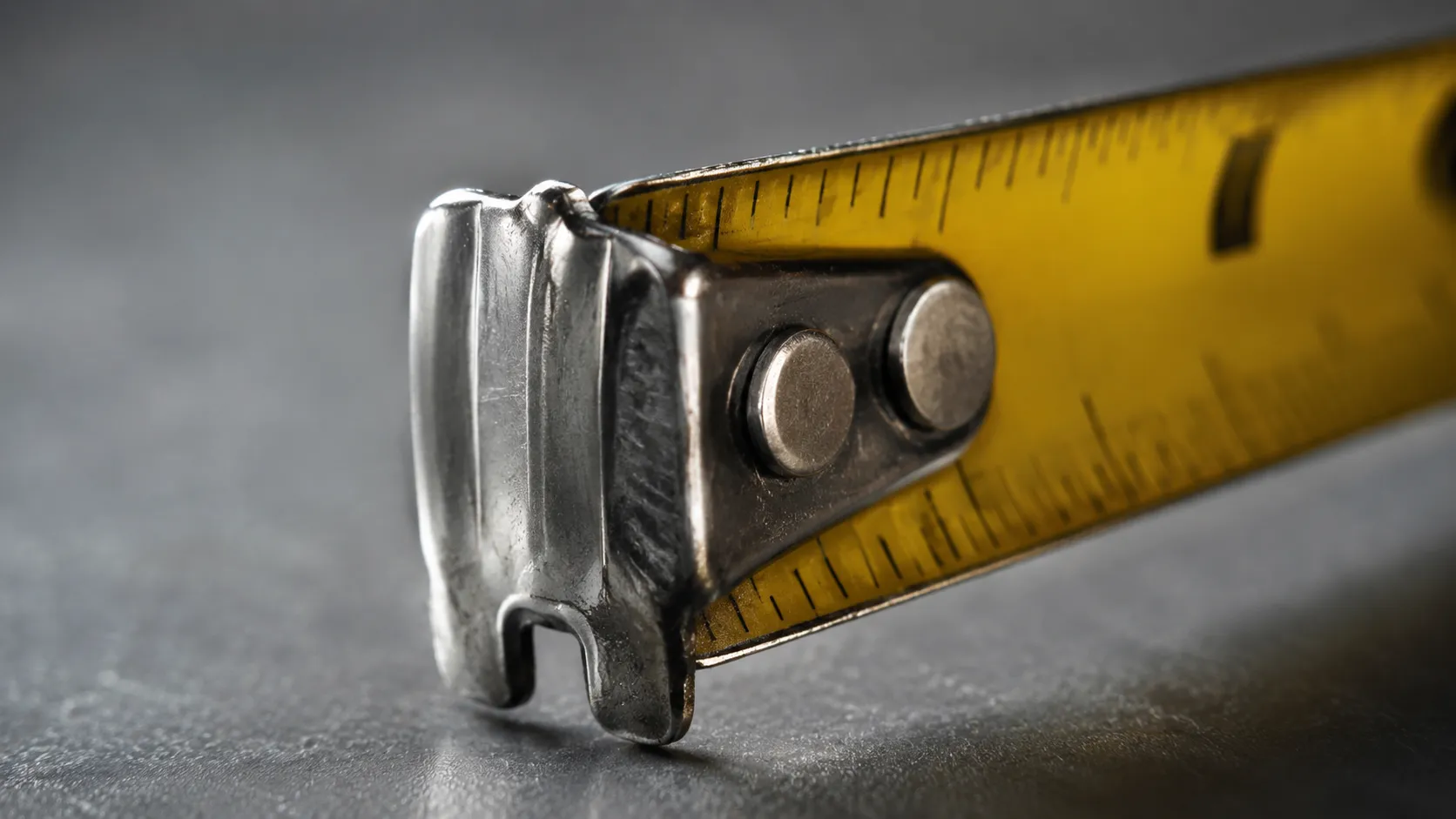
The hook is loose on purpose
It slides slightly to compensate for the thickness of the metal hook.
It helps outside measurements
When you pull from an edge, the hook moves outward so the edge starts at zero.
It helps inside measurements
When you push into a corner, the hook moves inward so its own thickness does not add extra length.
Myth: the rivets are broken
A little movement is normal. A bent, twisted, or overly loose hook can cause inaccurate measurements.
Everyday Objects
If the hook is bent, twisted, or wobbling far more than usual, the tape measure may no longer be reliable for precise work.
Myth vs Reality
The hook is designed to slide slightly so the tape can measure accurately from both edges and inside surfaces.
Continue learning

Everyday Objects
Both explain hidden engineering in everyday metal objects.

Everyday Objects
Both explain small design details that help people or machines read something correctly.
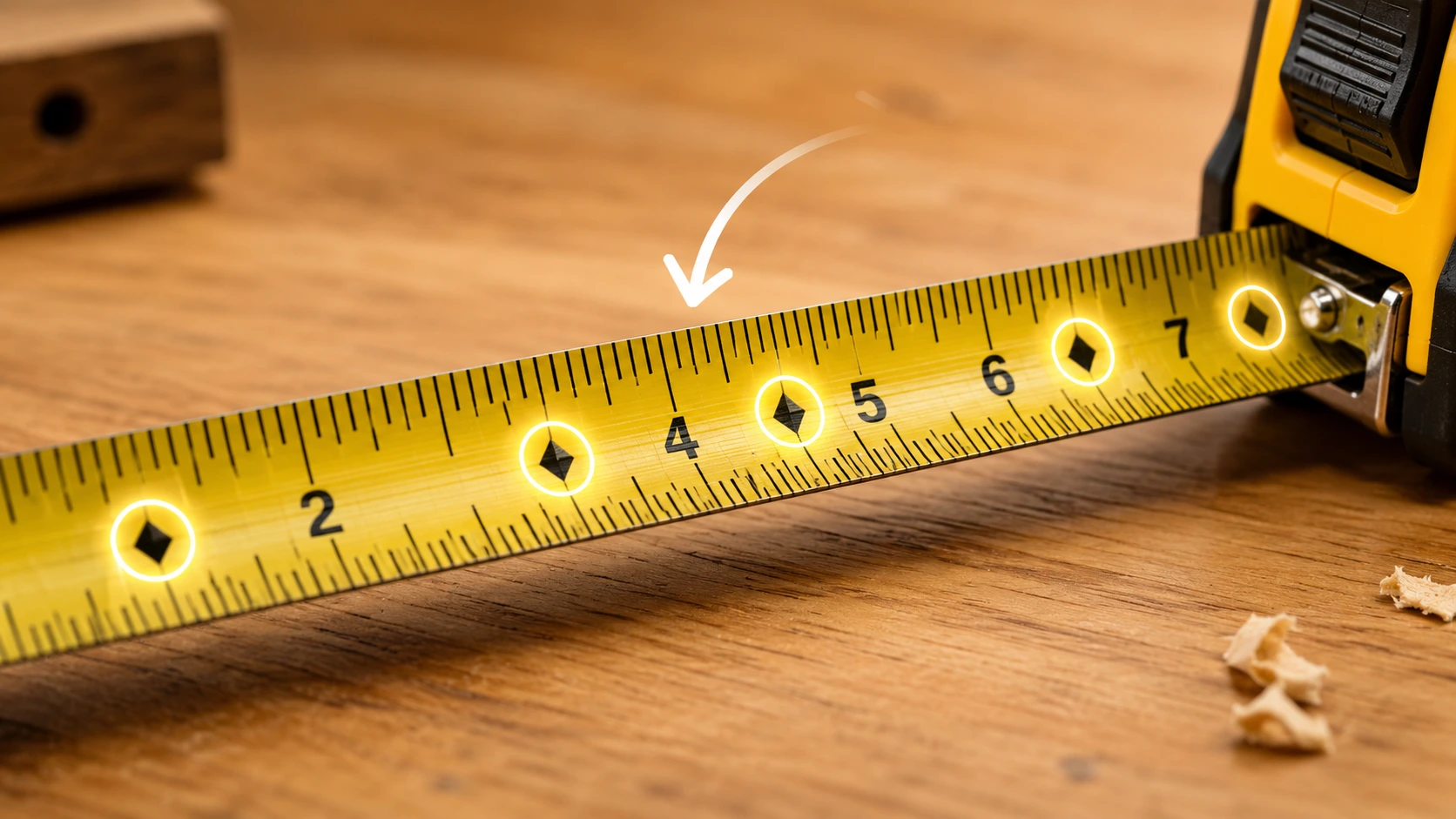
That weird mark you've been ignoring
Both explain hidden measurement features built into the same everyday tool.