Myth vs Reality
Blank pages are a structural necessity of the printing process
Signatures cannot be partially printed. If content ends before the signature does, the remainder stays blank, or carries a notice saying so.
Everyday Objects
That blank page at the back of a book is not a mistake or laziness, it is the unavoidable result of how books are physically printed.
Quick answer
Books are not printed page by page. Large sheets of paper are printed with multiple pages on each side and then folded into sections called signatures. A common signature size is 16 pages, eight pages on each side of a sheet. The total page count of a book must be a multiple of the signature size. If the actual content fills, say, 250 pages but the nearest multiple of 16 is 256, the last six pages are simply left blank. Publishers sometimes use those pages for notes, credits, or an index, but often they leave them empty because there is nothing practical to put there.
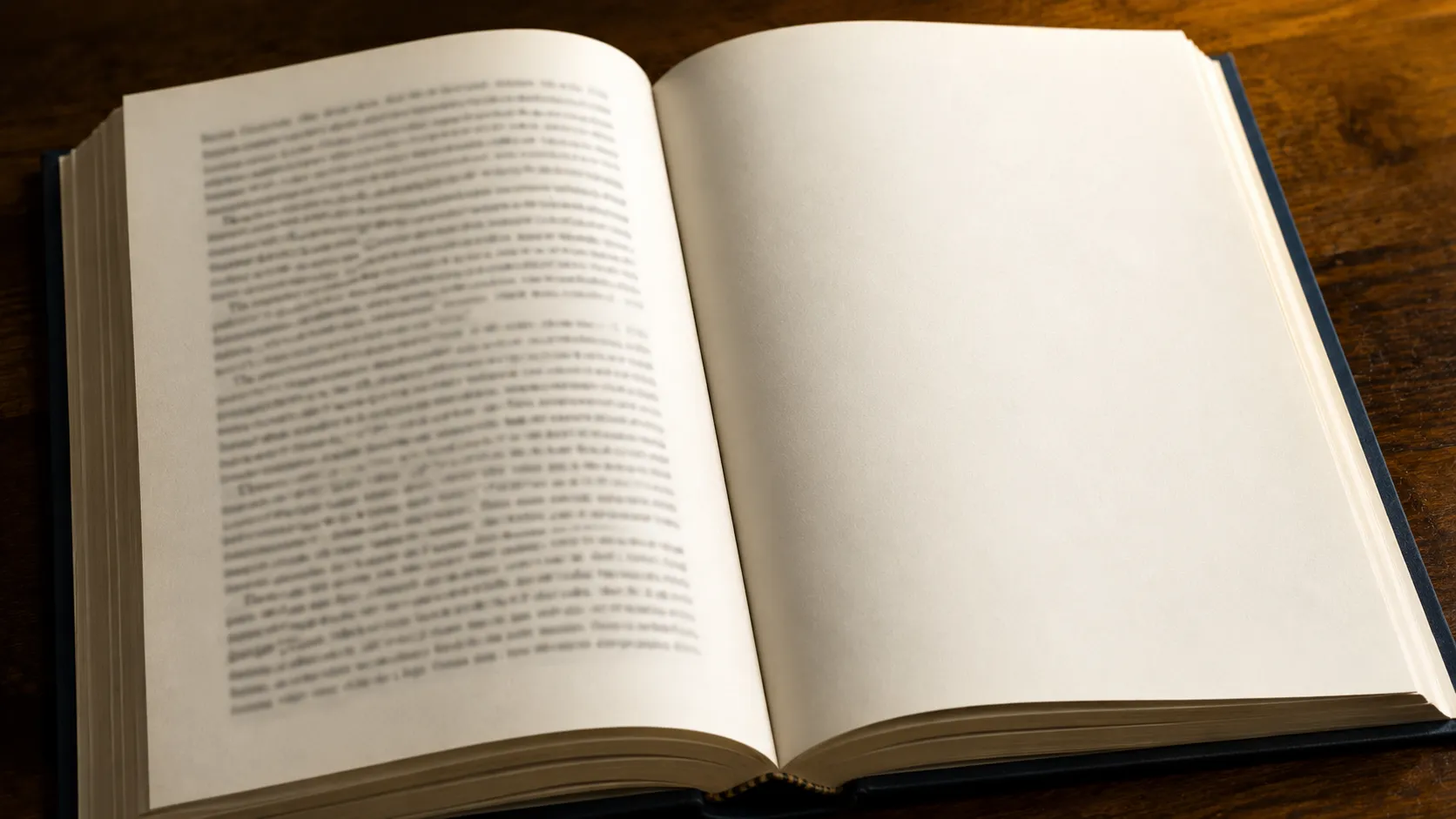
Books are printed in signatures
A signature is a folded sheet containing 8, 16, or 32 pages. The total must be a multiple of this number.
Content rarely fills exactly
If a manuscript ends partway through a signature, the remaining pages are left blank.
The front blank pages are different
Pages at the very front of a book are often intentional, traditional publishing conventions reserve space before the title page.
Myth: blank pages are printing errors
They are a planned part of the book's structure, not mistakes. You will often see 'This page intentionally left blank' printed on them.
Everyday Objects
That notice exists to reassure readers in technical manuals and legal documents that no content is missing, the blank is deliberate, not a printing or binding error.
Myth vs Reality
Signatures cannot be partially printed. If content ends before the signature does, the remainder stays blank, or carries a notice saying so.
Continue learning

Everyday Objects
Both explain things that look like waste or oversight but have a production reason.

Everyday Objects
Both trace familiar conventions back to practical origins that most people never consider.

Everyday Objects
Both explain design choices shaped by physical constraints rather than appearance.