Myth vs Reality
Each layer solves a problem the other cannot
Cardboard alone cannot seal out moisture. Plastic bags alone cannot hold their shape on shelves. The combination is functional, not redundant.
Everyday Objects
Two layers of packaging seem like overkill for breakfast food, but each layer is doing a completely different job.
Quick answer
Cereal uses a two-layer system because cardboard and plastic solve different problems. The inner plastic bag creates a sealed barrier that keeps moisture and air away from the cereal. Without it, cereal would absorb humidity from the air and go stale within days. The bag also keeps the cereal from absorbing odours or flavours from the cardboard. The outer cardboard box protects the bag from being crushed, provides a rigid structure for stacking on store shelves, and gives a large flat surface for branding, nutrition information, and graphics.
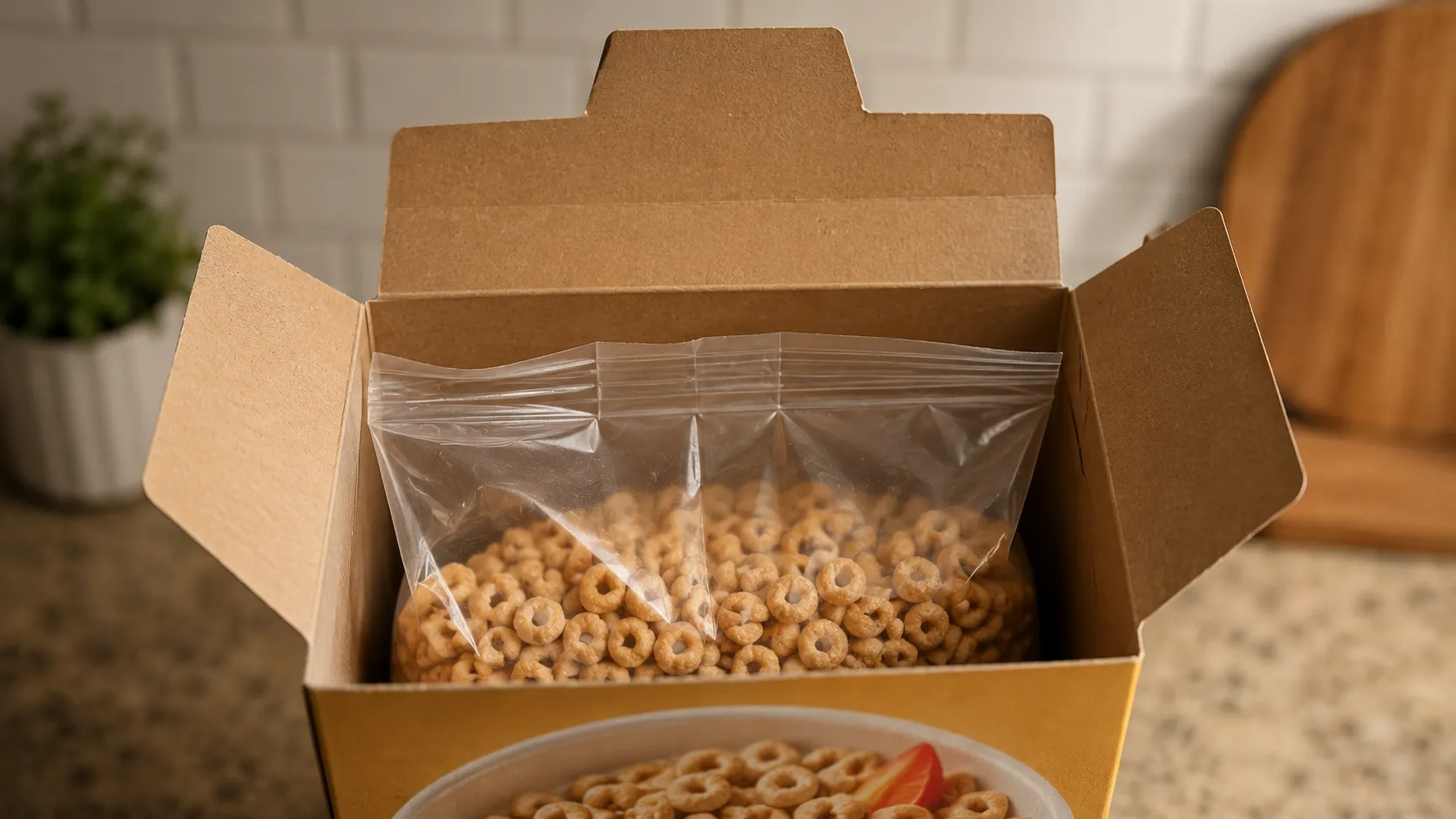
The bag blocks moisture
Cereal is dry and hygroscopic, it absorbs water from the air. The sealed inner bag prevents this.
The box provides structure
Cardboard keeps the bag from being crushed during shipping and stacking on shelves.
The bag prevents flavour transfer
Without the inner bag, cereal can absorb the smell and taste of cardboard.
Myth: it is just wasteful double packaging
Each layer has a distinct function. Removing either one causes real problems with freshness or shelf integrity.
Everyday Objects
Once opened, folding or clipping the inner bag shut preserves freshness far better than just closing the box flap. Air getting into the bag is the main cause of cereal going stale.
Myth vs Reality
Cardboard alone cannot seal out moisture. Plastic bags alone cannot hold their shape on shelves. The combination is functional, not redundant.
Continue learning
Everyday Objects
Both explain packaging engineering decisions driven by the product inside.
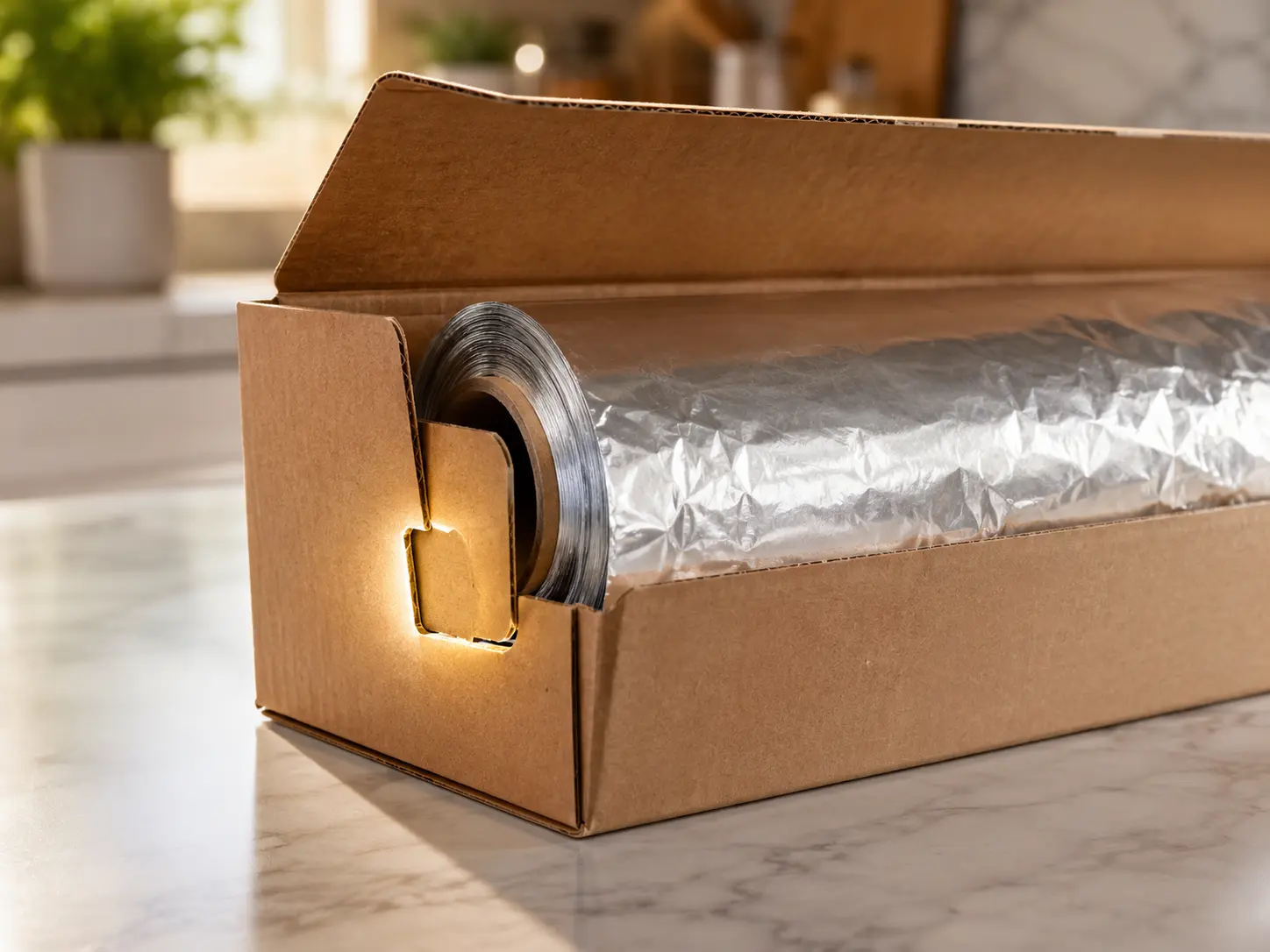
The thing on your foil box you never pressed
Both reveal practical packaging features that are easy to overlook.

Everyday Objects
Both explain things that look like waste but have a real reason.