Visual answer
What Determines Blood Type
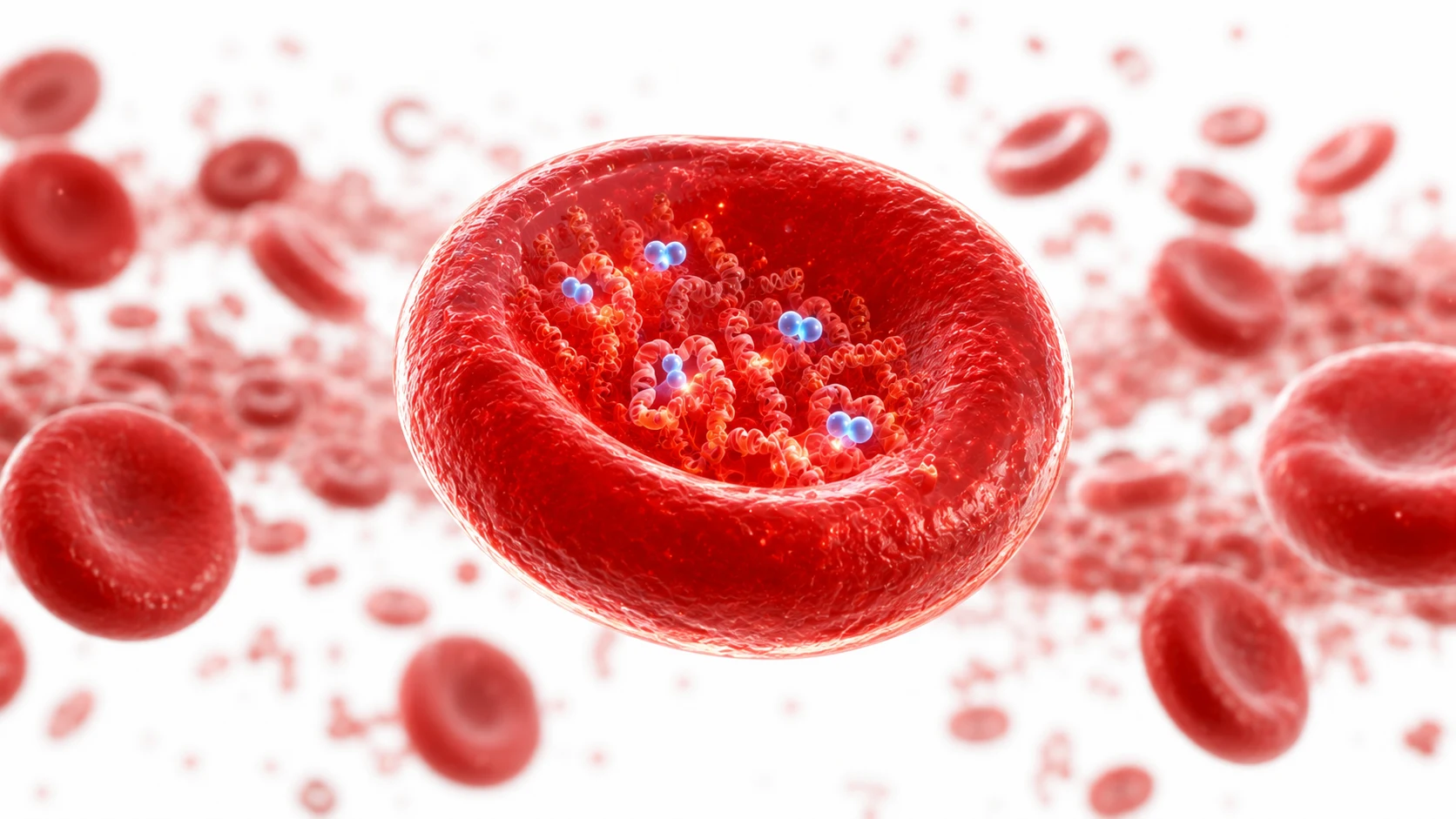
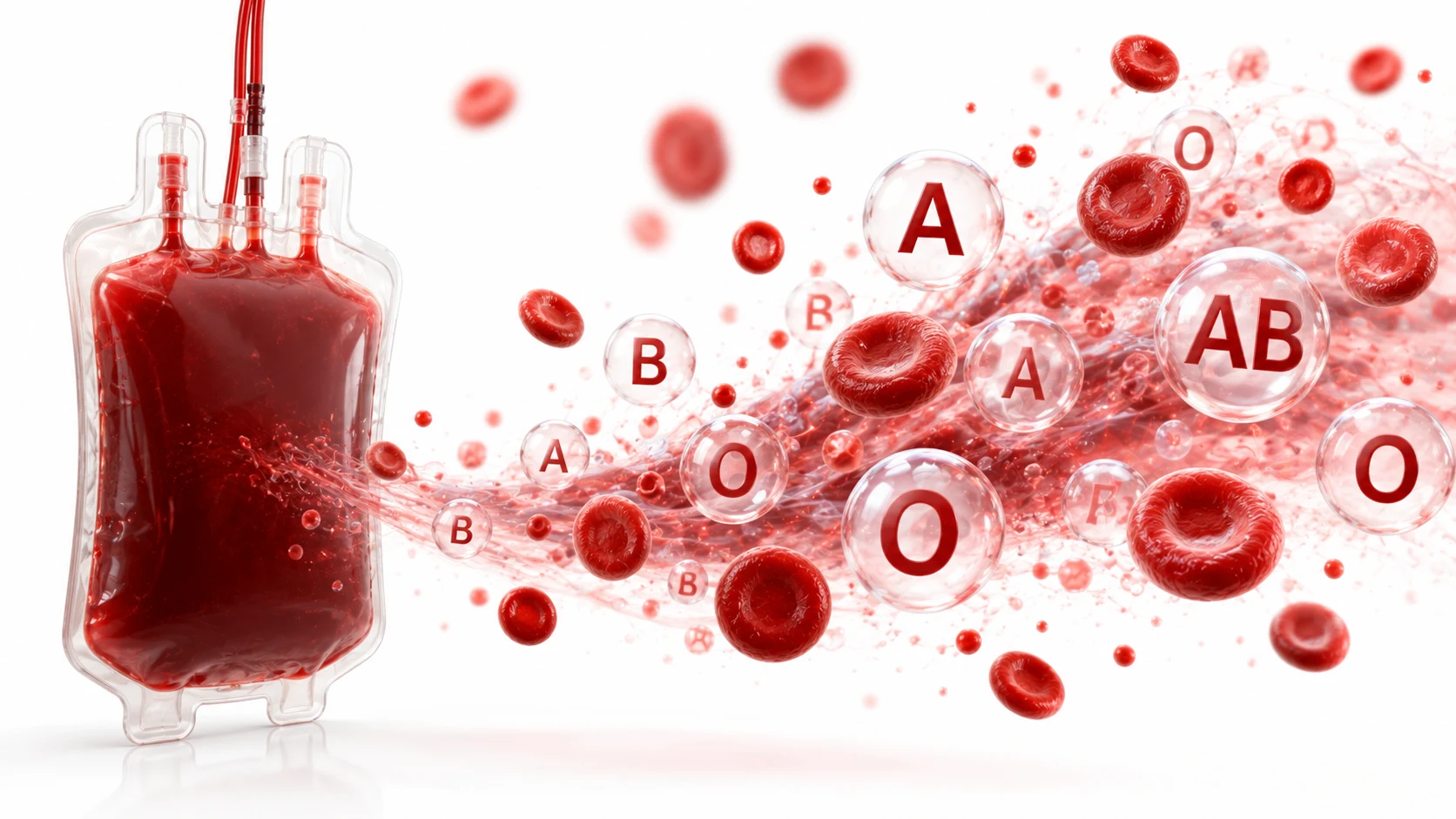
Blood type depends on tiny markers sitting on the surface of red blood cells.
A antigens
Type A blood has A markers on red blood cells and anti-B antibodies in plasma.
B antigens
Type B blood has B markers on red blood cells and anti-A antibodies in plasma.
Both antigens
Type AB blood has both A and B markers and lacks anti-A or anti-B antibodies.
No A or B antigens
Type O blood has neither A nor B markers, but has antibodies against both.
How it is set
Blood Type Is a Surface Code
Blood type is not a personality trait, a diet category, or a mysterious essence running through the body.
It is a surface code.
Red blood cells carry tiny markers called antigens. In the ABO system, the important markers are A and B. If your red cells carry A markers, you are type A. If they carry B markers, you are type B. If they carry both, you are AB. If they carry neither, you are O.
The instructions for making those markers come from genes you inherit from your parents.
That is why blood type usually stays the same for life. Your red blood cells are constantly replaced, but the factory making them follows the same genetic recipe every time.
Why it stays fixed
Why Your Blood Type Usually Stays the Same
Red blood cells do not live forever. They last about four months before the body clears them away and replaces them with new ones.
That might sound like an opportunity for change, but the new red blood cells are made by the same bone marrow using the same genetic instructions.
So the old cells disappear, new cells arrive, and the blood type remains the same.
This is why a person can donate blood many times, recover from bleeding, or replace millions of red blood cells every second without becoming a different blood type.
The type is not stored in the blood that is already circulating. It is built into the production system.
When it changes
The Rare Case Where Blood Type Really Can Change
The clearest way blood type can change is through a bone marrow transplant.
Bone marrow is where red blood cells are made. If a person receives marrow from a donor with a different blood type, and the transplant succeeds, the donor's stem cells can take over blood production.
At first, the patient's original red blood cells are still circulating. Over weeks or months, those cells naturally die off and are replaced by new ones made from the donor marrow.
If the donor had a different blood type, the recipient's blood type can gradually shift to match the donor.
It sounds almost fictional, but it is a real consequence of changing the factory that makes the blood.
Illness and tests
When Illness Makes Blood Type Look Different
Sometimes the blood type itself has not truly changed, but the test result becomes strange.
Certain blood cancers, especially some leukemias, can weaken the expression of blood type markers on red blood cells.
If those markers become faint enough, a test may produce an unexpected result. The blood can seem as if it has partly lost its type.
Some infections and rare conditions can also interfere with blood typing in unusual ways.
In many of these cases, the underlying genetic blood type is still there. What changes is how clearly the red blood cells display it.
Two blood types
The Strange Case of People With Two Blood Types
Biology occasionally produces people who do not fit neatly into one genetic category.
A chimera is a person with two genetically different cell populations in the same body. This can happen when two embryos fuse very early in development, or when cells pass between twins before birth.
In rare cases, this can result in a person having two blood cell populations, sometimes with different blood types.
These cases have caused confusion in blood testing, DNA testing, and even parentage investigations.
They are extremely rare, but they show that the body is sometimes less tidy than the textbook version.
Diet myth
Myth vs Reality
What people think
You can change or improve your body by eating for your blood type
The blood type diet claims that people with different blood types should eat different foods based on ancient evolutionary patterns.
What actually happens
Blood type does not control how your body handles food
There is no good evidence that eating according to blood type produces special health benefits. A healthier diet can help anyone, but it does not work because of ABO blood type and it cannot change your blood type.
Quick answers
Common questions
Can your blood type change naturally? +
For almost everyone, no. Blood type is inherited and usually stays the same for life. Rare medical events such as bone marrow transplants or certain diseases can change or alter how blood type appears.
Can pregnancy change blood type? +
Pregnancy does not usually change a mother's blood type. It can expose an Rh-negative mother to Rh-positive fetal blood, which may cause antibody formation if not prevented, but her actual blood type remains the same.
Can diet change your blood type? +
No. Diet can affect health, weight, energy, and metabolism, but it cannot change the antigens on your red blood cells.
Why does blood type matter for transfusions? +
If you receive red blood cells with markers your immune system sees as foreign, your antibodies can attack them. That reaction can be dangerous or even fatal.
Is O negative really the universal donor? +
For red blood cell transfusions, O negative is often called the universal donor because it lacks A, B, and RhD antigens. Plasma compatibility follows different rules.