The word 'tonsils' most commonly refers to the palatine tonsils, but there are actually several types of tonsil tissue arranged in a ring around the back of the throat, collectively called Waldeyer's ring.
Body & Brain
Why do humans have tonsils?
Why Do We Have Tonsils?
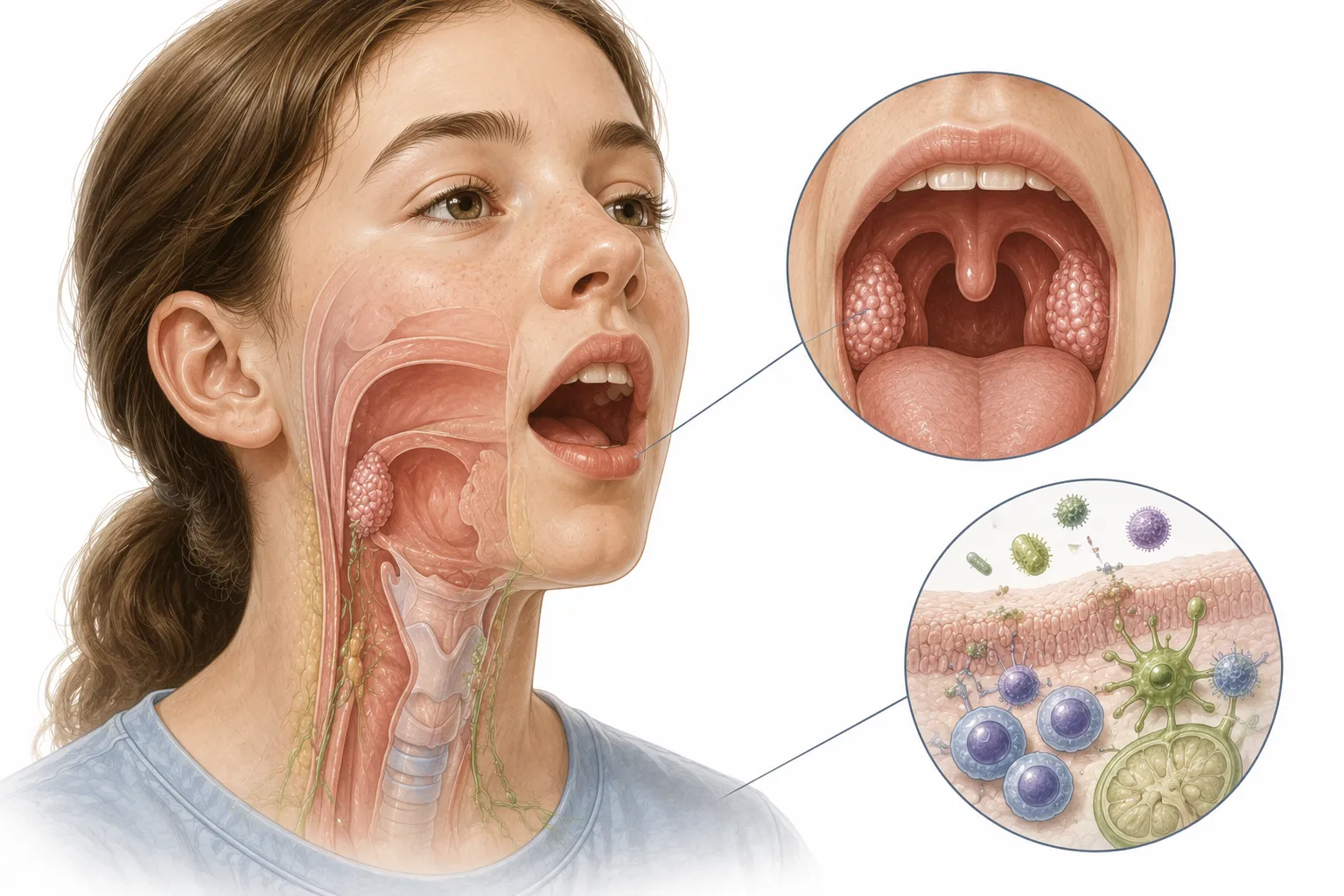
At the back of the throat sit two small, easily overlooked lumps of tissue, stationed at the exact intersection where every bite of food and every breath of air first enters the body.
On this page
The short answer
Tonsils are clusters of lymphoid tissue positioned at the back of the throat that help the immune system detect and respond early to bacteria and viruses entering through the mouth and nose, acting as one of the body's first lines of immune surveillance.
The tonsils sit at the junction of the oral and nasal cavities, a location that puts them in direct contact with nearly everything a person swallows or inhales. Their surface contains small pits called crypts that trap incoming particles, including bacteria and viruses, and expose them to immune cells embedded in the tonsil tissue. This allows the immune system to sample potential threats early and begin producing targeted antibodies before an infection can spread further into the body. Tonsils are particularly active during childhood, when the immune system is still building its library of recognized pathogens, which is part of why they tend to shrink in relative size and immune activity by adulthood.
At a glance
Location alone gives tonsils an outsized role in early immune detection.
Tonsils serve no real purpose and can be removed without any consequence.
Tonsils are most active during childhood, precisely the period when the immune system is encountering the widest range of new germs for the first time.
Picture a security checkpoint placed right at the single entrance shared by two busy hallways, sampling everyone passing through before they can get further into the building.
Diagram
Why Do We Have Tonsils: the idea in one diagram
Tonsils use their strategic location and pitted surface structure to trap incoming bacteria and viruses, exposing them to immune cells that can begin an early, targeted immune response.
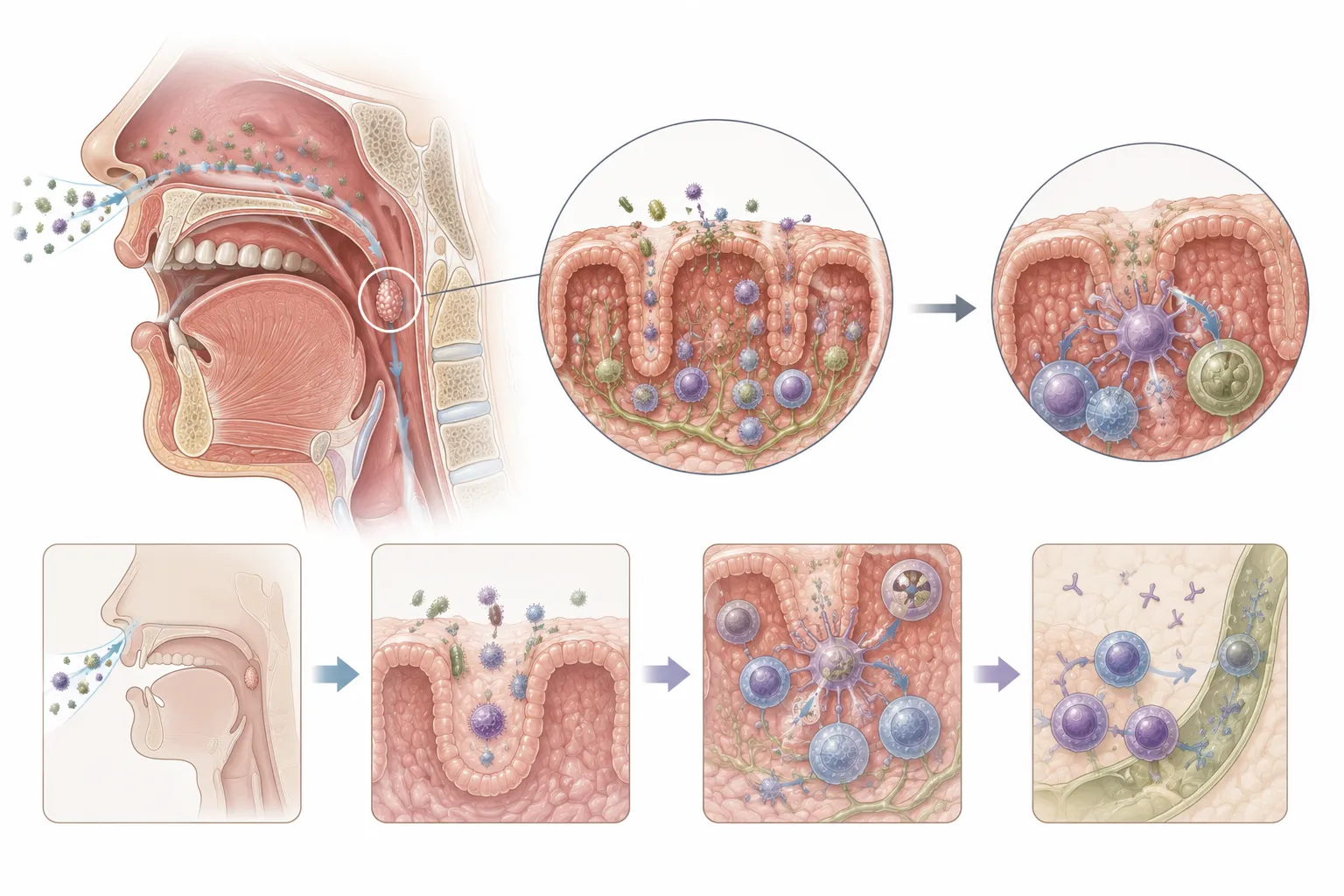
- 1Tonsils sit at a major entry point
Location alone gives tonsils an outsized role in early immune detection.
- 2Crypts trap incoming particles
The tonsil's surface structure increases its chance of intercepting potential threats.
- 3Immune cells sample trapped material
This is where the tonsils translate physical trapping into an immune response.
- 4The immune system begins an early response
Early detection at the tonsils can help limit how far an infection progresses.
How it works
The mechanism
Tonsils use their strategic location and pitted surface structure to trap incoming bacteria and viruses, exposing them to immune cells that can begin an early, targeted immune response.
- Step 01
Tonsils sit at a major entry point
Positioned at the junction of the oral and nasal cavities, tonsils are directly exposed to nearly everything swallowed or inhaled.
Like a checkpoint placed at the single shared entrance of two busy hallways.
Location alone gives tonsils an outsized role in early immune detection.
- Step 02
Crypts trap incoming particles
Small pits on the tonsil surface, called crypts, physically trap bacteria, viruses, and other particles as they pass through.
Like a net designed to catch debris flowing through a stream.
The tonsil's surface structure increases its chance of intercepting potential threats.
- Step 03
Immune cells sample trapped material
Immune cells embedded within the tonsil tissue examine trapped particles, identifying potential pathogens.
Like security personnel inspecting items caught by the checkpoint's scanner.
This is where the tonsils translate physical trapping into an immune response.
- Step 04
The immune system begins an early response
Once a threat is identified, the immune system can begin producing targeted antibodies and immune cells before infection spreads deeper into the body.
Like raising an alert at the border before a threat reaches the interior.
Early detection at the tonsils can help limit how far an infection progresses.
Surprises
Facts worth sitting with
The word 'tonsils' most commonly refers to the palatine tonsils, but there are actually several types of tonsil tissue arranged in a ring around the back of the throat, collectively called Waldeyer's ring.
Surprising facts
What seems backwards
Worth comparing
In everyday life
Easy to get wrong
Pressure points
Where the simple answer gets interesting
Why are tonsils more active in children than adults?
A child's immune system is still building its catalog of recognized pathogens, and the tonsils' position at a major entry point makes them especially useful during this early learning period, becoming relatively less critical once the adult immune system has matured.
An organ's usefulness can be tied to a specific stage of life rather than staying constant throughout it.
Why do tonsils sometimes get infected themselves?
Because tonsils are constantly exposed to bacteria and viruses as part of their surveillance role, they can occasionally become overwhelmed or directly infected, leading to the inflammation and pain known as tonsillitis.
The very job that makes tonsils useful is also what puts them at frequent risk of infection themselves.
Is it safe to have your tonsils removed?
Yes, tonsillectomy is a common and generally safe procedure, typically recommended for chronic or severe tonsil infections, and other immune tissue throughout the body compensates for the loss without a significant long-term impact on immune function.
The body has enough redundancy built into its immune system that losing one early checkpoint doesn't leave a lasting gap.
Behind the science
The story behind it
Shifting medical guidance on tonsillectomy
Medical guidelines shifted significantly over the twentieth century, moving away from routine tonsil removal toward a more conservative, case-by-case approach.
This reflects a deeper understanding of the tonsils' genuine immune function, rather than viewing them as expendable tissue.
Medical practice can change substantially once the actual function of a body part is better understood.
Immunological studies of tonsil tissue composition
Researchers studying the cellular composition of tonsil tissue identified a dense concentration of immune cells specifically suited to sampling and responding to airborne and ingested pathogens.
The findings confirmed tonsils as an active immune surveillance site rather than passive or purely structural tissue.
Clarify
Myth and reality
Myth
Tonsils serve no real purpose and can be removed without any consequence.
Reality
Tonsils play an active role in early immune detection, particularly important during childhood, even though the body compensates well if they're removed.
Evidence
Immunological studies show tonsil tissue is densely populated with immune cells specifically involved in pathogen detection and response.
Looking closer
The deeper pattern
Tonsils occupy a strategic chokepoint, positioned exactly where the body's exposure to new germs is highest.
One way to think about it
Placing detection or defense systems at natural chokepoints, where traffic is unavoidable, is a highly efficient strategy seen again and again in both biology and security.
The best place to catch a threat early is often the single narrow passage everything has to move through anyway.
Limits
Where the explanation bends
Chronic or recurrent severe tonsillitis.
When tonsils become repeatedly and severely infected, doctors may recommend surgical removal to prevent ongoing discomfort and complications, despite the tonsils' otherwise useful immune role.
An organ built to fight infection can, in some cases, become a persistent site of infection itself.
In daily life
What this helps you notice
Understanding the tonsils' immune role helps explain why children experience more frequent tonsil-related sore throats than adults.
Pediatricians often note that tonsil size and activity naturally decrease as children age and their immune systems mature.
Remember
Key takeaways
- 1
Tonsils are positioned at the junction of the oral and nasal cavities, exposing them to nearly everything swallowed or inhaled.
- 2
Small pits called crypts on the tonsil surface trap bacteria and viruses for immune inspection.
- 3
Tonsils are most immunologically active during childhood, when the immune system is still developing.
- 4
Tonsil removal doesn't significantly weaken long-term immune function, since other tissue compensates.
- 5
Medical guidance has shifted away from routine tonsillectomy as the tonsils' immune function became better understood.
Tonsils aren't a random pair of lumps in the throat, they're a checkpoint deliberately stationed at the one entrance every breath and every bite has to pass through.
Every scratchy, swollen sore throat is, in its own uncomfortable way, evidence that your tonsils are exactly where they're supposed to be, doing exactly the job they were built for.
Read around the idea
More questions with the same curious pull
Nearby doors from the TinyThat archive, chosen by topic, intent, and reader curiosity.
Body & Brain
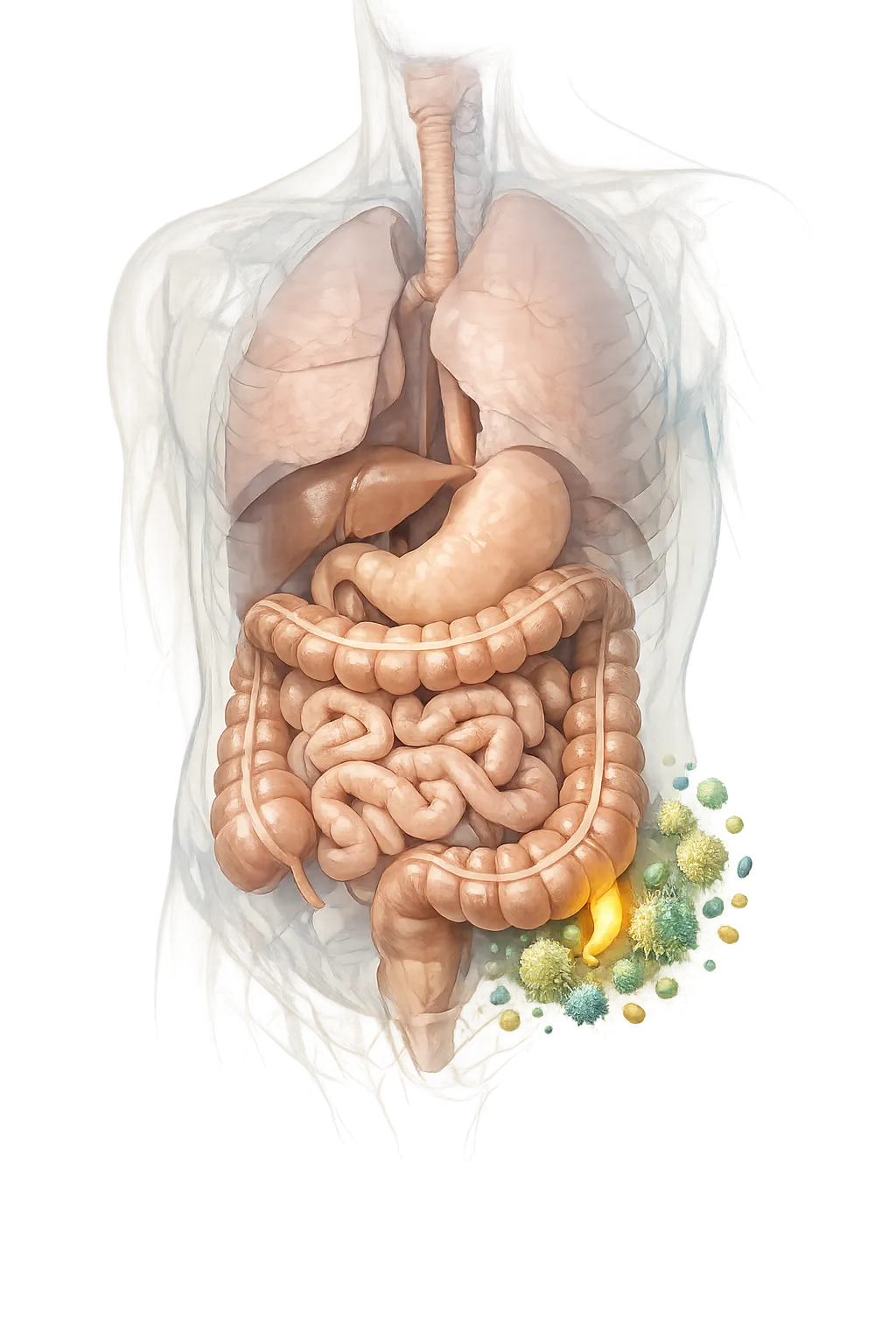
Why Do We Have an Appendix?
The appendix likely functions as a protected reservoir for beneficial gut bacteria, helping recolonize the intestines...
Body & Brain
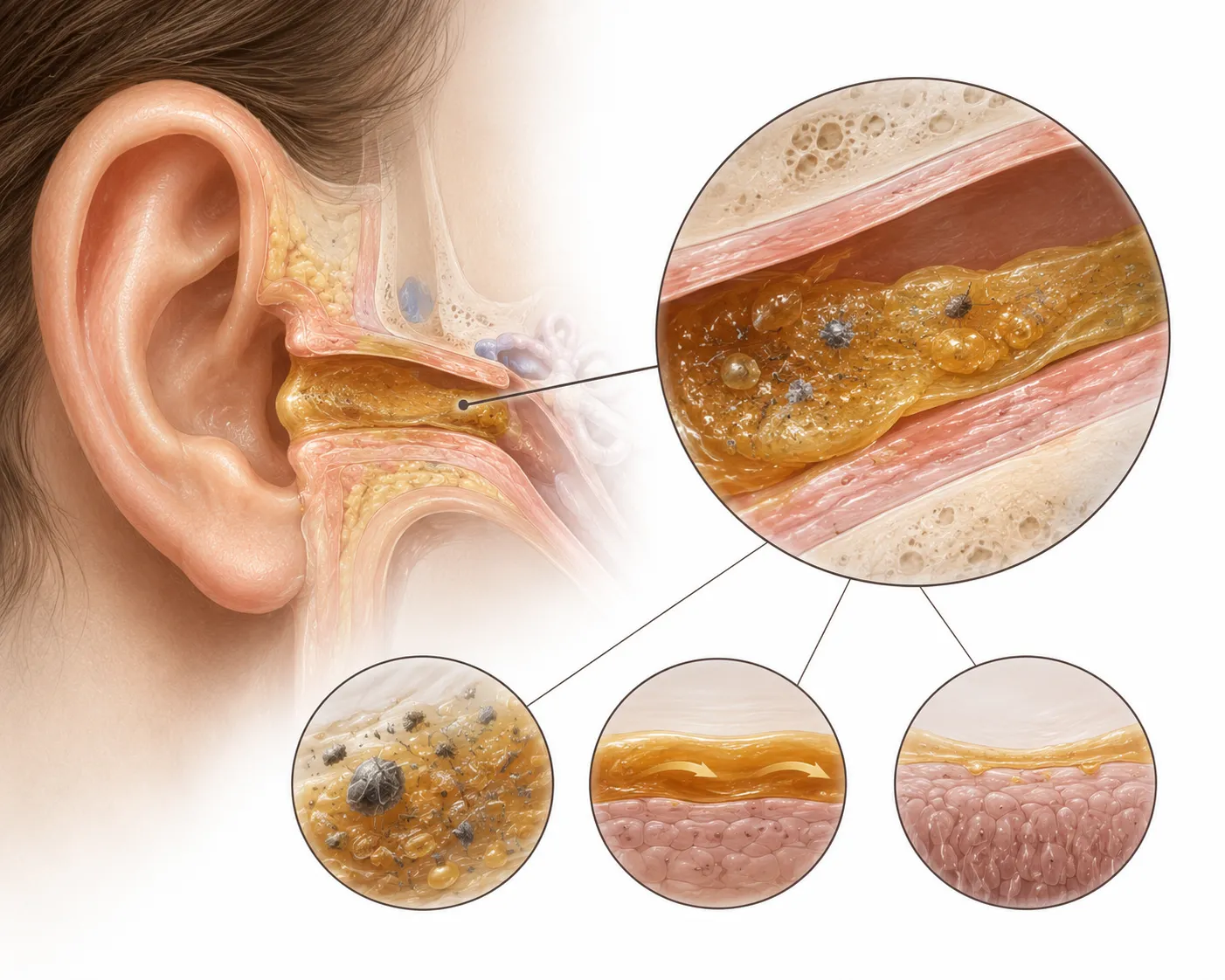
Why Do We Have Earwax?
Earwax traps dust and debris while lubricating and protecting the ear canal from infection.
Body & Brain
Can the Brain Feel Pain?
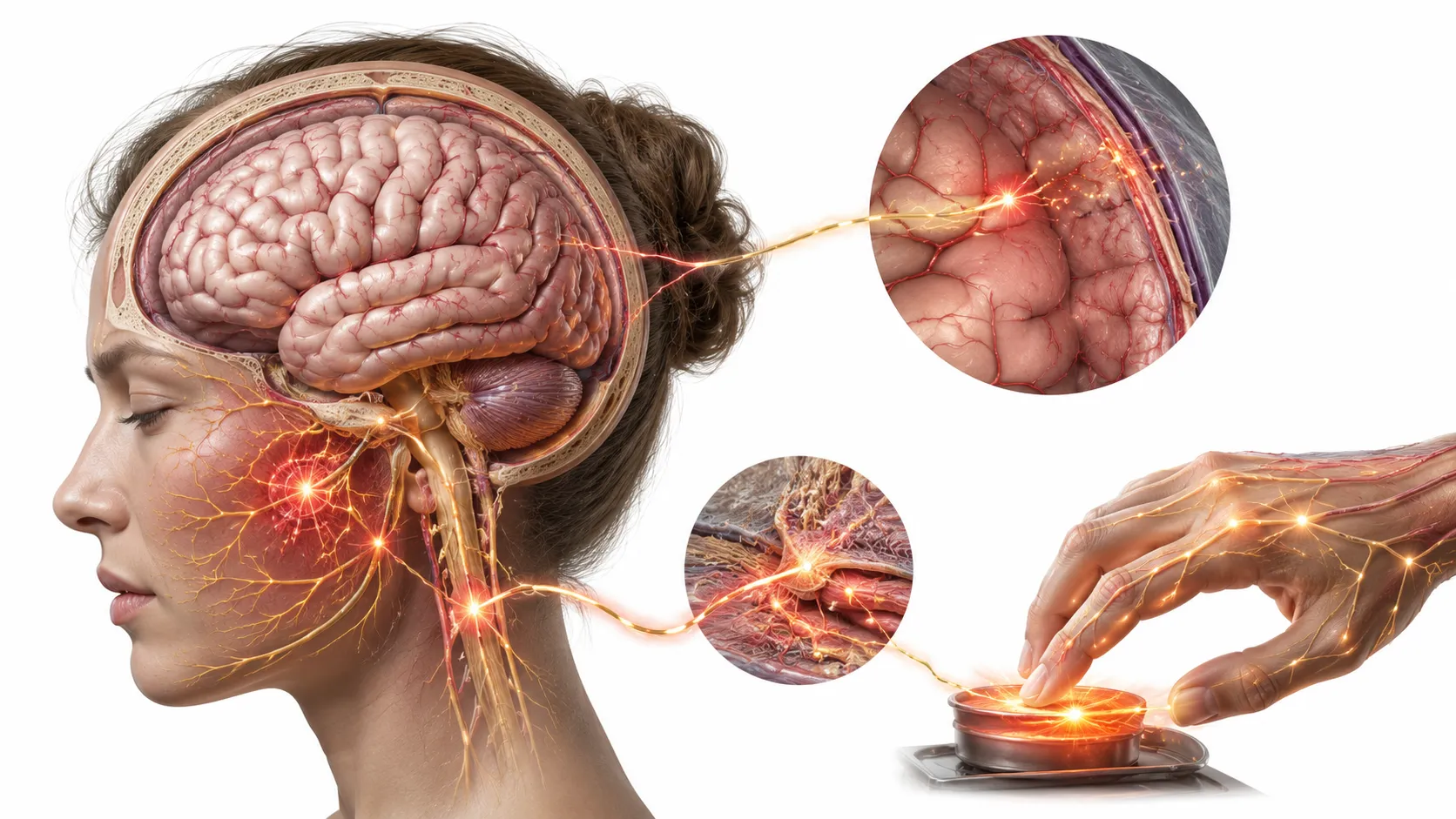
The brain controls all pain in your body, yet it cannot feel pain itself. Discover why, and what this strange fact re...