The appendix has evolved independently more than two dozen separate times across unrelated mammal groups, a pattern researchers argue would be unlikely if the organ served no function at all.
Body & Brain
Why do humans have an appendix?
Why Do We Have an Appendix?
For over a century, doctors described the appendix as a useless evolutionary leftover, good for nothing except occasionally becoming dangerously inflamed.
On this page
The short answer
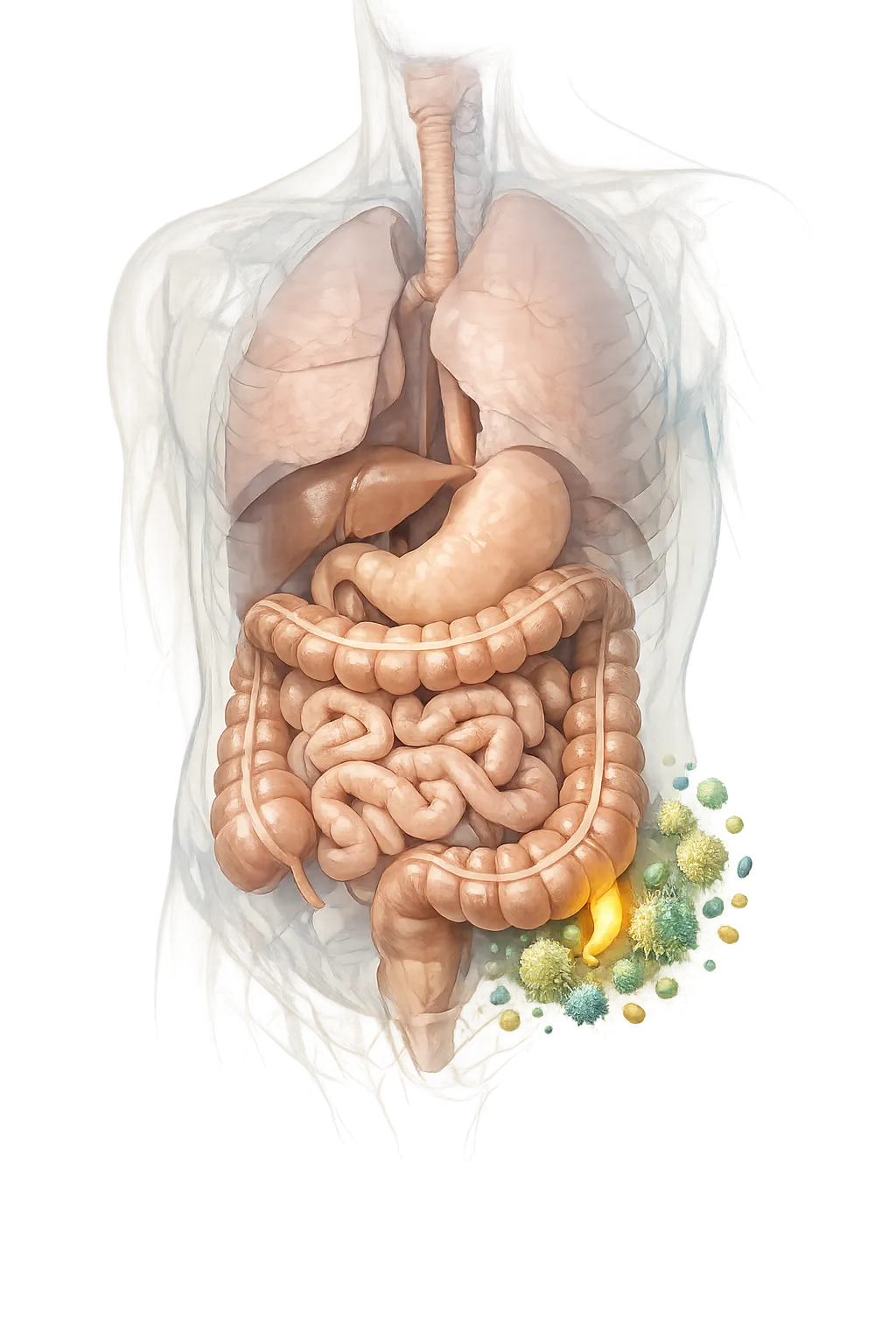
The appendix appears to function as a protected reservoir for beneficial gut bacteria, helping recolonize the intestines after severe diarrheal illness wipes out the normal bacterial population, in addition to playing a minor role in immune system development.
For decades, the appendix was widely considered a vestigial organ with no meaningful function, largely because removing it doesn't appear to cause obvious harm. More recent research proposes a more nuanced role. The appendix sits in a slight side-pocket off the main path of the intestines, somewhat sheltered from the main flow of digestion, which may allow beneficial bacteria to persist there even during severe gut infections that flush out the bacterial population everywhere else. Once the illness passes, the appendix can help reseed the rest of the intestines with healthy bacteria. The appendix also contains a notable concentration of immune tissue, particularly during childhood, suggesting an additional supporting role in training the immune system early in life.
At a glance
Its shape and position, once seen as pointless, may be exactly what allows it to function as a shelter.
The appendix is completely useless and serves no biological function.
The appendix appears independently in dozens of unrelated mammal lineages, a pattern that's very hard to explain if the organ is truly just useless leftover tissue.
Picture a small emergency shelter tucked just off a busy highway, rarely used, but stocked and ready in case the main road gets wiped out by a storm. The appendix may work similarly for gut bacteria after severe illness.
Diagram
Why Do We Have an Appendix: the idea in one diagram
The appendix's proposed function relies on its sheltered position off the main intestinal tract, which allows it to preserve beneficial bacteria and support early immune development.
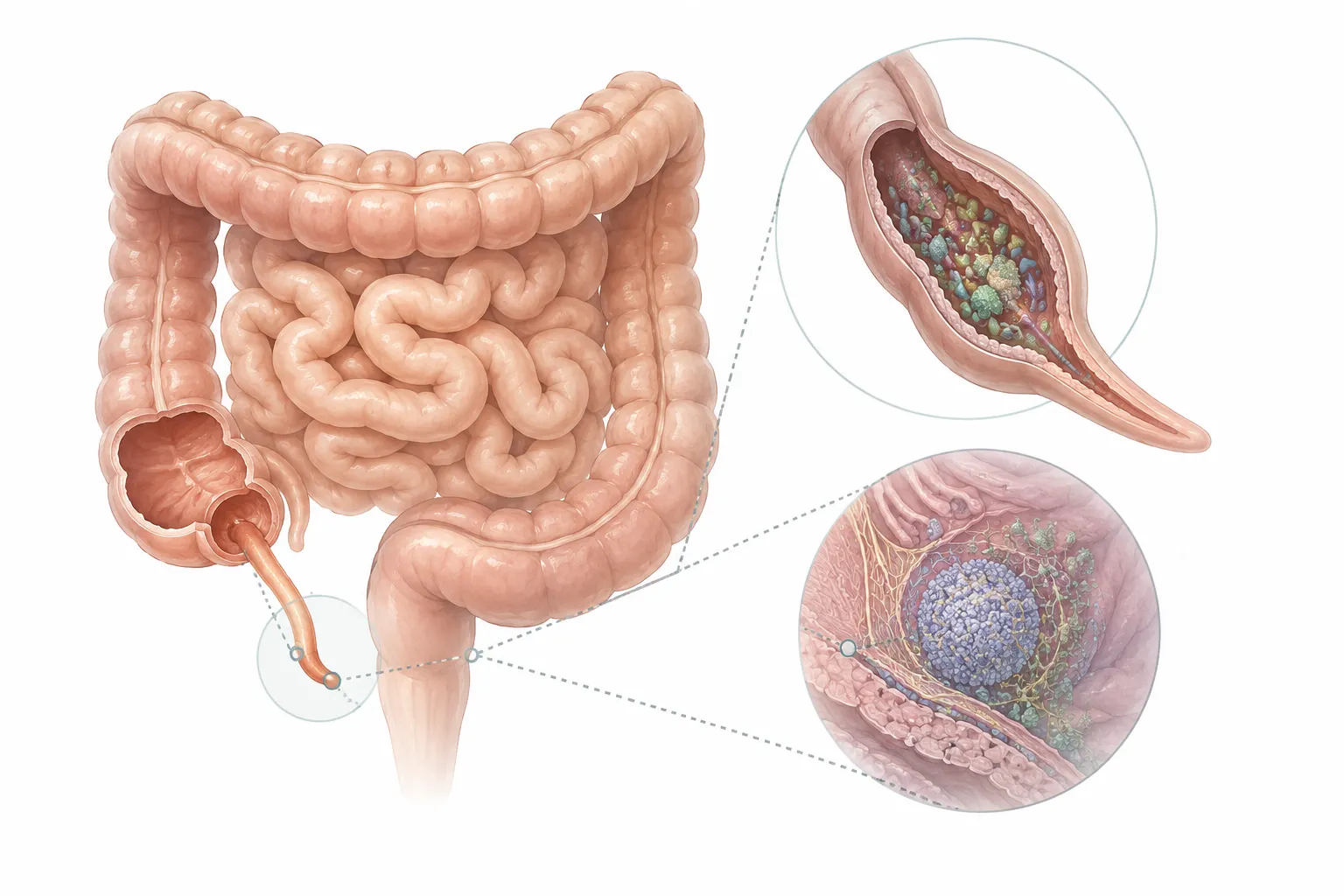
- 1The appendix sits in a protected side-pocket
Its shape and position, once seen as pointless, may be exactly what allows it to function as a shelter.
- 2Beneficial bacteria persist there during illness
The appendix can act as a reservoir precisely because it's out of the main current.
- 3Bacteria recolonize the gut after illness
The appendix's usefulness shows up specifically during recovery, not day-to-day digestion.
- 4Immune tissue supports early development
The appendix's immune role appears to be most active earlier in life.
How it works
The mechanism
The appendix's proposed function relies on its sheltered position off the main intestinal tract, which allows it to preserve beneficial bacteria and support early immune development.
- Step 01
The appendix sits in a protected side-pocket
Positioned as a small, dead-end pouch off the main intestine, the appendix is relatively sheltered from the bulk flow of digestion and waste.
Like a quiet cul-de-sac just off a busy main road.
Its shape and position, once seen as pointless, may be exactly what allows it to function as a shelter.
- Step 02
Beneficial bacteria persist there during illness
During severe gastrointestinal infections that flush out most gut bacteria, populations sheltered in the appendix may survive relatively undisturbed.
Like a small town spared by a storm that devastates a larger nearby city.
The appendix can act as a reservoir precisely because it's out of the main current.
- Step 03
Bacteria recolonize the gut after illness
Once the acute infection resolves, bacteria from the appendix can help repopulate the rest of the intestines with a healthy microbial community.
Like reseeding a field from a saved batch of seeds after a bad harvest.
The appendix's usefulness shows up specifically during recovery, not day-to-day digestion.
- Step 04
Immune tissue supports early development
Lymphoid tissue in the appendix, especially abundant during childhood, appears to help train and support the developing immune system.
Like a training camp active mainly in the organization's early years.
The appendix's immune role appears to be most active earlier in life.
Surprises
Facts worth sitting with
The appendix has evolved independently more than two dozen separate times across unrelated mammal groups, a pattern researchers argue would be unlikely if the organ served no function at all.
Surprising facts
What seems backwards
Worth comparing
In everyday life
Easy to get wrong
Pressure points
Where the simple answer gets interesting
Why do multiple unrelated animal species also have an appendix?
The repeated, independent evolution of an appendix-like structure across more than two dozen distinct mammal lineages suggests it provides a genuine survival advantage rather than being a random evolutionary accident.
Evolution rarely reinvents the same structure over and over unless it's earning its keep.
What happens to gut bacteria after severe illness if the appendix is missing?
Without the appendix's relatively protected pocket, some research suggests recovery of a healthy gut bacterial population after a severe infection may take longer or be less complete, though most people still recover well.
A tiny, easily removed organ may quietly influence how fast your gut bounces back from illness.
Why was the appendix considered useless for so long?
Because removing it doesn't cause immediately obvious health problems and its function isn't visible or dramatic, early anatomists concluded it served no purpose, a view that persisted until more subtle immune and microbiome research emerged.
An organ's function can stay hidden for a century simply because its job is quiet rather than dramatic.
Behind the science
The story behind it
Duke University research reframing the appendix
Researchers proposed the 'safe house' hypothesis for the appendix after studying its anatomical position and its relationship to gut bacterial diversity.
The research helped shift mainstream scientific opinion away from the century-old vestigial-organ view.
Long-standing scientific consensus can be overturned once the right question is finally asked.
Comparative anatomy survey of appendix across mammal species
Researchers cataloged the presence of appendix-like structures across many unrelated mammal species and mapped when the structure evolved independently.
The structure was found to have evolved separately at least dozens of times, a pattern strongly suggesting genuine functional value rather than random leftover anatomy.
Clarify
Myth and reality
Myth
The appendix is completely useless and serves no biological function.
Reality
Current research suggests the appendix likely supports gut bacteria recovery after illness and plays a role in early immune system development, even though it isn't essential for survival.
Evidence
Comparative anatomy across mammal species and microbiome studies both support a genuine, if minor, function for the organ.
Looking closer
The deeper pattern
The appendix's quiet, backup role went unnoticed for so long precisely because its function only becomes visible during rare crises, not everyday life.
One way to think about it
Systems designed for resilience during rare emergencies often look useless under normal conditions, since their value only becomes apparent when things go wrong.
Not everything that looks idle is actually doing nothing; some things are simply waiting for the moment they're needed.
Limits
Where the explanation bends
Appendicitis requiring emergency surgical removal.
When the appendix becomes inflamed and infected, it must typically be surgically removed to prevent rupture and life-threatening infection, regardless of any backup bacterial function it may serve.
An organ theorized to help protect gut health can itself become a medical emergency when things go wrong inside it.
In daily life
What this helps you notice
People who have had their appendix removed generally don't need to take any special precautions, since the body compensates well without it.
Appendectomy remains a routine, low-risk surgery performed millions of times worldwide with excellent long-term outcomes.
Remember
Key takeaways
- 1
Newer research suggests the appendix functions as a protected reservoir for beneficial gut bacteria.
- 2
The appendix has evolved independently across more than two dozen mammal lineages, suggesting real function.
- 3
It contains notable immune tissue, especially during childhood, supporting early immune development.
- 4
Removing the appendix generally causes no major long-term health problems for most people.
- 5
The century-old view of the appendix as purely vestigial has been substantially revised by modern research.
The appendix spent over a hundred years labeled as evolutionary junk, when it may actually be a quiet emergency shelter, waiting patiently for the rare moment your gut needs rescuing.
Sometimes the parts of the body that look the most useless are simply the ones doing their job so rarely, and so quietly, that no one noticed for a century.
Read around the idea
More questions with the same curious pull
Nearby doors from the TinyThat archive, chosen by topic, intent, and reader curiosity.
Body & Brain
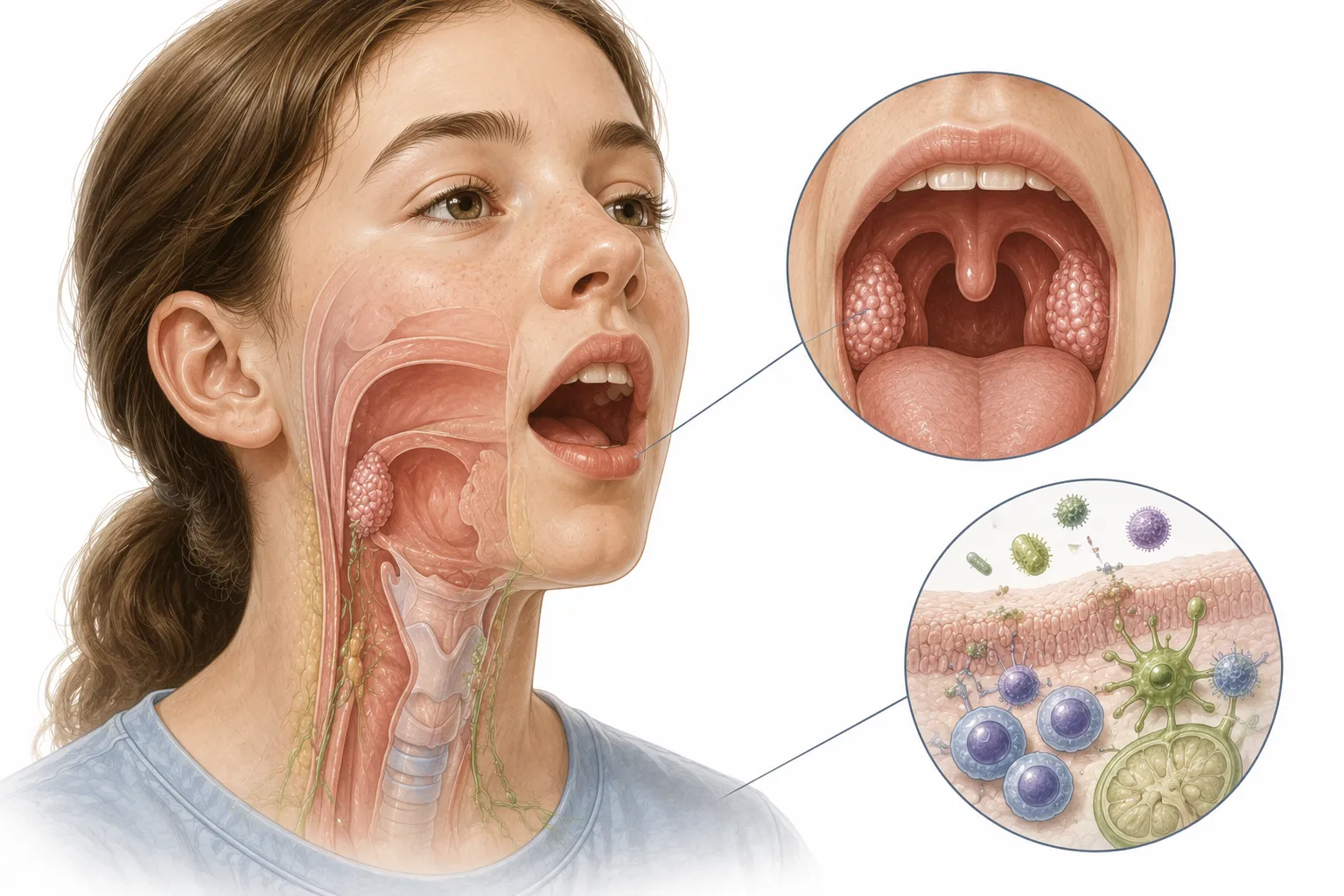
Why Do We Have Tonsils?
Tonsils help filter and sample airborne and ingested pathogens as part of early immune defense.
Body & Brain
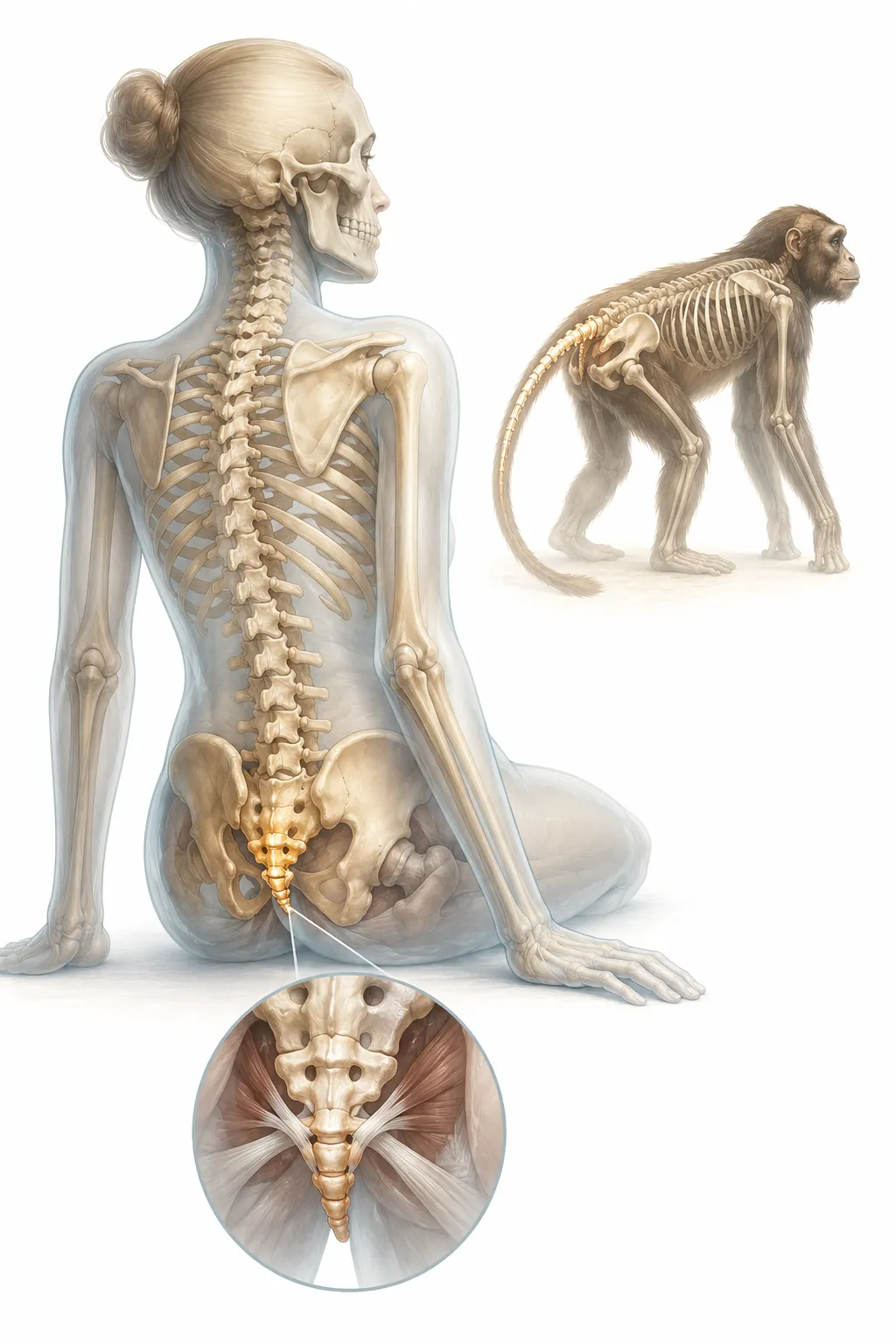
Why Do We Have a Tailbone?
The tailbone is a remnant of an ancestral tail and still anchors several important muscles and ligaments today.
Body & Brain
Can the Brain Feel Pain?
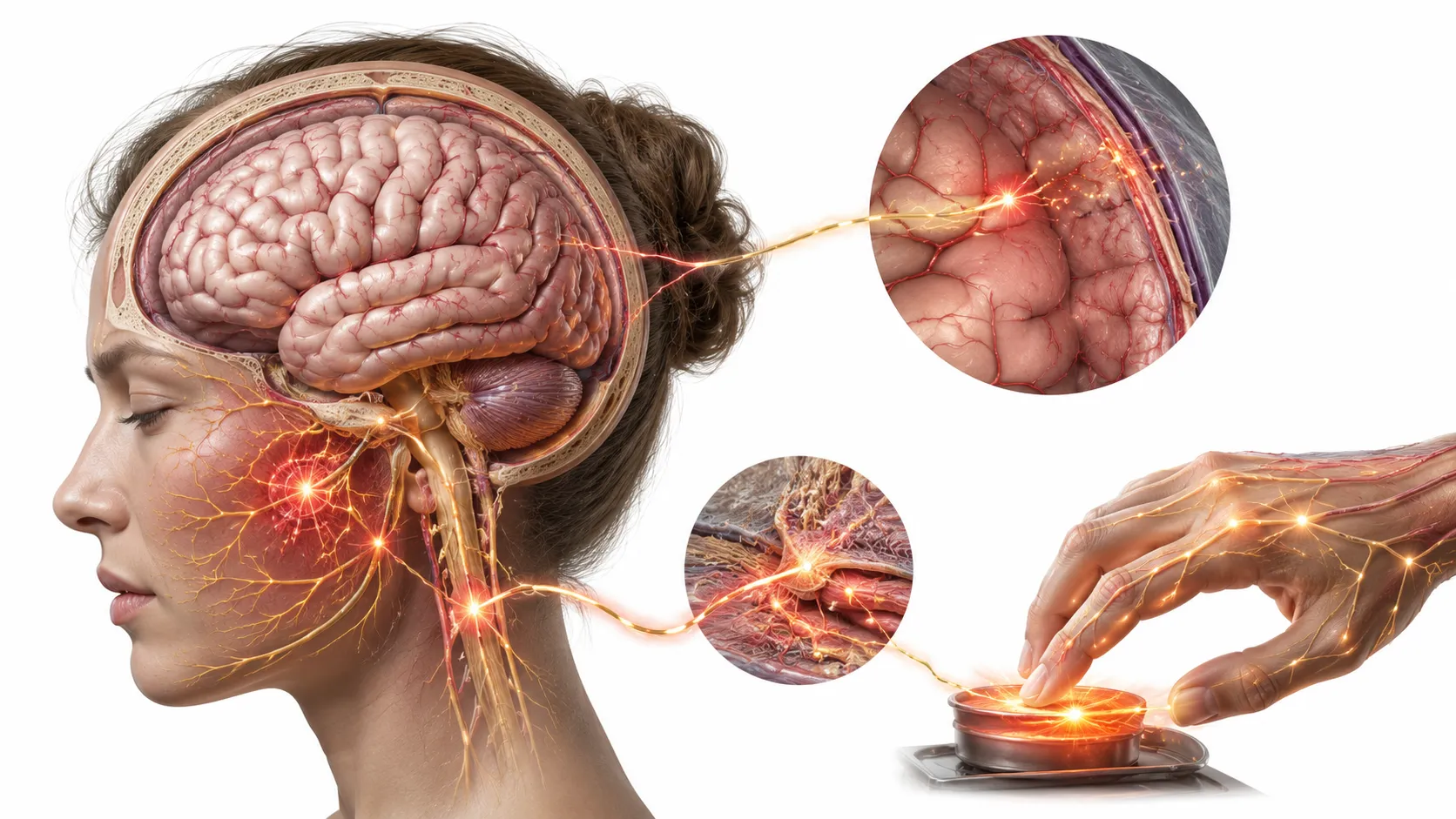
The brain controls all pain in your body, yet it cannot feel pain itself. Discover why, and what this strange fact re...