Feet have roughly 250,000 sweat glands combined, one of the highest concentrations of sweat glands anywhere on the human body.
Body & Brain
Why do feet smell so bad?
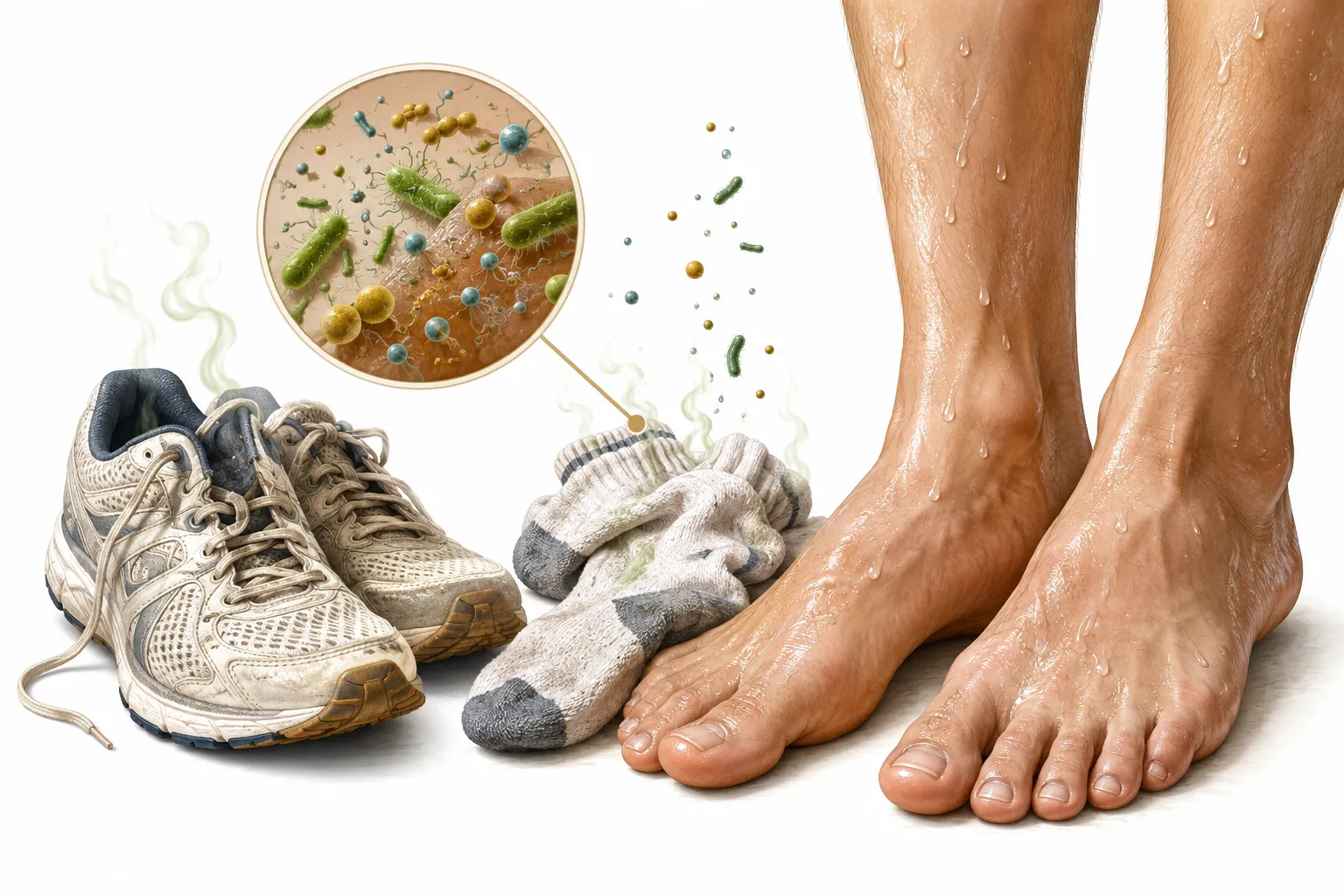
Why Do Feet Smell?
Sweat, on its own, straight out of the gland, is almost completely odorless. If foot odor were just sweat, feet wouldn't smell like anything at all.
On this page
The short answer
Feet smell because bacteria on your skin break down the compounds in sweat, producing smelly byproducts. Feet have an unusually high density of sweat glands, and shoes create a warm, moist, enclosed environment that lets those bacteria thrive.
Feet have more sweat glands per square inch than almost anywhere else on your body, capable of producing significant sweat even without heat or exercise triggering it. On its own, this sweat is nearly odorless, made mostly of water, salt, and trace compounds. But the skin on your feet, especially inside enclosed shoes, hosts colonies of bacteria that feed on compounds in sweat and dead skin cells. As they metabolize this material, these bacteria release volatile organic compounds, some of which have a strong cheesy or sulfurous smell. Shoes trap heat and moisture, creating close to ideal conditions for these bacteria to multiply rapidly, which is why foot odor tends to be far stronger than odor from other sweaty parts of the body left exposed to open air.
At a glance
The sweat itself isn't the smell; it's just the setup.
Foot odor is purely a hygiene problem caused by not washing enough.
The smell isn't coming from you. It's coming from bacteria that have been quietly eating your sweat and producing waste products of their own the entire time you've had them on your feet.
Picture your shoe as a warm, damp, dark room, and imagine leaving a plate of food in that room for eight hours straight, then coming back to find it's been colonized. Your foot is the plate. Your socks are the lid.
Diagram
Why Do Feet Smell: the idea in one diagram
Foot odor results from bacteria metabolizing sweat and dead skin in the warm, enclosed environment shoes create, producing smelly volatile compounds as byproducts.
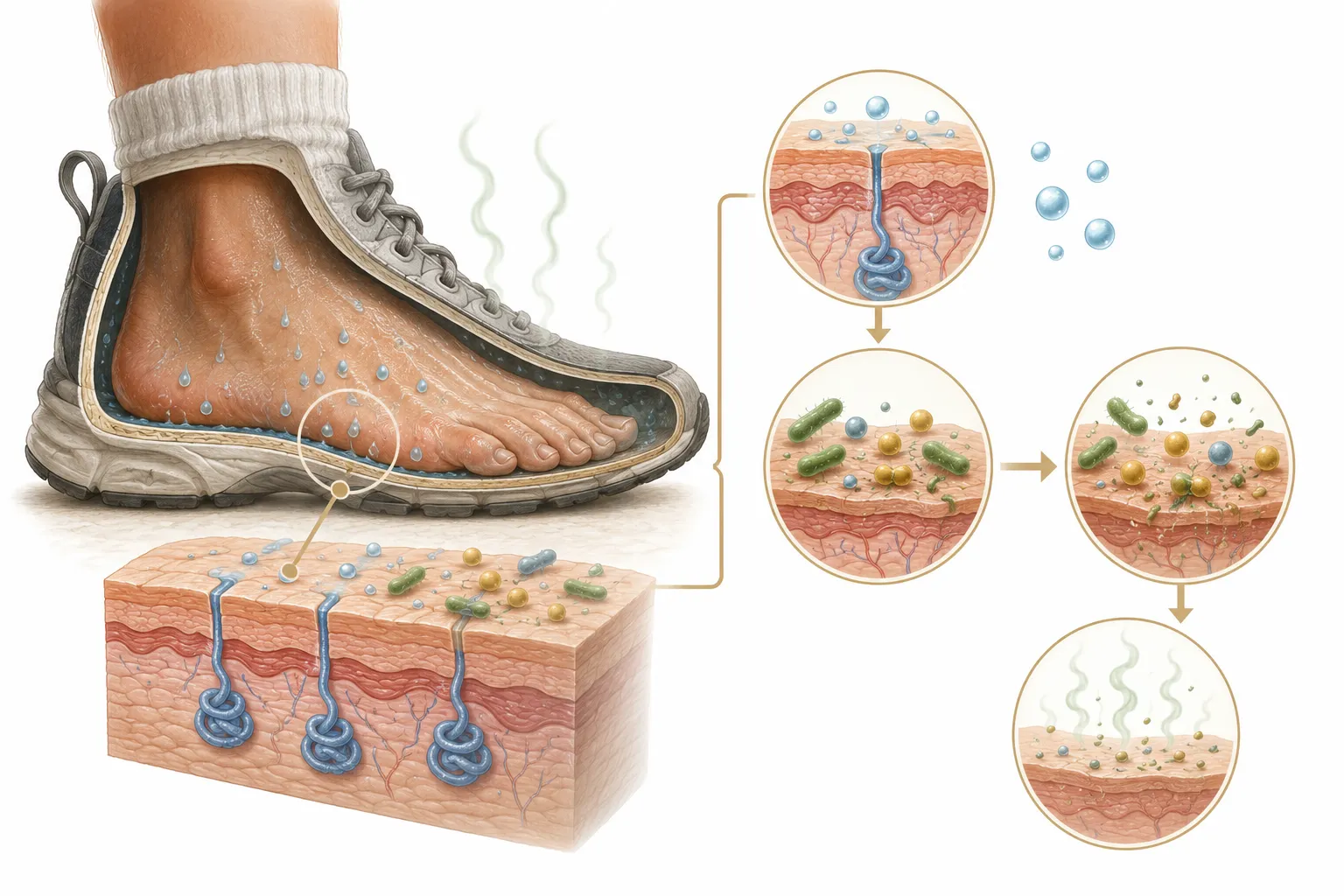
- 1Sweat glands produce moisture
The sweat itself isn't the smell; it's just the setup.
- 2Shoes trap heat and moisture
Shoes turn a normally manageable process into ideal bacterial growing conditions.
- 3Bacteria metabolize sweat and skin cells
The bacteria are simply doing what bacteria do when given ideal conditions.
- 4Byproducts release the smell
The smell is a direct chemical signature of active bacterial metabolism, not the sweat itself.
How it works
The mechanism
Foot odor results from bacteria metabolizing sweat and dead skin in the warm, enclosed environment shoes create, producing smelly volatile compounds as byproducts.
- Step 01
Sweat glands produce moisture
Feet contain an especially high density of sweat glands, producing sweat that's nearly odorless and composed mostly of water and salt.
Like a constant, low-level drip irrigation system running under your shoe.
The sweat itself isn't the smell; it's just the setup.
- Step 02
Shoes trap heat and moisture
Enclosed shoes create a dark, warm, humid microenvironment that prevents sweat from evaporating the way it would on exposed skin.
Like sealing a damp towel inside a plastic bag.
Shoes turn a normally manageable process into ideal bacterial growing conditions.
- Step 03
Bacteria metabolize sweat and skin cells
Bacteria naturally living on the skin break down compounds in sweat and dead skin cells as a food source in this warm, moist environment.
Like microorganisms feasting at an all-you-can-eat buffet that never gets cleared away.
The bacteria are simply doing what bacteria do when given ideal conditions.
- Step 04
Byproducts release the smell
As bacteria metabolize this material, they release volatile organic compounds like isovaleric acid, which carry a strong, distinctive odor.
Like exhaust fumes from a very small, very productive engine.
The smell is a direct chemical signature of active bacterial metabolism, not the sweat itself.
Surprises
Facts worth sitting with
Feet have roughly 250,000 sweat glands combined, one of the highest concentrations of sweat glands anywhere on the human body.
Surprising facts
What seems backwards
Worth comparing
In everyday life
Easy to get wrong
Pressure points
Where the simple answer gets interesting
Why do some people have much smellier feet than others?
Differences in sweat gland density, the specific mix of bacteria naturally living on someone's skin, hormonal factors, and shoe and sock choices all combine to produce significant variation in foot odor intensity between individuals.
The exact bacterial community on your feet is essentially unique to you, meaning your particular foot smell is, in a strange way, a kind of biological signature.
Why does foot odor seem to get worse with certain types of shoes?
Shoes made from non-breathable synthetic materials trap heat and moisture far more effectively than materials like leather or canvas, creating warmer, damper conditions that accelerate bacterial growth and odor production.
The exact same feet, on the exact same person, can smell dramatically different depending purely on what material is wrapped around them for the day.
Can foot odor actually be a sign of a medical condition?
In some cases, excessive foot sweating, a condition called hyperhidrosis, can significantly worsen odor, and certain fungal infections can also alter the smell and appearance of the feet, both of which are medically treatable.
What most people write off as a minor annoyance occasionally turns out to be a specific, diagnosable condition with its own dedicated treatments.
Behind the science
The story behind it
Identifying the cheese-and-feet bacterial connection
Microbiologists studying cheese ripening and researchers studying foot odor separately identified closely related Brevibacterium species responsible for similar smells in both contexts, eventually connecting the two fields of research.
The overlap explained why certain washed-rind cheeses and human feet can produce remarkably similar odors, tracing both back to a shared category of bacteria.
Two seemingly unrelated fields of science, cheesemaking and dermatology, converged on the exact same microbial explanation.
Bacterial culture studies of shoe and sock environments
Researchers cultured bacteria from worn socks and shoes and identified the specific species and metabolic byproducts responsible for characteristic foot odor smells.
A relatively small number of specific bacterial species turned out to be responsible for the overwhelming majority of recognizable foot odor across different individuals.
Clarify
Myth and reality
Myth
Foot odor is purely a hygiene problem caused by not washing enough.
Reality
While hygiene plays a role, genetics, sweat gland density, shoe material, and individual bacterial makeup are often more significant factors than washing frequency alone.
Evidence
People with meticulous hygiene routines can still experience significant foot odor due to naturally higher sweat production or shoe choices that trap moisture.
Looking closer
The deeper pattern
Foot odor isn't produced by the body directly; it's outsourced entirely to an invisible population of organisms living on the skin's surface, doing work the body never asked for.
One way to think about it
Many of the outputs we attribute entirely to ourselves are actually produced by unseen systems working alongside us, quietly shaping outcomes we assume are fully under our own control.
Not every result that comes from your body was actually made by your body alone.
Limits
Where the explanation bends
Hyperhidrosis and excessive foot sweating.
Some people produce significantly more foot sweat than average due to an overactive sweat response, creating conditions that dramatically accelerate bacterial growth and odor production, sometimes requiring medical treatment.
What's a mild daily annoyance for most people can become a genuine medical condition for a smaller group whose sweat glands are simply working in overdrive.
In daily life
What this helps you notice
Choosing breathable shoe materials and rotating footwear to allow full drying between wears can significantly reduce foot odor without requiring any change in personal hygiene habits.
Athletes and military personnel are often advised to rotate between multiple pairs of shoes specifically to let each pair fully dry out, directly reducing the bacterial buildup responsible for persistent odor.
Remember
Key takeaways
- 1
Sweat itself is nearly odorless; foot odor comes almost entirely from bacteria metabolizing sweat and dead skin.
- 2
Feet have an unusually high density of sweat glands compared to most other parts of the body.
- 3
Enclosed shoes create warm, moist conditions that let odor-producing bacteria multiply rapidly.
- 4
The bacteria responsible for much foot odor are closely related to bacteria used in ripening certain pungent cheeses.
- 5
Shoe material and rotation matter as much as personal hygiene in controlling foot odor.
Your feet were never the source of that smell. An entire invisible population living on your skin has been doing the actual work the whole time.
Take off your shoes at the end of the day and what you're smelling isn't failure or neglect. It's a colony that's been quietly, industriously turning your sweat into something pungent since the moment you put your socks on this morning.
Read around the idea
More questions with the same curious pull
Nearby doors from the TinyThat archive, chosen by topic, intent, and reader curiosity.

Body & Brain
Why Do We Sweat When Nervous?
The nervous system triggers sweat glands as part of the body's stress response, independent of temperature.
Body & Brain
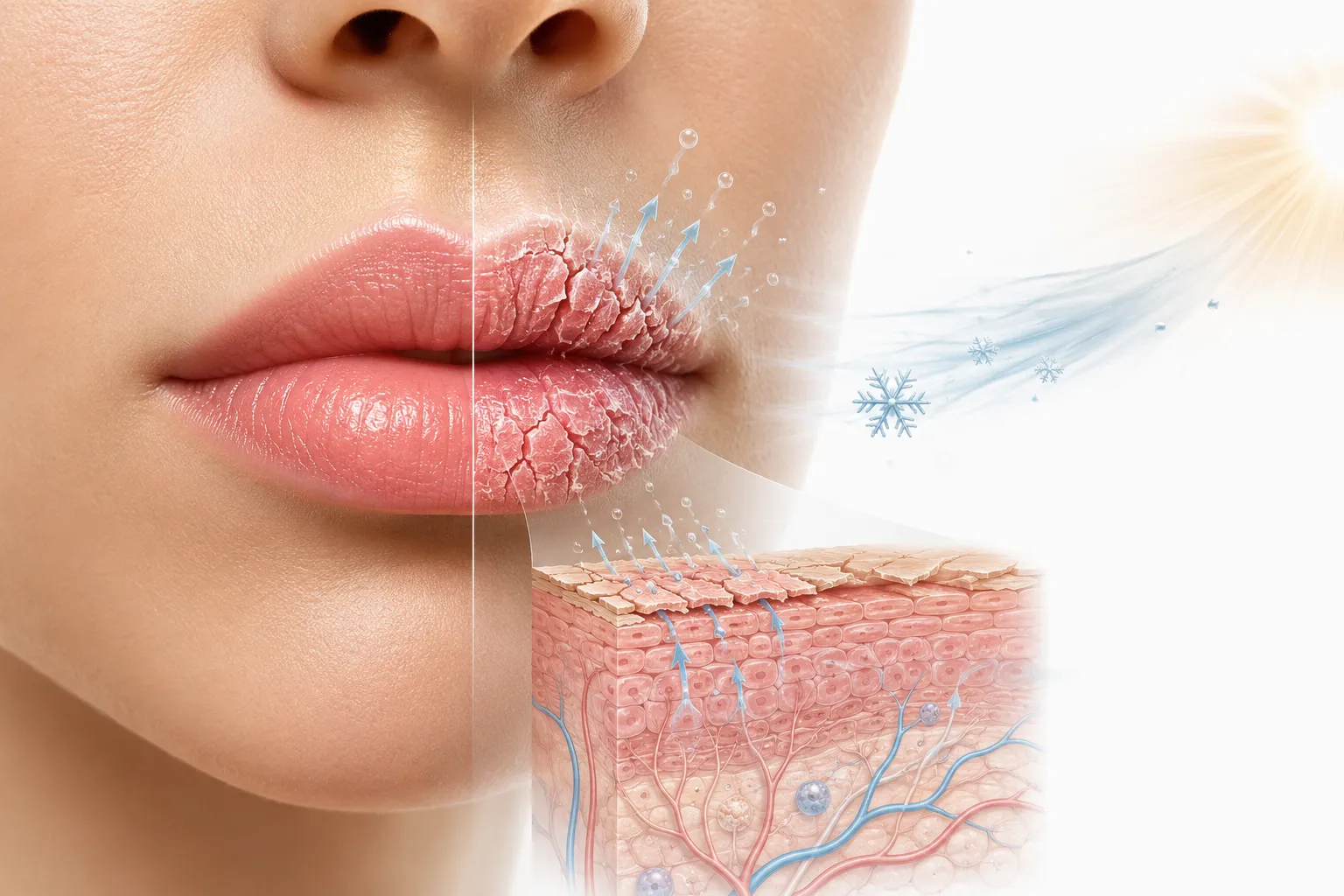
Why Do Lips Get Chapped?
Lips lack oil glands and have extremely thin skin, making them prone to rapid moisture loss.
Body & Brain
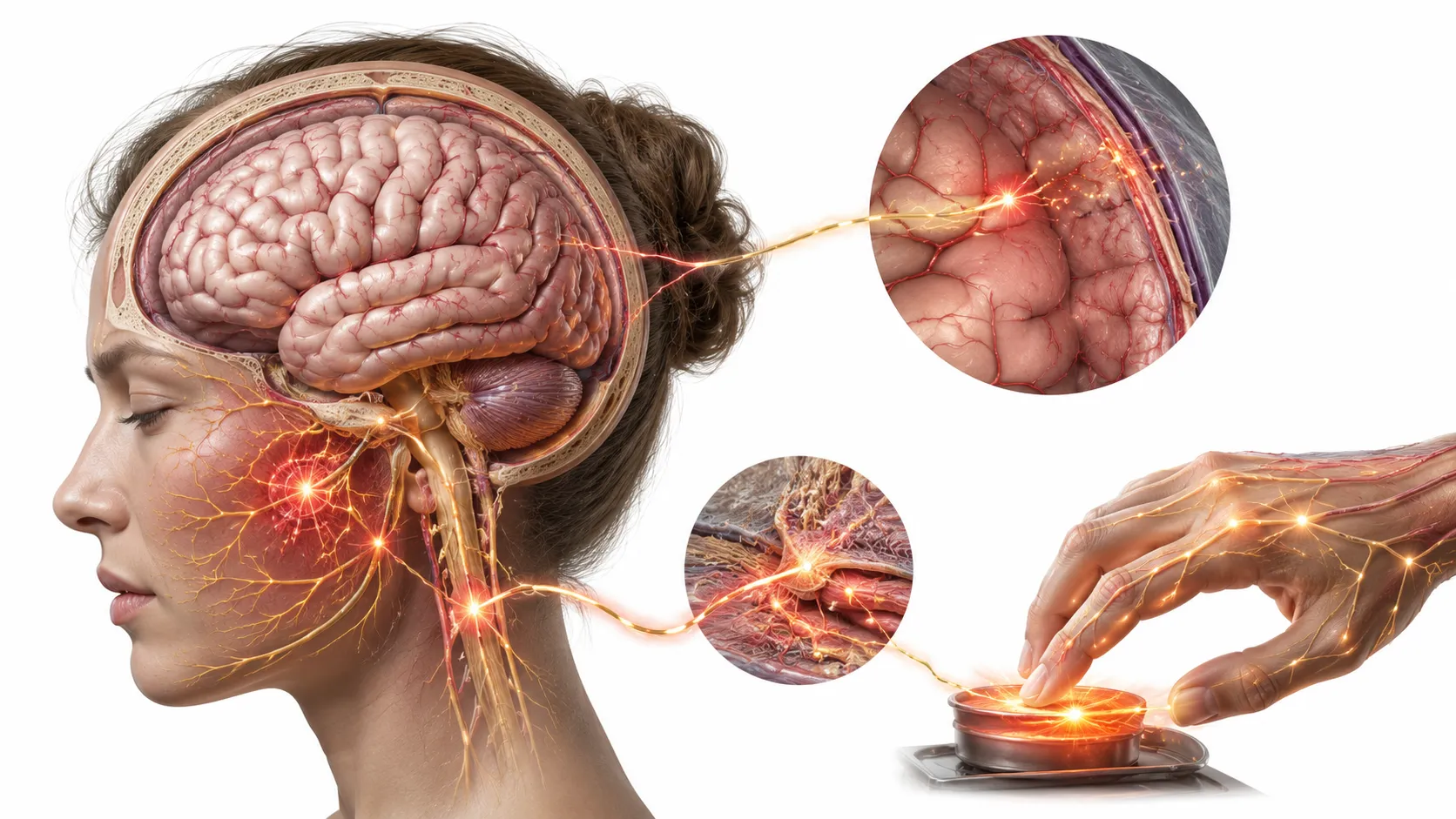
Can the Brain Feel Pain?
The brain controls all pain in your body, yet it cannot feel pain itself. Discover why, and what this strange fact re...