The greenish tint of a healing bruise comes from biliverdin, the same pigment responsible for the greenish color sometimes seen in old, healing wounds and even in bile.
Body & Brain
Why do bruises change color as they heal?
Why Do Bruises Change Color?
A fresh bruise starts out an angry red or purple, and over the following days it slides through an unmistakable rainbow of blue, green, and yellow before finally fading.
On this page
The short answer
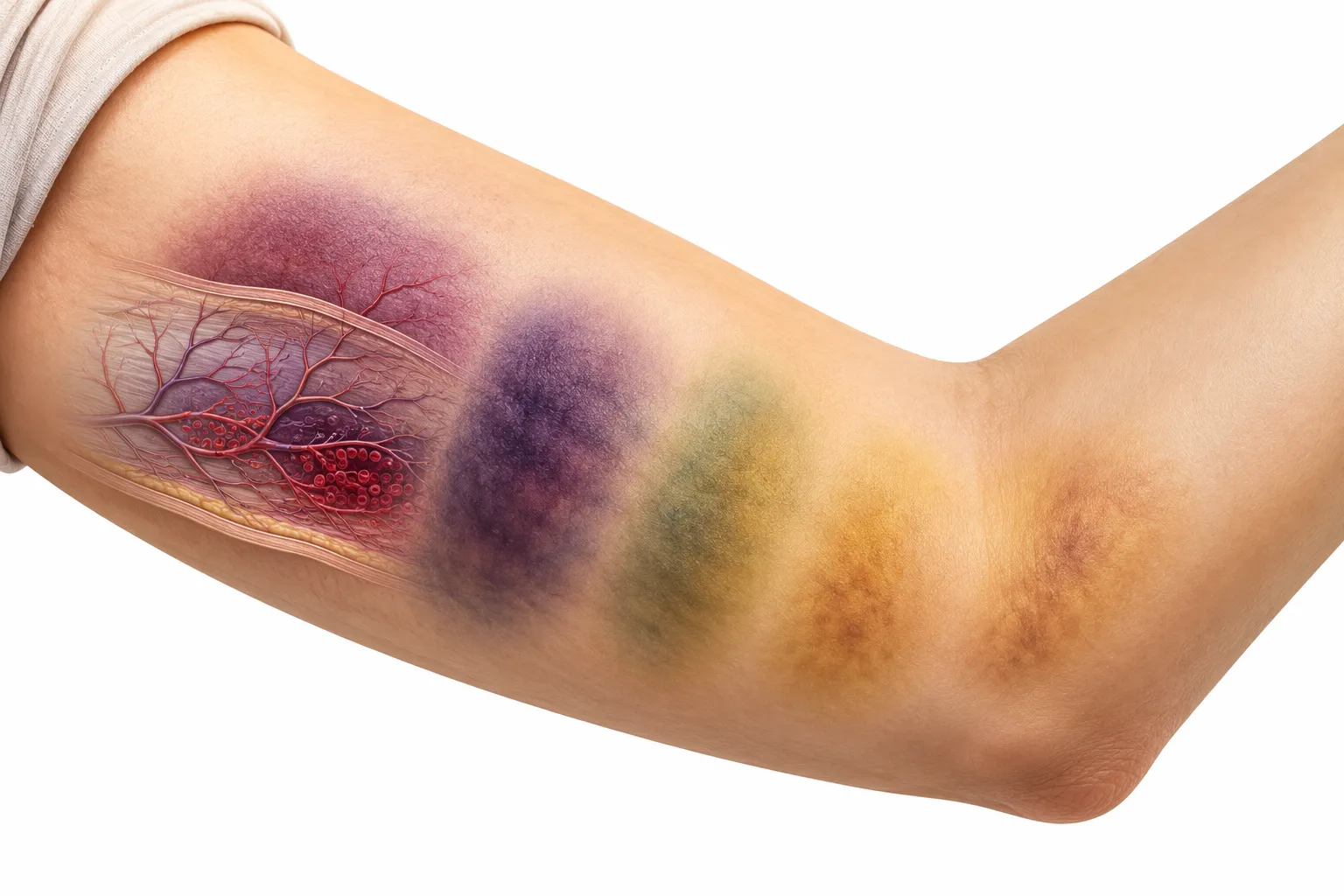
Bruises change color because the body breaks down leaked blood beneath the skin in stages, converting hemoglobin into a sequence of different pigmented compounds, from reddish-purple, to blue-black, to greenish, to yellow, before the pigments are fully cleared and the bruise disappears.
A bruise forms when an impact damages small blood vessels beneath the skin, causing blood to leak into the surrounding tissue rather than staying contained within vessels. Fresh, oxygen-rich blood initially appears red or reddish-purple, and pooled blood beneath the skin often looks deep blue, purple, or black over the first day or two, partly due to how skin filters different wavelengths of light over deoxygenated blood. As immune cells arrive to clean up the leaked blood, they break down hemoglobin, the oxygen-carrying protein in red blood cells, into biliverdin, a green pigment, which typically appears around five to seven days after the injury. Biliverdin is then further broken down into bilirubin, a yellowish pigment, causing the bruise to shift toward yellow or light brown in its final stages before the pigments are fully cleared from the tissue and the bruise disappears entirely, usually within one to two weeks.
At a glance
The bruise itself is simply trapped blood, not damaged skin pigment.
A green or yellow bruise indicates infection or that something is wrong with the healing process.
The greenish and yellow stages of a healing bruise are caused by the exact same pigment pathway your body uses to break down old red blood cells everywhere, all the time, not just after an injury.
Picture a construction crew slowly clearing debris from a small collapsed structure, hauling away material in stages, each stage leaving a different colored residue behind until the site is finally clear.
Diagram
Why Do Bruises Change Color: the idea in one diagram
A bruise's changing colors reflect the sequential breakdown of hemoglobin from leaked blood, moving through distinct pigment stages as immune cells clear the damaged tissue.
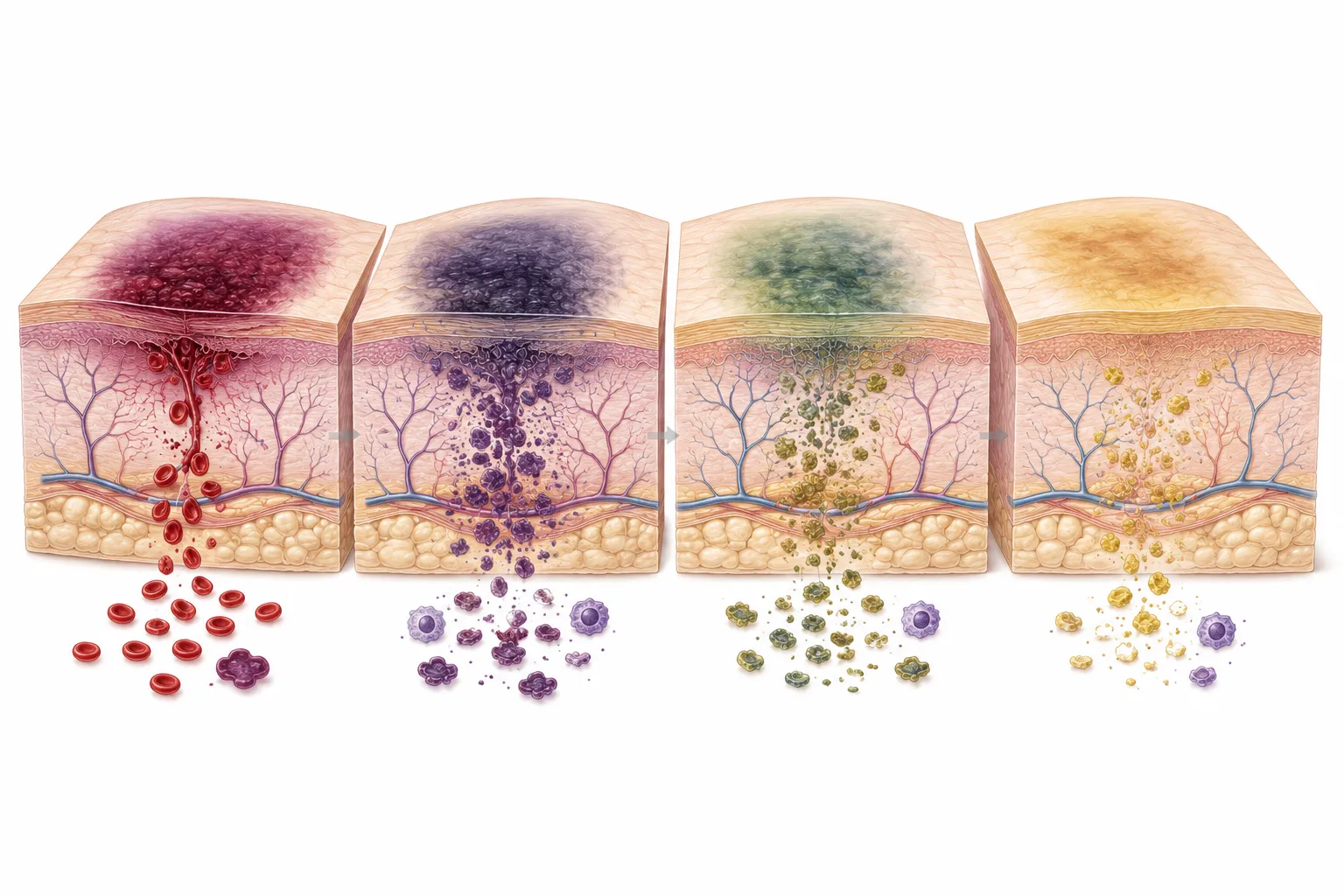
- 1Blood leaks beneath the skin
The bruise itself is simply trapped blood, not damaged skin pigment.
- 2Pooled blood appears dark red, purple, or black
The initial dark color reflects both the blood itself and how skin filters visible light.
- 3Hemoglobin breaks down into biliverdin
The green stage marks active, ongoing breakdown of the blood pigment.
- 4Biliverdin converts to bilirubin
The yellow stage signals the healing process is nearly complete.
How it works
The mechanism
A bruise's changing colors reflect the sequential breakdown of hemoglobin from leaked blood, moving through distinct pigment stages as immune cells clear the damaged tissue.
- Step 01
Blood leaks beneath the skin
An impact damages small blood vessels, allowing blood to escape into the surrounding tissue rather than remaining contained within the circulatory system.
Like a small pipe leak spreading water into the surrounding drywall.
The bruise itself is simply trapped blood, not damaged skin pigment.
- Step 02
Pooled blood appears dark red, purple, or black
In the first day or two, deoxygenated pooled blood beneath the skin, combined with how skin filters light, produces the characteristic dark red, purple, or black appearance.
Like looking at a dark liquid through a frosted, colored window.
The initial dark color reflects both the blood itself and how skin filters visible light.
- Step 03
Hemoglobin breaks down into biliverdin
As immune cells clear the leaked blood, they break down hemoglobin, producing biliverdin, a green pigment, typically visible around five to seven days after the injury.
Like a recycling process converting raw material into an intermediate product with its own distinct color.
The green stage marks active, ongoing breakdown of the blood pigment.
- Step 04
Biliverdin converts to bilirubin
Biliverdin is further broken down into bilirubin, a yellow pigment, producing the final yellow or light brown stage before the pigments are fully cleared from the tissue.
Like the last stage of a cleanup, hauling away the final remaining debris.
The yellow stage signals the healing process is nearly complete.
Surprises
Facts worth sitting with
The greenish tint of a healing bruise comes from biliverdin, the same pigment responsible for the greenish color sometimes seen in old, healing wounds and even in bile.
Surprising facts
What seems backwards
Worth comparing
In everyday life
Easy to get wrong
Pressure points
Where the simple answer gets interesting
Why does a fresh bruise often look blue or black rather than red?
Pooled blood beneath the skin is often deoxygenated and sits at a depth where skin filters light in a way that makes it appear blue, purple, or black to the eye, even though the underlying blood itself isn't actually those colors.
The color you see isn't a direct readout of blood color, it's a product of how your skin filters light over it.
Why does a bruise turn green before it turns yellow?
As immune cells break down hemoglobin from the leaked blood, they first produce biliverdin, a green pigment, which is then further converted into bilirubin, a yellow pigment, creating a predictable green-to-yellow progression.
A two-step chemical breakdown process is quietly painting a visible timeline onto your skin.
Can you tell exactly how old a bruise is just by its color?
You can get a rough estimate, since the color sequence is fairly predictable, but exact timing varies based on the severity of the injury, its location on the body, and individual differences in healing speed.
The rainbow of a bruise is more like a loose calendar than a precise clock.
Behind the science
The story behind it
Forensic timing estimates using bruise coloration
Forensic pathologists have studied bruise color progression to help estimate the approximate age of injuries in medical and legal investigations.
This research helped formalize the general, if imprecise, timeline now commonly cited for bruise healing stages.
A common, everyday bodily process can carry meaningful information when examined carefully.
Studies correlating bruise color with time since injury
Researchers tracked bruise color changes in patients with documented injury times to establish general timelines for each color stage.
While a general pattern held across most cases, the studies found significant individual variability, limiting the precision of color-based age estimates.
Clarify
Myth and reality
Myth
A green or yellow bruise indicates infection or that something is wrong with the healing process.
Reality
Green and yellow coloration is a completely normal, expected stage of bruise healing, caused by the natural breakdown of hemoglobin into biliverdin and bilirubin.
Evidence
Clinical observation consistently shows this same color progression in uncomplicated, non-infected bruises across the general population.
Looking closer
The deeper pattern
A bruise's shifting colors are a visible record of an invisible cleanup process happening entirely beneath the skin.
One way to think about it
Many recovery processes look messy or alarming on the surface precisely because they're doing necessary, often unglamorous, dismantling work behind the scenes.
What looks like it's getting worse on the surface can actually be clear evidence that repair is well underway.
Limits
Where the explanation bends
People taking blood-thinning medication or with certain bleeding disorders.
Bruises in these individuals can be larger, take significantly longer to change color and heal, and sometimes appear with minimal or no obvious trauma.
The same predictable color sequence can stretch out dramatically depending on how well blood clots in the first place.
In daily life
What this helps you notice
Understanding the color-change timeline can help people recognize normal bruise healing versus a bruise that isn't improving and may need medical attention.
Doctors often reassure patients that a bruise moving through red, purple, green, and yellow stages over one to two weeks is a sign of normal healing.
Remember
Key takeaways
- 1
Bruise color changes reflect the sequential breakdown of hemoglobin from blood leaked beneath the skin.
- 2
Fresh bruises appear red, purple, or black due to pooled, deoxygenated blood and how skin filters light.
- 3
Biliverdin, a green pigment, forms roughly five to seven days after injury as hemoglobin breaks down.
- 4
Bilirubin, a yellow pigment, forms in the final healing stage before the bruise fully clears.
- 5
Bruise color can offer a rough, though imprecise, estimate of how long ago an injury occurred.
A bruise's slow crawl through red, purple, green, and yellow isn't your skin malfunctioning, it's a visible, color-coded record of your body quietly recycling leaked blood back into its normal systems.
By the time a bruise finally fades to nothing, an entire microscopic recycling operation has run its full course, using the exact same chemistry your body relies on every single day to manage old blood cells.
Read around the idea
More questions with the same curious pull
Nearby doors from the TinyThat archive, chosen by topic, intent, and reader curiosity.
Body & Brain
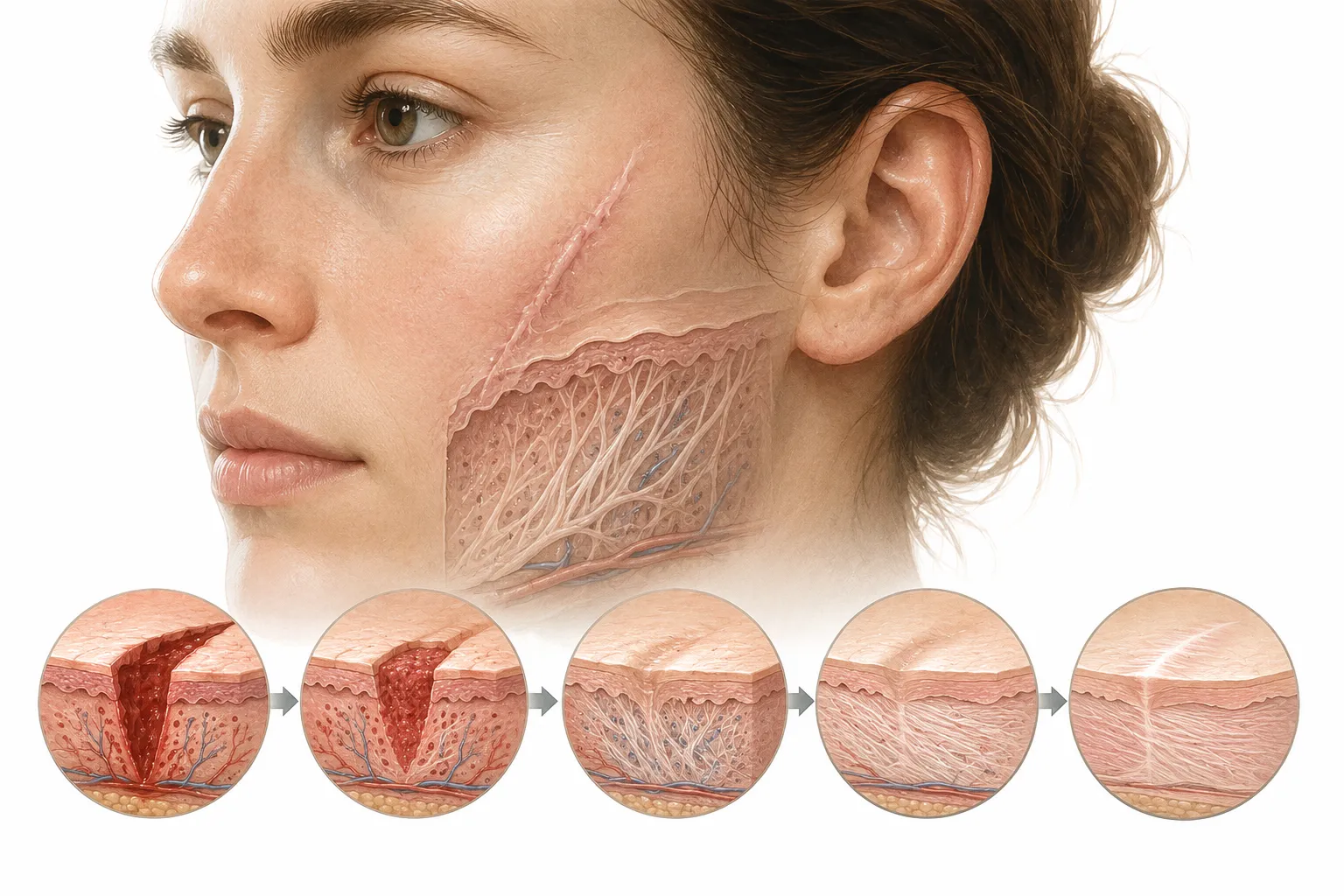
Why Do Scars Form?
Scars form when the body repairs deeper skin damage with collagen fibers arranged differently than the original tissue.
Body & Brain
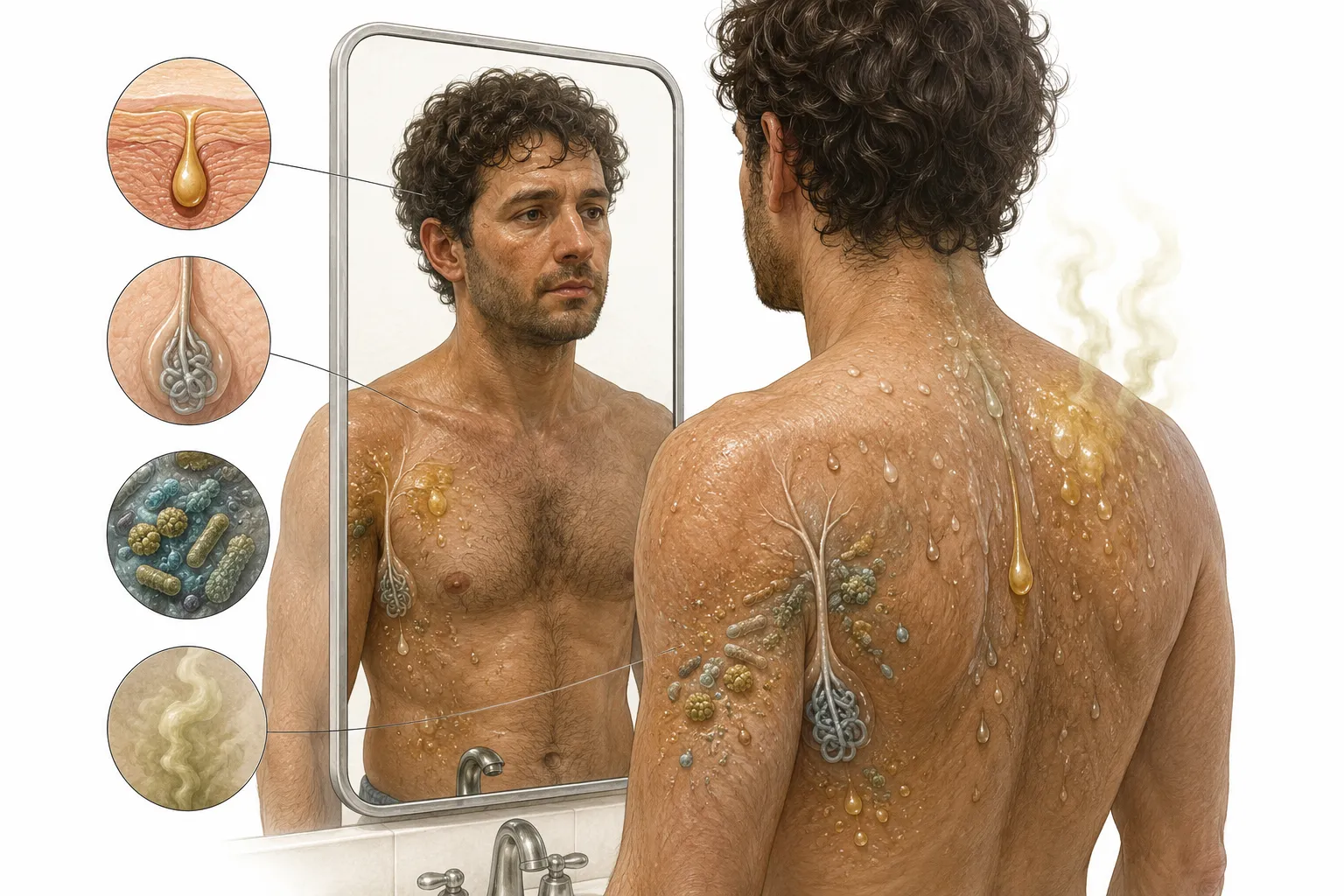
What Happens to Your Body If You Don't Shower?
Sweat, oil, and dead skin cells accumulate, feeding bacteria that produce noticeable odor within a day or two.
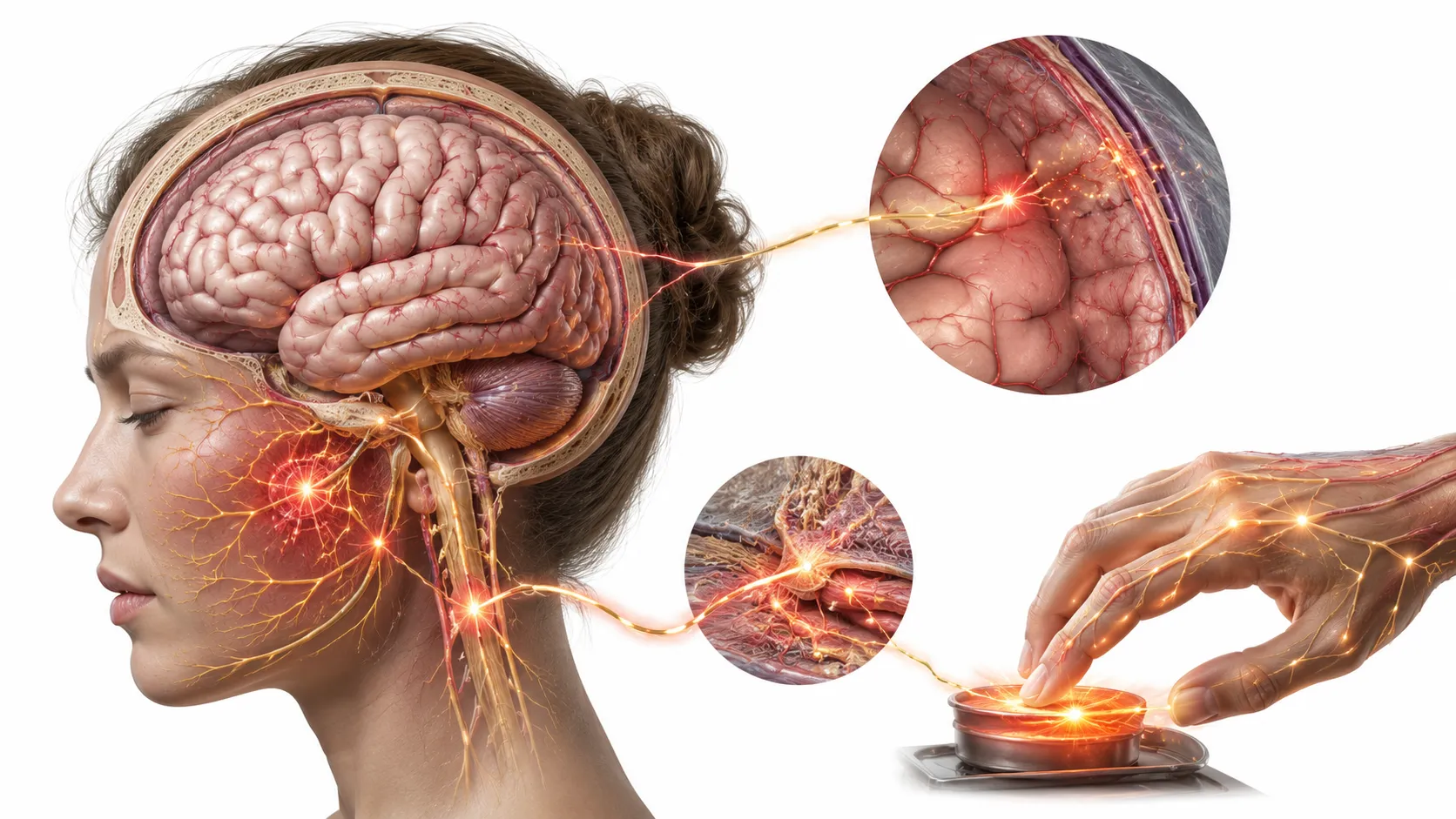
Body & Brain
Can the Brain Feel Pain?
The brain controls all pain in your body, yet it cannot feel pain itself. Discover why, and what this strange fact re...