
COGNITIVE BIAS

What Is the Halo Effect? Why First Impressions Are Deceiving

You see an attractive person. You assume they are smart. You see a successful person. You assume they are wise. The halo effect explains why first impressions create a halo that colors everything else.

Editorial illustration of a person with a glowing halo that influences how others see them
Creator Edward ThorndikeOrigin PsychologyYear 1920Category Psychology, Cognitive Bias

QUICK ANSWER

Here is the idea in plain English.

The halo effect is a cognitive bias where one positive trait creates a halo that influences perceptions of other traits. It was first identified by psychologist Edward Thorndike in 1920. The bias explains why attractive people are seen as smarter, successful people are seen as wiser, and first impressions are so hard to shake. The halo effect applies to everything: people, brands, and ideas.

If you remember only a few things, remember these.

The basic move

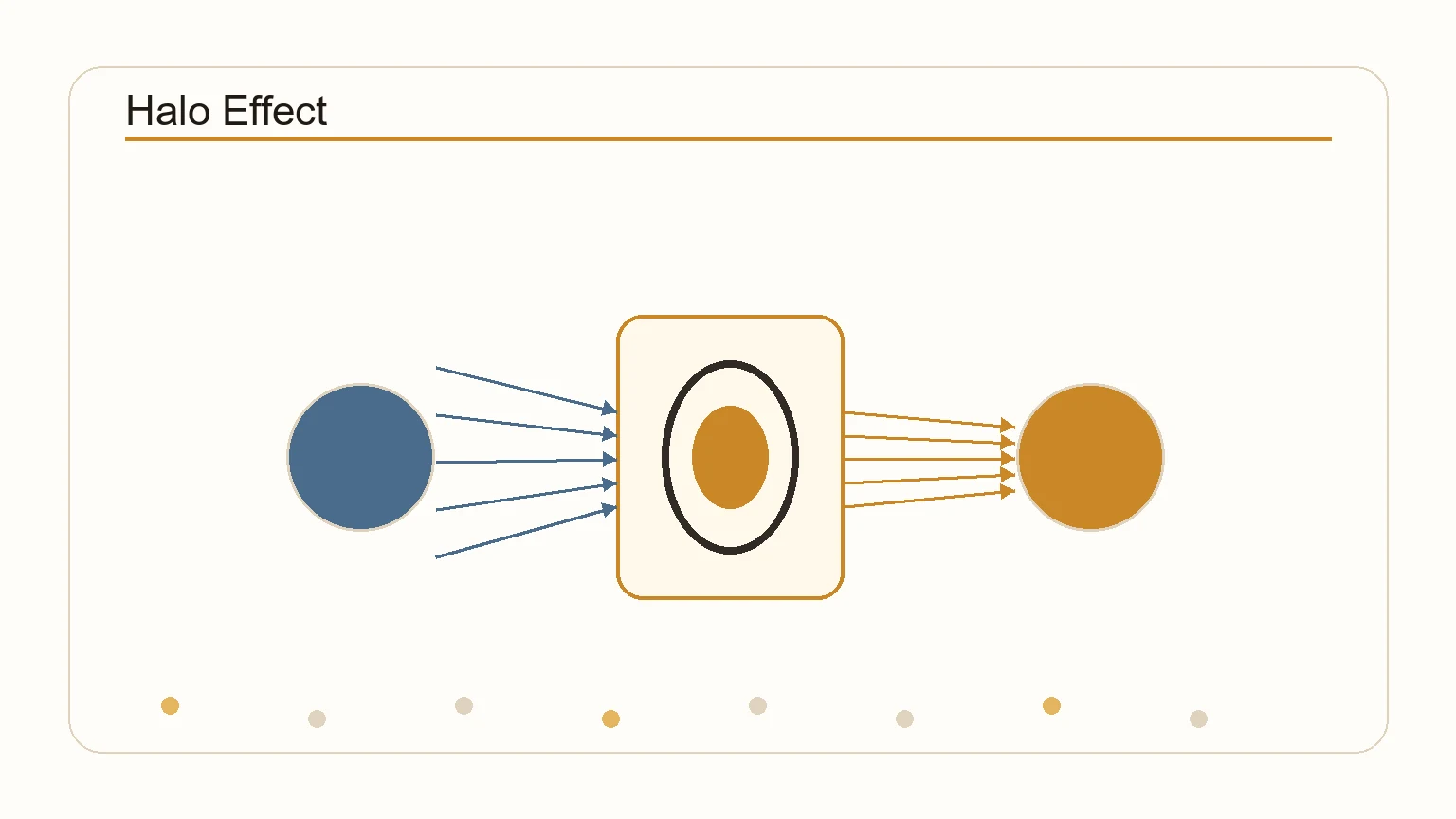
The halo effect is simple: one positive trait creates a halo. The halo influences perceptions of other traits. Attractive people are seen as smarter. Successful people are seen as wiser. The halo is the cause.

Why it matters

The effect works in reverse too. One negative trait creates a negative halo. Unattractive people are seen as less competent. Unsuccessful people are seen as less wise. The bias works both ways.

Use it deliberately

When evaluating people, be aware of the halo. First impressions are deceptive. Look beyond the halo.

CORE IDEA

The concept in its simplest useful form.

What Does the Halo Effect Mean in Simple Terms?

The halo effect is simple: one positive trait creates a halo. The halo influences perceptions of other traits. Attractive people are seen as smarter. Successful people are seen as wiser. The halo is the cause.

The effect works in reverse too. One negative trait creates a negative halo. Unattractive people are seen as less competent. Unsuccessful people are seen as less wise. The bias works both ways.

The effect is subconscious. You do not realize you are being influenced. That is what makes it so powerful.
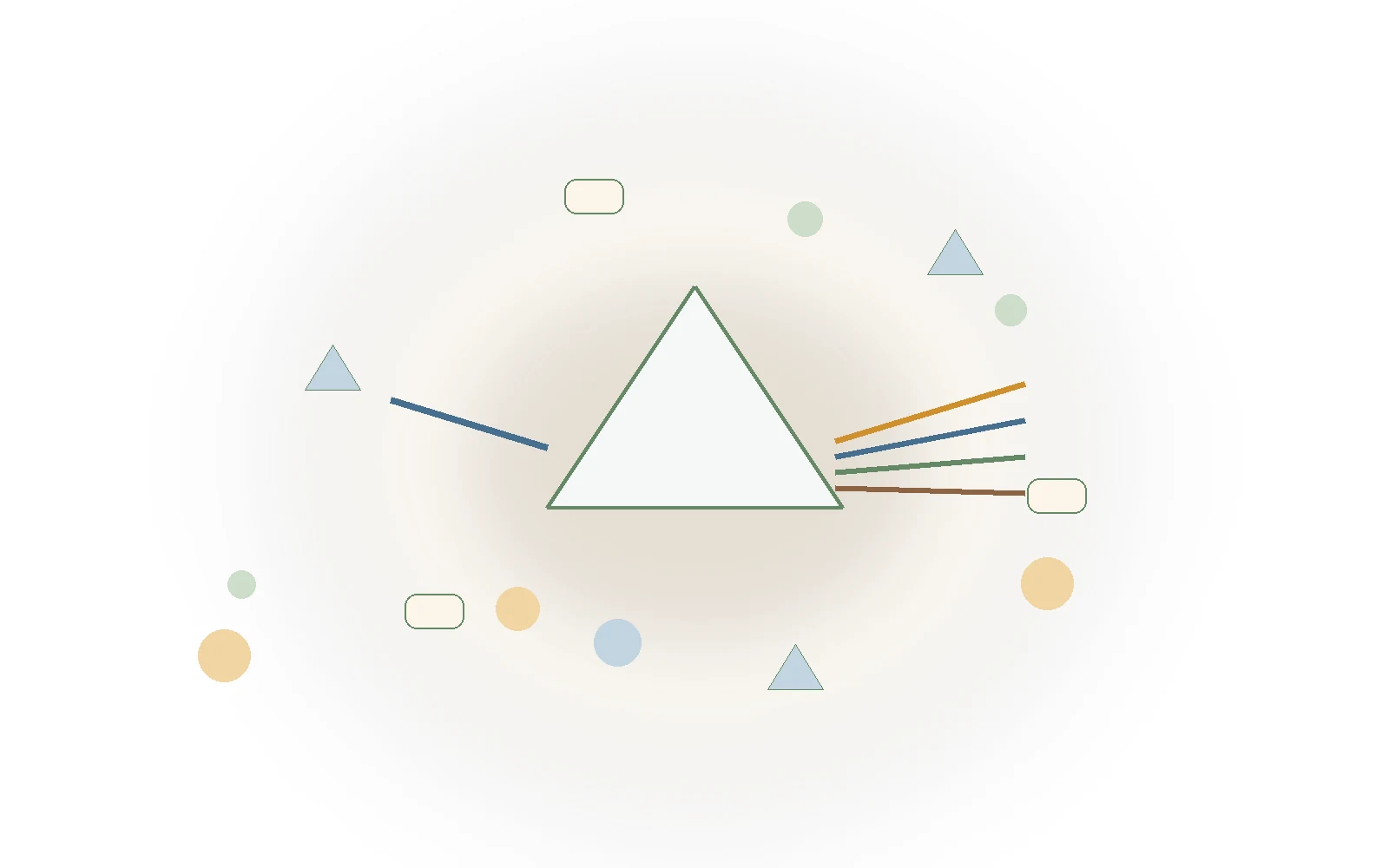
The small mechanism underneath the big idea.

01

The Story Behind the Halo Effect

In 1920, psychologist Edward Thorndike was studying how people evaluate others. He found that people who were rated highly on one trait were rated highly on all traits. There was a halo effect.

Thorndike called this the halo effect. One positive trait creates a halo. The halo colors everything else. The bias is subconscious. People do not realize they are being influenced.

The discovery was groundbreaking. It showed that human judgment is not objective. It is colored by first impressions.

02

Why the Halo Effect Became Famous

The halo effect became famous because it explains a common bias: first impressions are deceptive. The bias is powerful and subconscious.

The concept was popularized by Thorndike's research. It has been applied to everything from job interviews to marketing.

Today, the halo effect is one of the most recognized cognitive biases. It is a reminder that first impressions are not reliable.

Diagram showing how one positive trait creates a halo that colors perceptions of other traits
A diagram showing one positive trait creating a halo that influences perceptions of other traits.

Where this idea shows up outside the textbook.

History

Thorndike's research is the classic example. He found that people who were rated highly on one trait were rated highly on all traits.

Job Interviews

Attractive candidates are seen as more competent. The halo effect is the cause. The first impression creates a halo.

Marketing

Brands with positive reputations are seen as better. The halo effect is the cause. The reputation creates a halo.

Everyday Life

You meet someone attractive. You assume they are smart. The halo effect is the cause. Attractiveness creates a halo.

CONCEPT MAP

Every idea has neighbors. This is where the current concept sits in the TinyThat knowledge graph.

Current concept

Halo Effect

One positive trait makes everything else look better.

What people often get wrong about this idea.

The halo effect is the same as the horn effect.

No. The halo effect is positive. The horn effect is negative. They are the same bias in opposite directions.

The halo effect only applies to people.

No. It applies to brands, products, and ideas. Anything that can be perceived.

You can avoid the halo effect.

You cannot avoid it. You can only recognize it. Awareness is the first step.

Useful ideas become dangerous when they are stretched too far.

Criticisms and Limitations of the Halo Effect

The halo effect is a powerful concept, but it has limitations. The effect varies across contexts and individuals. It is not universal.

The concept can be overused. Not every positive trait creates a halo. Sometimes people are objective.

The concept is a heuristic, not a law. It is a guide, not a rule.

Three simple ways to apply the idea without turning it into a slogan.

1

When evaluating people, be aware of the halo

When evaluating people, be aware of the halo. First impressions are deceptive. Look beyond the halo.

2

When evaluating brands, be aware of the halo

When evaluating brands, be aware of the halo. Reputation is not always accurate. Look at the product.

3

When making decisions, ask: am I being influenced by a halo? What would I think without it?

When making decisions, ask: am I being influenced by a halo? What would I think without it?

EXPLORE NEXT

The best next ideas to read after this one.

Quick answers to common questions.

What is the halo effect in simple terms?

One positive trait creates a halo that colors perceptions of other traits. Attractive people are seen as smarter. Successful people are seen as wiser.

What is an example of the halo effect?

You meet an attractive person. You assume they are smart. The halo effect is the cause.

How do you avoid the halo effect?

Be aware of the halo. First impressions are deceptive. Look beyond the halo.

Why is the halo effect a problem?

It leads to biased judgments. You overestimate people based on one trait. The bias is subconscious.