ECONOMIC CONCEPT

What Are Diminishing Returns? Why More Is Not Always Better

You study for an hour. You learn a lot. You study for a fifth hour. You learn less. Diminishing returns explains why.

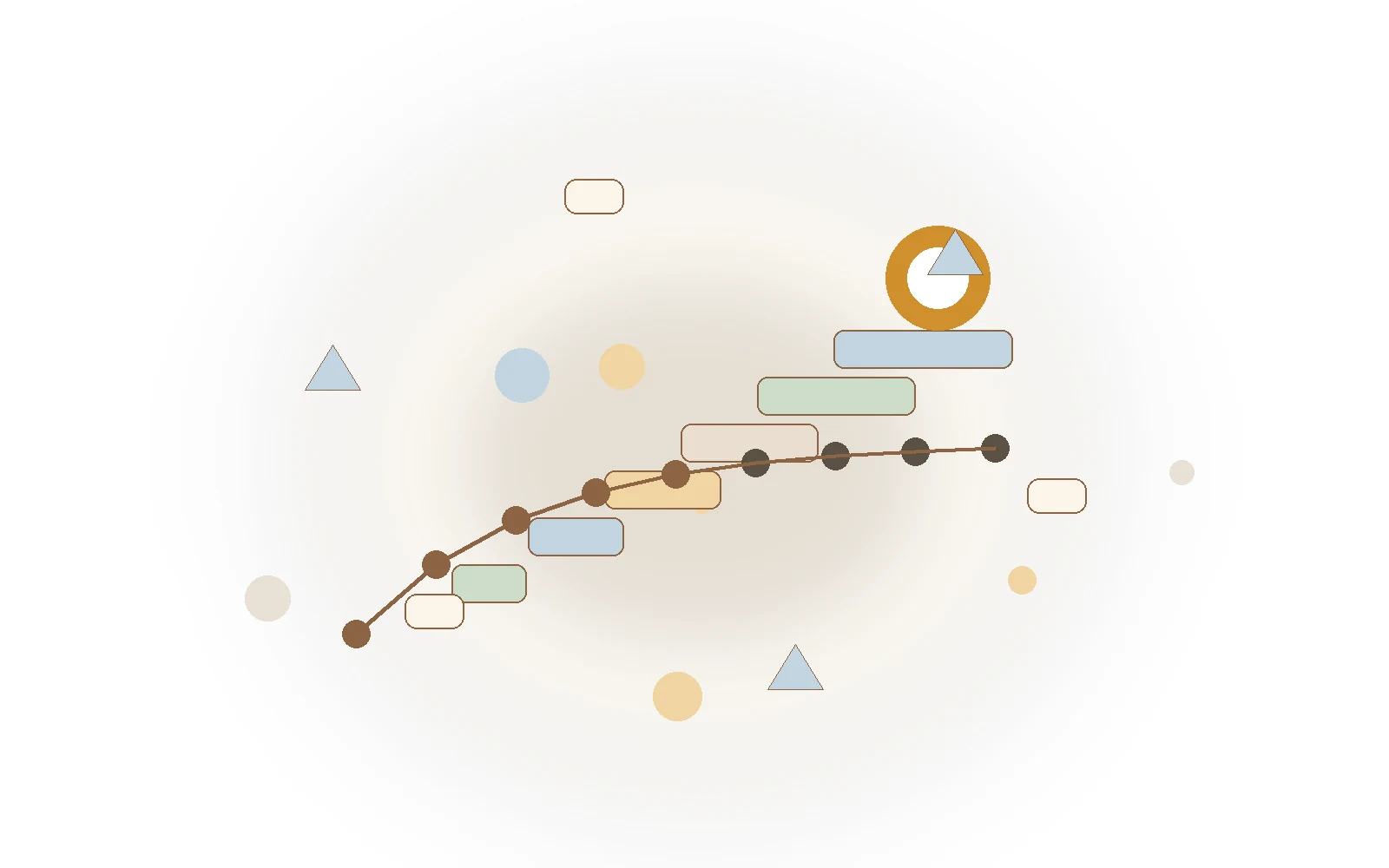
Editorial illustration of a graph showing decreasing returns over time
Creator Classic economic conceptOrigin EconomicsYear ClassicalCategory Economics

QUICK ANSWER

Here is the idea in plain English.

Diminishing returns is a concept in economics where adding more of one input, while holding others constant, eventually produces less additional output. It is also known as the law of diminishing marginal returns. The concept explains why extra effort, resources, or workers eventually produce less value. It is a fundamental principle of production and decision making.

If you remember only a few things, remember these.

The basic move

Diminishing returns is simple: adding more resources eventually produces less value. The first hour of work is productive. The fifth hour is not.

Why it matters

The concept applies to everything: studying, working, and investing. More is not always better.

Use it deliberately

When adding resources, ask: is this producing value? When does the return diminish?

CORE IDEA

The concept in its simplest useful form.

What Do Diminishing Returns Mean in Simple Terms?

Diminishing returns is simple: adding more resources eventually produces less value. The first hour of work is productive. The fifth hour is not.

The concept applies to everything: studying, working, and investing. More is not always better.

The solution is to find the optimal level. Stop when the returns diminish.
The small mechanism underneath the big idea.

01

The Story Behind Diminishing Returns

Diminishing returns have been recognized for centuries. Early economists observed that adding more workers to a fixed piece of land eventually produced less additional output. The first worker was productive. The fifth was not.

The concept is a cornerstone of economics. It explains why productivity declines, why effort has limits, and why rest is important.

Today, diminishing returns is a foundational concept in economics.

02

Why Diminishing Returns Became Famous

Diminishing returns became famous because it explains a universal truth: more is not always better. The concept is a cornerstone of economics and decision making.

It is used in everything from business to personal productivity.

Today, diminishing returns is a foundational concept in economics.

Diagram showing the curve of diminishing returns
A diagram showing the curve of diminishing returns: increasing input leads to decreasing output.

Where this idea shows up outside the textbook.

History

Early economists observed diminishing returns in agriculture. Adding more workers to a fixed piece of land eventually produced less output.

Productivity

The first hour of work is productive. The fifth hour is not. Diminishing returns explains why.

Investing

The first dollar invested earns a high return. The hundredth dollar earns a lower return. Diminishing returns explains why.

Studying

The first hour of study is productive. The fifth hour is not. Diminishing returns explains why.

CONCEPT MAP

Every idea has neighbors. This is where the current concept sits in the TinyThat knowledge graph.

Current concept

What Are Diminishing Returns

Diminishing returns is a concept in economics where adding more of one input, while holding others constant, eventually produces less additional output. It is also known as the law of diminishing marginal returns. The concept explains why extra effort, resources, or workers eventually produce less value. It is a fundamental principle of production and decision making.

What people often get wrong about this idea.

Diminishing returns means you should stop working.

No. It means you should find the optimal level. Stop when the returns diminish.

Diminishing returns only applies to economics.

No. It applies to studying, working, and everyday life.

You can eliminate diminishing returns.

You cannot eliminate it. You can only manage it. The pattern is fundamental.

Three simple ways to apply the idea without turning it into a slogan.

1

When adding resources, ask: is this producing value? When does the return diminish?

When adding resources, ask: is this producing value? When does the return diminish?

2

Find the optimal level

Find the optimal level. Stop when the returns diminish.

3

Be aware of diminishing returns in your own life

Be aware of diminishing returns in your own life. More is not always better.

EXPLORE NEXT

The best next ideas to read after this one.

Quick answers to common questions.

What are diminishing returns in simple terms?

Adding more resources eventually produces less value. The first hour is productive. The fifth is not.

What is an example of diminishing returns?

You study for an hour. You learn a lot. You study for a fifth hour. You learn less. That is diminishing returns.

How do you avoid diminishing returns?

Find the optimal level. Stop when the returns diminish. More is not always better.
Why are diminishing returns a problem?

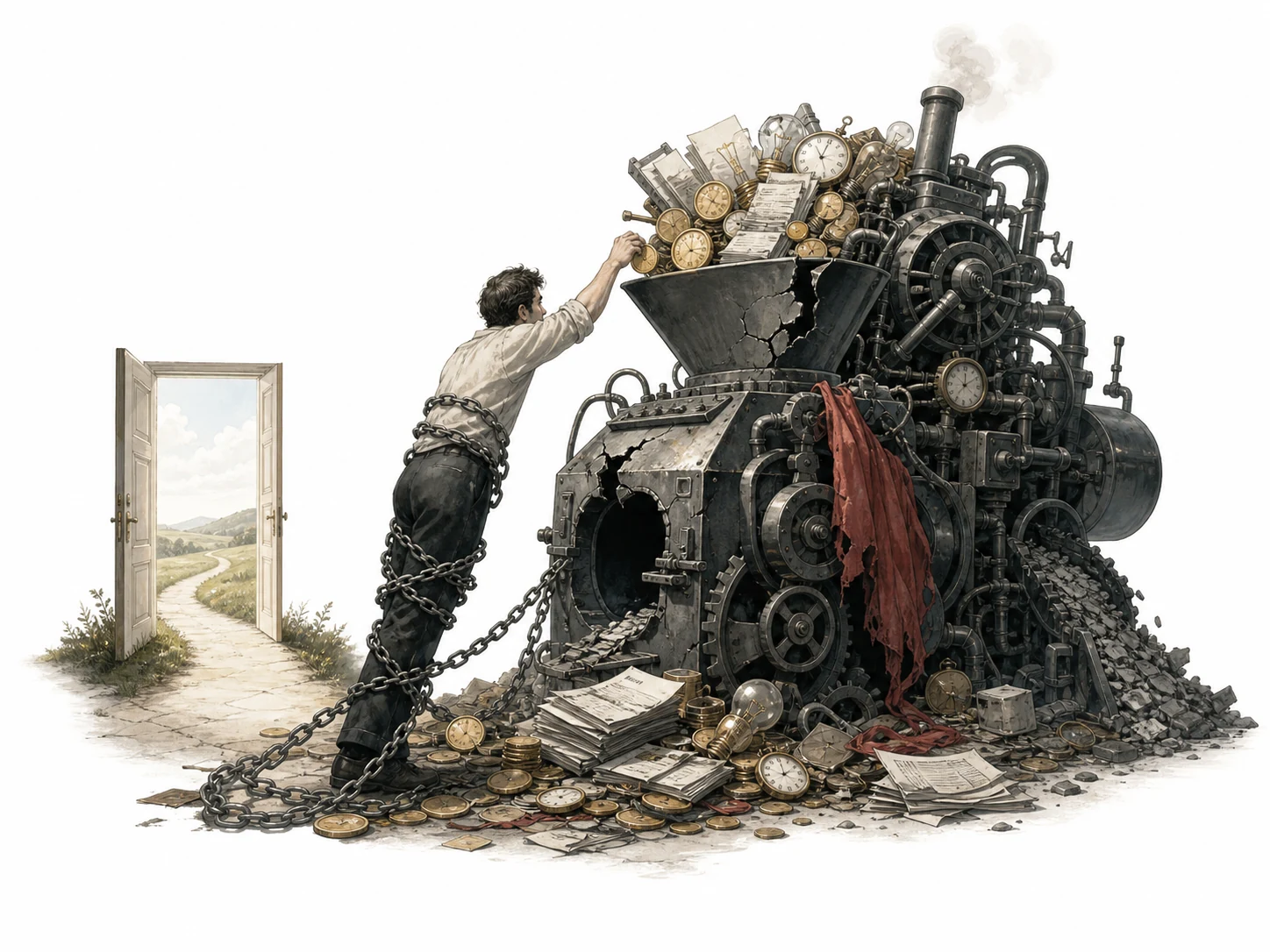
They lead to wasted effort. The last hour of work is not as productive as the first. More is not always better.