1
01. Water contacts burning fuel
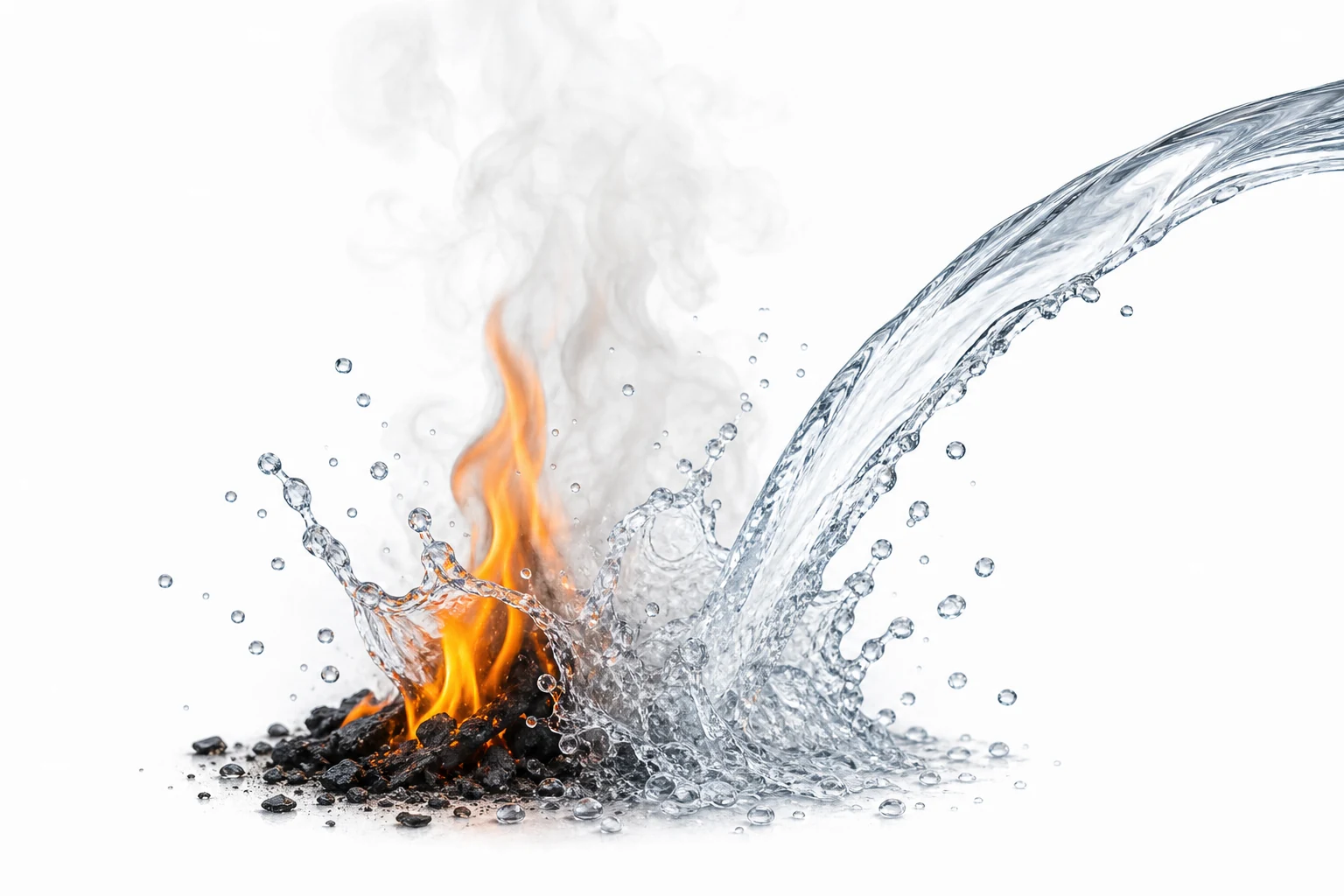
Liquid water spreads across the hot surface of whatever is burning.
Everyday Science
Two of nature's most dramatic forces, and one of them always wins. Fire seems unstoppable right up until a bucket of water arrives, at which point it simply gives up - hissing, smoking, and surrendering within seconds. It looks simple. It is not. Water is, in fact, fighting fire on three separate fronts at once. The answer involves stealing heat, starving flames of oxygen, and a chemical fire triangle that water manages to break in two different places simultaneously.
Quick answer
Water extinguishes fire mainly by absorbing huge amounts of heat as it evaporates, cooling burning material below the temperature needed to sustain combustion, while also creating a barrier of steam that displaces the oxygen fire needs to keep burning. Water does not work on every type of fire - throwing it on a grease or electrical fire can make things dramatically, dangerously worse.
The mystery
The answer involves stealing heat, starving flames of oxygen, and a chemical fire triangle that water manages to break in two different places simultaneously.
The short answer
Water extinguishes fire mainly by absorbing huge amounts of heat as it evaporates, cooling burning material below the temperature needed to sustain combustion, while also creating a barrier of steam that displaces the oxygen fire needs to keep burning.
The twist
Water does not work on every type of fire - throwing it on a grease or electrical fire can make things dramatically, dangerously worse.
Common mistake
A common assumption is that water is a universally safe and effective method for extinguishing any fire.
Everyday Science
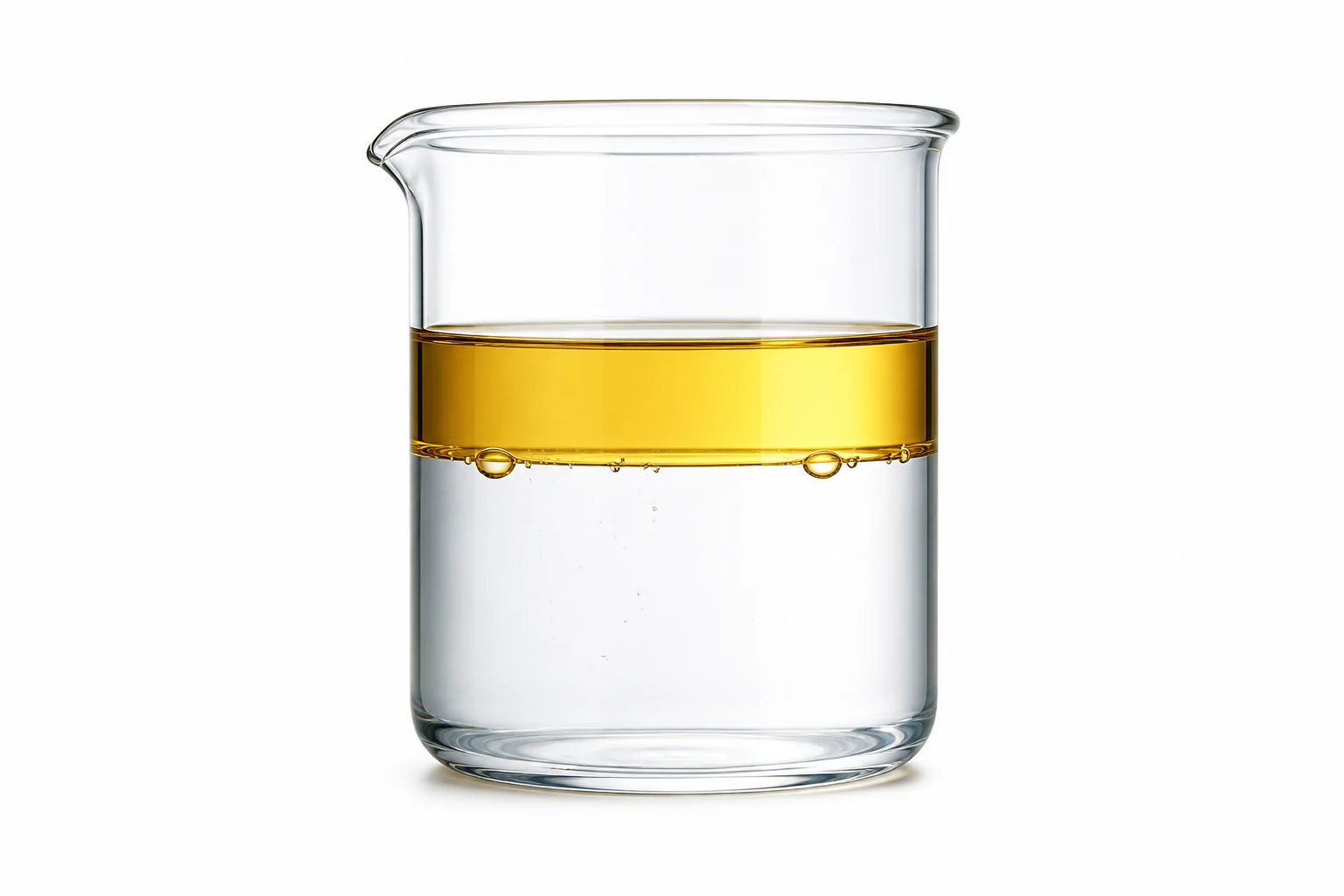
Water sinks beneath the hot oil and instantly turns to steam, violently splattering burning grease outward.
The concept behind the fire triangle
A foundational firefighting concept describing the three elements - heat, fuel, and oxygen - required for combustion.
Related questions
Foam creates a smothering oxygen barrier that water alone cannot maintain on certain fuel types.
Where fire-suppression chemistry matters
These require smothering with a lid or fire blanket, since water can cause the burning oil to splatter violently.
Where fire-suppression chemistry matters
Firefighters often use water in combination with fire retardant chemicals to cool and slow advancing flames.
Doesn't water put out all fires the same way?
Water is dangerous or ineffective on grease, electrical, and certain metal fires, where other methods like foam, dry chemicals, or smothering are required instead.
Continue learning