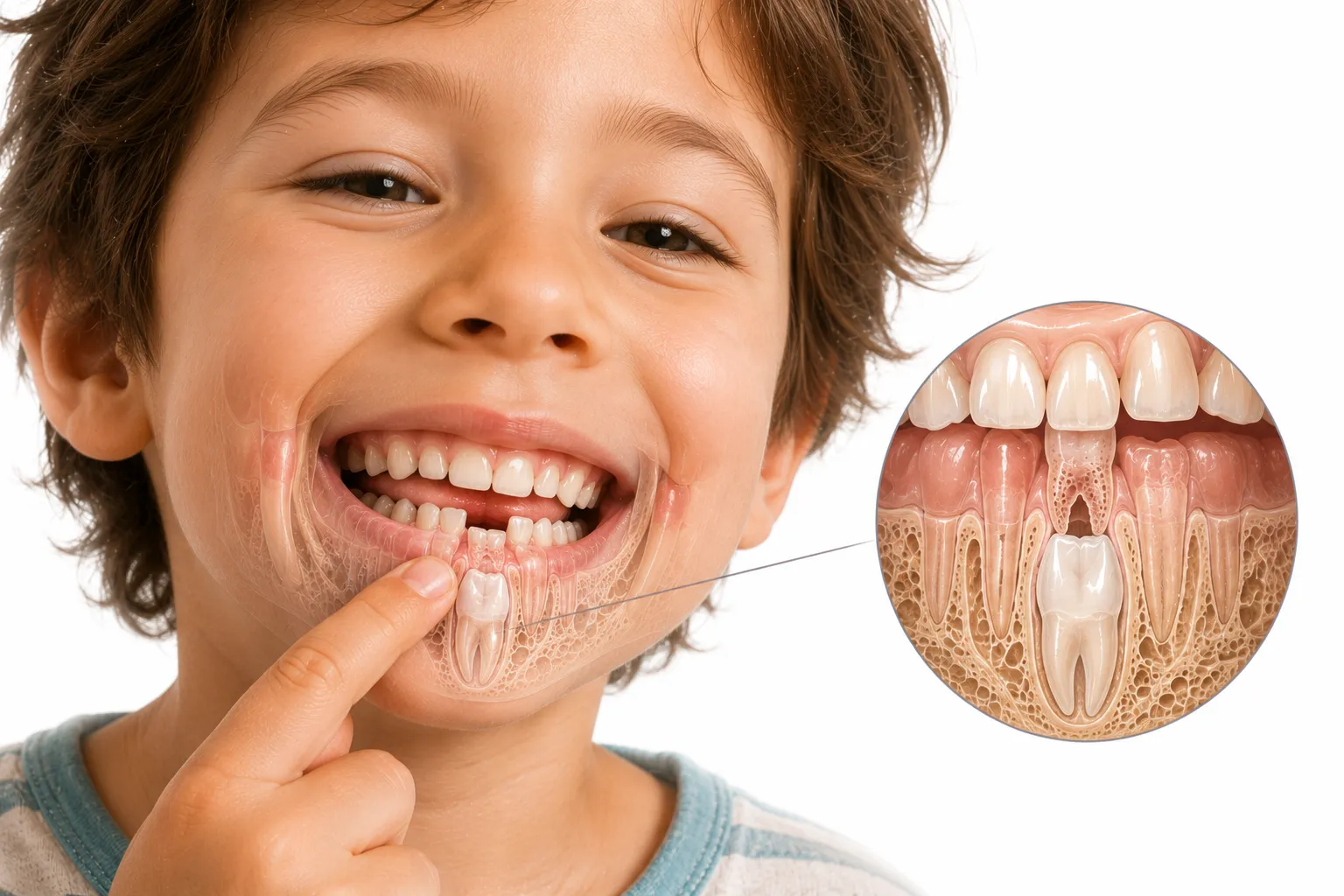
The permanent teeth that eventually replace baby teeth begin forming inside the jawbone even before a child is born, developing quietly for years before they ever emerge.
Body & Brain
Why do humans lose their baby teeth?
Why Do We Lose Our Baby Teeth?
Somewhere around age six, a child's first tooth begins to wiggle loose, the opening act in a process that will eventually replace an entire set of teeth.
On this page
The short answer
Humans lose their baby teeth because those teeth are sized for a small child's jaw, and as the jaw grows large enough to accommodate a bigger, more numerous set of permanent teeth, the roots of the baby teeth are gradually dissolved by the body, allowing them to fall out and make room for the adult teeth developing beneath them.
Baby teeth, also called primary or deciduous teeth, begin forming before birth and are specifically proportioned to fit a young child's small jaw. As a child grows, the jaw expands substantially, eventually becoming large enough to hold a full set of thirty-two adult teeth, considerably more and larger than the twenty primary teeth a young child has. Permanent teeth begin developing in the jawbone beneath the baby teeth from an early age, and as each permanent tooth approaches readiness to emerge, specialized cells called odontoclasts break down and resorb the roots of the overlying baby tooth. With its root structure gradually dissolved, the baby tooth loosens and eventually falls out, clearing the path for the permanent tooth to erupt into its place.
At a glance
The process of losing baby teeth is set in motion years before it becomes visible.
Baby teeth fall out simply because they wear down or become too weak to stay in place.
The permanent teeth that eventually replace baby teeth are already forming inside the jaw well before a child is even born, patiently waiting years for their turn.
Picture a child's first bicycle, sized deliberately small and eventually swapped out, not because it broke, but because the child simply grew beyond what it could ever fit.
Diagram
Why Do We Lose Our Baby Teeth: the idea in one diagram
Baby teeth are replaced through a precisely timed process in which permanent teeth developing beneath them trigger the gradual resorption of the baby tooth's root, allowing it to loosen and fall out.
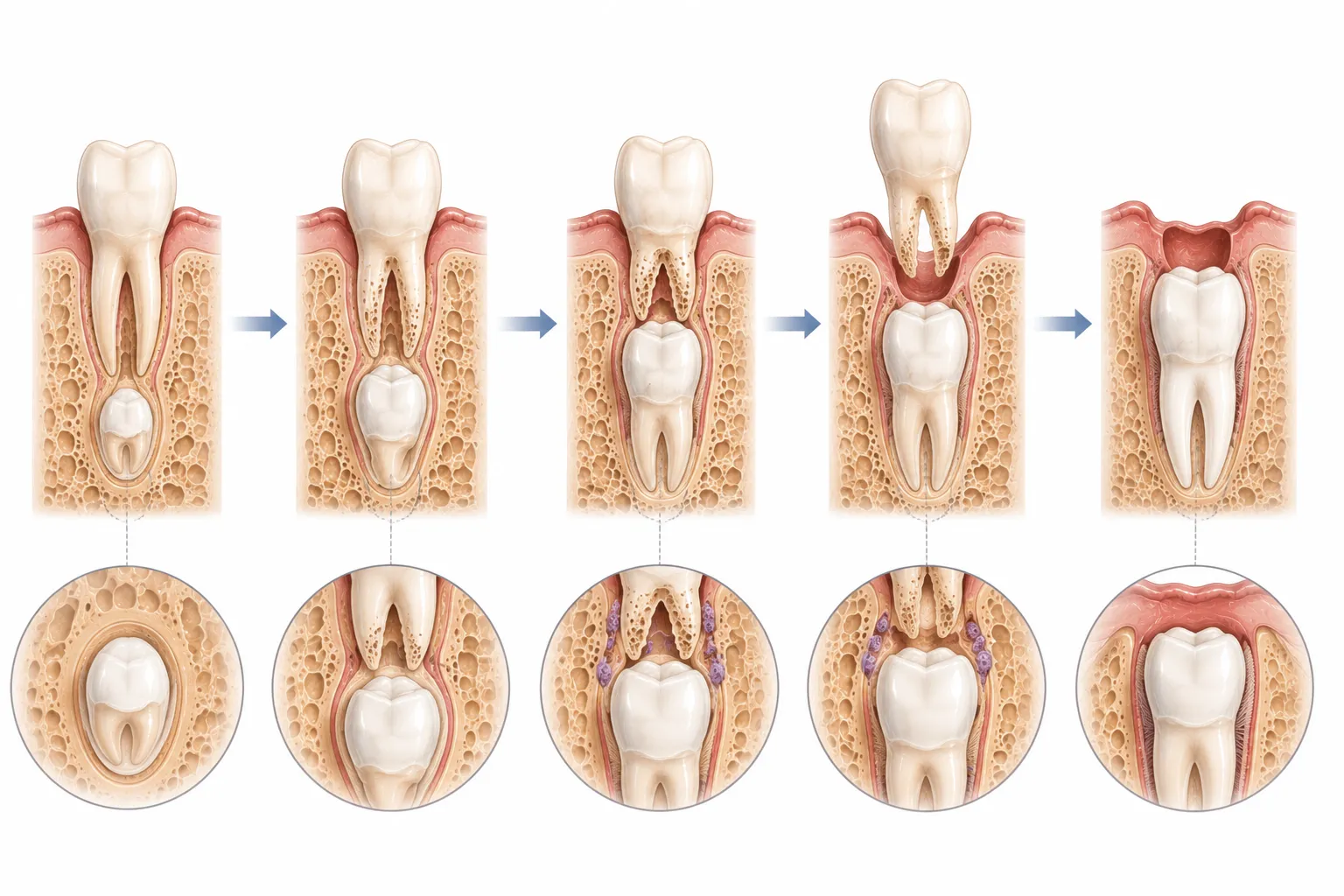
- 1Permanent teeth begin developing early
The process of losing baby teeth is set in motion years before it becomes visible.
- 2Odontoclasts resorb the baby tooth's root
The baby tooth's root, not the crown, is the primary target of this process.
- 3The baby tooth loosens and falls out
The loosening most people notice is the final visible stage of a process that's been underway for a long time.
- 4The permanent tooth erupts into place
The permanent tooth's arrival is the payoff of years of quiet underlying development.
How it works
The mechanism
Baby teeth are replaced through a precisely timed process in which permanent teeth developing beneath them trigger the gradual resorption of the baby tooth's root, allowing it to loosen and fall out.
- Step 01
Permanent teeth begin developing early
Permanent tooth buds start forming in the jawbone beneath the baby teeth, in some cases even before birth, developing slowly over several years.
Like a replacement structure being quietly built in the foundation beneath an existing, smaller one.
The process of losing baby teeth is set in motion years before it becomes visible.
- Step 02
Odontoclasts resorb the baby tooth's root
As the permanent tooth approaches readiness to erupt, specialized cells called odontoclasts gradually break down and dissolve the root of the overlying baby tooth.
Like a demolition crew carefully removing a smaller structure's foundation to clear the way for something larger.
The baby tooth's root, not the crown, is the primary target of this process.
- Step 03
The baby tooth loosens and falls out
With its root structure dissolved, the baby tooth loses its anchor in the jawbone and eventually becomes loose enough to fall out on its own.
Like a tent stake gradually working loose from softened ground until the tent can finally be moved.
The loosening most people notice is the final visible stage of a process that's been underway for a long time.
- Step 04
The permanent tooth erupts into place
Once the baby tooth is gone, the fully developed permanent tooth erupts through the gum into the space it has been growing toward for years.
Like moving into a house only after the previous structure on the lot has been fully cleared away.
The permanent tooth's arrival is the payoff of years of quiet underlying development.
Surprises
Facts worth sitting with
The permanent teeth that eventually replace baby teeth begin forming inside the jawbone even before a child is born, developing quietly for years before they ever emerge.
Surprising facts
What seems backwards
Worth comparing
In everyday life
Easy to get wrong
Pressure points
Where the simple answer gets interesting
Why do permanent teeth start forming so many years before they're actually needed?
Tooth development is a slow biological process, and starting the formation of permanent teeth years in advance, even before birth in some cases, ensures they're structurally ready by the time the jaw has grown large enough to need them.
Your adult teeth were quietly under construction for years before you ever noticed your first wiggly tooth.
What happens if a baby tooth is lost too early?
Baby teeth act as placeholders that help guide the eruption path and spacing of permanent teeth, so premature loss can sometimes lead to crowding, misalignment, or delayed eruption of the corresponding adult tooth.
A tooth destined to be temporary is still doing important, active work right up until the moment it falls out.
Why do children have fewer teeth than adults in the first place?
A young child's jaw is simply too small to accommodate the full thirty-two adult teeth, so the initial set of twenty baby teeth is proportioned specifically to fit comfortably within that smaller jaw size.
The mismatch in tooth count isn't a flaw, it's a direct reflection of how dramatically the jaw grows between childhood and adulthood.
Behind the science
The story behind it
Pediatric dental monitoring of tooth development
Pediatric dentists routinely use X-rays during childhood to track the development and positioning of permanent teeth well before they become visible.
This proactive monitoring helps catch potential spacing or alignment issues early, before problems become harder to correct.
A process that seems to unfold naturally and simply on the surface is often being carefully tracked and managed well beneath it.
Histological studies of odontoclast activity during tooth resorption
Researchers examined the cellular process by which odontoclasts break down baby tooth root structure at a microscopic level.
The studies revealed a precisely targeted resorption process, focused specifically on the root while largely sparing the tooth's crown until the final stages.
Clarify
Myth and reality
Myth
Baby teeth fall out simply because they wear down or become too weak to stay in place.
Reality
Baby teeth fall out because their roots are deliberately and gradually dissolved by the body's own cells to clear the way for permanent teeth developing beneath them.
Evidence
Histological studies of tooth resorption consistently show a targeted, cell-driven process affecting the root rather than general wear or weakening of the tooth.
Looking closer
The deeper pattern
Baby teeth are deliberately temporary, built for a stage of life the body already knows won't last.
One way to think about it
Some systems are designed from the outset with planned obsolescence in mind, not as a flaw but as an intentional, well-timed part of a larger developmental plan.
Not everything meant to be temporary is a failure; sometimes temporary is exactly the design.
Limits
Where the explanation bends
Missing permanent teeth, known as hypodontia.
In some individuals, one or more permanent teeth never develop, meaning the corresponding baby tooth may either remain in place much longer than usual or require different dental management once lost.
The tidy handoff from baby teeth to permanent teeth doesn't always go exactly according to plan for everyone.
In daily life
What this helps you notice
Understanding the guiding role of baby teeth explains why dentists take premature tooth loss from injury or decay seriously, even though the tooth was always going to fall out eventually.
Pediatric dentists sometimes use space maintainers, small dental devices, to hold a spot open if a baby tooth is lost too early, to help guide the permanent tooth into proper position.
Remember
Key takeaways
- 1
Baby teeth are deliberately sized for a young child's small jaw and are meant to be temporary.
- 2
Permanent teeth begin forming in the jawbone years before they emerge, sometimes even before birth.
- 3
Specialized cells called odontoclasts gradually dissolve the roots of baby teeth as permanent teeth prepare to erupt.
- 4
Baby teeth serve as placeholders that help guide the proper positioning of permanent teeth.
- 5
Premature loss of baby teeth can disrupt the guided eruption path of the permanent teeth meant to follow.
Baby teeth were never a lesser, temporary flaw waiting to be corrected, they were a precisely engineered starter kit, built for a jaw everyone already knew wouldn't stay small forever.
By the time a child proudly wiggles out a loose tooth, the permanent replacement has already been quietly waiting in the wings for years, patient enough to let the whole show play out first.
Read around the idea
More questions with the same curious pull
Nearby doors from the TinyThat archive, chosen by topic, intent, and reader curiosity.
Body & Brain
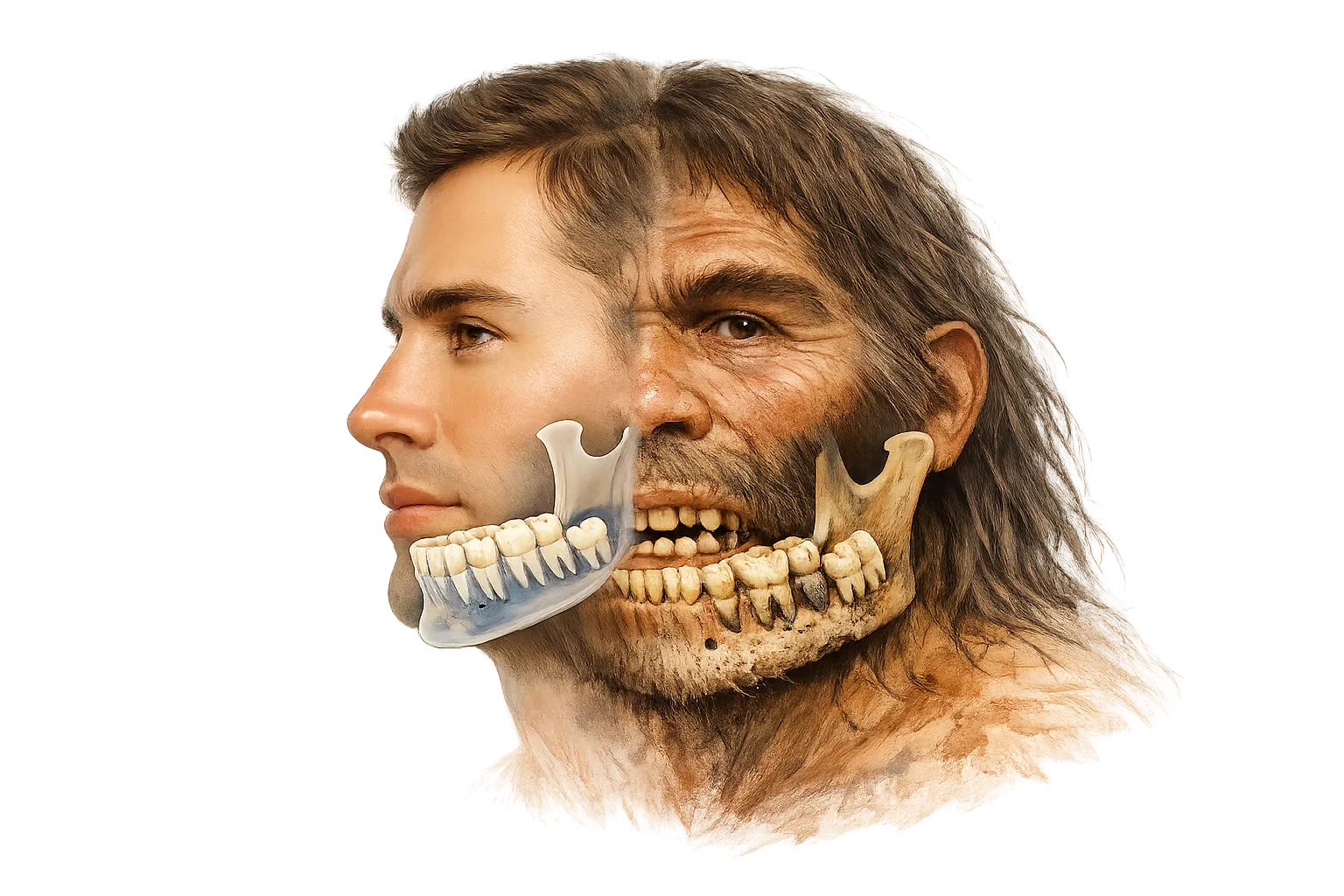
Why Do We Have Wisdom Teeth?
Wisdom teeth were functional in ancestral jaws large enough to fit them, but modern jaws often lack the space.
Body & Brain
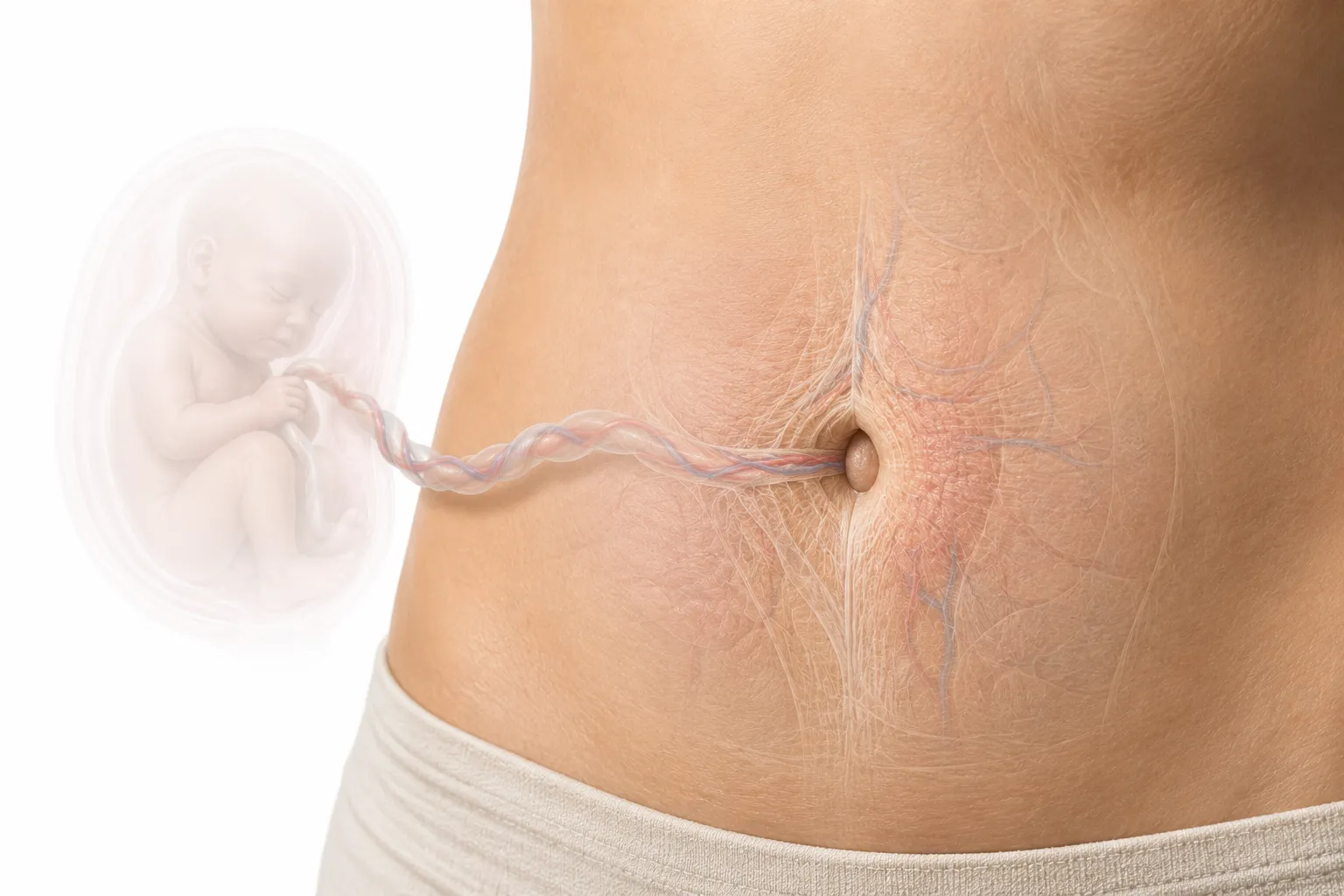
Why Do We Have a Navel?
The navel is the healed scar left behind where the umbilical cord once connected a fetus to the placenta.
Body & Brain
Can the Brain Feel Pain?
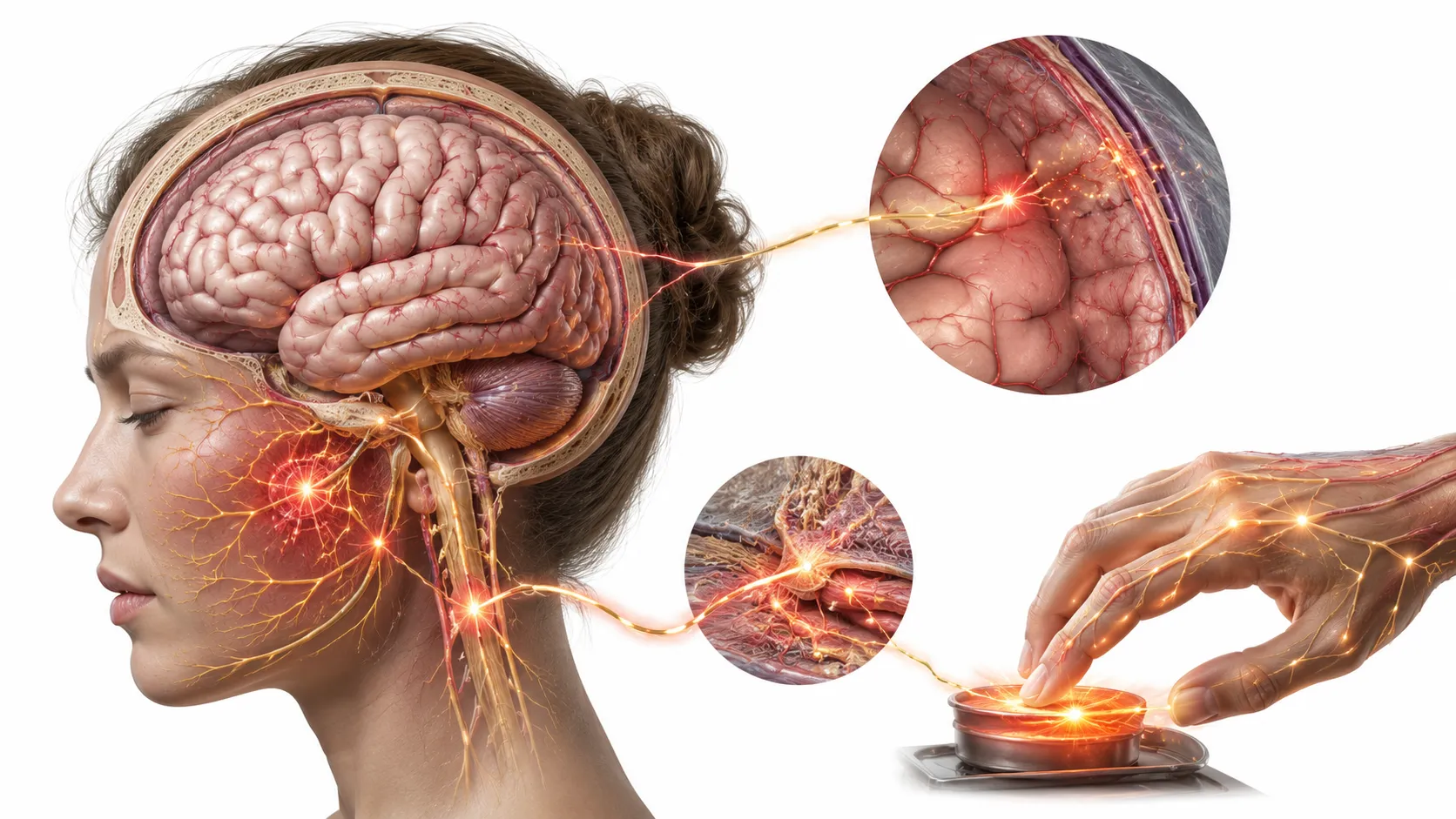
The brain controls all pain in your body, yet it cannot feel pain itself. Discover why, and what this strange fact re...